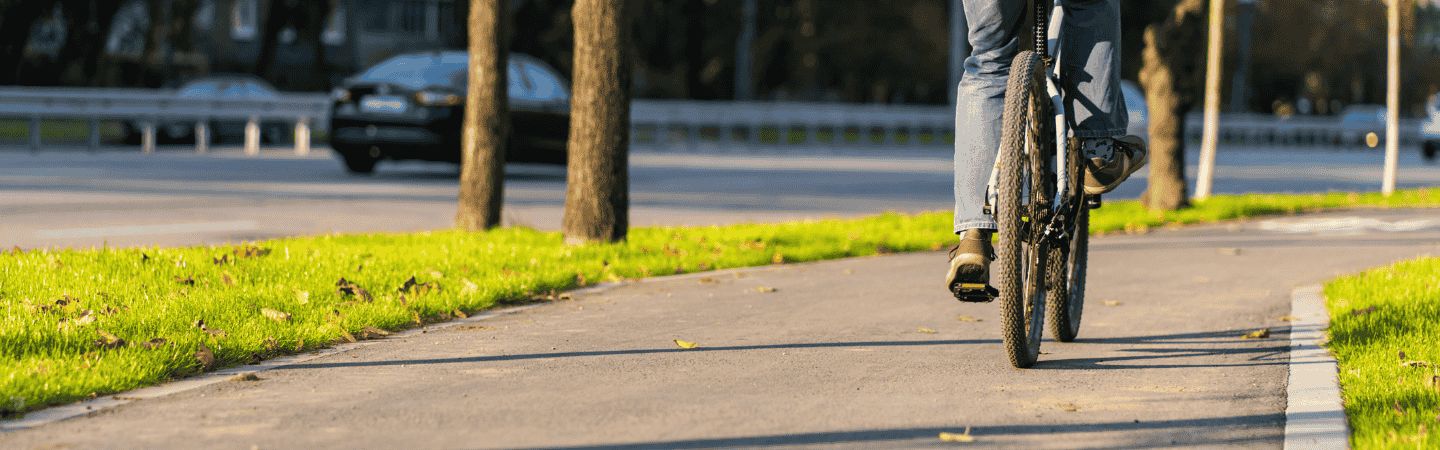
30 km/h trials funded for local streets
The Victorian Government has announced safety upgrades for local roads and streets, including funding to support 30km/h speed limit trials across Victoria.
RMIT urban researcher Dr Afshin Jafari – lead author of a 2025 study on lower residential speed limits in Greater Melbourne – is available for interview about the likely impacts on travel time and road safety. Jafari’s modelling found reducing residential street limits from 50 km/h to 30 km/h can improve cycling safety while having little impact on typical car travel times.
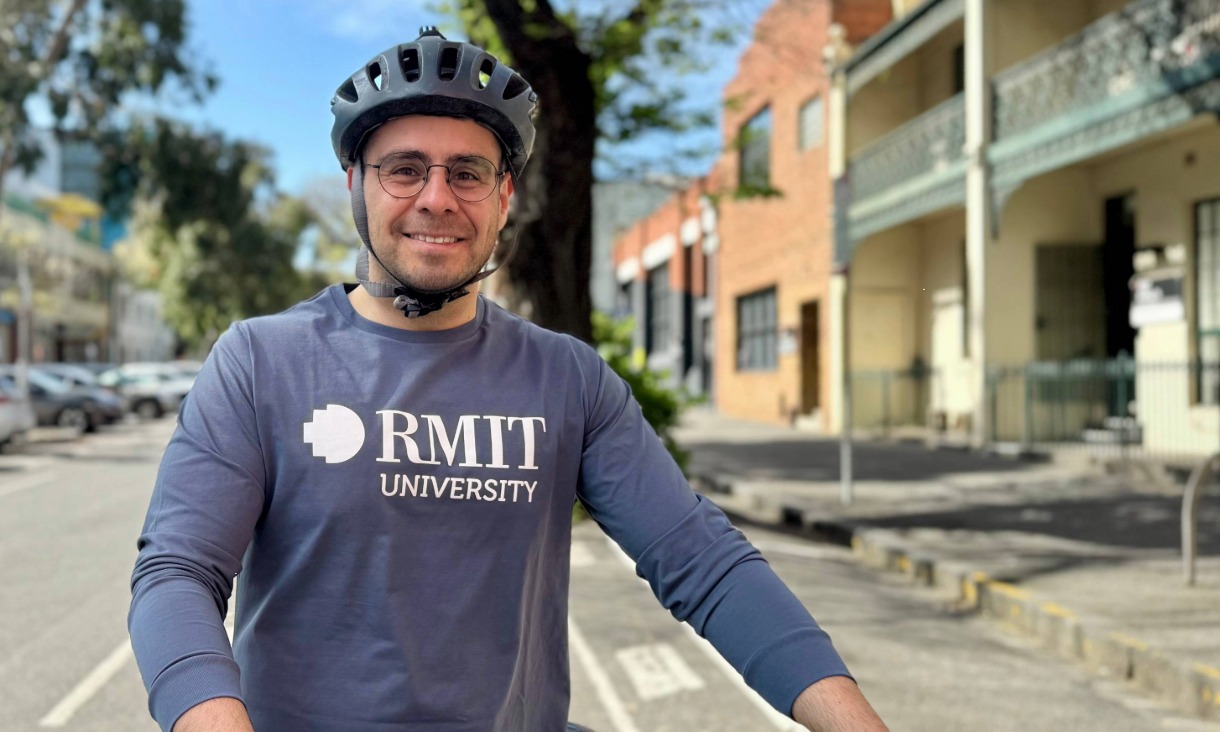 Dr Afshin Jafari is a researcher in the Centre for Urban Research.
Dr Afshin Jafari, Vice-Chancellor’s Postdoctoral Research Fellow, RMIT Centre for Urban Research
“People often assume 30 km/h will add a lot of time, but most journeys don’t stay on residential streets for long. In our modelling, the average short local trip increased by about a minute.
“Slower traffic makes riding less stressful, which can encourage more people to choose walking or cycling for short local trips.
“Lower speed limits are a practical, low-cost step. Physical separation is ideal, but it’s expensive and slow to roll out.
“Reducing speed limits where there are high numbers of vulnerable road users can deliver safety benefits while longer-term infrastructure is delivered.”
Dr Afshin Jafari is a Vice-Chancellor's Postdoctoral Research Fellow at RMIT's Centre for Urban Research with expertise in active travel behaviour and urban data analytics and modelling.
More: rmit.edu.au/news/all-news/2025/oct/30-zones.
Interviews:
Dr Afshin Jafari, afshin.jafari@rmit.edu.au
General media enquiries:
RMIT External Affairs and Media, 0439 704 077 or news@rmit.edu.au
- Regenerative Futures
- Urban Design
- Sustainability
- DSC


Acknowledgement of Country
RMIT University acknowledges the people of the Woi wurrung and Boon wurrung language groups of the eastern Kulin Nation on whose unceded lands we conduct the business of the University. RMIT University respectfully acknowledges their Ancestors and Elders, past and present. RMIT also acknowledges the Traditional Custodians and their Ancestors of the lands and waters across Australia where we conduct our business - Artwork 'Sentient' by Hollie Johnson, Gunaikurnai and Monero Ngarigo.
More information
