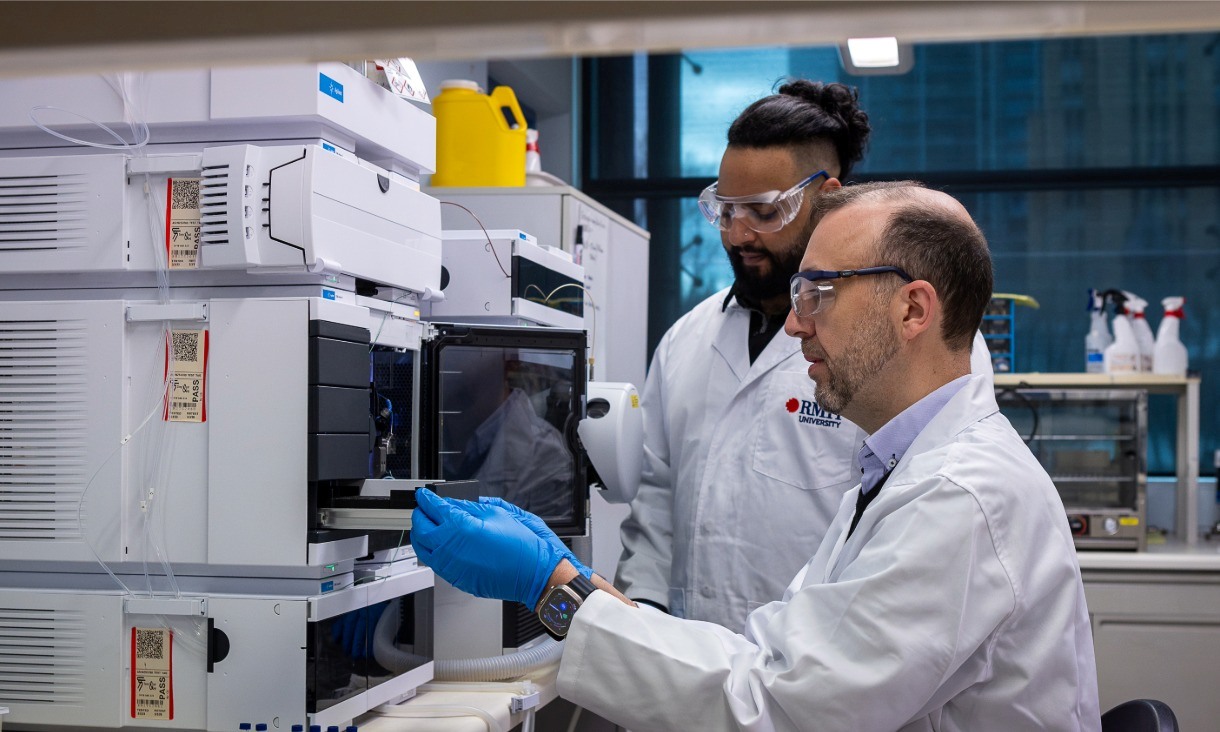
The Personalised add-on Acupuncture service at Northern Hospital Emergency Department for Acute Pain (PANDA), explores how registered acupuncturists can work alongside emergency department clinicians to support patient comfort, improve care experiences and potentially reduce time spent in hospital.
With around one in three emergency department visits involving acute pain, the project is investigating how acupuncture can be seamlessly integrated into the fast‑paced emergency department environment to complement standard patient care.
Unlike clinical trials that test whether a treatment works under controlled research conditions, the PANDA project is an implementation study focused on how evidence-based acupuncture can be delivered effectively within the realities of a busy emergency department.
The PANDA team’s early findings show strong patient interest in non-pharmaceutical pain management options. More than 90 per cent of surveyed ED patients would consider acupuncture if it helped them avoid or reduce medication use, while 90 per cent of surveyed healthcare workers wanted non-drug options for their patients.
Pandas, known for their calm and gentle nature, have become the symbolic mascot of the PANDA project – reflecting the team’s goal of bringing relief and reassurance to patients in distress.
RMIT Professor Dr Zhen Zheng, a leading expert in acupuncture and integrative pain care, led the development of the project's framework and the co-design of the service guidance to support seamless integration with current clinical care.
The team has been assessing feasibility, gathering patient and staff feedback and exploring how acupuncture could be incorporated into emergency care. Deputy Director of Northern Hospital’s Emergency Department, Dr Heng Cheok, is leading the implementation of the project at the Northern Hospital Emergency Department.
He has further strengthened the project's clinical leadership by undertaking additional training with the Australian Medical Acupuncture College, deepening the team's connection to emerging integrative care practices.
The PANDA project has been funded by the Northern Health Research Grants Program, RMIT University, and community donations via RMIT Philanthropy.
Quote attributable to RMIT Deputy Vice-Chancellor Catherine Itsiopoulos
"Universities have an important role to play in working with industry and health partners to translate research into real-world impact and this project is a great example of that."
Quote attributable to Chief Executive of Northern Health Debra Bourne
“The PANDA project shows how small, evidence‑based changes in clinical practice can make a meaningful difference for patients in acute pain.”
Quotes attributable to RMIT Health and Biomedical Sciences Professor Dr Zhen Zheng
“Acute pain is one of the most common reasons people come to the emergency department. If we can offer an effective, low‑risk option that reduces distress and supports clinicians, that’s a meaningful step forward for patient‑centred care.”
"There is substantial research demonstrating acupuncture is safe and effective for pain management. This collaboration allows us to test it in a real‑world emergency setting, ensuring future models of care are practical and genuinely meet patient needs.”
Quotes attributable to Dr Heng Cheok, Deputy Director, Northern Hospital Emergency Department
“International experience shows acupuncture can be successfully incorporated into hospital systems, particularly in pain and integrative care services.
“It is fascinating to see the history behind acupuncture, the research supporting its effectiveness, and how widely it has been integrated into healthcare systems overseas.”
Quote attributable to Northern Health Emergency Department Acupuncturist, Amy O’Brien
“Collaboration sits at the heart of the project, with a focus on adapting traditional approaches to support both patient experiences and staff workloads.”
Quotes attributable to patient and PANDA project participant, Barsha Pokharel
"When I arrived at the emergency department, I was experiencing pain in my left shoulder. The pain was significantly less after acupuncture treatment. I am extremely satisfied with the care I received.”
***
General media enquiries: RMIT External Affairs and Media, 0439 704 077 or news@rmit.edu.au