Summary
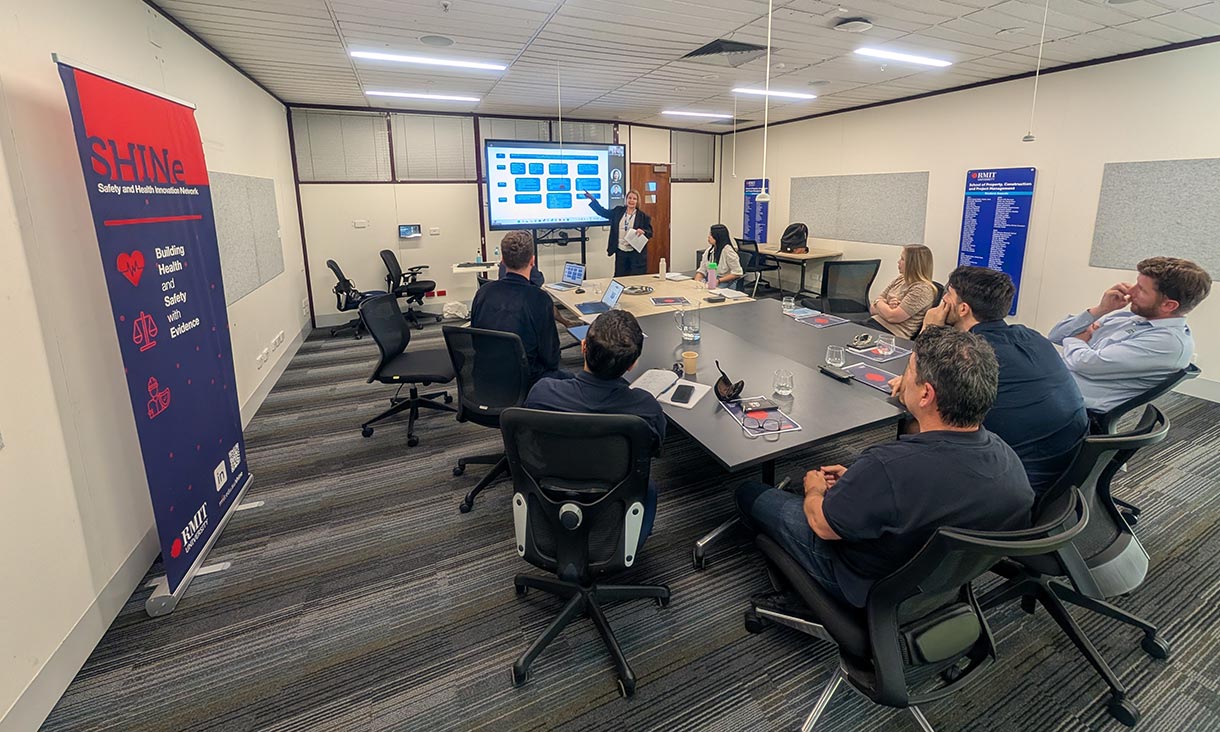
The term ‘safety clutter’ was coined to describe activities that are performed in the name of safety, and the artefacts they produce (e.g. rules, documents etc) that do not contribute to the safety of operational work. Occupational health and safety (OHS) management systems are often criticised for being overly cluttered and, as a result, cumbersome and ineffective. However, it is risky to remove safety clutter without evidence that to do so will not have unintended consequences.
The project sought to explore construction industry stakeholders’ views about what makes an activity or artefact safety clutter, as well as what are the sources and consequences of safety clutter in the construction industries of Australia and New Zealand.
Stakeholder interviews were conducted with construction contractors, regulators, client representatives and trade union OHS leaders.
It was recognised that a multi-stakeholder approach needs to be used in efforts to declutter OHS management systems because safety clutter experienced at one level of a work system often arises because of expectations communicated from another level (e.g. from client to contractor or principal contractor to subcontractor).
The research showed that different industry stakeholders agree on the attributes of safety clutter and also agree that cluttered OHS management processes produce undesirable outcomes, including worker disengagement, individualising responsibility for OHS, reduced trust and a diversion of resources away from the OHS activities that matter.
A process mapping tool was developed in the research that can be used to support construction organisations to identify safety clutter ‘hotpots’ in their OHS management processes and to work collaboratively with their stakeholders to decide how to declutter in ways that are acceptable to all parties.
Project team
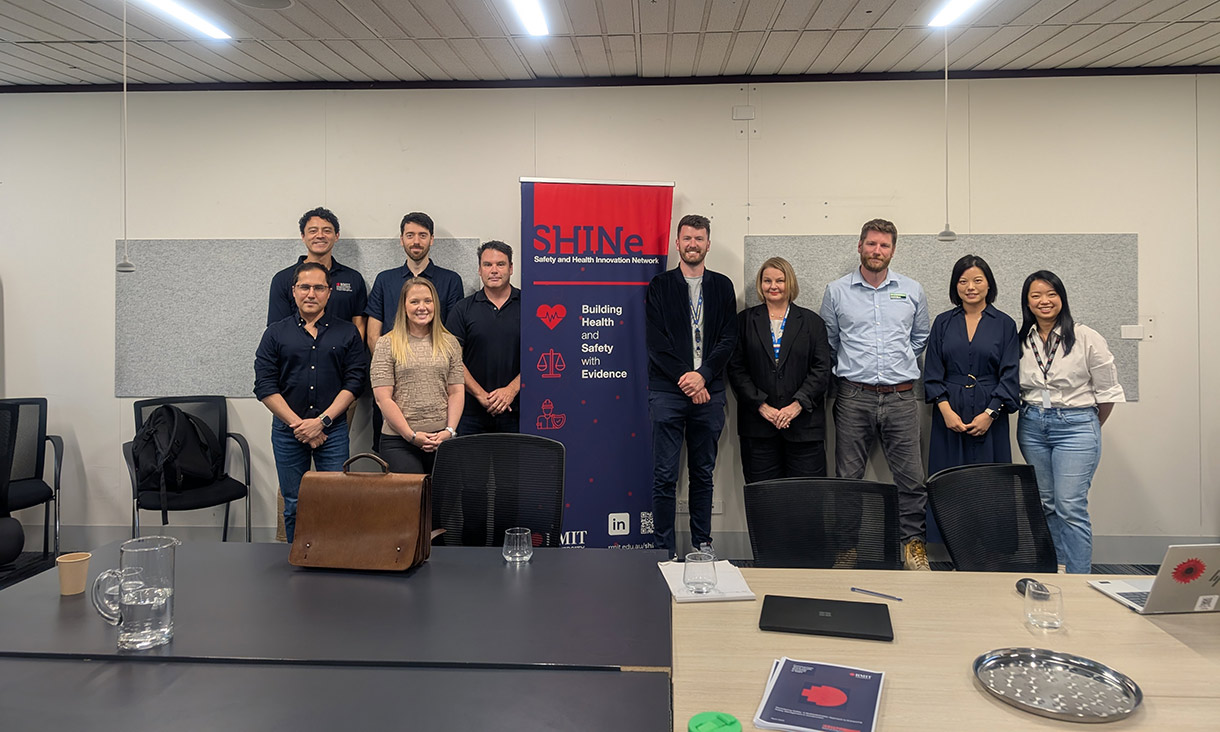
- Scott McMillan (Project Lead)
- Rita Peihua Zhang (Academic Lead)
- Helen Lingard (Chief Investigator)
- Payam Pirzadeh (Chief Investigator)
- Huey Wen Lim (Research Fellow)
- Daniel Devaney (McConnell Dowell)
- Stephen Smilevski (Melbourne Park)
- Jono Morrow (Laing O'Rourke)
- Paul Breslin (Multiplex)
- Ashlea Moroney (HammerTech)
- Paul Williams (Simonds Homes)
- Gavin Kenny (Opal)
Outputs
- Decluttering health and safety management activities in construction: A process mapping tool (PDF 1.8 MB)
- Zhang, R. P., Lingard, H., Lim, H. W., & Pirzadeh, P. (2025). Decluttering health and safety management activities in construction: Research report (PDF 2.2 MB). RMIT University, Melbourne.
- Lim, H.W., Lingard, H., Zhang, R., & Pirzadeh, P. (2025). Decluttering safety: A multistakeholder approach to enhancing safety management in construction (PDF 662 KB): Position Paper. RMIT University, Melbourne.



