Alumni Expert Series: Head of Design at Witchery

Kirby Hanrahan always knew she wanted to work in fashion. This was her journey from coursework to catwalk.

Her focus and talent has seen her break into the notoriously tough industry and rise through the ranks to become Head of Design at iconic Australian womenswear label Witchery.

We sat down with Kirby as part of the RMIT Alumni Expert Series to learn more about her journey in fashion.

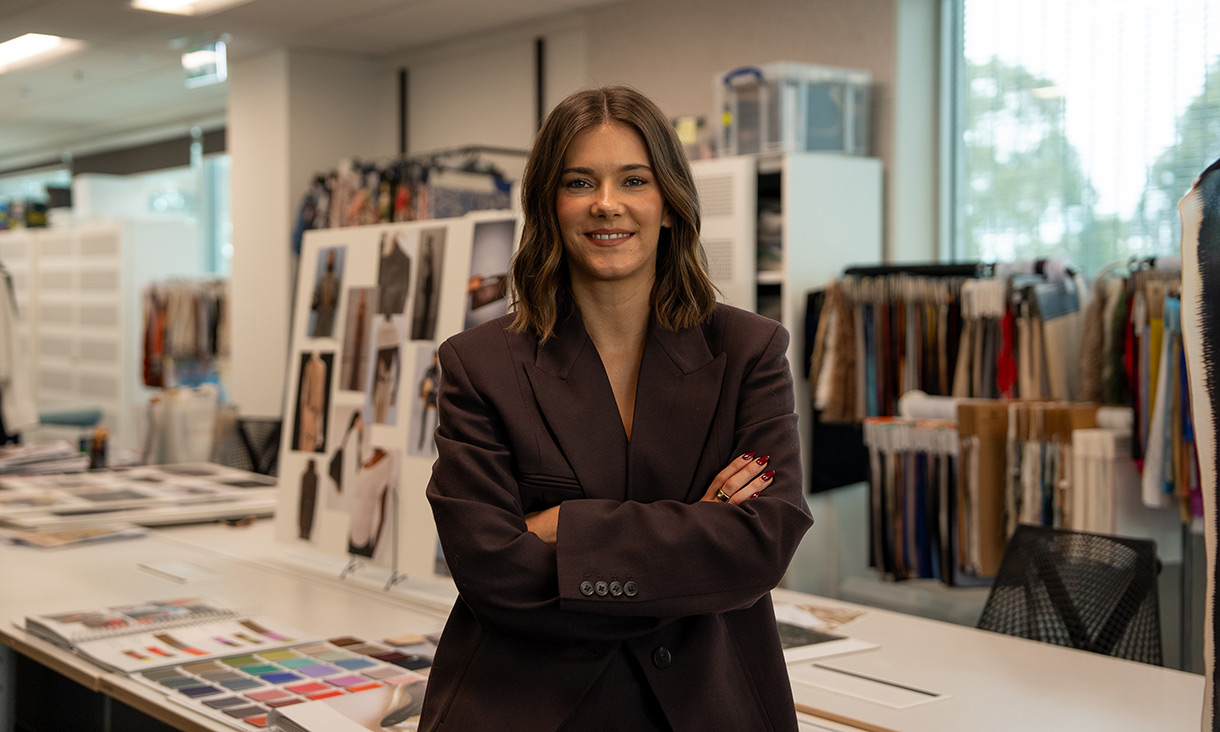
Kirby Hanrahan in a design studio

Early ambitions

Kirby’s mum played an influential role in her interest in fashion, but it was a careers day at primary school that crystalised Kirby’s future goals. 

“I originally wanted to go as a hairdresser, but my mum didn’t have anything on hand to bring the look to life,” she said.

“My older sister had just started learning fashion design at high school, so she suggested I go as a fashion designer instead. And I guess the rest is history!”

Her passion for fashion was also inspired by her high school textiles program, which led her to study at RMIT. 

Kirby graduated from RMIT in 2012 with a Bachelor of Applied Science (Fashion Technology) - now the Bachelor of Fashion (Design) - after completing the Diploma of Applied Fashion Design and Technology in 2011. 


A single focus for fashion

Fashion is a famously tough industry to get a toehold in, but Kirby was highly motivated to break in. 

“I honestly live and breathe it – it’s all I could ever see myself doing,” she explained. 

“I knew it would be competitive, but it never felt like work because I loved it so much. I’m drawn to the creativity, the self-expression and the opportunity to dress people for life’s many moments and help them feel their best.”

Her chance came about in the second year of her RMIT degree. Kirby was required to do work experience and decided to ask her part-time employer, the Country Road Group.

“Thankfully, they said yes and that opportunity led to ongoing freelance work. I ended up starting full-time with that team the day I graduated,” she said.


Climbing up the fashion rungs

After graduation, Kirby began working full-time at Mimco, which is owned by the Country Road Group, as a design assistant in the footwear and leathergoods departments. From there she moved to Trenery, also owned by the Country Road Group, as a design assistant in accessories. By 2015 she was a fully-fledged designer at Country Road and by 2019, a design manager.

In 2023, Kirby was elevated to Head of Design in accessories at Country Road and then promoted to Head of Design, apparel and accessories, at Witchery.

She said her go-the-extra-mile attitude made her stand out when applying for promotions.

“I think my willingness to go above and beyond, whether it’s staying back to help or jumping in to assist in meetings, shows that I’m not only prepared to do the work but also eager to gain experience across different areas,” she said.

“I also believe in putting yourself forward for opportunities, even if you don’t feel completely ready or it’s not the exact role you envisioned. Gaining experience and perspective is so important; you never know what doors it might open or what future opportunities it could lead to.”
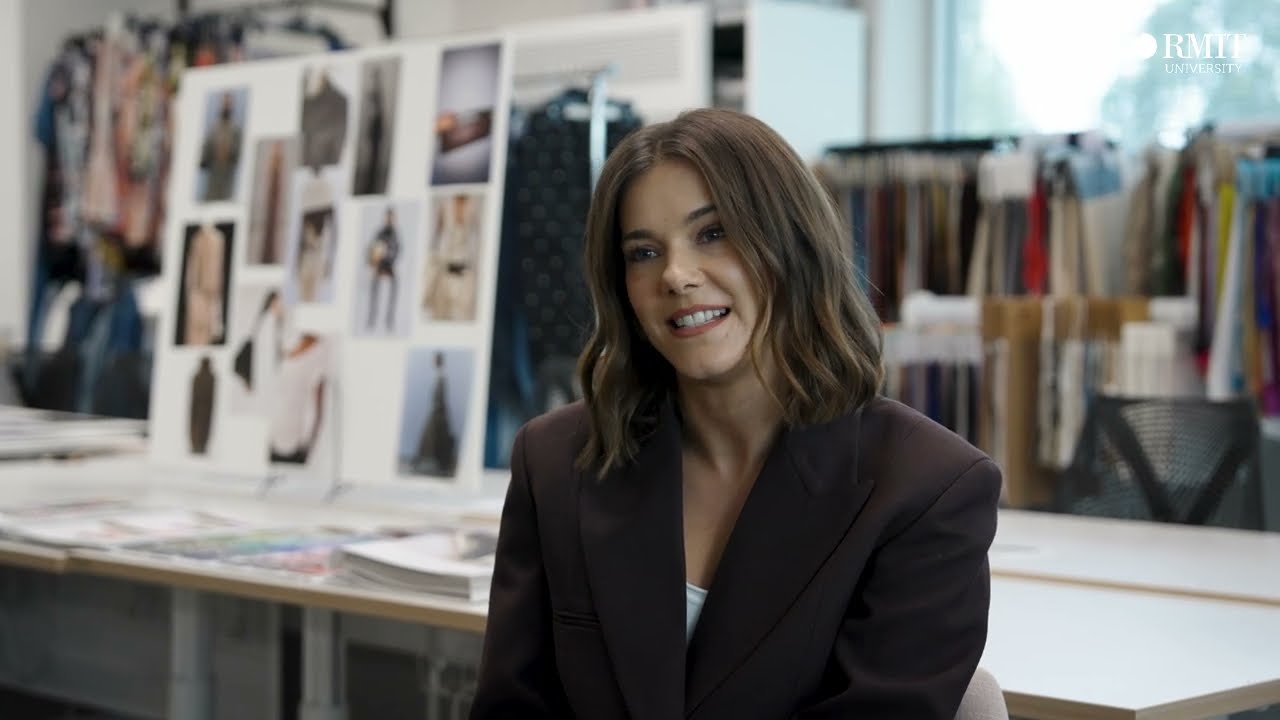
Kirby Hanrahan | RMIT Alumni Expert Series

Tips for others working towards a start in fashion

Fashion students are always eager to learn how others made their way in the industry and Kirby is well aware of just how hard it is to make that all-important start. 

“I think it’s always hard to get your foot in the door. Most roles want someone with experience, but how do you gain that experience without first getting a chance?” she said.

“The good news is there are so many more pathways now, whether it’s internships, social media, or even starting something on your own. You just have to be proactive, put your hand up for everything, and not be afraid to start small.”

 Her three tips for fashion students are:

  1. Say yes to everything (within reason of course). Every experience counts and adds value to your growth
  2. Be confident in your point of view - if you believe in your creativity, others will too.
  3. Be curious and kind! You’ll learn more, build stronger relationships, and people will love working with you.


Navigating the challenges

There’s no standing still in the fashion industry. Trends are constantly changing along with economic influences. 

Kirby counts a business restructure as one of her biggest career challenges and says it forced her to develop a whole new set of skills. 

“Roles and expectations evolved quickly and I had to adapt fast, step into new areas and communicate more proactively,” she said.

“It pushed me out of my comfort zone, but ultimately helped me grow, build stronger cross-functional relationships, and become more flexible and solutions-focused during times of change.”

Keeping industry networks up to date is an important professional habit and Kirby said she’s maintained connections with mentors from her early years in fashion. 

“I’ve been lucky enough to work with some truly incredible people, many of whom I stay in touch with as mentors and know will be lifelong friends,” she said. 

“The industry is so connected, and I really enjoy keeping in touch and celebrating the amazing achievements and milestones of those around me.”


Ready for what’s next in fashion

The future of fashion is being assessed all over the world. Major brands are moving towards more sustainable outcomes and broadening their appeal to more diverse groups of people. Kirby said she hopes to be part of that change. 

“I’d love to help make fashion more inclusive and sustainable, not just in how we design, but in how we show up as an industry,” she said. 

“Whether it’s through thoughtful material choices, more diverse storytelling, or empowering emerging talent, I hope to play a part in shaping a more responsible and inspiring future for fashion.”


Story: Kate Jones

You may also be interested in...

aboriginal flag float-start torres strait flag float-start

Acknowledgement of Country

RMIT University acknowledges the people of the Woi wurrung and Boon wurrung language groups of the eastern Kulin Nation on whose unceded lands we conduct the business of the University. RMIT University respectfully acknowledges their Ancestors and Elders, past and present. RMIT also acknowledges the Traditional Custodians and their Ancestors of the lands and waters across Australia where we conduct our business - Artwork 'Sentient' by Hollie Johnson, Gunaikurnai and Monero Ngarigo.

More information