Student Exchange Stories
In their own words, the scholarship recipients share their experiences and the impact the scholarship had on them.
Please click on the individual image above to view it in full.
Please click on the individual image above to view the full image.
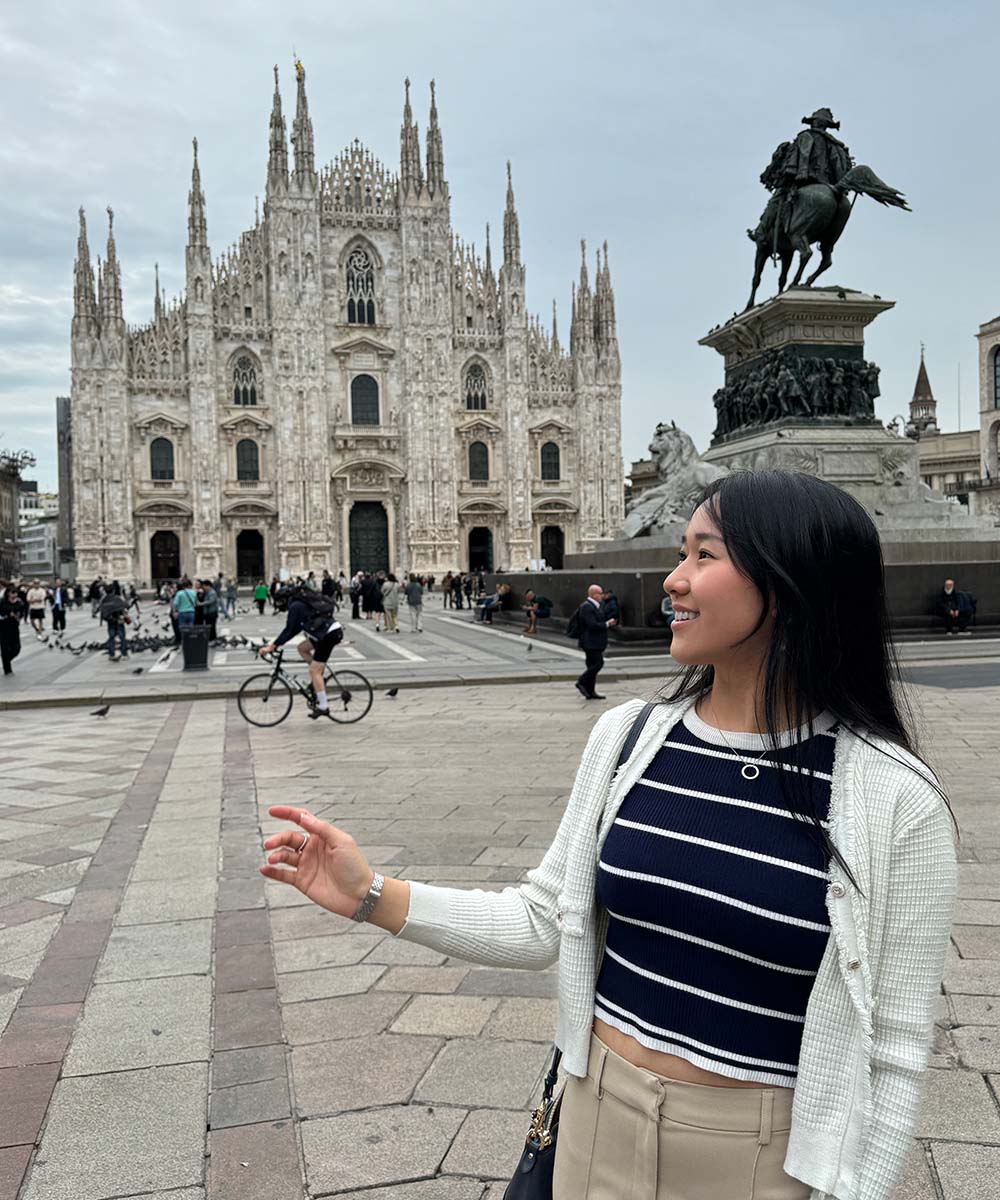
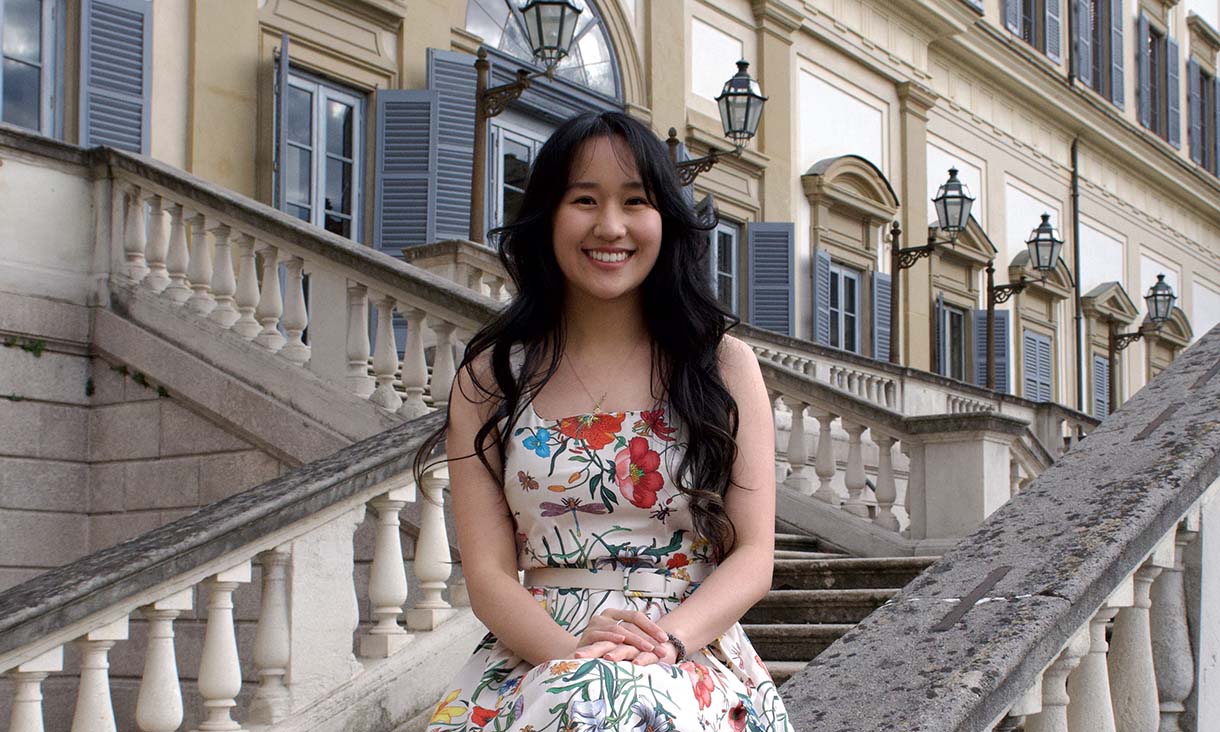
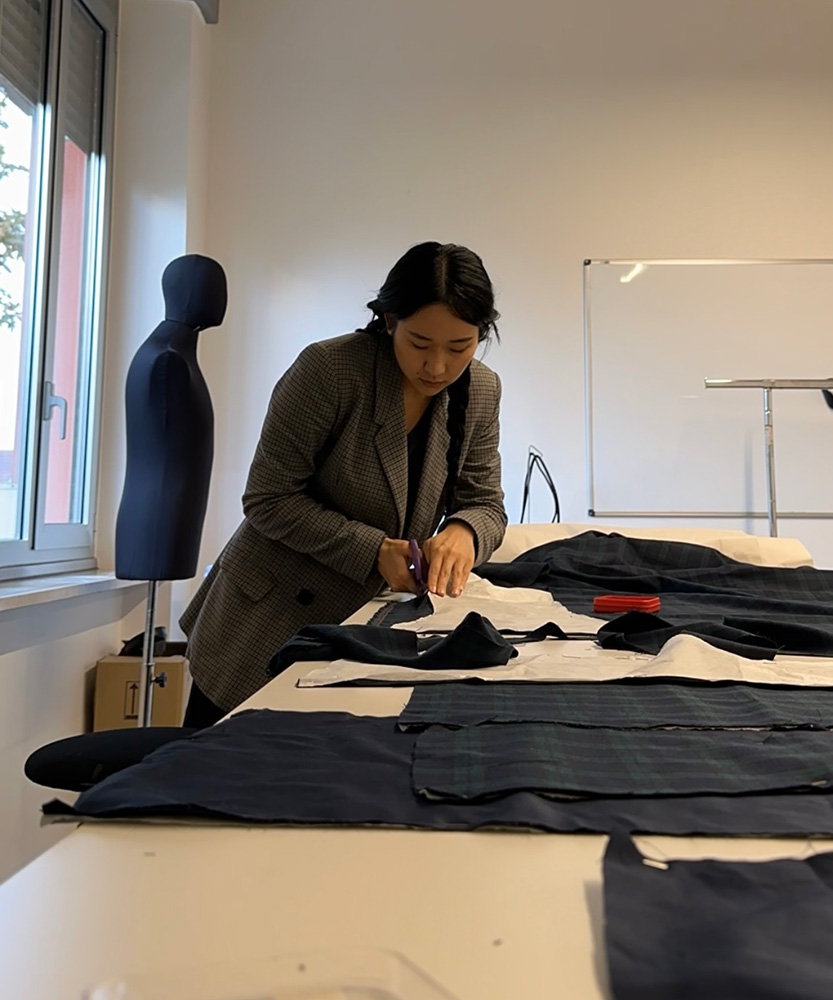
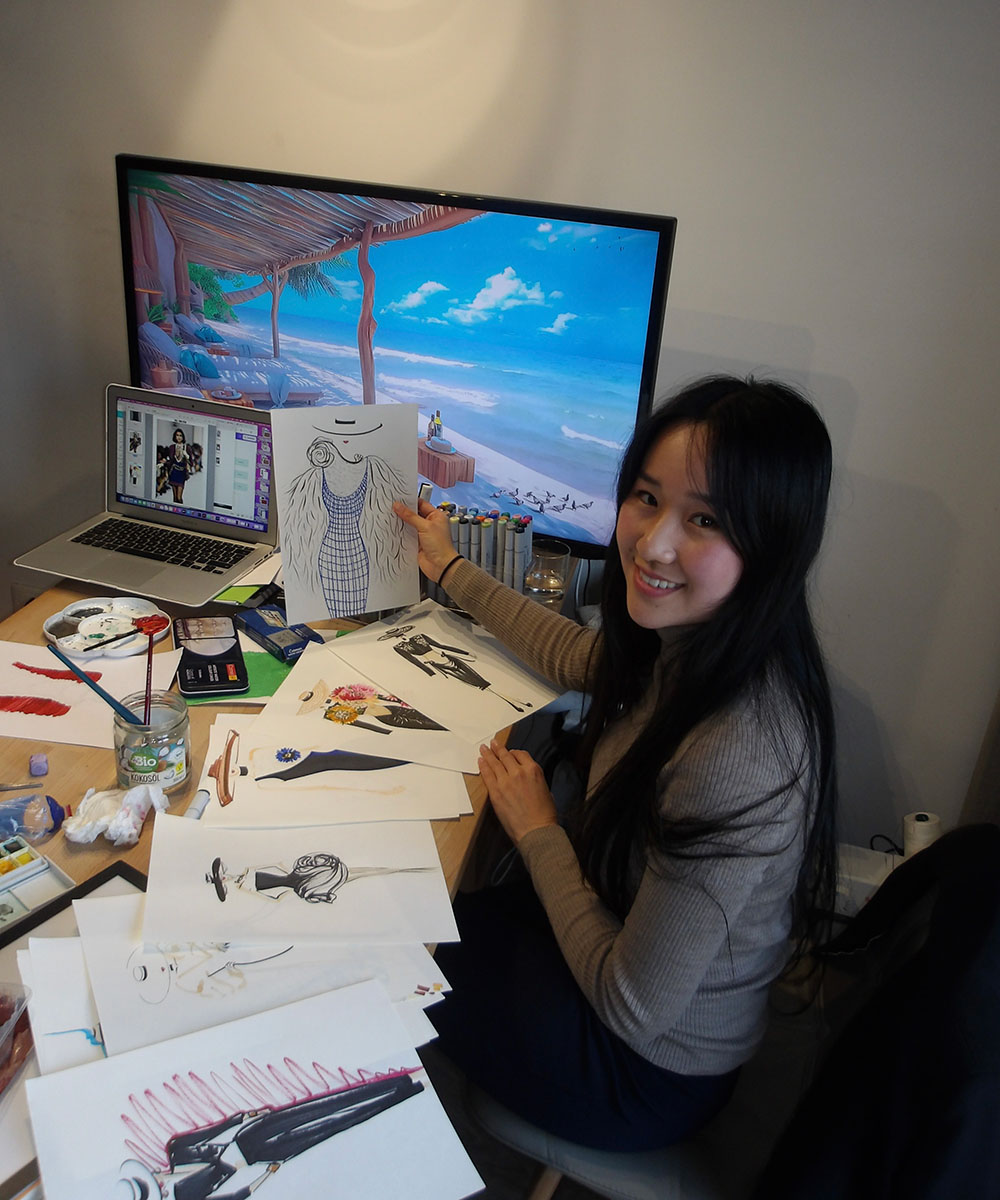
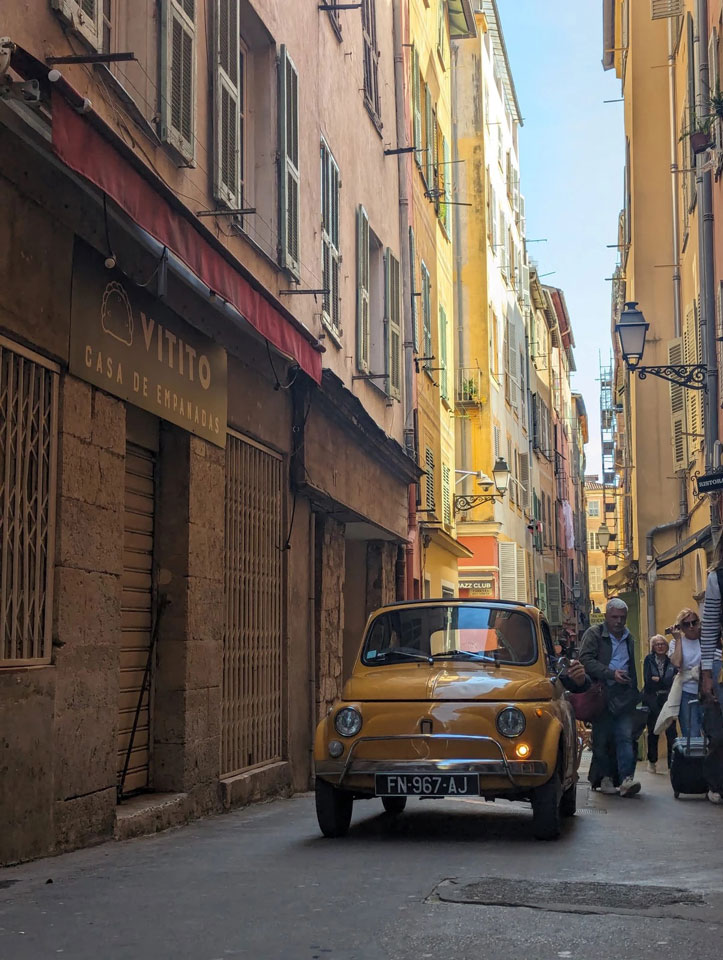
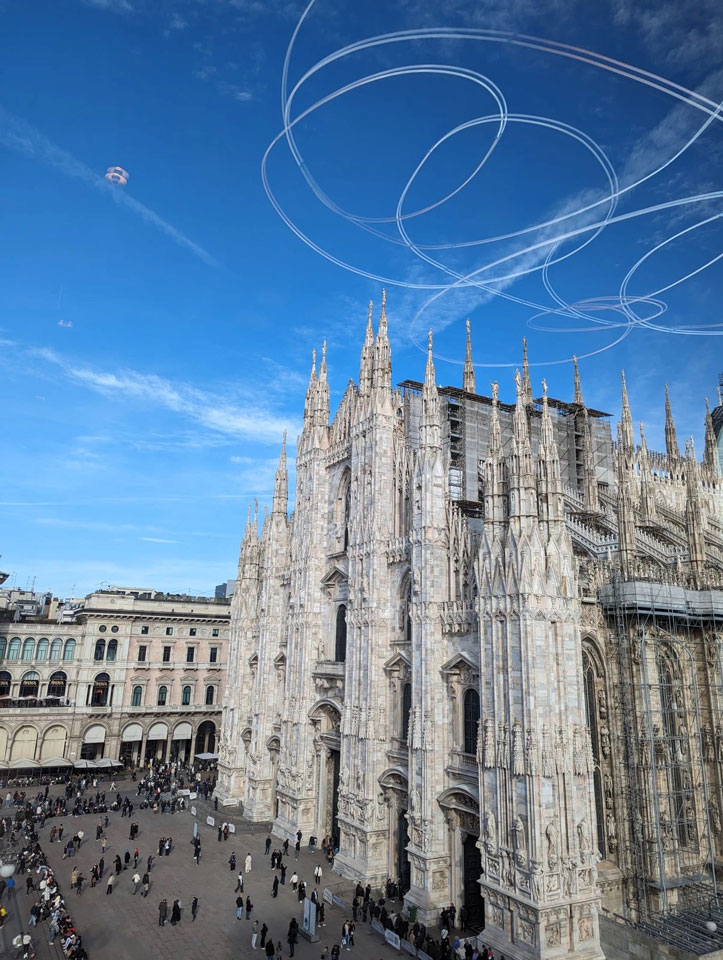
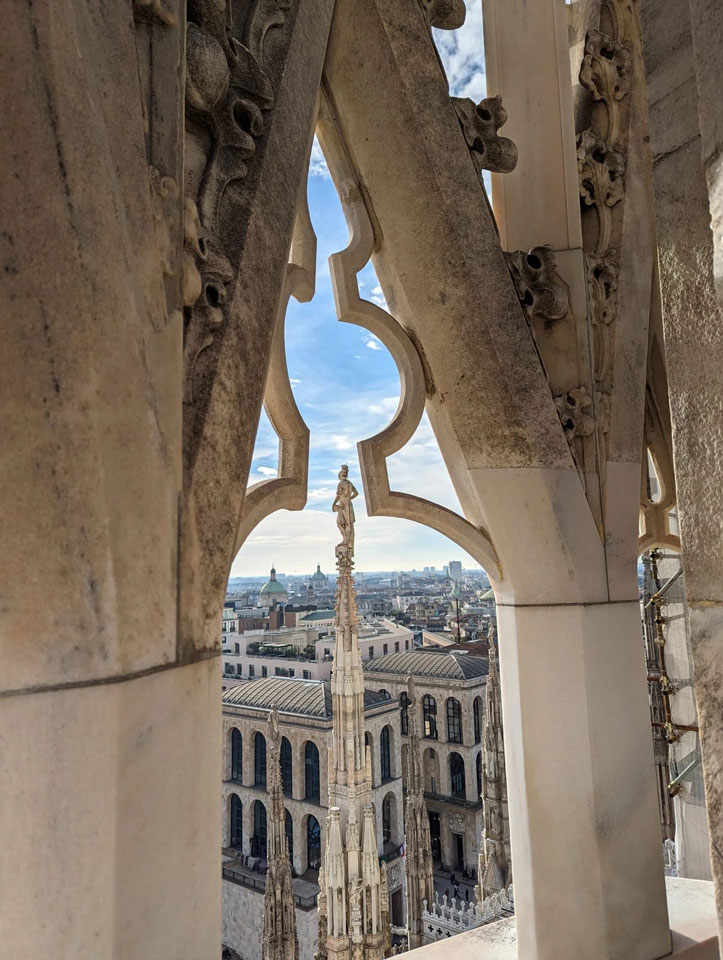
Eugenie Zhan, a third-year Bachelor of Fashion Design student, returned from a semester at the Istituto Europeo di Design (IED) in Milan, both inspired and thankful for her experience. She noted that the scholarship was more than financial support: “I felt supported to push myself, and it gave me a sense of security.”
After applying for the Milan-Melbourne Exchange Program in 2023, Eugenie was relieved to receive the Milan-Melbourne Travel Scholarship in mid-2024. This financial support allowed her to find better accommodation near IED: “I found an apartment with some other students, and the scholarship covered nearly all my rent.”
The learning environment at IED differed significantly from RMIT. “The teachers were harsh, strict, and brutally honest,” she said, noting how such direct feedback drove her to improve. The experience taught her the standards required for success, which she plans to apply in her final year at RMIT.
In Milan, academic expectations were traditional, focusing strictly on industry standards. “If you try to be a bit creative it’s just seen as wrong,” she observed. One of her favourite courses, Fashion Design Research, encouraged students to “create an imaginary world” for their designs, drawing inspiration from original art and architecture. “The teacher would ask, ‘Why that picture? Why that colour?’”
The schedule at IED was intense, with classes from 8:30am to 6:30pm. Students often gathered for lunch at supermarket Esselunga, enjoying “deliciously roasted, oily little baby potatoes.” While in Europe, Eugenie travelled widely, visiting cities like Paris and Rome, enhancing her understanding of global culture.
Now back in Melbourne, Eugenie is eager to apply her international insights to her studies, feeling immensely grateful for the scholarship that enabled this transformative journey.
Please click on the individual image above to view the full image.
Thomas Pearson is studying the Bachelor of Mechanical Engineering and Industrial Design with Honours at RMIT. His hard work and dedication to sustainable design and renewable energy earned him a transformative semester studying at Milan’s Politecnico di Milano (Polimi) in 2024.
The opportunity to study at Polimi, renowned for its design programs, was a pivotal moment for him. The Milan-Melbourne scholarship, which he was awarded based on his academic performance, was instrumental in making this experience possible. He said: "Without it, I wouldn't have been able to go to Milan and live there as well as travel as much as I did."
Before starting his degree, Thomas completed an Advanced Diploma in Mechanical Engineering at RMIT, which provided him with two years of credit towards his current studies. This background has not only given him a solid foundation in mechanical engineering but also allowed him to start working as a junior mechanical engineer.
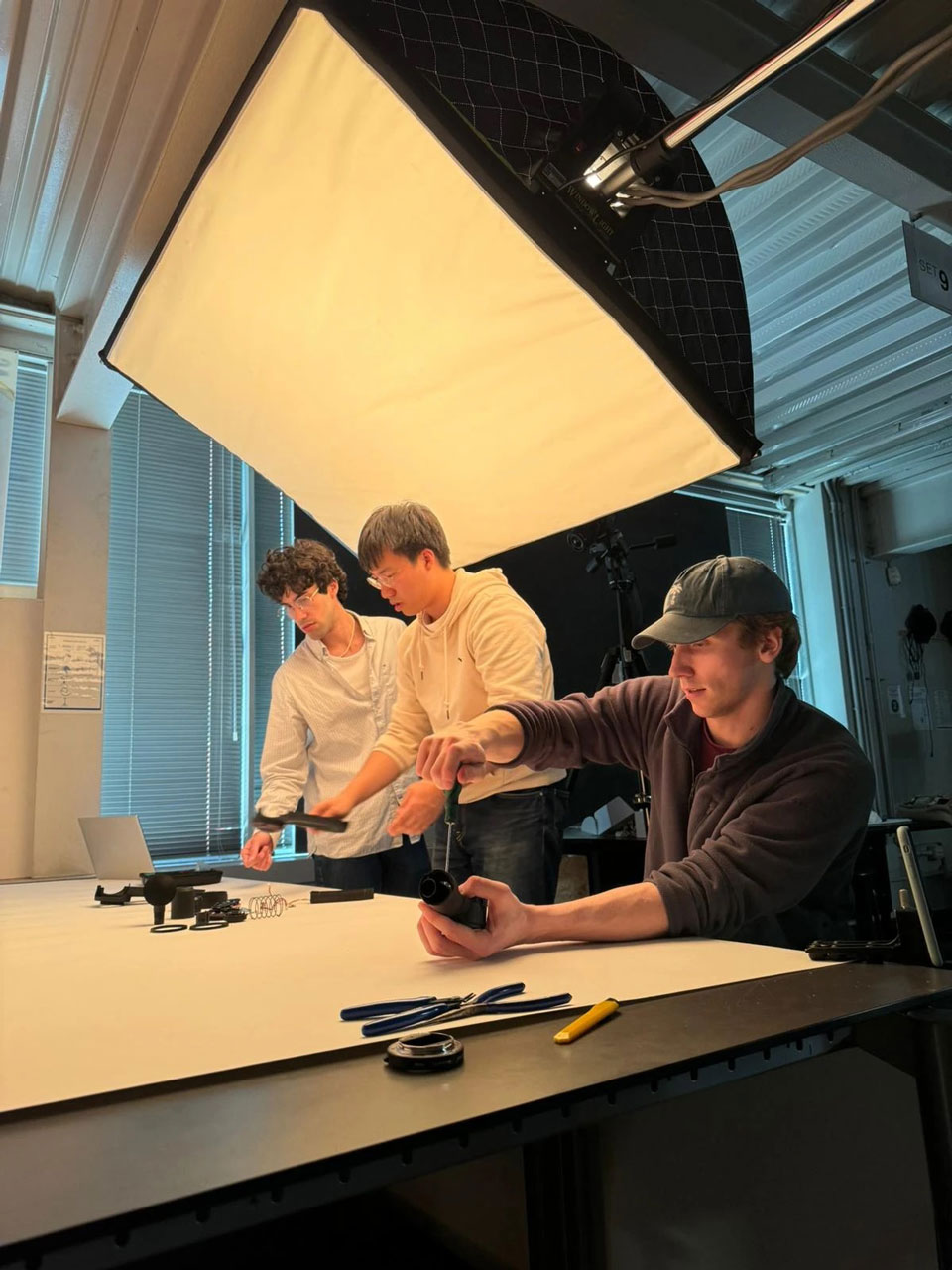
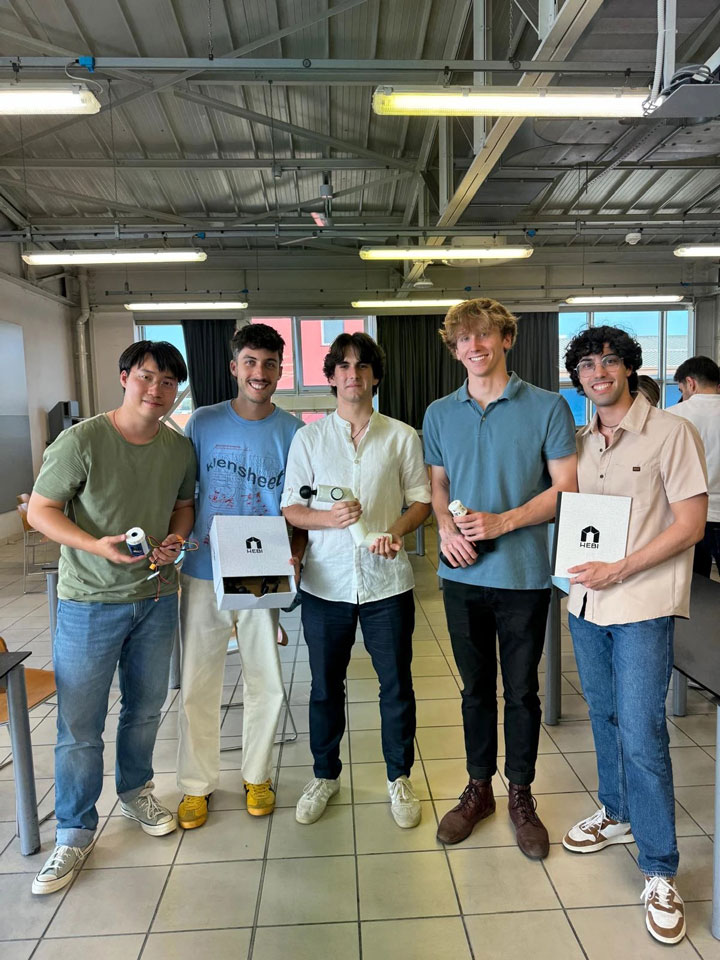
During his time at Polimi, Thomas participated in a product design studio where he and his team redesigned a massage gun, working through the entire design process from disassembly to creating a 3D-printed prototype. Another project involved collaborating with Italian engineering firm, Rold, to develop a sensor device for food containers. This industry-integrated class allowed Thomas to apply his engineering skills in a real-world context, further fuelling his interest in sustainable design.
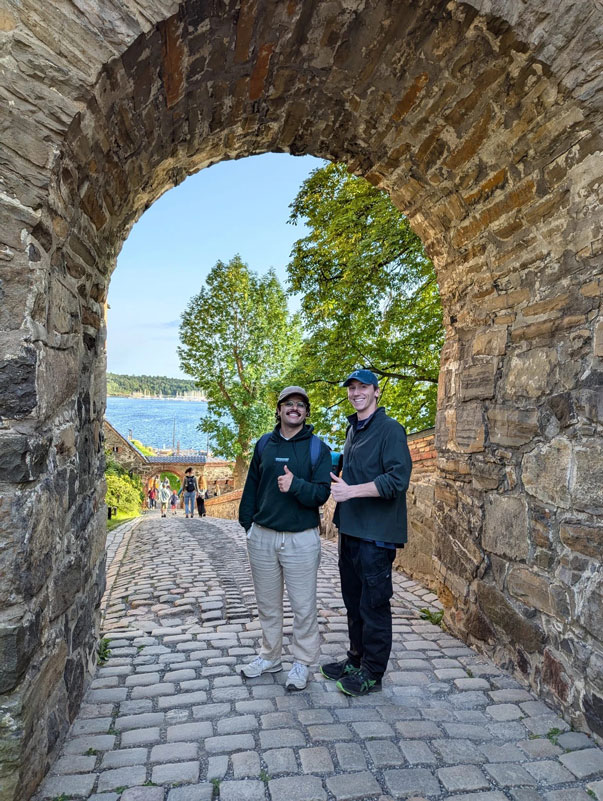
Thomas's exchange experience was not limited to academic study. He made the most of being in Europe and travelled to countries including Iceland, Portugal, Switzerland, France and Norway. These travels were facilitated by the friendships he formed with other exchange students, broadening his global perspective and enriching his personal growth. "It just opens up opportunities all over the place," he said.
A highlight of Thomas's time in Milan was a class on design for sustainability. The charismatic lecturer and the diverse mix of students created a learning environment where Thomas loved working with like-minded individuals passionate about the subject. "I was surrounded by a room of 30 or so people that were as excited about it as I am," he said.
Thomas's semester in Milan was a defining chapter in his life, providing him with invaluable academic knowledge, cultural exposure, and personal connections. The experience has not only enhanced his understanding of global sustainability challenges but also opened new possibilities for his future career. He is considering further studies and potentially moving to the Netherlands to work.
"There's so much happening that's exciting, especially when you hear diverse experiences from people worldwide – Middle Eastern, Eastern European, American, Asian. Each country has unique needs and solutions, and understanding these challenges gives you a fascinating global perspective."
Thomas’s journey is testament to the transformative power of global experiences. His semester in Milan was a catalyst for personal and professional growth, equipping him with the skills and insights needed to make a meaningful impact in the field of sustainable engineering.
Please click on the individual image above to view it in full.
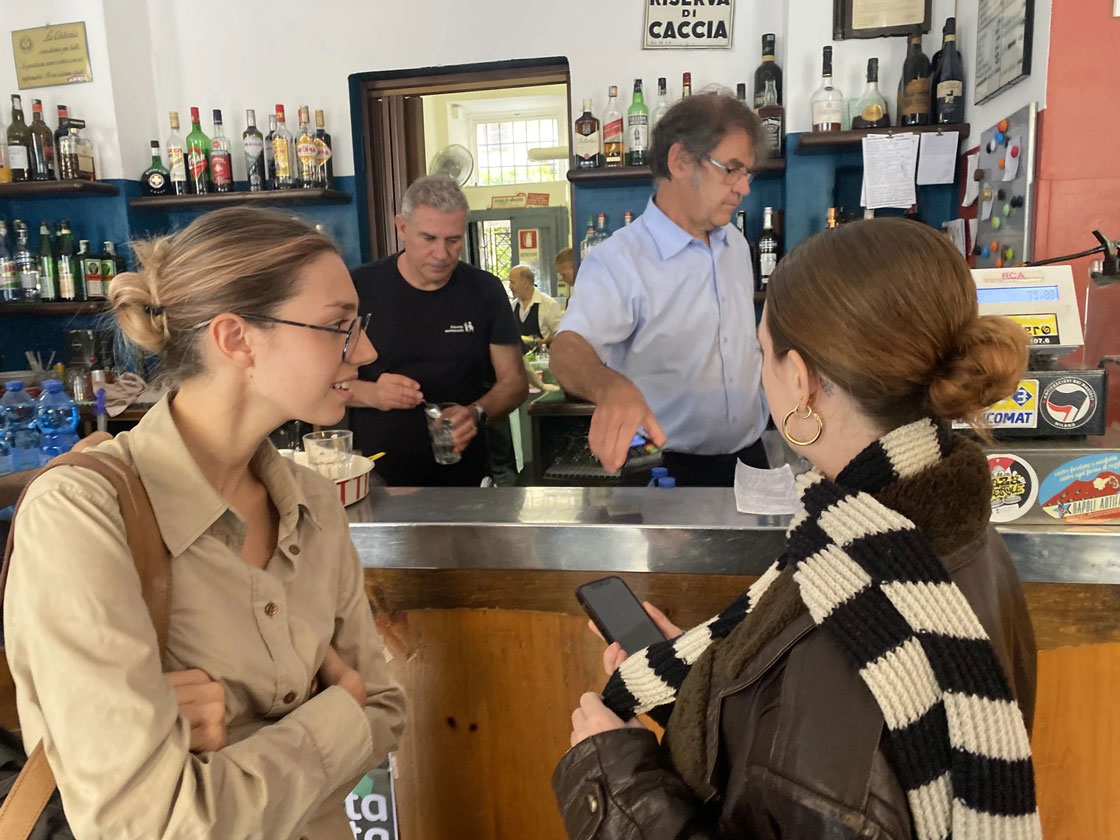
Milan-Melbourne Travel Scholarship recipient Ruby McCann-Hay spent the final semester of her Bachelor of Design (Communication Design) studying at Nuova Accademia di Belle Arti (NABA) in Milan.
Ruby, from Byron Bay in NSW, moved to Melbourne to study at RMIT in 2020 – just in time for the COVID-19 lockdowns. She stayed in Melbourne and spent most of the first two years of her degree studying online.
In 2023 Ruby decided she wanted to spend some time abroad and was accepted to study at NABA for the final semester of her degree.
“After being back on campus for a while, it felt like Melbourne was alive again and I was starting to make friends, but I had applied for the exchange to Milan and I still really wanted to go,” she says.
Ruby wasn’t aware of the Milan-Melbourne Travel Scholarship until an RMIT staff member suggested she apply. She says it was a pleasant surprise to learn she’d been awarded the funding.
“I’d been saving money for my semester in Milan but I knew finances would be tight. The scholarship meant I could relax while I was studying and have money to travel a bit in Europe when it was over.”
Ruby says she had travelled before but never lived in another country. It was an important learning curve for her and she had to adjust very quickly.
“I landed in Milan and had classes two days later,” she says.
“At the start I was up and down. Some days I felt like things were going well and the next day I’d feel like I was very far away from everything I know. Having the structure of uni really helped me to settle in.”
The teaching style at NABA was different to what Ruby had experienced at RMIT and she had to attend classes five days a week.
“All of my classes were in English but when I tried to practise Italian with locals, they spoke to me in English,” Ruby laughs.
“I really enjoyed the subjects I had: digital drawing, digital publishing, experimental graphics, and advertising.
“I feel like the exchange really opened up my world and now I have an international network of friends. At the end of my exchange, I went to visit friends I made at NABA in Turkey, Portugal and Copenhagen.”
Ruby is now living in Copenhagen with a friend she met at NABA. She hopes to get work in magazine publishing and publication design, with a preference for project management and creative direction roles.
Please click on the individual image above to view it in full.
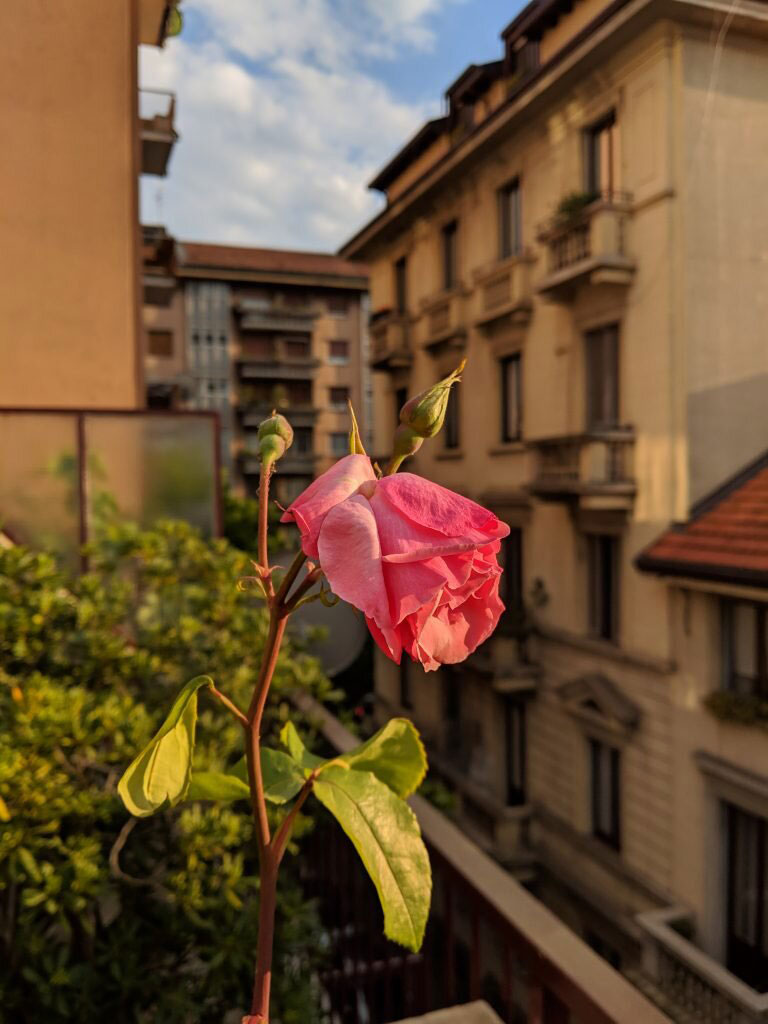
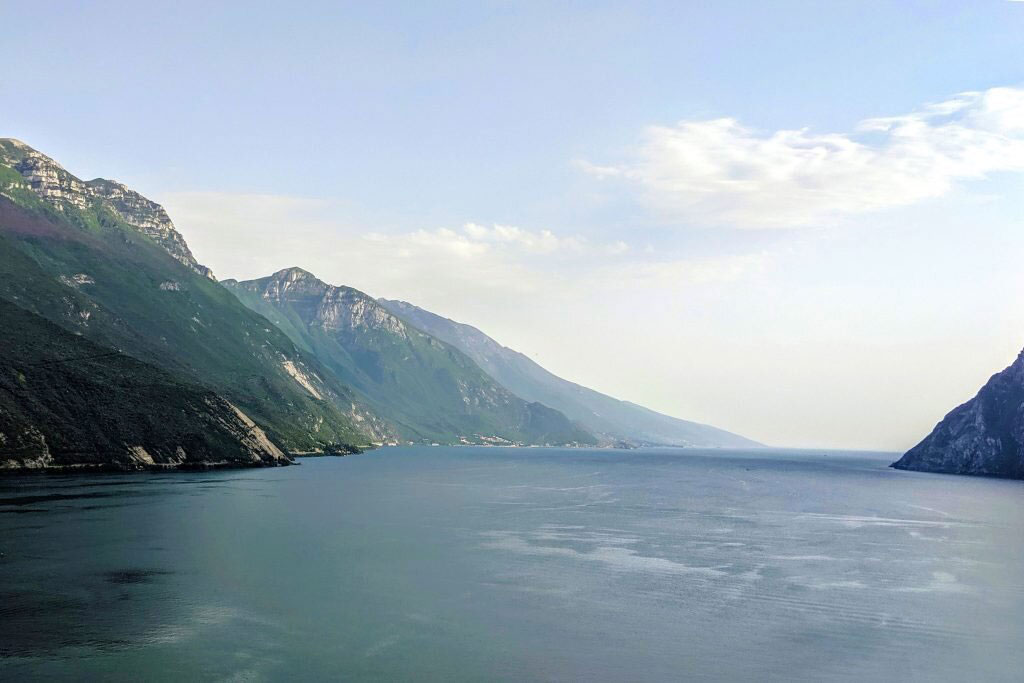
Bachelor of Architectural Design student Samuel Torre felt “extremely grateful” to receive the Milan-Melbourne Exchange Program Scholarship from the Annemarie and Arturo Gandioli-Fumagalli Foundation.
“It has enabled me to pay for living and travel expenses during my time in Milan. Not only just travelling to Milan, but to also experience other parts of Italy and ultimately create a much more diverse and cultured trip.
“I have one more semester to complete at RMIT when I get home, but after I would like to try and find some work overseas. Thank you very much for such an amazing gift and I am so incredibly grateful for the opportunity.”
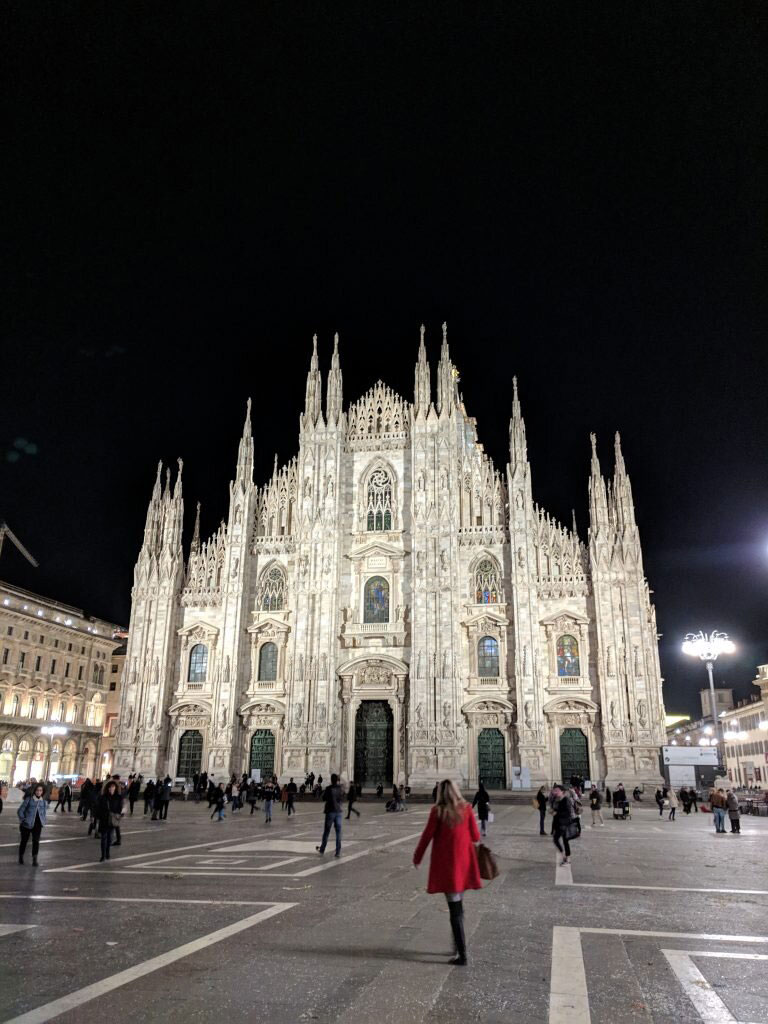
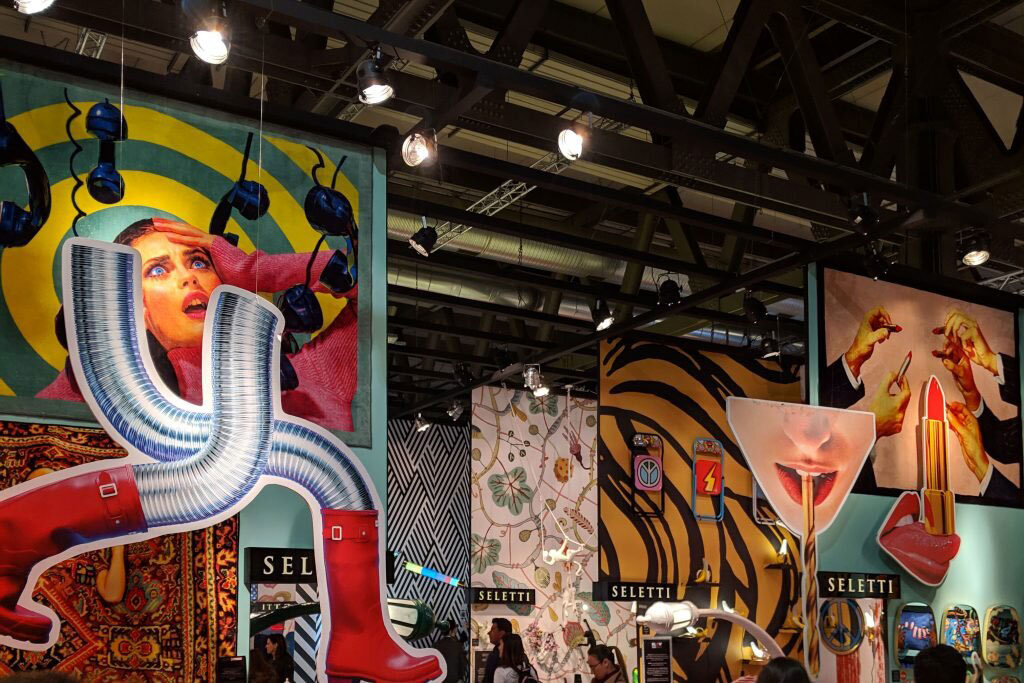
Please click on the individual image above to view it in full.
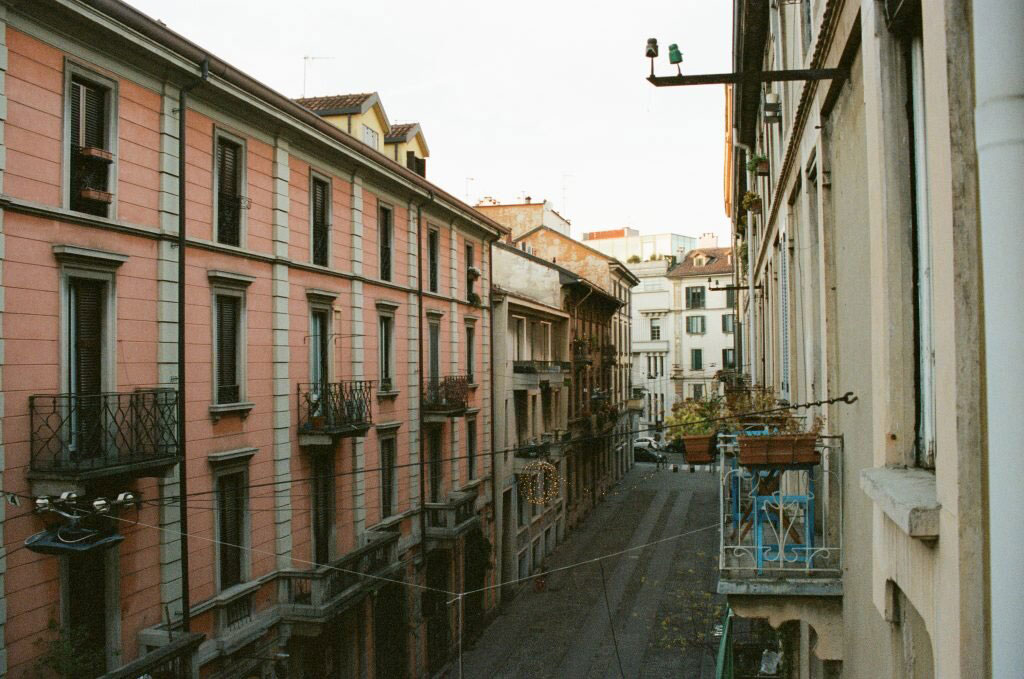
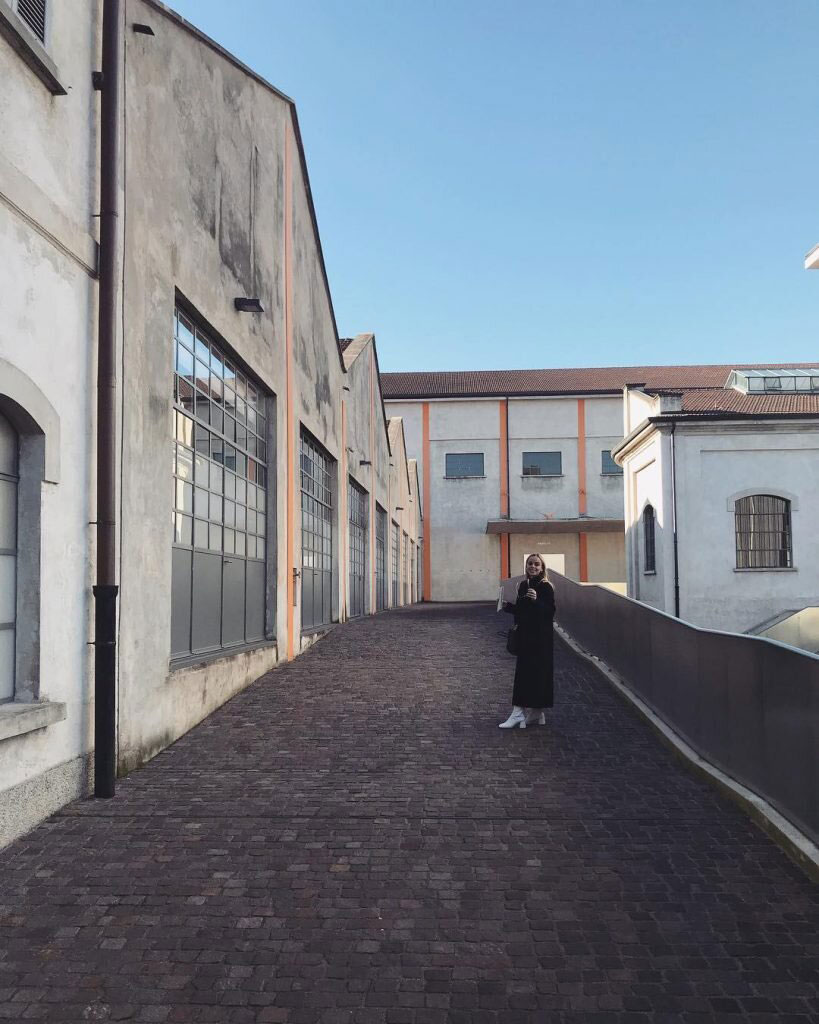
Bachelor of Industrial Design (Honours) student Edward Rossi was excited to receive the Milan-Melbourne Exchange Program Scholarship and explore his cultural heritage.
“In January 2019, I was afforded by the Annemarie and Arturo Gandioli-Fumagalli Foundation to live in Milan, Italy and study at Politecnico di Milano for one semester. Being a first generation Australian of Italian descent, I was excited about the opportunity to immerse myself in the Italian culture to further understand my heritage. While this wasn’t my first time living in a new country, there was an immediate comfort that came over me, which I can’t say was true visiting other countries. I never once felt out of place, and around every corner were childhood scenes reminiscent of growing up around Fitzroy North, Brunswick and Preston in the 90s.
“My six months in Italy brought to me some incredible experiences and opportunities. I undertook a research project at Politecnico di Milano with the European Space Agency to develop technologies for the International Space Station. I also spent a week exploring Fuorisalone and the Salone del Mobile, did copious amounts of hiking, road tripped around Italy with new friends and even had the chance to spend time travelling in Italy with my sister.
My time in Milan was invaluable not only for my own personal development but for also bringing clarity and solidity at a fundamental level to who I am as a designer and what I want to be designing.”
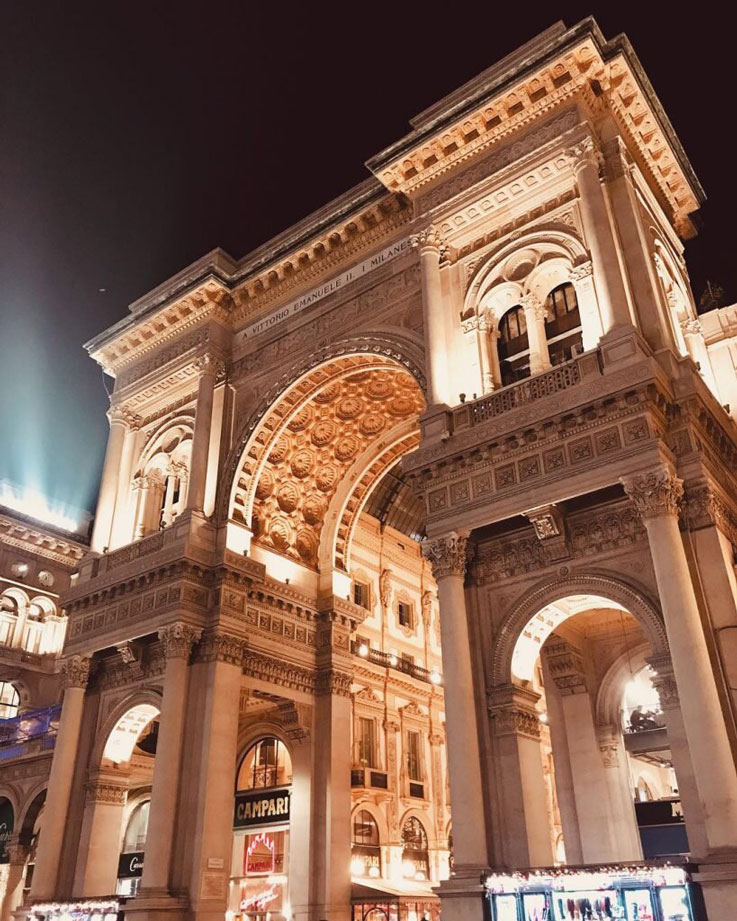
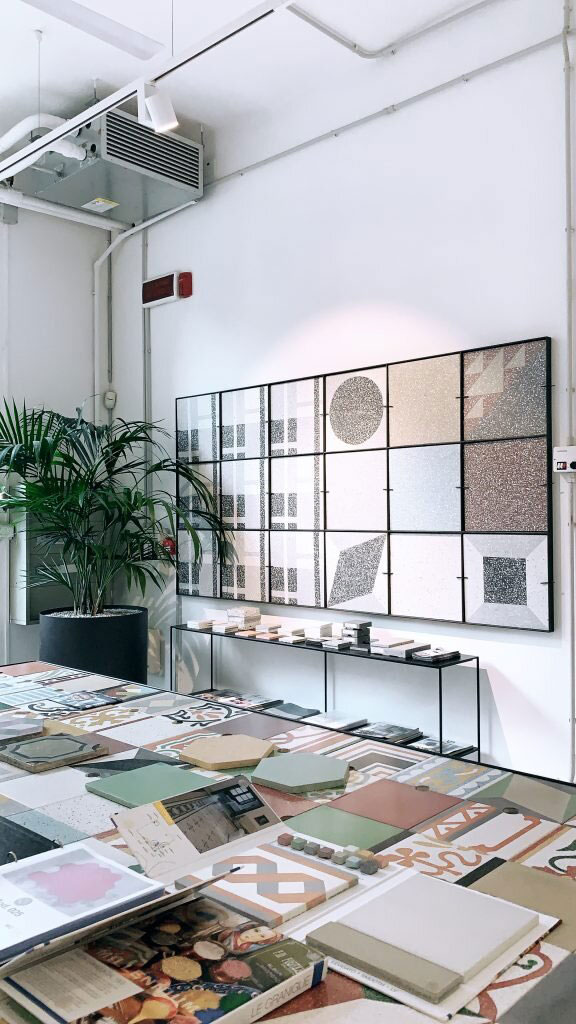
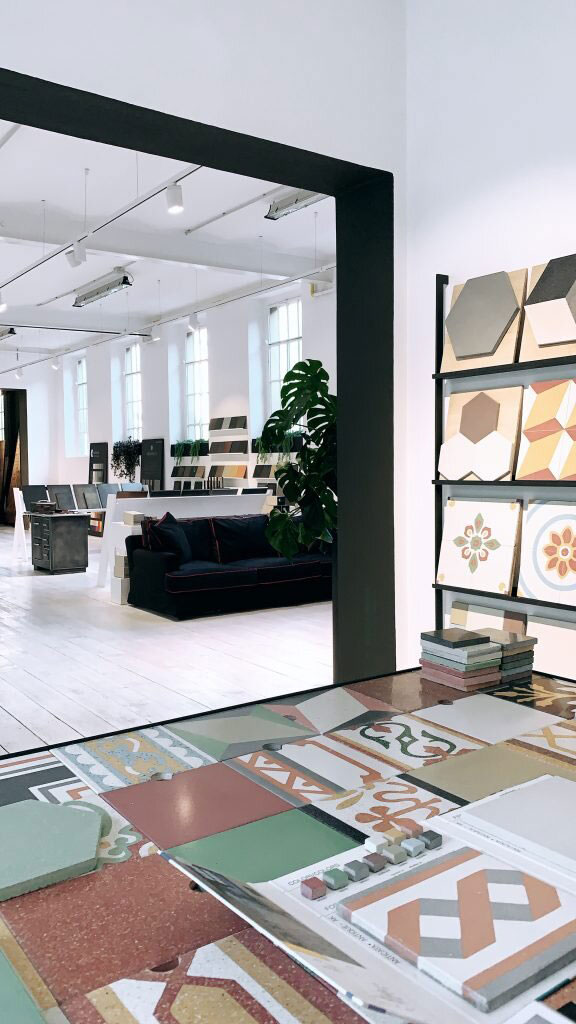
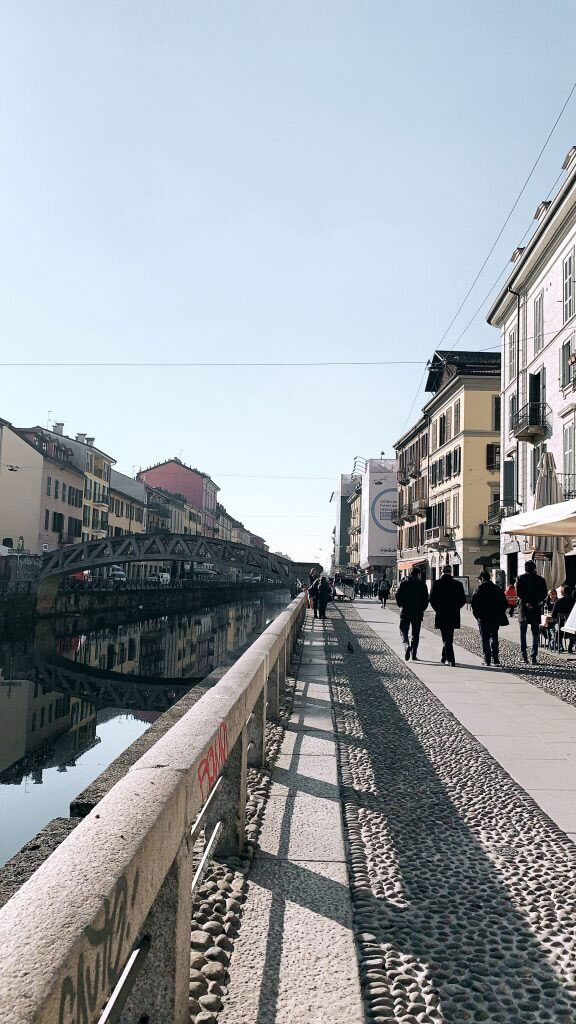
Please click on the individual image above to view it in full.
Bachelor of Industrial Design (Honours) student, Isabella Jorgensen was grateful for the “amazing opportunity” the Annemarie and Arturo Gandioli-Fumagalli Foundation offered her through the Scholarship.
“During November 2018 I undertook a Milan-Melbourne Exchange Program-supported internship at award winning Italian industrial design studio, We Don’t Design in Milan for three months. The studio is directed by the talented Francesco Meneghello and is a multidisciplinary company specialising in innovative solutions to furniture, lighting and interior designs.
“Throughout my three months with We Don’t Design, I spent most of my time working alongside and assisting Francesco on a range of projects. These included wallpaper designs for a well-known Italian wallpaper company and customisable restaurant furniture for a Venetian architect commissioning a hospitality complex north of Milan.
“This amazing opportunity to live and work in Milan has had an incredibly positive impact on my design work and studies. I was able to not only improve existing capabilities, but also developed new skillsets. Additionally, the scholarship provided me with an invaluable understanding of how to thrive in an unfamiliar environment. This is something that I believe to be beneficial for self-growth and professional advancement.”

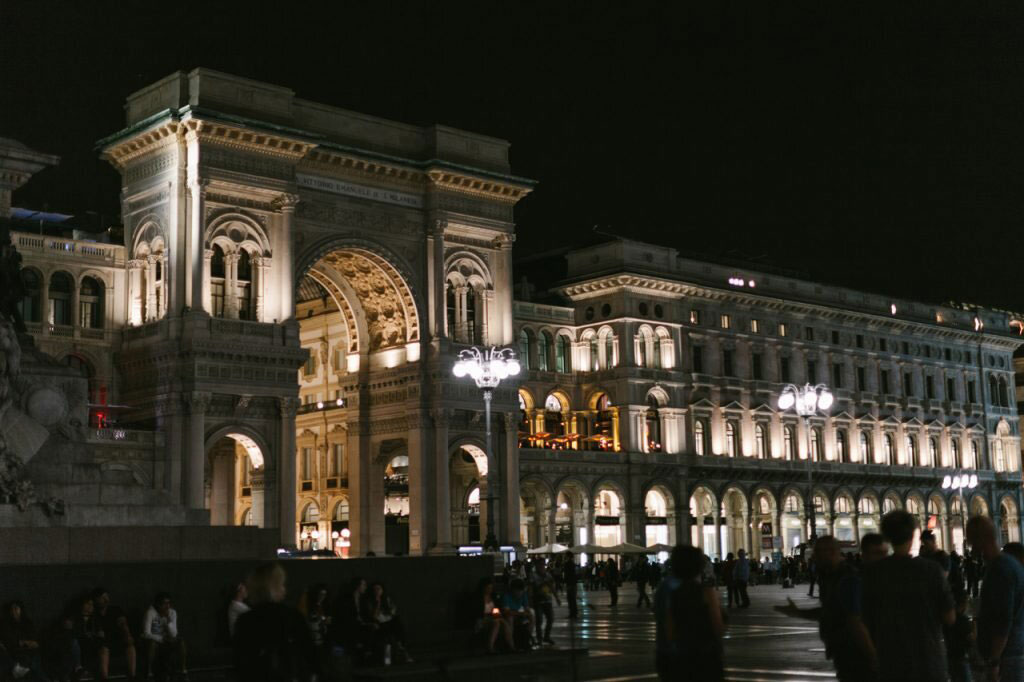
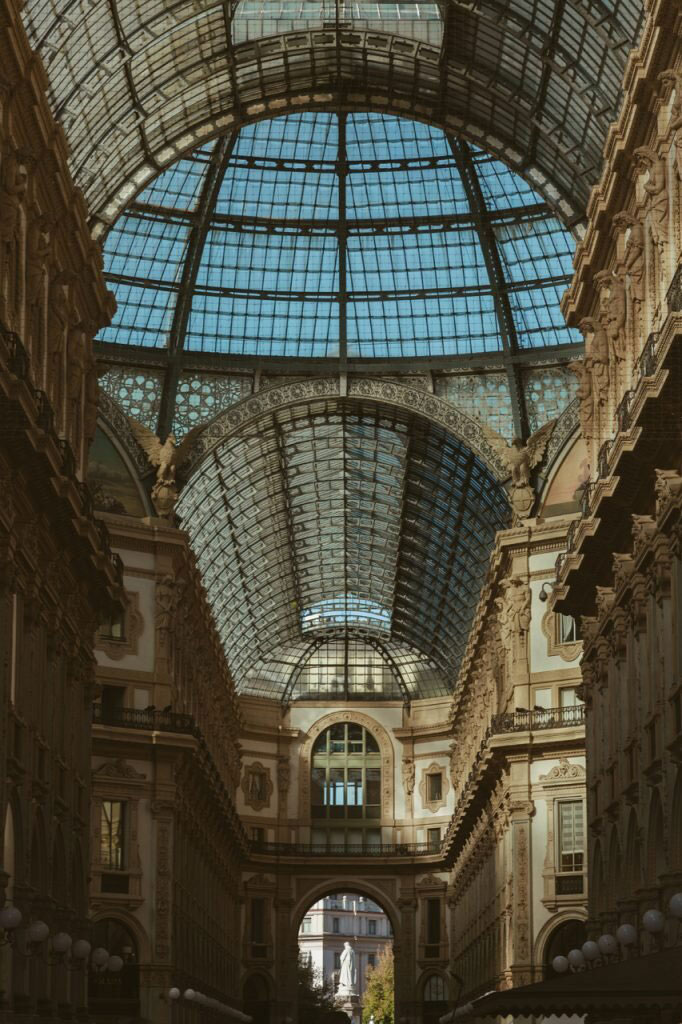
Please click on the individual image above to view it in full.
Bachelor of Industrial Design (Honours) student, Christopher Chen made the most of his Milan-Melbourne Exchange Program Scholarship, using his semester abroad as a chance to make connections across Europe.
“In August 2017, I had the privilege of undertaking one semester of study at the world-renowned Politecnico di Milano, with the support and generosity of the Annemarie and Arturo Gandioli-Fumagalli Foundation.
“The Politecnico di Milano has a diverse selection of design studies and I took part in four courses during my time in Milan, each focusing on a different field: Interaction, Service, Lighting and a Design Studio. These gave me an opportunity to work on a broad range of team-oriented tasks and enabled me to meet, collaborate and work with students from Milan and those on exchange from various universities.
“It also led to me making friends across Europe, many of whom I keep in contact with or who have since come to visit and travel with me on this side of the globe. In addition to study, I visited a total of nine countries and made the most of every spare moment I could, using long weekends to travel and learn. Europe is an extraordinary place for art, design and of course history, with another country, culture and language only a short journey away.
“This was a momentous opportunity and I implore future students considering study abroad, or those who have already decided to take the leap, to make the absolute most of your time. Milan is a city full of style, charm and incredible food. Va bene, divertiti.”
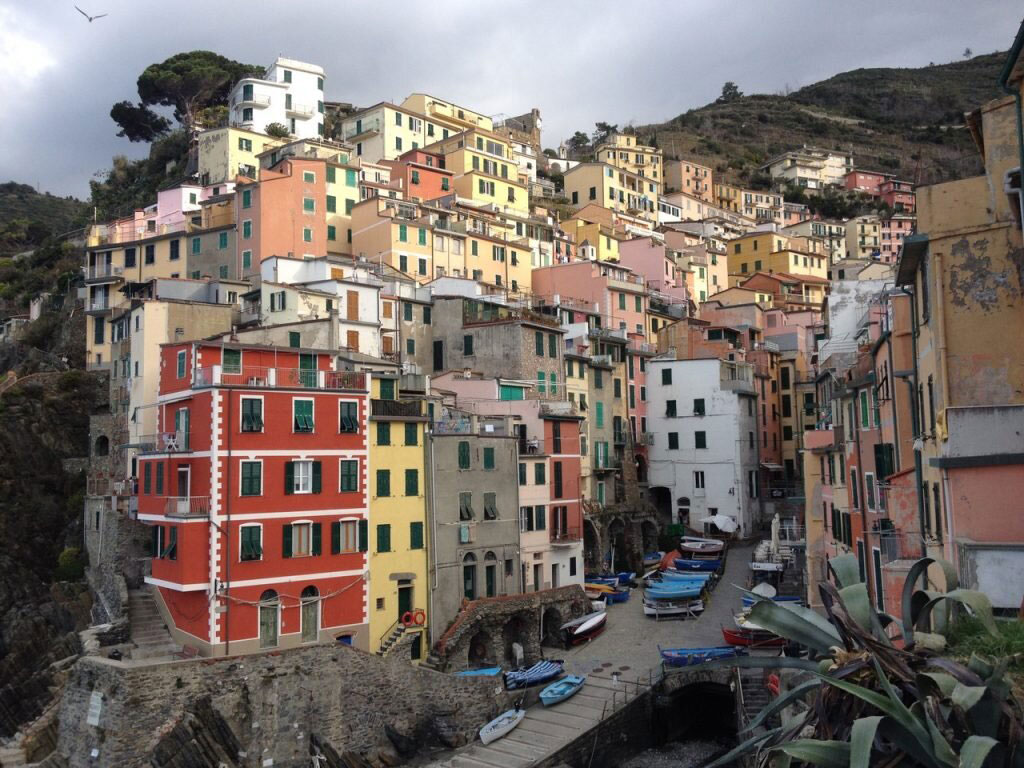
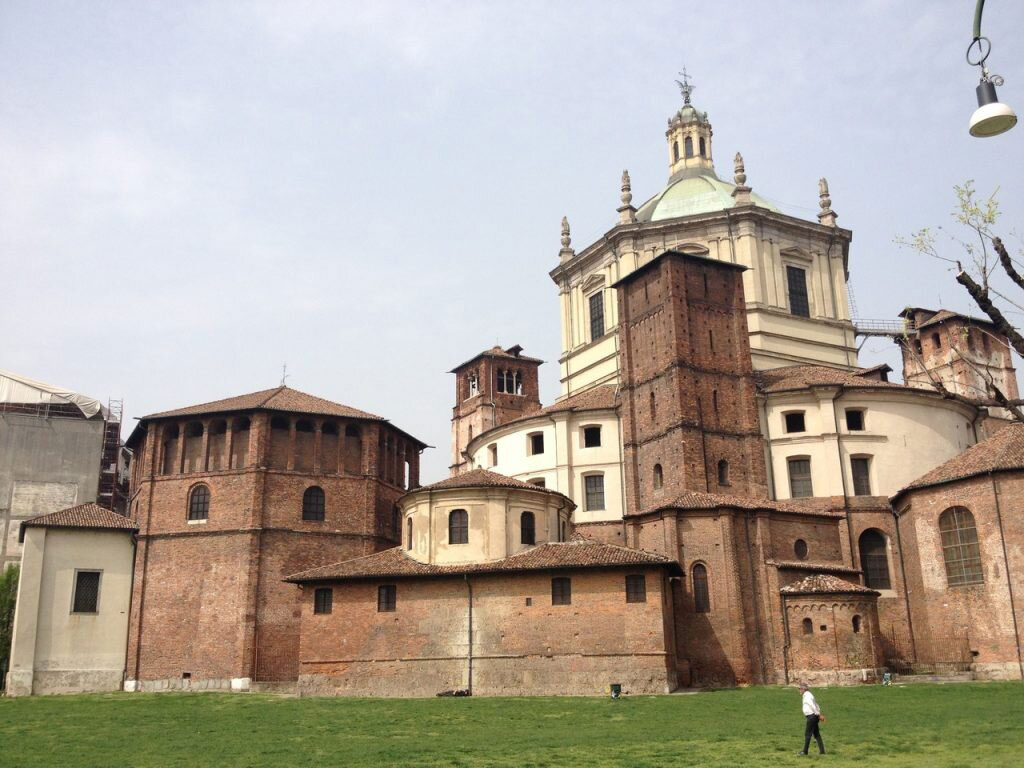
Please click on the individual image above to view it in full.
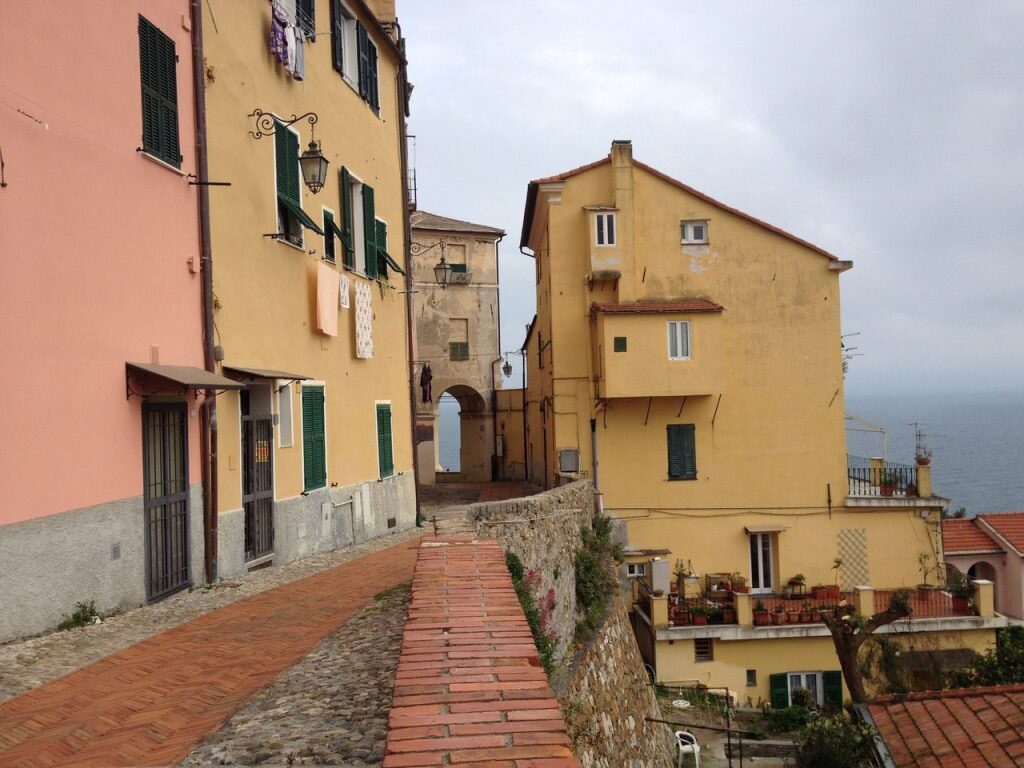
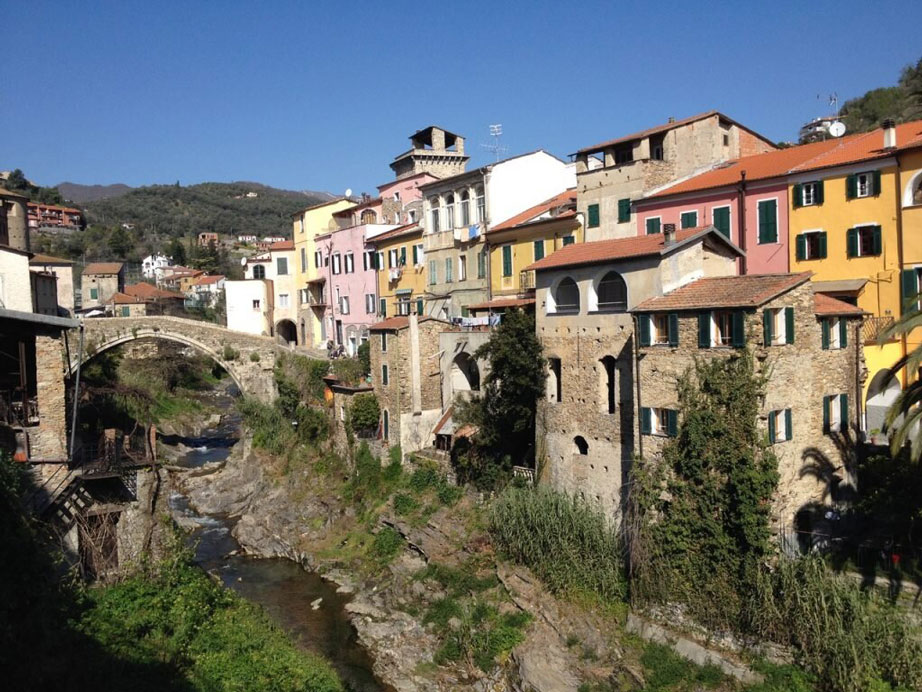
Master of Architecture student, Edward Hicks undertook a travelling studio to Milan and Imperia, Liguria thanks to the Annemarie and Arturo Gandioli-Fumagalli Foundation and says the Scholarship “had a lasting positive impact on my studies and design practice”.
“The studio was run by Mauro Baracco and Jonathan Ware. Its focus was on the urban renewal of the post-industrial town of Imperia through integrated architectural, infrastructural and landscape solutions. It was run in collaboration with the students of the Politecnico di Milano and included intensive workshops and presentations in Milan, as well as field studies and community engagement in Imperia.
“The Scholarship-supported studio provided an invaluable opportunity to understand an unfamiliar urban situation. We were able to study the city of Imperia as an interloper, and this gave us insight into the differences and similarities between Australian and Italian cities. By coming to terms with the characteristics and needs of our host city, I experienced a clearer understanding of the parallel needs of my own. This knowledge has proved invaluable to my design practice moving forward.”
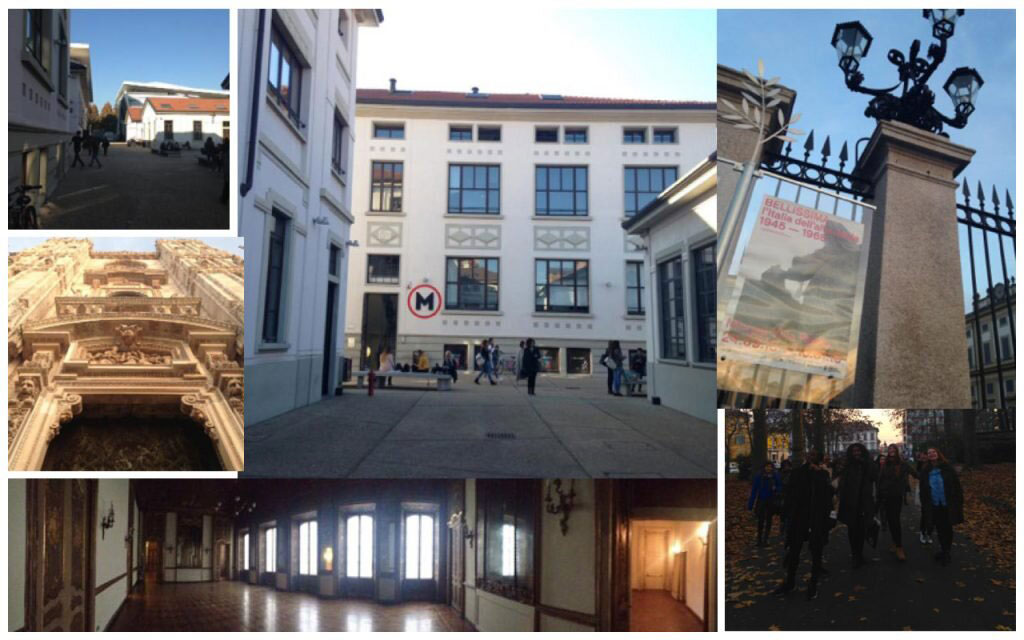
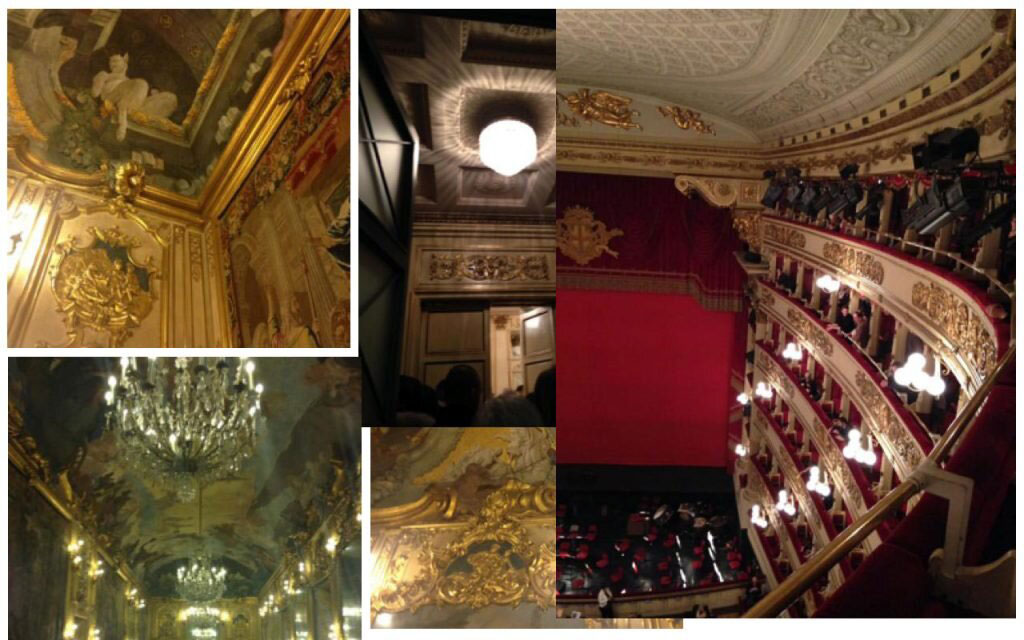
Please click on the individual image above to view the full image.
Bachelor of Design (Fashion) (Honours) student Chantelle Lucyl Tarola used her Milan-Melbourne Exchange Program Scholarship experience to immerse herself in the European fashion industry and explore her potential.
“This scholarship has improved my design practise, and helped me think like a global leader and refine my work with a professional approach that I will develop throughout my graduate year towards my final collection. The experience has also mentally and physically prepared me to immerse myself into the European fashion industry, which is what I wanted to understand and achieve prior to the Scholarship.
“The course work at NABA in Milan is heavily based on theory and history, and my mentors in Milan work in the fashion industry as well as teach. I have a broader understanding of trend forecasting and developed the ability to break down the fundamentals of design in order to understand and evaluate the background behind the work. This has opened up my potential to understand and realise the final process of a full range collection in Europe.
“The scholarship has given me the confidence to recognise opportunities among my peers and work together as a team to maximise the full potential in a project. I have developed my skills to communicate with clear direction to non-English speaking students and people. This push to understand each other has made me aware of how important it is to be patient, to listen and to empathise with the other person. Not only at school but outside of school, I have really opened myself up to learning from others even if we are both speaking different languages.
“It has also given me opportunities to network and meet global leaders around the world. I definitely have a broader knowledge of the expectations of the industry standard in Europe.”
Please click on the individual image above to view it in full.
Bachelor of Industrial Design (Honours) student Jacinta Lo Nigro was the first recipient of the Milan-Melbourne Exchange Program Scholarship, which she described as a once in a lifetime experience.
“There’s no real equal to being able to study design in Milan. My aim is to improve my skills, network and just take everything in. A lot of my previous work has been influenced by my Italian heritage and, more often than not, subtly represents what I have absorbed as cultural philosophy. There is a lot of inspiration to be found here, I think it’s just a matter of channelling it into my work.
“My Italian heritage also made the application about a personal journey towards something I had never thought attainable without the Scholarship, I can guarantee that it would have taken me many more years to be doing what I am right now. Even though I am here for studies, there is still so much that would have not been possible without the support and I am ever grateful for that.
“Having the ability to really experience the world is something that has no limit to its value. I know for a fact that as a person, there is no way that I can avoid growth within this experience and for that, I am thankful.”
Masterclass
The Milan-Melbourne Program invites leading Italian designers and industry professionals to deliver a Masterclass to RMIT students and staff, sharing their international expertise and discussing key themes in the industry.
Please click on the individual image above to view it in full.
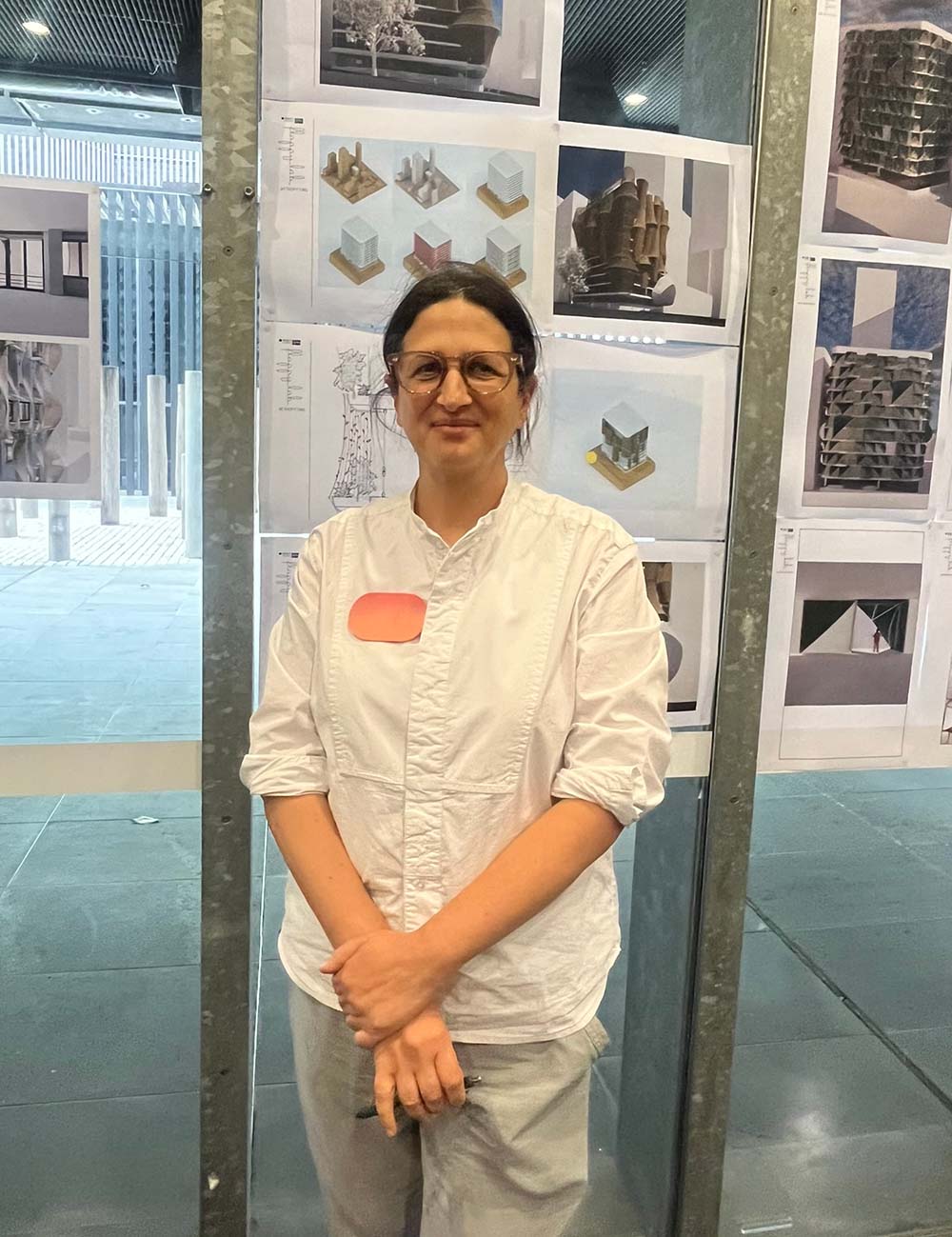
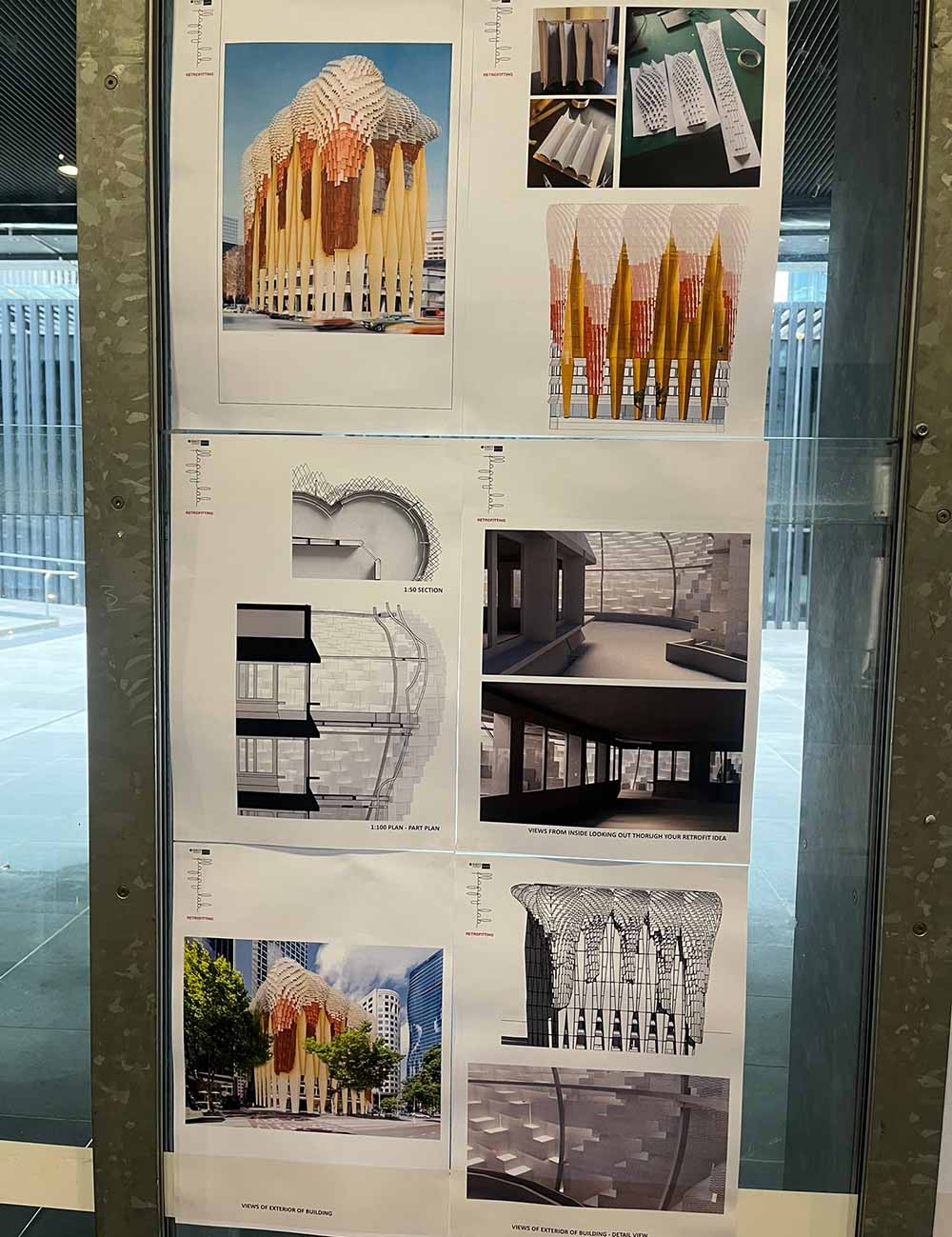
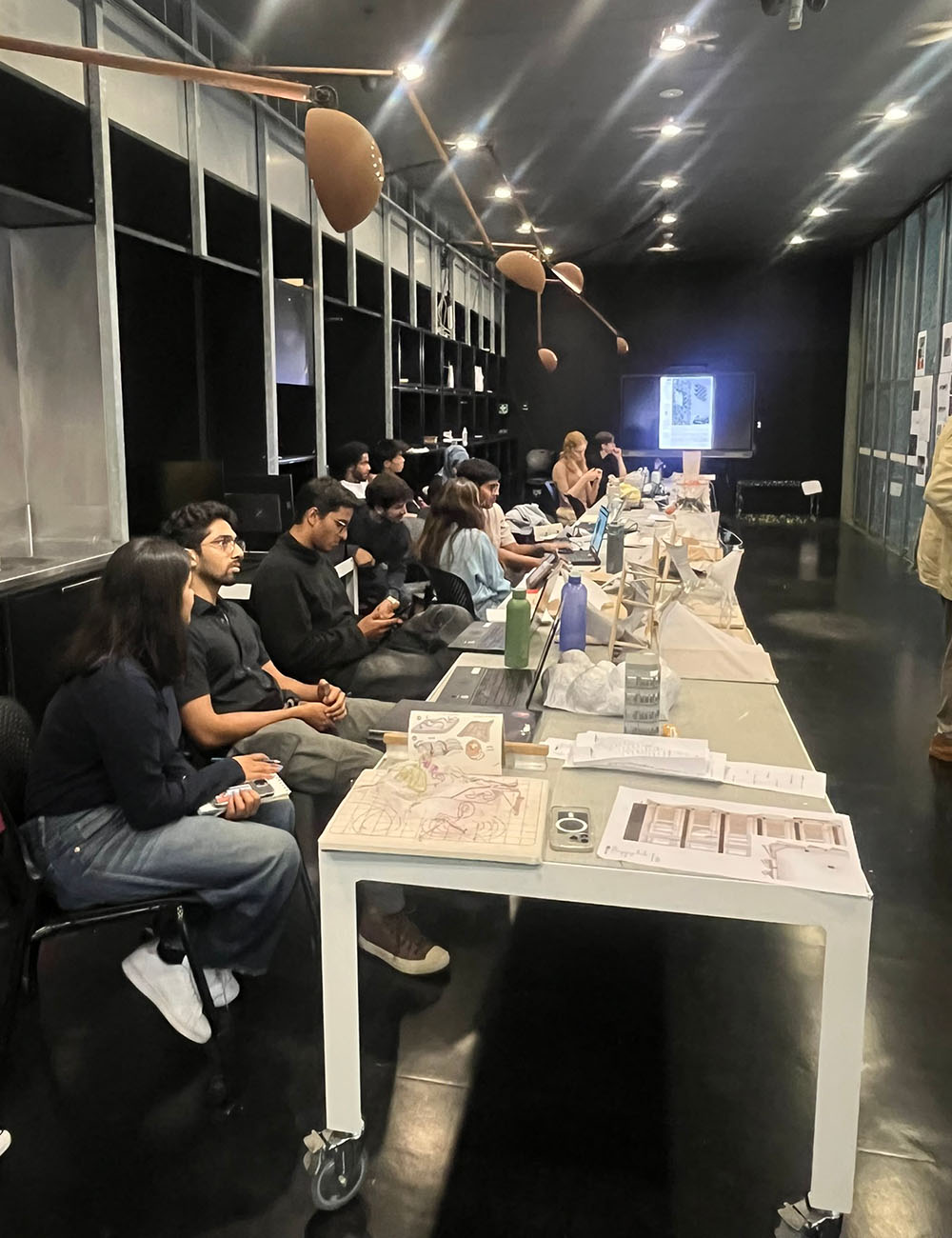
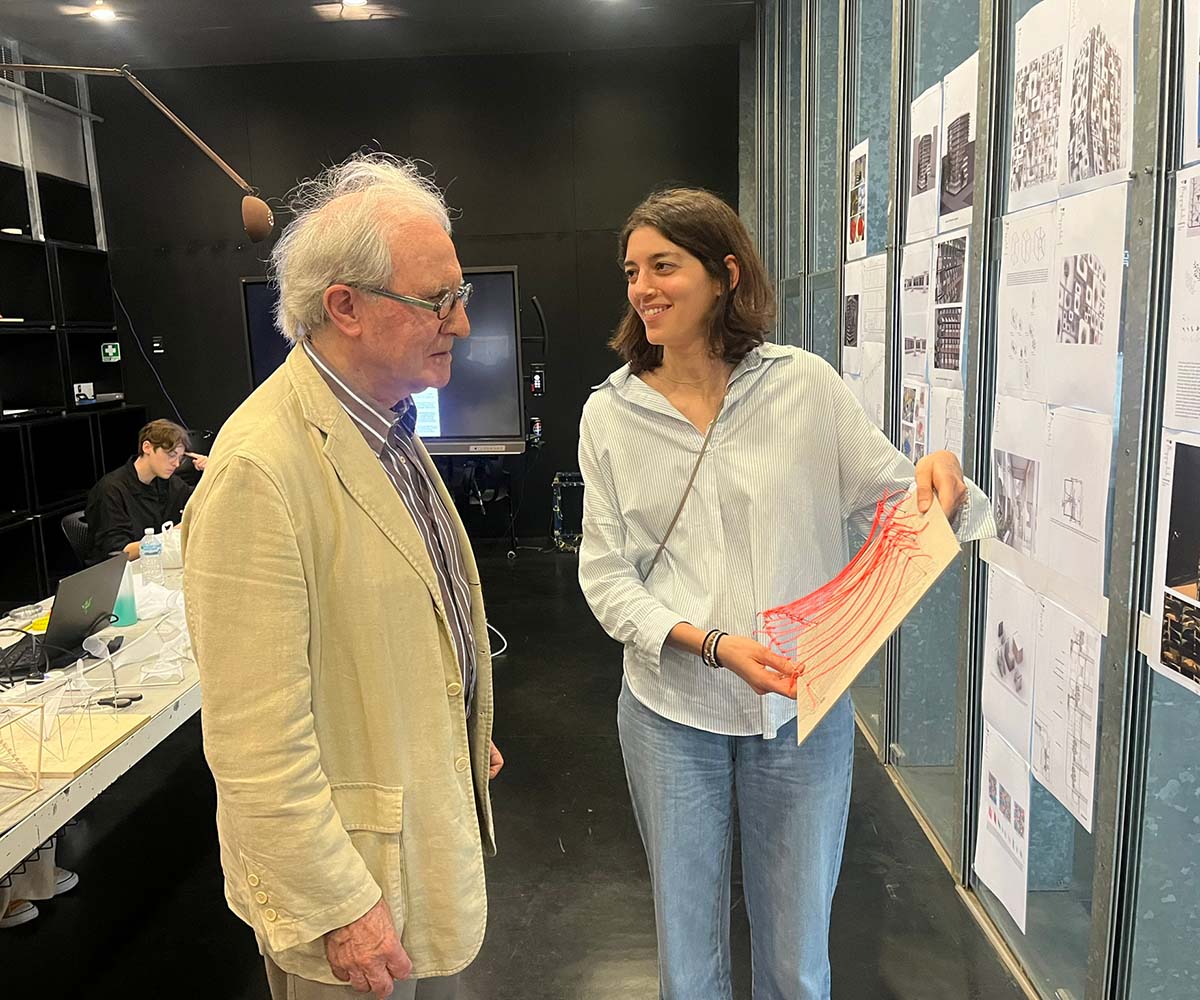
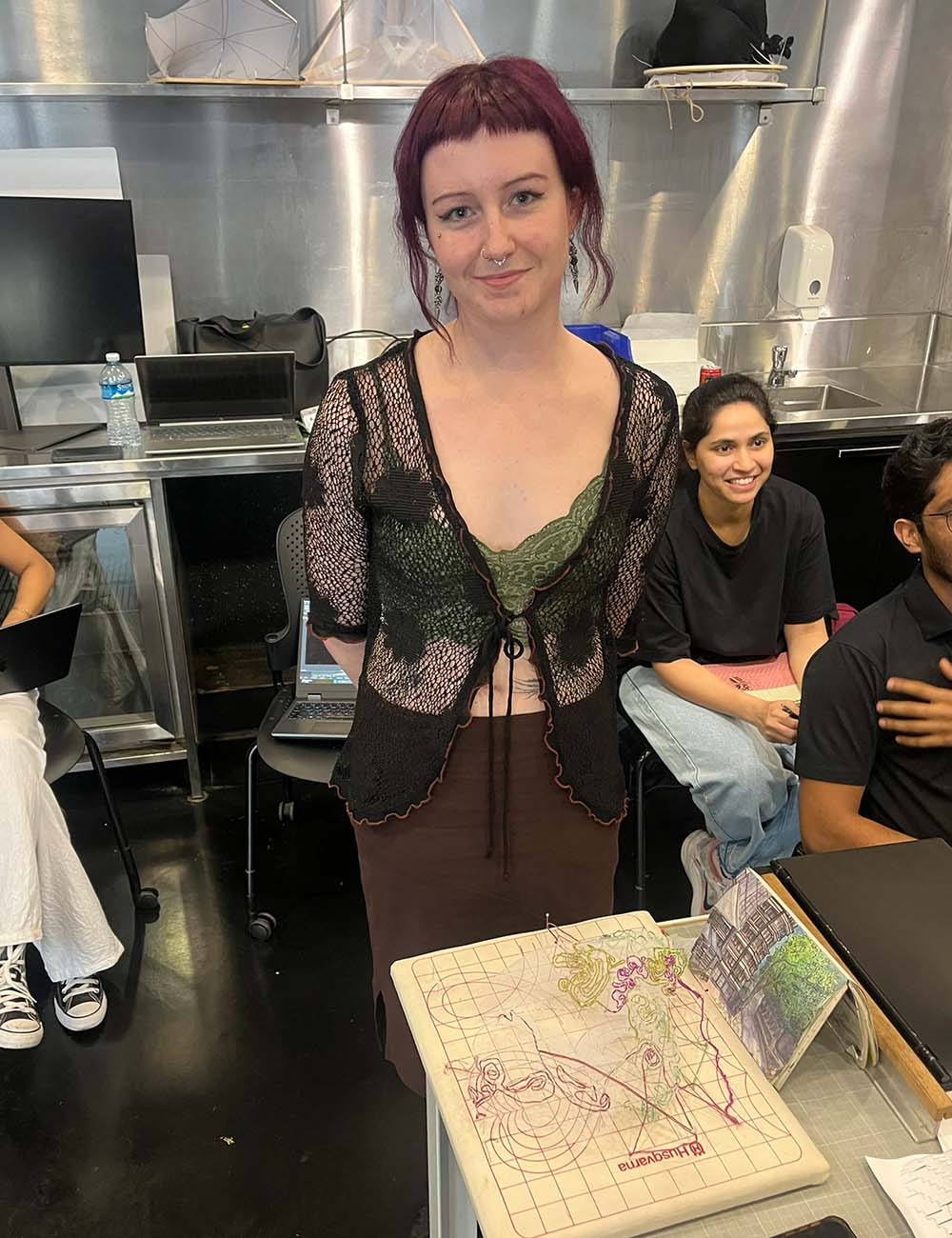
Supported by the Annemarie and Arturo Gandioli-Fumagalli Foundation through the Milan-Melbourne Exchange program, a collaboration between RMIT’s Floppy Lab and the Politecnico di Milano (Polimi) TextilesHUB is providing architecture students with rare access to world-leading expertise in textile architecture – and generating real solutions for adapting cities to reduce carbon emissions.
In January 2026, Dr Leanne Zilka, Associate Dean, Research and Innovation in RMIT’s School of Architecture and Urban Design, collaborated with visiting Polimi academic Ilaria Pugliese – an architect and PhD candidate at the Department of Architecture, Built Environment, and Construction Engineering – to run a summer intensive elective called Retrofitting.
The elective, open to RMIT architecture students, explored fabric-based approaches to contemporary architectural challenges, with a focus on upgrading existing buildings. Worldwide, cities face increasing pressure to reduce their carbon footprint, but most of our built environment already exists.
“To achieve a meaningful contribution to a net-zero future, we have to adapt, upgrade, and reimagine rather than rely solely on new construction. Fabric-based solutions offer lightweight, flexible, and adaptable possibilities,” said Leanne.
RMIT and Polimi are two of a handful of universities in the world that have both an architecture school and a textile and/or fashion design school.
“While RMIT has a dedicated fashion and textile design program, our partners at the Polimi TextilesHUB embed textile research within architecture, particularly in advanced tension textiles and testing,” said Leanne.
Ilaria introduced students to tensile structures – lightweight systems that span long distances with minimal material – and the digital tools that simulate how these systems behave when wrapped around buildings. “She’s highly specialised. We’re really fortunate to be able to work with her,” said Leanne.
“This collaboration creates a small but powerful opportunity that strengthens our relationship, supports future joint research and publications, and aligns with RMIT’s growing engagement in Europe.”
Master of Architecture and Diploma of Building and Construction student Alannah Davis enrolled in the intensive to connect her passions for architecture and fashion and left with ideas for a new career trajectory.
“It made me think beyond rigid, engineered structures and lean into the concept of looseness and flexibility. Tensile systems are not just decorative but operational and functional and now they run through almost everything I do,” she said.
Alannah plans to enrol in the Associate Degree in Fashion at RMIT after completing her current studies and is considering a PhD exploring how traditional architecture and tensile fabric structures can move or change form rather than remain purely static.
Ilaria said that she enjoyed working with the Australian students, who brought a conceptual and visionary perspective to the project, complementing Polimi's strong focus on technical skills and project feasibility. “It has been an incredible, enriching experience for me to work with the students and co-teach with Leanne. Now we have an ongoing collaboration between Floppy Lab and our TextilesHUB in Milan that explores textile architecture and knitting projects,” she said.
“I believe that exchanges like this with countries all over the world will result in significant changes in the way we use materials and technology to retrofit buildings and reshape paradigms of materiality and construction systems in architecture.”
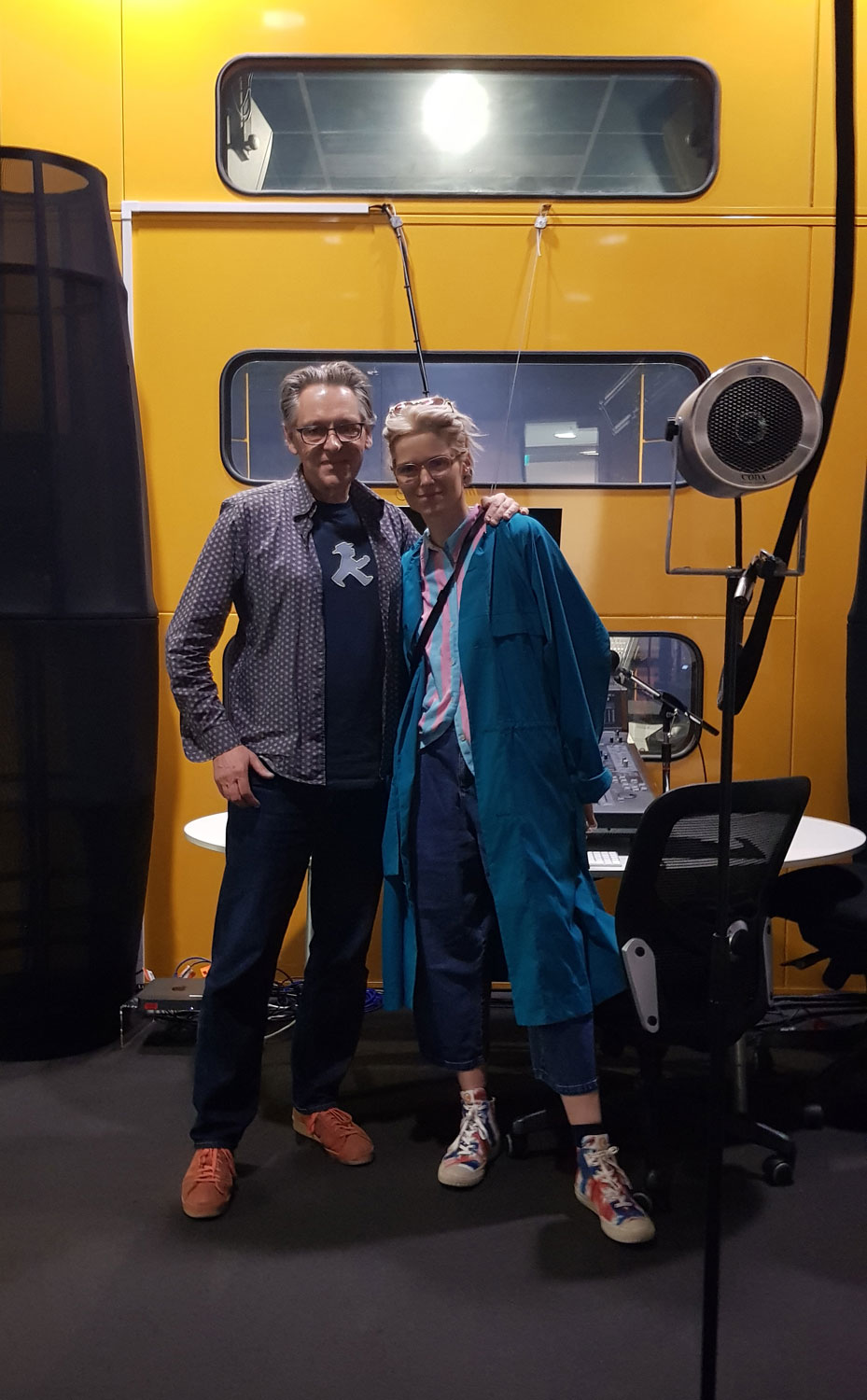
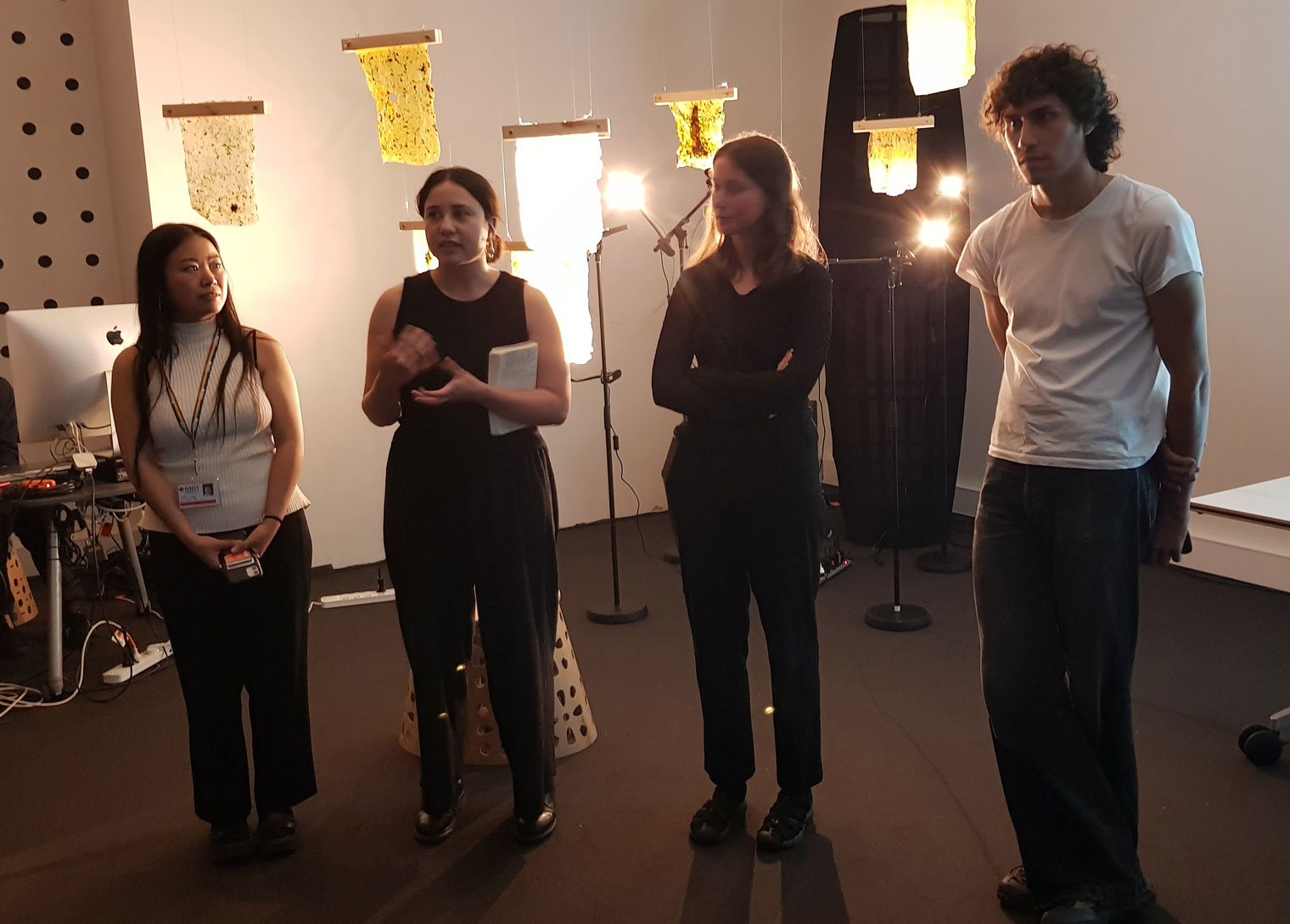
Please click on the individual image above to view it in full.
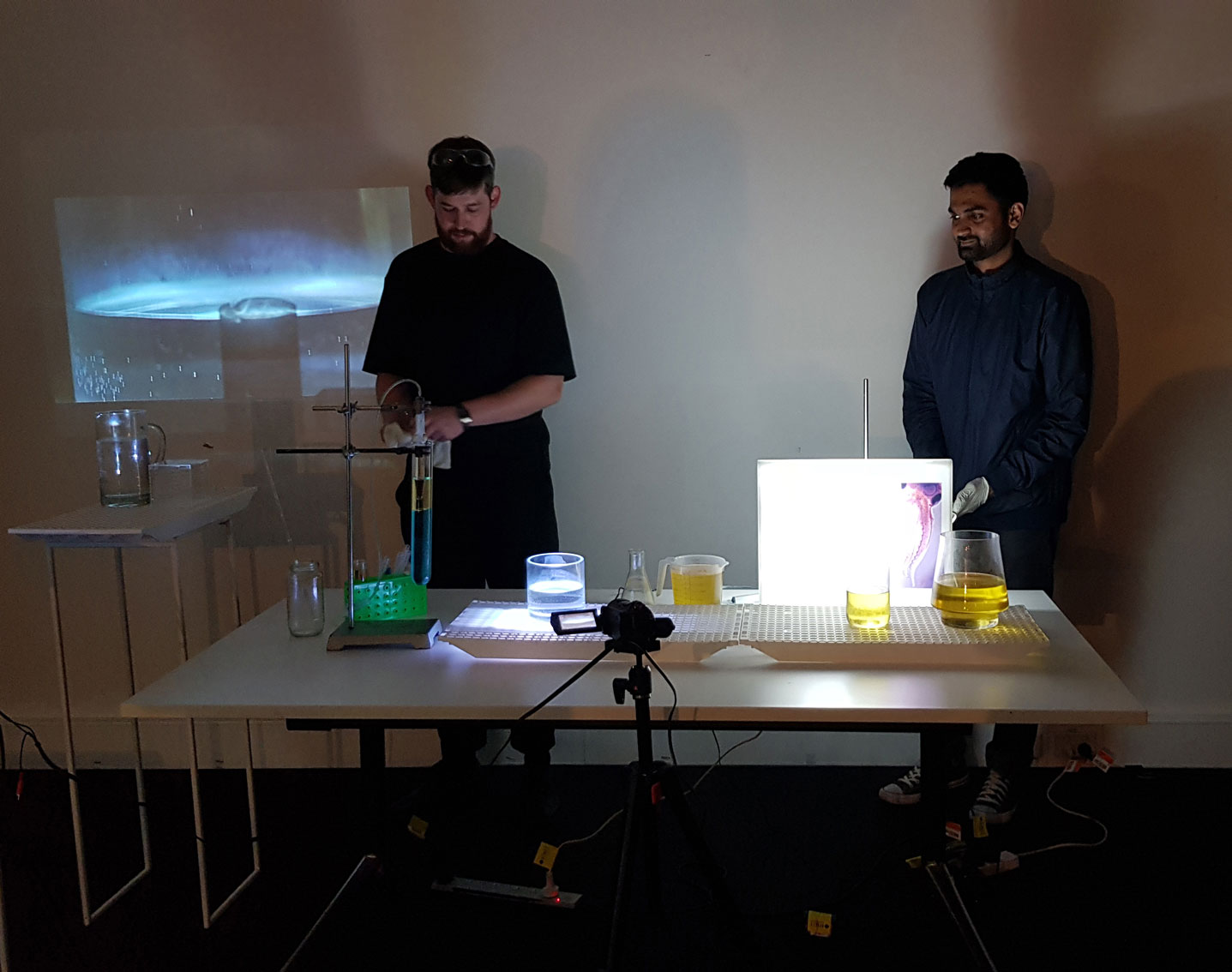
In December 2023, renowned Milanese design curator and researcher Angela Rui travelled to Melbourne to run a two-week masterclass at the invitation of RMIT’s Dr Malte Wagenfeld. This masterclass was a 12-credit point elective for RMIT Master of Design Innovation and Technology (MDIT) students.
The project explored the paradox of the aquarium, an entirely artificial construct for living creatures, a sort of ‘boxed sea’ that speaks to our relationship with marine ecology. In this project students explored, deconstructed and then re-constructed this relationship giving it a new voice.
Angela says that although western culture has inherited the enlightenment notion of vision as the driving form of knowledge, to date it is estimated that only about five per cent of the marine environment is known to us. Everything else remains obscured from view, a great unknown.
On her website Angela states: “For this masterclass, the aquarium was reimagined as a listening glass. A drinking glass is transparent but may contain water, as does the aquarium but it can also be used as a device to listen to voices through a wall, voices that would otherwise remain unheard. In this exhibition it is evoked so that we might instead be attentive to voices, both human and non-human.”
The masterclass started with participants immersing themselves into the topic, followed by an individual research and discovery phase before moving into a one-week intensive workshop. The aim of the workshop was to create an exhibition of installations that allows the audience to connect with the marine world in new ways.
Developing the project would not have been possible without the generous support of the Annemarie and Arturo Gandioli-Fumagalli Foundation and the Milan-Melbourne Exchange Program.

Please click on the individual image above to view it in full.
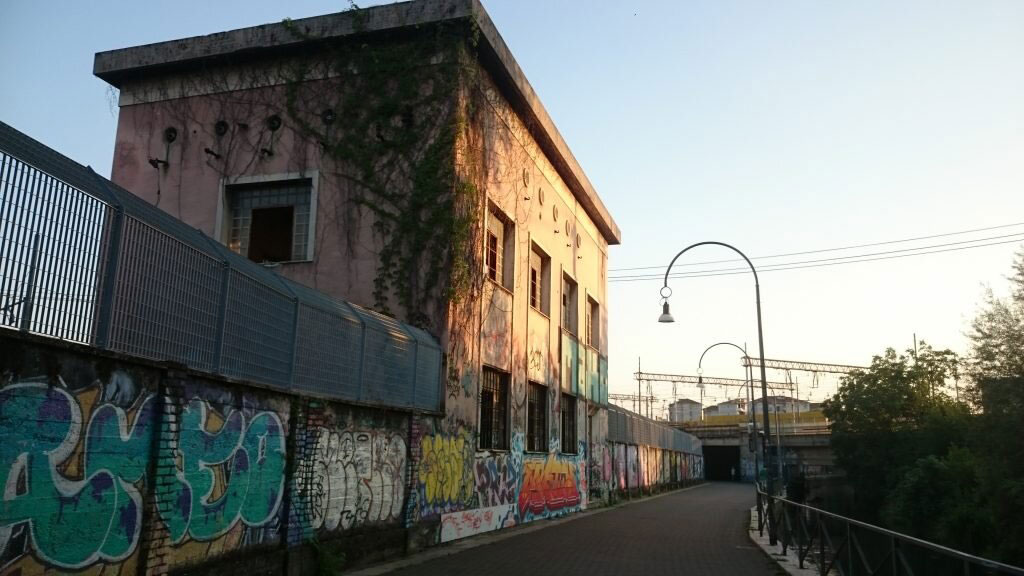
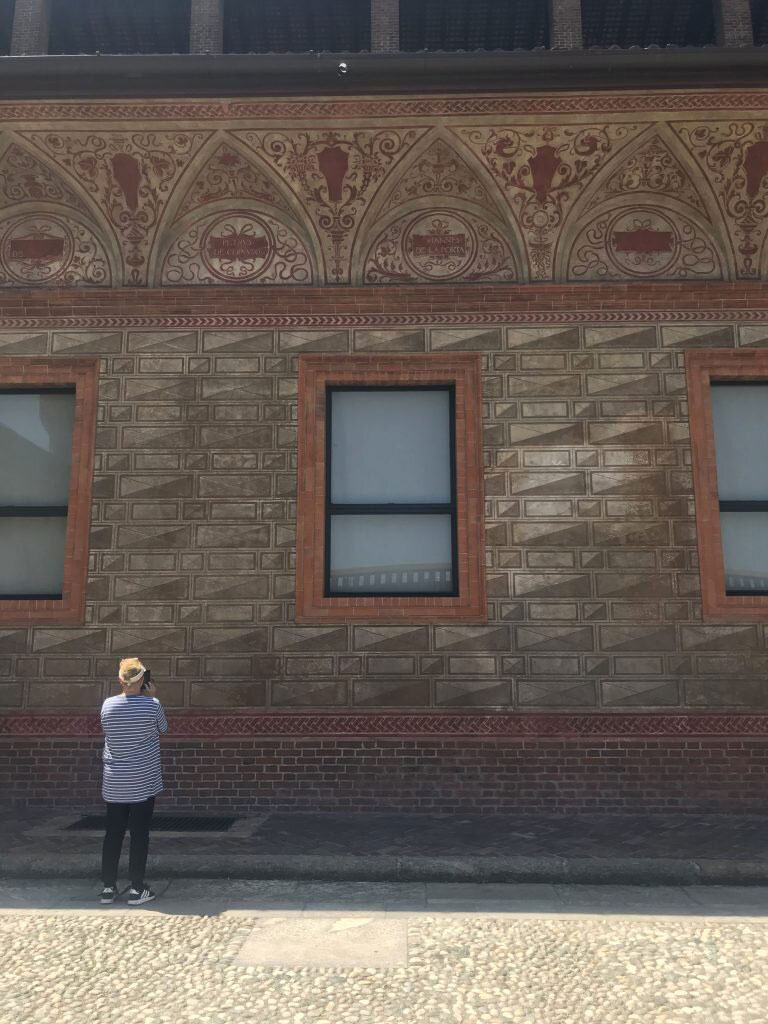
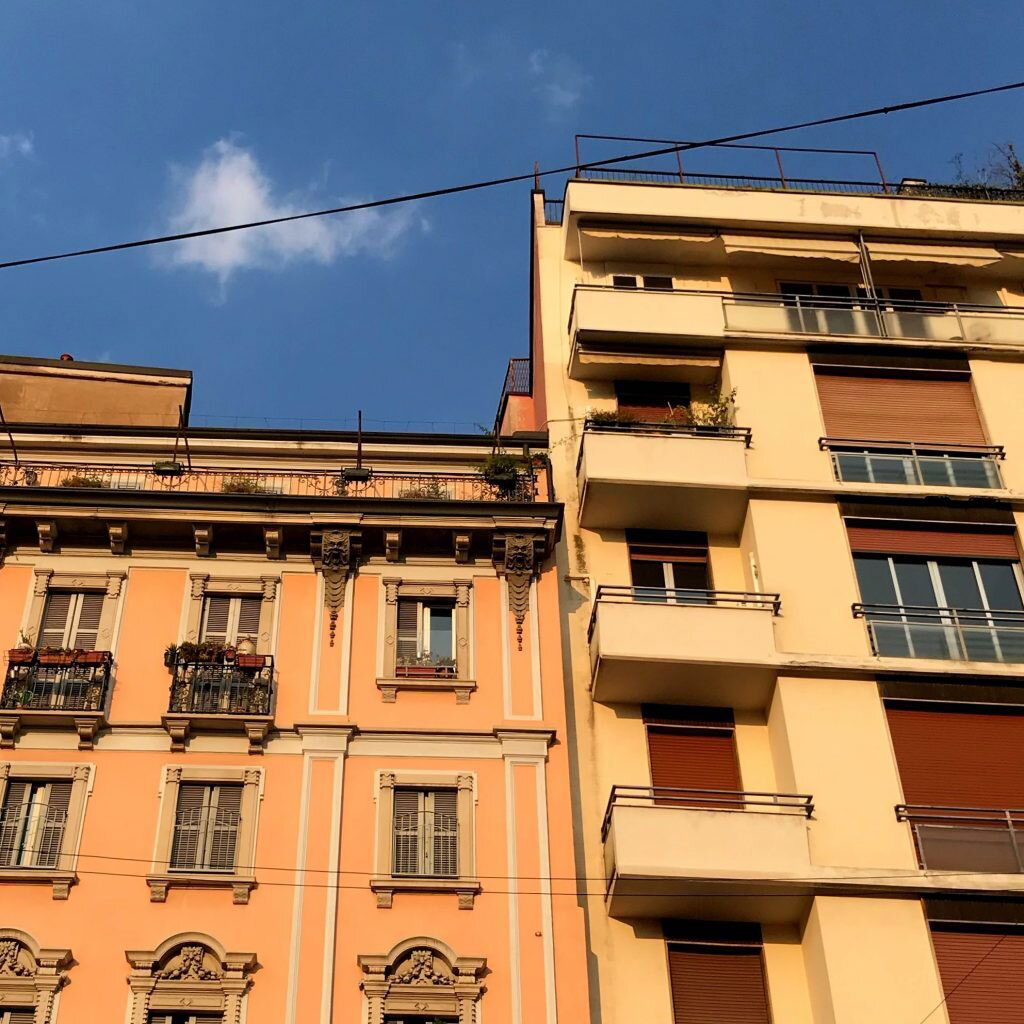
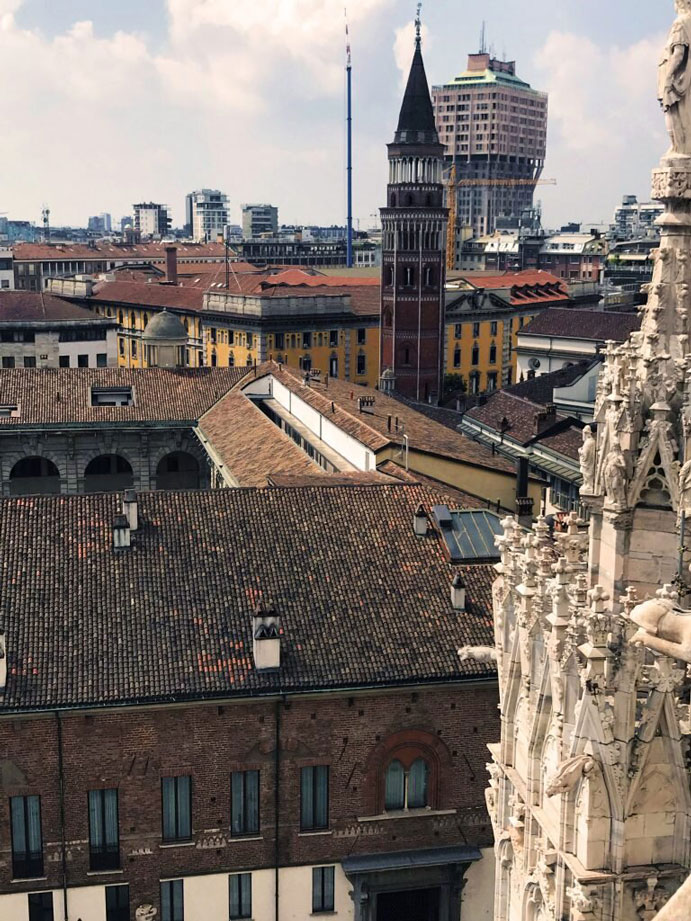
Keen for a new and inspirational approach to the Masterclass, the Annemarie and Arturo Gandioli-Fumagalli Foundation arranged to send a cohort of Melbourne designers to Milan for research and collaboration.
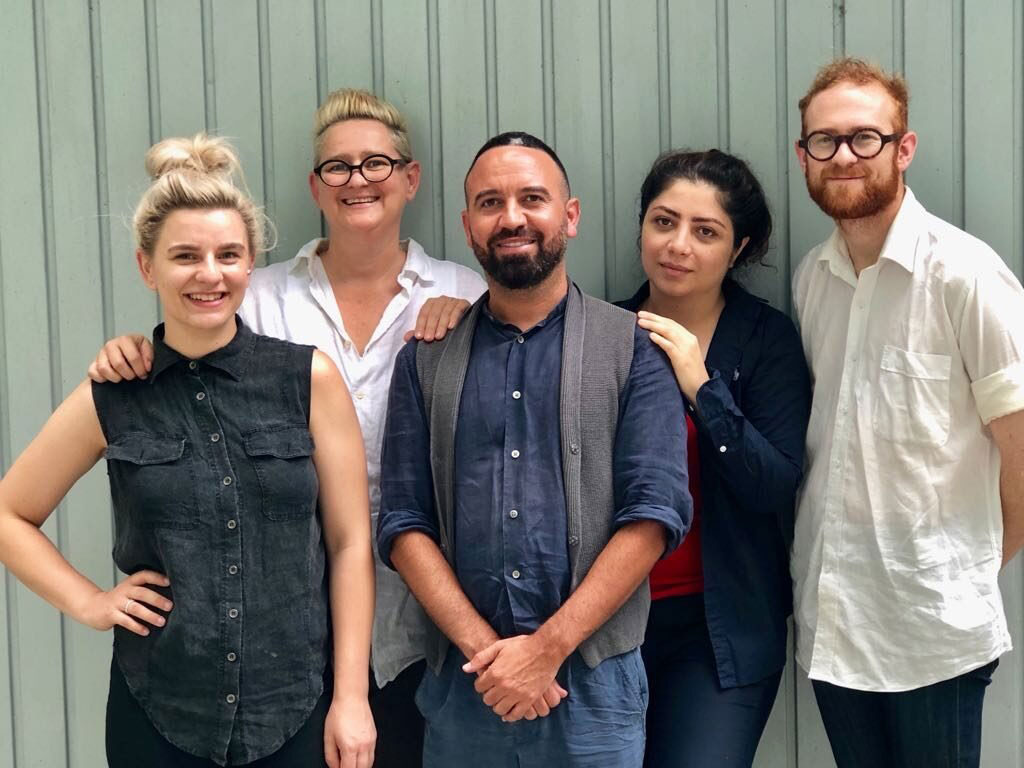
Industrial Design Lecturer, Dr Judith Glover and former Architecture Lecturer, Dr Mehrnoush Latifi were joined by inaugural Masterclass guest, Milanese Designer Antonio Arico. They were also accompanied by research assistants, Jaki Pokrovsky and Hamish Maggs.
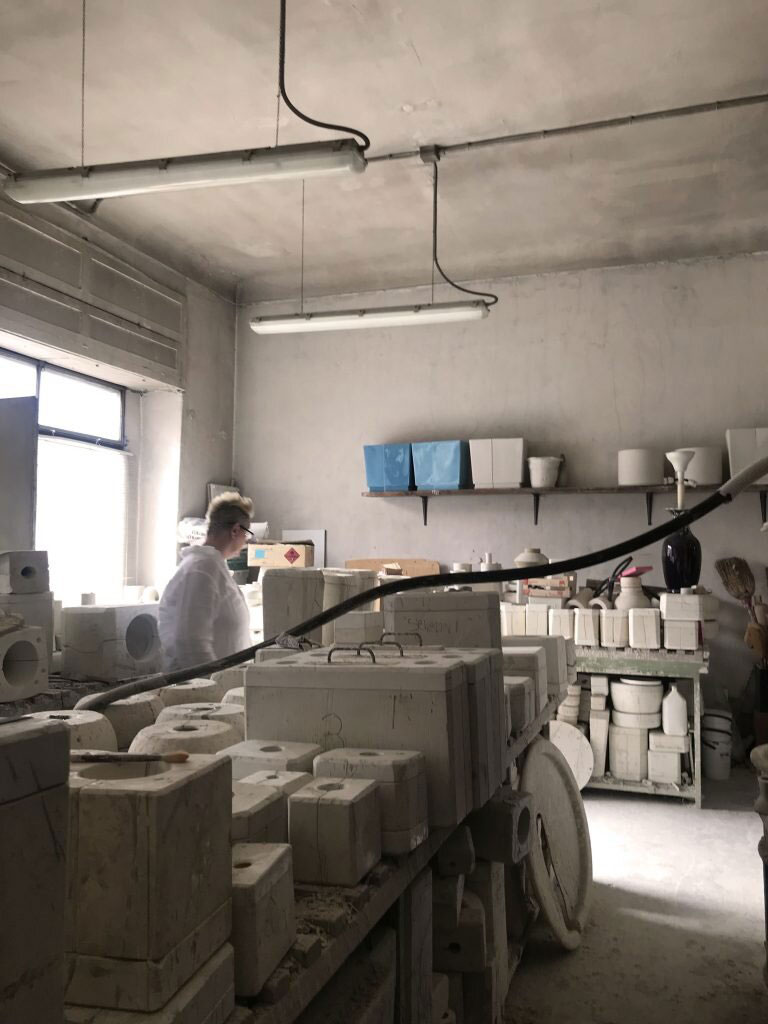
Dr Glover and Dr Latifi were developing methods of using parametric modelling in the ceramic production of materials such as tiles and building skins. Dr Latifi had also published a PhD discussing the development of environmentally performative surfaces to cool buildings and urban spaces, as increasing temperatures put pressure on city environments. Milan in July was the right time and place to research these solutions further with international colleagues.
The team used the geometric conventions of Milan’s architectural history as the basis for developing parametric patternation that could inform the construction of terracotta wall systems allowing for greenery, water misting and water flow.
These ideas were transferred to Australian research projects exploring the cooling of urban environments and buildings. Further discussions also took place with Mr Arico and Italian industry partners to develop a collaboration to market.
Please click on the individual image above to view it in full.
Milanese Furniture Designer and Politecnico di Milano Lecturer, Emanuele Magini travelled to Melbourne in September 2017 to run a two-week Furniture Studio Masterclass. He was joined by Senior Lecturer in Industrial Design, Dr MalteWagenfeld and RMIT Industrial Design students.
Mr Magini’s design philosophy is ‘form follows function x fun’. The Masterclass based its brief on Mr Magini’s playful style and conceived pieces for Italian Furniture company, Campeggi. Beginning with the famous design principle ‘form follows function’, the workshop focused on an important contemporary design trend: the idea of ‘fun’ as a multiplier: ironic, surprising, sporty, oversized, etc., for furniture and product design.
Dr Wagenfeld, who assisted Mr Magini with the Masterclass activities, discussed the importance of exposing the students to international designers.
“Italian furniture design companies, or ‘design factories’, have been the international leaders for furniture and object design, quality and innovation for well over half a century. Emanuele Magini may be part of the ‘young Italian design movement’ but he works solidly within this rich design and manufacturing tradition.
“This was a tremendous opportunity for students to be exposed to and for two weeks immersed in this design industry with quite different cultural expectations from Australia. The brief was to find a finely balanced hybrid between function and fun whilst also adhering to the production logic, brand identity and market reality of Campeggi for whom they were designing.
“The students were required to work in teams at a furious pace and focus with high intensity for two weeks, developing two separate projects through research, sketching, modelling and prototyping. This intensity is a real test and similar to what professional designers experience when delivering high quality concepts in condensed timeframes. A very valuable experience for the group with Emanuele not only bringing his experience and knowledge but also his unique sense of humour, not only to design but also to the classroom. A playful project with serious intent!”
The 2016 Masterclass welcomed Milan-based practicing architect, Lorenzo Bini and renowned Politecnico di Milano Professor in Interior Architecture, Gennaro Postiglione.
They led RMIT students and staff through a survey of Victoria Street’s architecture, as the long East-West stretch is a founding mark for the urban structure of Melbourne as well as an exemplary cutaway of its social and historical patterns.
The study of this significant fragment of the City enabled students to think out architectural design proposals that, regardless of their scale, typology or program, were in tune with the future transformation of Melbourne.
In 2015, the Annemarie and Arturo Gandioli-Fumagalli Foundation collaborated with the RMIT Fashion Program to welcome Visiting Professor of Accessories Design at Milan’s Domus Academy, Carlos Mario Osman. Mr Osman is well-known in the fashion industry for his distinguished career in accessories design for labels including Giorgio Armani, Bally and Gianfranco Ferré.
The Masterclass focused on developing Bachelor of Fashion (Design) and Master of Design (Fashion) students’ understanding of the significance of accessories design in international fashion. Mr Osman also mentored students about future career prospects in the high and luxury fashion sector.
The outcomes and impact of this Milan-Melbourne Masterclass were significant across the RMIT Fashion programs. Students who participated in the Masterclass produced collections where accessories took a more significant and central role. Their accessories work also became more refined, reaching a standard only possible thanks to the expertise and guidance of Mr Osman.



