
The Library is ‘All In’ on Responsible Practice

The Library is ‘All In’ on Responsible Practice

Each year during National Reconciliation Week, we reflect on what each of us is doing to ensure equity and self-determination for First Nations people in Australia.

National Reconciliation Week (NRW) takes place from 27 May through 3 June. This year’s theme is All In: ‘a call for all Australians to commit wholeheartedly to reconciliation every single day’ (Reconciliation.org.au).

At RMIT University, our commitments extend beyond reconciliation to the objective of Responsible Practice, with the aim to interrogate and dismantle the systems that are embedded structurally within the University, and across society more broadly, that contribute to barriers and negative impacts for Aboriginal and Torres Strait Islander peoples.

In the Library, we conduct our day-to-day business in a way that supports our own reconciliation journey and makes a positive impact on the representation and inclusiveness of First Nations people. Among other things, this includes providing meaningful access to resources, creating welcoming spaces, and hosting challenging and culturally safe events.

Unpacked: Madeline McGrady

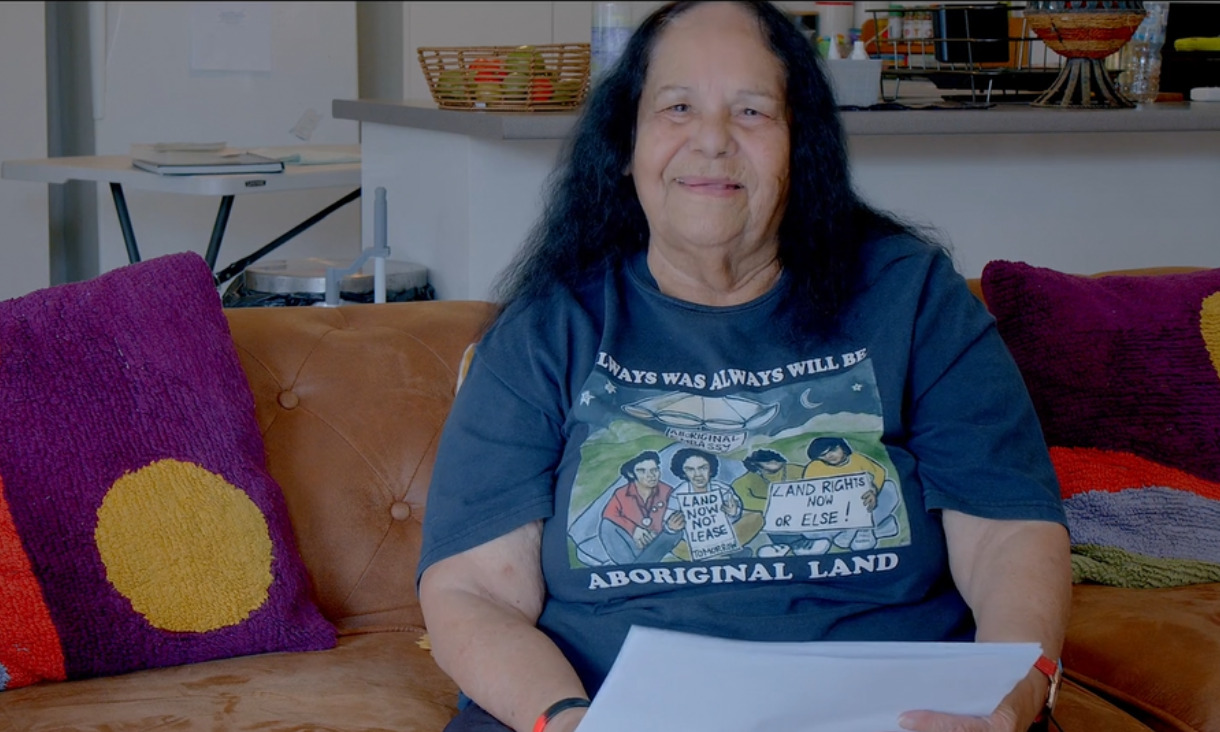
In the latest film from the Cultural Collections ‘Unpacked’ series, filmmaker Simon Rose (Birra/Gurreng Gurreng) highlights the groundbreaking contribution of First Nations filmmaker Madeline McGrady and the significance of her 1982 protest film Guniwaya Ngigu (We Fight).

Watch the film on YouTube or join us for a screening and discussion at the Swanston Library on Thursday 9 July, in celebration of NAIDOC Week.

Decorative.Screenshot from Unpacked: Madeline McGrady film

New labels support resource selection

The Collections team is currently reviewing the resources in our Library Collections related to Aboriginal and Torres Strait Islander peoples. Because of the historical and ongoing impacts of colonisation, many published books and journals about First Nations people in Australia contain offensive, degrading or upsetting content. However, they have been preserved for research and educational purposes.

Aligned with the AIATSIS Guide to evaluating and selecting education resources – and inspired by the book spine labels created by Aboriginal teacher Eli Pietens and teacher librarian Robyn Ellis at Byron Bay High School – these new labels will soon appear on various books in our Collections.

Decorative.Designs for the five different spine labels.

Each square sticker features the five classifications from AIATSIS and the colours of the Aboriginal flag. The yellow shape with the larger font highlights the chosen designation for that particular book.

By mob: Resources developed by Aboriginal and Torres Strait Islander people

With mob: Developed in respectful partnership with Aboriginal and Torres Strait Islander people

For mob: Developed on behalf of Aboriginal and Torres Strait Islander people

About mob: No Aboriginal and Torres Strait Islander input, support nor partnerships

Against mob: Resources portray deficit or racist views

These classifications are not an endorsement of whether a book should or should not be read. Instead, it supports readers to make informed choices and helps elevate Aboriginal and Torres Strait Islander voices.

Alongside this, we are also exploring the creation of a visual identifier for Aboriginal and Torres Strait Islander authored content in our digital platforms. Look for this in the coming months.

Dedicated space for First Nations researchers

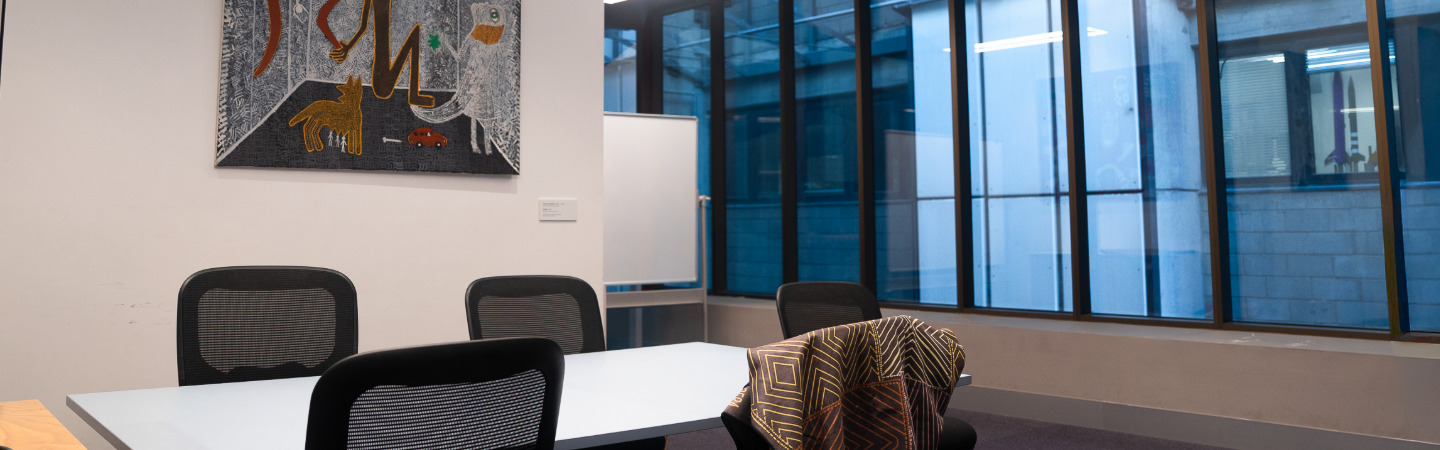
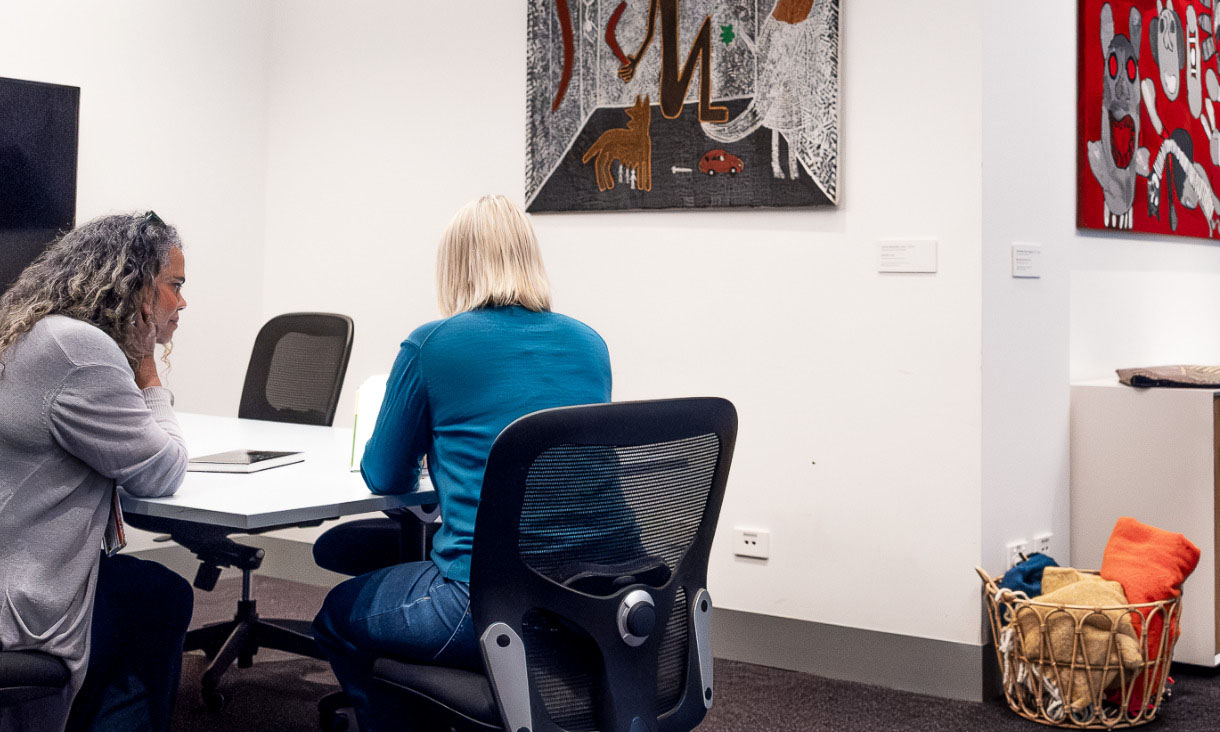
Launched in April 2026, the new First Place room at Swanston Library is a private space for Aboriginal and Torres Strait Islander research. It is reserved for Indigenous staff and research students to use, accessible via swipe card.

First Place is the next step in rethinking our Library spaces to ensure inclusivity and cultural safety for First Nations staff and researchers.

Decorative.Interior of First Place room for Indigenous staff and researchers at Swanston Library.

Recommended resources

The Library’s Aboriginal and Torres Strait Islander resources subject guide brings together First Nations scholars, research publications, voices and knowledges in various field of study.

The Australian Institute of Aboriginal and Torres Strait Islander Studies (AIATSIS) has a collection for Aboriginal and Torres Strait Islander cultures and history, including art, books, language resources, film and more.

The Library collaborated with subject matter experts in RMIT to update and convert two previous microcredentials into educational modules for staff and students respectively:

  • Advancing Reconciliation allows staff to explore how colonial dynamics continue to shape relationships today and highlights the importance of recognising Aboriginal and Torres Strait Islander sovereignty.
  • Truth-Telling: Racism and Reconciliation is a series of modules to help students develop deeper insight into truth-telling, reconciliation and social change. (Note: you need a Canvas account to access this resource. If you are a staff member and do not have one, please request it through Service Connect.)

Reconciliation.org also provides a fact sheet on Respecting and Protecting Indigenous Cultural and Intellectual Property, which is a useful guidepost when researching and sharing Indigenous Knowledges in your work.

RMIT event

If you’re looking to get involved in an activity during NRW, come along to the University’s event, All In: What real partnership looks like, on Thursday 28 May from 10am–11:30am.

27 May 2026

Other news from the Library

aboriginal flag float-starttorres strait flag float-start

Acknowledgement of Country

RMIT University acknowledges the people of the Woi wurrung and Boon wurrung language groups of the eastern Kulin Nation on whose unceded lands we conduct the business of the University. RMIT University respectfully acknowledges their Ancestors and Elders, past and present. RMIT also acknowledges the Traditional Custodians and their Ancestors of the lands and waters across Australia where we conduct our business - Artwork 'Sentient' by Hollie Johnson, Gunaikurnai and Monero Ngarigo.

Learn more about our commitment to Indigenous cultures