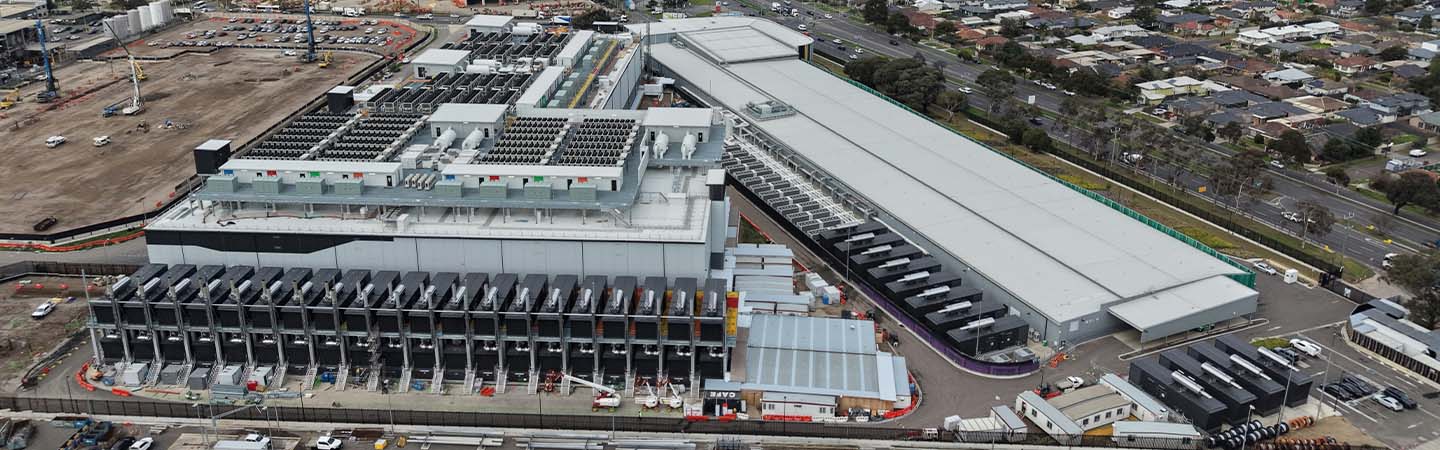
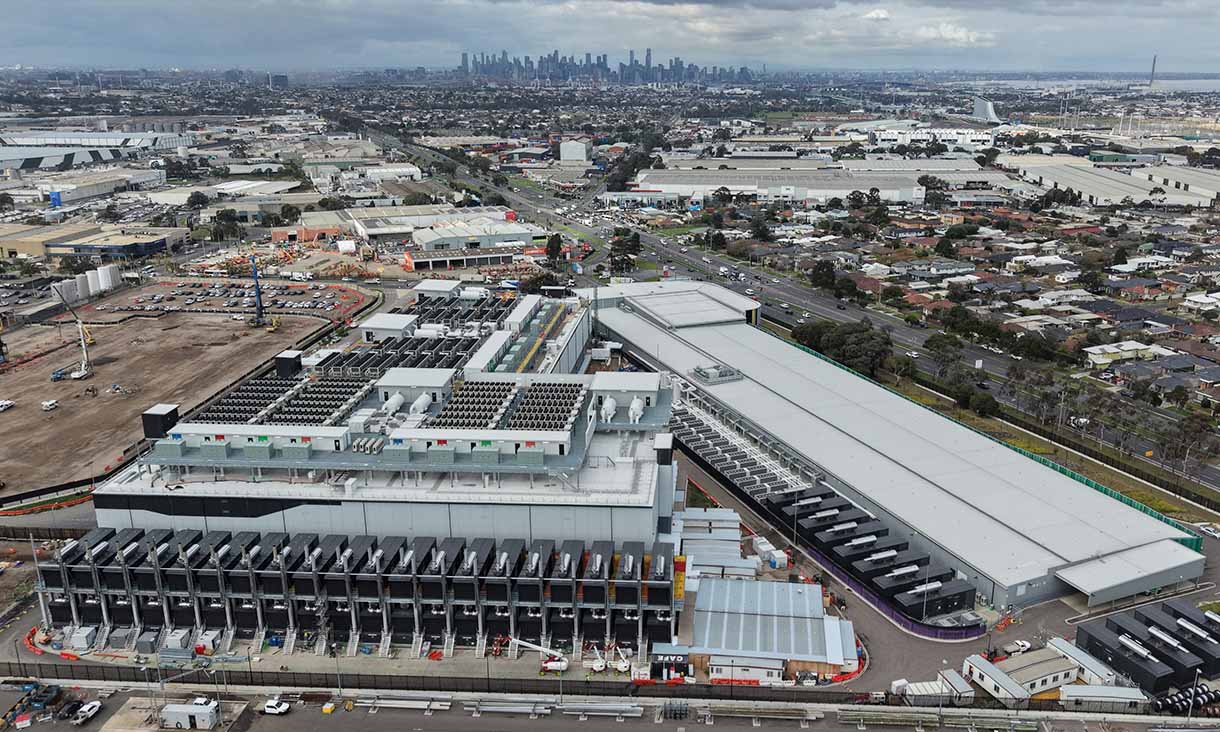
Data centres are a new key issue for all Victorian political parties. They are windowless sheds on the industrial fringes of Western Melbourne, humming quietly behind security fences. Yet they now hold the data that runs our banks, hospitals, government services and, increasingly, the artificial intelligence (AI) tools we use every day. That makes them some of the most important infrastructure in the state. It also makes them a target.
RMIT's Centre for Cyber Security Research and Innovation (CCSRI) has just completed a Victorian specific review of the evidence on the state's data centre boom “The Data Centre Boom in Victoria: A Gap Analysis of the Technological, Environmental and Social Issues”. The white paper looked at the technology, the environment and the community impacts but the area where the evidence was thinnest of all was security (physical and cyber).
The data centre boom is built on digital transformation, cloud, cyber and AI applications. More than 50 data centres were operating across Victoria by mid 2026, up from around 40 a year earlier. The Victorian Government expects up to $25 billion in further investment in data centre development across the state.
This increase in data centre developments has raised concerns about energy, water and land use. In August 2026 Victoria released its Sustainable Data Centre Action Plan, setting new rules on energy, water and land use as well as local benefit. Canberra has also issued national expectations for data centre developers but these plans and expectations do not include security as a key consideration.
In November 2026, ASIO Director-General Mike Burgess warned that foreign actors building AI data centres in Australia may try to covertly access sensitive information or critical infrastructure. Deputy Prime Minister and Defence Minister Richard Marles said foreign interference "is a concern", describing data centres as creating "a new vector, a new avenue for foreign actors to engage in".
Victoria's new Sustainable Data Centre Action Plan is the most prescriptive state level data centre regime in the country. It sets noise limits, residential buffers and water efficiency targets but there is no mention of physical or cyber security.
Data centres are critical infrastructure, so they are covered by the Security of Critical Infrastructure (SOCI) Act 2018. This requires asset owners to run risk management programs and gives the Commonwealth government powers to step in and oversee in time of emergency. Our review found that it is unclear whether data centre owners are complying with SOCI Act requirements from a cyber security perspective as they believe they are just building an IT infrastructure and it is their future customers who would need to undertake any compliance.
The Digital Transformation Agency's (DTA) Hosting Certification Framework is the most developed Australian Government framework, assessing providers on ownership, physical security, cyber security controls and supply chain risk. In 2023 ownership of the Hosting Certification Framework was passed from DTA to the Department of Home Affairs.
A key consideration is that the Hosting Certification Framework applies only to Australian Commonwealth government data centre usage tenancy. The commercial data centres across Victoria sit outside the remit of the framework.
The report looked at the security of data centres from an environmental perspective (water, power and the environment) as well as a physical and cyber security perspective.
The report makes a number of key recommendations for Victoria and data centres but specific security recommendations relate to:
- Commission a Victorian data centre security study – Assess how operators are meeting their Security of Critical Infrastructure (SOCI) Act obligations;
- Monitor parallel inquiries and reforms – track the Australian Government Senate inquiry (reporting by late March 2027), the NSW Government’s response to the NSW inquiry report, the Commonwealth government mandatory standards and the 2027 planning policy, and compare them with Victoria’s future needs and update Victoria’s data centre security requirements based on them.
Victoria needs data centres, but the facilities that hold our most sensitive data deserve to be assessed from an environmental and security perspective. Just because they are out of sight does not mean they should be out of mind.
As the Victorian State government highlighted, "We need data centres but we set the rules". These rules need to cover physical and cyber security. We need stronger oversight and coordinated planning to ensure new developments align with government policies including security and long term sustainability objectives. The challenge is not whether Victoria should embrace data centres, but how to make them secure.