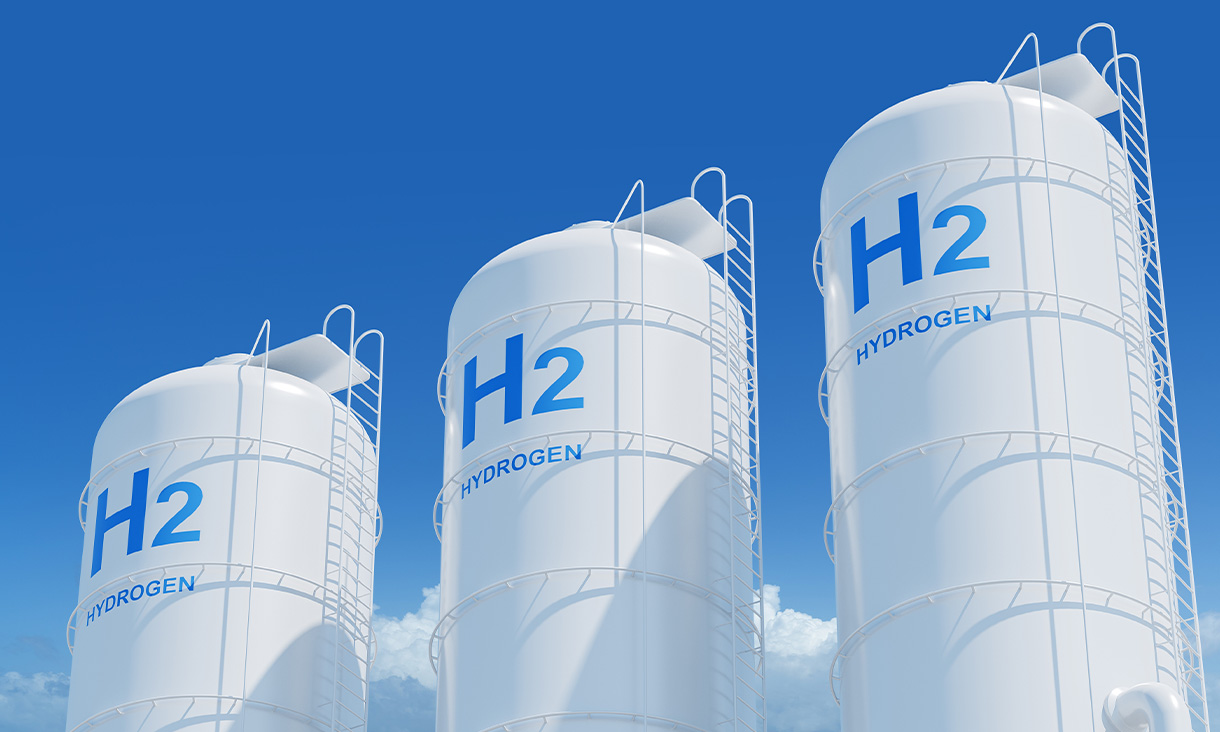
Why Australia’s clean hydrogen dream stalled

Why Australia’s clean hydrogen dream stalled

Australia set out to become a clean hydrogen superpower. But new research shows that disagreement over implementation is halting the industry and keeping the dream elusive.

Australia’s energy transition is always among the headlines. Most people agree that we need an energy system that is clean, affordable and resilient. The disagreement is over how fast we can build the required infrastructure, where it should go, who should pay for it and which technologies deserve a seat at the table.

Those divisions are particularly acute when it comes to new or commercially untested technologies, such as pumped hydro, small nuclear reactors or green hydrogen – a case where the gap between hype and reality has been especially wide.

To its supporters, hydrogen is a cornerstone of Australia’s transition to decarbonised economy. To its critics, it is a costly and speculative technology.

From hype to hesitation

Green hydrogen is made by using renewable electricity to split water into hydrogen and oxygen. Many consider it essential to decarbonise sectors of the economy that are difficult or impossible to electrify – like long-distance transport, aviation or agriculture. In these hard-to-abate sectors, clean molecules accomplish what clean electrons can’t because of inherent electro-chemical differences relating to energy density, weight and temperature output.

Australia was one of the first countries to publish a national hydrogen strategy and set out to become a global clean hydrogen superpower.

  • The number of proposed hydrogen projects grew exponentially and was valued at over A$300 billion by 2022.
  • By 2024, 20% of the world’s announced projects were based in Australia, which had a hydrogen pipeline larger than that of any other country.
  • At the peak of the hype, the pipeline included individual projects, such as the Western Green Energy Hub, that would have been equal in size to the entire national electricity grid (about 50 GW).

Even though Australia has all the right ingredients for an attractive hydrogen economy, the initial hype quickly died down. Most projects in Australia have either stalled or been scrapped, even as countries across Europe, Asia and the Americas steadily build their own hydrogen economies.

Four contrasting hydrogen pathways

Ahead of Australia’s revised National Hydrogen Strategy, our team spent a year interviewing experts across industry, government and thought leadership about the challenges that companies faced in adopting hydrogen technologies, their solutions for overcoming these, and the perceptions of the role of government in facilitating the transition to a hydrogen economy.

The technology works but the economics don’t stack up

Green hydrogen is technologically ready but economically uncompetitive with the incumbent fossil fuel alternatives it is meant to replace. Prospective hydrogen customers are unwilling to pay a premium and are hesitant to take on the risks of a commercially unproven technology. This means producers struggle to sign the long-term supply contracts investors need, and without financial guarantees, most projects never get off the ground.

Everyone wants government to act – just not in the same way

In any nascent market focused on addressing a collective action problem such as solving the climate crisis, initial government support is essential. Government can do what no single industry player can do alone: it can lower risk by underwriting projects, build essential infrastructure and provide ongoing revenue support.

Everyone agreed that the government must step in to bridge the cost gap and lower risks. However, what government support should look like and what types of projects it should prioritise is a fiercely debated topic with little consensus even among stakeholders sharing the same broader hydrogen vision. We find four deep fault lines in the views over how the hydrogen transition should play out.

Diversified Investments versus PickingWinners. There is disagreement over how limited resources should be used to support the transition. Several participants believe that the government must consider all potential hydrogen use cases and support projects equally. In contrast, other participants argue that spreading small investments across many projects prevents meaningful decarbonisation. Instead, the government should concentrate funding on a few priority projects. Picking winners would unlock additional private capital and achieve economic viability without requiring ongoing government support.

Market Activation versus Developing to Scale. Several participants argue that reaching scale requires starting small with pilot or demonstration projects that activate the market and generate learnings for scaling up. Conversely, several other participants believed that the same lessons can be drawn from pilot projects already completed overseas. Instead of replicating existing findings that waste scarce resources, we should directly develop to scale, which would generate different learnings for commercially unproven projects.

Domestic Focus versus International Focus. Some participants argue that support should be focused on projects that benefit Australia and Australians. This view prioritises projects that have domestic decarbonisation potential or bring new employment opportunities. Critics of this view content that domestic demand is too small for domestically focused projects to ever achieve commercial viability.

Techno-economic Priority versus Decarbonisation Priority. Green hydrogen’s fundamental purpose was also fiercely debated. Proponents of the techno-economic priority view argue that hydrogen should be deployed initially in sectors with the highest technological maturity or where investments are financially prudent. Prioritising low-hanging fruit sectors is easy and would lead to immediate decarbonisation benefits. Conversely, stakeholders that adhere to the decarbonisation priority view content that hydrogen’s primary purpose should be to decarbonise sectors with no viable alternative, such as long-distance transport, shipping or aviation.

These priority sectors should be supported no matter the cost nor economic viability exactly because there is no alternative. This view is expressed in the following quote of a participant: 
If what we're actually trying to do is to achieve environmental benefits, then I'm sick of hearing about the economic frustrations around making it happen. No one's investing because the economics don't stack up. But the economics won't stack up. That’s not actually what we're trying to do here. The goal is to drive a better environmental and community outcome.I understand that economics are important, and finances are important from a private organisation point of view. But if what we as a society are trying to achieve is ultimately [environmental] outcomes, then that's what we need to keep in mind as our ultimate goal and that's what we should be working towards.

Who shapes the strategy?

Without some consensus on these aspects, the Australian hydrogen economy will likely be subdued in the foreseeable future. When stakeholders disagree about how government should support a new market – especially when those views become active lobbying – the result can be unintended consequences, like the countless stalled projects in Australia today while the rest of the world is progressing.

If Australia is serious about future clean energy industries, we need to understand not only which technologies work, but what our priorities are, as a country.

About the Author

Dr. Stephan Dua Modest is a Lecturer at RMIT's School of Economics, Finance and Marketing. His research explores the intersection of environmental sustainability drivers and sustainability communication.

11 November 2026

Share

11 November 2026

Share

Related News

aboriginal flag float-starttorres strait flag float-start

Acknowledgement of Country

RMIT University acknowledges the people of the Woi wurrung and Boon wurrung language groups of the eastern Kulin Nation on whose unceded lands we conduct the business of the University. RMIT University respectfully acknowledges their Ancestors and Elders, past and present. RMIT also acknowledges the Traditional Custodians and their Ancestors of the lands and waters across Australia where we conduct our business - Artwork 'Sentient' by Hollie Johnson, Gunaikurnai and Monero Ngarigo.

More information