.jpg)

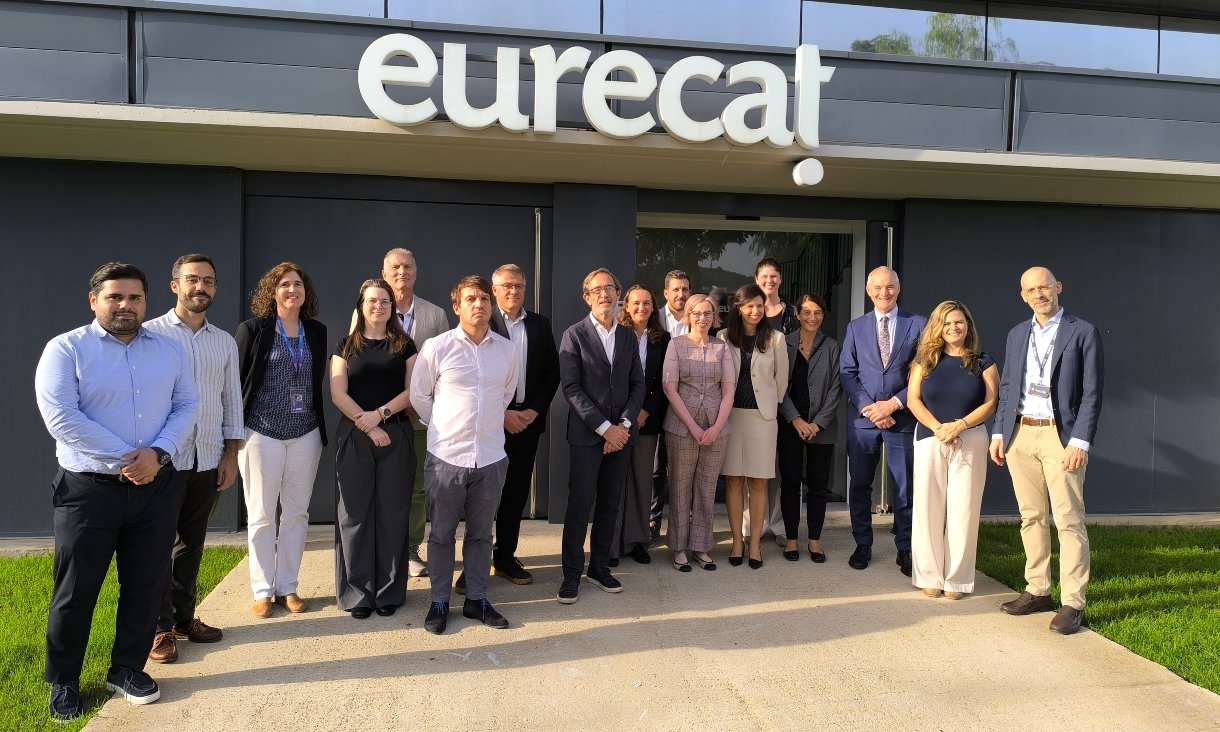
RMIT and Eurecat celebrate five years of impact in research and innovation
Since 2021, RMIT has partnered with Catalonia's leading technology centre on initiatives spanning doctoral training, industry engagement and collaborative research.
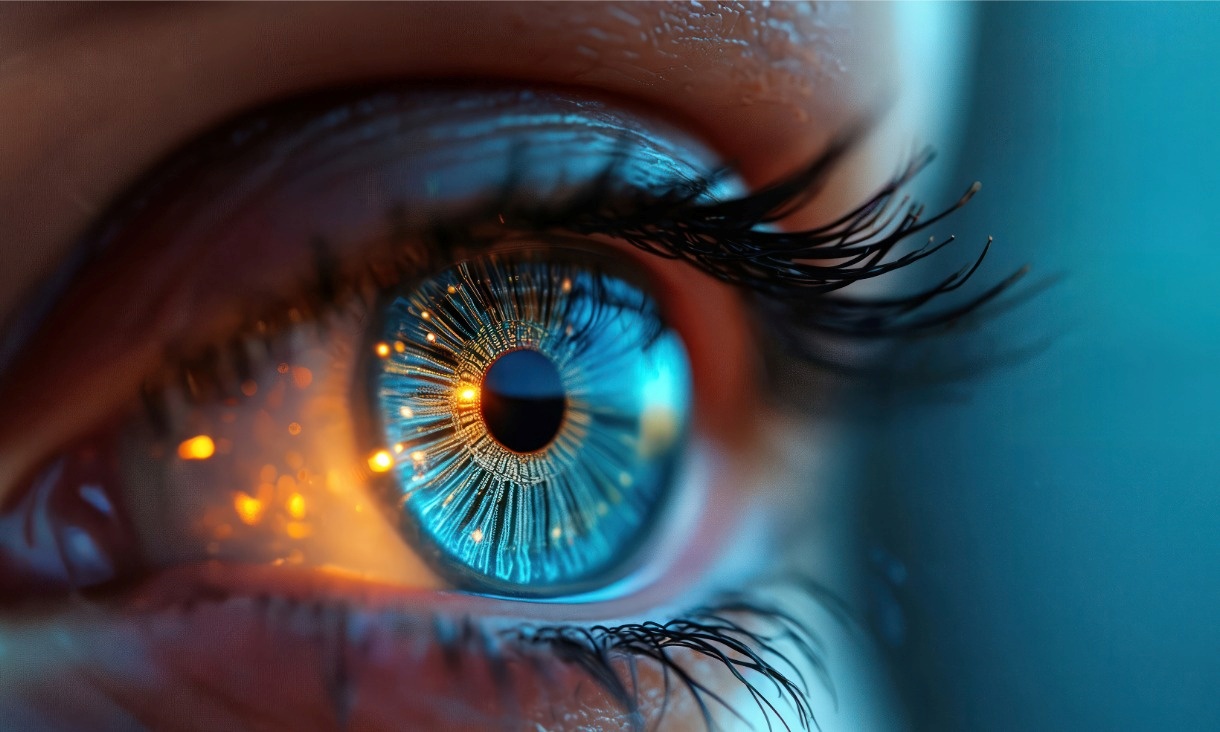
Invention may bring smart bionic eye in sight
A working prototype that can see, remember and interact with the world like the human brain could one day underpin smart bionic eyes, while using far less energy than today's technologies.
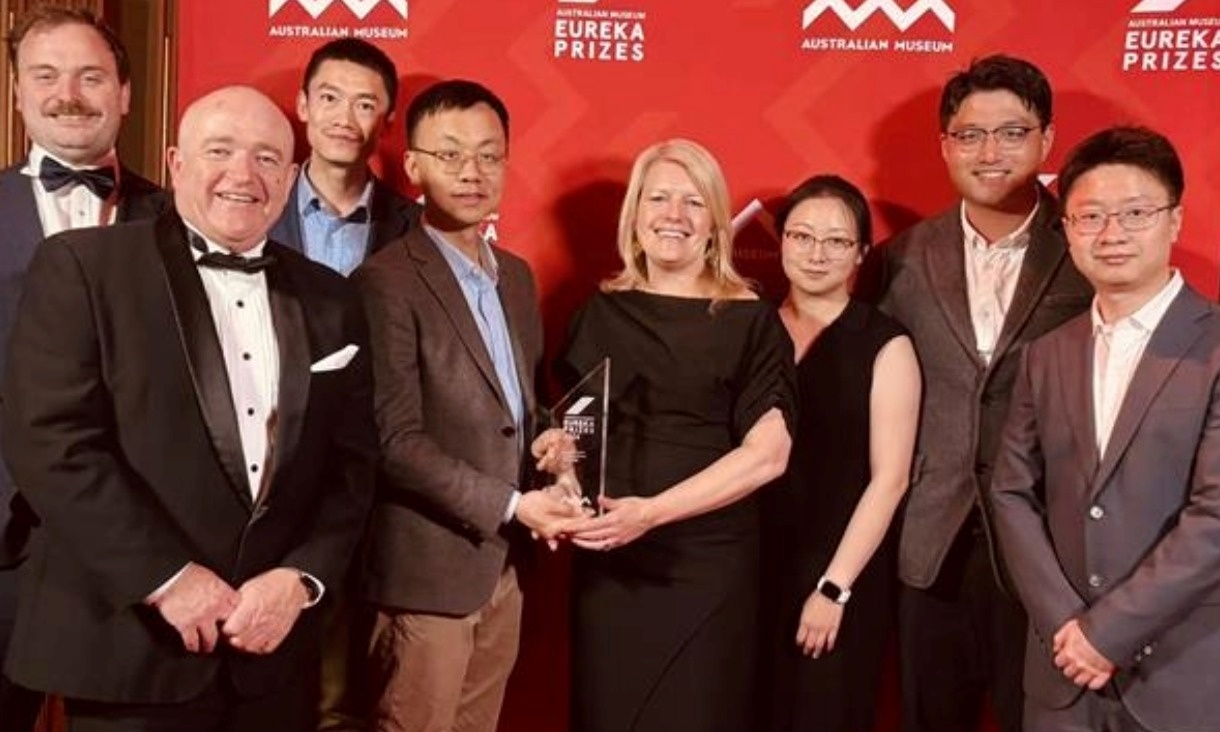
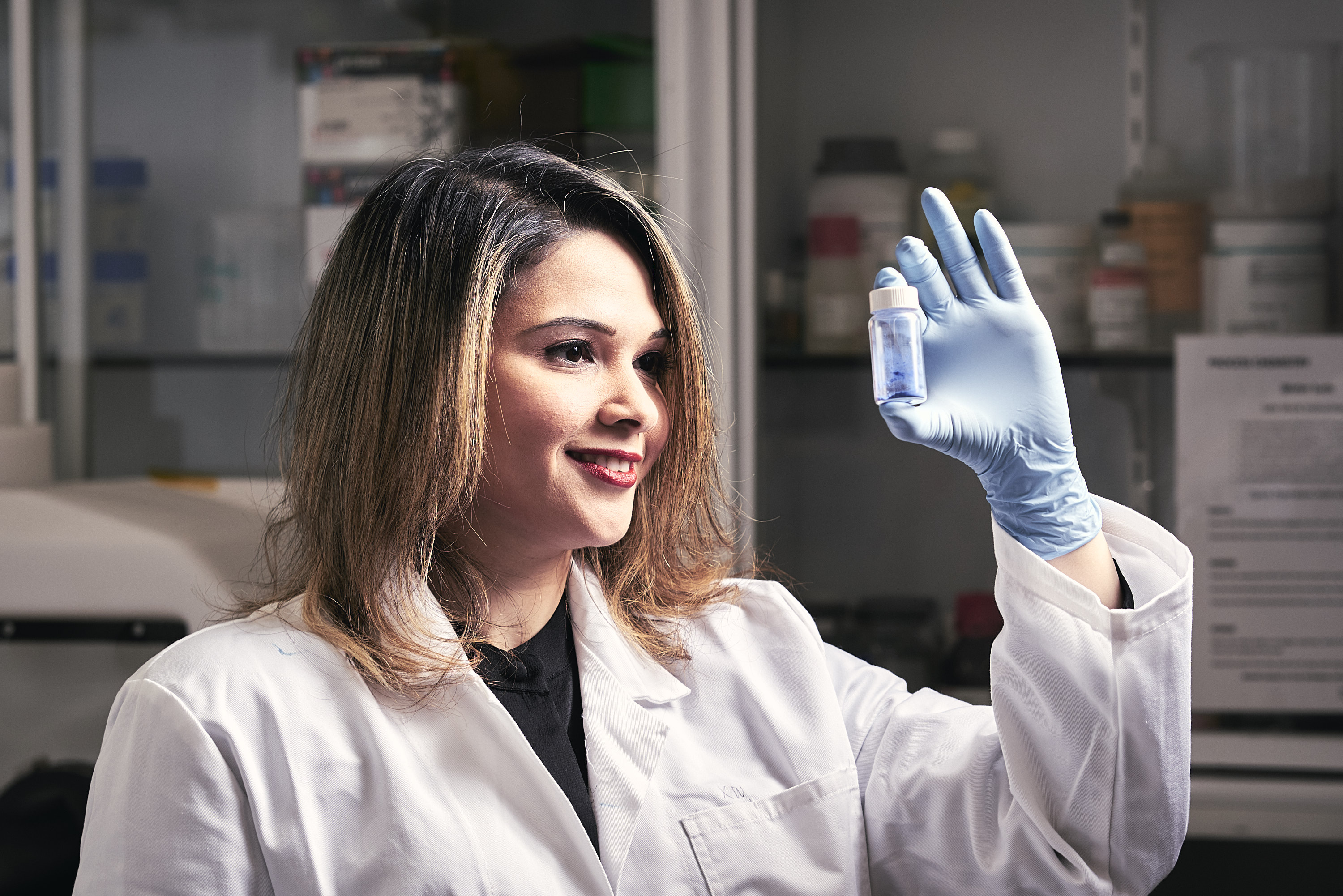
RMIT carbon conversion technology wins Eureka Prize
A breakthrough RMIT technology that captures and converts carbon dioxide into valuable products in a single process has won one of Australia's most prestigious science awards.
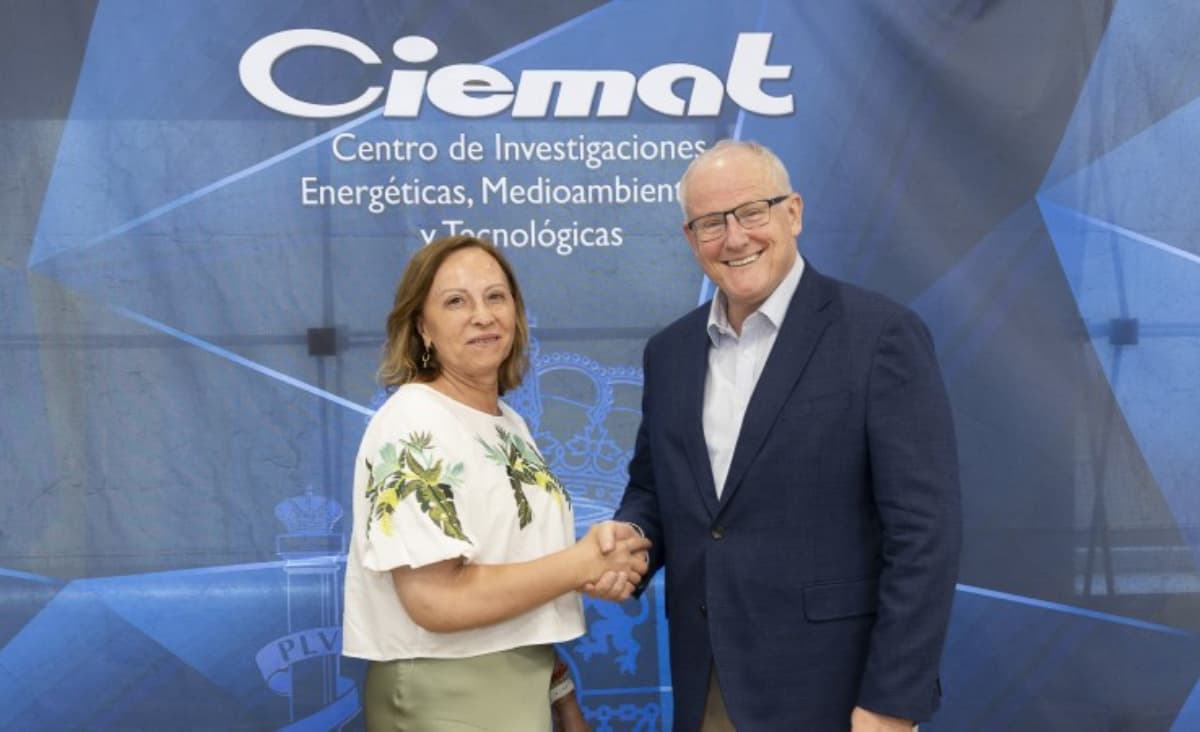
RMIT and CIEMAT advance collaboration on the future of renewable energy infrastructure
As Spain and Australia accelerate their transition to net-zero economies, researchers, industry leaders and government representatives gathered in Madrid to explore how stronger international collaboration can help solve the next generation of clean energy challenges.



