Unlocking value in critical minerals and battery recycling

Unlocking value in critical minerals and battery recycling

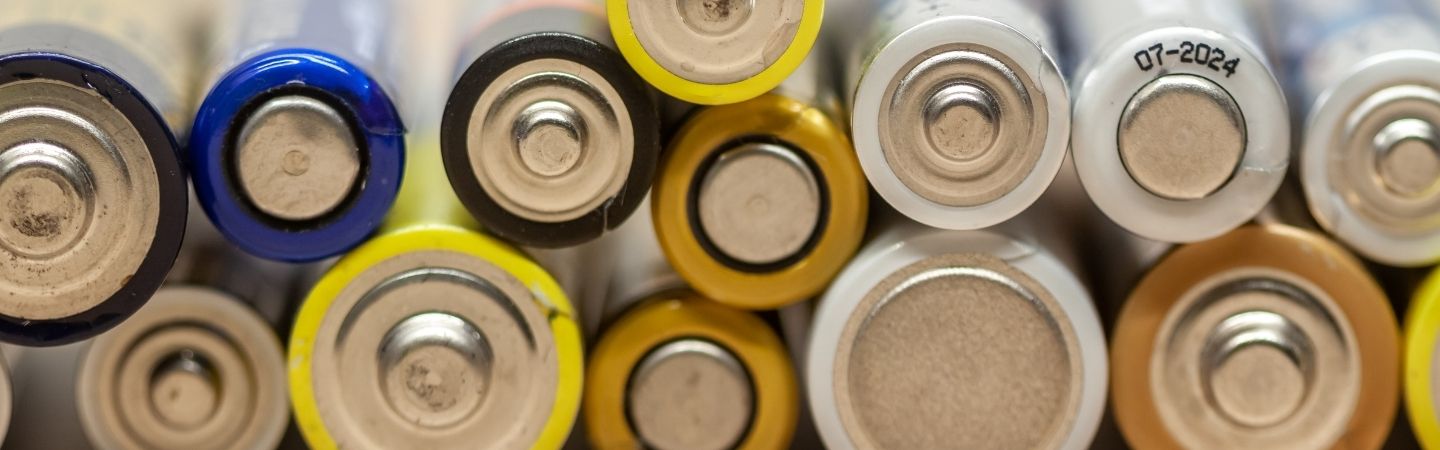
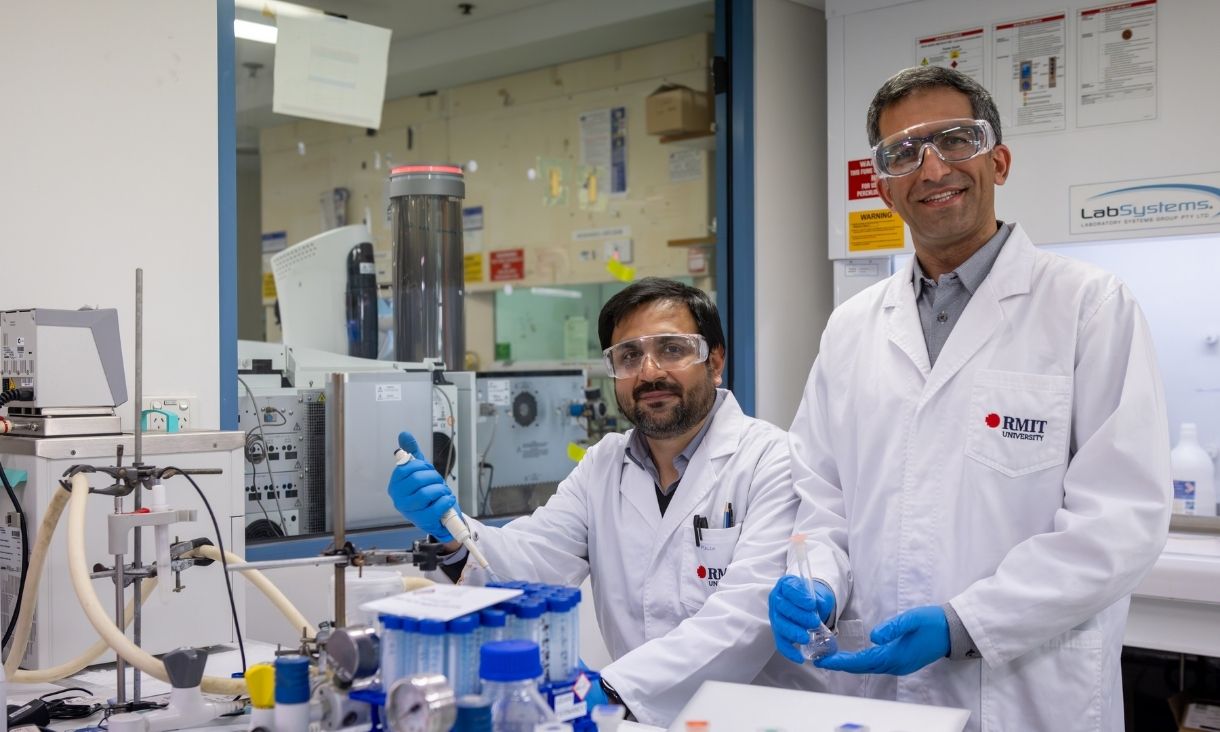
Associate Professor Hamid Arandiyan from the School of Science, together with lead industry partner Green Li-ion, has secured a $6.2 million Cooperative Research Centres Projects (CRC-P) grant to support Australia’s clean energy transition and strengthen its critical minerals capability.

batteries-clean-energy-image1-1220x732px - 1

Led by Green Li-ion Pty Ltd, in collaboration with Lagrange.AI Pty Ltd and Livium Ltd, the project has received $3 million from the Australian Government, matched by $3.2 million from industry partners.  

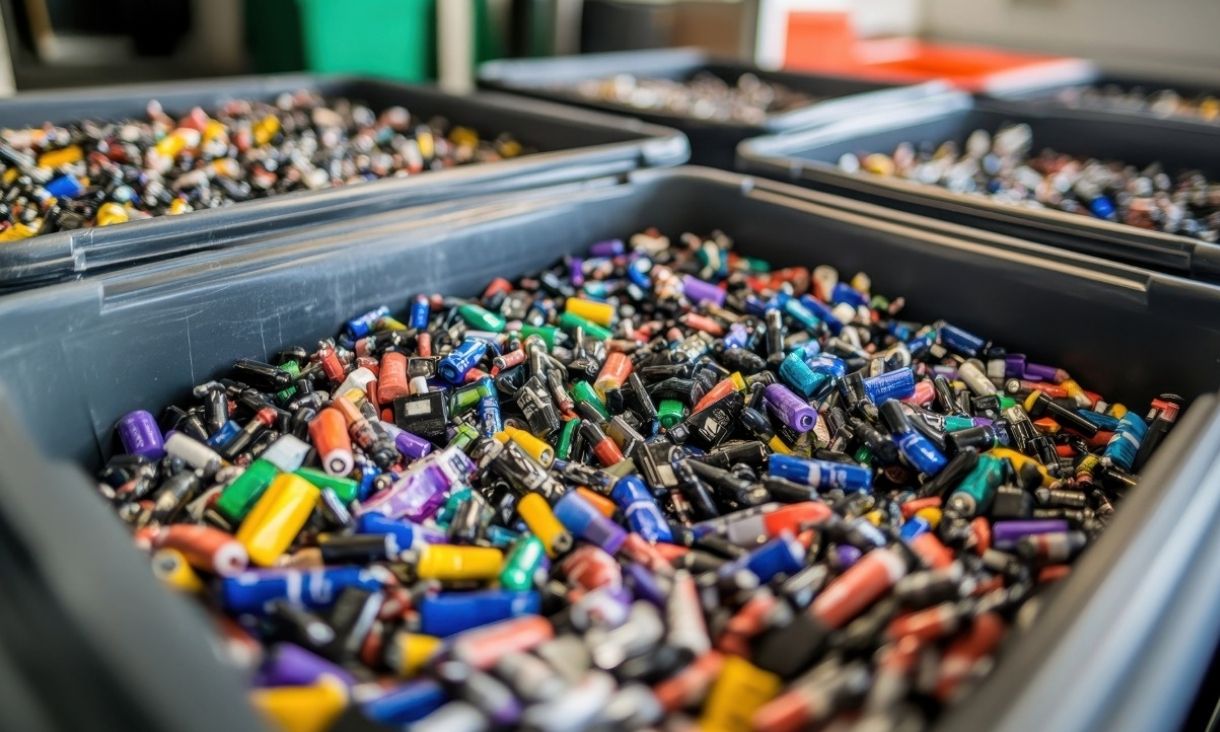
The team will develop an advanced hydrometallurgical process to recover high‑purity metals from lithium-ion battery waste, without using organic solvents. These metals, including lithium, nickel, cobalt and manganese, are classified as critical minerals and are essential for batteries, renewable energy technologies and the global clean energy transition. 

“Every battery we keep out of landfill and return to the value chain is a win for both the environment and the economy,” Associate Professor Arandiyan said.  

“Our goal is to show that Australia can lead the world in sustainable recovery of critical minerals.”  

The research will scale the technology from bench scale (Technology Readiness Level 4) to a fully automated pilot-scale system (Technology Readiness Level 7), demonstrating its readiness for industrial application. The process is designed to produce battery‑grade materials and establish a genuine closed‑loop system for recovering and reusing critical minerals. 

batteries-clean-energy-image2-1220x732px - 1

Automation will be integrated throughout the pilot plant to improve efficiency, safety and process consistency, enabling the technology to be deployed reliably at commercial scale. 

Critical minerals are fundamental to technologies such as electric vehicle batteries, large‑scale energy storage and renewable power systems. However, supply risks, geopolitical factors and the environmental impacts of mining are driving an urgent need for effective recycling solutions. 

This project will develop a solvent‑free, cost‑effective process to recover high‑value materials from waste batteries, turning end‑of‑life batteries into battery‑grade salts ready for reuse. The approach is expected to: 

  • increase the economic value captured from battery waste 
  • reduce waste and environmental impact 
  • strengthen Australia’s critical minerals capability 
  • support a more circular economy for clean energy technologies. 

Associate Professor Arandiyan, a Fellow of the Australasian Institute of Mining and Metallurgy (FAusIMM), leads the Critical Minerals for Clean Energy (CMCE) Research Group at RMIT. The group focuses on developing innovative technologies to support sustainable resource recovery and clean energy systems. This new CRC-P project is closely aligned with the group’s mission to advance Australia’s leadership in critical minerals and energy transition technologies. 

“This collaboration brings together industry and research expertise to deliver positive environmental, societal and economic impact,” Associate Professor Arandiyan said.  

“It’s about building a cleaner, more resilient energy future for Australia.”  

Opportunities to get involved

Associate Professor Arandiyan is currently recruiting PhD candidates and postdoctoral researchers to join this project and the CMCE group. These roles offer the opportunity to contribute to cutting‑edge research in battery recycling and critical minerals, working closely with industry partners. 

Interested candidates are encouraged to contact Associate Professor Arandiyan via email, to discuss potential opportunities and how their skills might align with the project. 

Share

  • Research
  • Environment
  • Science and technology
  • Sustainability

Related News

aboriginal flag float-starttorres strait flag float-start

Acknowledgement of Country

RMIT University acknowledges the people of the Woi wurrung and Boon wurrung language groups of the eastern Kulin Nation on whose unceded lands we conduct the business of the University. RMIT University respectfully acknowledges their Ancestors and Elders, past and present. RMIT also acknowledges the Traditional Custodians and their Ancestors of the lands and waters across Australia where we conduct our business - Artwork 'Sentient' by Hollie Johnson, Gunaikurnai and Monero Ngarigo.

More information