
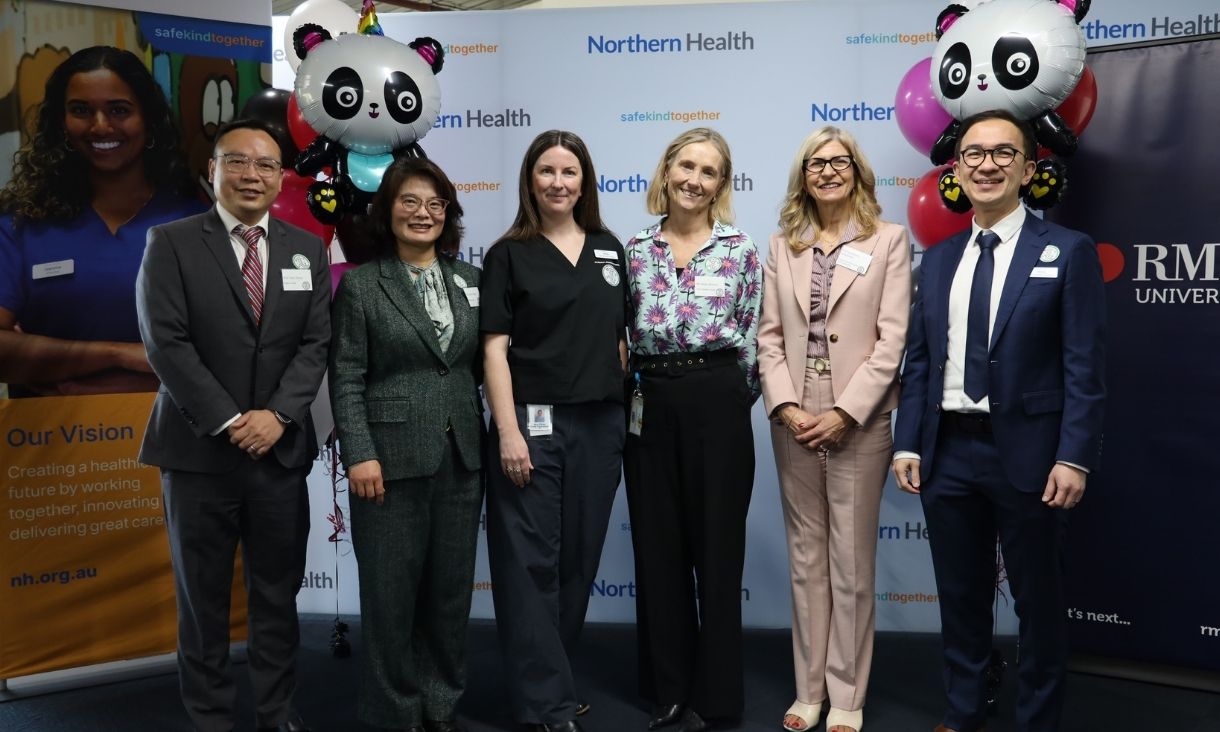
New study tests acupuncture in the emergency department to treat patients with acute pain
RMIT University and Northern Health are testing whether acupuncture can be successfully integrated into emergency department (ED) care, offering patients experiencing acute pain a non-drug treatment option alongside standard clinical care.

Why Melbourne has earnt its title as the hay fever and asthma capital of the world
Melbourne is known as the hay fever and asthma capital of the world, and this year's warm, wet winter could make spring particularly challenging for allergy sufferers. An RMIT expert explains why the risks are higher and how Victorians can prepare.

Managing screen time during school holidays
With school holidays approaching and the NSW Government announcing new limits on screen use for learning in public schools, an RMIT education expert says families should also be thinking about how they manage screen time at home.

More cases of the H5 bird flu confirmed: What it means for poultry and public health
Testing has confirmed the first mass mortality event of H5 bird flu in South Australia, as cases of infected birds continue to grow across the country. An expert warns both producers and the wider population need to be vigilant to prevent a wider spread in wildlife and humans.



