


Expert available to comment on Digital Duty of Care bill
The Federal government has announced its proposed Digital Duty of Care bill today that will include an option for Australians to opt out of social media algorithms. An RMIT expert is available to comment on the proposal and how to tackle gender-based digital harms.
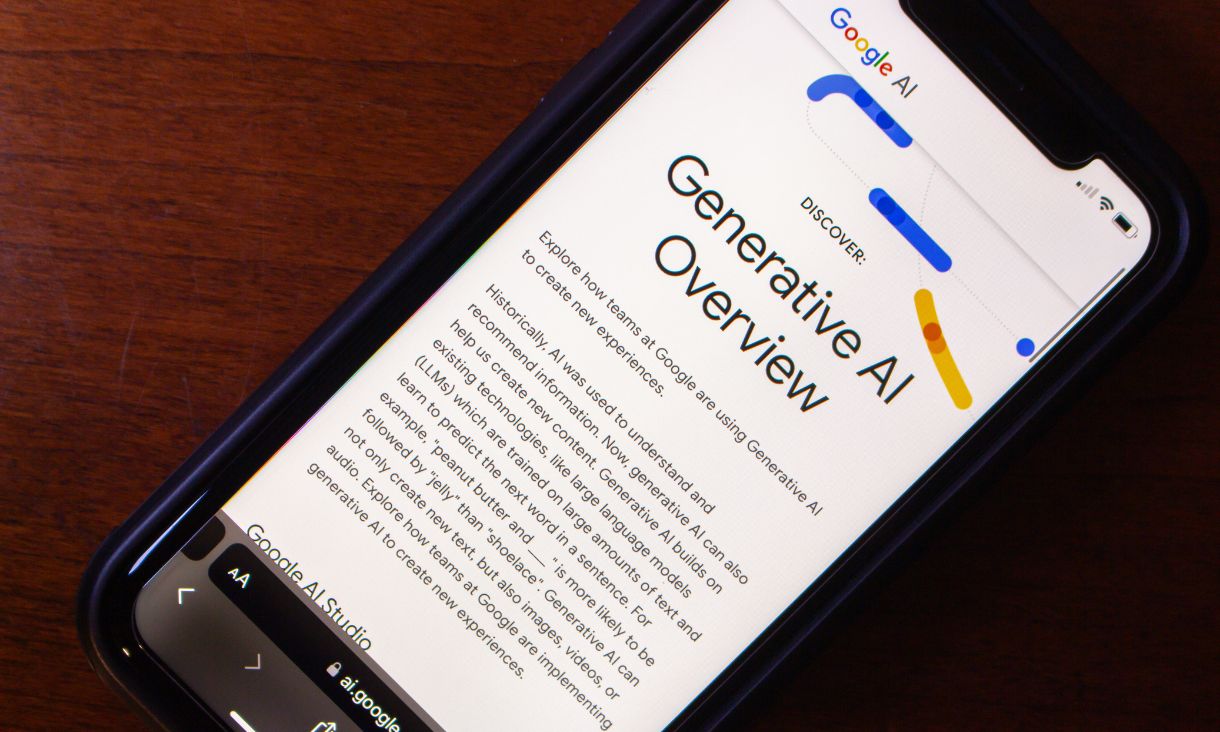
Growing tensions between AI and the World Wide Web
The way people are finding information online could be entering a new phase, as website providers like Cloudflare push back against AI systems that collect and summarise content. RMIT experts say this shift could have significant implications for content creators, website operators and the quality of information available online.
Wearable cameras seem to be everywhere, but what are the risks?
Apple’s 2027 AirPods are expected to include cameras and Kmart recently sold out of their $89 Meta glasses dupe. With discreet wearable cameras exploding in popularity, an RMIT expert explains the risks associated with the technology.

Why Meta’s settlement is a commercial win for the social media giant
Meta will pay $23 billion after a landmark court battle this week over teen addiction. An RMIT expert says Meta’s settlement mirrors the defensive strategies used by big tobacco in the late 1990s to protect core business models and neutralise existential regulatory threats.

Perceptions and policies around homelessness and community safety
Victoria’s new Premier Ben Carroll this month appointed the State’s first ever Minister for Homelessness. This announcement came a week before the Federal government announced $300 million to build 520 homes across Australia. An RMIT expert unpacks the importance of keeping homelessness on the policy agenda.

Why Europe is banning the destruction of brand‑new clothes and what Australia can learn
Every year, tens of thousands of tonnes of unworn clothing are destroyed – burned, slashed or buried – as part of routine retail practice. New EU rules have now banned the destruction of unsold garments, forcing brands to rethink how they manage excess stock.

The gap in Australia’s anti-scam architecture
Australia's national response to scams has strengthened in recent years through government-led anti-scam measures. Yet losses remain above $2 billion, and scams continue to have a significant and devastating impact on individuals, particularly those in vulnerable communities. In a new white paper, RMIT professor Mathews Nkhoma has identified the critical gap in anti-scam architecture before funds have been irreversibly transferred.

Flora, fauna and fungi: Labor backs recognition of a third major life group
The Australian Labor Party now explicitly recognises fungi, alongside flora (plants) and fauna (animals). An RMIT expert explains why the move, unveiled at the ALP's recent National Conference, is an important milestone for conservation and protection, and why the organism is so important.



