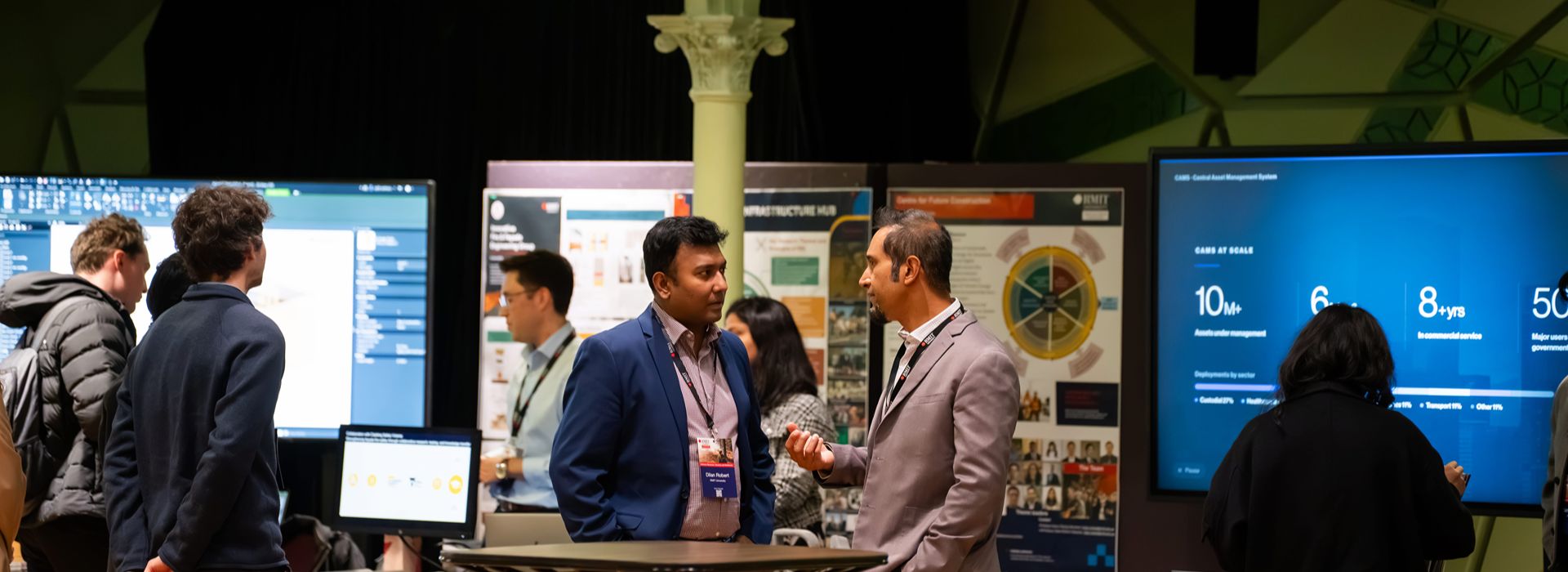
RMIT recognised at 2026 Good Design Awards
Eight projects featuring RMIT design research, outcomes and collaborations have been honoured at the 2026 Australian Good Design Awards.
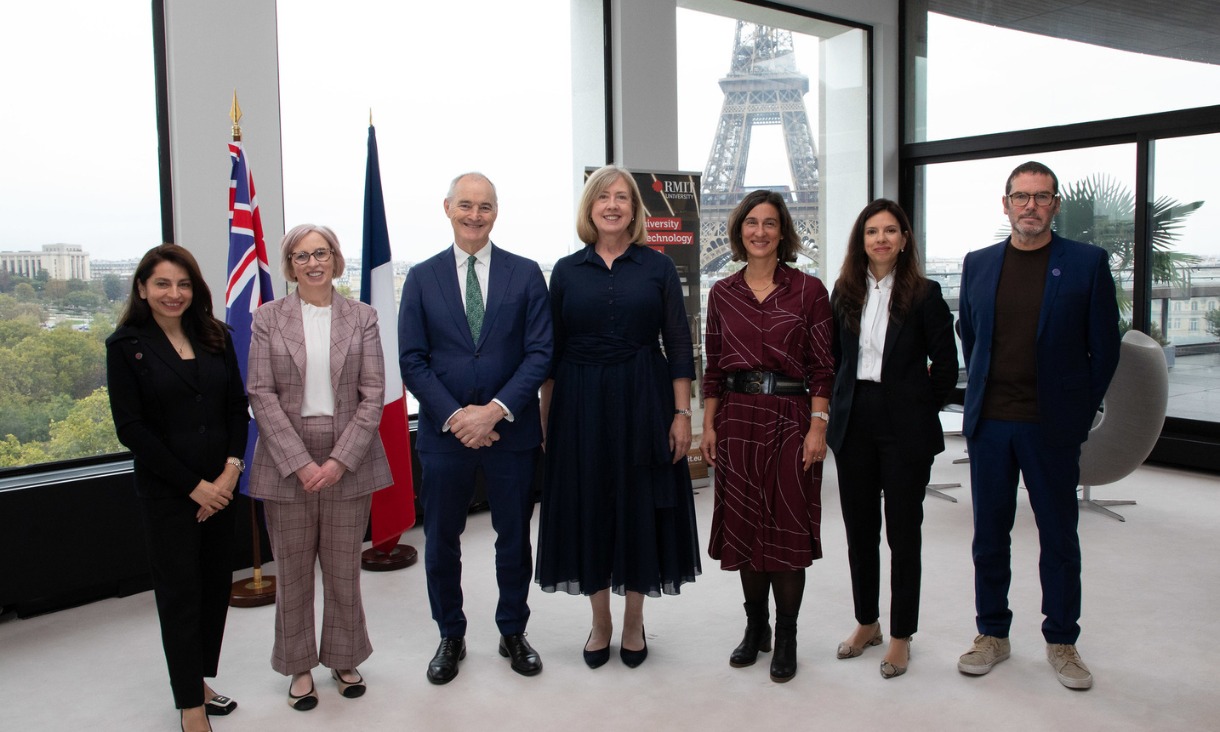
RMIT and ENS Paris-Saclay forge new partnership to advance research and innovation
RMIT University has formalised a new partnership with ENS Paris-Saclay, creating new opportunities for collaborative research, doctoral training and academic mobility between Australia and France.
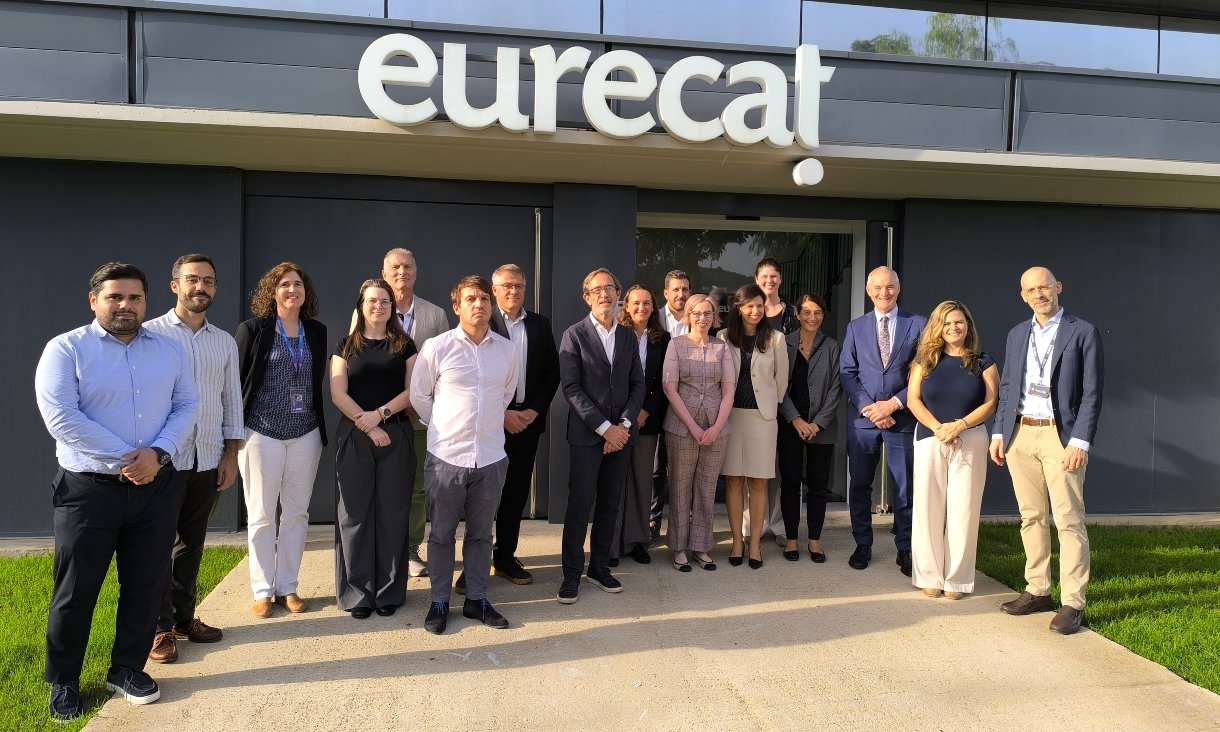
RMIT and Eurecat celebrate five years of impact in research and innovation
Since 2021, RMIT has partnered with Catalonia's leading technology centre on initiatives spanning doctoral training, industry engagement and collaborative research.
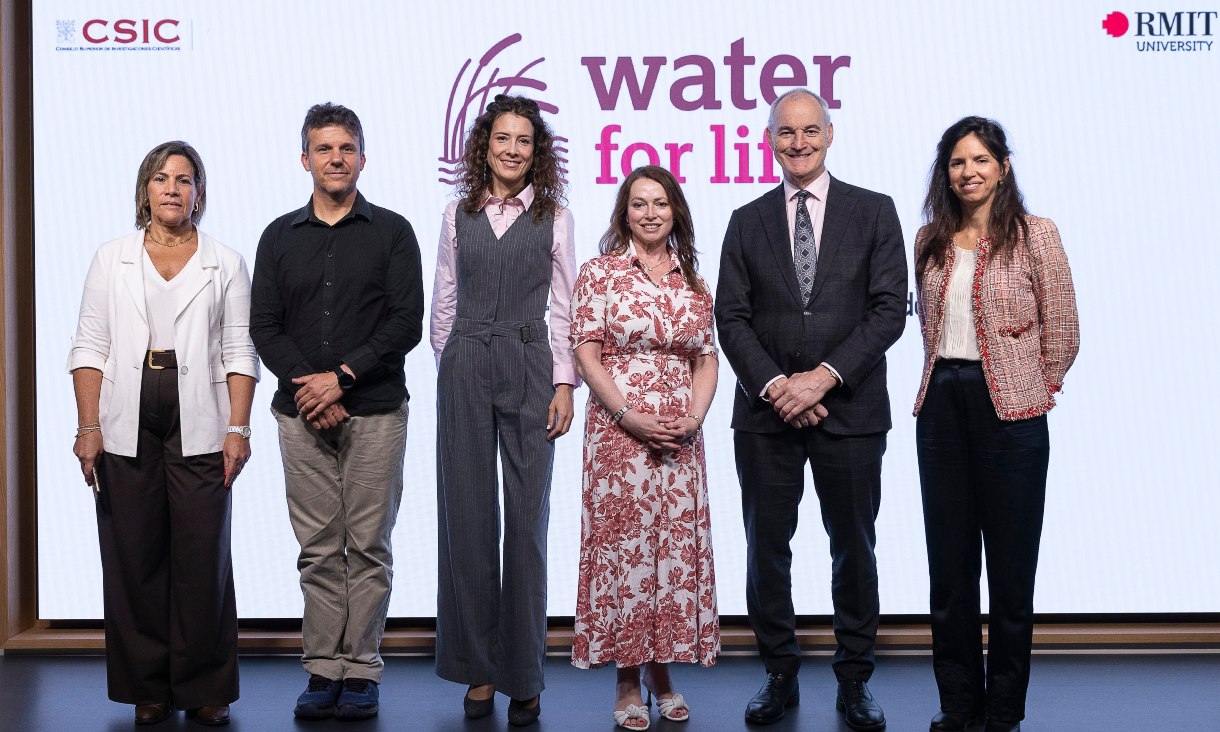
RMIT, AstraZeneca and IDAEA-CSIC join forces to investigate nature-based solutions to treat wastewater
The research collaboration will generate knowledge to inform more sustainable water management practices through nature-based solutions.
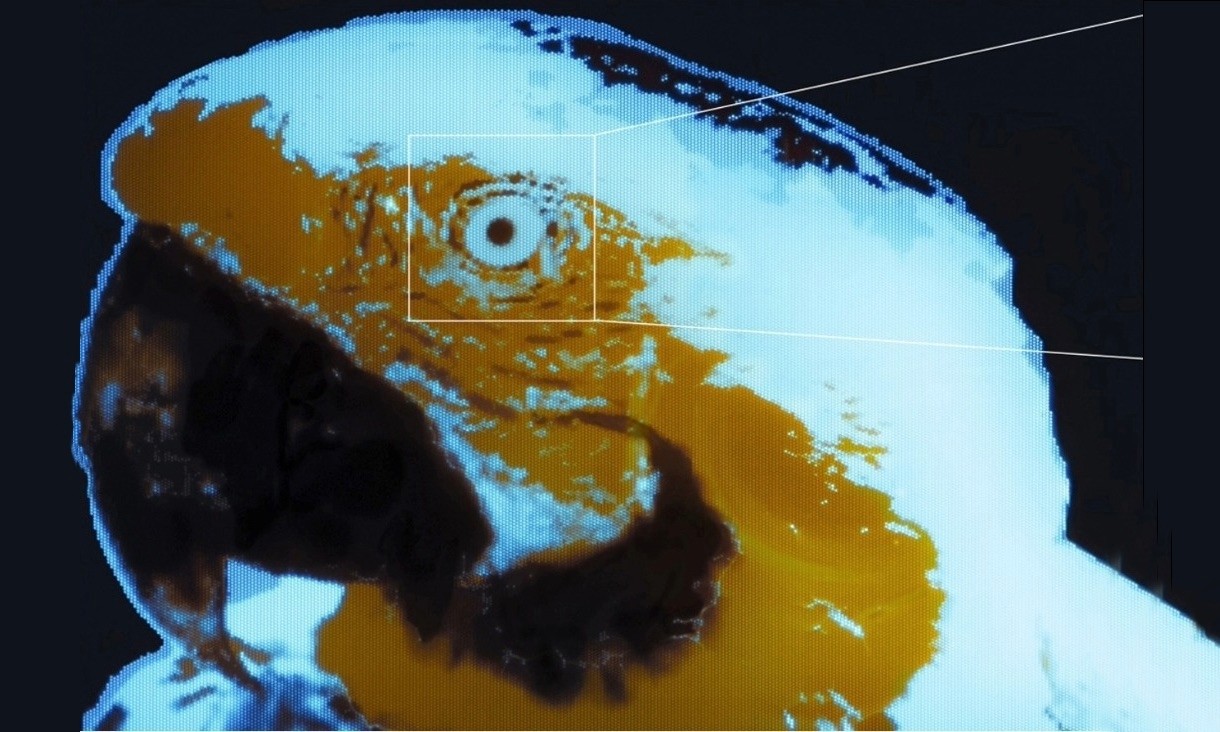
Tiny OLED pixels could soon be manufactured like microchips
Scientists have created a light-sensitive material that can produce tiny, coloured light-emitting pixels, an advance that could enable sharper miniature screens and light-powered medical technologies.
Demystifying digital platforms: the new Australian Internet Observatory tool pioneering digital research
The Australian Internet Observatory (AIO) has developed a platform that university researchers can use to collate and analyse key statistics from digital platforms including online user experience data, algorithms and interactions.

Shoppers know fast fashion harms environment but keep buying: study
New RMIT University research suggests environmental awareness alone may not stop people buying ultra-fast fashion, with price and convenience trumping sustainability concerns for shoppers.

Space weather mystery finally solved in new study
A 178-year-old mystery surrounding one of the earliest recorded examples of space weather affecting technology has been solved by an international research team.
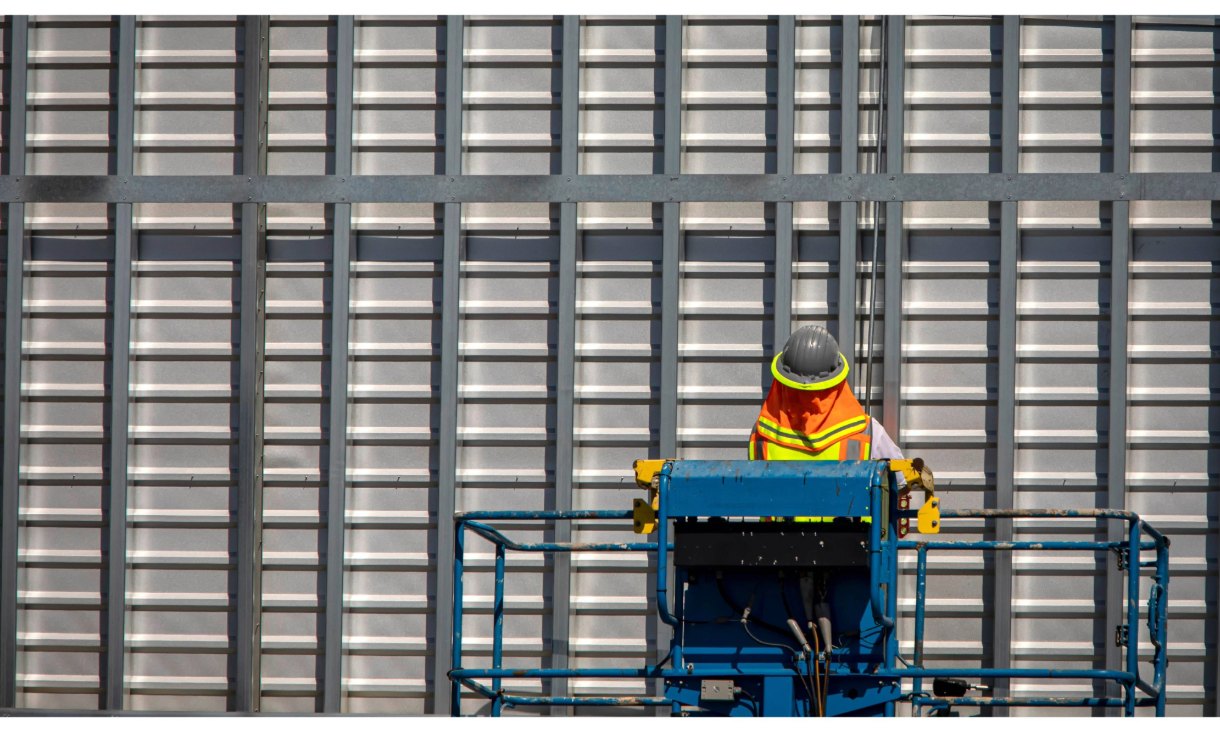
Study finds blue collar workers at highest risk of suicide
A national study of suicide rates across occupations in Australia shows blue-collar male workers are still substantially over-represented, underscoring a need for greater attention to occupation-specific factors that might increase risk.
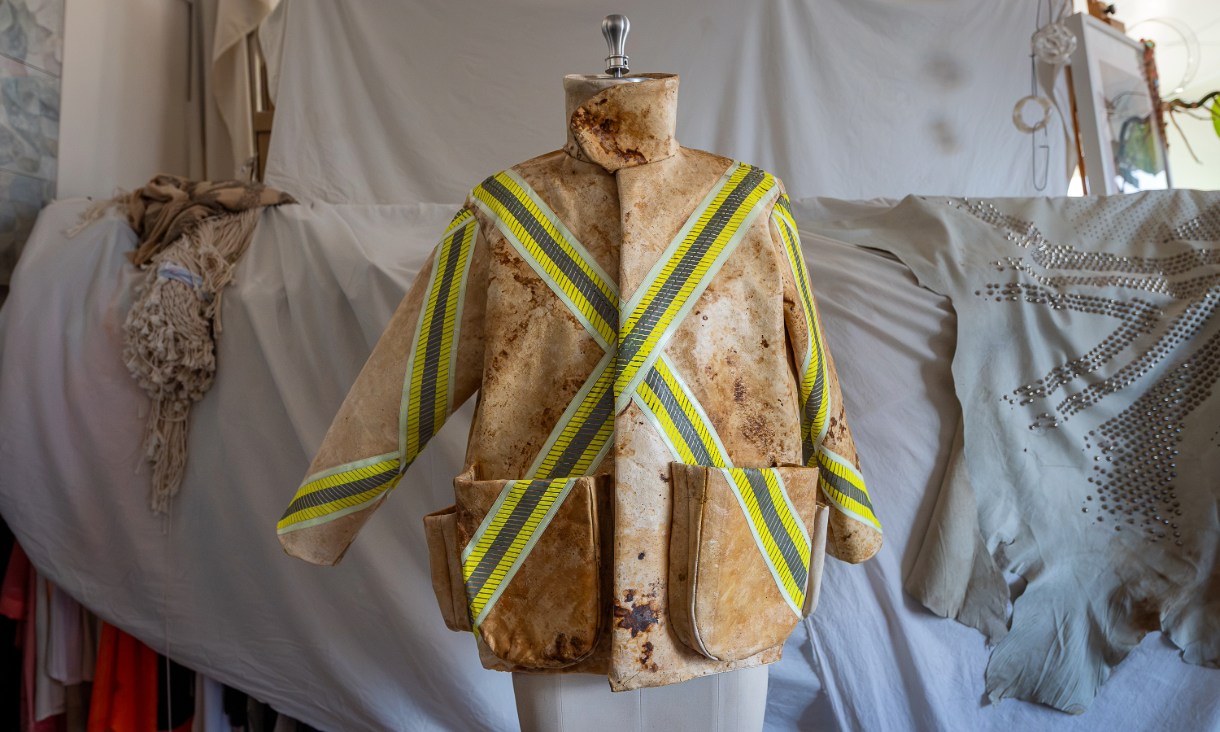
Fighting fire with fungi: researchers design protective clothing using mycelium leather
RMIT researchers have crafted a wildfire jacket prototype from mycelium leather, testing whether fungi‑based materials could help shape the next generation of protective clothing.
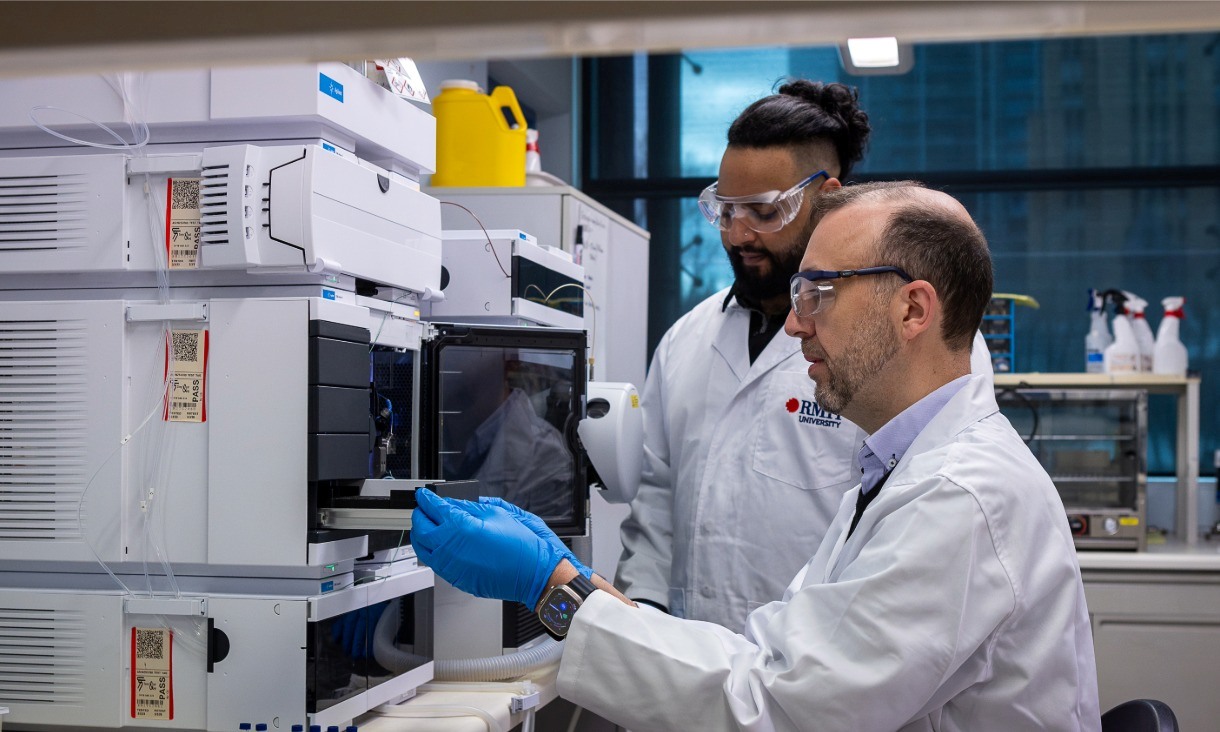
First-ever Aussie study of “forever chemicals” in rain finds safe concentrations for drinking water
The first Australian study of PFAS – so called “forever chemicals” – in rainwater has found safe concentrations of the chemicals according to the NHMRC Australian Drinking Water Guidelines.
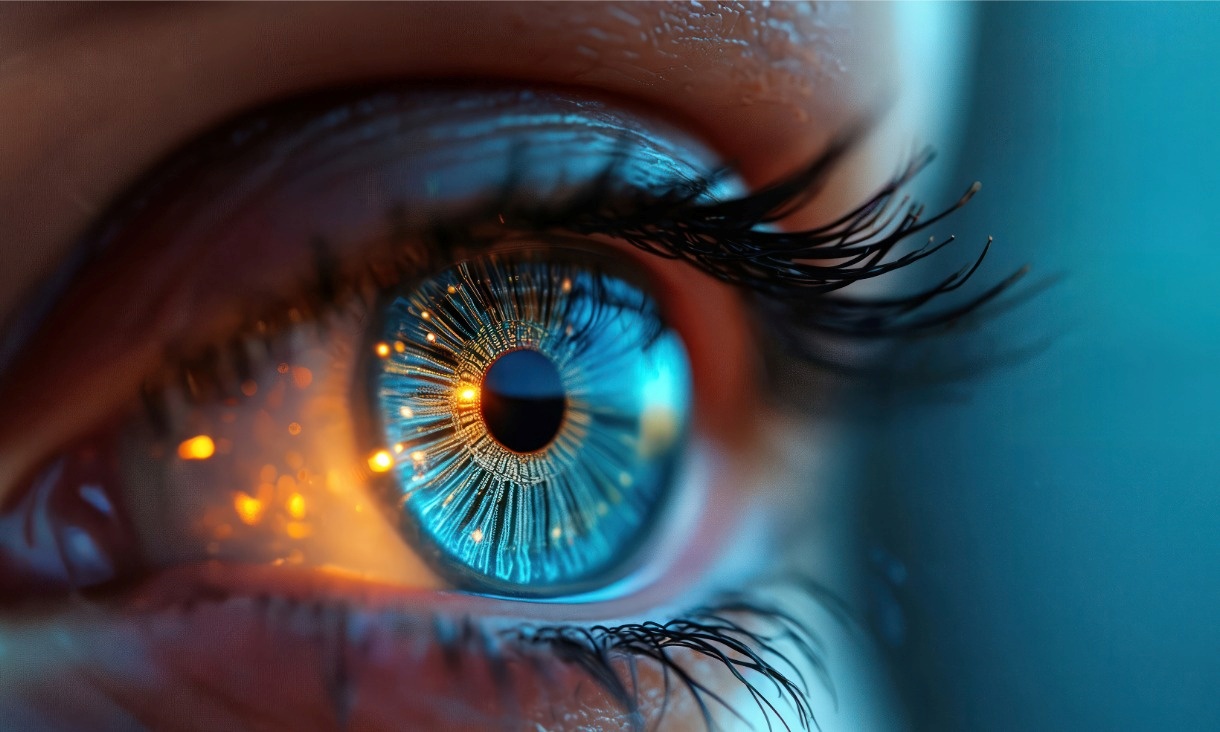
Invention may bring smart bionic eye in sight
A working prototype that can see, remember and interact with the world like the human brain could one day underpin smart bionic eyes, while using far less energy than today's technologies.