

Water: Effective Technologies and Tools (WETT) Research Centre

Established in 2013, the WETT Centre brings together researchers with complementary knowledge and skills to develop technologies and methodologies for managing the quality and quantity of water for society’s needs in a sustainable manner.

The WETT centre provides technology-driven advanced water research for achieving sustainable solutions for tomorrow’s water and wastewater challenges. As a dynamic, multi-disciplinary water research centre at RMIT University, we collaborate globally to deliver technology-based guidance and innovative water and wastewater solutions that promote resource recovery, low-emission outcomes, and resilience for communities, industries and governments.

Research Areas

Our research themes for safe, smart and sustainable water solutions through transforming waste to resources and sustainable wastewater management. Together, we create a pathway towards a resilient and healthier planet.

Fatberg Management

Water and Energy

Water Resource Management

Resource Recovery

Water reclamation

Water and wastewater treatment

Hydrology

Biosolids and biochar

Major Projects

PYROCO, an advanced fluidised bed heat exchanger technology for biosolid transformations

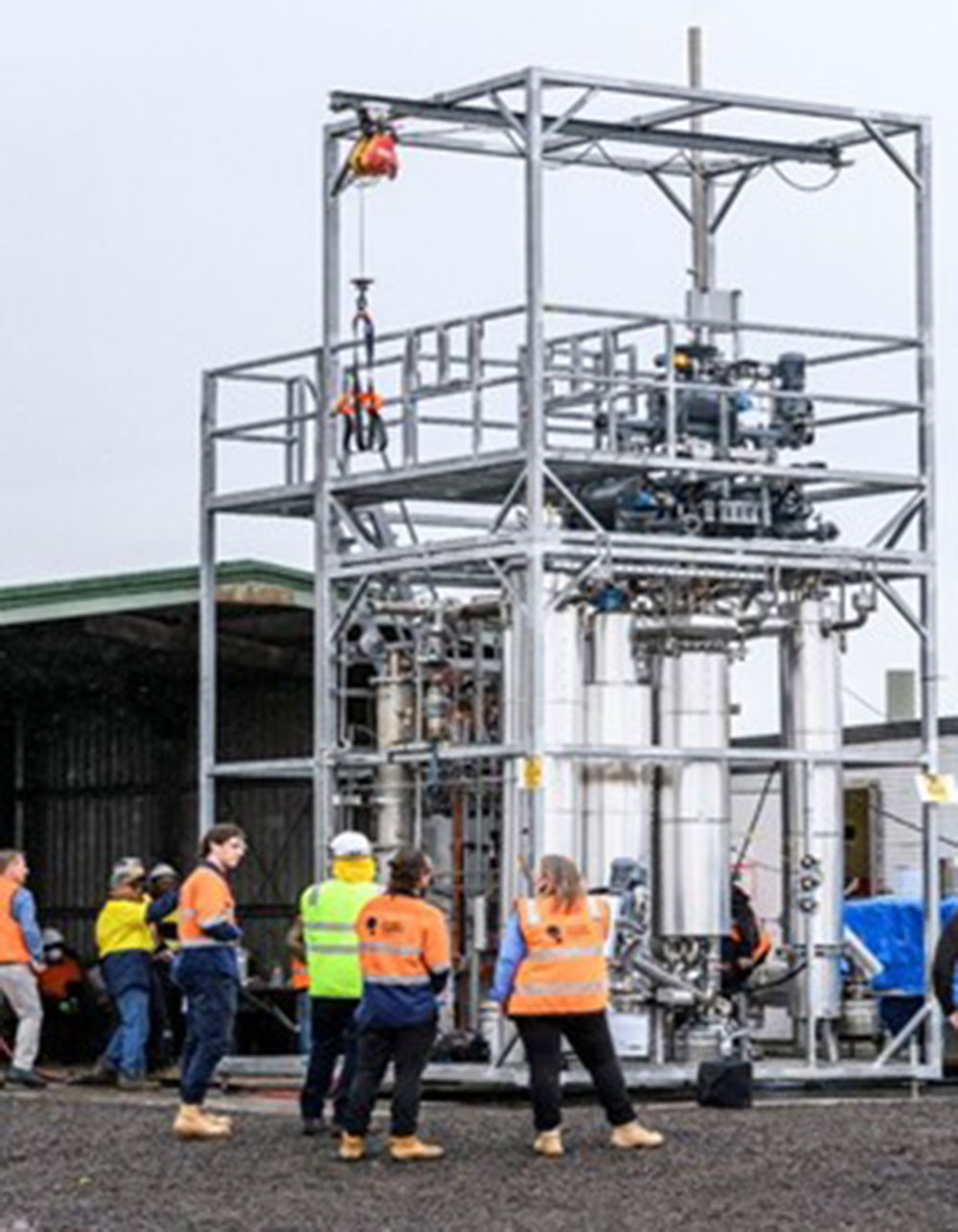
PYROCO is an advanced fluidised bed heat exchanger technology developed to convert biosolids into high-value, contaminant-free biochar. The technology has been successfully licensed for commercialisation, with funding secured for the first demonstration production plant, scheduled for construction and operation between 2025 and 2027.

Optimized pipeline flow of dense sludge

The rheological and fluid dynamic behaviour of highly concentrated wastewater sludges are investigated by this research, aiming to develop practical tools and design guidelines that enable efficient and reliable pipeline transport in wastewater treatment plants.

Fate and transport of microplastics in sewage treatment systems

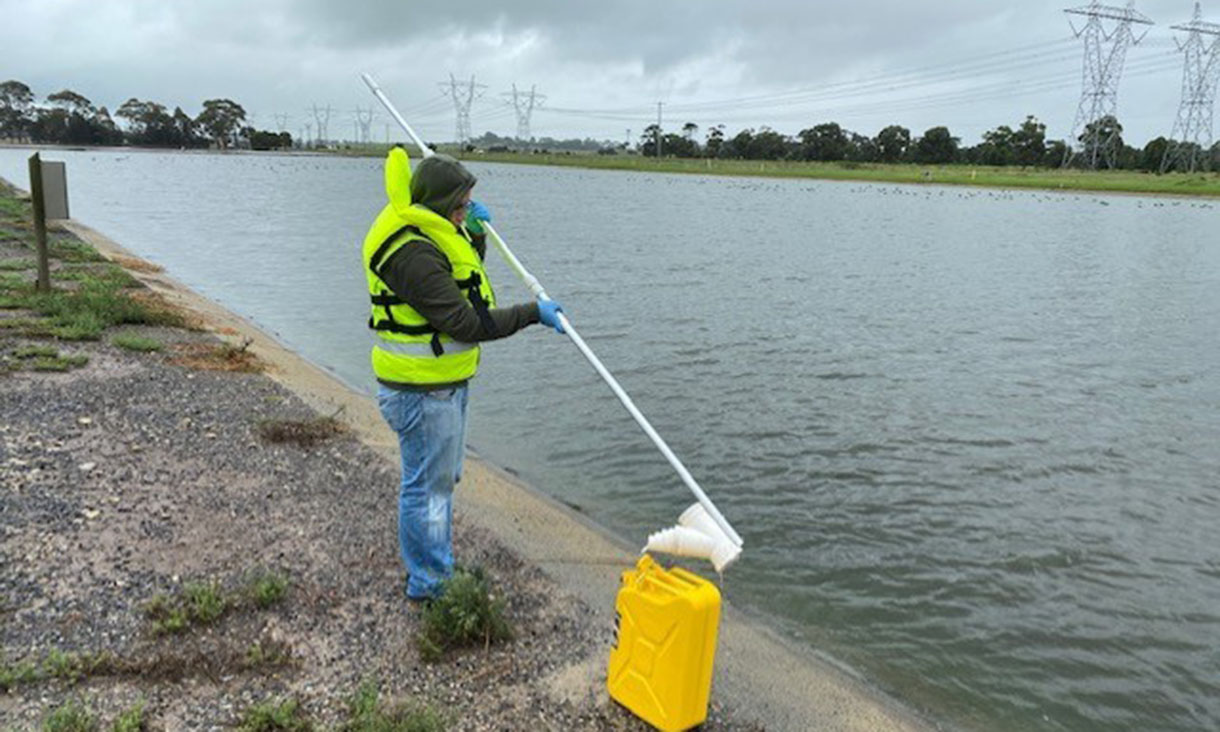
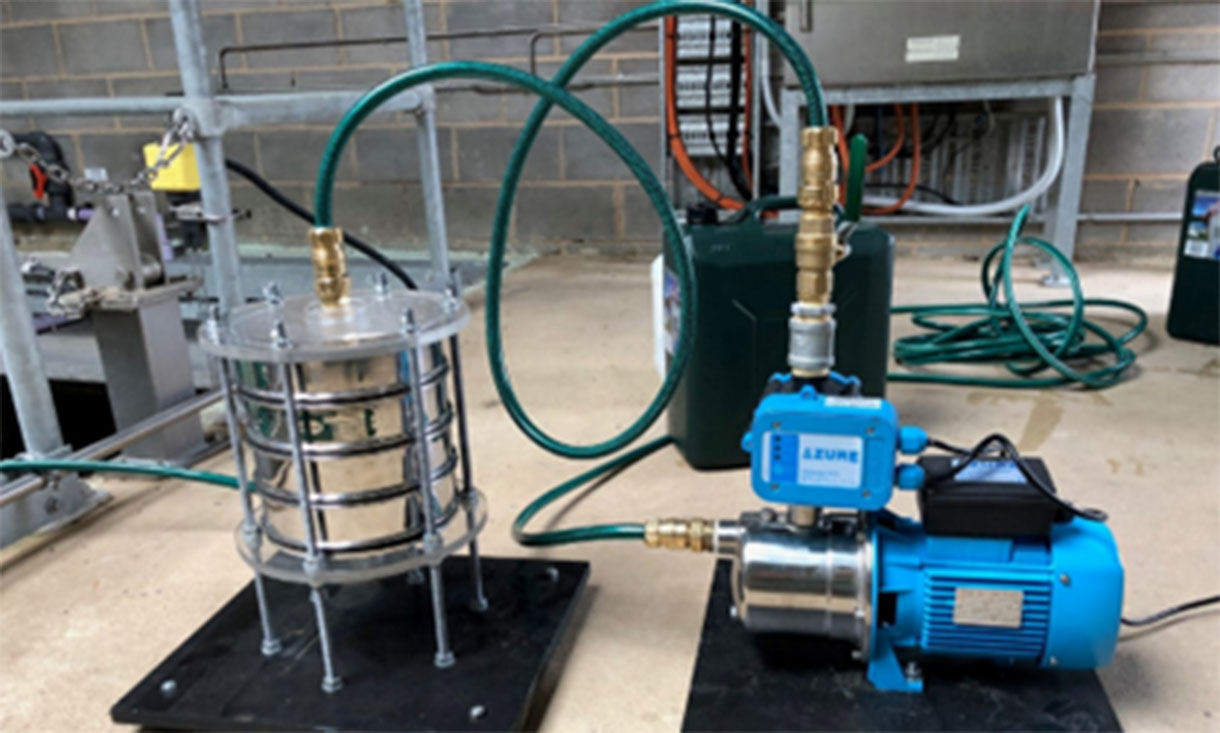
This project was the first long-term investigation into the efficiency of lagoon/pond-based sewage treatment systems widely used across Australia, for removing microplastics. We demonstrated that, under appropriate operating conditions, these systems can effectively capture microplastics (25 µm–5 mm), thereby preventing their release into the aquatic environment and reducing associated environmental and health risks. The findings highlight the critical role of such treatment systems in enabling the water industry to economically address contaminants of emerging concern. The results provide practical guidance for plant operators, process designers, researchers, and utility managers in developing strategies to enhance the performance of both existing and future facilities in mitigating microplastic pollution. The work was awarded the Best Poster Prize by the Australian Water Association (AWA) at the Ozwater’23 conference in Sydney.

A person wearing a bright yellow safety vest and blue gloves, standing at the edge of a large body of water, using a long pole to collect a water sample. High-voltage power lines are visible in the background.
Close-up of industrial equipment used in water treatment. The setup includes a metallic cylindrical vessel connected to a pump with blue and green hoses, positioned on a cement floor.

Fatberg management to improve sewer performance

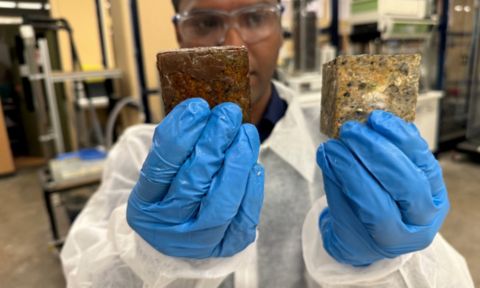
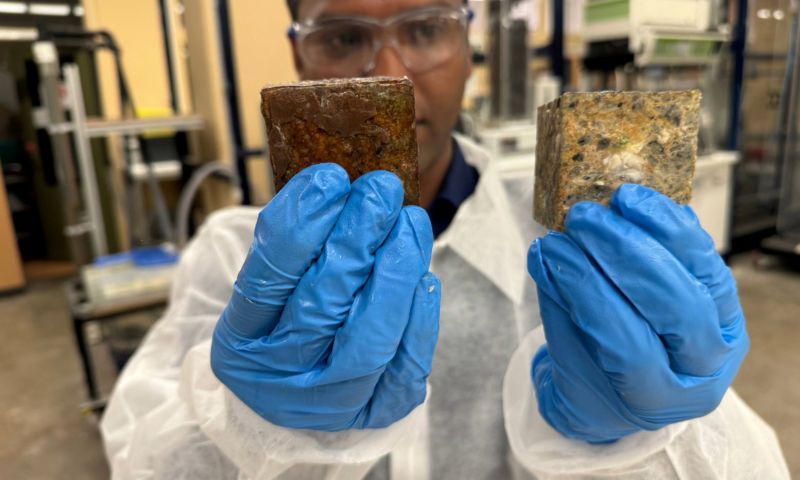
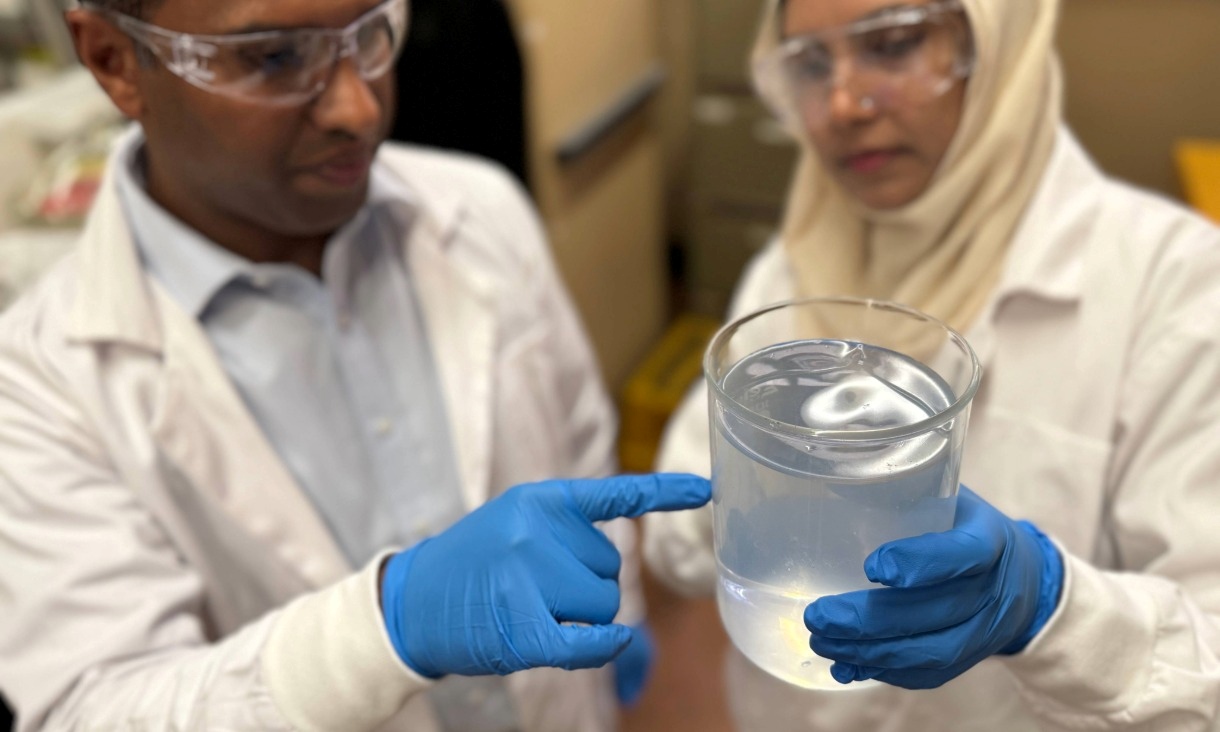
This project focuses on developing advanced grease interceptors to enhance the removal of fats, oils, and grease (FOG) from food service establishment wastewater, alongside innovative coating materials designed to resist FOG deposition on sewer surfaces. These solutions aim to reduce blockages, improve sewer performance, and extend infrastructure lifespan.

Dr Biplob Pramanik shows the difference between a concrete block coated with his team’s anti-fatberg invention (left) compared to a block without any coating after undergoing an experiment that mimicked a sewer environment under extreme conditions to speed up the fatberg formation process. The white coloured blobs on the uncoated block are a mixture of fat, oil and grease (FOG) that have been deposited on the block. Credit: Will Wright, RMIT University

Improving the efficiency of anerobic sludge digestion

This project investigates the characteristics of concentrated sludge generated under increasing capacity pressures at wastewater treatment plants, with the goal of enhancing the performance and efficiency of anaerobic digestion processes.

Wastewater Treatment Plant

Recovering Embedded Heat in Zambian food production (REHEATZ)

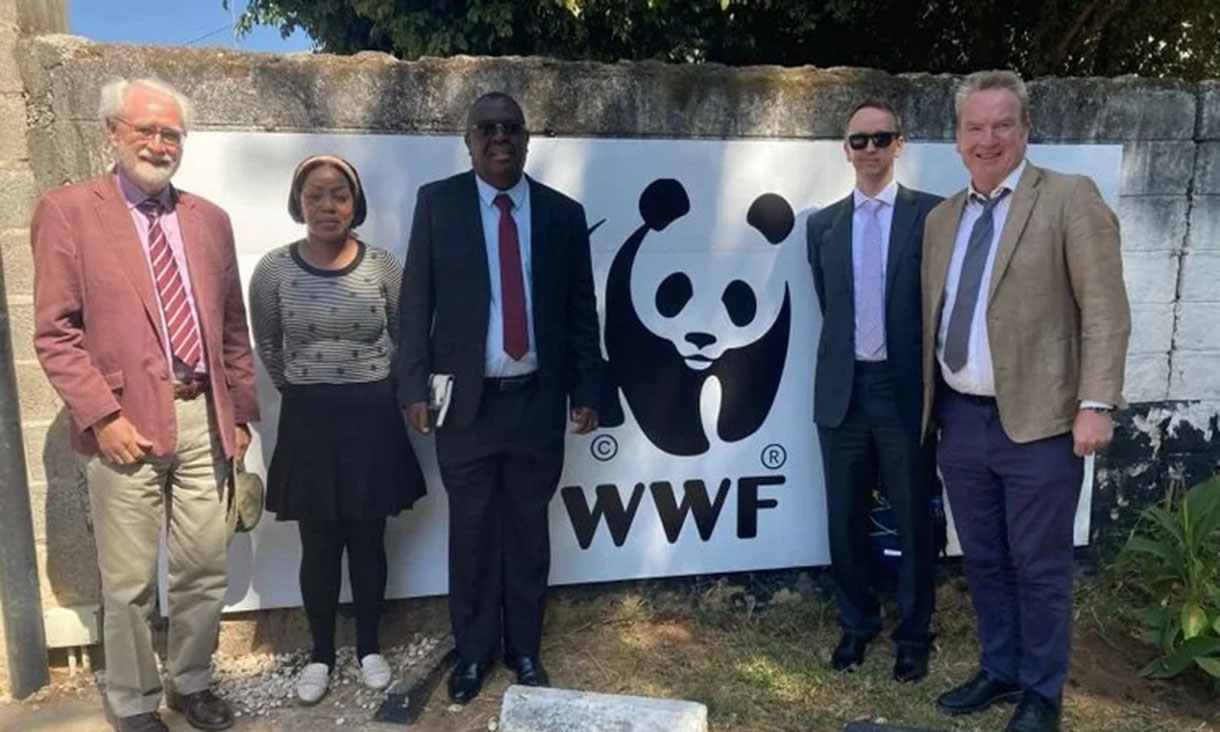
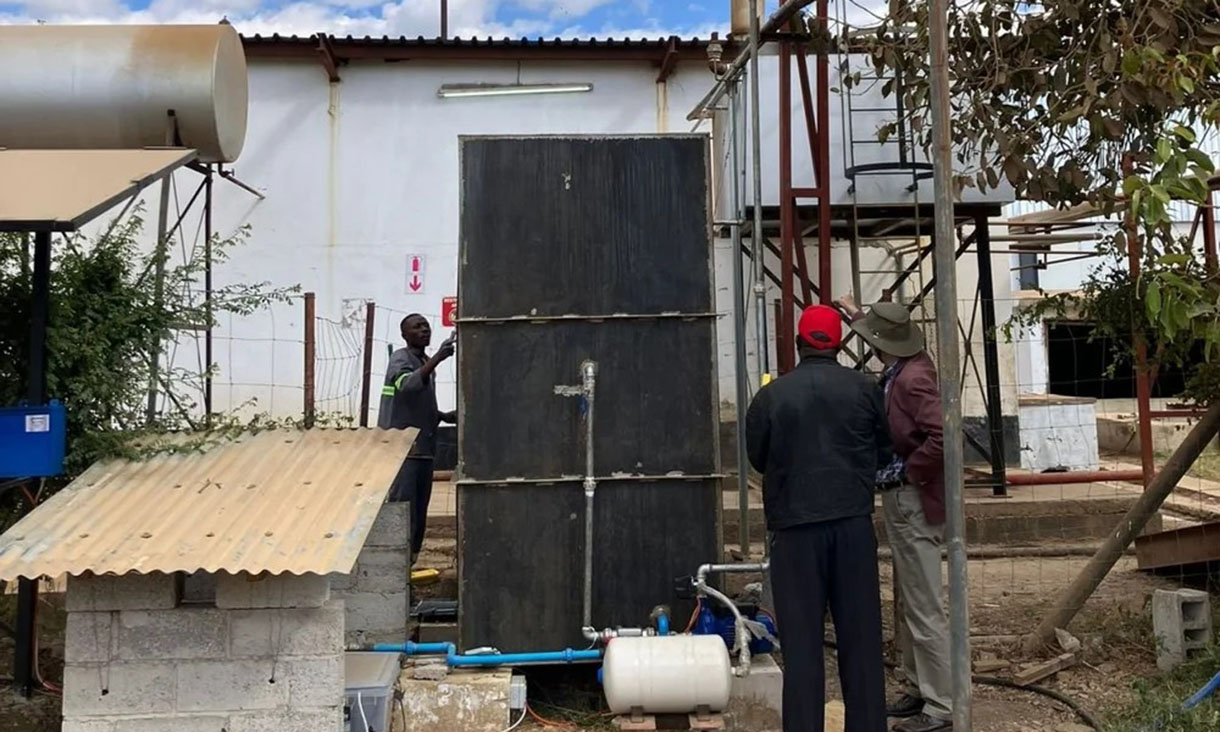
The aim of this project is to improve the economic and environmental sustainability of food production in Zambia by identifying opportunities to recycle waste heat from food production. Also, the aim to co-design waste heat recovery systems in consultation with Zambian stakeholders so that the energy costs and carbon emissions associated with water heating can be reduced. 

A group of people dressed in business attire stand in front of a large sign featuring the WWF logo. The scene is set outdoors against a brick wall, with greenery partially visible.
Several individuals are observing and interacting with industrial equipment outdoors. The setup includes pipes and panels, with a building in the background. A large water tank is visible, along with foliage surrounding the area.

Predicting the photolytic removal of emerging contaminants in wastewater treatment lagoons

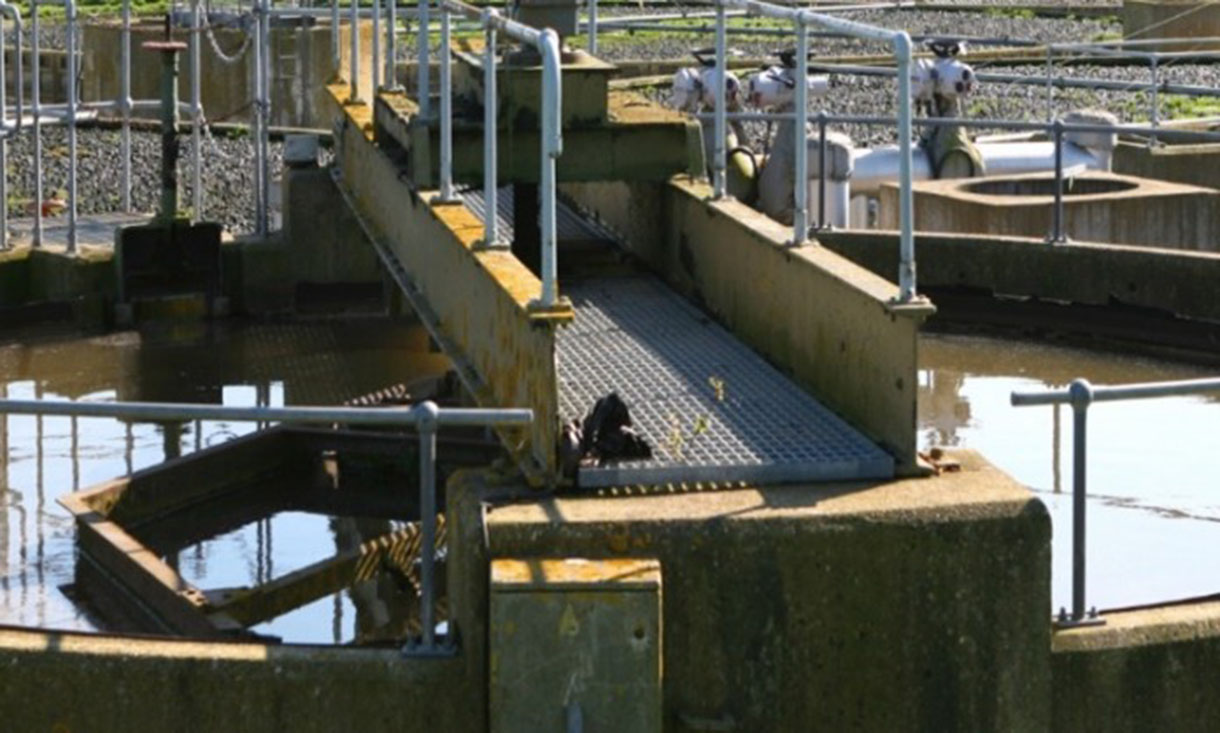
This project aims to predict the direct sunlight-induced degradation, or direct photolysis, of contaminants of emerging concern in wastewater treatment lagoons to improve monitoring and removal efficacy of the contaminants and thereby enable water operators and management to perform ecological risk assessment and make better management decisions.

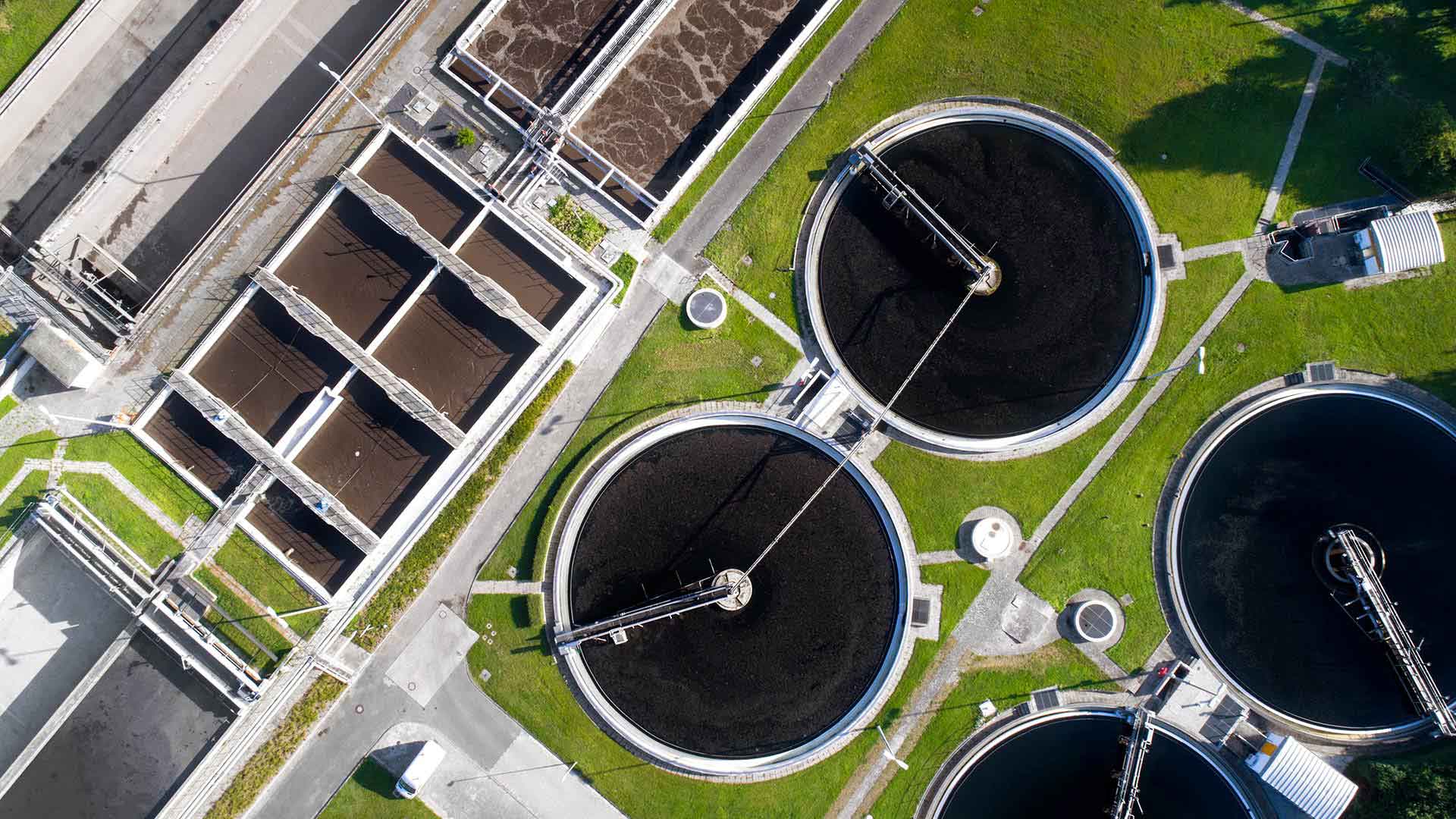
A wastewater treatment facility with a metal walkway over a circular tank of water. Railings line the walkways, and pipes are visible in the background under a sunny sky.

How do ‘forever chemicals’ end up in the bay?

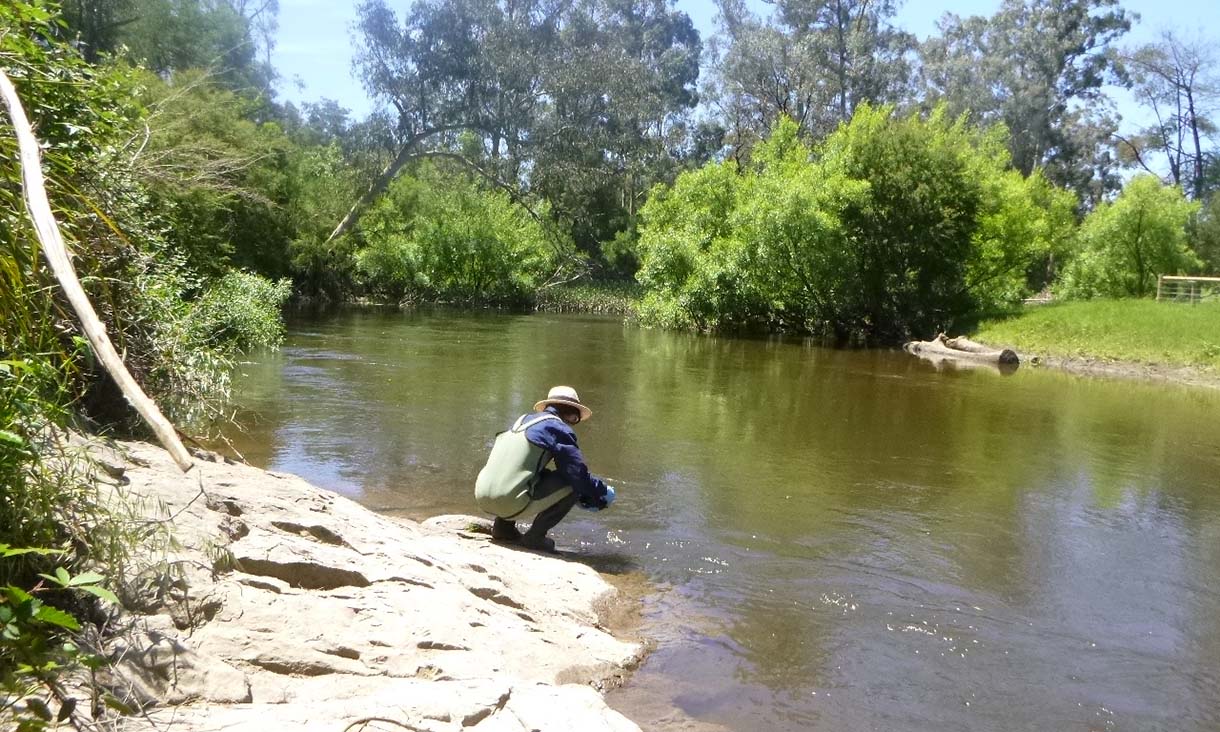
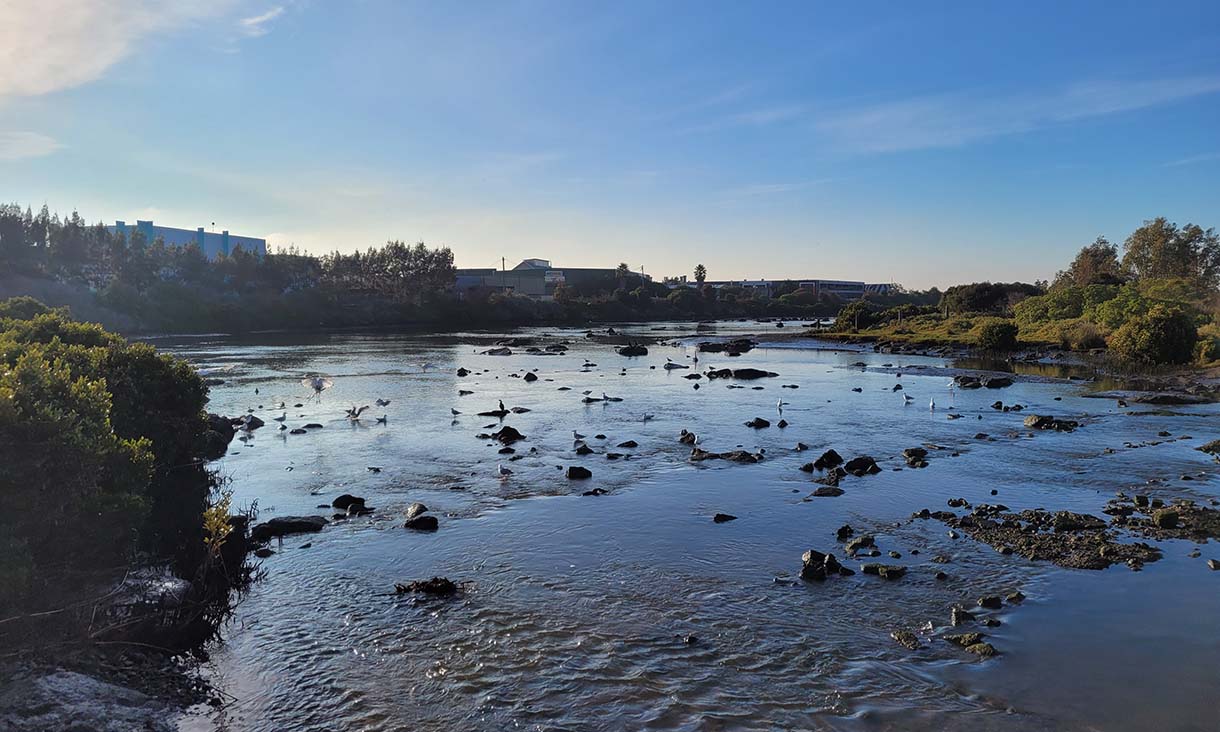
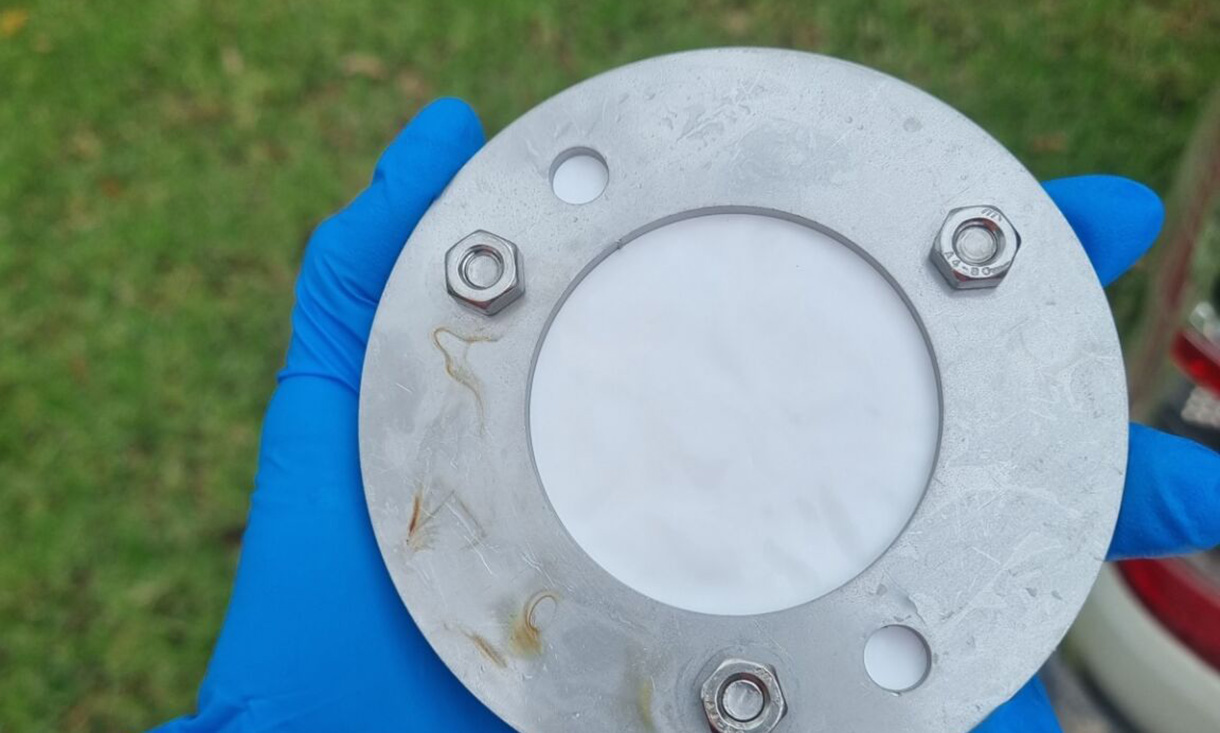
In collaboration with EPA Victoria, researchers in this project investigate how per- and polyfluoroalkyl substances (PFAS)- often referred to as ‘forever chemicals’ – enter Port Phillip Bay. It aims to assess PFAS presence, concentrations, and loads in Melbourne’s major rivers and creeks; characterise PFAS signatures in surface waters to identify potential sources; and quantify the relative contributions of diffuse inputs compared with common point sources. The project will also explore methods to predict PFAS trends, providing critical insights to guide management strategies and protect the bay’s environmental health. 

A person kneeling at the bank of a river under bright sunlight, wearing protective gear and collecting water samples. The scene is surrounded by lush greenery and trees.
A tranquil scene of a wide river with scattered rocks, birds resting along the water's surface, and lush trees lining the banks. Industrial buildings are visible under a clear blue sky.
A close-up view of a circular metal component held by a person wearing blue gloves. The component has bolts and a smooth surface, with blurred greenery in the background.

Facilities

Our facilities support end-to-end research in wastewater treatment, resource recovery, pyrolysis, and coating development. Treatment systems include biological reactors, coagulation–flocculation units, membrane filtration rigs, and advanced oxidation processes. Resource recovery capabilities cover nutrient and metal recovery, electrochemical systems, adsorption, and solvent extraction. Pyrolysis infrastructure features lab and pilot-scale fixed- and fluidised-bed reactors with complete feedstock preparation and product handling. Coating development facilities include formulation, application, and curing equipment, alongside corrosion and fat, oil, and grease (FOG) simulation rigs for performance testing under realistic conditions.

Our laboratories are equipped with instrumentation for inorganic and organic analyses and include:

  • AAS
  • ATR-FTIR
  • Flow cytometers
  • Fluorescence spectrophotometers
  • GC
  • GC-MS
  • GC-MS-MS
  • HPLC
  • ICP-MS
  • Ion chromotographs
  • Particle size analysers
  • Spectrophotometers
  • TOC analysers

News and Media

Opportunities

The Centre welcomes inquiries from passionate researchers from early-career scholars to experienced fellows, both in Australia and around the world. We invite those We invite those eager to collaborate, innovate, and make a difference to join a vibrant and inclusive research community committed to shaping a sustainable water world. We welcome you if you're interested in pursuing a PhD, engaging in postdoctoral research, or volunteering your expertise, explore the opportunities to become part of our team.

HDR Scholarships

Australian and international candidates can apply to RMIT's PhD Scholarships

Research Fellows

Join our team as an early-career-researcher with one of RMIT's fellowships

WETT Scholarships

The WETT Centre offers multiple higher degree research scholarships every year for enthusiastic students who are committed to pursuing innovation and excellence in research relevant to Centre themes. Scholarships are awarded to successful applicants through a merit-based process that considers academic achievement and relevant research-related experience that includes publication of research outputs.


Connect with us

Whether you’re interested in partnering, collaborating, or just staying connected, we’d love to hear from you! Email us below or follow us on LinkedIn to keep up with our projects, news, and articles from our team.

Let’s work together to create impactful change.

aboriginal flag float-start torres strait flag float-start

Acknowledgement of Country

RMIT University acknowledges the people of the Woi wurrung and Boon wurrung language groups of the eastern Kulin Nation on whose unceded lands we conduct the business of the University. RMIT University respectfully acknowledges their Ancestors and Elders, past and present. RMIT also acknowledges the Traditional Custodians and their Ancestors of the lands and waters across Australia where we conduct our business - Artwork 'Sentient' by Hollie Johnson, Gunaikurnai and Monero Ngarigo.

More information