



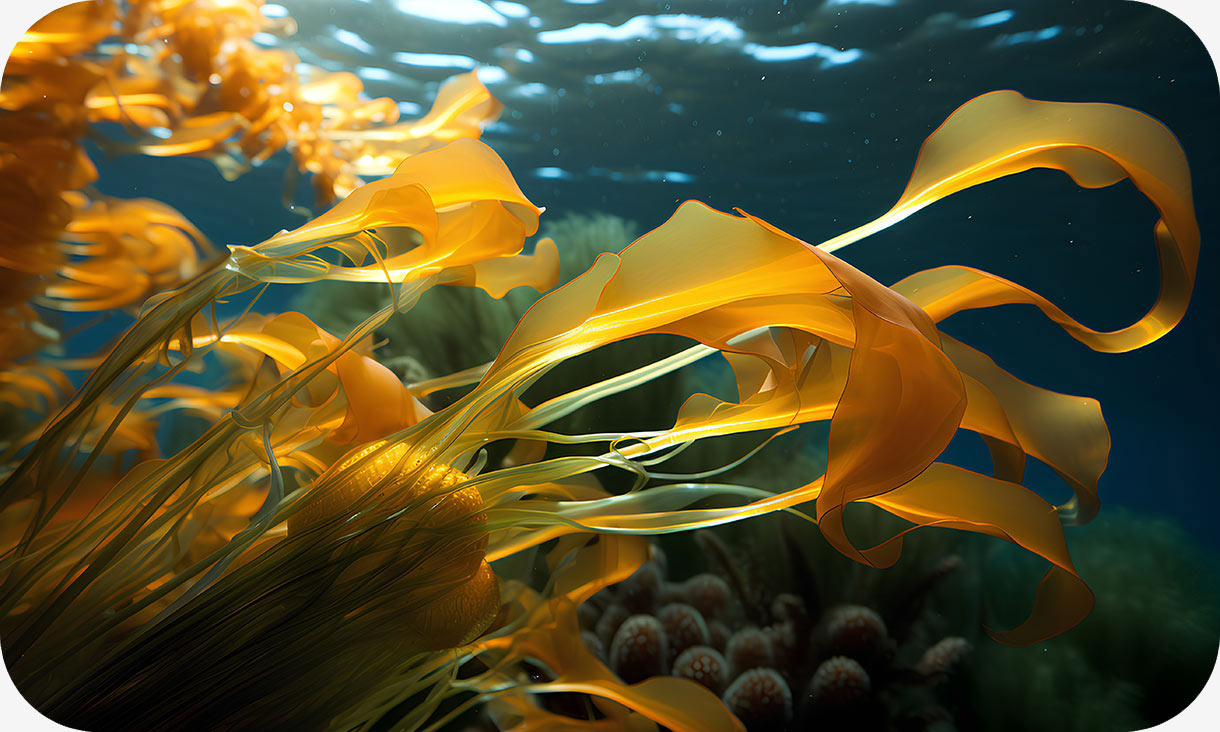
We support the restoration of kelp forests by understanding the causes of their decline and helping managers prioritise actions through cost-benefit analyses, highlighting the biodiversity, fisheries, carbon storage, and cultural value of kelp. We also refine on-ground restoration techniques and collaborate with fishers to develop sustainable management practices, ensuring thriving kelp forests for generations to come.
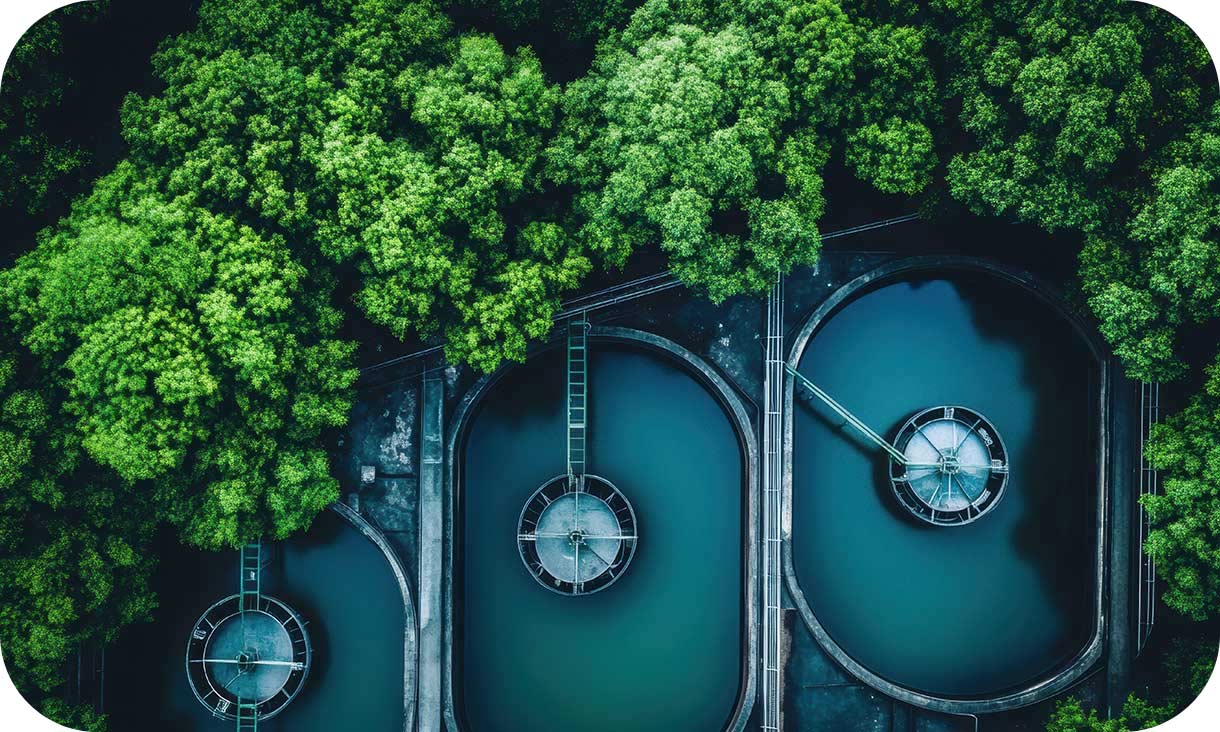
Floating wetlands are an innovative, nature-based solution for improving wastewater treatment. This pioneering research explores their potential to reduce greenhouse gas emissions, enhance water quality, support biodiversity, and filter harmful contaminants like PFAS. This study marks the first investigation into floating wetlands as a viable, cost-effective approach to enhance the sustainability of wastewater treatment plants worldwide.
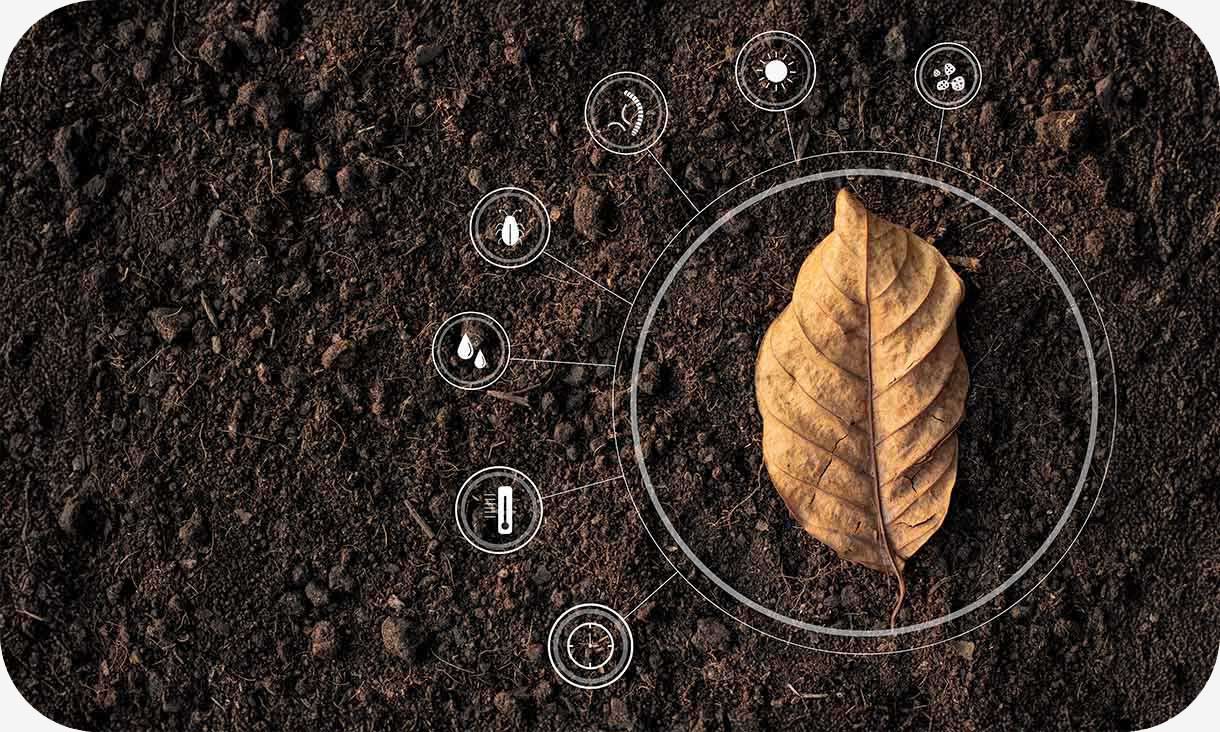
Decomposition is nature’s way of recycling, turning dead plant material into nutrients and helping accumulate carbon in the soil. This research examines the decomposition of local plants, or standardised tea bags, to understand how wetlands preserve carbon and regenerate soil functions after restoration. One key program, TeaCompositionH2O, uses green and rooibos tea bags to measure decomposition worldwide, spanning 28 countries.
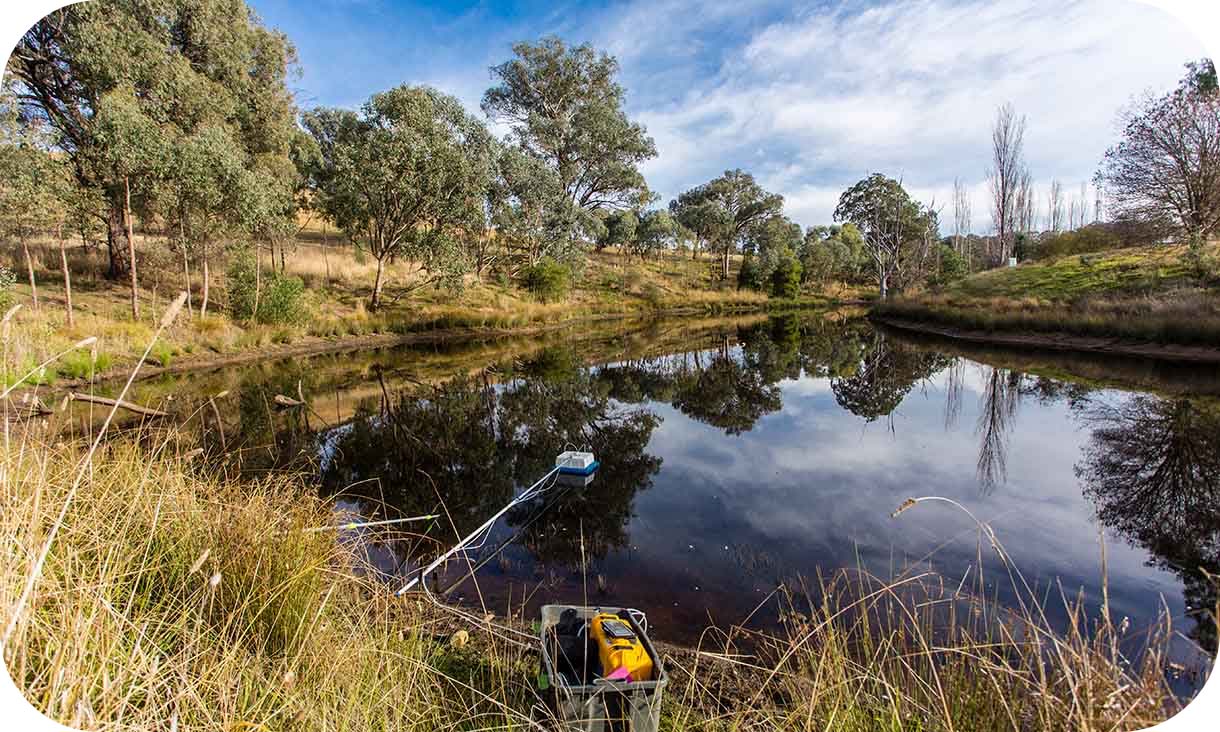
Funded by the Australian Government’s Climate-Smart Agriculture program, this project partners with Australian farmers to enhance water security, biodiversity, and climate resilience. Through national demonstration sites, it showcases multifunctional water infrastructure and best-practice water management to improve farm sustainability and environmental outcomes. Delivered with five universities, the Grower Group Alliance, and eight Drought Resilience Hubs.
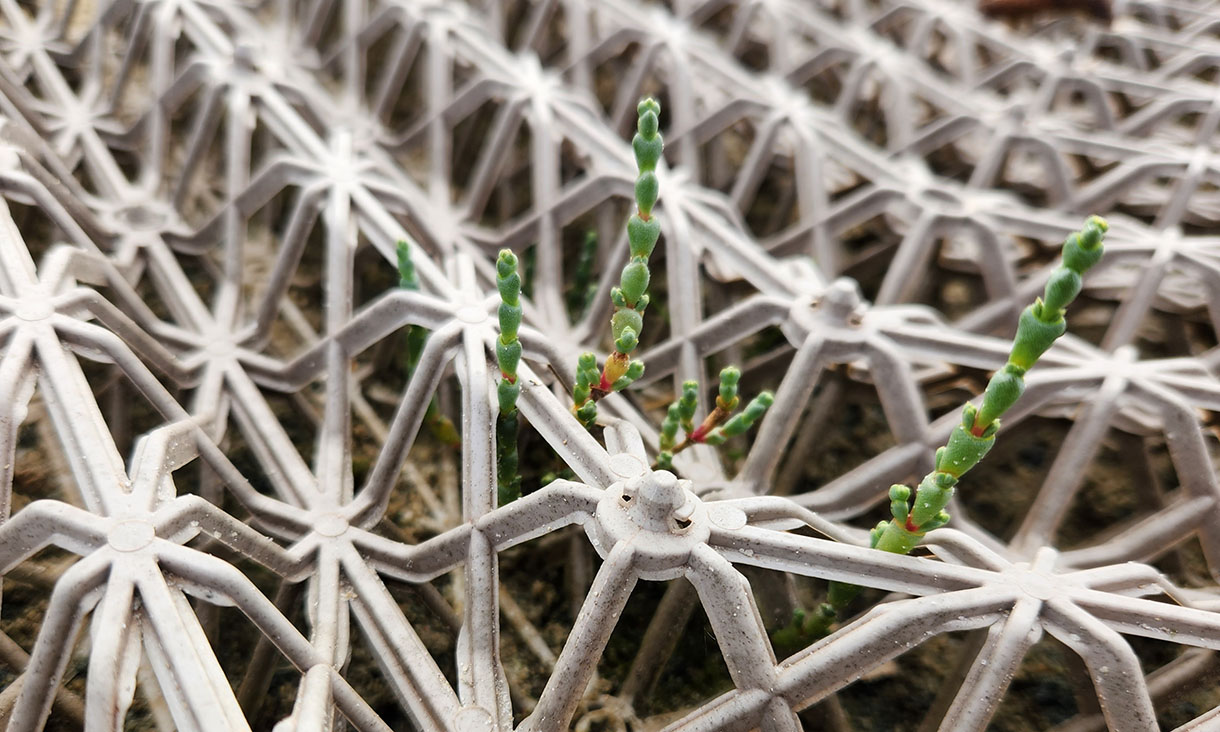
This program trials the use of biodegradable structures to stabilise shorelines and create suitable conditions for saltmarsh, mangrove and seagrass establishment in Victoria. By combining ecological restoration with public outreach, the project supports long-term recovery of coastal habitats and fosters community stewardship of local ecosystems.
Whether you’re interested in partnering, collaborating, or just staying connected, we’d love to hear from you! Email us below or follow us on LinkedIn to keep up with our projects, news, and articles from our team. Let’s work together to create impactful change.





RMIT University acknowledges the people of the Woi wurrung and Boon wurrung language groups of the eastern Kulin Nation on whose unceded lands we conduct the business of the University. RMIT University respectfully acknowledges their Ancestors and Elders, past and present. RMIT also acknowledges the Traditional Custodians and their Ancestors of the lands and waters across Australia where we conduct our business - Artwork 'Sentient' by Hollie Johnson, Gunaikurnai and Monero Ngarigo.
Learn more about our commitment to Aboriginal and Torres Strait Islander peoples
