Coastal restoration
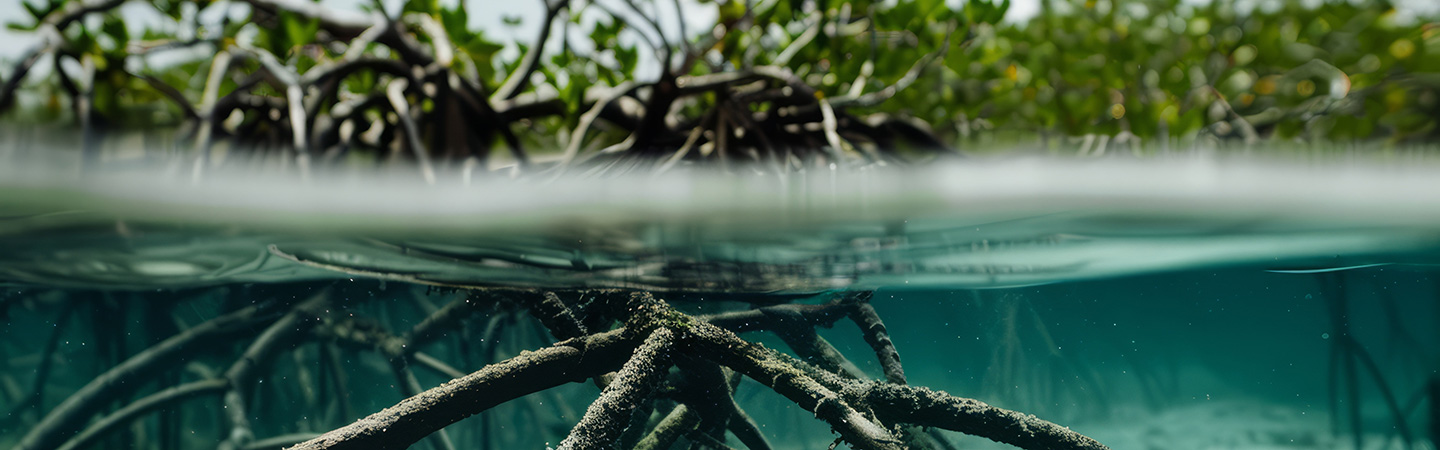
Our research reveals the vital role of coastal wetlands in delivering nature-positive solutions to climate change, biodiversity loss, and coastal vulnerability.
We advance understanding of how restoration improves plant and soil function, ecosystem recovery, and wetland health, while developing and testing innovative techniques to restore saltmarsh, mangroves, and seagrass. Our work identifies priority restoration areas and actions, assesses landholder participation, quantifies public benefits, and conducts cost-benefit analyses to align projects with financing. By translating science into action, we support blue carbon markets, value created natural capital, and inform policies that deliver sustainable, high-impact outcomes for people and nature.
Coastal wetlands, including mangroves, seagrasses, tidal marshes, supratidal forests and kelp forests are rapidly declining due to urban and agricultural development, climate change, and pollution, with over 50% of the world’s wetlands lost in the past century. These vital ecosystems provide essential services like carbon sequestration, biodiversity support, and flood protection. Our goal is to address this challenge by restoring and protecting coastal wetlands, helping to restore their ecological functions and resilience for future generations.
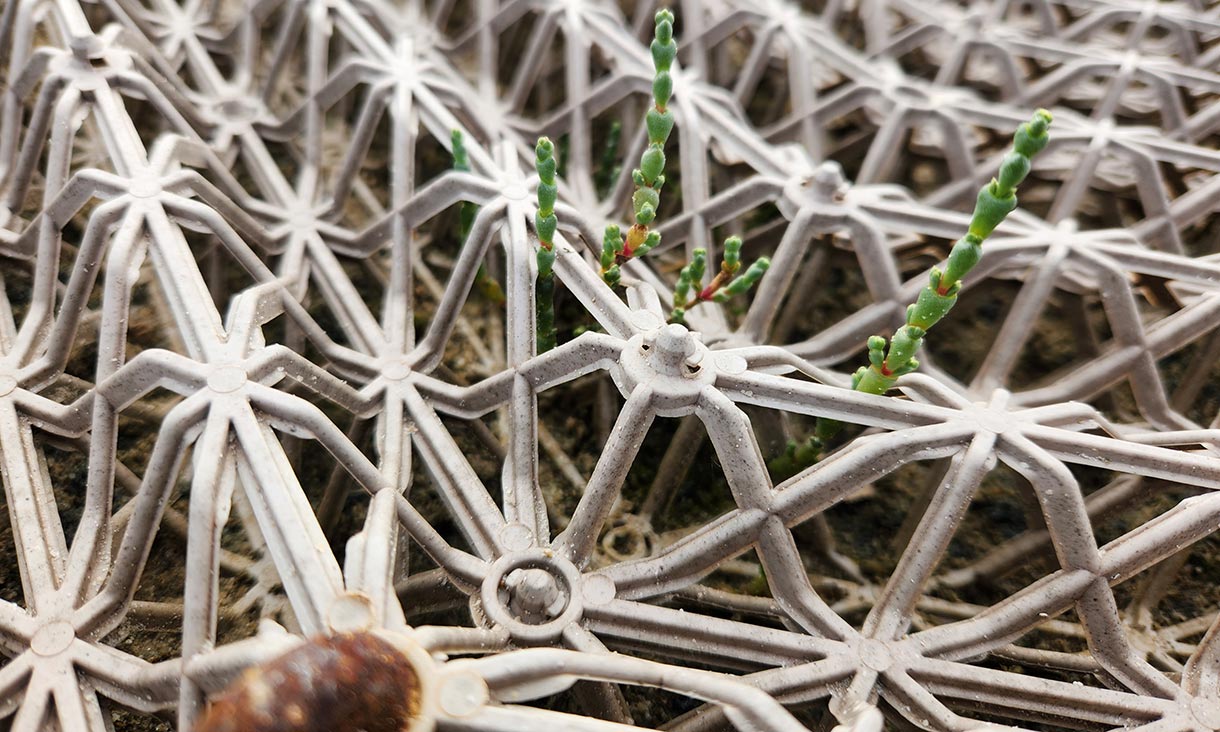
Regenerating Our Coast aims to advance the health and stewardship of our coastal ecosystems through meaningful ecological and social impact. The project will:
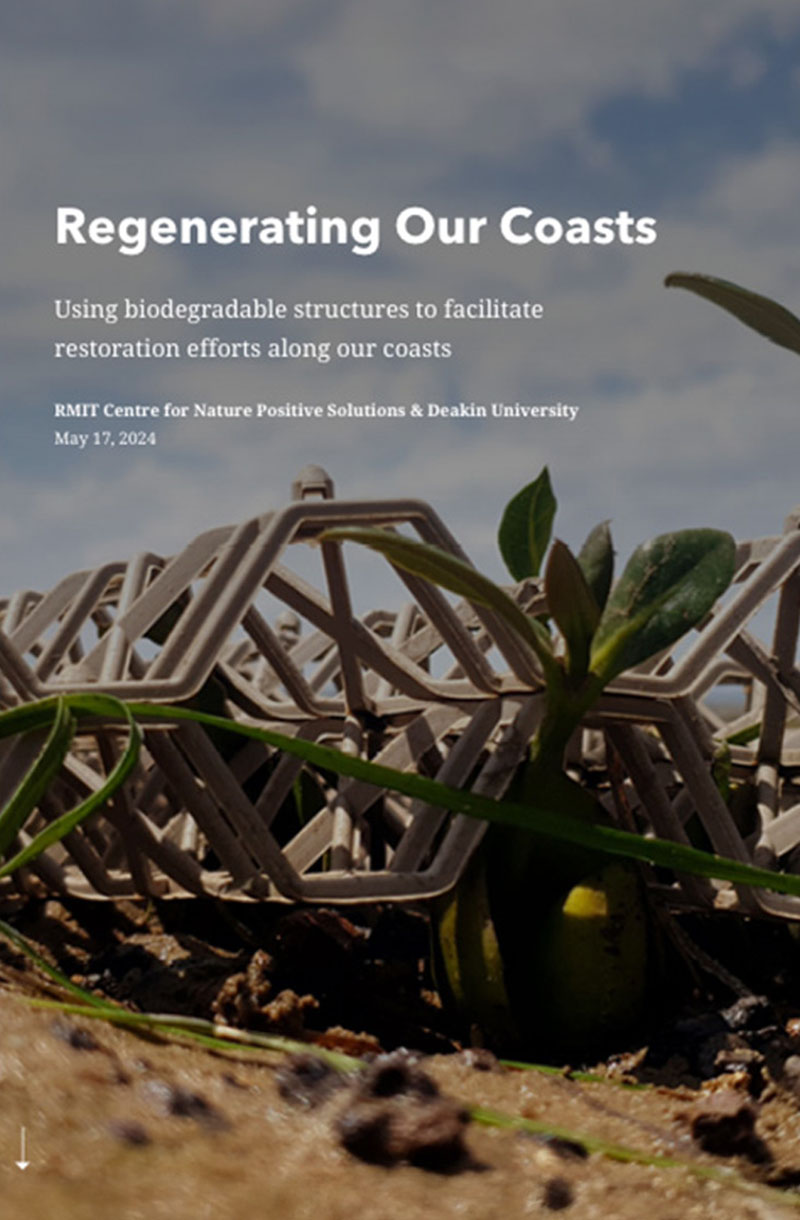
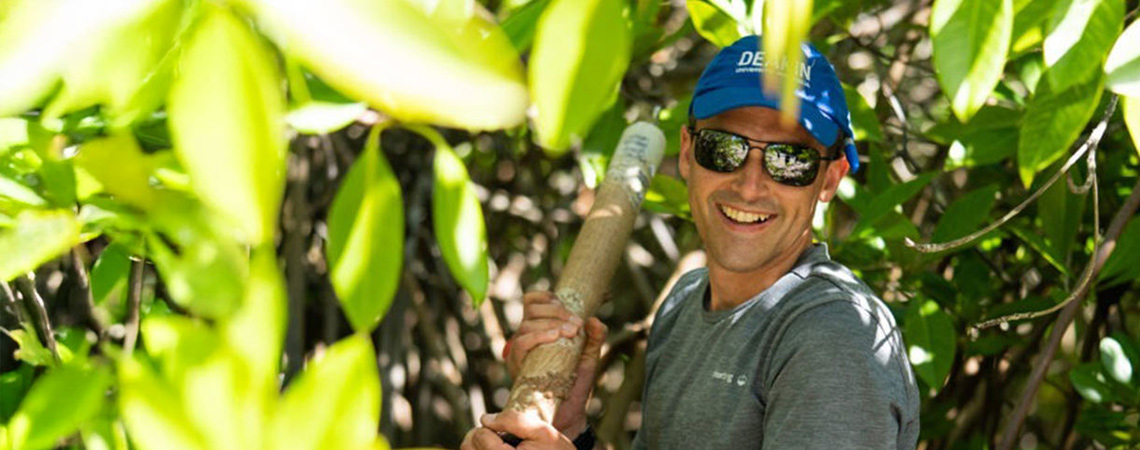
The Regenerating Our Coasts project is restoring vital coastal wetlands in Western Port and Port Phillip Bay, enhancing biodiversity, shoreline stability and carbon storage. Now in its third year, restoration trials across seven sites have seen over 750 mangroves and 80 saltmarsh cores successfully planted, with strong survival, growth and natural recruitment. These efforts are helping to rebuild habitat, trap sediment and protect coastlines from erosion. The project has strengthened industry partnerships, fostered knowledge exchange through seminars and workshops, and empowered Traditional Owners and local communities through citizen science. We are committed to expanding this work to deliver long-term ecological and community benefits.
Academic publications |
|
Field assessment of wave attenuation by BESE-elements in a mangrove environment. Ecological Engineering |
|
A decision support tool to help identify blue carbon sites for restoration. Journal of Environmental Management |
|
Using waste biomass to produce 3D-printed artificial biodegradable structures for coastal ecosystem restoration. Science of The Total Environment |
Selected media |
|
Artificial reefs help slow erosion and grow mangroves (ABC News bulletin, November 2023) |
|
Australia’s coastal towns are facing major erosion. Are artificial reefs a solution? (ABC Victoria, November 2023) |
|
Scientists use 3D-printed biodegradable structures to halt erosion (ABC Gippsland, March 2023) |
Online tools and resources |
|
‘Out of the Blue’ Podcast episode (Sabrina Olsson) |
Senior Lecturer
 City Campus Australia
 School of Science
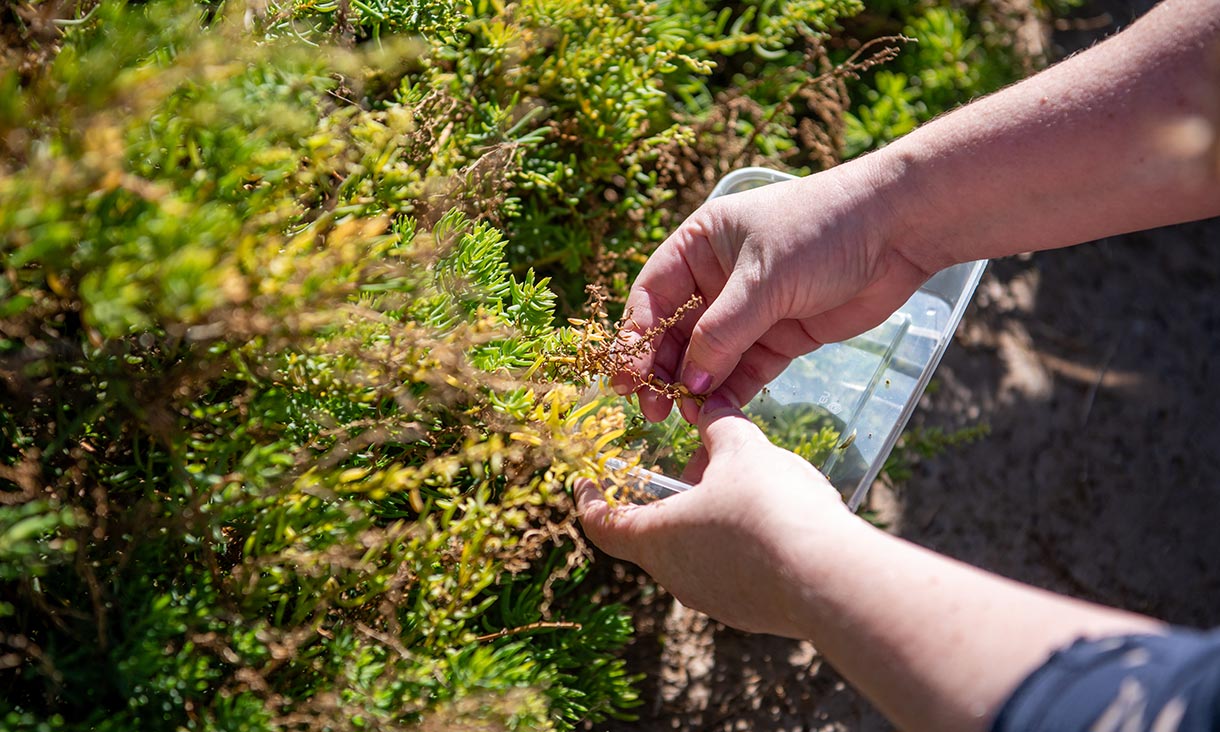
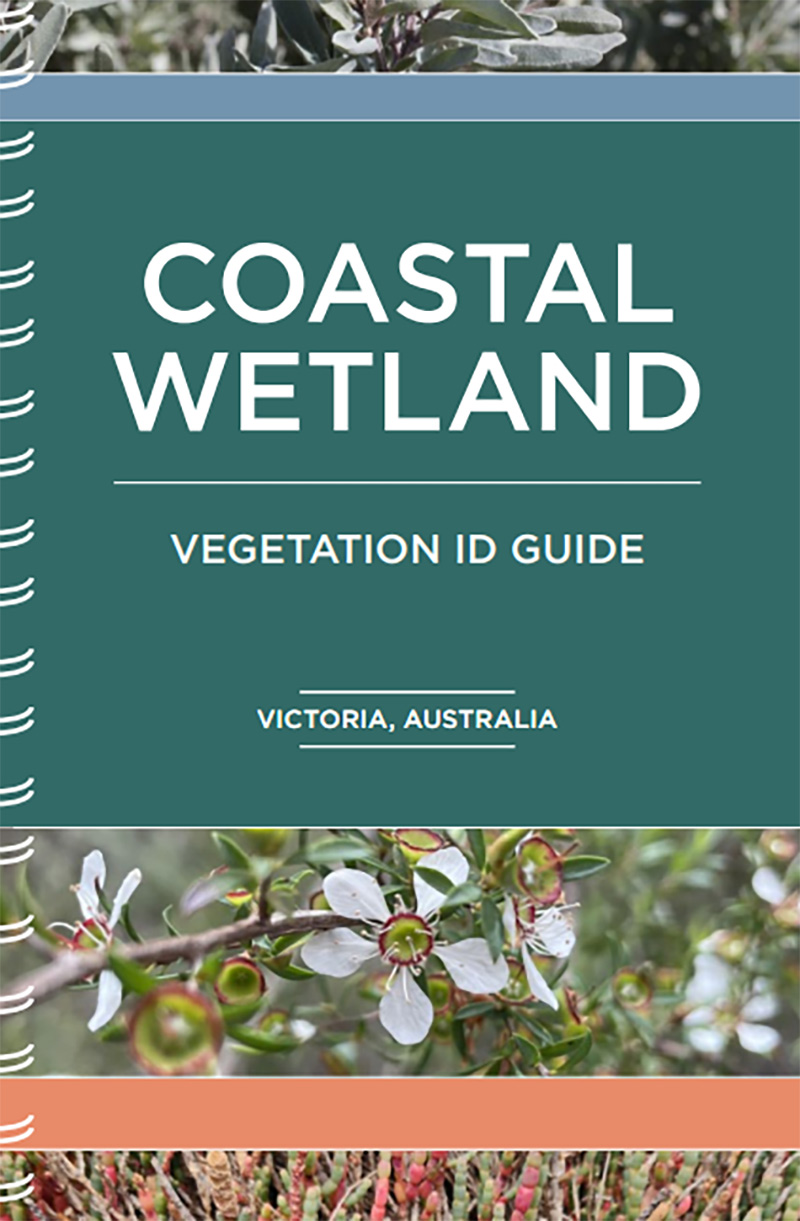
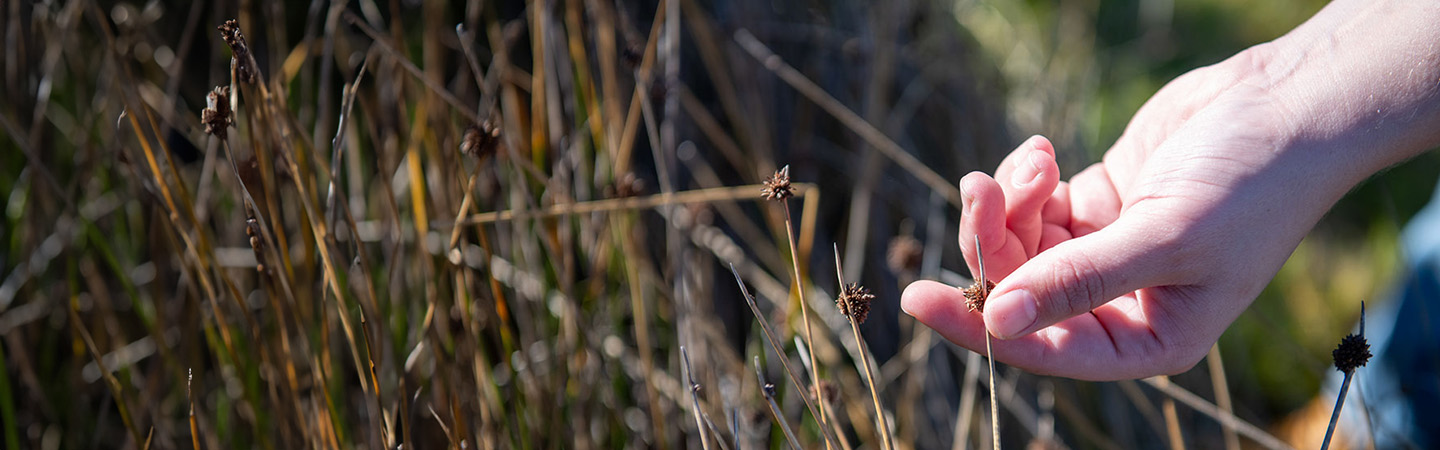
This project aims to improve saltmarsh restoration by identifying optimal seed collection, germination, and planting conditions. It combines community engagement with scientific trials to test innovative seed delivery methods, develop adaptive monitoring protocols, and produce practical tools, such as a phenology calendar and vegetation ID guide, to support evidence-based, scalable restoration and conservation of coastal wetland ecosystems.
The project will deliver new insights into saltmarsh seed phenology, germination timing, and field performance under natural conditions, informing future restoration strategies. Community workshops will empower over 100 volunteers to contribute to seed collection and monitoring. Outputs will include a practical phenology calendar to guide seed harvesting, a coastal vegetation ID guide to support practitioners and citizen scientists, and field-tested seed delivery methods. Adaptive monitoring protocols will help track vegetation recovery and trigger timely interventions, improving long-term restoration success. Together, these outcomes will provide scalable tools and knowledge to enhance the resilience and restoration of degraded coastal wetlands.
Senior Research Fellow
City Campus Australia School of Science
Senior Lecturer
City Campus Australia School of Science
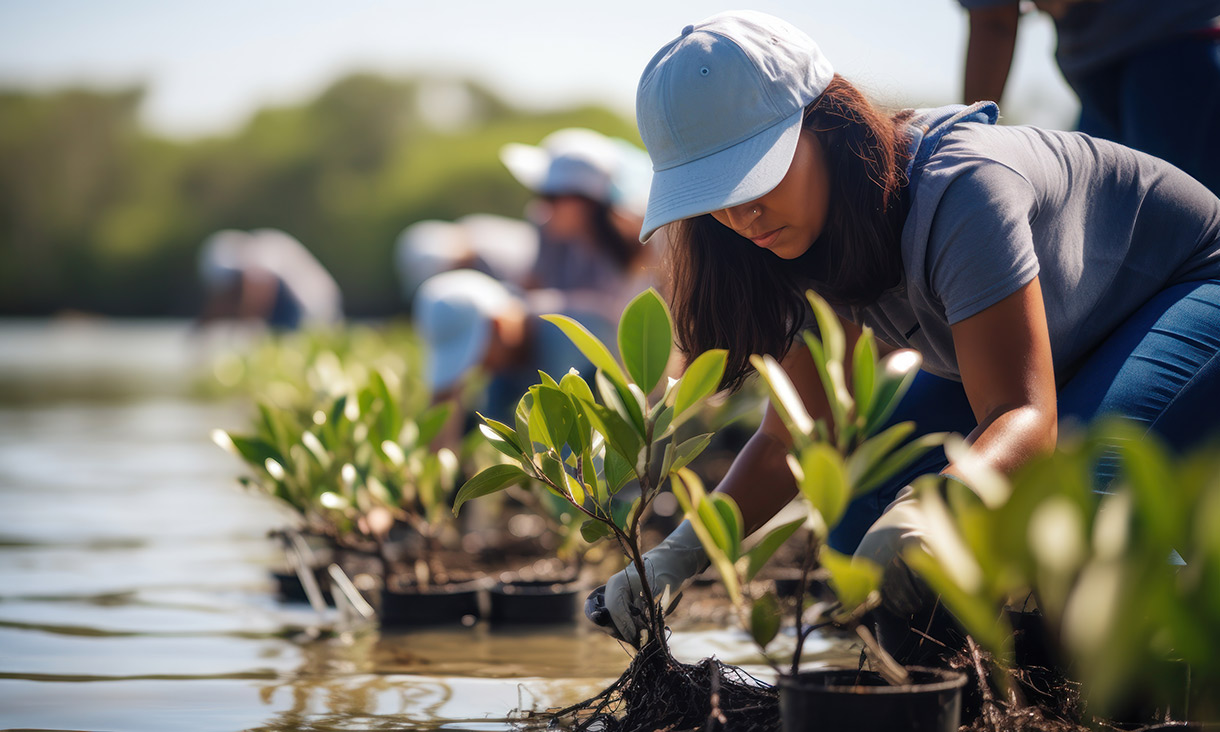
This project aims to restore and protect saltmarsh, mangrove, and seagrass habitats in Western Port Bay. Key activities include mangrove revegetation to support erosion control, long-term ecological monitoring, and community engagement through on-ground and educational citizen science workshops to enhance the resilience of these coastal ecosystems.
The project will improve the health and stability of coastal wetlands within the UNESCO Western Port Biosphere Reserve. Restoration efforts will support carbon sequestration, shoreline protection, and biodiversity, including critical habitat for marine and bird species. Long-term monitoring will provide data to guide future restoration, particularly for seagrass ecosystems. Engaging over 200 community members in planting and outreach activities will foster lasting stewardship. The integration of ecological research, blue carbon assessment, and restoration science ensures scientifically grounded outcomes that contribute to climate adaptation, conservation, and long-term wetland resilience.
Senior Lecturer
Senior Research Fellow

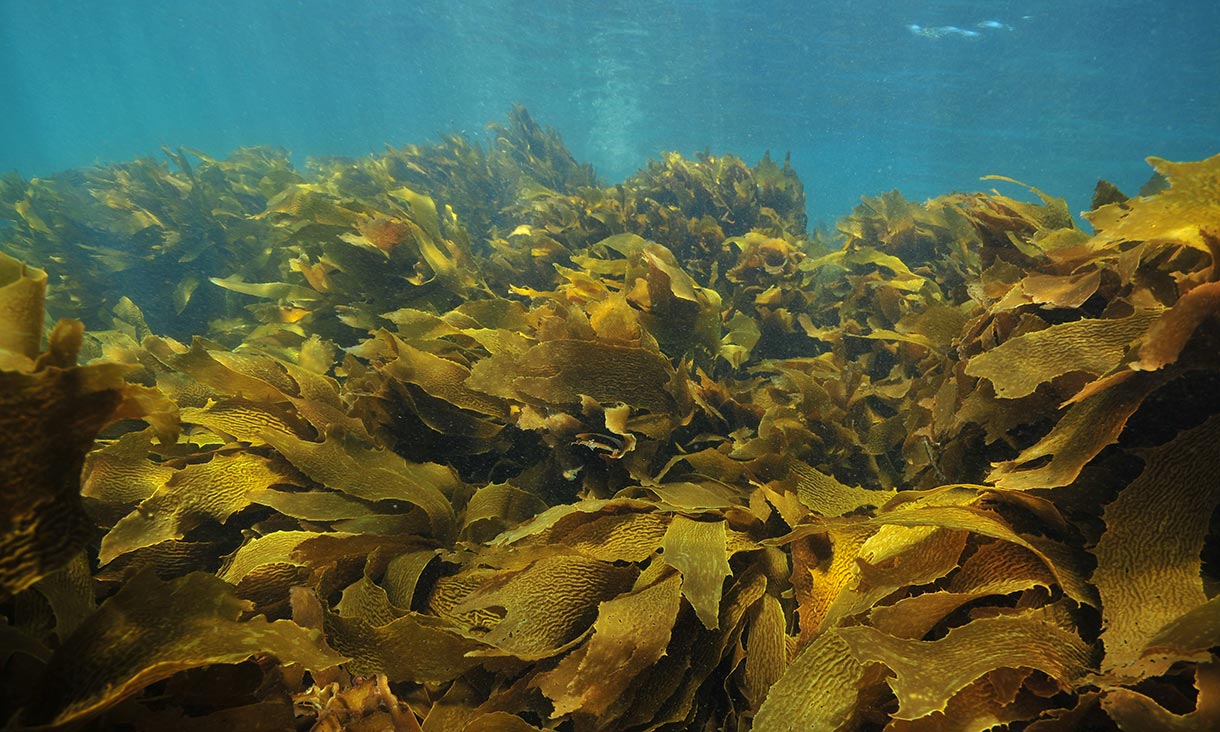
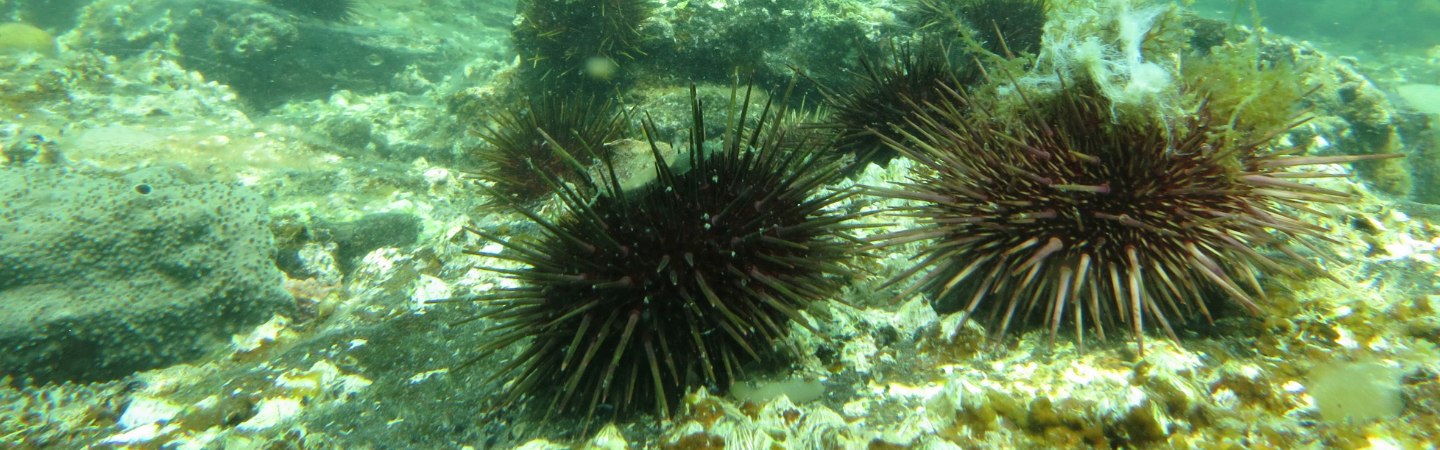
This program seeks to restore degraded kelp and macroalgal reefs in southern Australia through targeted sea urchin culling and kelp cultivation. By combining science with practical action, it aims to enable large-scale reef restoration across the country. Professional dive teams, trained community volunteers, and local fisheries will work together, supported by innovative incentives such as sustainable sea urchin harvest and emerging biodiversity credit opportunities. Monitoring by research institutions and citizen science programs will generate robust ecological data to guide adaptive management, while embedding community values and stewardship at the heart of restoration.
The program will enhance reef biodiversity, create habitat for key fisheries species, and strengthen overall ecosystem resilience, while unlocking opportunities for blue economy growth and biodiversity credits. Community engagement and fisheries involvement will foster stewardship, coastal literacy, and active participation in marine conservation. By uniting science, industry, community, and government, the project will catalyse kelp and macroalgal restoration across southern Australia, creating a scalable model that delivers long-term ecological health and socio-economic benefits.
Academic publications |
|
Prioritising investment in kelp forest restoration: A spatially explicit benefit-cost analysis in southern Australia Ecosystem Services |
Selected media |
|
Sea urchin cull could deliver $92 million in ecosystem benefits: study (RMIT media release, June 2025) |
| How sea urchins could offer a perverse climate hope (Sydney Morning Herald, June 2025) |
Senior Lecturer
City Campus Australia School of Science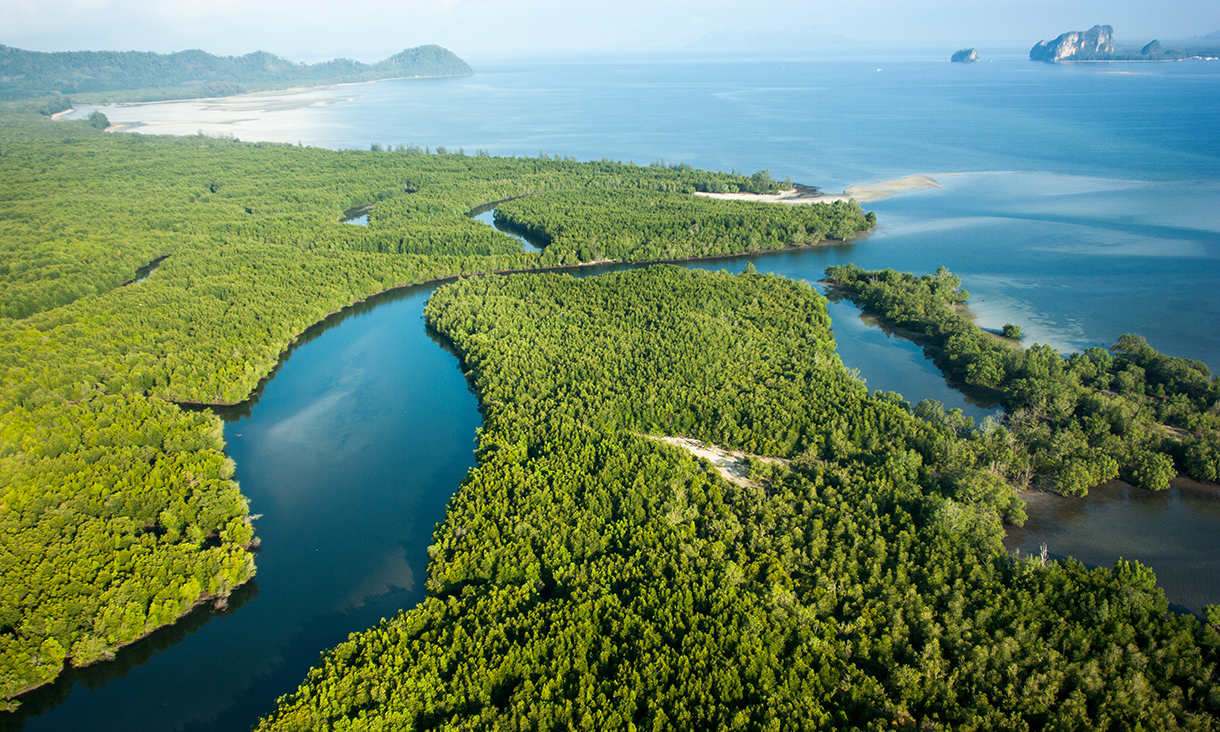
This PhD research aims to improve wetland management using a multidisciplinary approach. It focuses on assessing the potential for carbon finance to support restoration, evaluating the impacts of climate and human activities on wetland ecosystems, identifying opportunities for wetlands to move inland as sea levels rise, and examining how protected areas can help sustain these valuable ecosystems. The research will generate practical insights to inform policy, investment and conservation action.
PhD student: Nipuni Perera (nipuni.perera@student.rmit.edu.au)
This research explores how regenerative tourism can support the restoration and conservation of blue carbon ecosystems (mangroves, seagrasses, and saltmarshes) amid growing concerns about tourism-related emissions and coastal degradation. Using mixed methods including stakeholder interviews, public surveys, spatial mapping of tourism in BCEs, and case study analyses, the research explores governance, perception, and policy gaps. It critically evaluates current restoration initiatives and highlights mismatches between tourism-related restoration efforts and its outcomes. The research culminates in a conceptual framework linking blue carbon tourism to global goals such as climate action, biodiversity protection, and sustainable development, offering practical pathways for a regenerative future.
PhD student: Ahalya Suresh (ahalya.suresh@student.rmit.edu.au)
This PhD research evaluates the effectiveness of restoration techniques, including livestock exclusion and tidal reinstatement, in promoting ecological recovery in degraded saltmarshes across Victoria. Using a multidisciplinary approach combining field-based biodiversity surveys, eDNA metabarcoding, functional trait analysis and PFAS contamination assessments, the project aims to identify indicators of restoration success. The study will generate evidence on the ecological outcomes of saltmarsh restoration providing a scientific foundation for future conservation policies, and nature-based market mechanisms.
PhD student: Agustina Adrogue (agustina.quadri.adrogue@rmit.edu.au)
This project investigates the composition, viability and dispersal of seeds in soil seedbanks across restored and natural saltmarshes in Victoria. Using soil cores and seed traps placed across tidal elevation gradients and varying site conditions, the study examines how seed ecology influences germination success. This work addresses a critical gap in understanding the role of seedbanks in saltmarsh recovery.
Honours student: Natasha Tropeano (s4150946@student.rmit.edu.au)
Peter is interested in macroinvertebrate and plant communities as tools in better understanding the health of wetland ecosystems.
Honours student: Peter Tancred


RMIT University acknowledges the people of the Woi wurrung and Boon wurrung language groups of the eastern Kulin Nation on whose unceded lands we conduct the business of the University. RMIT University respectfully acknowledges their Ancestors and Elders, past and present. RMIT also acknowledges the Traditional Custodians and their Ancestors of the lands and waters across Australia where we conduct our business - Artwork 'Sentient' by Hollie Johnson, Gunaikurnai and Monero Ngarigo.
Learn more about our commitment to Aboriginal and Torres Strait Islander peoples
