Climate Resilience

Our research reveals how healthy landscapes and seascapes underpin climate resilience by acting as natural buffers against floods, droughts, and sea level rise.
We investigate how future conditions may influence farming practices, shift species and ecosystem distribution, and affect water security. By mapping vulnerabilities and monitoring change, our research supports adaptive management and long-term planning. This ensures wetlands and other nature-based solutions are integrated into land-use decisions to build resilient landscapes and communities in a changing climate.
Climate change is intensifying pressures on coastal and rural communities, threatening natural ecosystems, food security, land productivity, and farming practices. Empowering communities through co-design is essential but requires trust, time, and inclusive engagement to build truly climate-resilient landscapes. Climate variability adds urgency, while sustainable farming and climate-smart practices must be tailored to local needs and capacities to balance ecological goals with livelihoods. Our work addresses this challenge by identifying solutions that strengthen long-term ecological resilience and support communities to adapt to future conditions.
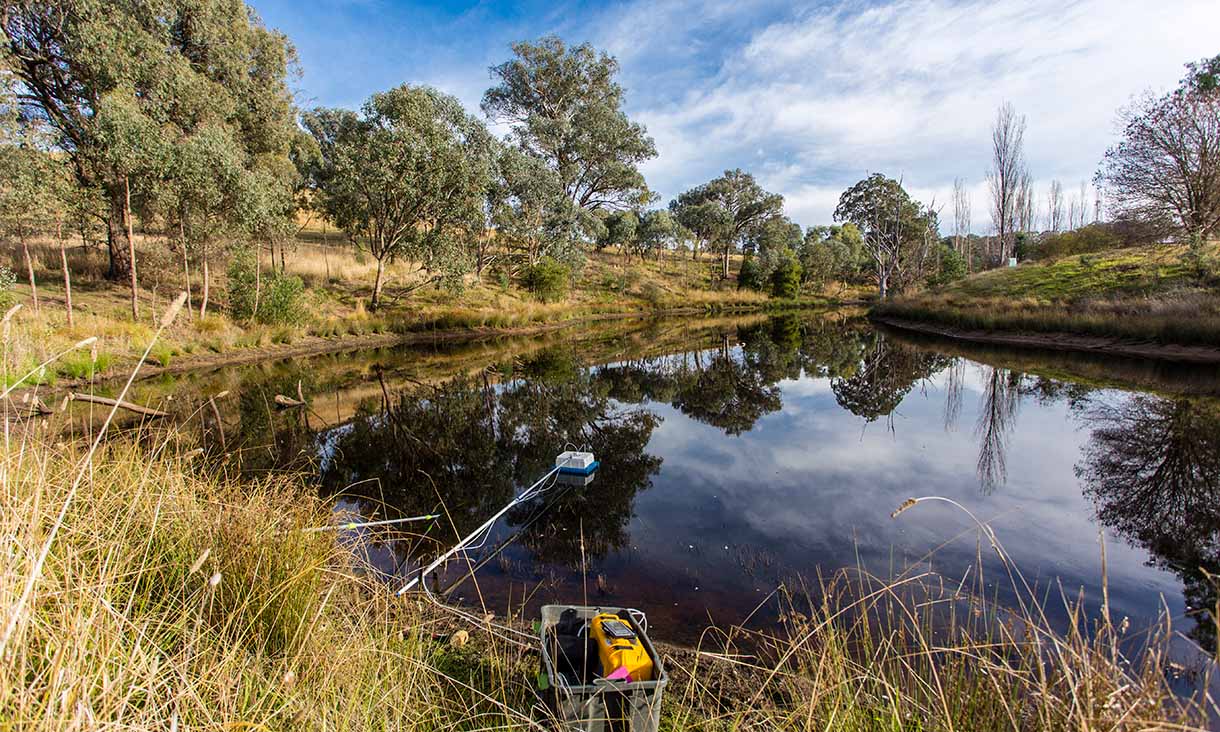
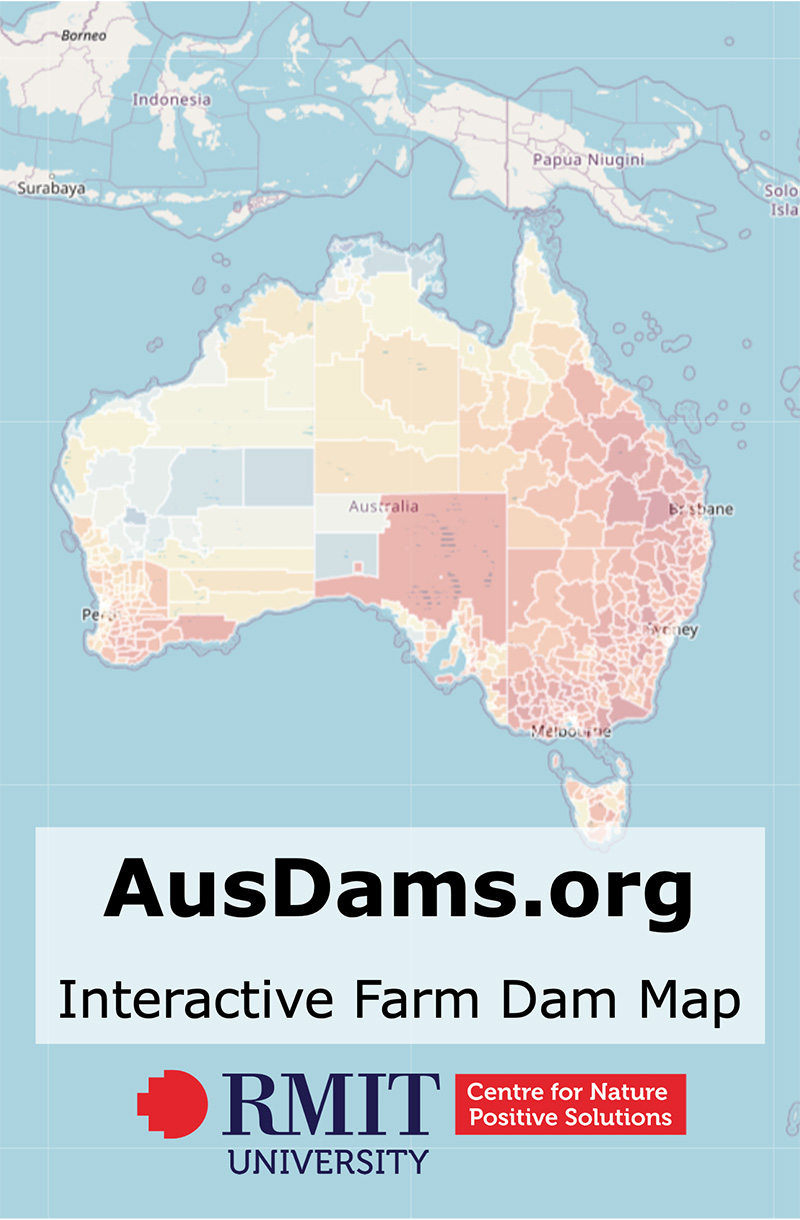
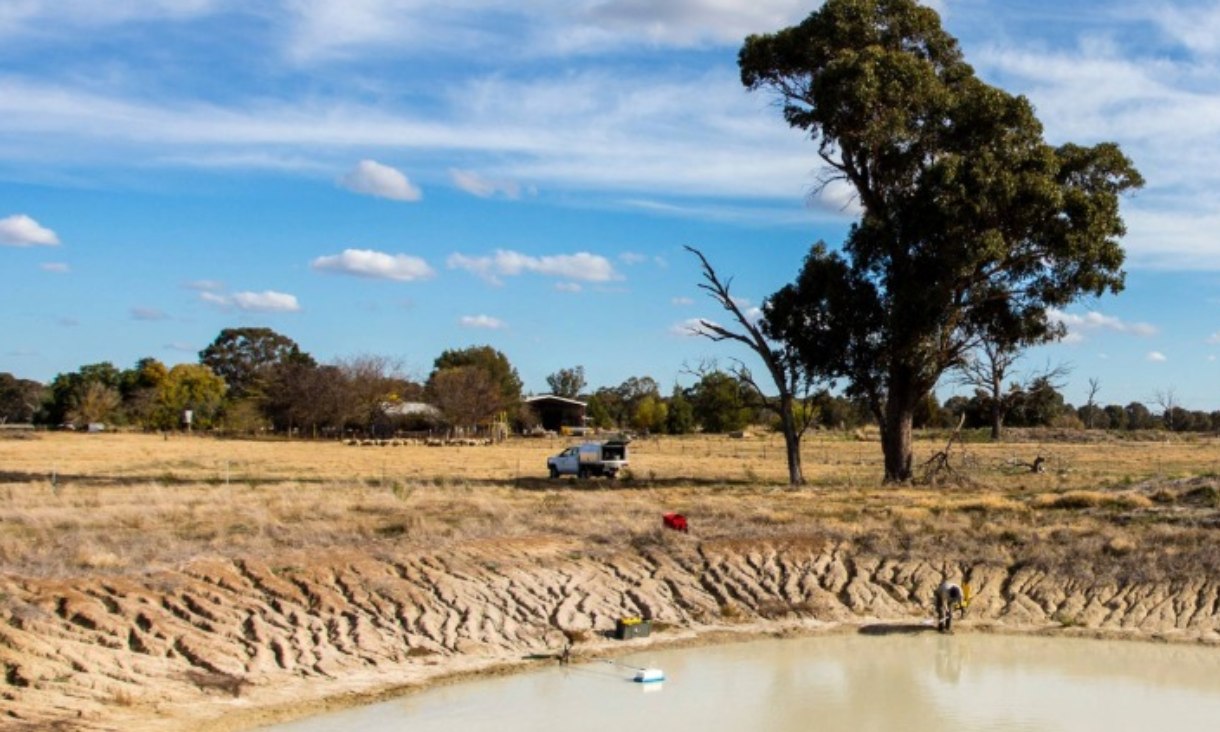
This program will quantify the carbon, biodiversity, and productivity benefits of enhancing farm dams. It will identify priority sites, trial management practices, and measure both ecological and economic outcomes. In addition, it will assess incentive schemes to support large-scale adoption, providing a pathway for farm dams to contribute to climate, biodiversity, and agricultural resilience goals.
Farmers will gain practical strategies to improve water quality, reduce livestock disease, enhance biodiversity, and lower methane emissions. Policymakers will benefit from clear cost–benefit analyses to shape incentive programs and support carbon market integration. The program will deliver improved farm productivity, measurable cuts to greenhouse gas emissions, and biodiversity gains, positioning farm dam enhancement as a scalable and nature-positive solution for agriculture and climate resilience.

Senior Lecturer
 City Campus Australia
 School of Science



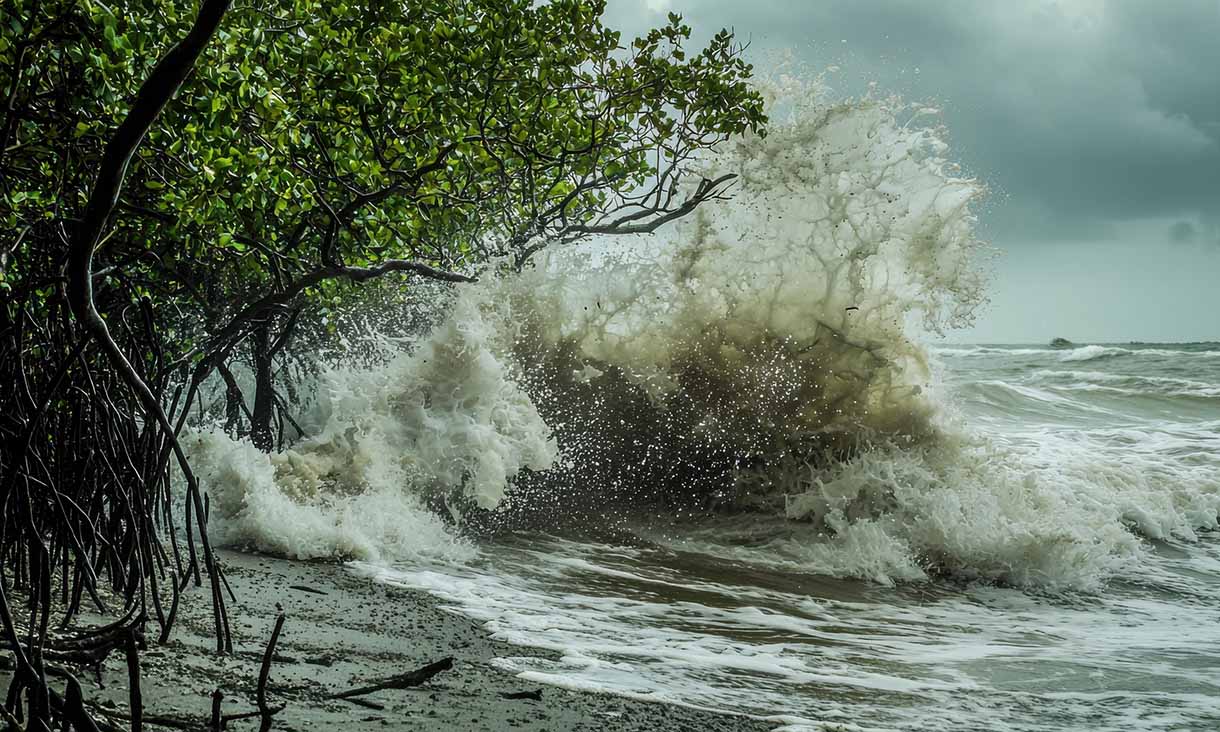
Ensuring wetlands can expand and adapt is vital for buffering coastal communities against climate impacts and maintaining natural flood defences. By guiding restoration and adaptive management, it aims to enhance ecosystem resilience, protect biodiversity, and support sustainable livelihoods under future conditions.
This program will generate new knowledge and predictive models of how coastal wetlands respond to climate change, including sea level rise, climate variability, and human pressures. Results will highlight areas of potential wetland migration and accommodation space, providing actionable insights for coastal adaptation and restoration planning. Outcomes include improved tools for integrating wetlands into natural flood defence strategies, biodiversity conservation, and climate mitigation frameworks. By linking ecological resilience with social and economic benefits, the program will strengthen management strategies, support sustainable livelihoods, and guide policy development for climate-ready, nature-positive coastal landscapes.
Academic Publications |
|
Review of methods for quantifying the benefits of coastal wetlands in absorbing and buffering extreme weather event impacts on coastal infrastructure.Ecosystem Services |
|
Prioritizing tidal marsh restoration in grazing lands.Journal of Environmental Management |
|
Spatially explicit ecosystem accounts for coastal wetland restoration.Ecosystem Services |
| Effects of floating wetlands on greenhouse gas emissions from wastewater lagoons (Report for Westernport Water, 2024) |
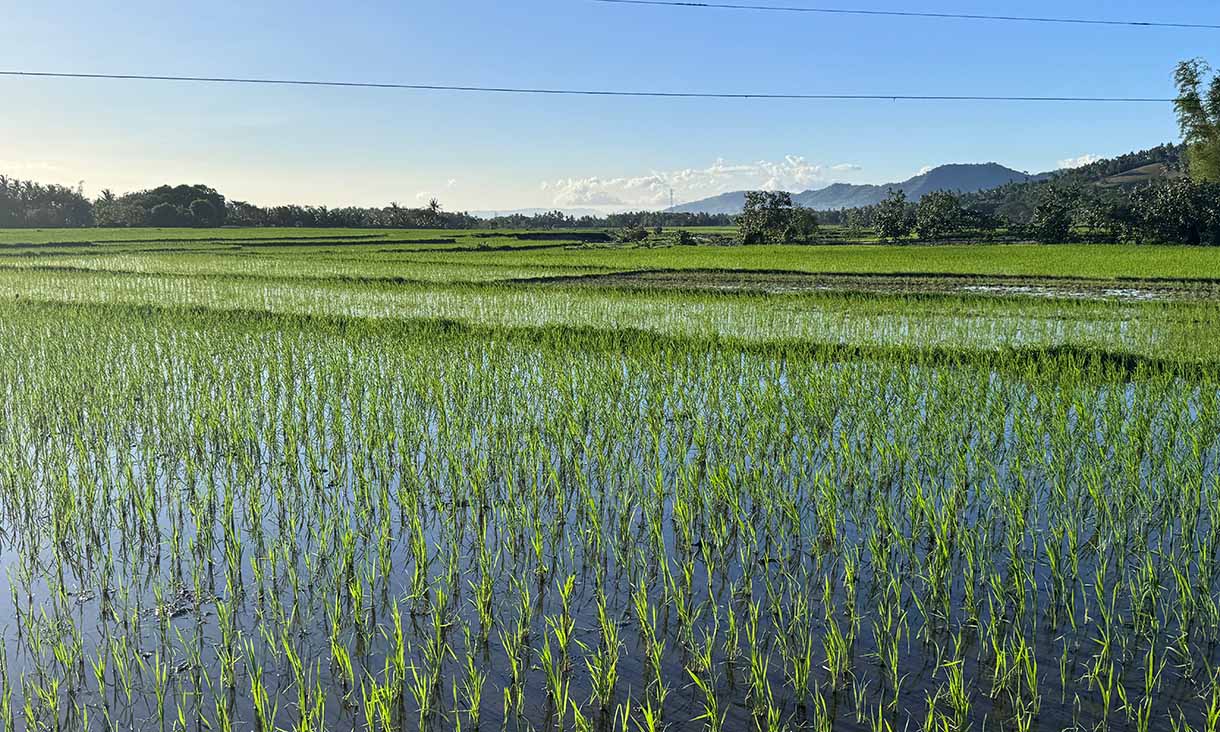
This program explores emission-reducing interventions in rice agriculture, such as alternate wetting and drying (AWD), optimised fertiliser use, and biochar application. It aims to quantify abatement potential, assess feasibility for carbon credit generation, and develop region-specific pathways to scale adoption in Asia and beyond, with co-benefits for water savings, farmer livelihoods, and biodiversity.

Professor
City Campus Australia School of Science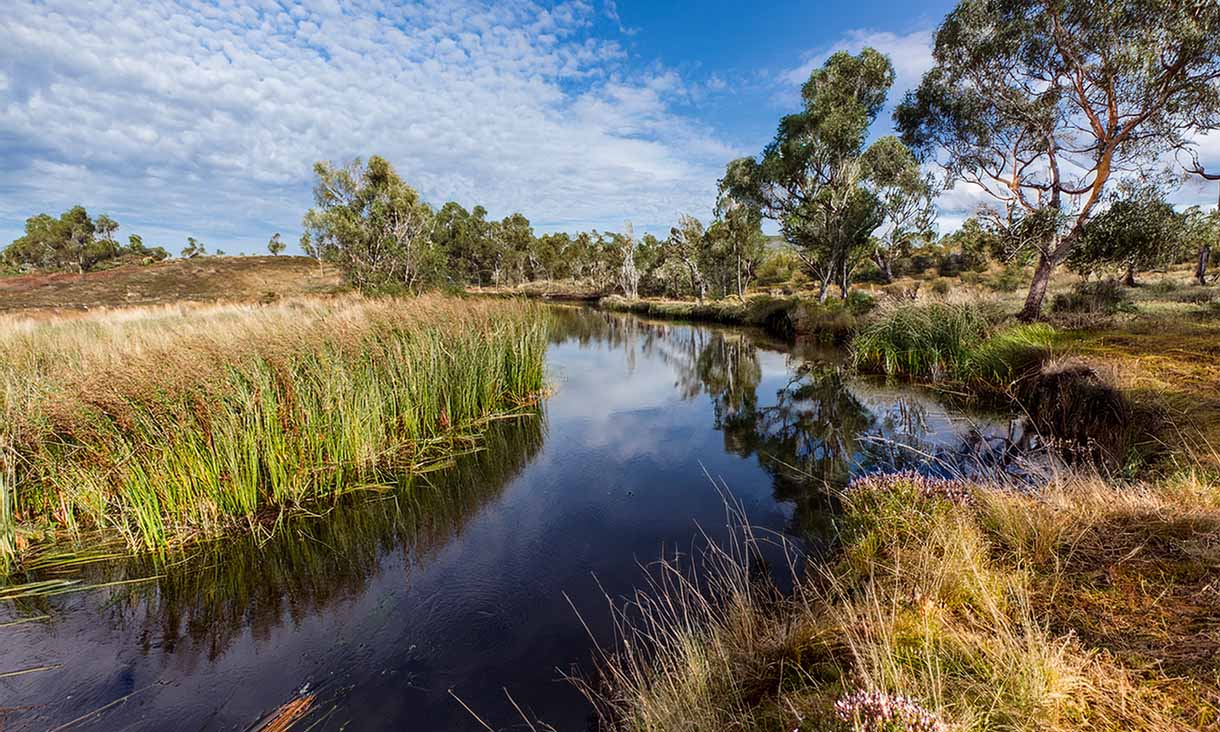
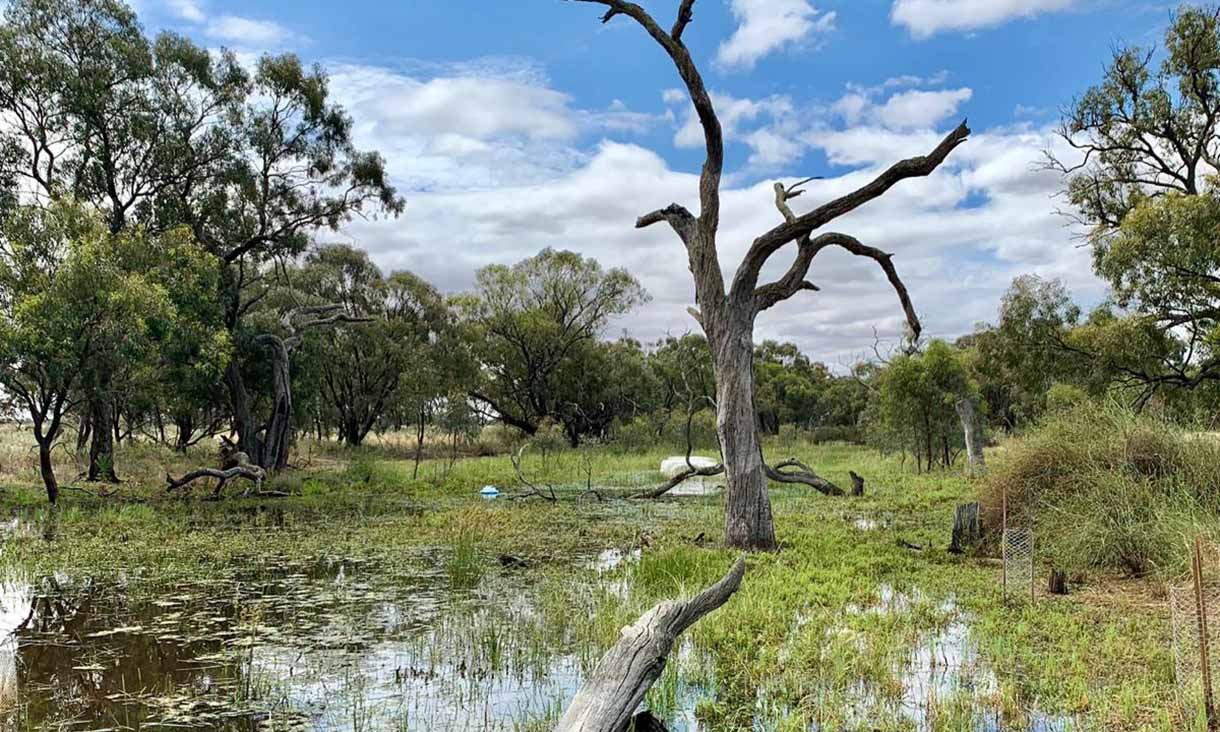
This project evaluates Natural Sequence Farming, an Australian approach to land and water management that restores natural hydrological cycles by slowing and spreading water, rebuilding soils, and encouraging vegetation recovery. Interventions such as contouring, leaky weirs, and revegetation are designed to hold more water in the landscape, reduce erosion, recycle nutrients, and support biodiversity.
We will investigate how these practices influence water retention, soil health, and biodiversity. The project will also assess carbon storage potential, quantify productivity benefits for farmers, and identify the conditions under which the approach is most effective. By generating robust ecological, carbon, and socio-economic evidence, this work will help determine how Natural Sequence Farming can be applied to build resilience and productivity in drought-prone Australian landscapes.
Evidence-based insights will clarify the ecological and economic value of Natural Sequence Farming. Farmers will gain clear guidance on best-practice designs to maximise benefits, and policymakers will have scientific evidence to support broader adoption. Results will show how these interventions improve water retention, reduce erosion, increase soil fertility, and promote biodiversity, strengthening climate resilience and long-term sustainability in Australian agriculture.
Senior Lecturer
City Campus Australia School of Science
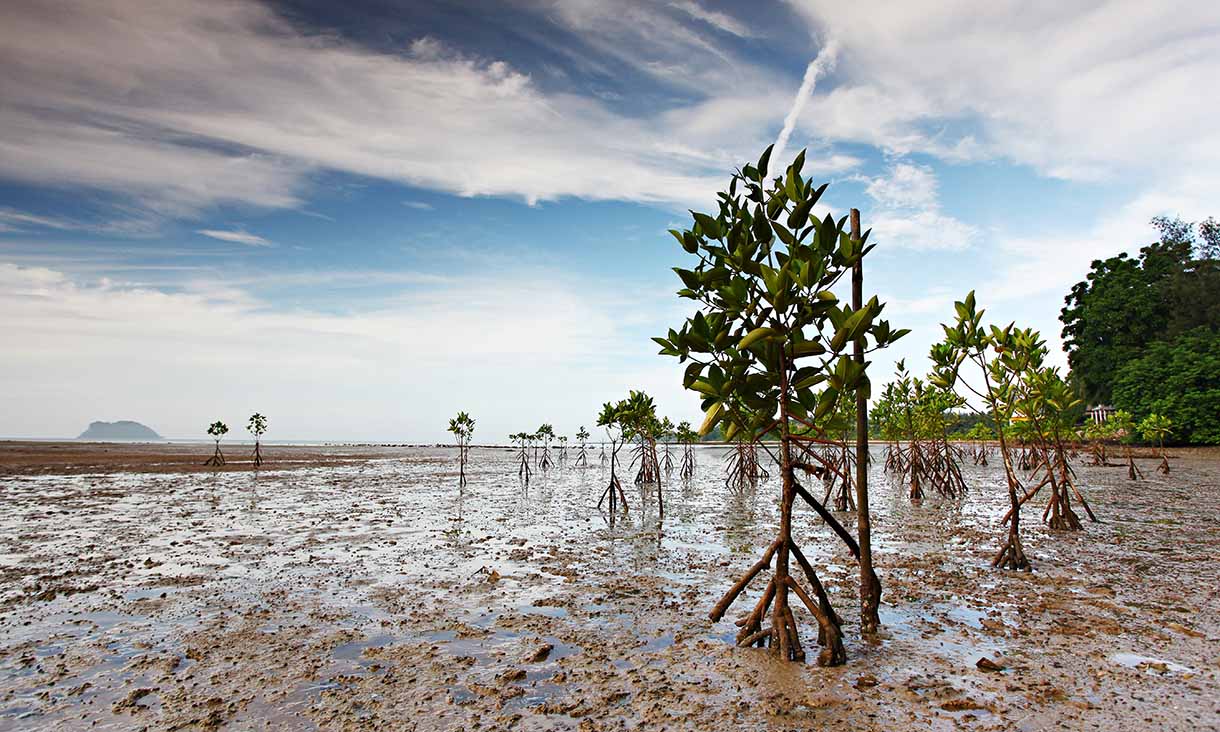
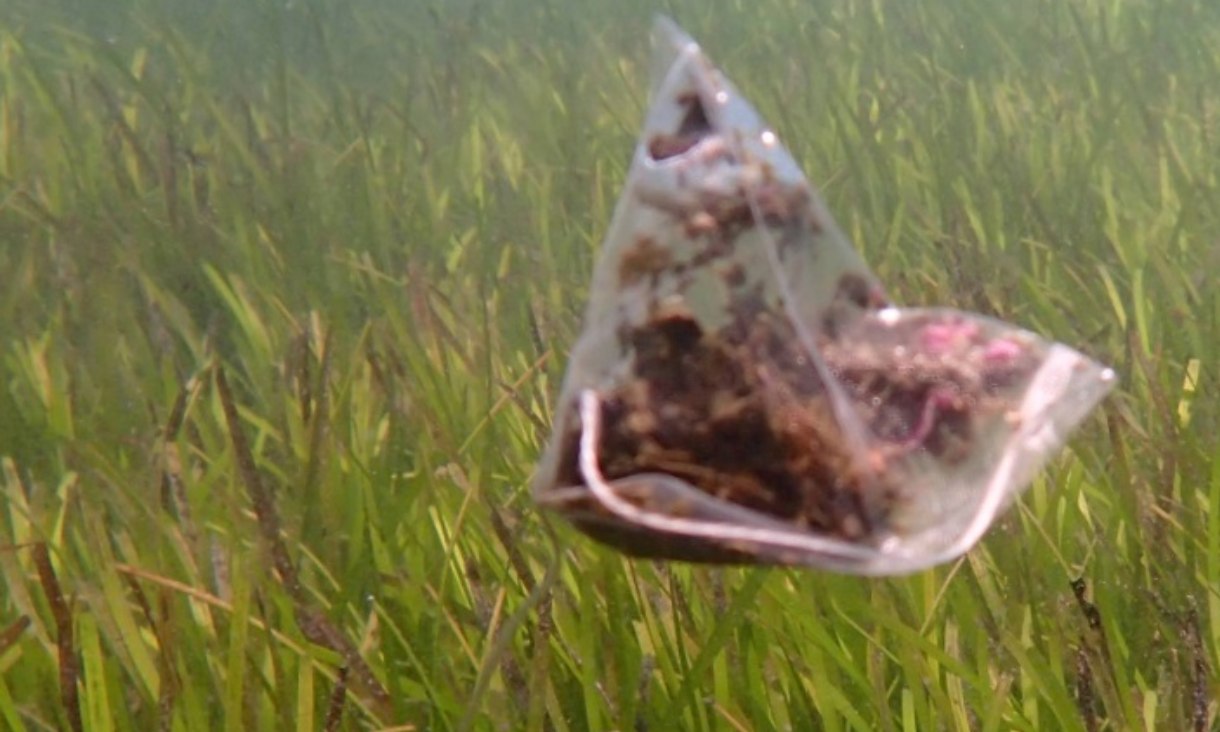
Coastal wetlands, including mangroves, saltmarshes and seagrass meadows, face growing pressures from climate change, land-use change and limited funding for conservation. This PhD research aims to improve wetland management using a multidisciplinary approach. It focuses on assessing the potential for carbon finance to support restoration, evaluating the impacts of climate and human activities on wetland ecosystems, identifying opportunities for wetlands to move inland as sea levels rise, and examining how protected areas can help sustain these valuable ecosystems. The research will generate practical insights to inform policy, investment and conservation action.
PhD student: Nipuni Perera (nipuni.perera@student.rmit.edu.au)


RMIT University acknowledges the people of the Woi wurrung and Boon wurrung language groups of the eastern Kulin Nation on whose unceded lands we conduct the business of the University. RMIT University respectfully acknowledges their Ancestors and Elders, past and present. RMIT also acknowledges the Traditional Custodians and their Ancestors of the lands and waters across Australia where we conduct our business - Artwork 'Sentient' by Hollie Johnson, Gunaikurnai and Monero Ngarigo.
Learn more about our commitment to Aboriginal and Torres Strait Islander peoples
