Freshwater management
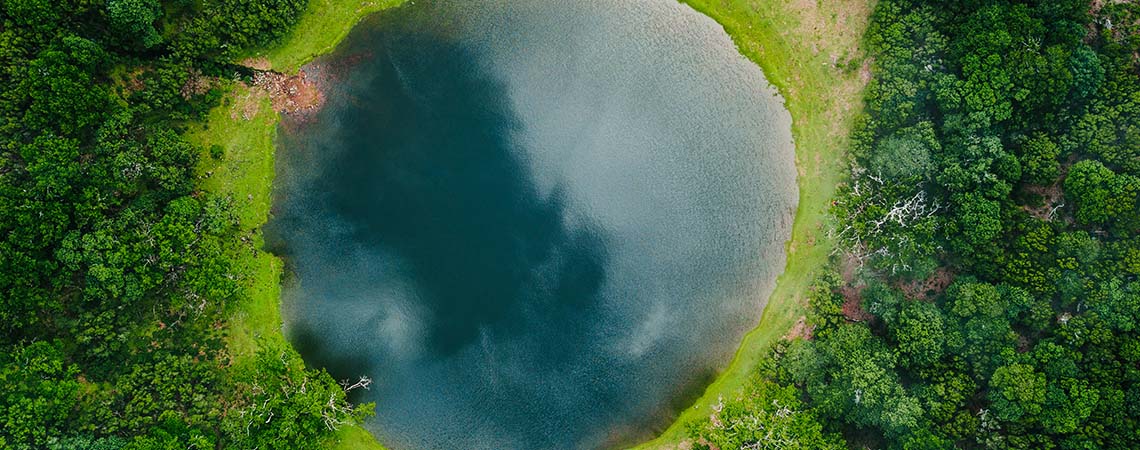
Our research highlights the vital role of natural (wetlands, rivers, and lakes) and artificial (farm dams, wastewater lagoons, and reservoirs) freshwater ecosystems. Their restoration and management are nature-positive solutions for climate, biodiversity, and agricultural resilience.
We investigate how the restoration and improved management of freshwater ecosystems enhance water quality, reduce emissions, increase carbon sequestration, support biodiversity, and improve farm productivity. Our team develops and tests innovative tools, such as Pondi loggers, and nature-based interventions, including fencing, farm dams, and the installation of floating wetlands, to restore ecological functions. We identify priority sites for action, measure greenhouse gas emissions, track biodiversity gains, and combine social research with cost–benefit analyses to guide investment and policy. By translating science into practice, we enable carbon and biodiversity markets, design effective incentive schemes, and deliver practical solutions for sustainable, high-impact outcomes that benefit people, nature, and agriculture.
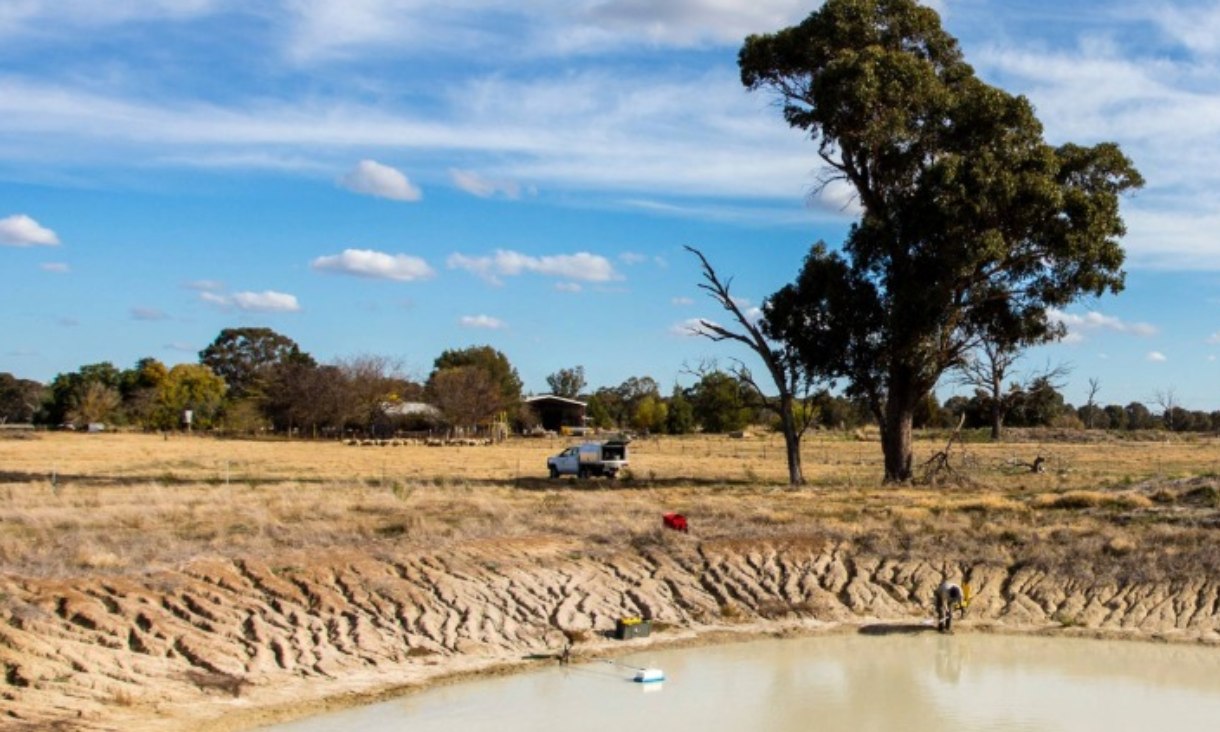
Freshwater ecosystems are among the most degraded on Earth, facing pressures from land clearing, nutrient runoff, climate change, and invasive species. Artificial waterbodies, such as the nearly two million farm dams across Australia, are vital for agricultural water security, but often come at an environmental cost, contributing to poor water quality and greenhouse gas emissions.
At the same time, these systems hold enormous potential. With the right management, they can provide cleaner water for livestock, reduce methane emissions, sequester carbon, support threatened species, and increase farm productivity. Our goal is to unlock this potential by developing scalable, science-based solutions for managing and restoring freshwater ecosystems, helping to secure their ecological functions, economic value, and resilience for future generations.
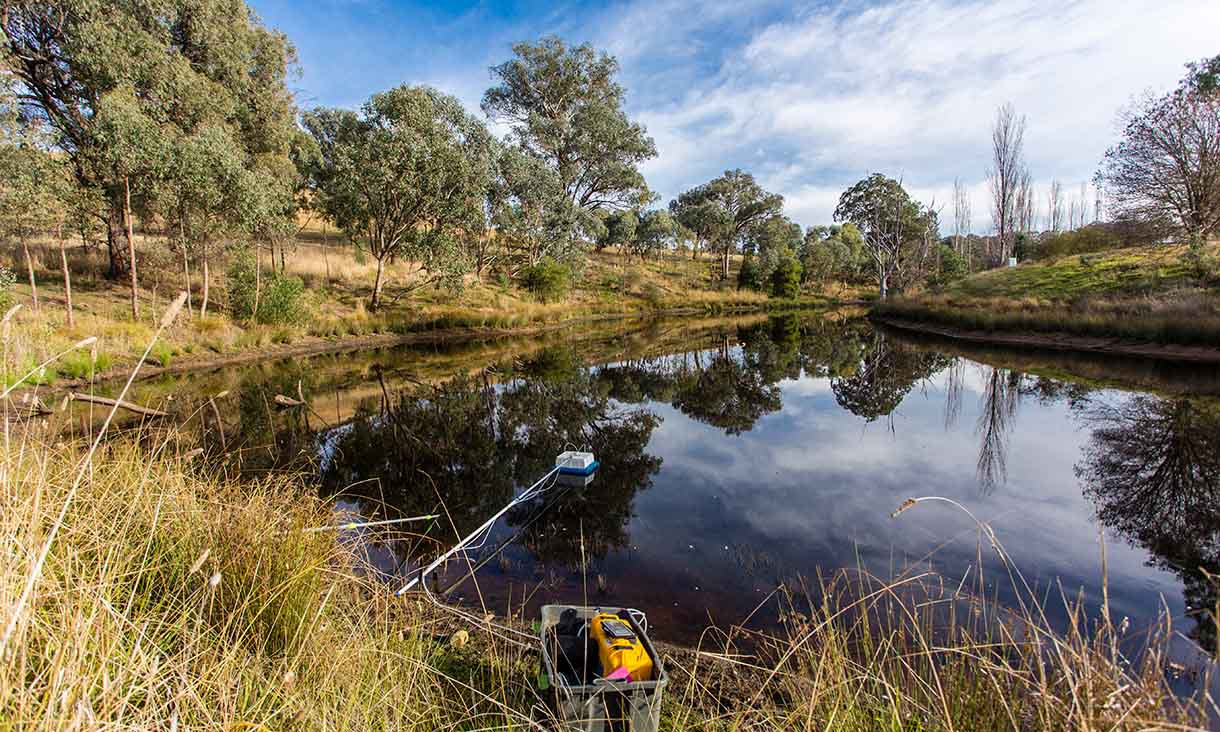
This program will quantify the carbon, biodiversity, and productivity benefits of enhancing farm dams. It will identify priority sites, trial management practices, and measure both ecological and economic outcomes. In addition, it will assess incentive schemes to support large-scale adoption, providing a pathway for farm dams to contribute to climate, biodiversity, and agricultural resilience goals.
Farmers will gain practical strategies to improve water quality, reduce livestock disease, enhance biodiversity, and lower methane emissions. Policymakers will benefit from clear cost–benefit analyses to shape incentive programs and support carbon market integration. The program will deliver improved farm productivity, measurable cuts to greenhouse gas emissions, and biodiversity gains, positioning farm dam enhancement as a scalable and nature-positive solution for agriculture and climate resilience.


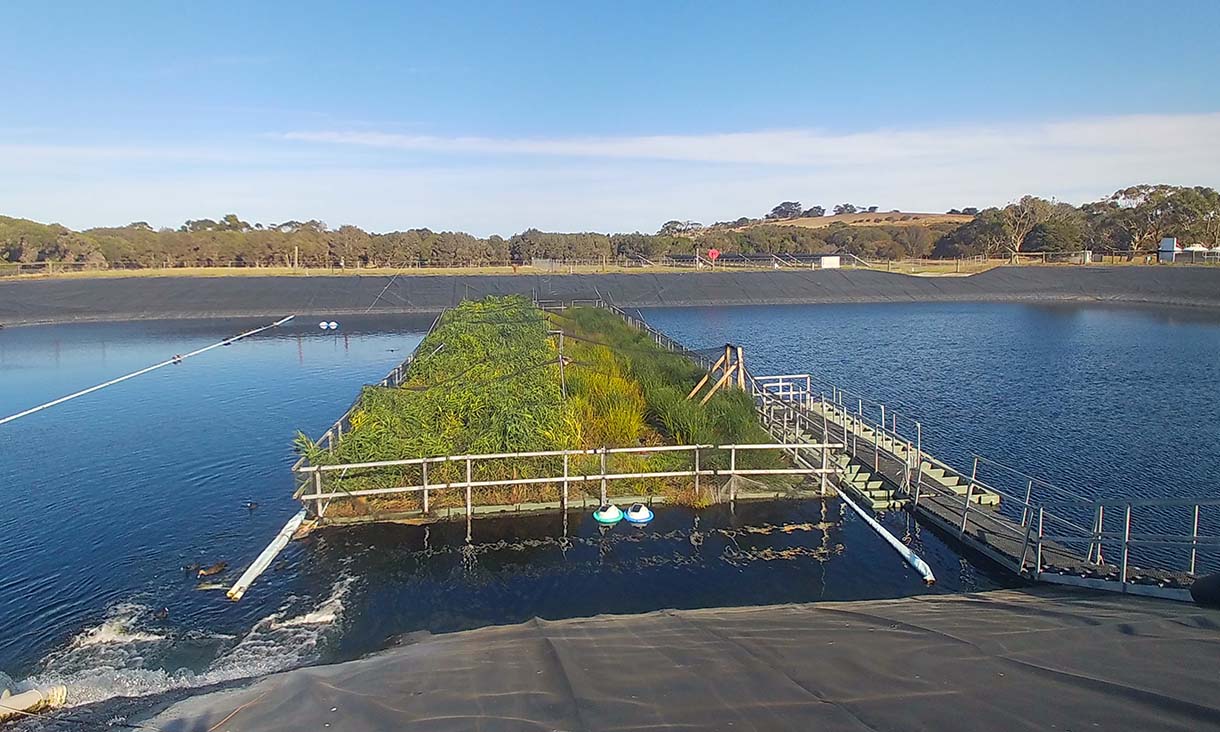
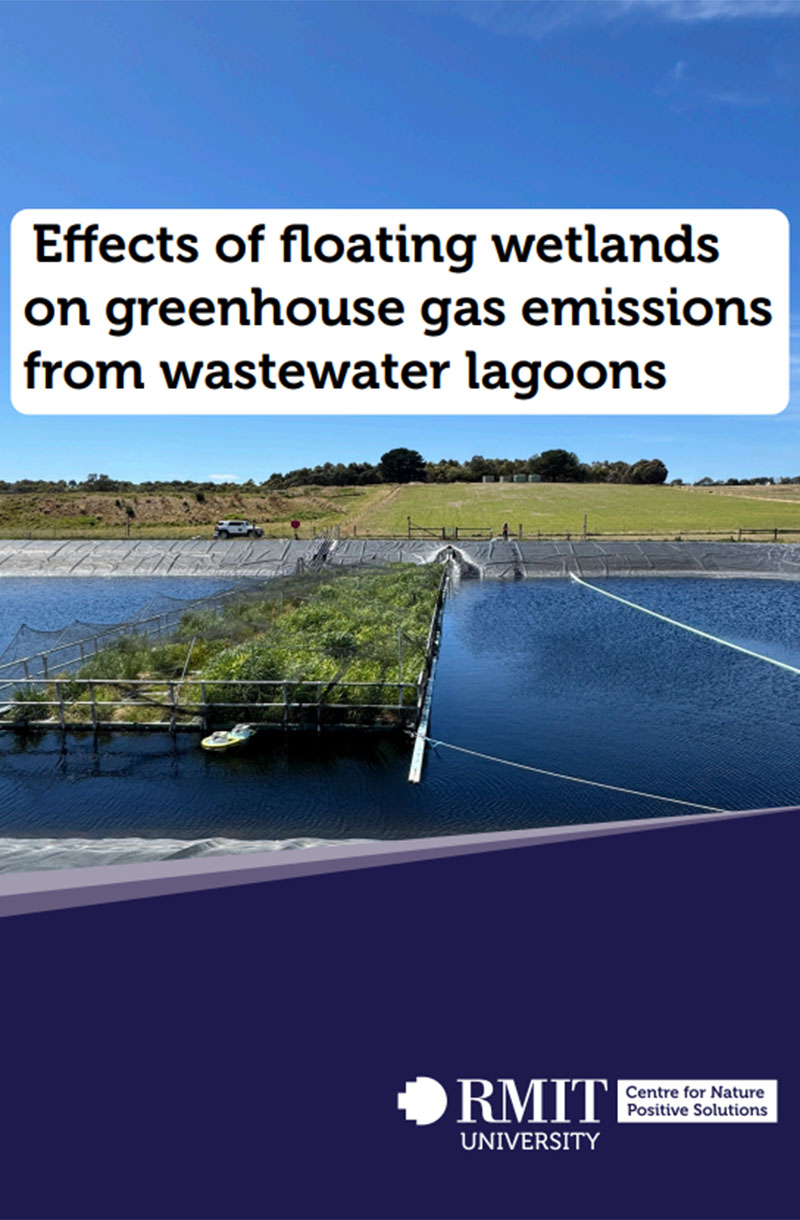
This project evaluates the role of floating wetlands in reducing emissions from wastewater treatment lagoons. It integrates field trials with advanced emissions monitoring, including our innovative Pondi loggers, and applies economic analysis to assess the scalability and cost-effectiveness of floating wetlands as a climate solution.
The results will demonstrate whether floating wetlands can significantly reduce methane and nitrous oxide emissions, while also enhancing nutrient uptake and providing habitat for wildlife. For water utilities, this research offers practical, low-cost pathways to lower the emissions of wastewater systems and meet sustainability targets. Importantly, the project will deliver world-first field evidence on the carbon benefits of floating wetlands, positioning Australia as a global leader in innovative wastewater treatment aligned with net-zero goals and biodiversity commitments.
Selected media |
| Floating Wetlands Show Promise in Cutting Lagoon Emissions (VicWater, 2025) |
| Constructed Floating Wetlands to Reduce GHG Emissions and Remove Contaminants (IECA, 2024) |
Reports |
| Effects of floating wetlands on greenhouse gas emissions from wastewater lagoons (Report for Westernport Water, 2024) |


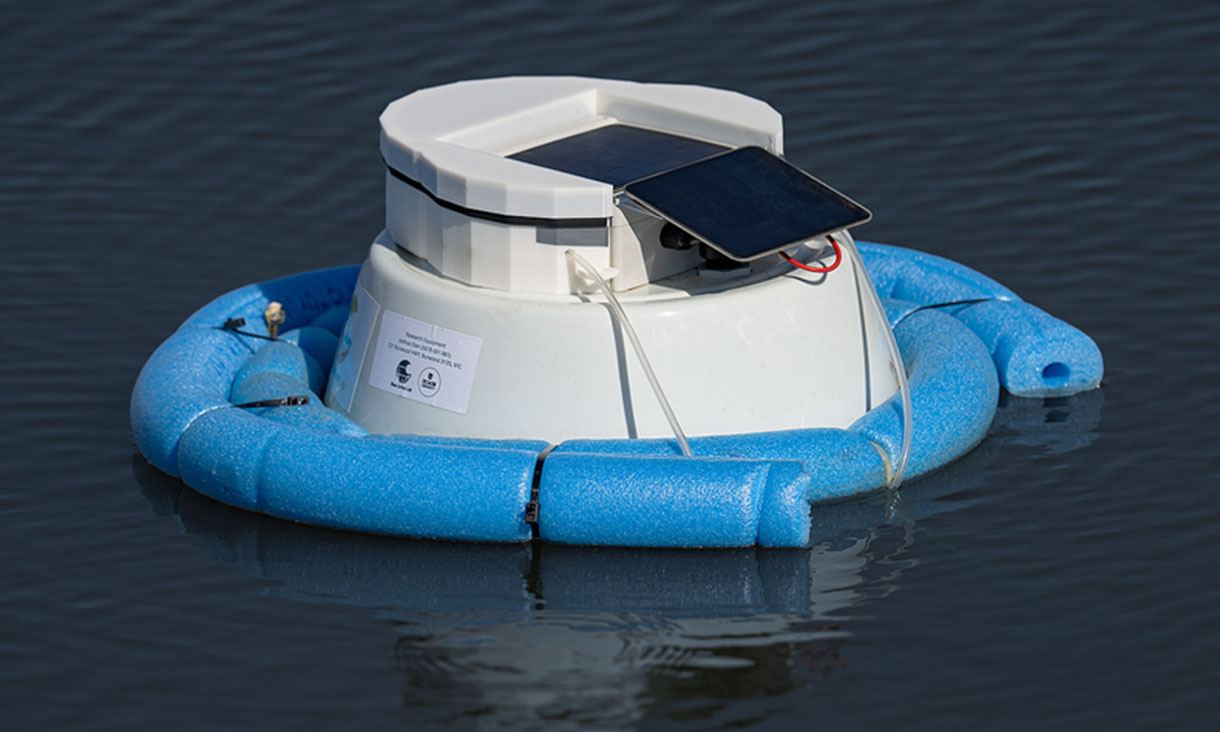
This project develops, tests, and deploys innovative climate technologies to monitor greenhouse gas fluxes and surface water across freshwater systems. It integrates sensor networks, AI tools, and satellite products to provide real-time, cost-effective data that can guide landholders, policymakers, and carbon markets.
The project will produce tech and high-resolution datasets to help analyse emissions and water security of freshwater systems. These insights will inform carbon and biodiversity markets, improve reporting in Australia’s National Inventory Report, and support incentive schemes for landholders. By advancing low-cost, scalable climate tech, the project helps position Australia as a global leader in monitoring and managing freshwater ecosystems. It will accelerate the adoption of evidence-based interventions, enhance productivity, and unlock new opportunities for climate finance and nature-based solutions.
Academic publications |
| Pondi: A low-cost logger for long-term monitoring of methane, carbon dioxide, and nitrous oxide in aquatic and terrestrial systems, Biogeosciences, 2025 |
| Remote sensing for cost-effective blue carbon accounting, Earth-Science Reviews, 2023 |
| Continental-scale assessment of micro-pumped hydro energy storage using agricultural reservoirs, Applied Energy, 2023 |
| Australian farm dams are becoming less reliable water sources under climate change, Science of the Total Environment, 2022 |
| A continental-scale assessment of density, size, distribution and historical trends of farm dams using deep learning convolutional neural networks, Remote Sensing, 2021 |

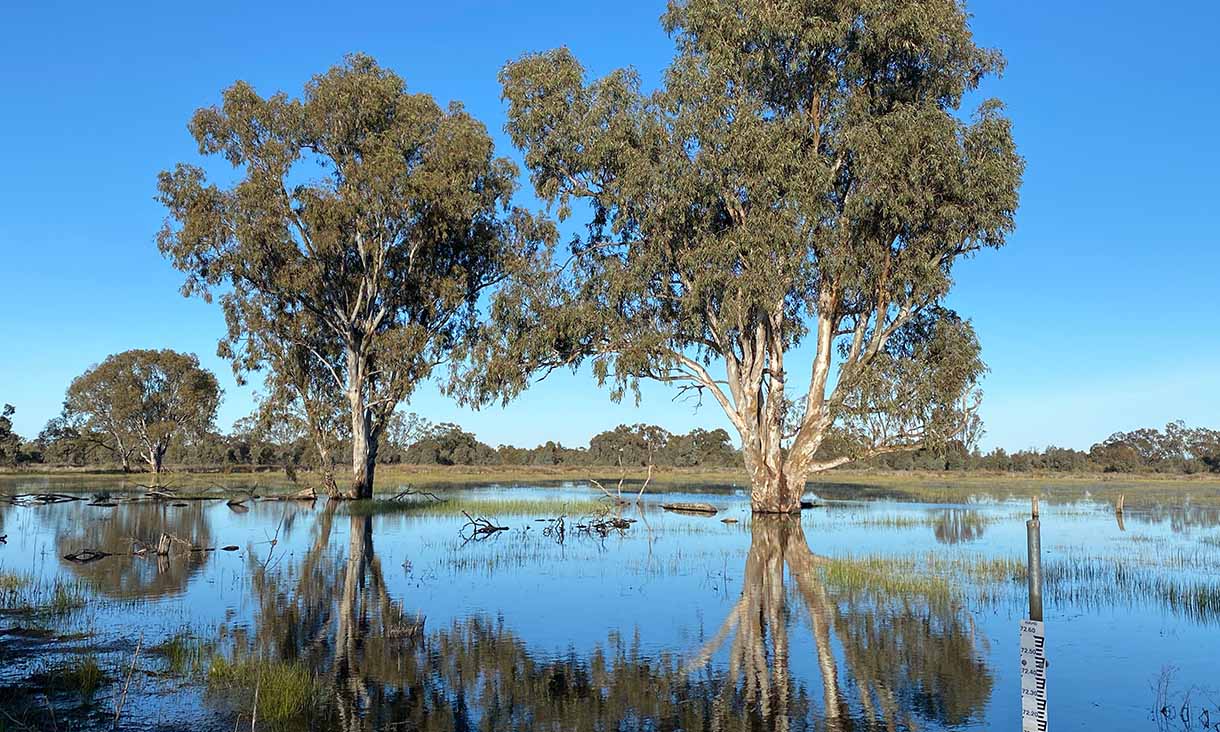
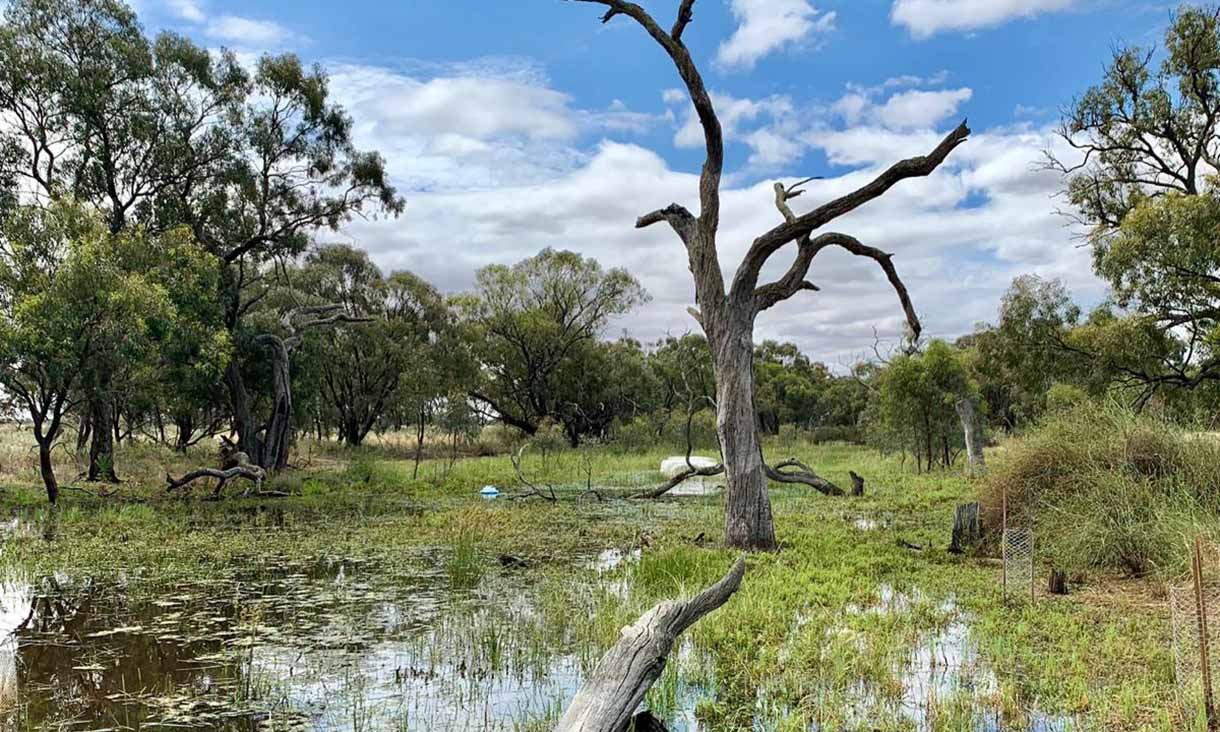
This project evaluates the ecological, carbon, and social benefits of restoring degraded wetlands. Restoration activities will be undertaken by project partners. Our role is to lead site prioritisation, co-design monitoring, and deliver hydrological and ecological assessments, biodiversity surveys, and stakeholder engagement. We will quantify carbon storage, assess biodiversity outcomes, and evaluate socio-economic benefits at local and landscape scales.
This project is expected to demonstrate how wetland restoration can deliver measurable climate, biodiversity, and social benefits while supporting resilient landscapes and communities. Outcomes will include improved understanding of carbon sequestration, biodiversity recovery, and ecosystem services such as water purification and flood buffering.
Specific deliverables will include:
Together, these outcomes and deliverables will position wetlands as high-value natural infrastructure that contributes to climate action, biodiversity conservation, and sustainable development.
Academic publications |
| Restoring riparian wetlands for carbon and nitrogen benefits and other critical ecosystem functions, Journal of Environmental Management |
| Restoring Australia’s freshwater wetlands: Rural landholder perspectives, Wetlands |
| Freshwater wetland restoration and conservation are long-term natural climate solutions, Science of the Total Environment |
Selected media |
| Restored wetlands reap benefits for climate, drought-resilience after just one year (RMIT media release, 2025) |
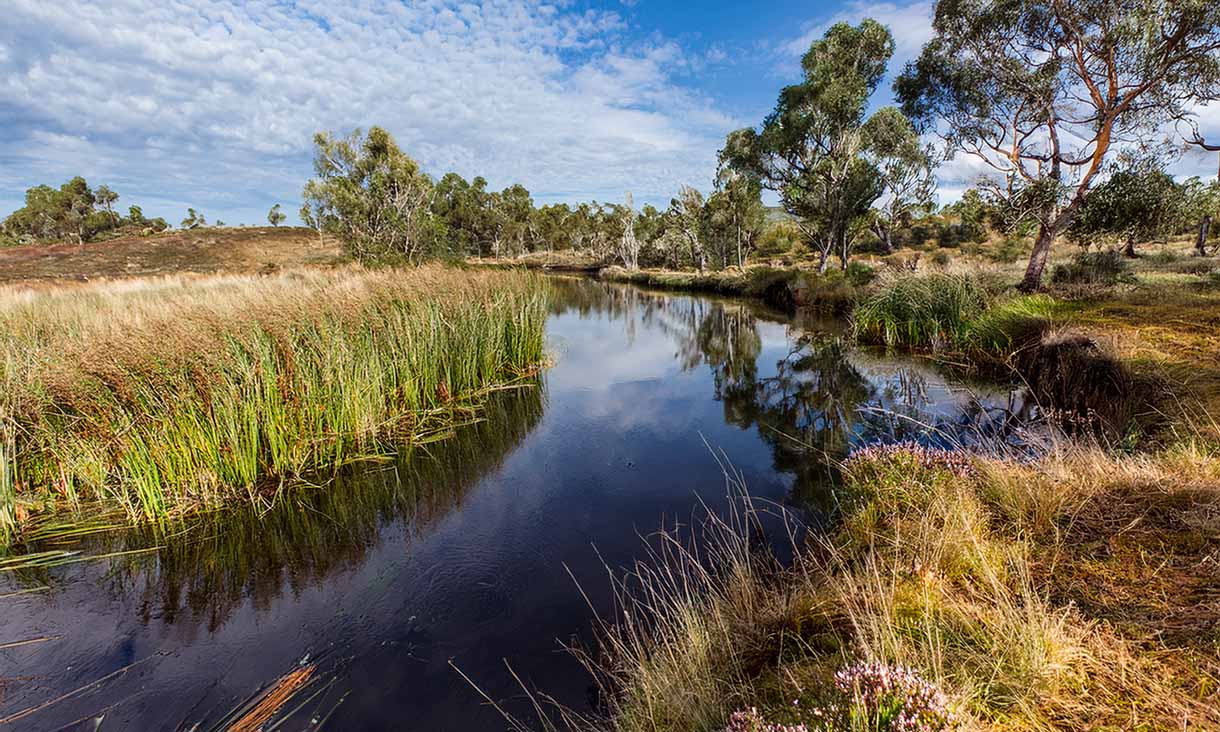
This project evaluates Natural Sequence Farming, an Australian approach to land and water management that restores natural hydrological cycles by slowing and spreading water, rebuilding soils, and encouraging vegetation recovery. Interventions such as contouring, leaky weirs, and revegetation are designed to hold more water in the landscape, reduce erosion, recycle nutrients, and support biodiversity.
We will investigate how these practices influence water retention, soil health, and biodiversity. The project will also assess carbon storage potential, quantify productivity benefits for farmers, and identify the conditions under which the approach is most effective. By generating robust ecological, carbon, and socio-economic evidence, this work will help determine how Natural Sequence Farming can be applied to build resilience and productivity in drought-prone Australian landscapes.
Evidence-based insights will clarify the ecological and economic value of Natural Sequence Farming. Farmers will gain clear guidance on best-practice designs to maximise benefits, and policymakers will have scientific evidence to support broader adoption. Results will show how these interventions improve water retention, reduce erosion, increase soil fertility, and promote biodiversity, strengthening climate resilience and long-term sustainability in Australian agriculture.
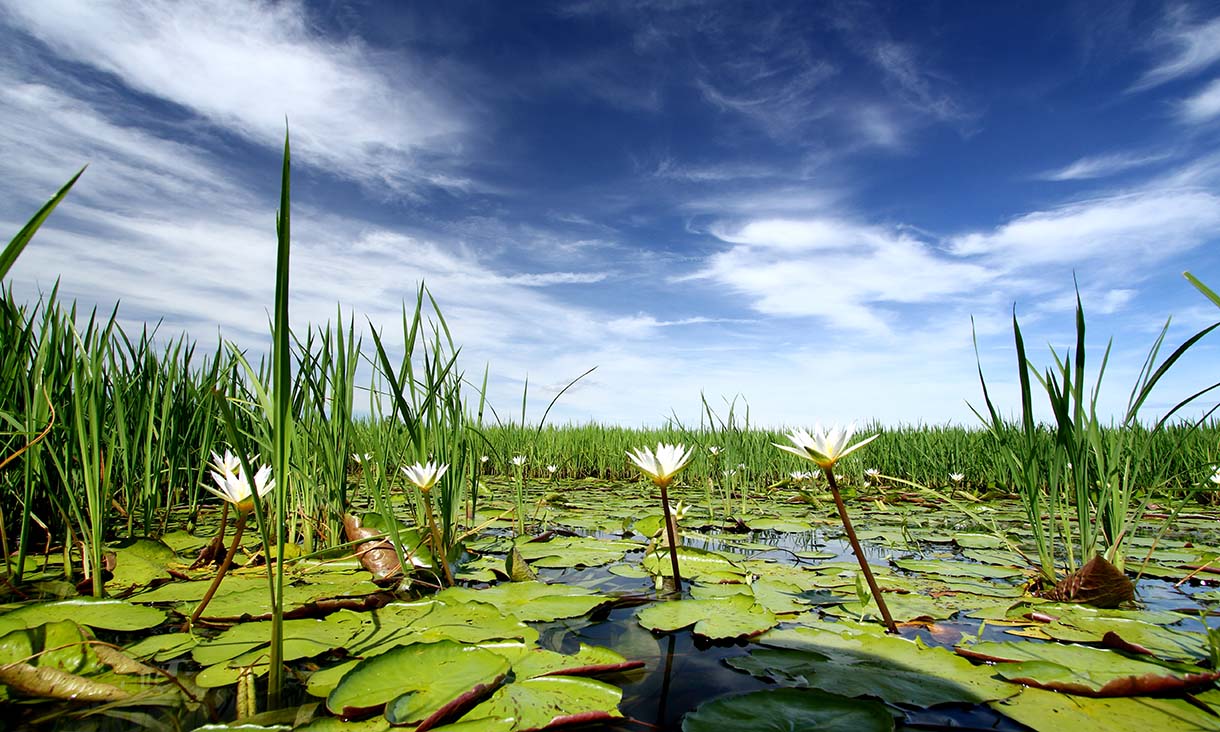
This PhD research aims to improve wetland management using a multidisciplinary approach. It focuses on assessing the potential for carbon finance to support restoration, evaluating the impacts of climate and human activities on wetland ecosystems, identifying opportunities for wetlands to move inland as sea levels rise, and examining how protected areas can help sustain these valuable ecosystems. The research will generate practical insights to inform policy, investment and conservation action.
PhD student: Nipuni Perera (nipuni.perera@student.rmit.edu.au)
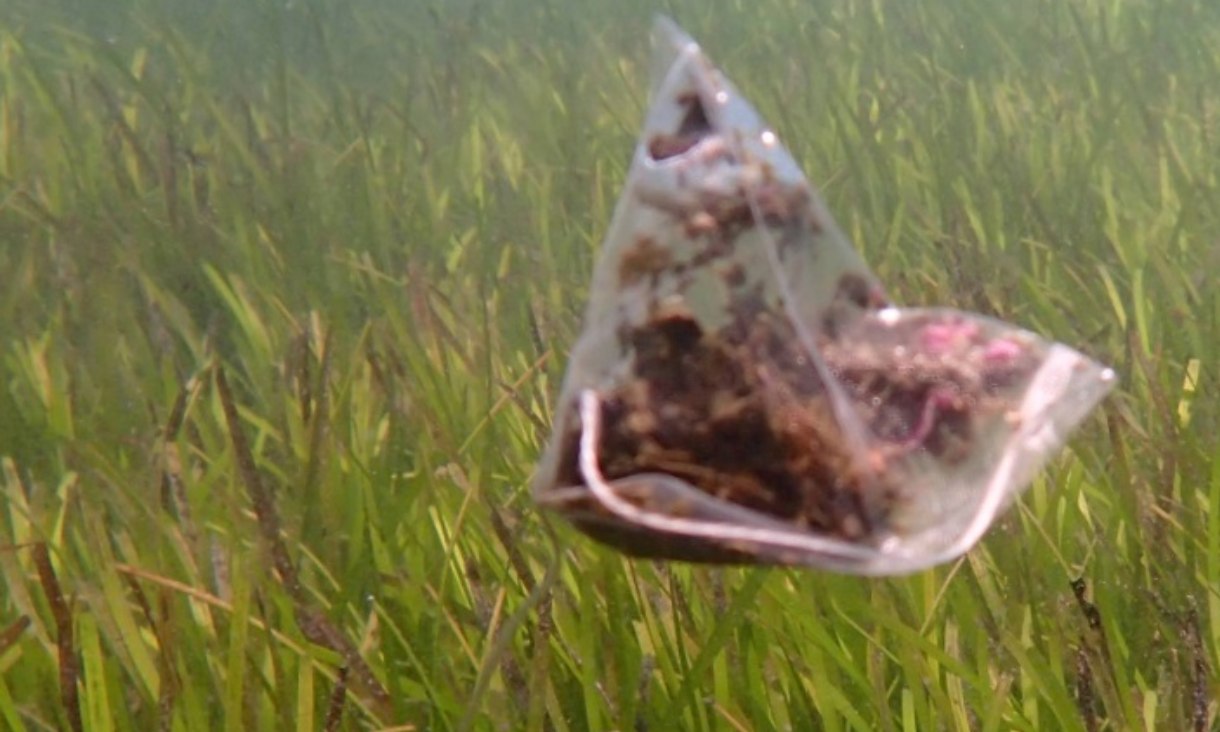
Farm dams are widespread in agricultural landscapes, supporting livestock, irrigation, and billions in production. Yet conventional designs often degrade water quality and increase greenhouse gas emissions. Enhancements such as fencing, hardened access points, revegetation, and innovative methods like dung beetle introductions can reduce impacts and deliver biodiversity, water quality, and productivity benefits. However, adoption remains limited due to high costs, uncertain returns, and low awareness. This PhD project addresses these barriers by evaluating management solutions, testing carbon credit schemes, assessing farmer perceptions, and trialling low-cost interventions to provide evidence for scaling sustainable, nature-positive farm dam management across Australia.
PhD Student: Nipunika Hansani (s4138327@student.rmit.edu.au)
In partnership with Westernport Water, Scarlett is working to establish baseline science for nature-based solutions in sustainable wastewater management. Her research focuses on design and monitoring constructed wetlands to evaluate greenhouse gas dynamics and long-term carbon storage within emerging teal carbon ecosystems. By quantifying both performance and carbon benefits, her work aims to strengthen the scientific foundation needed to inform future carbon accounting and policy frameworks in Australia. This research builds directly on her consulting background focused on the intersection of science, policy, and community engagement within the marine natural resource management space primarily in California, United States. At RMIT, Scarlett is focused on advancing evidence-based climate solutions that align ecological resilience with practical governance and industry application.
PhD Candidate: Scarlett Schroeder (scarlett.schroeder@student.rmit.edu.au)


RMIT University acknowledges the people of the Woi wurrung and Boon wurrung language groups of the eastern Kulin Nation on whose unceded lands we conduct the business of the University. RMIT University respectfully acknowledges their Ancestors and Elders, past and present. RMIT also acknowledges the Traditional Custodians and their Ancestors of the lands and waters across Australia where we conduct our business - Artwork 'Sentient' by Hollie Johnson, Gunaikurnai and Monero Ngarigo.
Learn more about our commitment to Aboriginal and Torres Strait Islander peoples