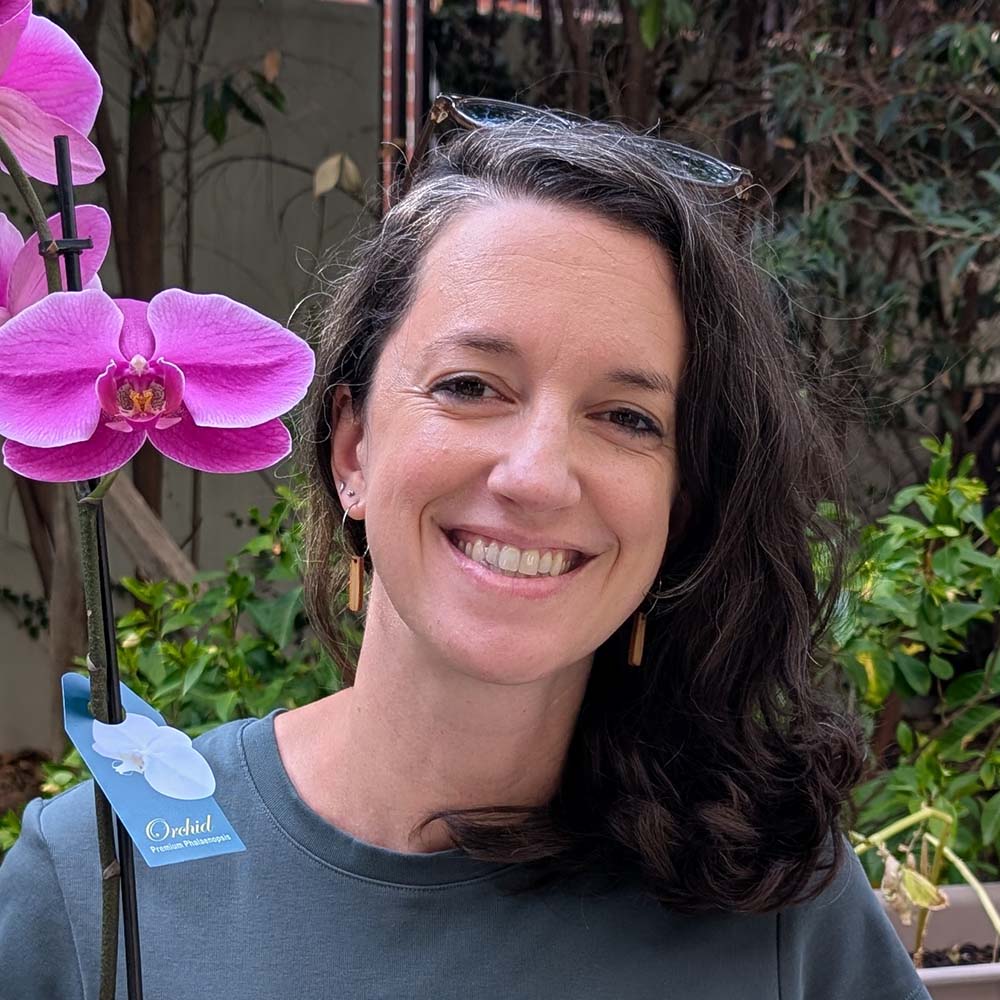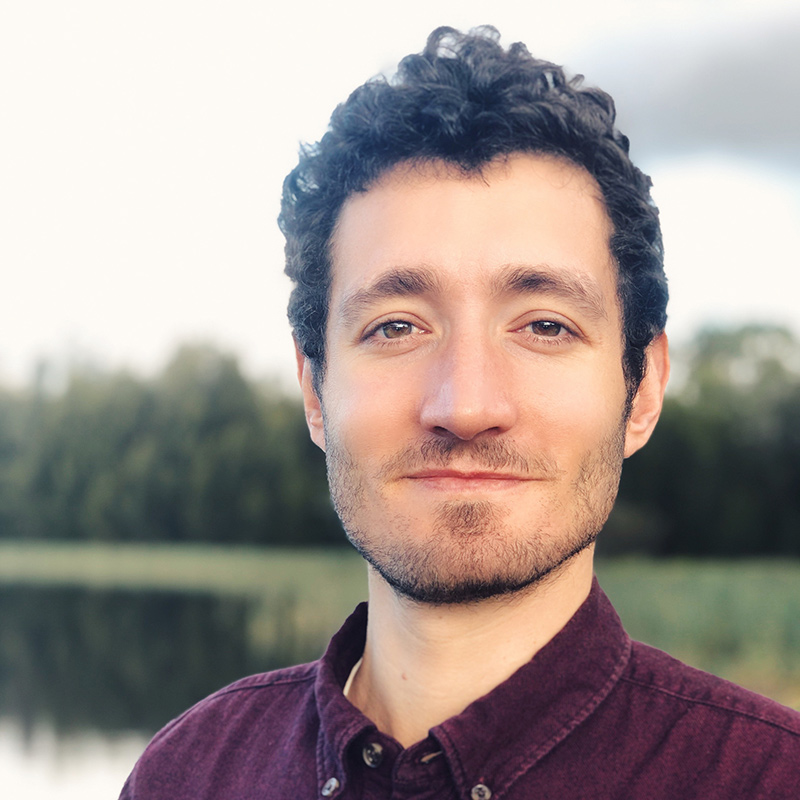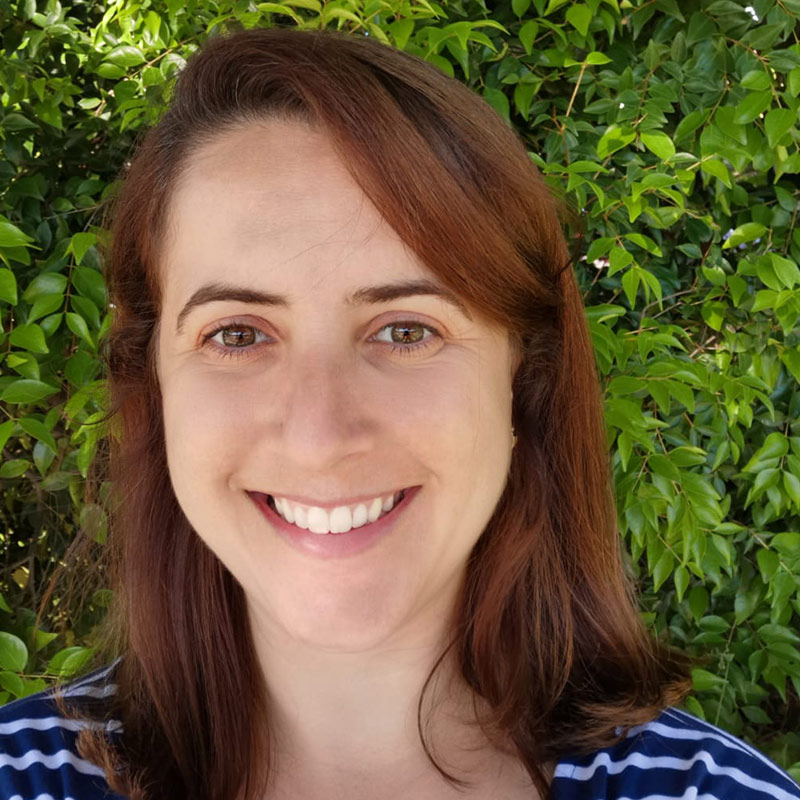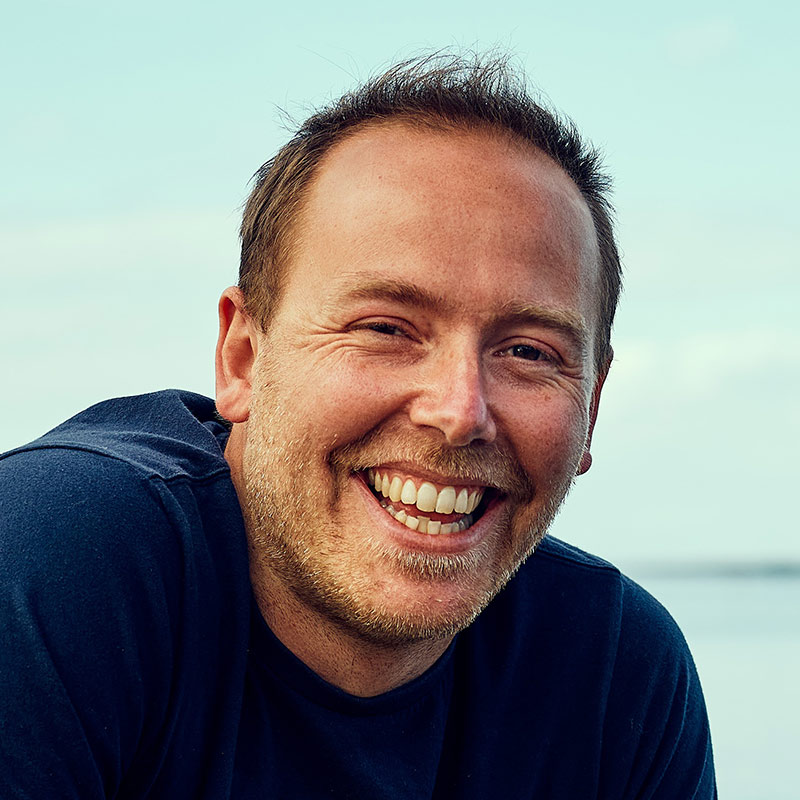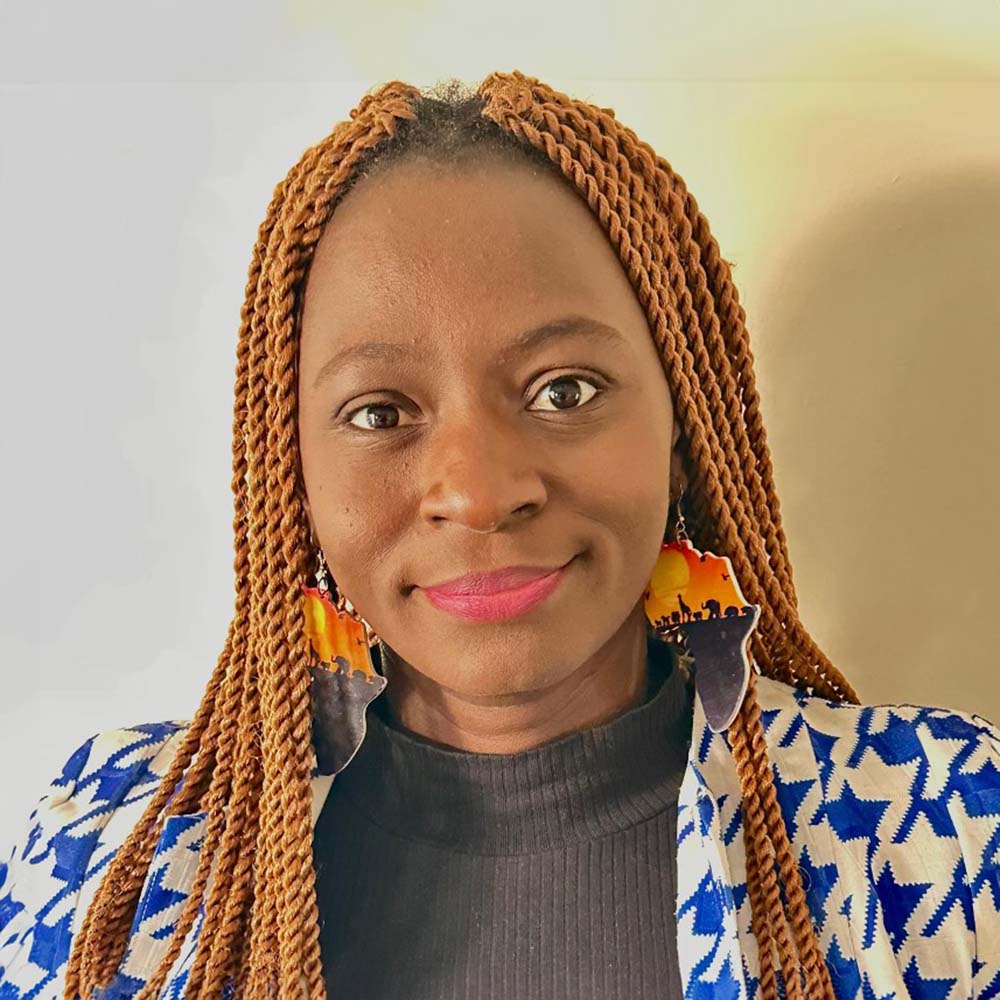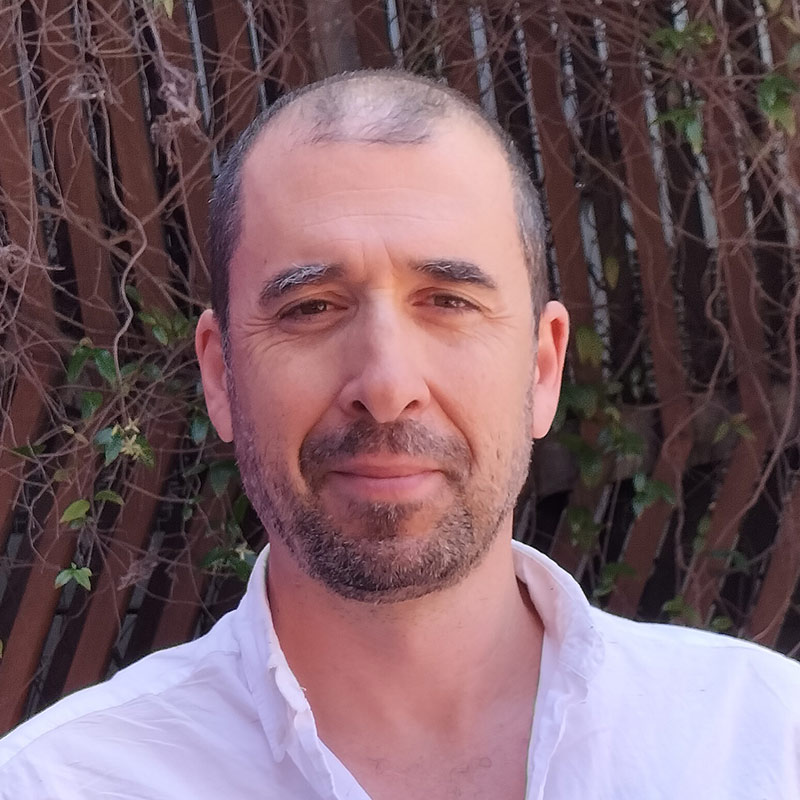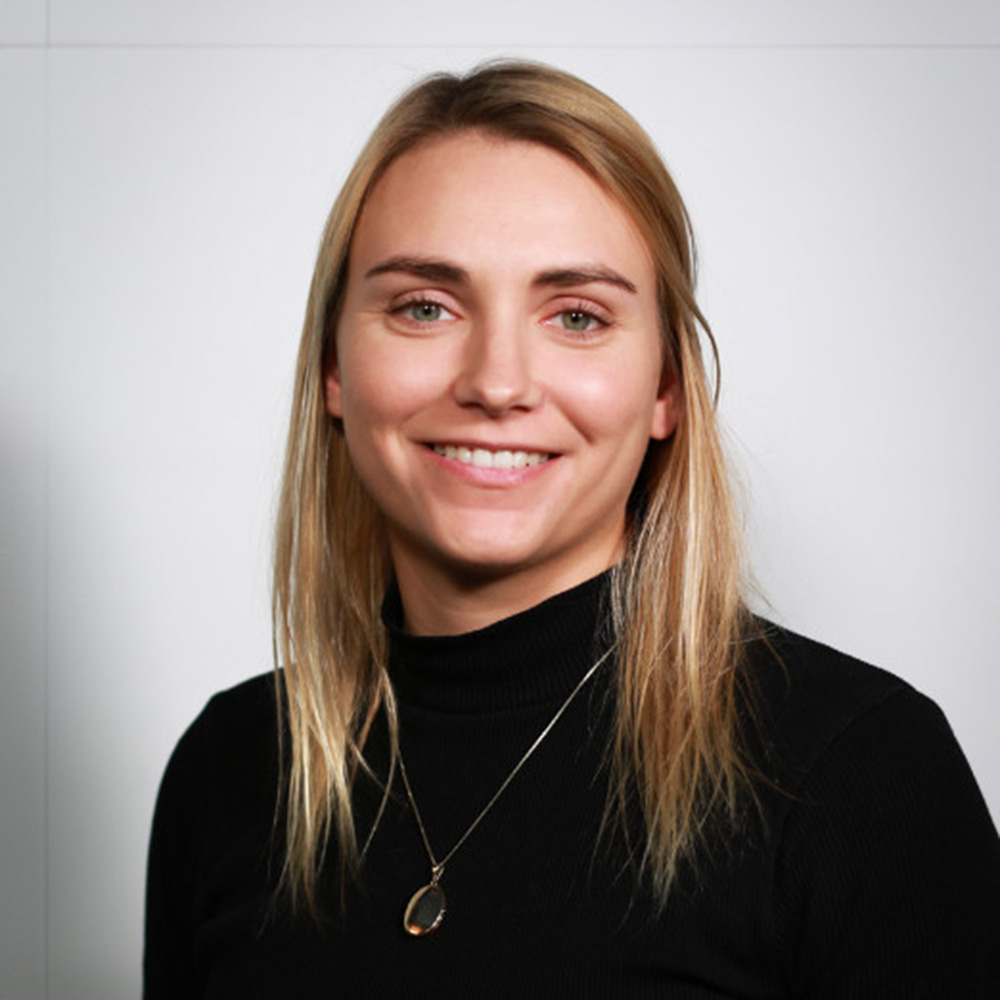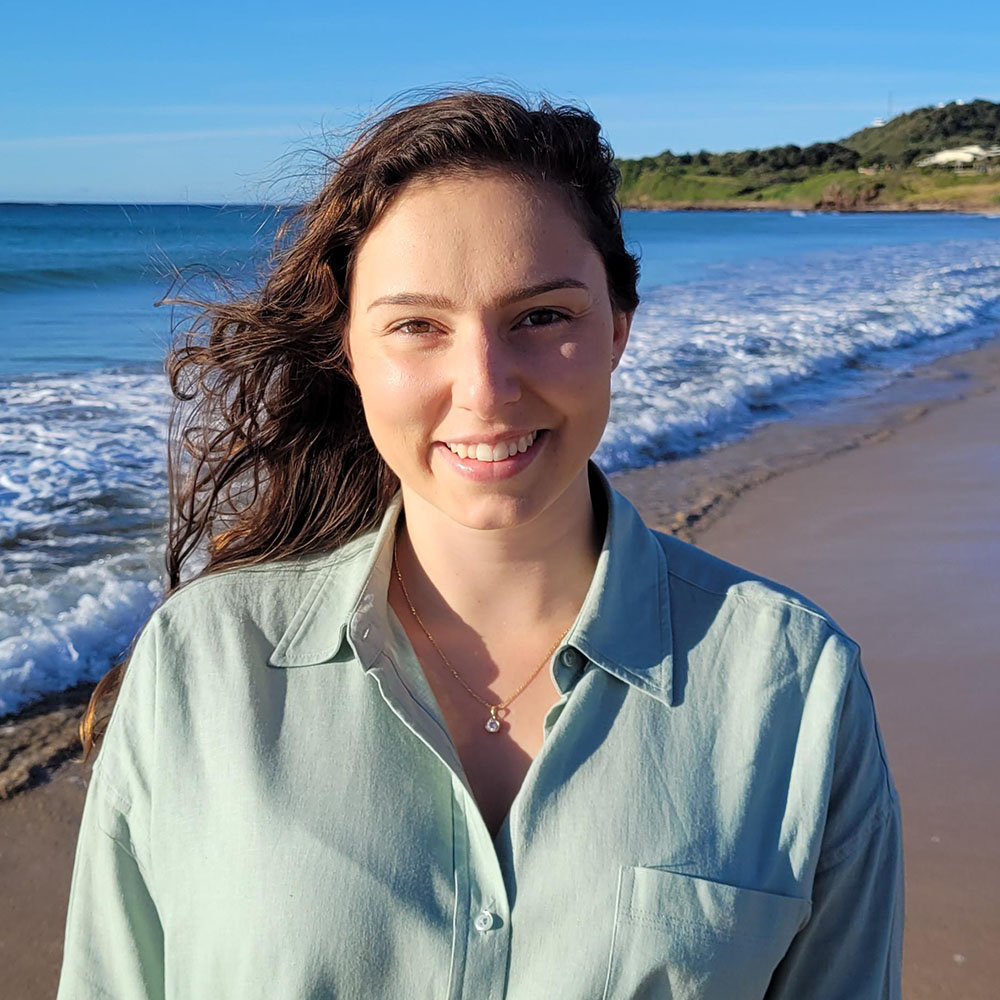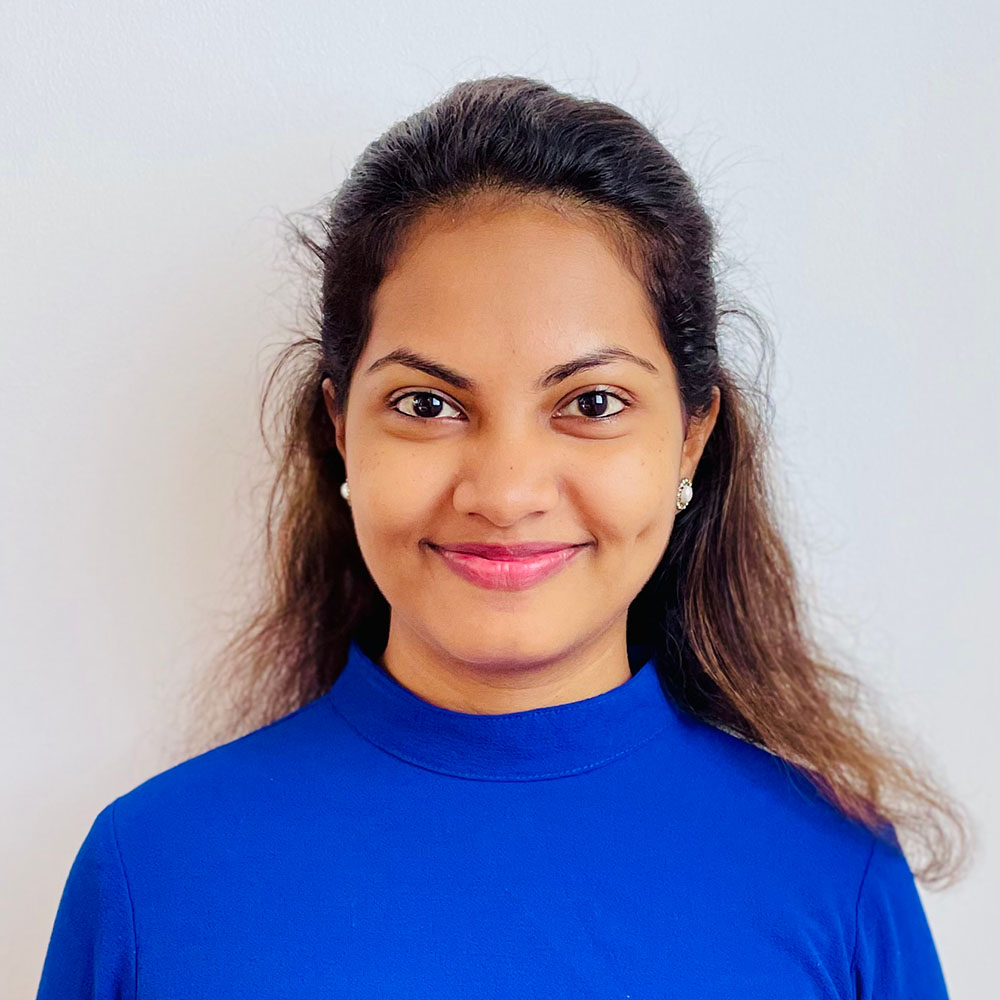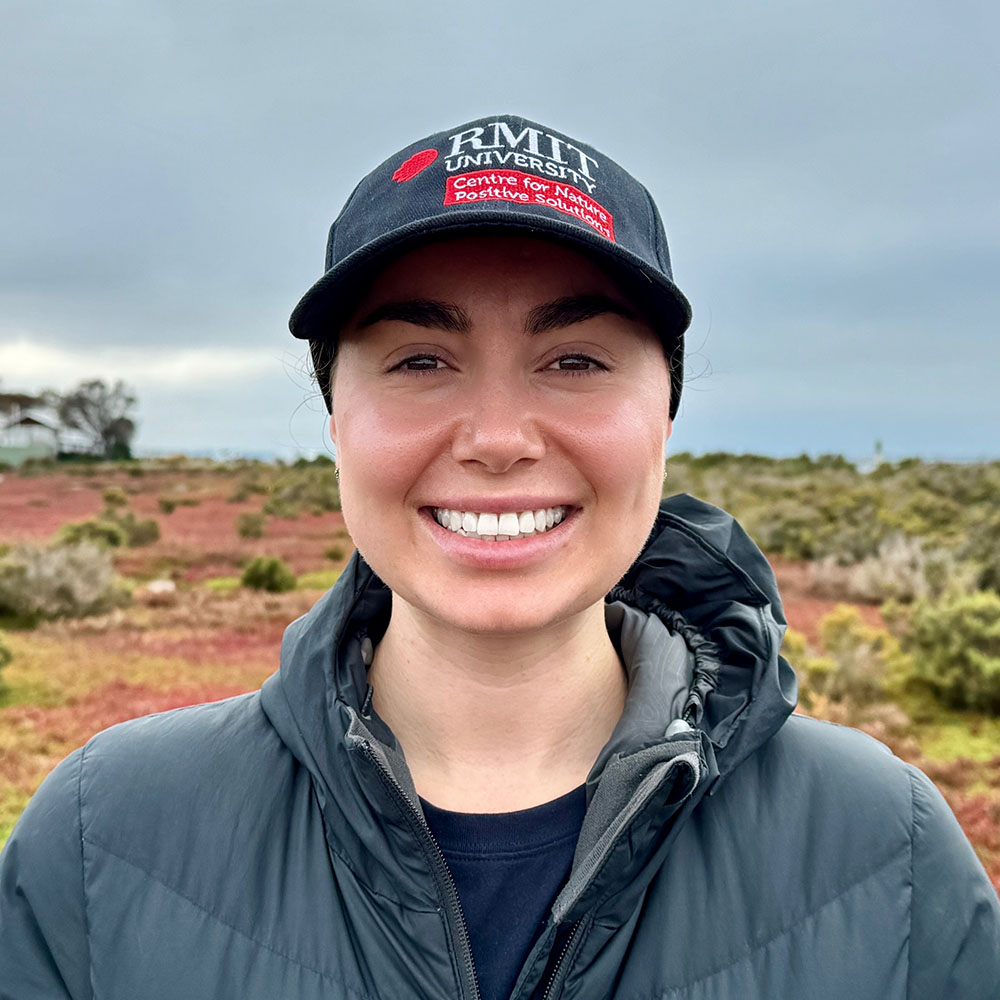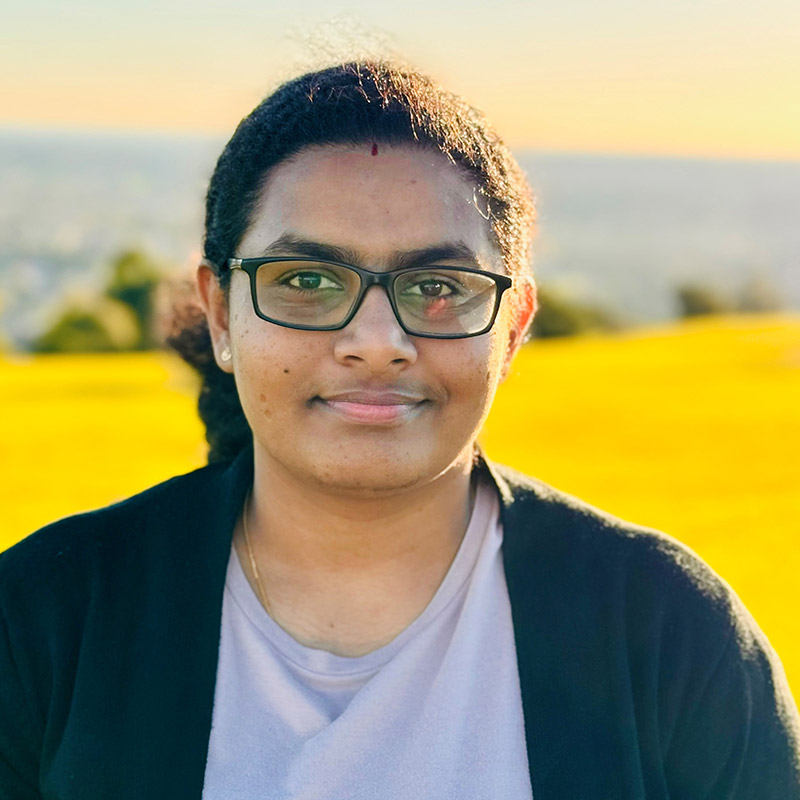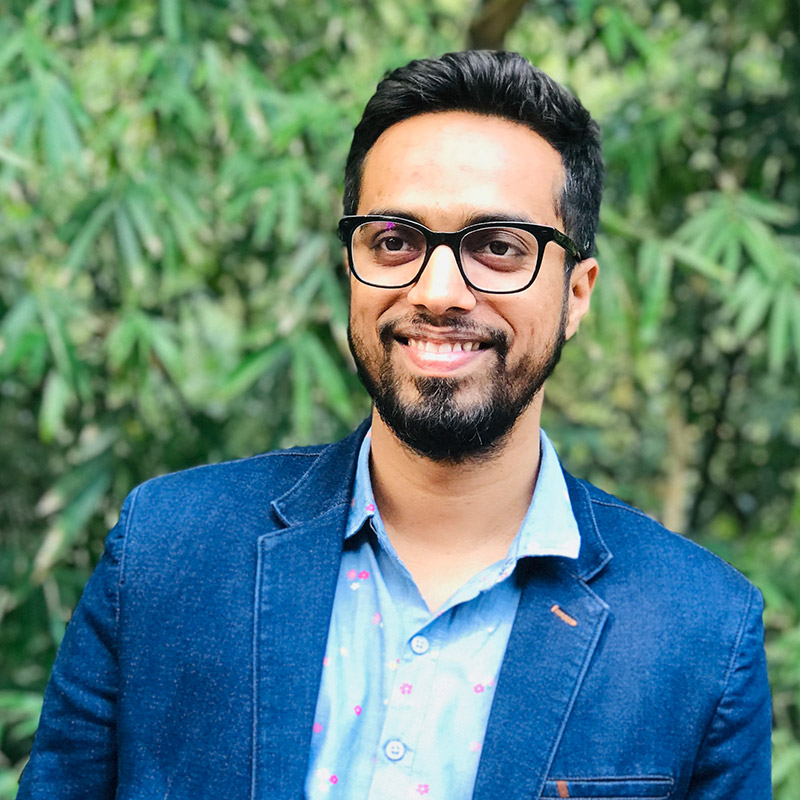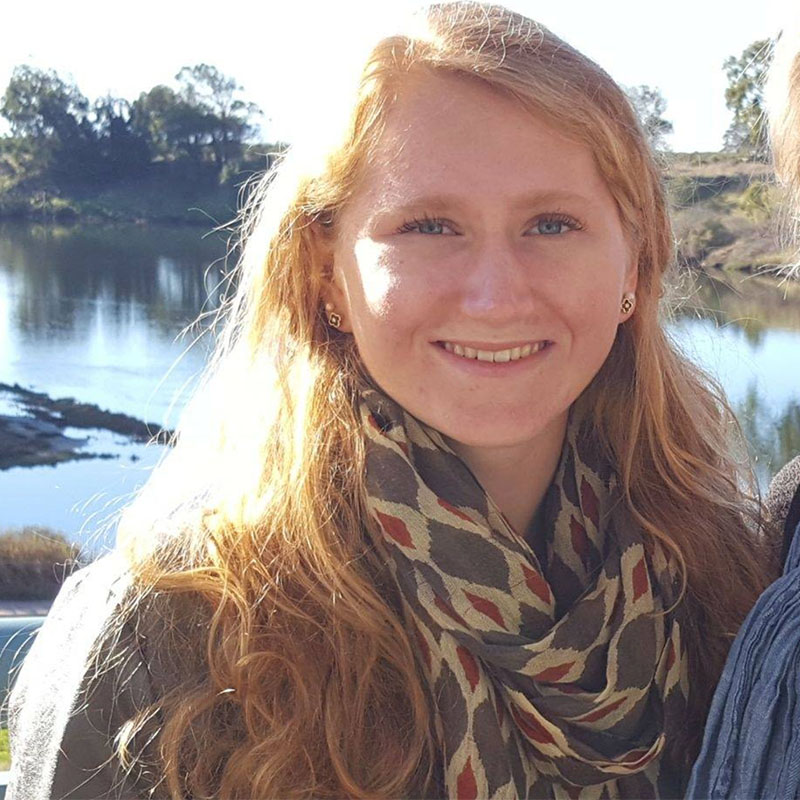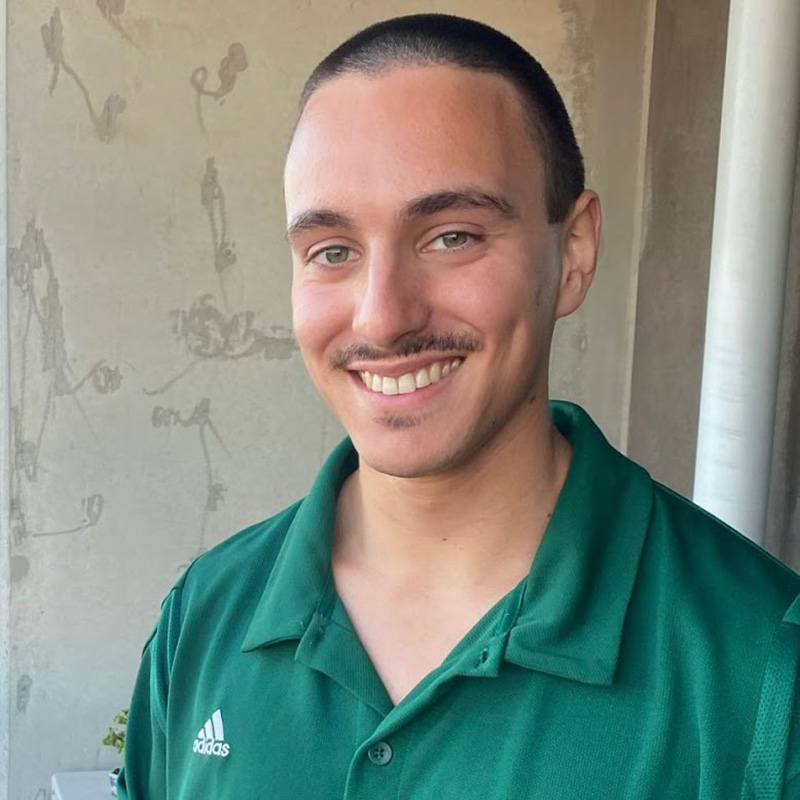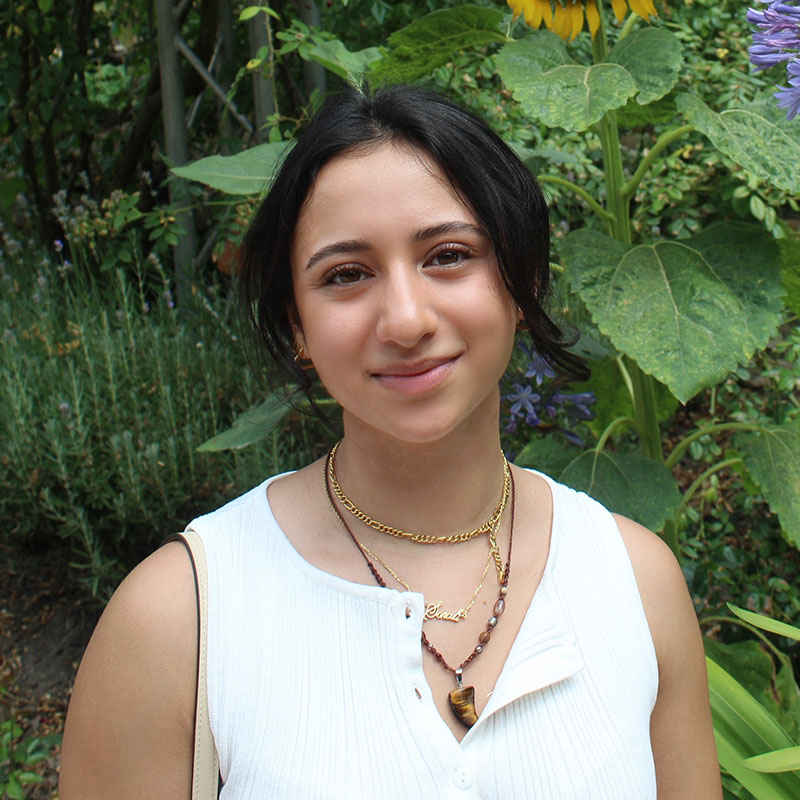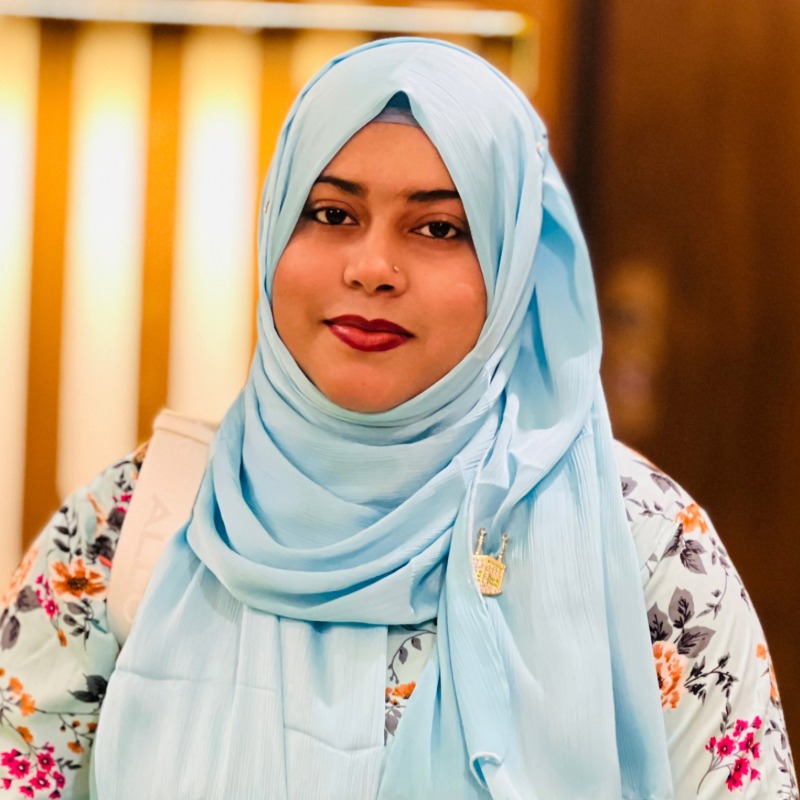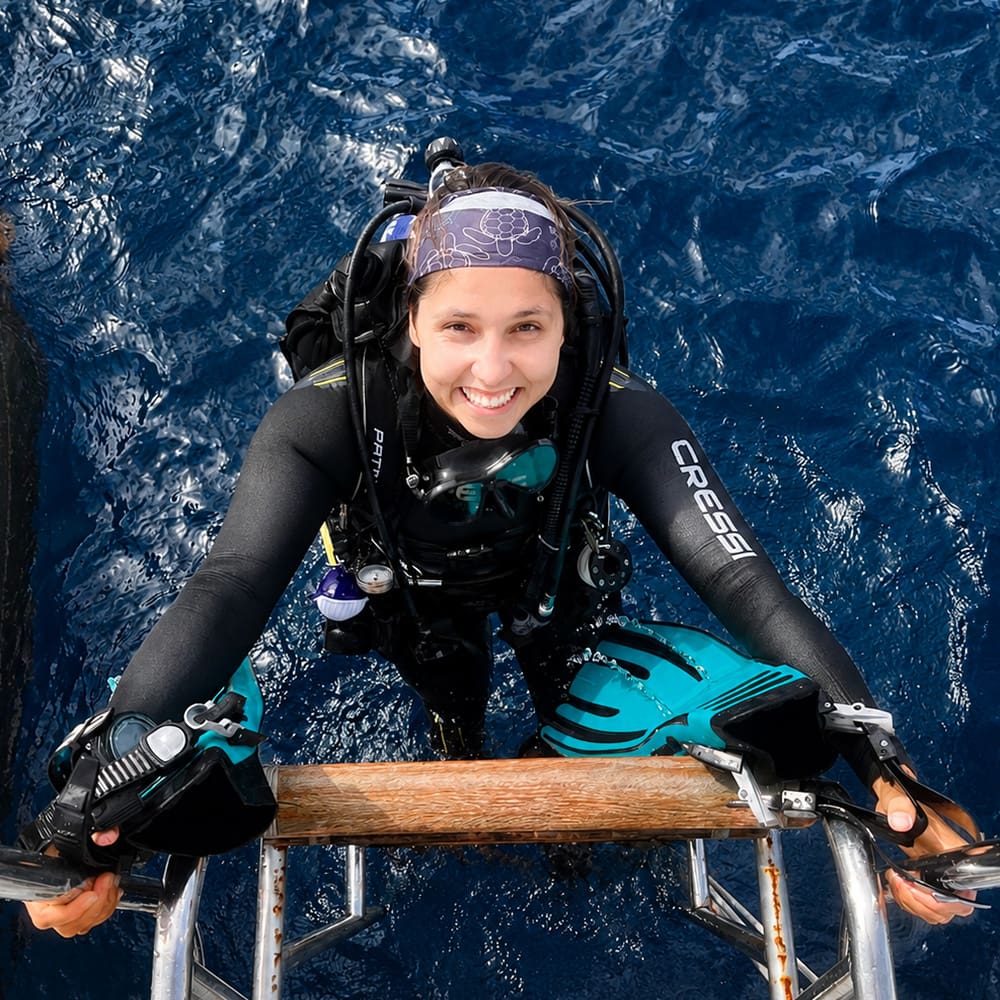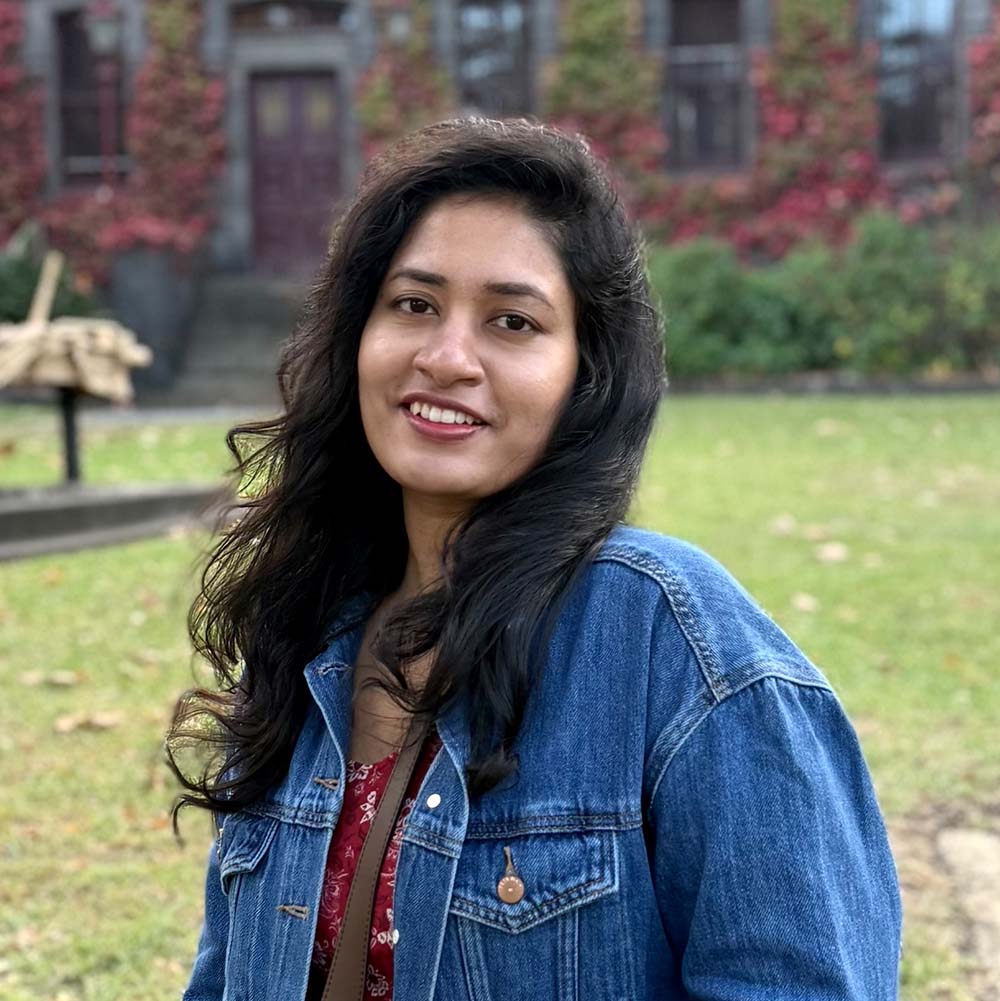
United by our passion for advancing nature positive solutions, we are an inclusive and multicultural group, representing seven nationalities and speaking seven different languages. Together, we leverage our diverse experience and skills to drive impactful research.
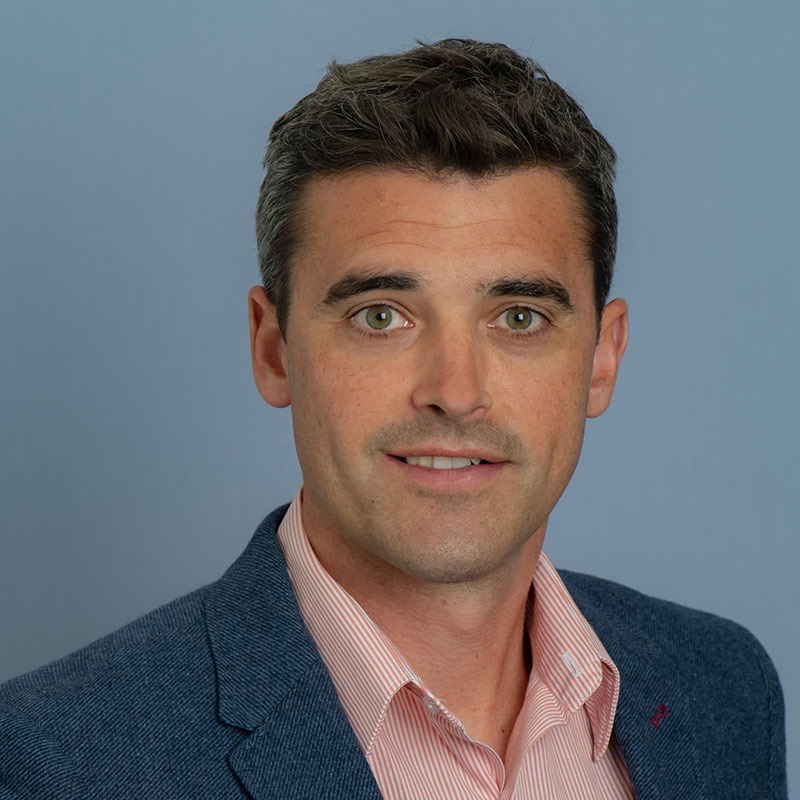
Peter is a global expert in natural climate solutions focused on translating science into policy.
Stacey leads research in wetland biogeochemistry and plant-soil-microbe interactions, including enhancing restoration outcomes.
Martino integrates new tech to enhance carbon and biodiversity monitoring in freshwater environments.
Micheli leads research on spatial science, modelling, decision science.
Paul leads natural capital accounting research, providing a business case for nature and tracking the benefits of restoration.
Maria leads multi-stakeholder research that empowers local communities and delivers nature positive outcomes.
Mel leads environmental research and on-ground implementation of coastal wetland restoration.
Tanveer leads research on the fate and impact of microplastics and urban stormwater engineering.
Lukas focuses on developing and implementing nature-based solutions to reduce greenhouse gas emissions and increase biodiversity in freshwater and coastal wetland ecosystems.
Anne explores the dynamics of wetland biogeochemistry and plant-soil interactions across both coastal and freshwater ecosystems, with a strong focus on nature-based solutions for climate adaptation and restoration.
Noyan has vast experience in monitoring marine and coastal ecosystems, including remote field campaigns.
Sabrina is an environmental scientist excited about new methods for coastal wetland restoration. At CNPS she is part of the Regenerating Our Coasts program.
Phebe is a marine ecologist passionate about repairing nature and mitigating climate change. At CNPS, she supports the Regenerating Our Coasts project, which uses biodegradable structures to restore coastal wetlands.
Teah is a plant ecologist and is part of the Regenerating Our Coasts team, which explores the use of biodegradable structures for coastal wetland restoration.
Anirban focuses on carbon biogeochemistry and carbonate chemistry of estuaries, coasts, and freshwater wetlands to mitigate greenhouse gas emissions through conservation and restoration.
With interests in climate justice, leadership, and communication, Krys's work spans research, editing, project management, and fundraising. She is passionate about translating technical content into stories that engage.
Graduate in Environmental Science, Management & Sustainability with a strong interest in coastal restoration and water resource management. Research assistant with the Regenerating Our Coast team, supporting science-driven restoration efforts
Alexandra focuses on integrating social dimensions into conservation programs, enhancing coastal restoration sustainability, promoting inclusive engagement, and climate solutions that strengthen people's connection with nature.
Nipuni’s research extent along the broad theme of effective coastal wetland management strategies with a special focus on global blue carbon markets and spatial mapping of future climate impacts on coastal wetlands.
Derrick’s research identifies barriers to blue carbon projects in Africa, develops ocean accounts of coastal wetlands, and enhances stakeholder engagement for climate action, biodiversity conservation, and sustainable development.
Chris explores the value of kelp forests; estimating ecosystem health and comparing restoration methods to provide a cost-benefit analysis for Natural Capital Accounting.
Nipunika's research explores nature-based management approaches to enhance farm dams, evaluating their costs, benefits, and practical adoption to promote sustainable farm dams in Australia.
Investigating seedbank composition and germination potential across Victorian saltmarsh habitats under varying environmental conditions to inform coastal wetland restoration.
Ahalya explores how regenerative tourism can support blue carbon ecosystem restoration, exploring stakeholder engagement, sustainability, and conservation incentives to drive ecosystem recovery and resilience.
Noman researches the impact of plastic pollution on blue carbon biogeochemistry using cutting-edge microbiology and mass spectrometry techniques.
Agustina is exploring how low-cost restoration shapes biodiversity and ecosystem function, combining ecological and environmental approaches to assess recovery in saltmarshes.
Yuxin's research focuses on the role of ocean alkalinity enhancement in removing atmospheric carbon dioxide and the potential ecological impacts that may arise during this process.
Hongxue's research focuses on the home field effect of litter decomposition in blue carbon ecosystems and the impact of microorganisms and invertebrates on the decomposition process.
Partho evaluates the impact of microplastics-induced dissolve organic matters on blue carbon mineralisation in the coastal wetland ecosystems using UV-Vis, fluorescence spectroscopy, FT-ICR-MS, and chromatographic procedures.
Whether you’re interested in partnering, collaborating, or just staying connected, we’d love to hear from you! Email us below or follow us on LinkedIn to keep up with our projects, news, and articles from our team. Let’s work together to create impactful change.
RMIT University acknowledges the people of the Woi wurrung and Boon wurrung language groups of the eastern Kulin Nation on whose unceded lands we conduct the business of the University. RMIT University respectfully acknowledges their Ancestors and Elders, past and present. RMIT also acknowledges the Traditional Custodians and their Ancestors of the lands and waters across Australia where we conduct our business - Artwork 'Sentient' by Hollie Johnson, Gunaikurnai and Monero Ngarigo.
More information