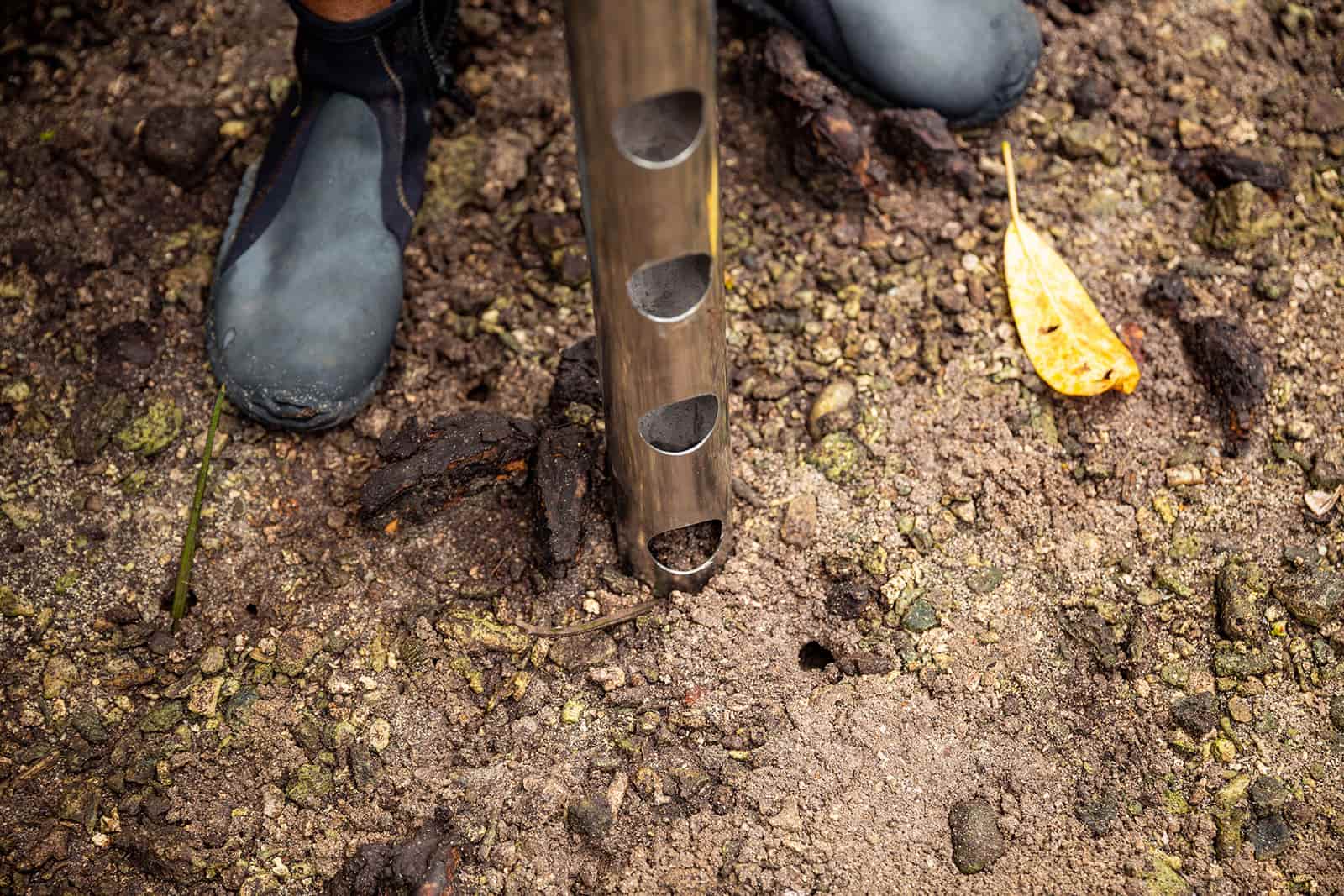
Our research reveals the vital role of freshwater and coastal wetlands in capturing and storing carbon, offering a powerful nature positive solution to climate change.
We advance understanding of how wetland carbon dynamics in natural, restored and artificial ecosystems contribute to climate mitigation and ecosystem health, stability and recovery, while developing and testing innovative tools to quantify carbon pools and fluxes. Our research quantifies carbon stocks, sequestration rates and greenhouse gas flux across coastal and freshwater wetlands, farm dams, and wastewater lagoons while evaluating threats to permanence and pathways for restoration. By integrating plant, soil and carbon science with policy design, restoration planning, and natural capital accounting, we support effective climate action and enable transparent, verifiable outcomes in carbon markets and ecosystem-based climate strategies.
Understanding and managing carbon in wetlands presents a key climate challenge. These ecosystems store vast amounts of carbon, also known as blue (marine/coastal) and teal (freshwater) carbon, but their degradation can release significant emissions. Accurately measuring wetland carbon stocks and flows is complex, requiring advanced science and long-term monitoring. Additionally, linking this knowledge to policy and land management is essential. Our goal is to protect and restore wetlands, while integrating carbon science into climate strategies that benefit both people and ecosystems.
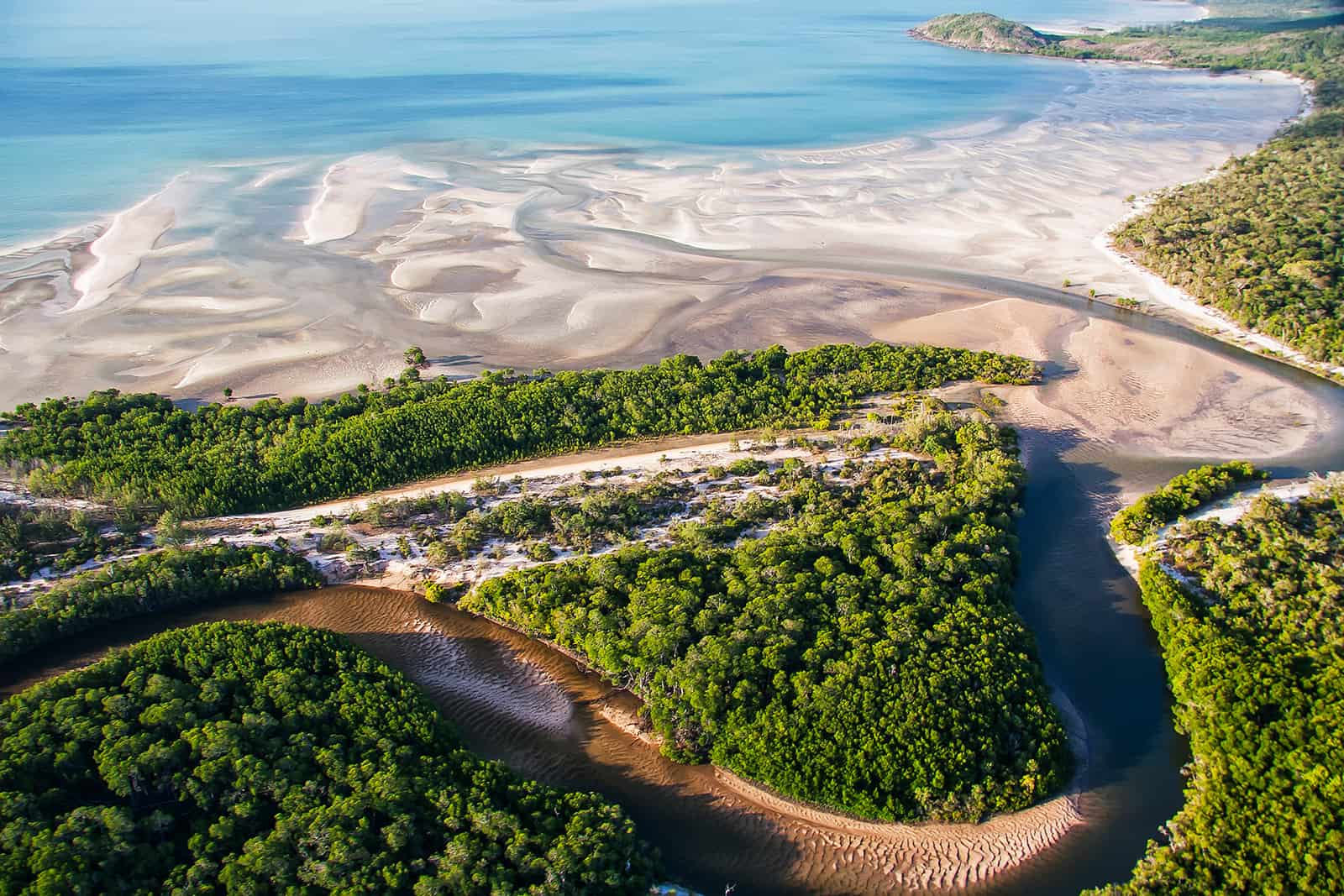
This program investigates spatial patterns of blue carbon storage and fluxes across different landscapes and spatial scales by modelling carbon dynamics to support restoration, climate mitigation, and nature-based policy and investment decisions.
This program will deliver high-resolution maps and models of blue carbon storage and fluxes across diverse coastal wetland landscapes and spatial scales. By quantifying blue carbon dynamics, we will improve accuracy in blue carbon accounting and identify suitable areas for conservation and restoration. Outcomes include new datasets to support national greenhouse gas inventories, evidence to strengthen blue carbon methodologies, and tools for policy integration. The program will also inform investment strategies in carbon markets and nature-based solutions, advancing both ecological resilience and climate mitigation while creating pathways for community and stakeholder engagement in coastal management.
Senior Research Fellow
 City Campus Australia
 School of Science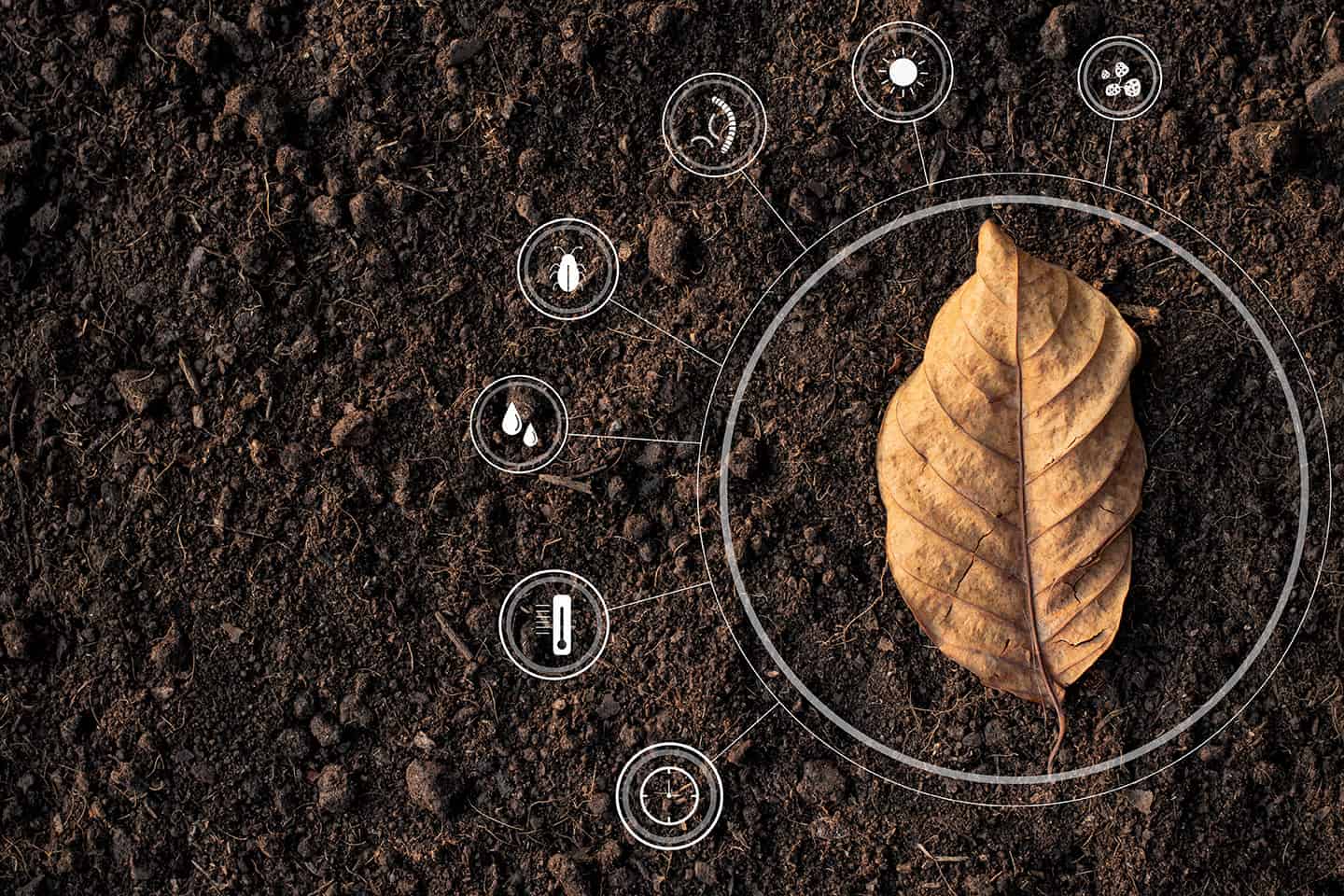
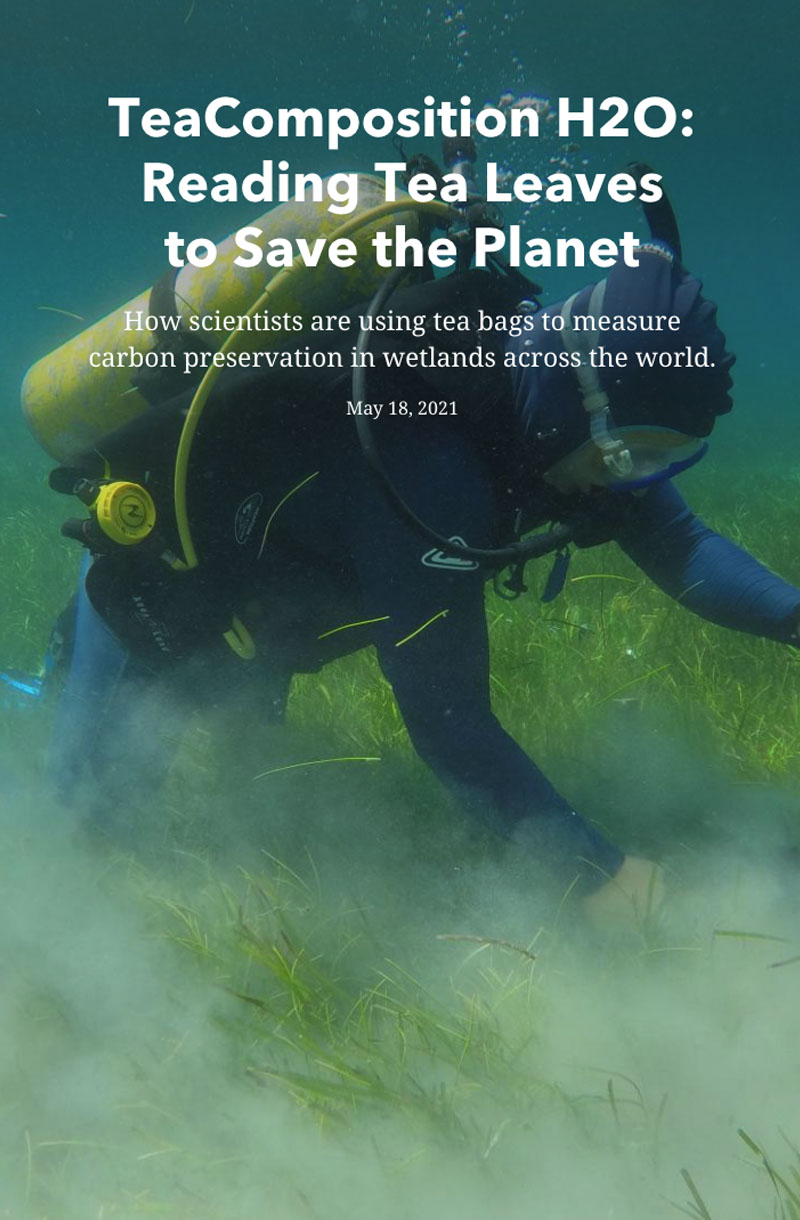
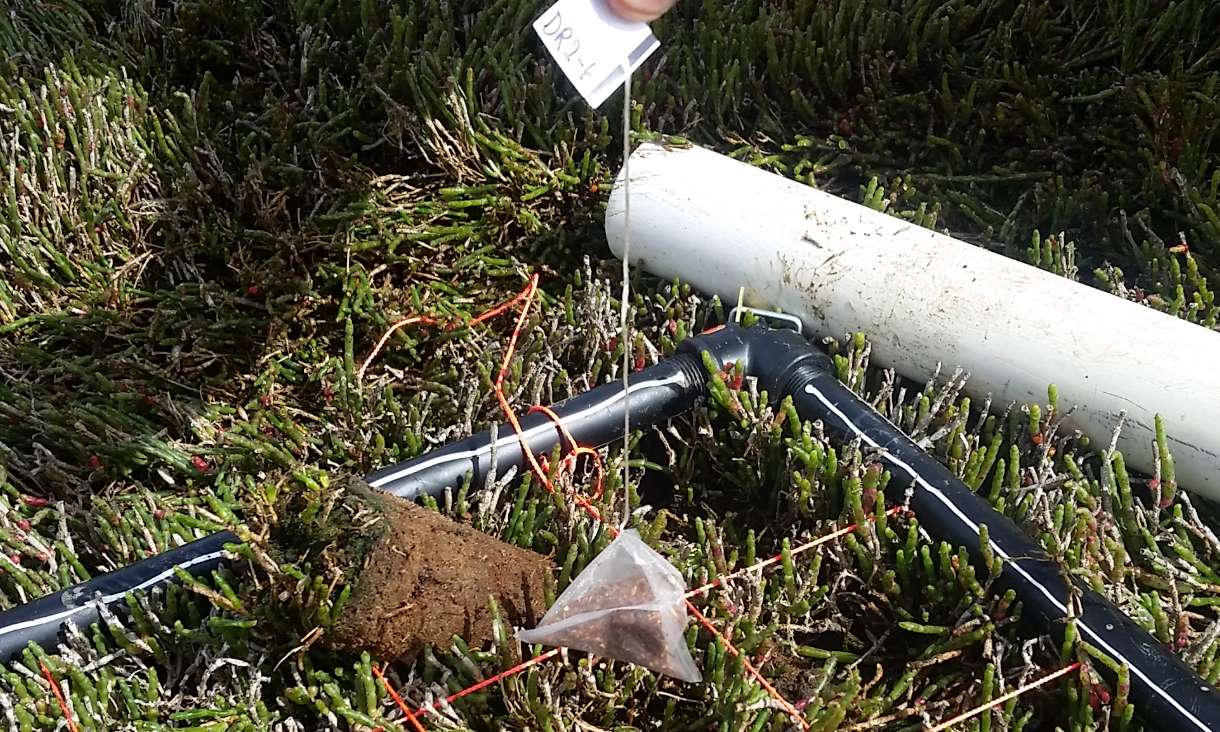
Decomposition is nature’s way of recycling, turning dead plant material into nutrients and helping accumulate carbon in the soil. This research examines the decomposition of local plants, or standardised tea bags, to understand how wetlands preserve carbon and regenerate soil functions after restoration. One key program, TeaCompositionH2O, uses green and rooibos tea bags to measure decomposition worldwide, spanning 28 countries.
This program will transform how we understand and restore coastal wetlands putting soil functions at the forefront. By investigating how plant decay changes under different land uses and climate scenarios, we will develop new tools to measure ecosystem health, helping improve biodiversity and climate resilience. The results will inform restoration strategies globally, fostering future international partnerships and contributing to nature-based pathways for coastal conservation, valuation and management.
Academic publications |
| Climate Effects on Belowground Tea Litter Decomposition Depend on Ecosystem and Organic Matter Types in Global Wetlands Environmental Science & Technology |
| All tidal wetlands are Blue Carbon ecosystems BioScience |
| Plant litter composition and stable isotope signatures vary during decomposition in blue carbon ecosystems Biogeochemistry |
| Ecosystem type drives tea litter decomposition and associated prokaryotic microbiome communities in freshwater and coastal wetlands at a continental scale Science of the Total Environment |
Selected media |
| Warming temperatures may shrink wetland carbon sinks (RMIT media release, December 2024) |
Online tools and resources |
| TeaComposition H2O: Reading tea leaves to save the planet (StoryMap) |
Senior Lecturer
City Campus Australia School of Science
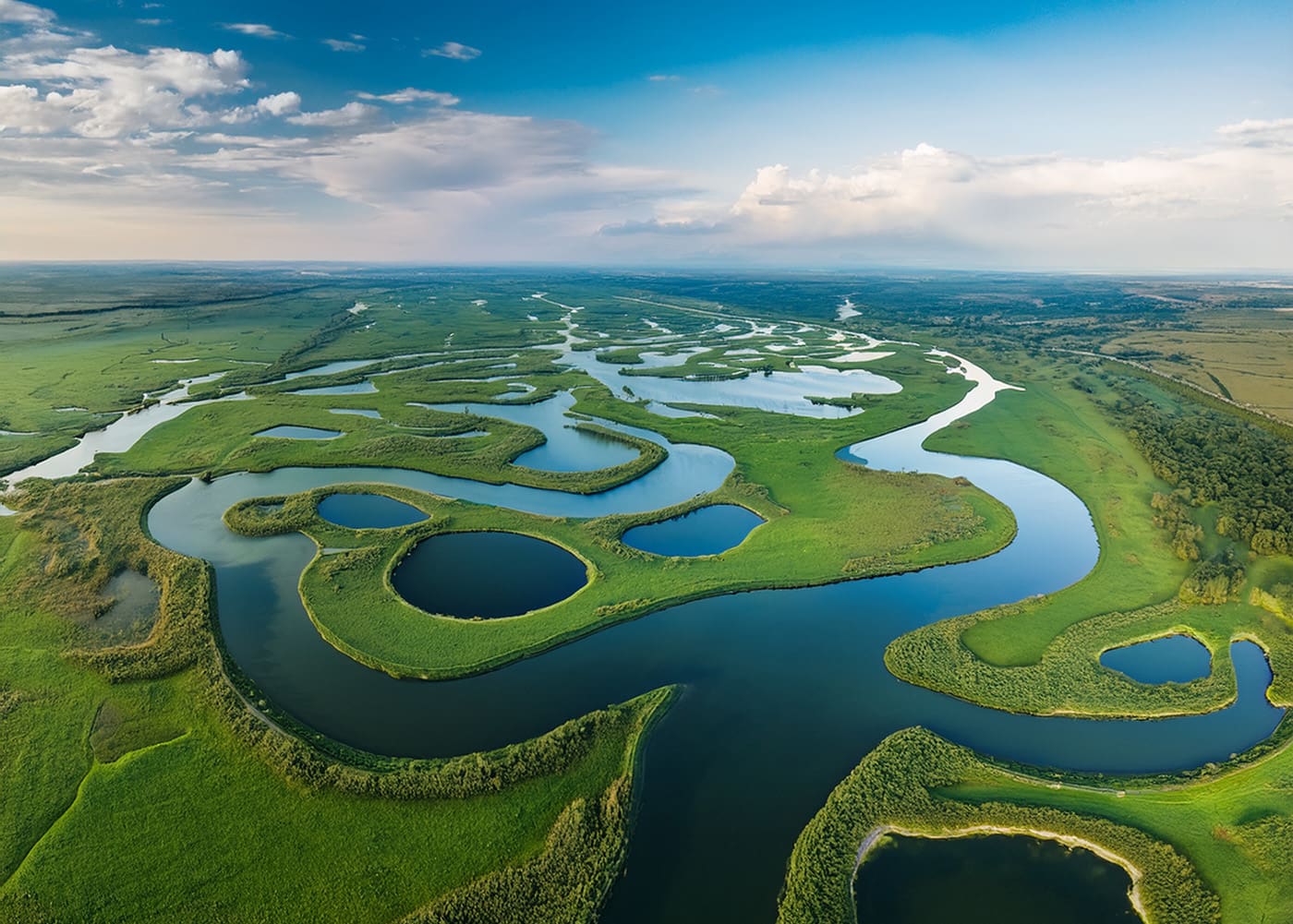
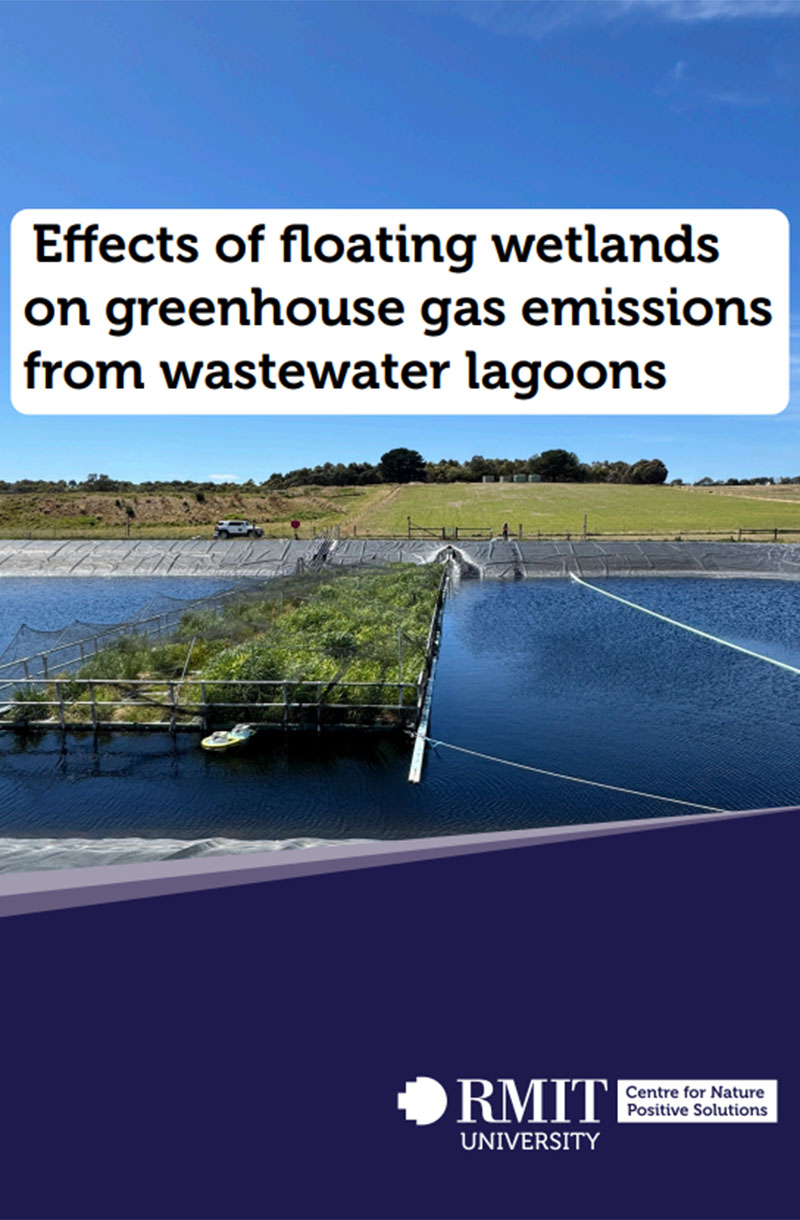
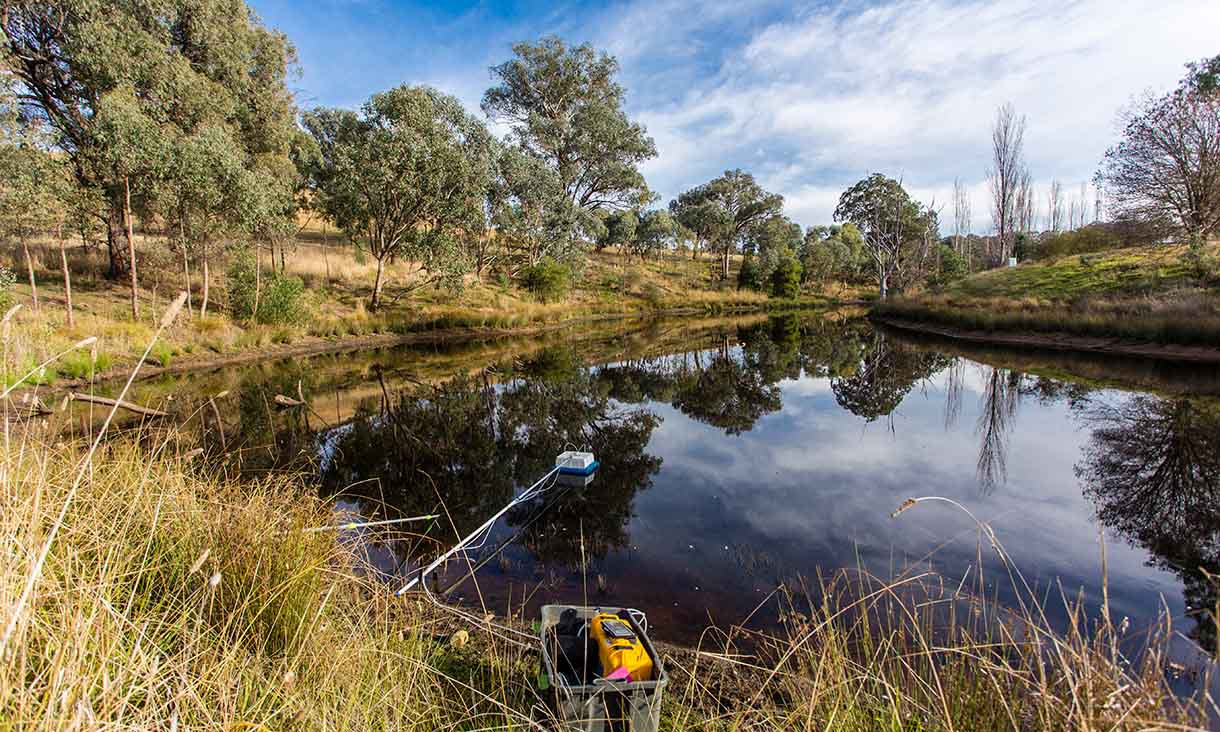
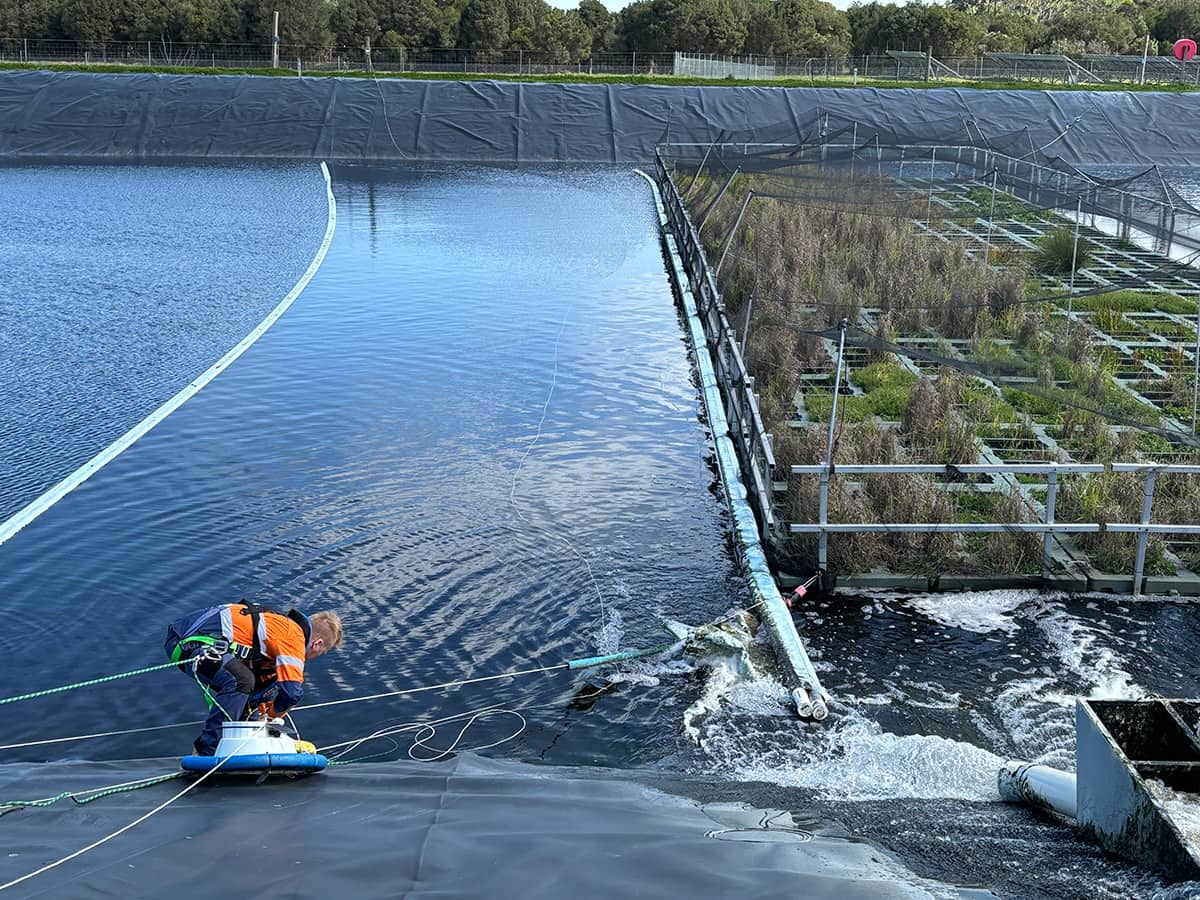
Greenhouse gas emissions from farm dams, wetlands, and wastewater lagoons are poorly understood and often underreported. This project closes that gap by measuring emissions with Pondi loggers, applying advanced modelling to analyse and upscale the data, refining emission factors, and strengthening national reporting accuracy.
Australia’s National Inventory Report will benefit from more precise estimates of methane and nitrous oxide emissions from aquatic ecosystems. More accurate accounting will strengthen Australia’s credibility in international climate negotiations and better inform policy and incentive frameworks. Farmers and water utilities will gain recognition for emissions reductions achieved through management interventions, unlocking access to carbon markets. Ultimately, the project will align national reporting with on-the-ground science and create clearer pathways for effective mitigation strategies and investment.
Academic publications |
| Including methane emissions from agricultural ponds in national greenhouse gas inventories Environmental Science & Technology, 2024 |
|
Methane emissions from agricultural ponds are underestimated in national greenhouse gas inventories Communications Earth & Environment, 2022 |
|
Methane and nitrous oxide emissions complicate the climate benefits of teal and blue carbon wetlands One Earth, 2022 |
Online tools and resources |
|
Farm dam emission model (GitHub) |
Senior Lecturer
City Campus Australia School of Science
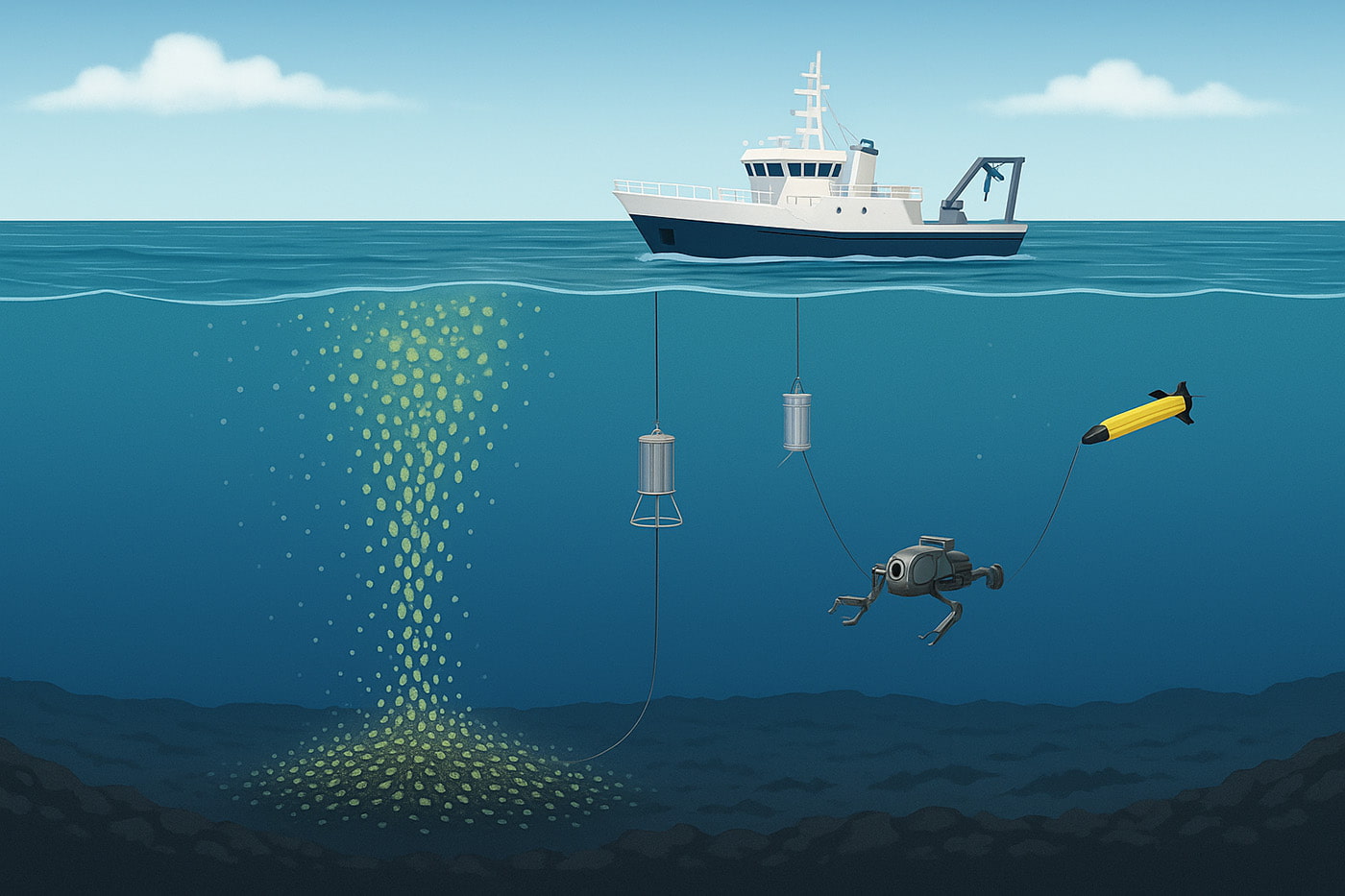
This program investigates the feasibility, effectiveness, and risks of ocean alkalinity enhancement (OAE) as a marine carbon dioxide removal (CDR) strategy. It evaluates material sourcing, carbon removal efficiency, environmental outcomes, financial viability, monitoring and verification strategies, and governance frameworks. The goal is to support the development of responsible, scalable OAE approaches aligned with climate, ecological, and societal priorities.
The research will deliver a scientific and policy evidence base to inform whether, how, and where OAE could be responsibly deployed in Australia and beyond. Outcomes will include:
Professor
City Campus Australia School of Science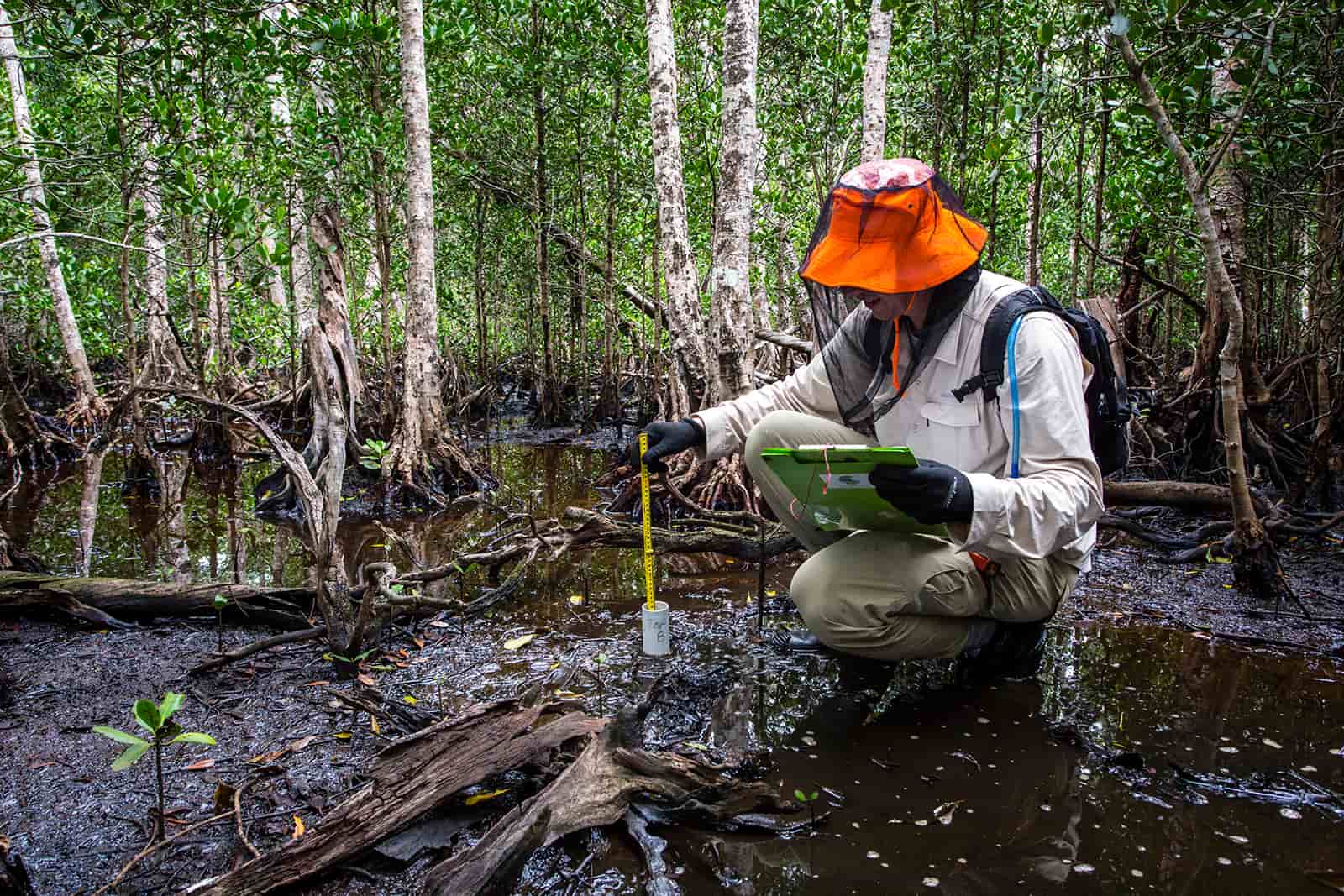
Plastic waste is widespread in terrestrial and marine environments, including coastal wetlands like mangroves, seagrasses, and salt marshes, collectively known as Blue Carbon Ecosystems (BCEs). These ecosystems sequester disproportionately large amounts of atmospheric carbon and terrestrial organic matter, helping mitigate climate change. However, increasing plastic pollution contributes to sediment carbon pools, potentially impacting global carbon storage and sequestration capacities. Altered microbial processes due to microplastics may also release stored carbon as CO2. This PhD project investigates how different plastics, and other co-contaminants affect the carbon sequestration capacity of BCEs, focusing on microbial responses, metabolites composition and greenhouse gas emissions.
Mohammad Abu Noman (mohammad.abu.noma@rmit.edu.au)
Ocean Alkalinity Enhancement (OAE) is a promising marine carbon dioxide removal strategy, yet its environmental implications remain uncertain. This PhD project will investigate key biogeochemical and ecological responses to the addition of alkaline substances in coastal and marine systems. Laboratory and mesocosm experiments will assess impacts on water chemistry, trace metal mobilisation, and ecosystem health under varying environmental conditions. The research aims to identify safe and effective pathways for OAE deployment, generate data to inform regulatory frameworks, and support the development of monitoring, reporting, and verification (MRV) strategies for large-scale climate intervention.
Yuxin Bi (s4148056@student.rmit.edu.au)


RMIT University acknowledges the people of the Woi wurrung and Boon wurrung language groups of the eastern Kulin Nation on whose unceded lands we conduct the business of the University. RMIT University respectfully acknowledges their Ancestors and Elders, past and present. RMIT also acknowledges the Traditional Custodians and their Ancestors of the lands and waters across Australia where we conduct our business - Artwork 'Sentient' by Hollie Johnson, Gunaikurnai and Monero Ngarigo.
Learn more about our commitment to Aboriginal and Torres Strait Islander peoples
