People

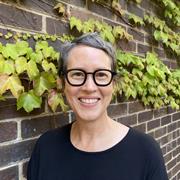
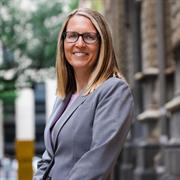
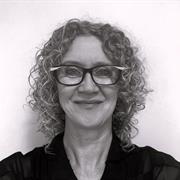
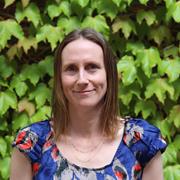
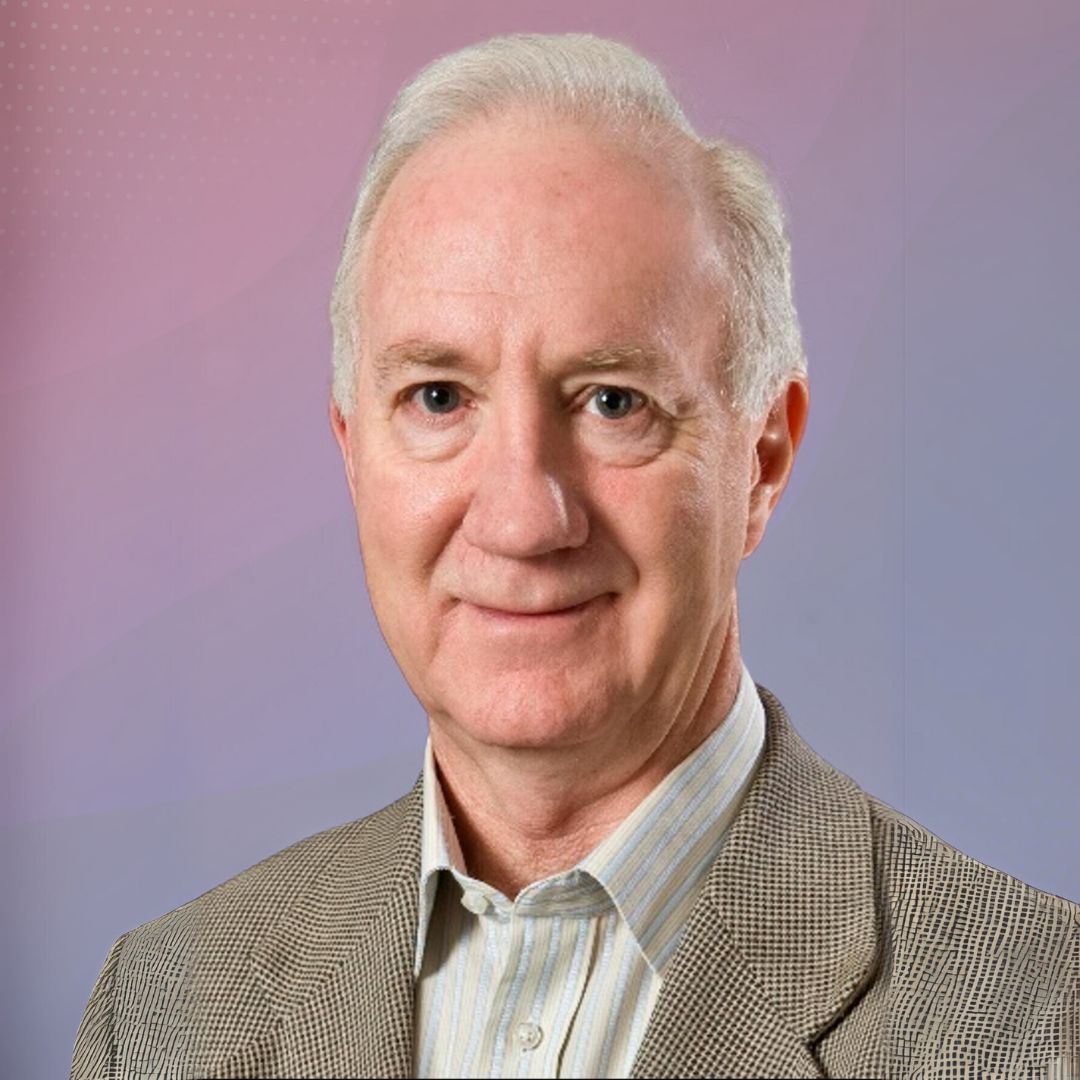
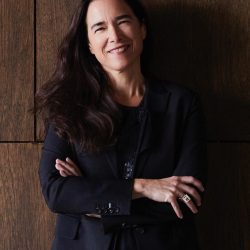
Professor Libby Porter is the Director of the Centre for Urban Research

As a scholar of cities, Libby is motivated by the need to address urgent social and ecological injustices that stem from urbanisation processes. Her research aims to sharpen our understanding about the relationship between land and housing justice, the displacing effects of urban renewal and gentrification, critical questions of urban governance, the impact of mega-events, urban sustainable development, and the politics of urban property. In her work and life, Libby attempts to reckon with the politics and practices of learning, as a non-Indigenous person, to live lawfully on Country.

Her books include Unlearning the Colonial Cultures of Planning (2010 Ashgate), Planning for Coexistence? (with Janice Barry Routledge 2016) and Planning in Indigenous Australia: From imperial foundations to postcolonial futures with Sue Jackson and Louise Johnson (Routledge 2018). Libby has worked in urban policy and planning practice and taught in planning and geography schools in the UK and Australia. She co-founded Planners Network UK, a progressive voice for radical planning in the UK, is a member of the International Network of Urban Research and Action, and is a Fellow of the UK Higher Education Academy.

Libby is always keen to speak with students interested in pursuing postgraduate study in areas related to her research interests especially in the fields of settler-colonial urbanism, social housing policy, critical property studies, gentrification and urban regeneration.

The Centre for Urban Research consists of a number of Centre-based researchers from across RMIT University, PhD students and honorary members, including colleagues from local, national and international institutions.
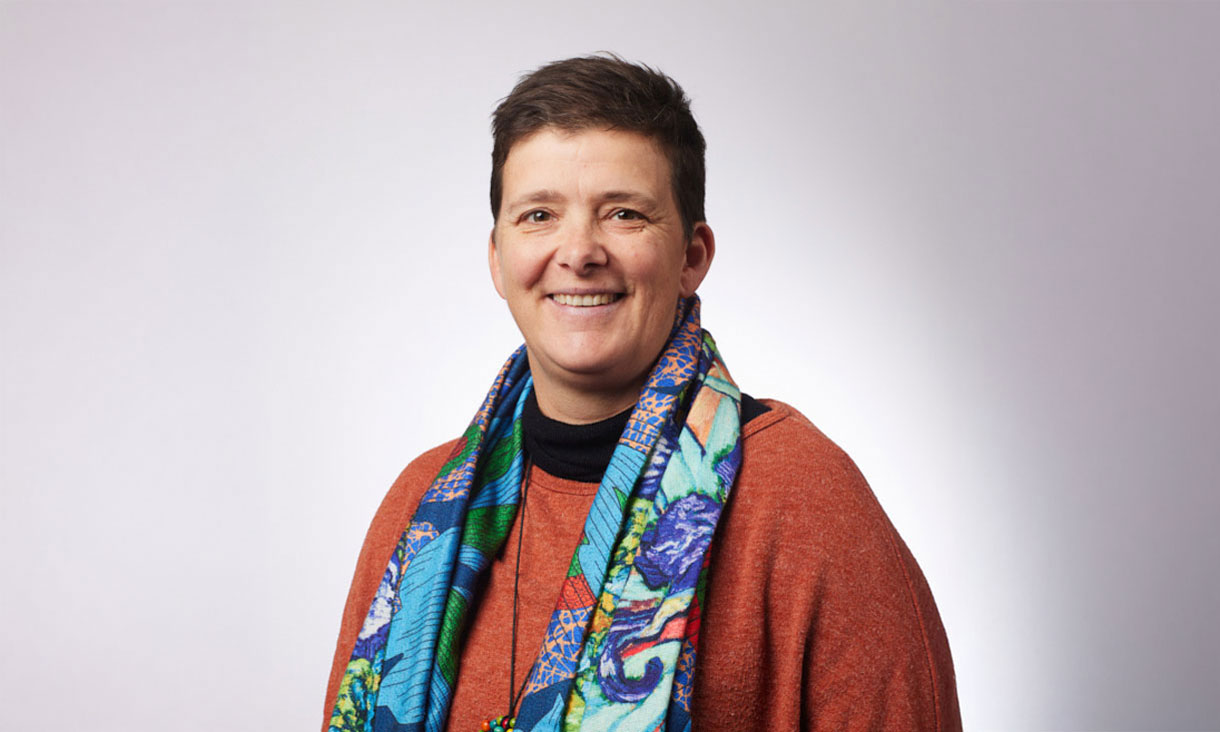
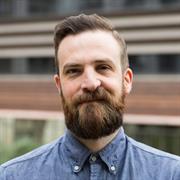
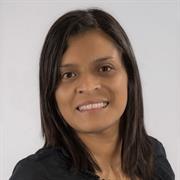
Associate Professor Benjamin Cooke

Associate Professor

  • Location City Campus Australia
  • Department School of GUSS
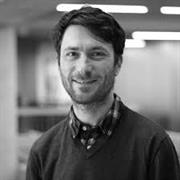
Ben is a passionate teacher in environmental studies and sustainability, with a strong research focus on the social and political dimensions of nature conservation. Ben is an Associate Director of the Centre for Urban Research and theme leader of 'Geographies of Land, Home and Place'. Ben's research interests in nature conservation are driven by the idea that conservation is a fundamentally social and political process, where justice and equity for people and ecologies is not achieved by simply creating National Parks, for example. How we do conservation, who is involved and who is excluded are all fundamental questions that need to be addressed. Ben's teaching interests include environmental planning and management, applied socio-environmental research skills and the history of environmental ideas for sustainability and conservation. Ben particularly enjoys working with students in the Bachelor of Environment and Society as they develop their capstone projects, work on applied projects and build their critical knowledge of environmental studies. Industry experience: Ben has worked with a range of organisations in his teaching and research capacity at RMIT, including The Department of Environment, Energy and Climate Action (DEECA), The Stockholm Resilience Centre, The Australian Land Conservation Alliance (ALCA), Friends of the Earth (FoE), Land for Wildlife (LfW), Traditional Owner Corporations in Victoria and a host of local government and community organisations. Awards: RMIT Award for Excellence - Early Career Teaching category (2017) Early Career Research Achievement Award - School of Global, Urban and Social Studies (2018)

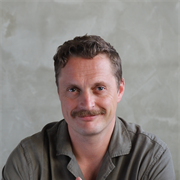
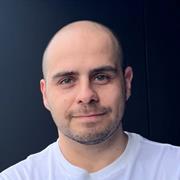
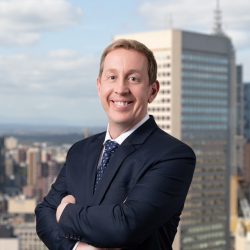
Mr. David Kenny

Lecturer - Construction Management

  • Location City Campus Australia
  • Department School of PCPM

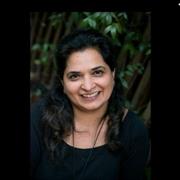
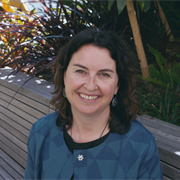
Dr. Iris Levin Azriel

Senior Lecturer, Sustainability & Urban Planning

  • Location City Campus Australia
  • Department School of GUSS
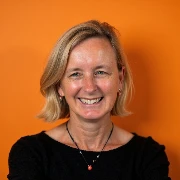
Dr Iris Levin is an architect, urban planner, teacher and researcher. She has a passion for working with diverse communities and understanding the effects of migration on the built environment. She is interested in housing, social planning, migration and social diversity in cities. Iris is Senior Lecturer at the Department of Sustainability and Urban Planning. She gained her PhD from the University of Melbourne and joined RMIT University in 2021 after working at Swinburne University, in the community sector and Flinders University. Iris has a Master’s in Urban and Regional Planning and a B.Arch. in Architecture, gained from the Technion, Israel. Iris’s research focuses on issues around housing, the built environment, migration, diversity, disadvantaged communities and social mix in the city. She often uses qualitative and visual methodologies and analyses and has experience in longitudinal research. Iris is the lead editor of an edited book Migration and Urban transitions in Australia (Palgrave, 2022). In 2016 she published Migration, Settlement, and the Concept of House and Home (Routledge), focusing on migrant settlement practices in their homes in Australia and Israel, and since then has worked on research projects dealing with public housing, urban renewal projects and social mix, urban belonging and public urban space, and neighbour relations in high-density housing arrangements. Iris has published extensively for academic and industry audiences and has presented her work in different forums and conferences. She has taught various undergraduate and postgraduate subjects in planning, social diversity and the built environment. Iris often contributes to community engagement panels and forums supporting local councils in engaging residents.

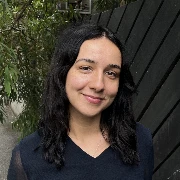
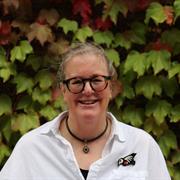
Dr. Sarah Foster

Associate Professor

  • Location City Campus Australia
  • Department School of GUSS
Sarah is an Australian Research Council Future Fellow and Associate Director of the Centre for Urban Research 'Planning & Transport for Healthy Cities' theme. She leads a program of applied research designed to influence policy and practice to create healthier built environments. This includes ‘The High Life Study’ which examines the interplay between apartment design policy standards, the design of contemporary apartment buildings, and residents’ health and well-being, and an ARC Discovery Project on apartment residents' use of public open space. She is a member of the West Australian State Design Review Panel and Senior Assistant Editor with the journal ‘Environment and Behavior’.

Dr. Afshin Jafari

Vice Chancellor's Postdoctoral Research Fellow (Level B)

  • Location City Campus Australia
  • Department School of GUSS
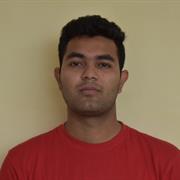
Dr Afshin Jafari is a Research Fellow at the Centre for Urban Research. His work focuses on using computational methods to explore pathways to promote active and sustainable transport, including cycling, walking, public transport, and electric mobility. Dr Jafari is one of the lead developers of the Activity-based and agent-based Transport model of Melbourne, known as AToM, a large-scale and open-source simulation model for Greater Melbourne. He is also leading the development of the Victoria Bicycle Simulation and Prioritisation Modelling tool.

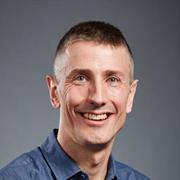
Dr. Chris De Gruyter

Senior Research Fellow

  • Location City Campus Australia
  • Department School of GUSS
Chris De Gruyter is a Senior Research Fellow in the Centre for Urban Research. He is currently undertaking an Australian Research Council (ARC) funded project as a Discovery Early Career Researcher Award (DECRA) Fellow titled 'Impacts of the apartment boom on public transport in Australian cities'. Chris conducts research in the area of transport and land use planning, with a focus on understanding the impacts of new residential development on the transport system. Prior to joining RMIT University, Chris was a Research Fellow and Deputy Director in the Public Transport Research Group at Monash University. He also worked in transport planning for 12 years, both with the Victorian government and in consulting. Chris' wider research interests span the areas of public transport, land use planning, travel demand management, and parking policy.

Dr. Bhavna Middha

Senior Research Fellow

  • Location City Campus Australia
  • Department Research Office
Bhavna is an Australian Research Council (ARC) funded Discovery Early Career Researcher Award (DECRA) recipient for 2024 and a Senior Research Fellow. Bhavna is based at the world leading Centre for Urban Research in the School of Global, Urban and Social Studies. where she is the Deputy Associate Director of the Regenerative Environments and Climate Action Theme.   She is a sustainable consumption scholar and a social practice theorist. Her research spans the sociology and geographies of consumption through topics such as food, plastics and packaging, energy, and waste. Bhavna’s work has explored and advanced the practice perspective in sustainable consumption by focusing on justice and equity aspects of sustainability transitions. A strong focus of her work has been on qualitative research methods, where digital ethnography has been an important aspect of her empirical work.   Bhavna is the recipient of the 2024 RMIT Vice Chancellor's award for Research Engagement and Impact (ECR) and the 2024 DSC award for Research Excellence (ECR). She has also received the 2025 Europe Visiting fellowship under which she spent a 10 week secondment at RMIT Europe to advance international collaboration for RMIT. Bhavna co-leads the 'Social Practices and Sustainable Consumption' Enabling Impact Network at RMIT. She also co-leads RMIT's interdisciplinary 'Food Cultures and Practices' Enabling Impact Network. Her DECRA research titled, “Tackling food-related single-use plastics in diverse consumption contexts” aims to investigate the uneven impacts of interventions that target consumers’ engagement with single-use food plastics by utilising critical social science approaches. This research expects to create new knowledge through an evidence base in sustainable consumption and waste studies using innovative qualitative techniques. Expected outcomes of this project include conceptual and methodological approaches that enhance societal capabilities for practicable waste management. This will provide significant benefits by improving Australia’s capacity to develop and integrate lived experiences of single-use food plastics into the current and future National Waste Policy and National Plastics Plan"   Bhavna is a CI on the $12 million ARC Industrial Transformation and Research Hub - Transformation of Reclaimed Waste Resources to Engineered Materials and Solutions for a Circular Economy (TREMS) (2021-2026). As part of the hub, she researches the social and policy dimensions of waste production and consumption. Bhavna’s previous research projects include   Lead CI: Examing the Container Deposit Scheme in Victoria as equitable and sustainable waste management   Lead CI: Consumer fridge studies and meat waste project funded by End Food Waste Australia (previously Fight Food Waste CRC) and Meat and Livestock Australia    Lead CI: Fuel Poverty Research Network’s (UK) funded ECR research project, 'Examining multiple vulnerabilities through the nexus of food and fuel poverty'. CI - Sector Action Plan for Cafes (EFW Australia) and the Cafe Lab: A zero-waste food justice initiative and living lab that aims to support circularity in hospitality and help insecure Melburnians CI - An AHURI-funded research project that was a rapid response to capture the changing lived experiences of low-income households in Victoria during COVID-19 (The lived experience of COVID-19: housing and household resilience)

Dr. Rebecca Olive

Vice Chancellor’s Senior Research Fellow
  • Location City Campus Australia
  • Department School of GUSS
Dr Rebecca Olive is a feminist cultural studies and ethnographic researcher working across areas of sport and leisure, human-environmental health and wellbeing, environmental humanities, and feminist theory. Her research explores how everyday, recreational sport and leisure activities are experienced through cultural politics, ecological encounters, relationships with humans and non-humans, as well as social media production and consumption. Her use of reflexive, participatory, ethnographic methods reflects her interest in everyday contexts and experiences as well as community-focused forms of engagement and research translation. At RMIT she is based in the Centre for Urban Research, where she is an Associate Director and leads the Regenerative Environments and Climate Action theme. She also co-convenes the RMIT Ocean Research and Climate Action (ORCA) network, and is a Regenerative Futures Institute Fellow. She began an RMIT Vice-Chancellor’s Senior Research Fellowship in 2022, which examines recreational sport and leisure in urban bodies of water including oceans, estuaries, rivers, and outdoor pools, with a focus on urban swimming in terms of public safety, climate resilience, and urban regeneration. This work builds on an ARC DECRA (Australian Research Council - Discovery Early Career Researcher Award) (2019-2022), which was focused on the role of recreational sports (swimming and surfing) in how participants develop relationships of care and responsibility with coastal and ocean ecologies.  Prior to this, Rebecca was a Senior Lecturer in the School of Human Movement & Nutrition Studies at The University of Queensland (2016-2022) and a Postdoctoral Research Fellow in the Department of Sport and Leisure Studies at Waikato University (Aotearoa New Zealand) (2014-2016). Rebecca is the President of the Cultural Studies Association of Australasia (CSAA), is on the Strategy, Risk & Innovation Committee for Swiming Victoria, the advisory committee for Regen Melbourne's Swimmable Birrarung 'Earthshot' project, the committee for the Victorian Chapter of the Australian Coastal Society, and is on the Editorial Boards of Annals of Leisure Research and Sporting Traditions.  Rebecca’s research profile and collaborative relationships have led to publications in leading journals and books, co-edited collections, invited seminars, and the organisation of scholarly and public events. As well as academic publications, Rebecca is active in community and public engagement, including community presentations at film nights and festivals, podcast and radio interviews, articles for publications including The Conversation, Surfing World, White Horses, and Surfline, and the production of a podcast series (Saltwater Library). You can learn more about this work at her website, Moving Oceans. She has also produced a StoryMap, Swim Melbourne, which maps places to swim across the city and shares stories of risk, safety, and community. 

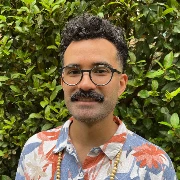
Mr. Thami Croeser

Vice Chancellor's Postdoctoral Research Fellow (Level B)

  • Location City Campus Australia
  • Department School of GUSS
Dr Thami Croeser is an urban planner with a focus on bringing nature back into cities in practical ways, at large scale. Thami actively advocates for cities to convert heavily asphalted streetscapes into tree-lined green corridors, to give us a chance of handling future heatwaves and floods, and reconnect urban residents with native flora and fauna. Thami’s highly applied research approach blends urban design, urban greening and geospatial analysis to show how cities can accelerate policy implementation in urban forestry, climate adaptation and urban ecology.

Llewellyn Reynders

Director Research and Policy, Infrastructure Victoria

Luke Issacs

First Peoples Partnership Lead

Shelley Penn AM

Independent Urbanist and Architect

Stephanie Sirianni

Director, Nature Collective

Stephen Rowley

RCI Planning and SGS Economics and Planning

Victoria McKenzie-McHarg

CEO, Women’s Environmental Leadership Australia (WELA)

Professor Jean Hillier

Emeritus Professor

Dr. Louise Dorignon

Vice Chancellor's Postdoctoral Research Fellow (Level C)
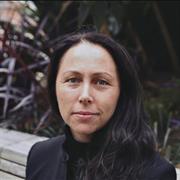
Professor Tony Dalton

Emeritus Professor
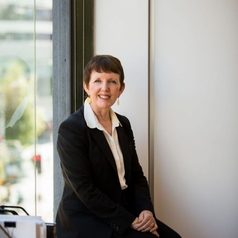
Alan Pears

Senior Industry Fellow

Billie Giles-Corti

Distinguished Professor, VC Professorial Research Fellow and Director of the Healthy Liveable Cities Lab
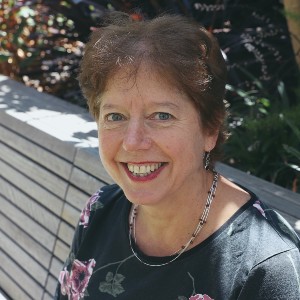
David Mercer

Associate Professor

Linda Williams

Emeritus Professor

Gavin A. Wood

Emeritus Professor
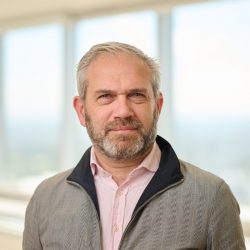
Joan Staples

Honorary Principal Research Fellow

Michael Berry

Emeritus Professor

Michael Buxton

Emeritus Professor

Robin Goodman

Emeritus Professor

People


aboriginal flag float-start torres strait flag float-start

Acknowledgement of Country

RMIT University acknowledges the people of the Woi wurrung and Boon wurrung language groups of the eastern Kulin Nation on whose unceded lands we conduct the business of the University. RMIT University respectfully acknowledges their Ancestors and Elders, past and present. RMIT also acknowledges the Traditional Custodians and their Ancestors of the lands and waters across Australia where we conduct our business - Artwork 'Sentient' by Hollie Johnson, Gunaikurnai and Monero Ngarigo.

Learn more about our commitment to Indigenous cultures