AToM

Activity-based and agent-based Transport model of Melbourne.

Project dates: 2021 (ongoing)

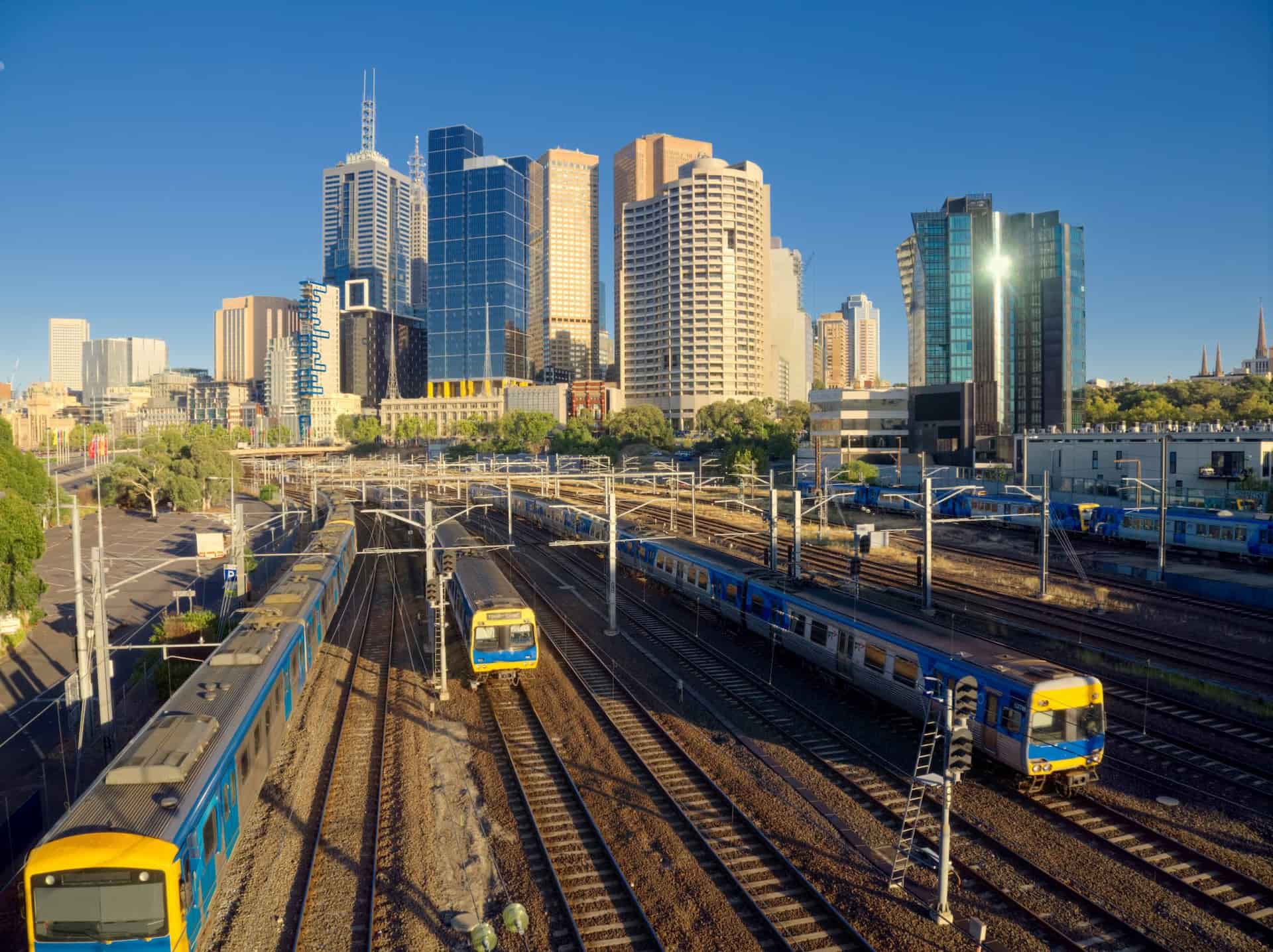
AToM is a city-scale multi-modal transport simulation, modelling a full day in the transportation system of Melbourne to understand the intended and unintended consequences of a change in the environment on individuals’ travel behaviour. AToM is an open-source simulation model that represents mobility on a typical mid-weekday in Melbourne.

AToM includes transportation by car, public transport, cycling, and walking and models travel behaviours at an individual traveller and road segment level. Using the baseline mobility of Melbourne captured in AToM, it is possible to examine impacts of “what-if” built environment interventions on travel behaviour.
See our code and working model

Key people

Dr. Afshin Jafari

Vice Chancellor's Postdoctoral Research Fellow (Level B)

  • Location City Campus Australia
  • Department School of GUSS
Dr Afshin Jafari is a Research Fellow at the Centre for Urban Research. His work focuses on using computational methods to explore pathways to promote active and sustainable transport, including cycling, walking, public transport, and electric mobility. Dr Jafari is one of the lead developers of the Activity-based and agent-based Transport model of Melbourne, known as AToM, a large-scale and open-source simulation model for Greater Melbourne. He is also leading the development of the Victoria Bicycle Simulation and Prioritisation Modelling tool.

Dr. Lucy Gunn

Associate Professor

  • Location City Campus Australia
  • Department School of GUSS
Dr Gunn is an interdisciplinary researcher and Lead Investigator of an ARC funded Discovery grant on the role of liveability for healthy ageing and Chief Investigator on an Ian Potter Foundation grant looking at cycling. Her research uses quantitative techniques to explore relationships between the built environment and liveability, and health and wellbeing outcomes. This includes active and public transport research and investigating how planning, health and economic evaluation of infrastructure can support decisions around growth area development and transport and infrastructure delivery. Research collaborations involve the Victorian Department of Transport and Growth Area Councils.

Billie Giles-Corti

Emeritus Professor

  • Location City Campus Australia
  • Department School of GUSS

Dr. Alan Both

Senior Lecturer, Geospatial Science

  • Location City Campus Australia
  • Department School of Science
With a background in geospatial and computer science, Dr Alan Both’s research focuses on developing spatial indicators for quantifying the health and liveability of the urban environment as well as adding a spatial context to agent-based modelling. Through projects including JIBE, THAT-Melbourne, and the Australian Urban Observatory, Dr Both has developed automated processes for deriving a variety of spatial indicators covering the health impacts of increased physical activity through active transport, access to and visibility of public greenspace, walkability, and access to amenities. Dr Both is also developing algorithms to generate transport networks, synthetic population and travel demand models, along with other spatial indicators for use in evaluating the health impacts of transport interventions.

Mahsa Abdollahyar

Research Assistant

Related content

aboriginal flag float-start torres strait flag float-start

Acknowledgement of Country

RMIT University acknowledges the people of the Woi wurrung and Boon wurrung language groups of the eastern Kulin Nation on whose unceded lands we conduct the business of the University. RMIT University respectfully acknowledges their Ancestors and Elders, past and present. RMIT also acknowledges the Traditional Custodians and their Ancestors of the lands and waters across Australia where we conduct our business - Artwork 'Sentient' by Hollie Johnson, Gunaikurnai and Monero Ngarigo.

Learn more about our commitment to Indigenous cultures