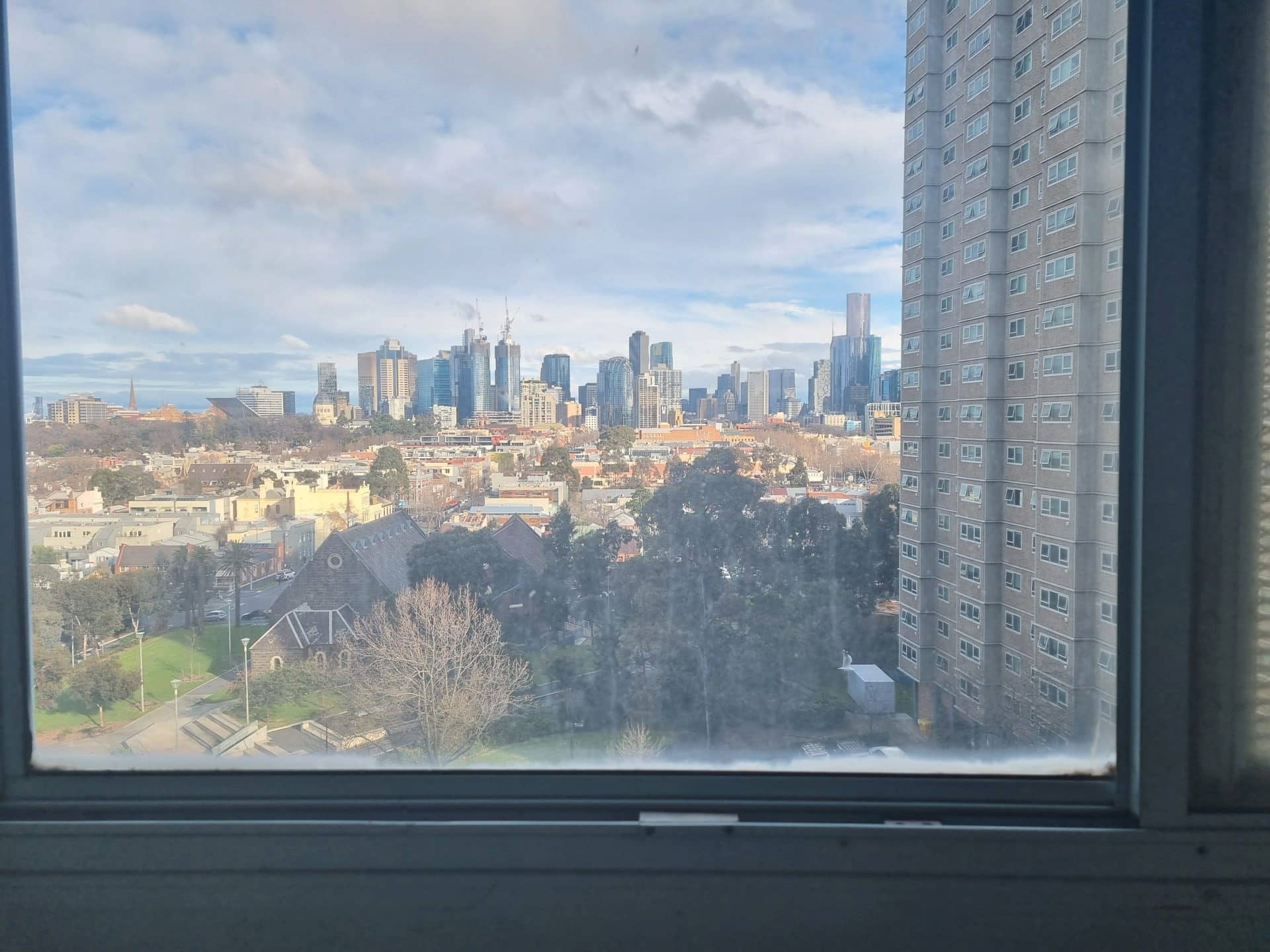
Geographies of Land, Home and Place
Geographies of Land, Home and Place brings together our expertise in understanding the places and land systems on which we live, how we are housed and the social geographies of inclusion and belonging.
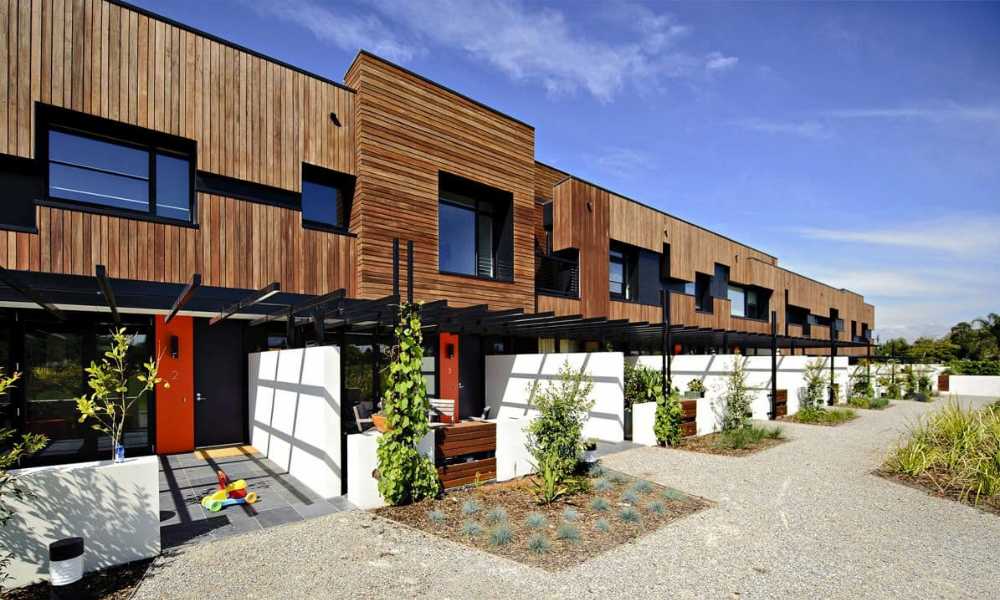 Heller Street Park & Residences by Six Degrees Architects, Brunswick, Victoria
Housing supply, affordability and sustainability are prominent topics in political and community discussions and debate. Federal and State governments are implementing policies and targets that aim to increase housing supply, and with a particular focus on the provision of social and affordable housing. A recent report by the Productivity Commission highlights the low productivity in Australian housing construction, attributed to approvals process and regulation, and the low levels of innovation in the sector. The Australian Government as also introduced programs focused on housing energy efficiency, Your Home, and there is increasing interest in circular economy, indicated by the recently completed project ‘Inquiry into housing in a circular economy’ (conducted at RMIT University in 2021-2023).
Local Government has an important, yet under-researched, role in facilitating housing development in response to these housing challenges. There are obvious responsibilities for Local Government, such as planning and building approvals, but recent research indicates also sets out opportunities to foster and support innovation (Eneqvist & Karvonen 2021). There are also benefits that can arise from precinct-scale developments, that Local Government can facilitate (e.g. Croeser et al. 2021).
Theoretical models for urban precincts and conceptualisations drawn from current scholarship on housing construction will inform the analysis of three case-study housing projects in Australia and internationally from the following project types:

Vice Chancellor’s Postdoctoral Research Fellow

Professor
Senior Research Fellow
Geographies of Land, Home and Place brings together our expertise in understanding the places and land systems on which we live, how we are housed and the social geographies of inclusion and belonging.


RMIT University acknowledges the people of the Woi wurrung and Boon wurrung language groups of the eastern Kulin Nation on whose unceded lands we conduct the business of the University. RMIT University respectfully acknowledges their Ancestors and Elders, past and present. RMIT also acknowledges the Traditional Custodians and their Ancestors of the lands and waters across Australia where we conduct our business - Artwork 'Sentient' by Hollie Johnson, Gunaikurnai and Monero Ngarigo.
Learn more about our commitment to Aboriginal and Torres Strait Islander peoples
