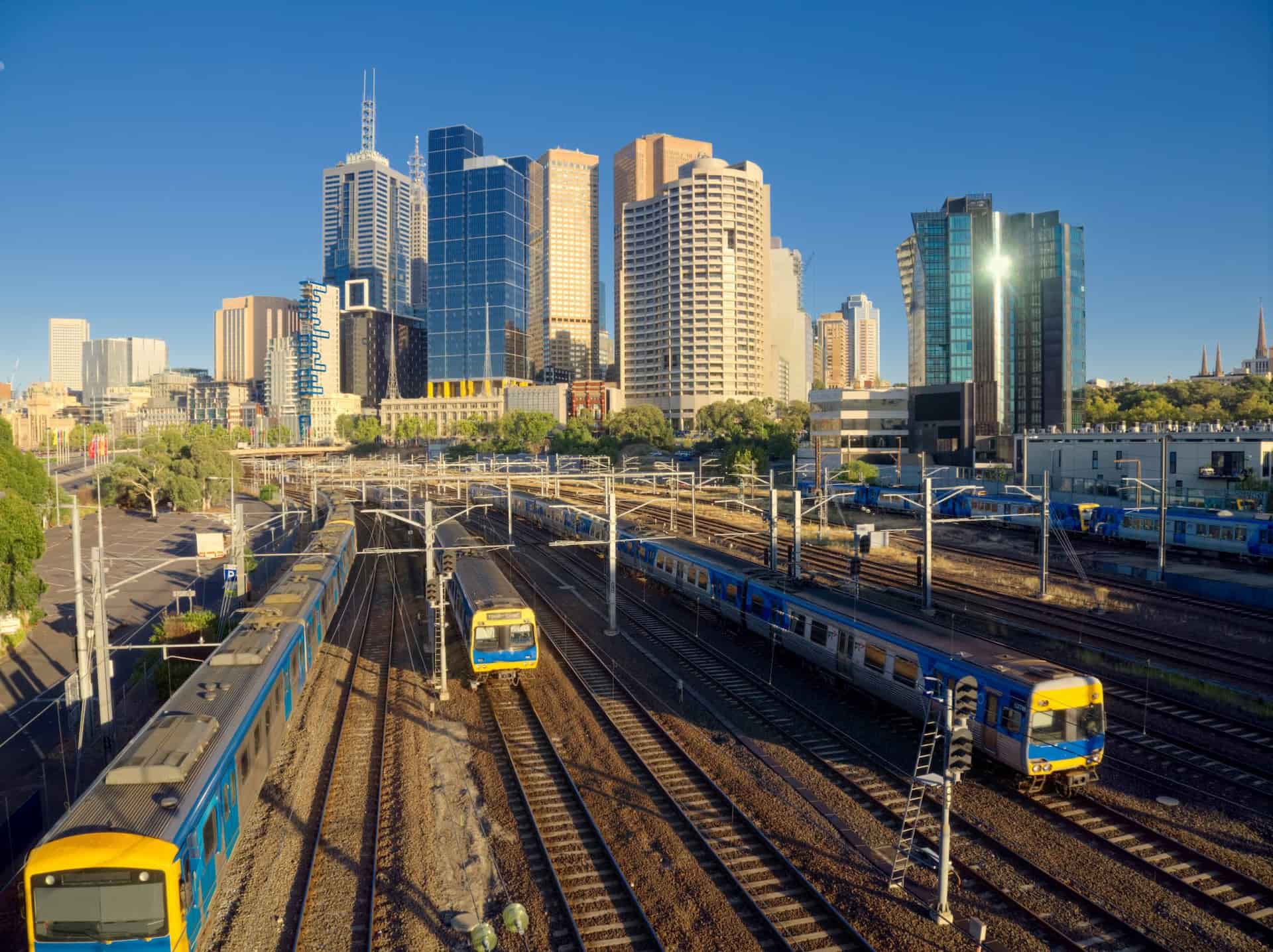
Planning and Transport for Healthy Cities
Planning and Transport for Healthy Cities brings together our expertise in understanding how cities are planned and designed to create more just, sustainable and healthy outcomes.
Australia’s major cities are experiencing rapid population growth which is bringing new demand for travel. Current travel mode share in Australia’s major cities is dominated by the automobile but this pattern is likely to impose increasing costs as travel demand increases. Meanwhile new potentially disruptive technologies and approaches to transport are emerging, such as electric and autonomous vehicles while challenges of climate change, environmental impacts and social and economic inclusion persist.
This project aims to investigate how Australian urban transport programs and policies are responding to changes to transport technology, travel patterns, environmental imperatives, economic shifts and spatial development dynamics to offer guidance about future directions and options.
The project approach comprise three main elements:
The results of the project will offer new insights into potential directions for Australian urban transport policy and programs to respond to the major issues of the mid-21st Century, reported via an International Policy Review and Australian Policy Review, plus a project Final Report.
Planning and Transport for Healthy Cities brings together our expertise in understanding how cities are planned and designed to create more just, sustainable and healthy outcomes.


RMIT University acknowledges the people of the Woi wurrung and Boon wurrung language groups of the eastern Kulin Nation on whose unceded lands we conduct the business of the University. RMIT University respectfully acknowledges their Ancestors and Elders, past and present. RMIT also acknowledges the Traditional Custodians and their Ancestors of the lands and waters across Australia where we conduct our business - Artwork 'Sentient' by Hollie Johnson, Gunaikurnai and Monero Ngarigo.
Learn more about our commitment to Aboriginal and Torres Strait Islander peoples
