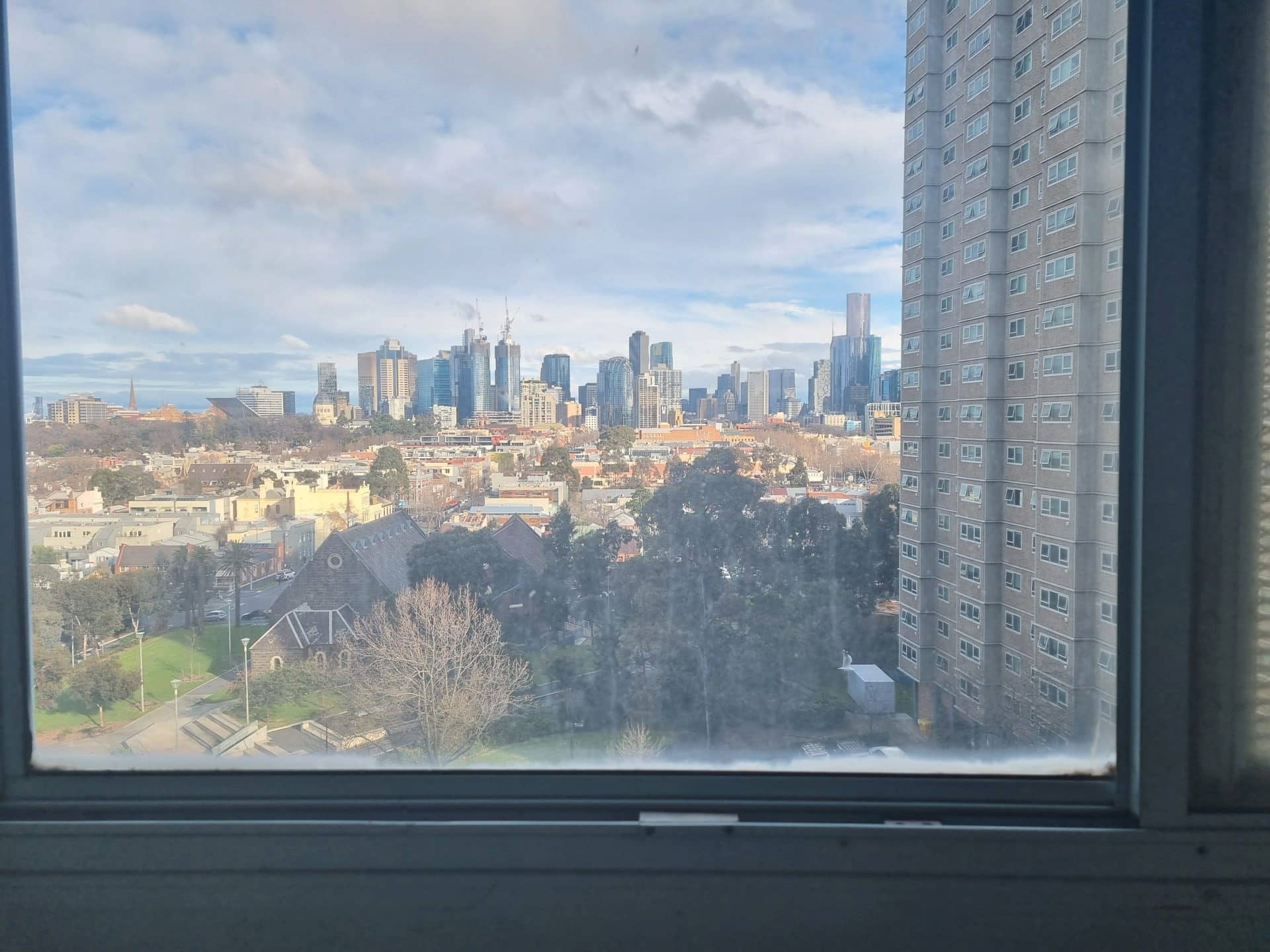
Geographies of Land, Home and Place
Geographies of Land, Home and Place brings together our expertise in understanding the places and land systems on which we live, how we are housed and the social geographies of inclusion and belonging.
This project is co-led by Emeritus Prof. Tony Dalton and Dr Trivess Moore. The aim of the project is to identify how diverse materials supply chains can be looped to avoid waste, so the housing construction sector can reduce, reuse, recycle and recover resources without having to rely on virgin materials.
The research is funded by the Australian Housing and Urban Research Institute (AHURI). It is part of an Inquiry Program supported by four linked research projects with participation by researchers across several Australian universities.
This Inquiry establishes an evidence base and framework to support a transition to circular economy housing in Australia. Informed by analysis of national and international data, industry and building site practice, and key informant sources, it interrogates four key housing issues: neighbourhood scale developments; apartments; social housing retrofit, and; building materials.
The core problem is that there are insufficient capabilities, models, practices, policies and incentives available to establish a building materials circular economy at a sufficient pace. At the macro level, materials stocks (in buildings) and flows (through construction, renovation and demolition processes) are organised by vertically integrated materials manufacturers and suppliers of bulk materials, supplemented by specialist and localised firms. Further, this supply chain is not integrated with the limited product stewardship of materials coming from building demolition and dismantling which is localised and niche.
Circular approaches can reduce the flow and impact of materials through long-lasting design, maintenance, repair, reuse, remanufacturing/repurposing, refurbishing, and recycling. However, there is no assessment of the ‘in-use stocks’ of Australian housing and materials flowing in and out. This project provides a macro examination of the Australian housing system.
The project is organised in three work packages:
If you want to know more about this project or have any questions, please contact Dr Louise Dorignon
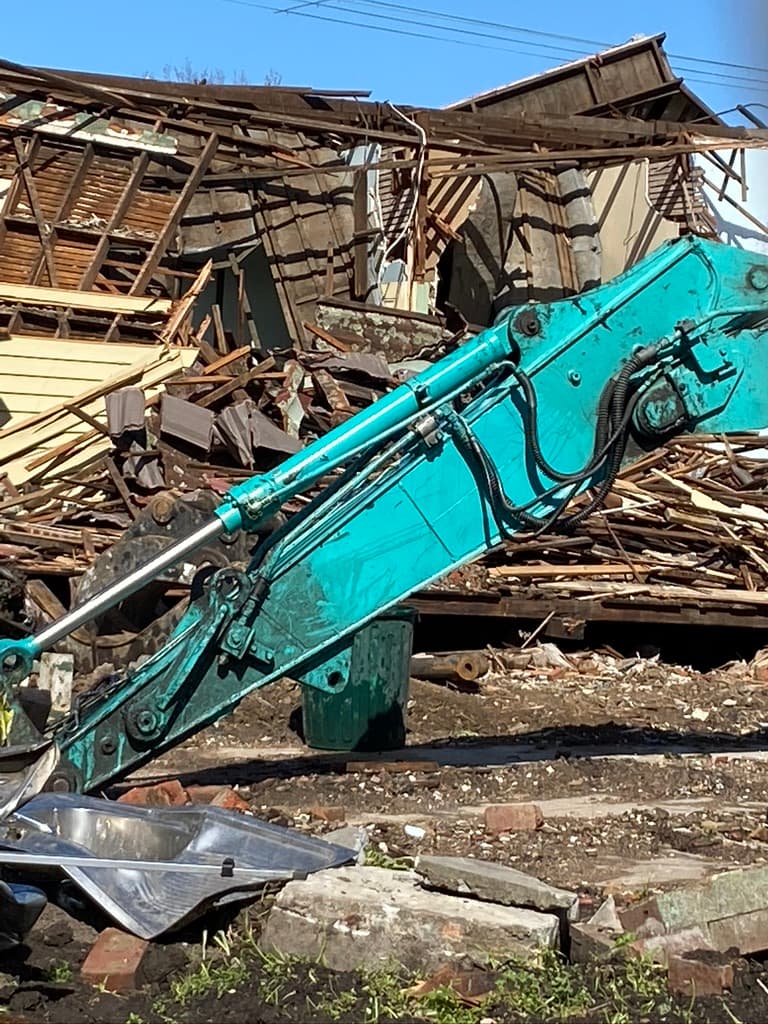 Demolition of a detached dwelling in Carlton North, Victoria. (Image supplied by Prof Tony Dalton.)
Geographies of Land, Home and Place brings together our expertise in understanding the places and land systems on which we live, how we are housed and the social geographies of inclusion and belonging.


RMIT University acknowledges the people of the Woi wurrung and Boon wurrung language groups of the eastern Kulin Nation on whose unceded lands we conduct the business of the University. RMIT University respectfully acknowledges their Ancestors and Elders, past and present. RMIT also acknowledges the Traditional Custodians and their Ancestors of the lands and waters across Australia where we conduct our business - Artwork 'Sentient' by Hollie Johnson, Gunaikurnai and Monero Ngarigo.
Learn more about our commitment to Aboriginal and Torres Strait Islander peoples
