Leadership
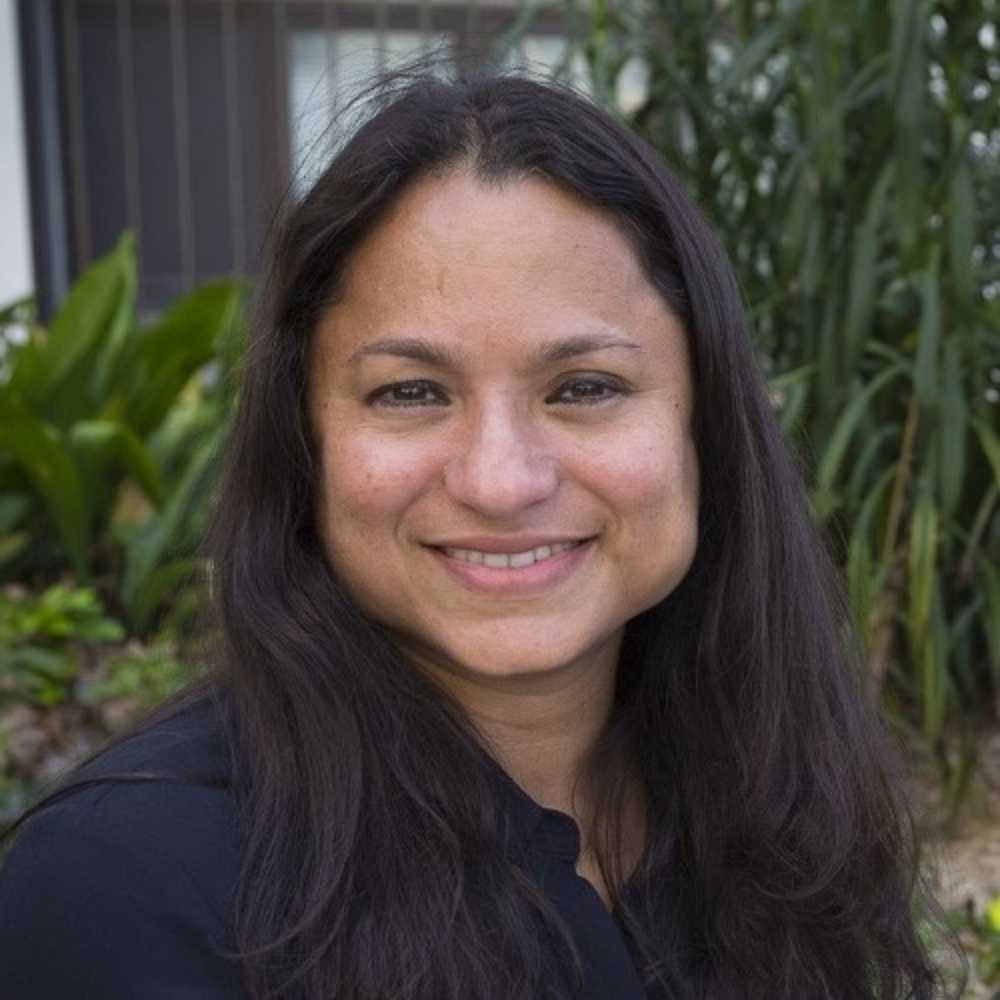
Director
Professor Priya Rajagopalan
Associate Dean Research and Innovation, School of Property Construction and Project Management at RMIT is the inaugural Director of the Post-Carbon Research Centre. Priya is a building scientist with extensive experience in energy and indoor environmental quality of buildings and urban climatology.
As an internationally recognized expert in the field of building energy and indoor environmental performance and urban climatology, Priya’s research interests span from sustainable building design, energy benchmarking and labelling, urban heat island, building performance simulation, indoor air quality, lighting and acoustics to citizen science in urban microclimate monitoring, mitigation and adaptation.

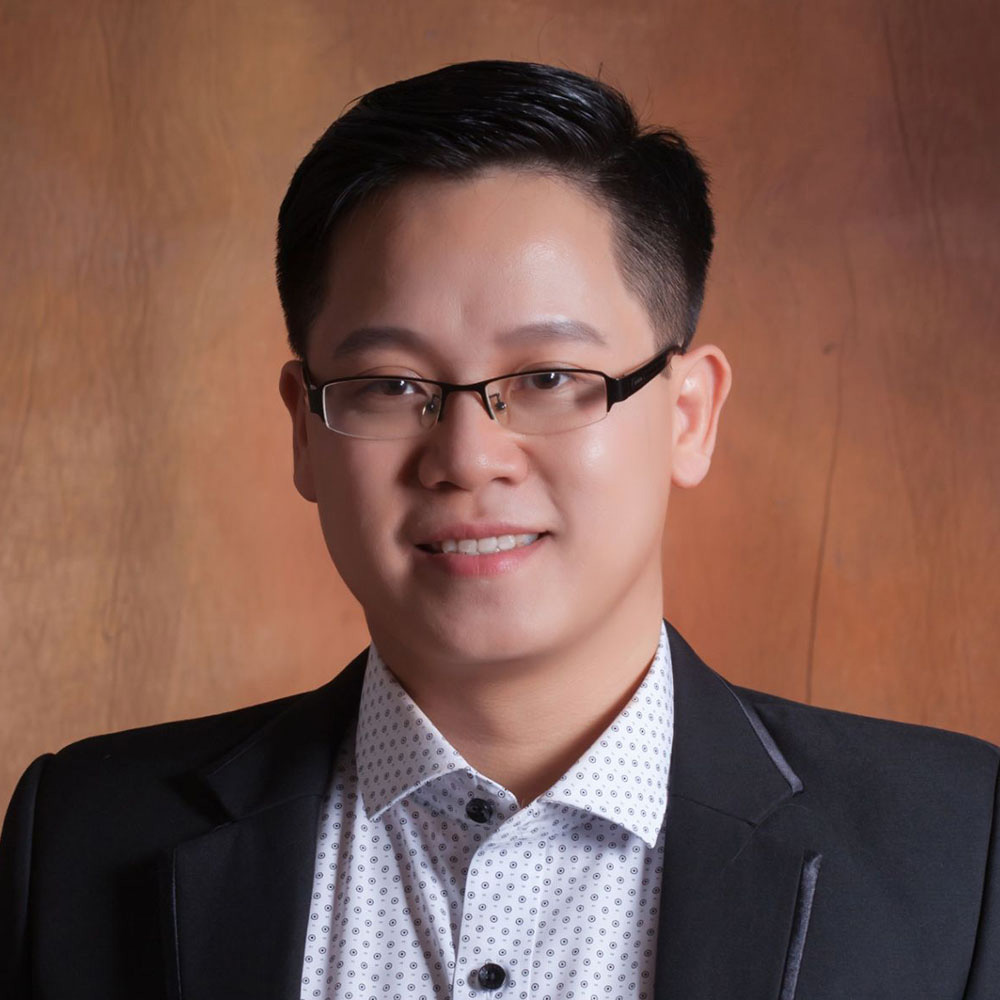
Deputy Director
A/Prof Jonathan Tran
Associate Professor Jonathan Tran joined the Civil & Infrastructure Engineering department in 2018 and founded the Digital and Sustainable Construction Laboratory research group. Jonathan has established a strong track record in engagements and collaborations with industry, evidenced by a sustained record in industry-engaged research. By reusing and upcycling recycled building materials, his research team concentrates heavily on the development of intelligent solutions for sustainable construction. His innovative approaches have led to the creation of numerous solutions for recycling recycled glass, rubber, and plastic waste into construction applications such as pavements, sound barrier walls, and retaining structures using conventional and innovative construction techniques such as 3D printing.
Strategic Advisors
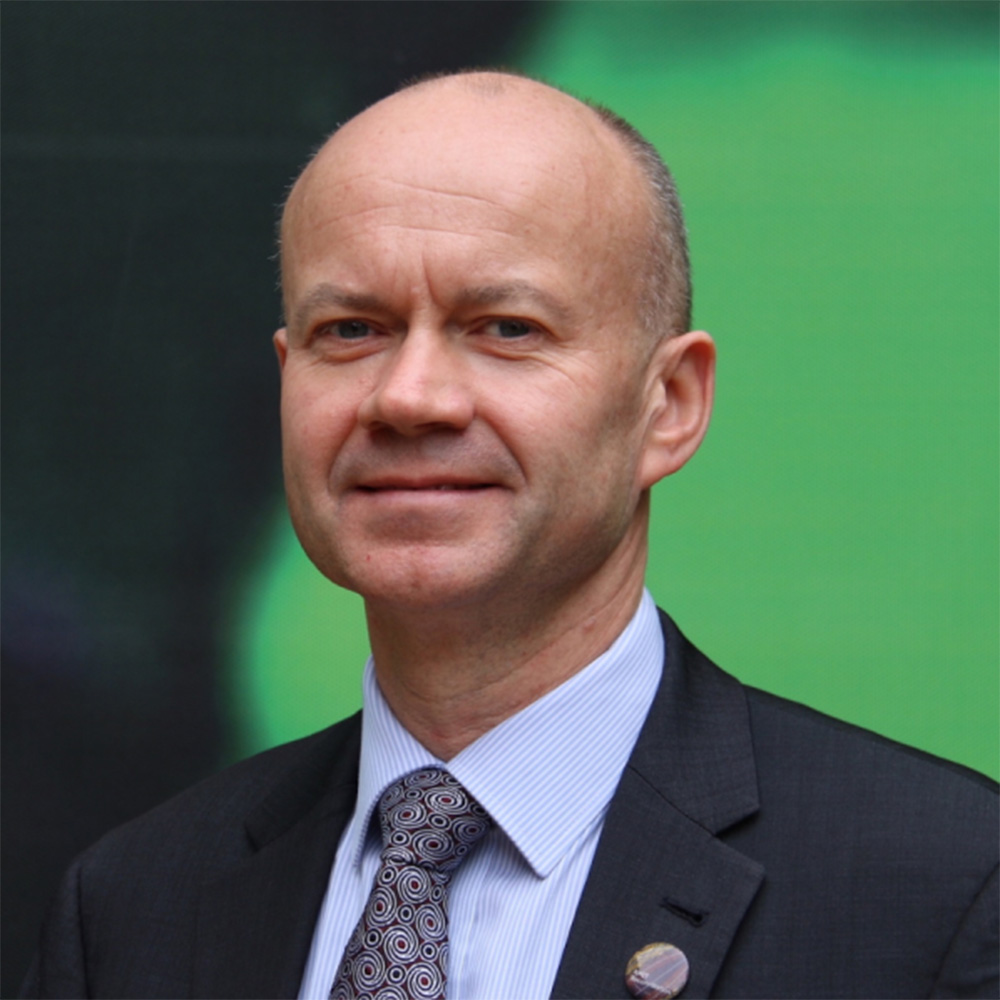
Professor Ralph Horne
Ralph Horne is Professor of Geography and Deputy Pro-Vice Chancellor, Research and Innovation for the College of Design and Social Context at RMIT University.
Ralph is interested in social and policy change to support sustainable urban development, and has a specific research interest in low carbon urban transitions, housing and households. He combines research leadership and participation in research projects concerning the environmental, social and policy context of production and consumption in the urban environment.
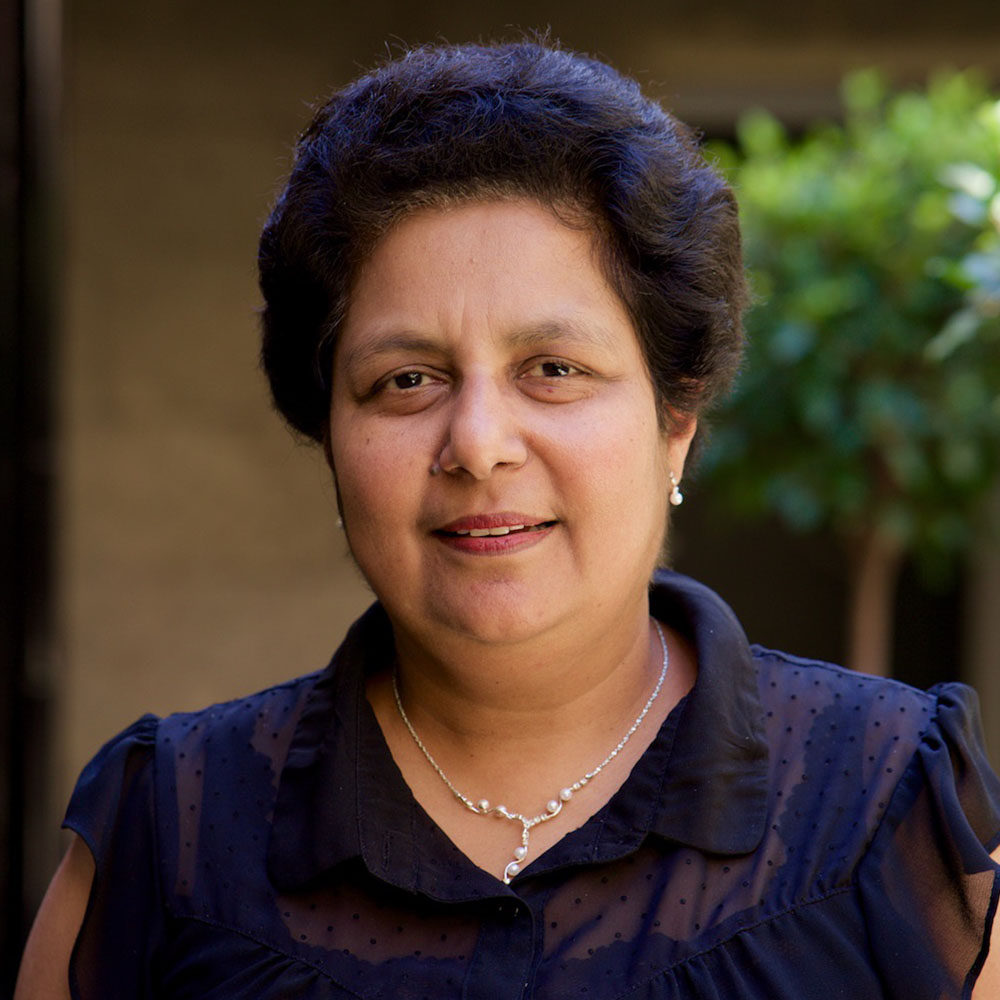
Professor Sujeeva Setunge
Professor Sujeeva Setunge leads the research portfolio of STEM college at RMIT as Associate Deputy Vice Chancellor (ADVC) for Research and Innovation.
Developing cross disciplinary research to address large complex problems is one of Sujeeva’s strengths and she has successfully led large multisector, multi-institutional initiatives. A highlight is winning and leading the $21 m ARC Industrial Transformation Research Hub for Transformation of Reclaimed Resources to Engineered Materials and Solutions for a circular Economy (TREMS) awarded in 2020, in partnership with 9 Australian and 4 international academic institutions and 33 industry partners.
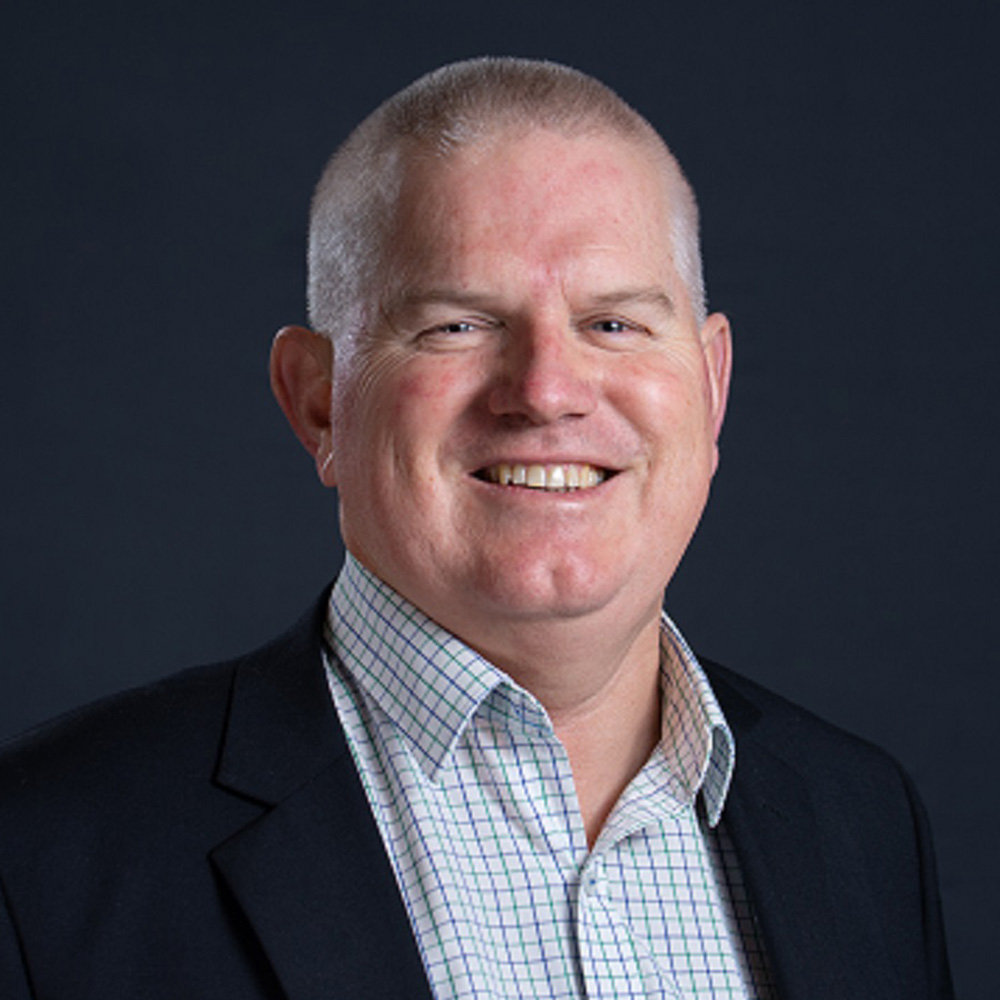
Professor Ron Wakefield
Professor Ron Wakefield is Associate Deputy Vice Chancellor, International and Dean of School at RMIT's School of Property, Construction and Project Management.
Ron has over 25 years’ experience as an international researcher, consultant and engineer in building construction. He researches and teaches at RMIT in the areas of process simulation and modelling, residential and commercial construction and uses of information technology in construction management. He has degrees in Civil Engineering, including a PhD and BE (Hon 1) from the University of New South Wales and an MSE from Princeton University.
Cluster Co-leads
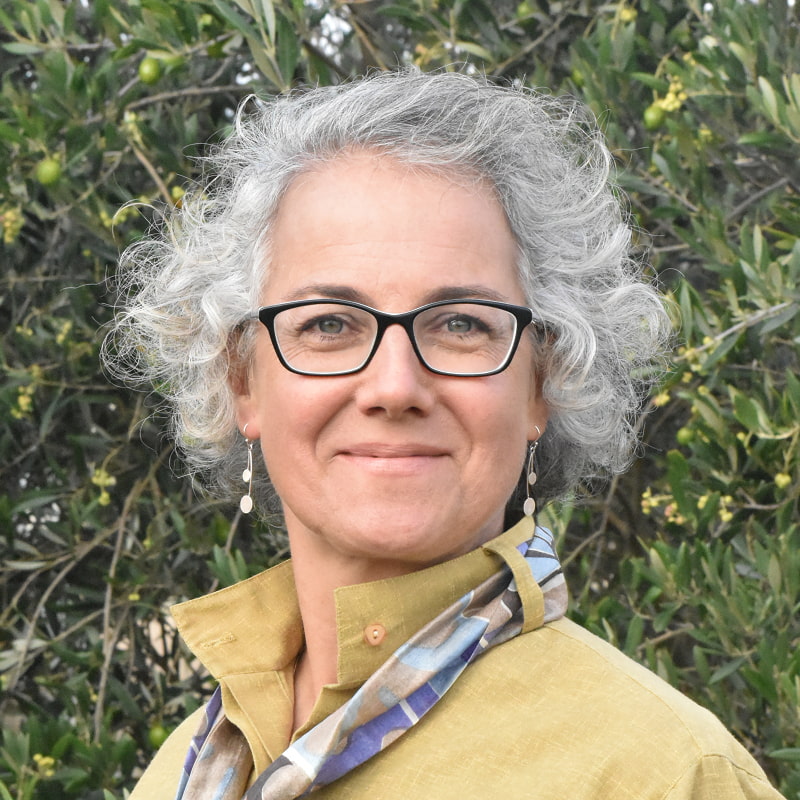
Professor Karien Dekker
Karien Dekker is Professor at RMIT University in the school of Property, Construction and Project Management. She is currently a Chief Investigator on a project on housing solutions for temporary migrants in Australia, she writes about human rights in local governments as well as housing for refugees.
Karien's life revolves around a greater desire to create inclusive communities in which everyone feels welcome. She is also passionate about affordable housing for all. To inform policy and public opinion, she interprets large datasets, while making sense of the findings with interviews and observations.
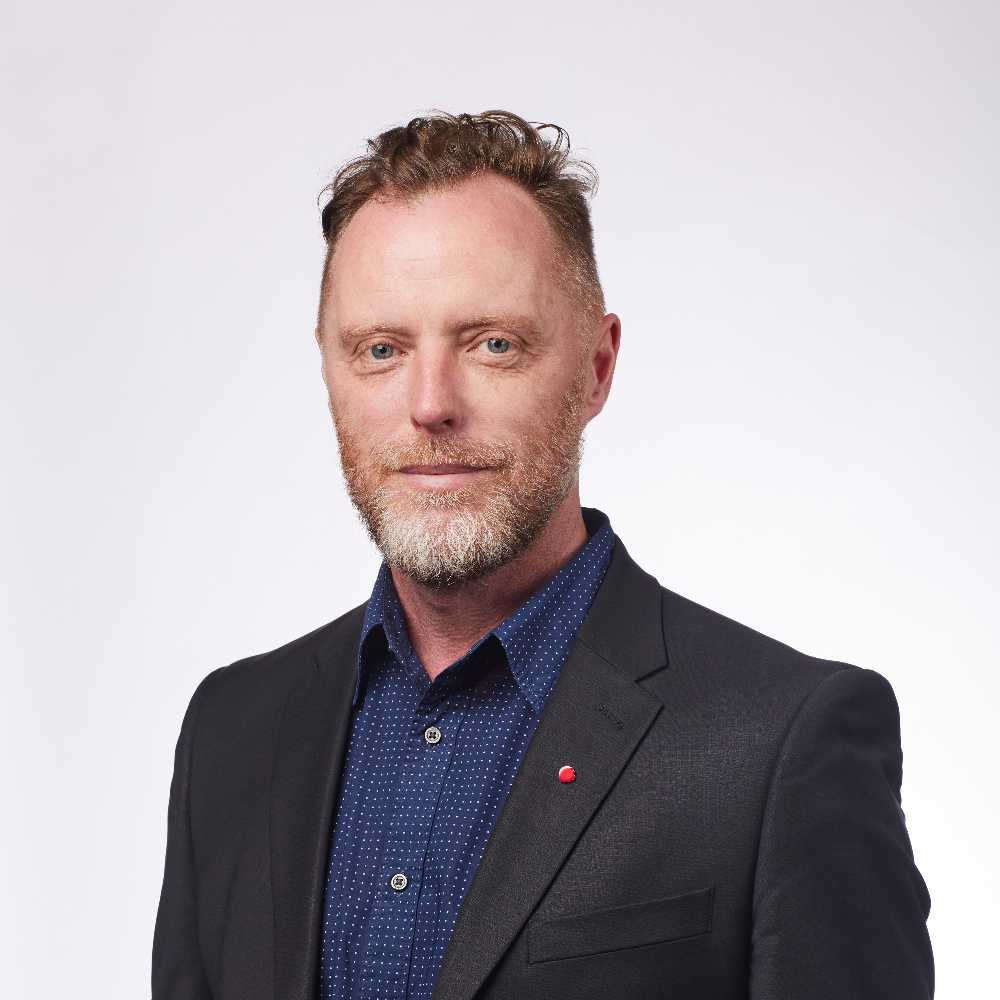
Dr Ben Milbourne
Dr Ben Milbourne is a Senior Lecturer and the Program Manager of the Master of Architecture in the school of Architecture and Urban Design where he is engaged in research on the application of advanced manufacturing in architecture and the future fabric of Australian cities. Ben is a co-author of ‘Practice Futures’, commissioned by the Architect’s Registration Board of Victoria, investigating the impact of the adoption of digital fabrication in construction on the practice of Architecture. He is a founding partner of Common ADR, an architecture and urban design practice focused on engaging in the common commission of the city through public and private projects. He is an inaugural member of the Design Excellence Advisory Committee for the City of Melbourne, co-chair of the Australian Institute of Architects Victorian Chapter Smaller Practice Forum and Australian representative to the Union Internationale des Architectes (UIA), Professional Practice Commission.
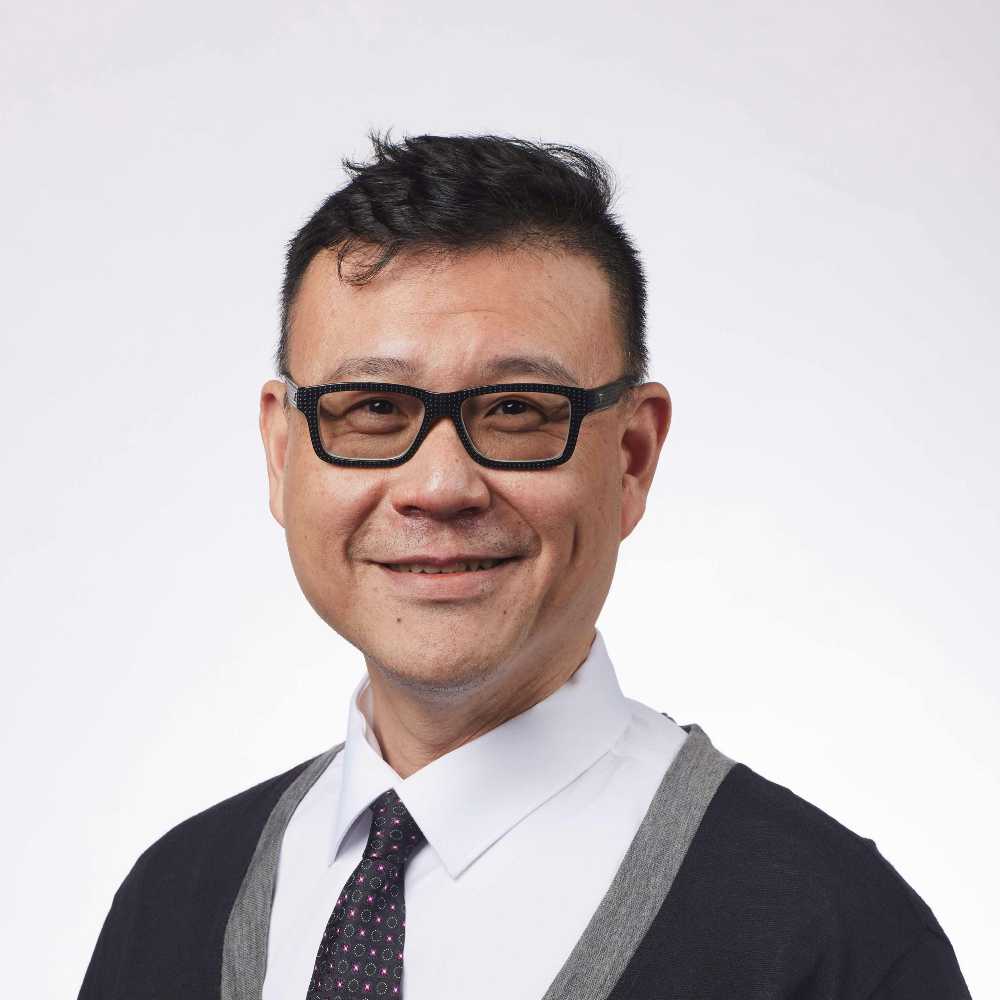
Professor Peter Wong
Professor Peter S.P. Wong is the Associate Dean (Construction Management) of the School of Property Construction and Project Management. He has expertise in immersive technology (VR/AR/MR) in construction, prefabrication, and modulation of construction, construction waste management and organisational change management. He has been awarded multiple competitive research grants, including from the Victorian Building Authority, for developing a virtual reality (VR) based online self-evaluation platform to reduce the compliance risk of building and plumbing works. His prestigious Australian Research Council Linkage project has helped guide the effectiveness of offsite manufacturing and improved project delivery.
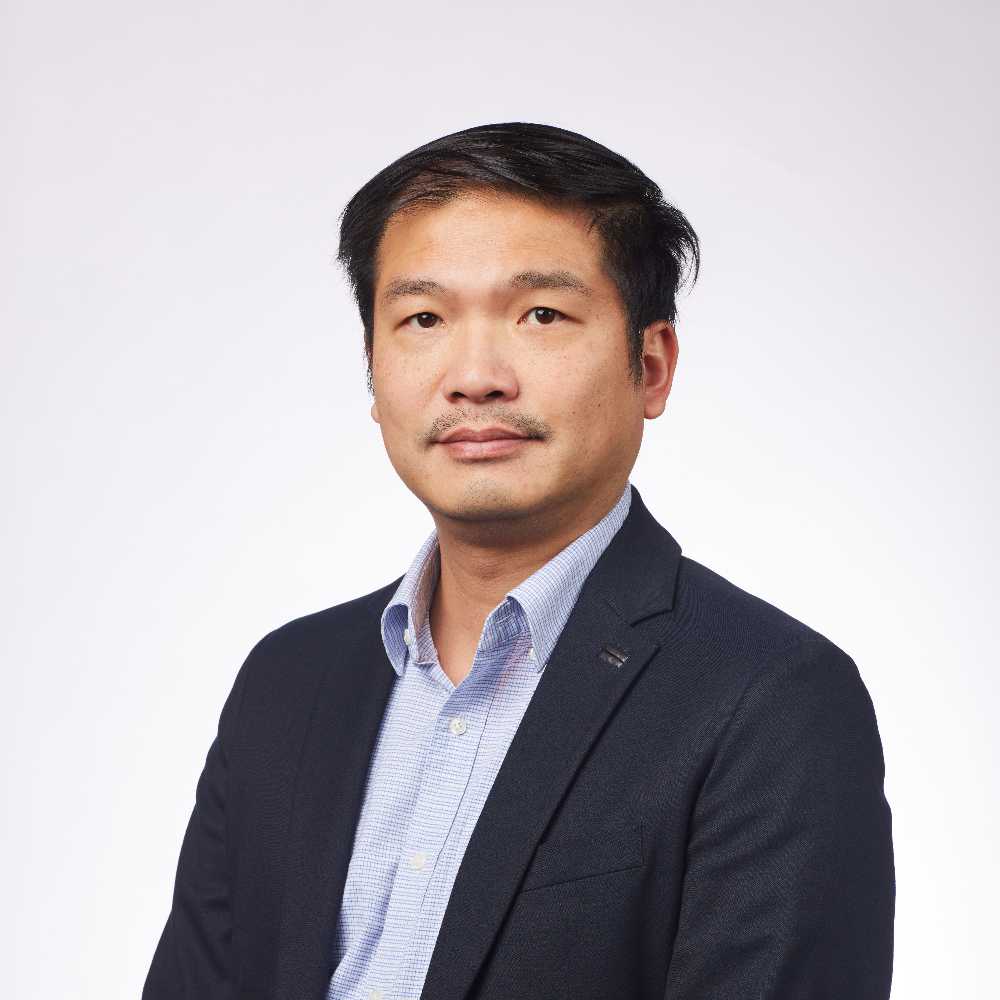
Professor Sherman Cheung
Professor Cheung is an expert in computational fluid dynamics and heat and mass transfer modelling. His research works focus on numerical modelling of heat and mass transfer in building fires, building ventilation design optimization, combustion and pyrolysis of building materials, and gas-liquid bubbly flows. Professor Cheung has received the prestigious Victoria Fellowship from the Victoria Government and International Young Scientists from the National Natural Science Foundation of China to recognise his research contribution. To date, he has published over 142 research articles and attracted over AUD$ 8 million in research funding from both national competitive grants and industrial collaborative schemes.
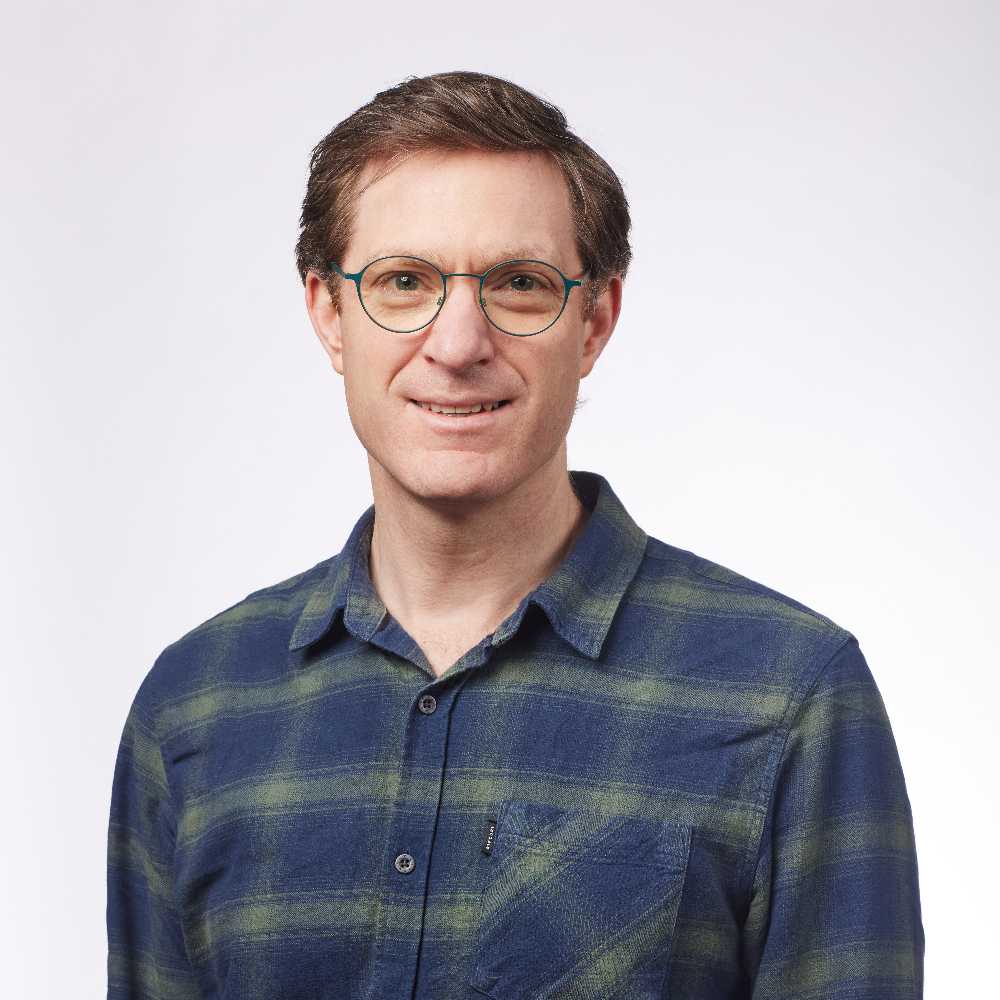
Associate Professor Trivess Moore
Trivess Moore is Associate Professor in the School of Property, Construction and Project Management. He is an expert in sustainable housing and urban environments. His recent research has been around exploring how to scale up retrofit of existing housing, implementing circular economy outcomes across the housing sector, and the role of policy and industry in delivering a sustainable and equitable housing and urban future. Trivess has been a lead CI on ARC Linkage grants, AHURI projects, CRC projects and worked with a range of policy and industry stakeholders in Australia, Europe and North America.
Brian Considine
Dr Brian Considine is a Lecturer in Civil and Infrastructure Engineering at RMIT University. He completed a Masters Degree in Mechanical and Manufacturing Engineering at Dublin City University and worked as a Project Engineer for one year before pursuing a PhD. He obtained a PhD in Civil and Environmental Engineering from Trinity College Dublin in 2022 by investigating air pollution control technology for building HVAC systems. Prior to joining RMIT University, he worked as a Research Fellow at Trinity College Dublin and the University of Cambridge for three years. He specialises in building stock modelling, circular economy, building energy, indoor and outdoor environmental quality, urban climatology, hydropower and waste heat recovery.
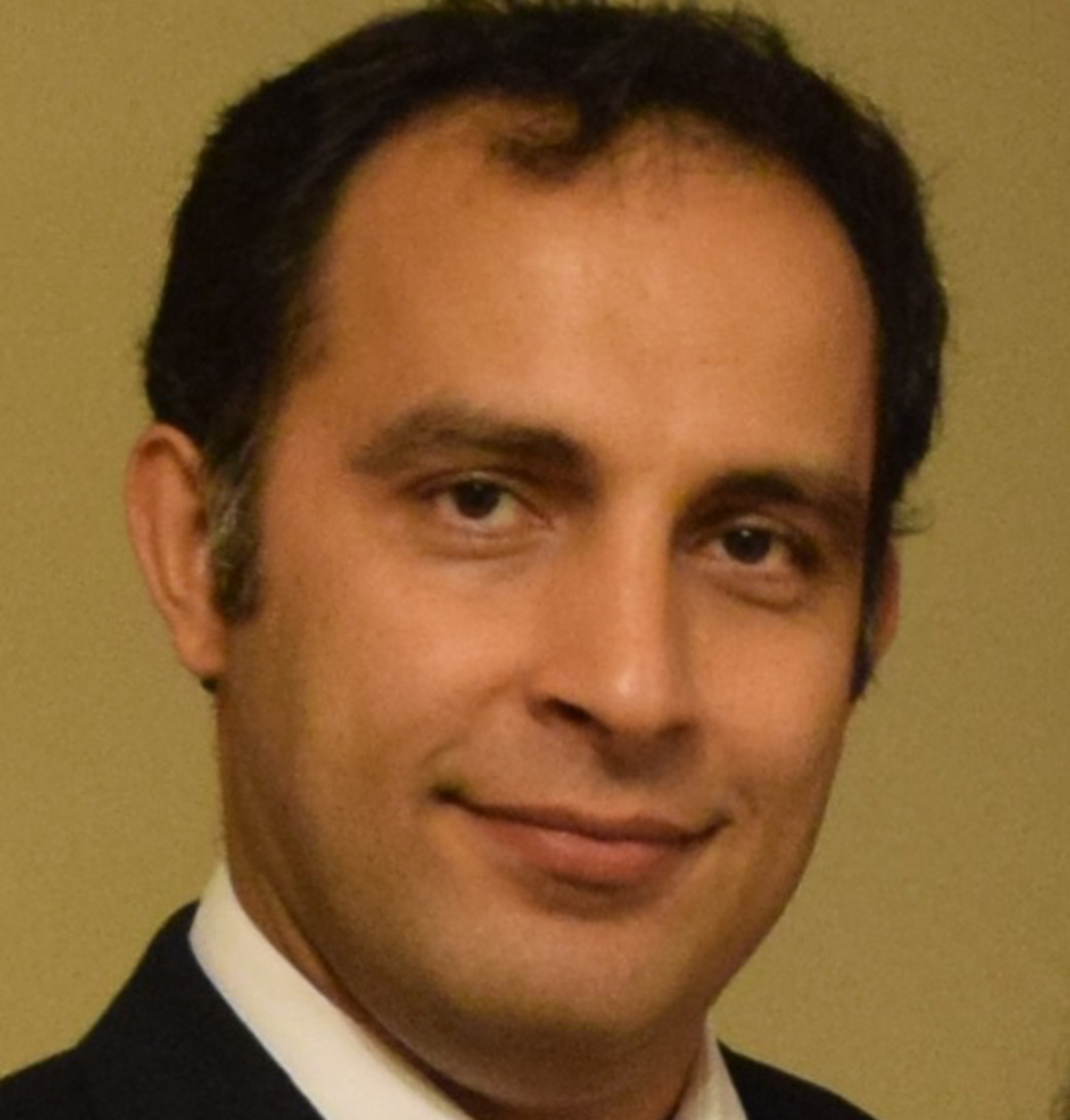
Dr Mojtaba Mahmoodian
Dr Mojtaba Mahmoodian is a Senior Lecturer in Civil and Infrastructure Engineering and is leading research in intelligent monitoring and maintenance of civil infrastructure. He integrates advanced structural assessment techniques with Internet of Things and Artificial Intelligence to create novel solutions for automated and remote monitoring and maintenance of infrastructure. His novel methodologies have been implemented on a wide range of civil infrastructure including bridges, pipelines, roads, ports and energy infrastructure. Mojtaba's strong track record within the field of smart infrastructure has been the result of continuous and efficient collaborations with industry.
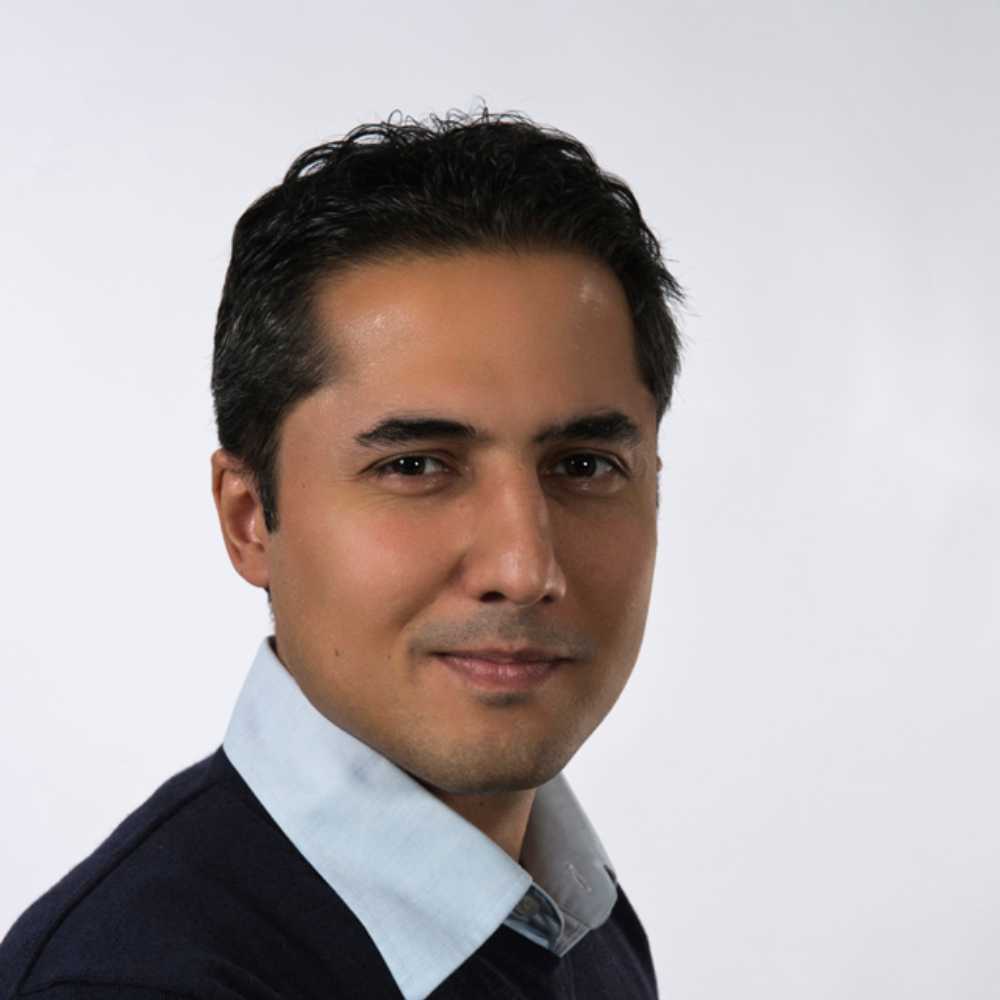
Dr Payam Pirzadeh
Dr Payam Pirzadeh is a Lecturer in the School of Property, Construction and Project Management. He undertakes applied research in collaboration with private and public sector construction organisations. Payam’s research has explored design for construction health and safety (safety in design), measuring and managing health and safety performance on large infrastructure projects, and mass-haul environmental impact minimisation on road and rail construction projects. He has received prestigious awards including the RMIT Prize for Research Excellence (2019) and the Chartered Institute of Building (CIOB) Research Award.
Advisory Board
Alison Scotland
Chief Executive Officer, Australian Sustainable Built Environment Council
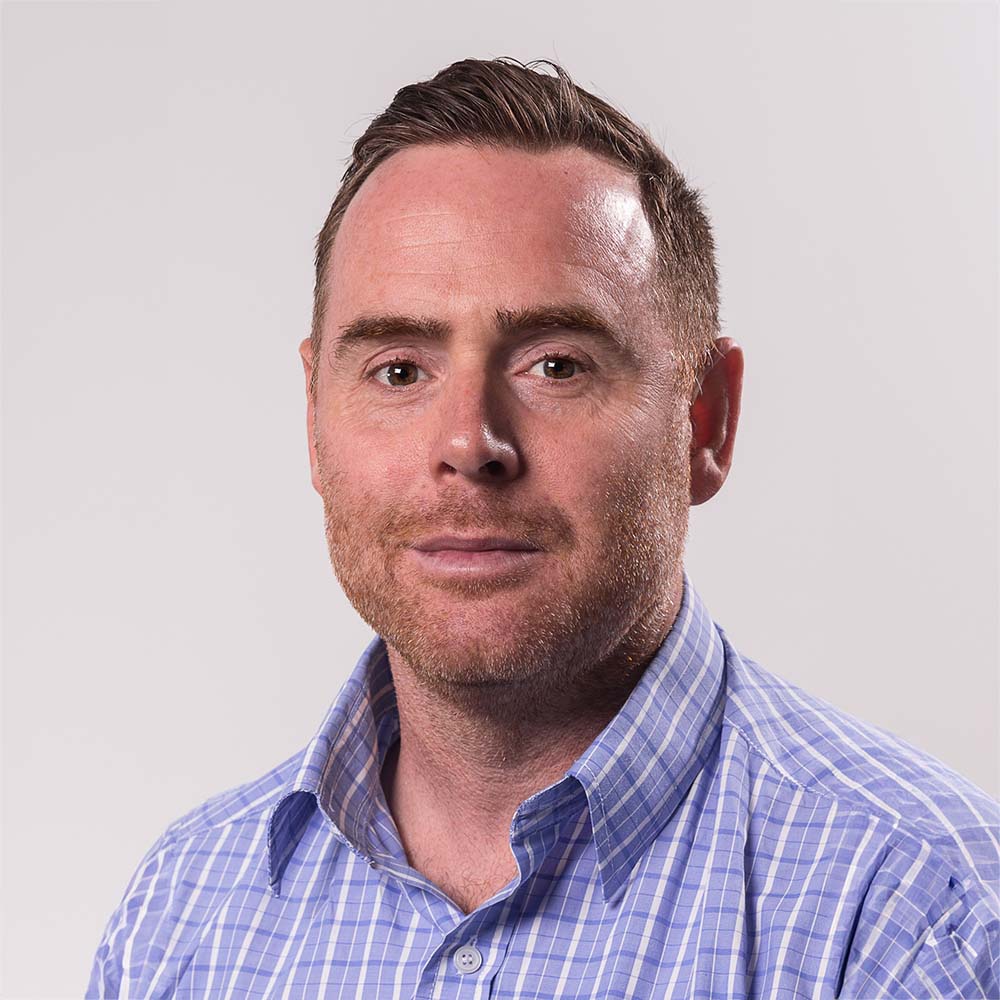
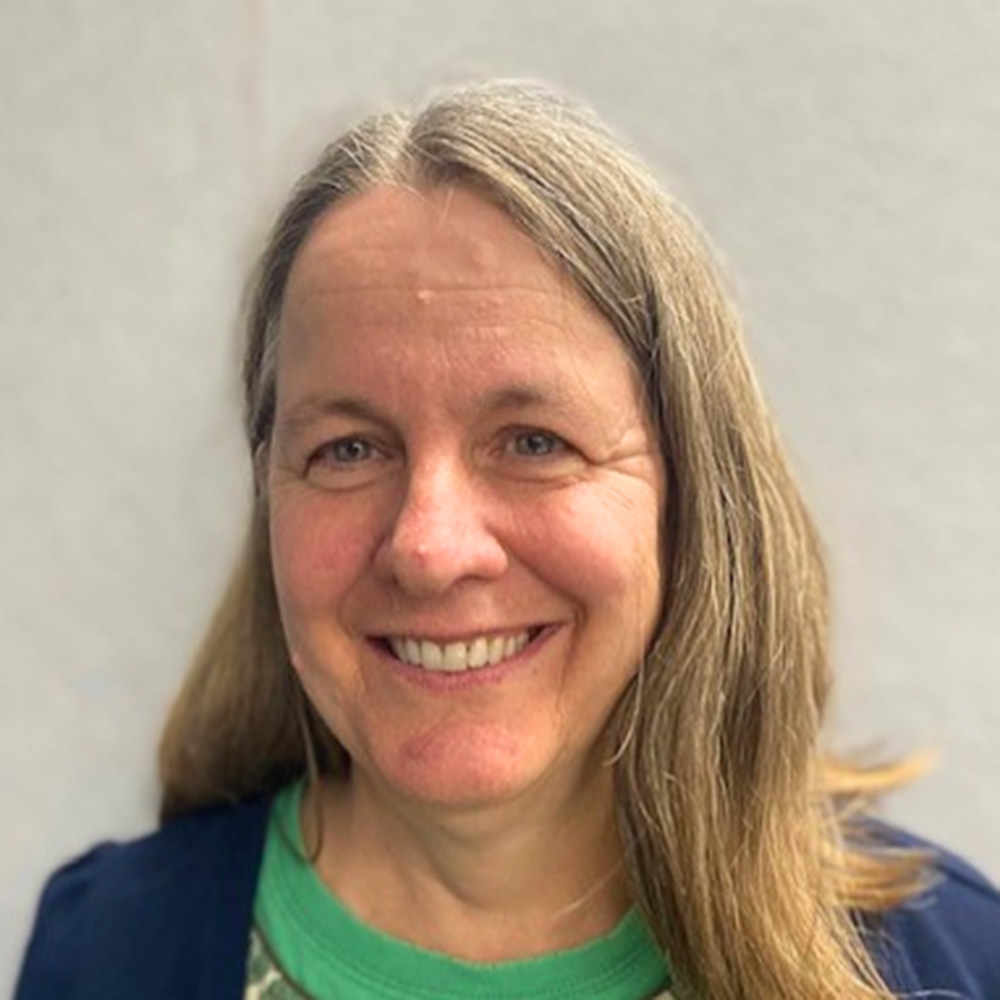
April Muirden
Principal Policy Officer, Department of Environment, Land, Water and Planning, State Government of Victoria

Professor Alisa Andrasek
Professor
Dr. Bhavna Middha
Senior Research Fellow

Dr. Nic Bao
Senior Lecturer
Professor Ehsan Gharaie
Professor
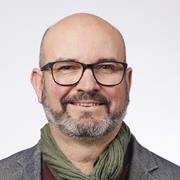
Associate Professor Guillermo Aranda-Mena
Associate Professor
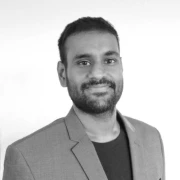
Mr. Ian Nazareth
Lecturer
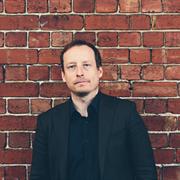
Associate Professor John Doyle
Associate Dean, Architecture

Dr. Koorosh Gharehbaghi
Lecturer
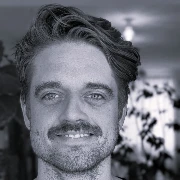
Mr. Kyle Bush
Lecturer
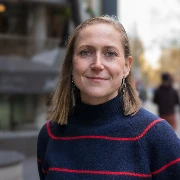
Dr. Louise Dorignon
Vice Chancellor’s Postdoctoral Research Fellow
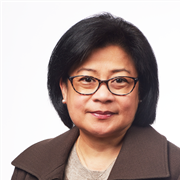
Associate Professor Mary Myla Andamon
Associate Professor
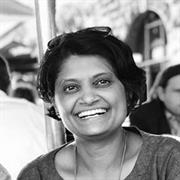
Dr. Mittul Vahanvati
Senior Lecturer

Dr. Nancy Mauro-Flude
Lecturer, MDIT
Dr. Ngoc San Ha
Lecturer

Dr. Olivier Cotsaftis
Senior Lecturer, MDIT
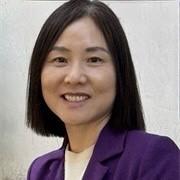
Dr. Qian (Chayn) Sun
Deputy Head of Department
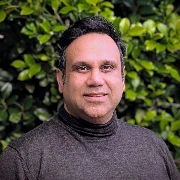
Dr. Salman Shooshtarian
Senior Lecturer
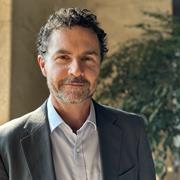
Dr. Matthew Francis
Senior Lecturer
Shanmuga Dhanabalan
Adjunct Senior Fellow
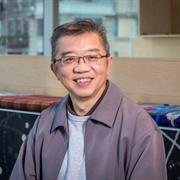
Dr. Peng Yew Wong
Senior Lecturer
Dr. Nilmini Weerasinghe
Lecturer, Civil and Infrastructure Engineering
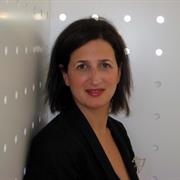
Dr. Leanne Zilka
Associate Dean, Research and Innovation
Dr. Jin Woo
Senior Lecturer

Dr. David Oswald
Associate Dean, Learning & Teaching
Dr. Shilpi Tewari
Research Fellow
Dr. Sajani Jayasuriya
Senior Lecturer
Professor Tayyab Maqsood
Assoc Dean, Project Management
Dr. Haobo Li
Research Fellow
Mr. Daniel Maunders
Lecturer, Architectural Technology
Dr. Joseph van Buuren
Lecturer
Dr. Iris Levin
Senior Lecturer, Sustainability & Urban Planning
Dr. Nigel Goodman
Lecturer
Dr. Sarah Robertson
Research Fellow
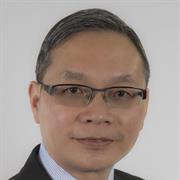
Dr. James PC Wong
Lecturer
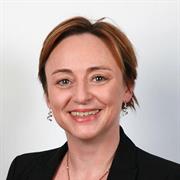
Dr. Sarah Sinclair
Associate Professor
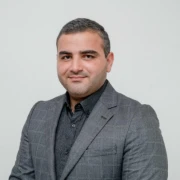
Dr. Amir Sidiq
Research Assistant, Digital Twin Development
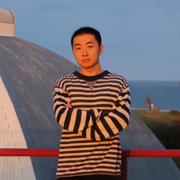
Kai Gao
Vice Chancellor's Postdoctoral Research Fellow
Mr. Chengyang Liu
Lecturer - Construction Management (ACDF) - (Education Focused)
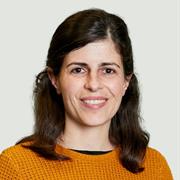
Dr. Beatriz Pineda
Research Fellow, Cities and Communities Cluster
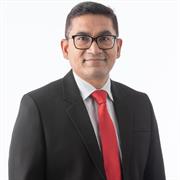
Dr. Iftekhar Khan
Senior Lecturer (Education Focused)
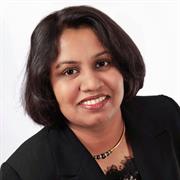
Dr. Ruwini EDIRISINGHE
Associate Professor

Ms. Karolina Bartkowicz
Lecturer
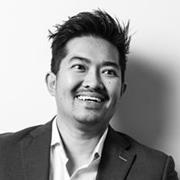
Dr. Yazid Ninsalam
Associate Dean, Landscape Architecture
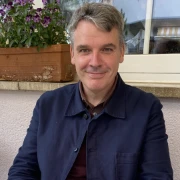
Dr. Todd Denham
Senior Research Fellow
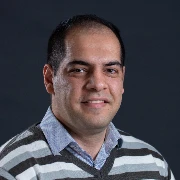
Dr. Alireza Ahankoob
Lecturer
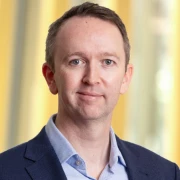
Aonghus McNabola
Deputy Dean, International
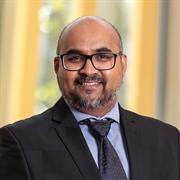
Professor Lasantha Meegahapola
Deputy Head of Department, Teaching & Learning
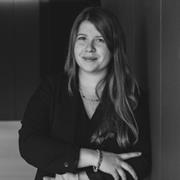
Dr. Lea Zimmermann
Research Fellow (Postdoctoral)
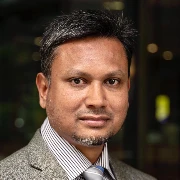
Dr. Azizur Rahman
Associate Professor
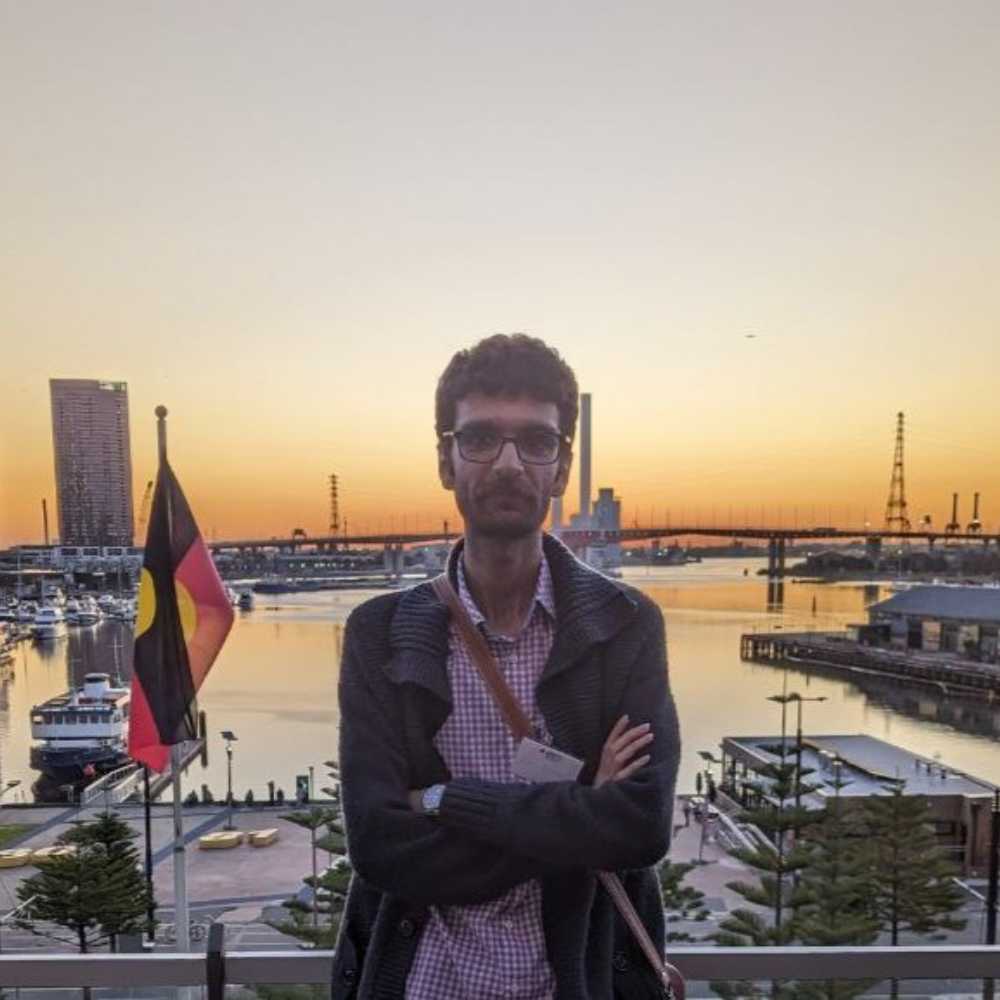
Moein Behzad
Moein Behzad is a PhD candidate in the School of Property, Construction, and Project Management at RMIT University. He holds a master's degree in Urban Planning. His research interests are social conflict management in the context of construction and demolition waste, and circular economy in the construction sector, especially the application of products with recycled content.
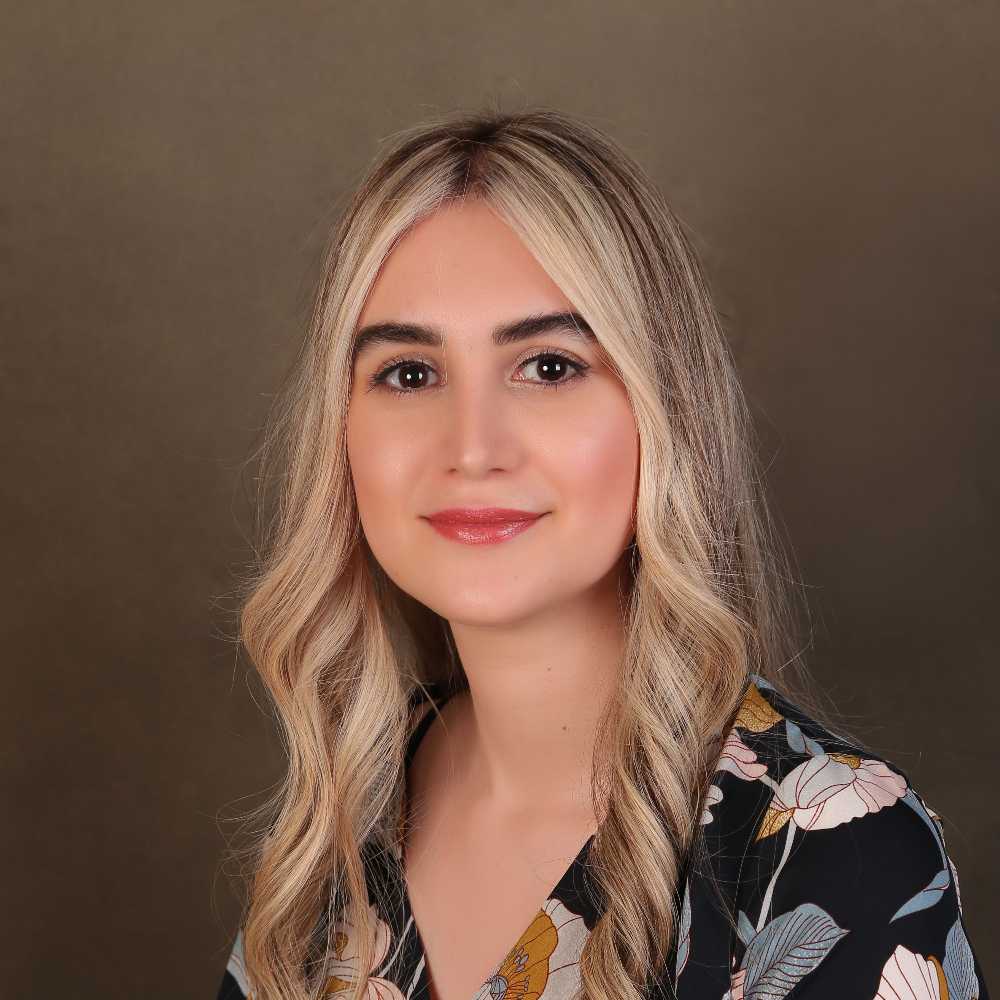
Sara Pishgahi
Sara is a PhD candidate at the Center for Urban Research, RMIT University, with a focus on the circular economy transition in the construction industry. Her research explores the role of digital technology in optimising the building industry's supply chain. Sara's research track record spans Sustainable Development, examining the interplay between built environment development policies, housing, and Community Planning.

Jierui Dong
Jierui Dong's research focuses on developing predictive models for air pollution concentrations in school environment. Air quality is one of the greatest threats to public health; Jierui is motivated to create predictive models that can help mitigate the risks associated with poor indoor air quality.
Sadaf Dalirazar
Sadaf is a PhD candidate at the School of Property, Construction and Project Management at RMIT University. She holds a Bachelor’s degree in Civil Engineering and a Master’s degree in Civil Engineering and Construction Management. Her current research focuses on the role of demonstration projects in facilitating the transition towards sustainability in the built environment. She also has experience and research interests in the fields of circular economy, sustainable construction, Building Information Modelling, and strategic construction management.

Zhe Zhang
Zhe is a PhD candidate specializing in multi-objective optimization for retrofitting existing housing to achieve near-zero energy in Australia. Her research utilizes the NSGA-II algorithm to minimize thermal energy demand, investment costs, and GHG emissions. Zhe has developed an optimization framework by coupling Python programming with EnergyPlus software, enabling automated and iterative simulations to identify optimal retrofitting solutions. Her work contributes to policy development for sustainable housing and supports the post-carbon transition through practical, scalable retrofitting strategies.
Desmond Gagakuma
Desmond Gagakuma is a PhD researcher in urban planning and development, focusing on community-driven initiatives and spatial tools to improve the liveability of settlements. His work explores green space protection for climate change adaptation and the role of self-organization in addressing challenges like housing, sanitation, and access to water. He integrates spatial management tools to safeguard urban green spaces amidst expanding built environments, contributing to resilient urban design. His collaborative approach to sustainable urban planning design emphasizes the vital connection between environmental protection and social equity in rapidly growing cities.
Atefeh Soleimani Roudi
Atefeh is working on developing a governance framework relating to the impacts of climate change as a systemic risk on urban health from an urban planning and complex systems perspective. Her academic background is in urban and regional planning and her previous research has been mainly focused on complexity of decision making in metropolitan regions. In her career, she has been involved in strategic planning for disaster management, disaster risk reduction and improving disaster resilience. Her research interests include urban complexity, relational planning, urban resilience, risk governance, metropolitan studies.
Hamed Farhadi
Hamed is a PhD student who has undertaken research on the urban heat island phenomenon and outdoor thermal comfort. At RMIT, Hamed is working on the relationship between urban forms, micro-climates, and building energy consumption. The final goal of this research is to have urban environments which can perform thermally well both in indoor and outdoor spaces, considering current changes in the urban development areas.
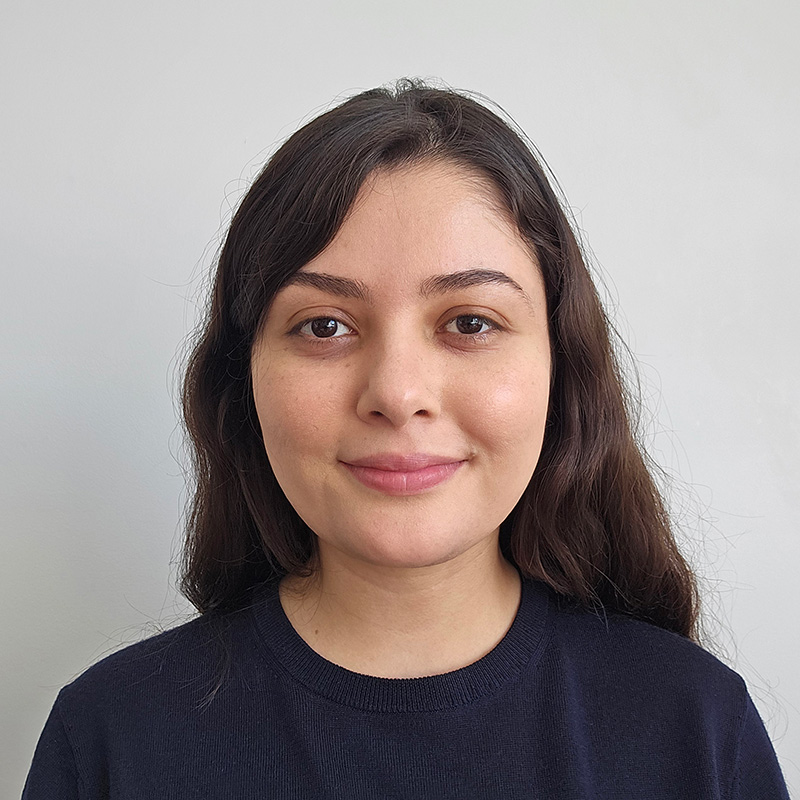
Maryam Anaraki
Maryam is a PhD student in the School of Property, Construction and Project Management at RMIT University, with a background in sustainable architecture. Her research interests lie in the relationship between indoor environmental quality and occupants’ health and performance. Her current research focuses on exploring the associations between light exposure and alertness among office workers.
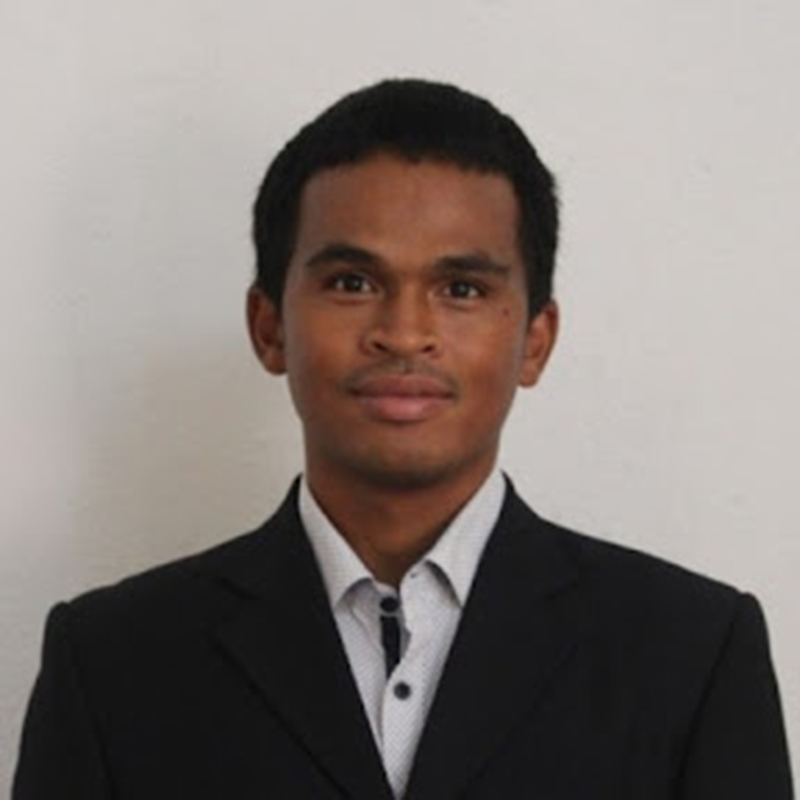
Percy Yvon Rakoto
Percy is a spatial analyst and climate adaptation researcher focused on creating cooler, more livable cities through data-driven urban greening strategies. Using tools like GIS (Geographic Information System), the Urban Cooling Model, Percy develops actionable, scenario-based simulations that guide targeted tree planting interventions. He combines geospatial modelling with detailed land cover analysis to understand how urban form, tree canopy cover, and impervious surfaces influence local air and surface temperatures. His goal is to support long-term, climate-resilient development pathways that improves liveability in vulnerable urban communities.
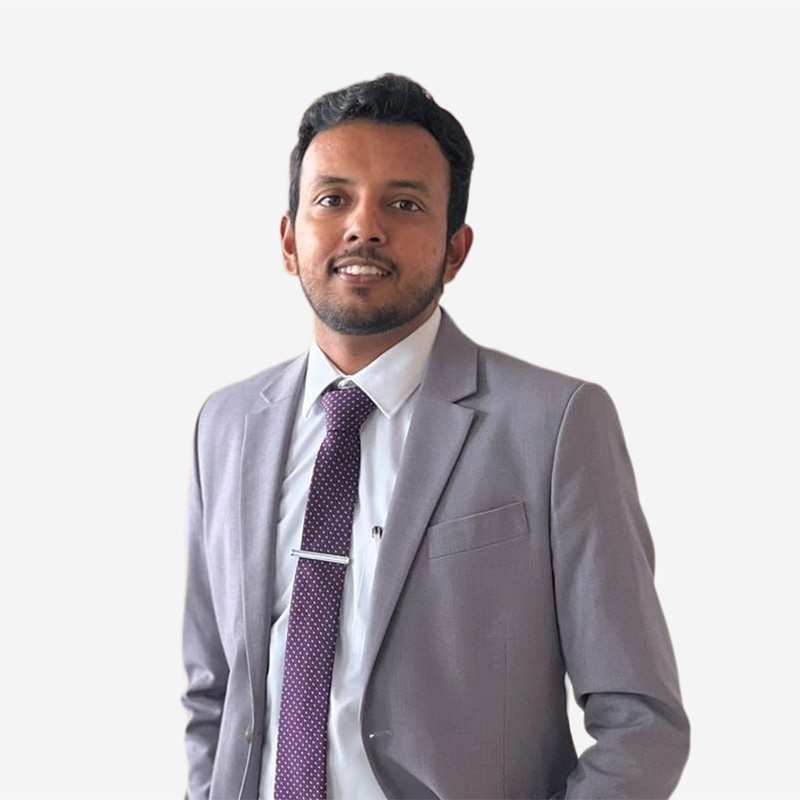
Udara Perera
Udara is a HDR student at the school of Property, Construction and Project Management (PCPM), RMIT, focusing on how modular construction can benefit the climate resilience and operational performance throughout the lifecycle of Australian houses. He holds a BSc. in Civil Engineering and a research-based Masters on developing a framework for selecting optimum passive design strategies for residential high-rise buildings. Udara's research experience spans across building and materials, with a particular emphasis on optimizing the design process using machine learning and Building Information Modeling (BIM).
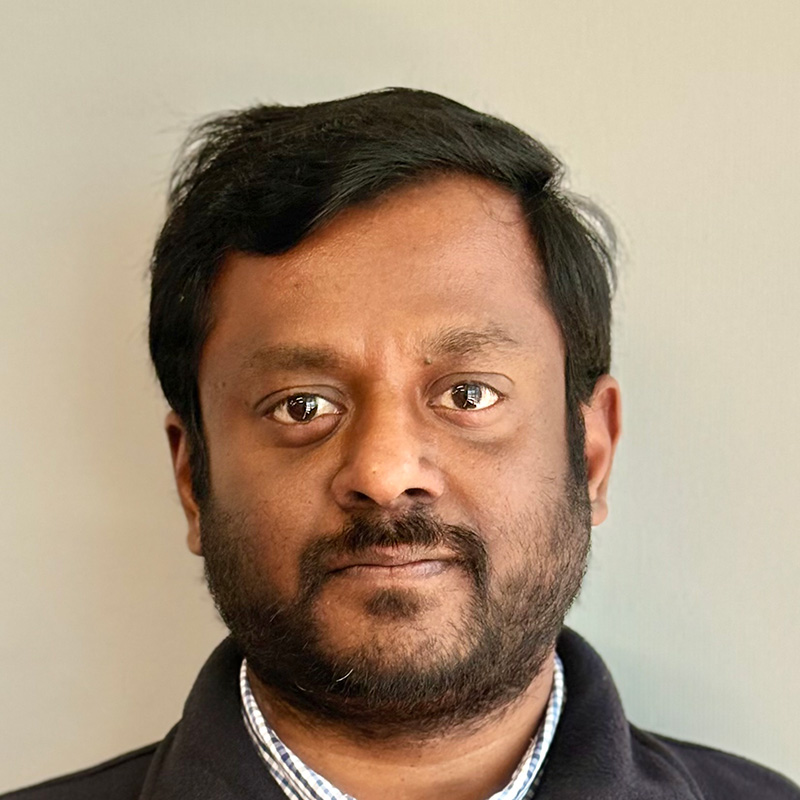
Muthukumar Maragathamayil
Muthukumar is a PhD candidate in Built Environment within the School of Property Construction and Project Management, RMIT University. He holds a Masters degree in Building Services Engineering and has over 8 years of industry experience in mechanical building services engineering. His research interests are energy efficiency and indoor environmental quality in dwellings in current and future climate scenarios.

Bao Nguyen
Bao TH Nguyen is a PhD candidate at the School of Property, Construction and Project Management, RMIT University. He holds dual master’s degrees in Architecture and Construction Management. His research investigates how floodwall design can be adapted to climate change by identifying barriers and enablers in both developed and developing countries, with the aim of creating universal frameworks for future climate-adaptive flood defence approaches. His broader experience and research interests include resilient infrastructure, integrated flood risk management, climate adaptation policy, and sustainable urban planning.

Mahsa Khanpoor Siahdarka
Mahsa's research investigates campus-focused NbS and performance-led design. Her published work spans: a 2025 article on how community gardens mitigate air pollution and expand social opportunity in Tehran (Energy Nexus); a 2025 co-authored study on social simulations for scenario-based urban regeneration (Urban Science); and earlier COVID-era studies on energy/cost and on-campus living and indoor-air strategies (2022). Her early Persian-language papers cover green infrastructure and neighbourhood gardens and climate-suitable retrofit strategies in northern Iran.
She also writes for wider audiences: her Conversation piece links climate, culture, and historical architecture across different microclimates. Recently, she submitted a scoping review to Energy and Buildings and an abstract comparing environmental simulation tools to WSBE26.
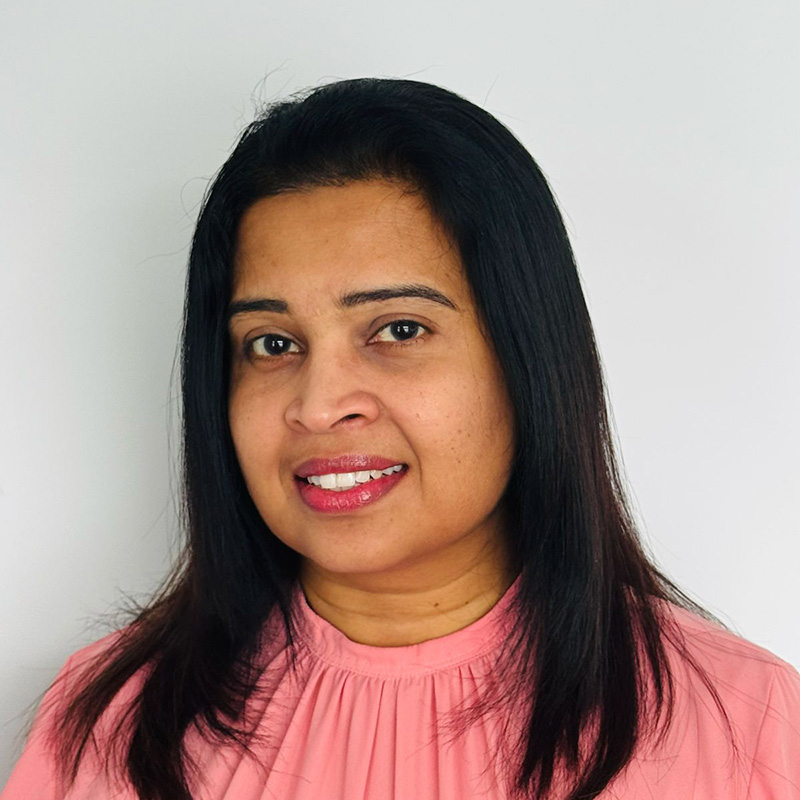
Iresha Gurusinghe
Iresha is a PhD researcher specialising in sustainable construction, with a focus on incorporating circular economy principles into residential housing in Australia. Her work integrates life cycle assessment (LCA), stakeholder engagement, and systems thinking to examine how design strategies such as material loops, regenerative practices, and design for disassembly can minimise embodied energy and operational carbon. By aligning global interventions with the local context, she creates practical pathways for circular housing models that facilitate low-carbon transitions. With extensive experience in sustainability and resource efficiency, she has worked on cleaner production, waste management, and sustainable projects across industry and academia. Her prior experiences and research support policy development and industry adoption, advocating for sustainable and regenerative practices in the built environment.
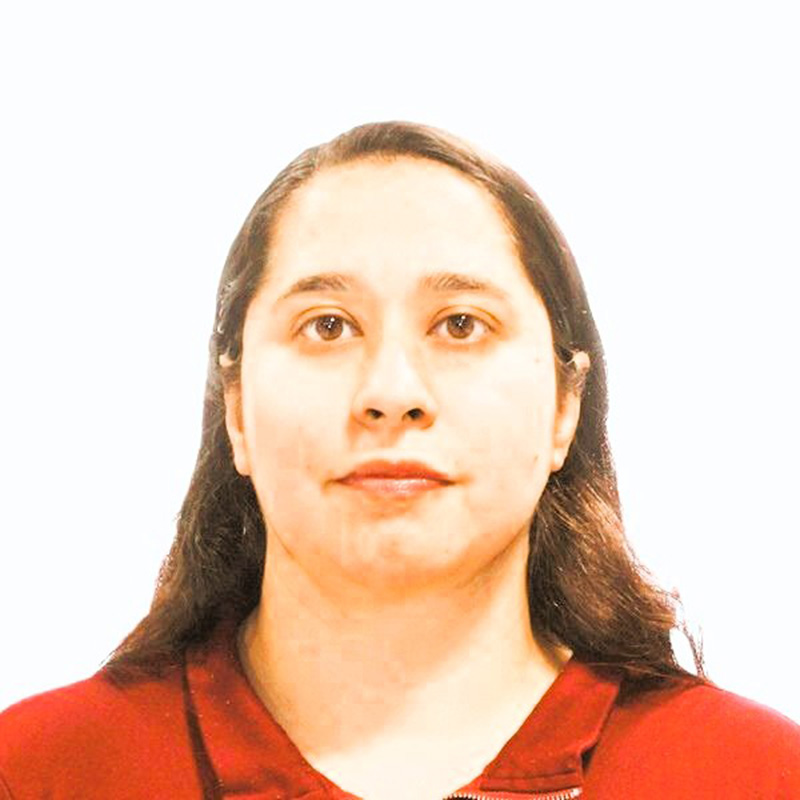
Kiranjot Kaur
Kiranjot Kaur is a PhD cotutelle fellow between RMIT University, Australia, and AcSIR–CSIR-CSIO, India, specialising in sustainable building technologies, mechanical design, and optical systems development. Her research advances Fresnel lens-based daylighting collector designs, developed through nanoscale fabrication and optomechanical simulation to reduce artificial lighting demand and net zero carbon emissions. She has published in Energy & Buildings and Lighting Research and Technology, and presented at international forums including OPTIQ-2023 and the PCPM Industry and Research Awards. She received the Best Paper Award at the World Building Congress 2025. Her work supports PCRC’s mission to deliver scalable post-carbon innovations.
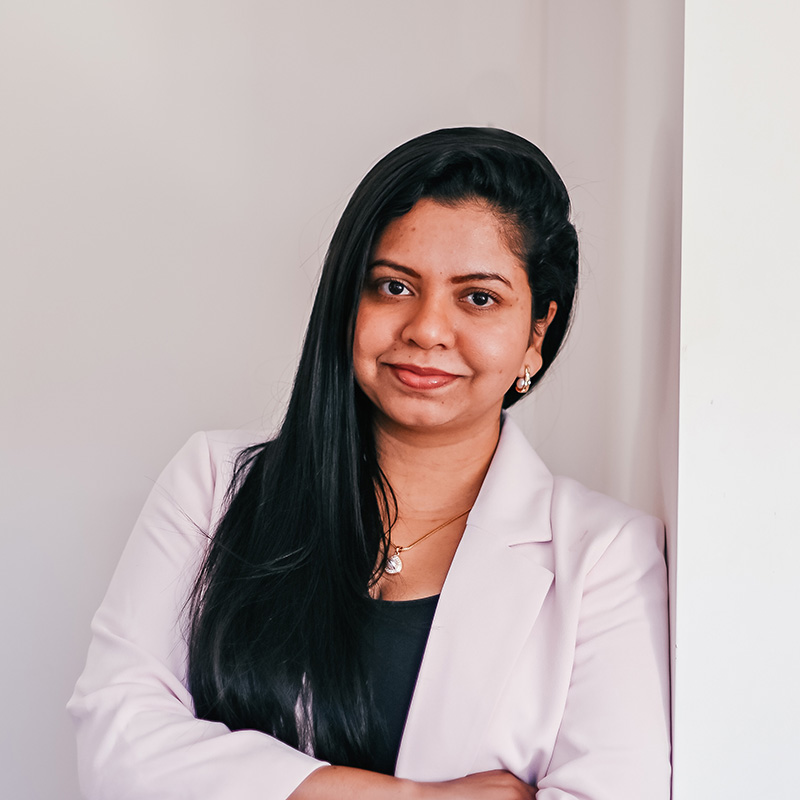
Bimali Rathnayake
Bimali Rathnayake is a doctoral researcher in the School of Property, Construction and Project Management at RMIT University. She holds a Bachelor’s (Honours) degree in Civil Engineering. Her research focuses on advancing circular economy practices in the built environment, with a particular emphasis on integrating Ce principles into buildings and infrastructure construction. Her research interests include sustainable construction, life cycle assessment (LCA), embodied carbon analysis, and the development of low-carbon, resource-efficient systems to support the transition towards regenerative and climate-resilient built environments.
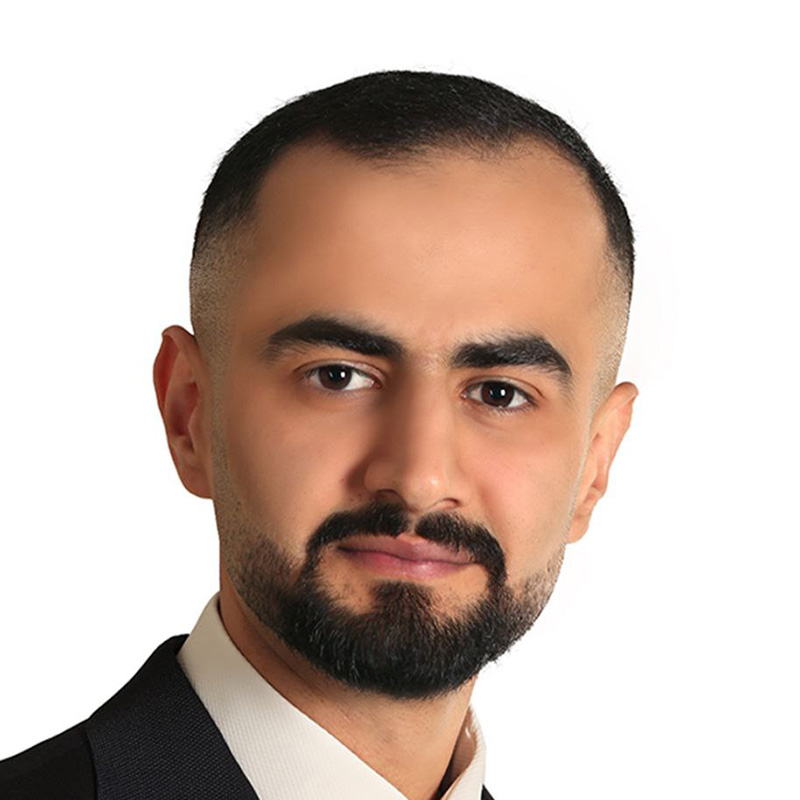
Mohammadreza Najafzadeh
Mohammadreza Najafzadeh holds a BSc in Civil Engineering and an MSc in Construction Engineering and Management, and is currently a PhD candidate in the Built Environment at RMIT University. His research focuses on the application of emerging technologies such as digital twins and artificial intelligence in the construction industry, with particular emphasis on industrialized and off-site construction methods. He is passionate about developing approaches that enhance efficiency, minimize waste, and reduce the carbon footprint of construction processes. Ultimately, his work contributes to advancing sustainable practices and supporting the transition toward a low-carbon built environment.
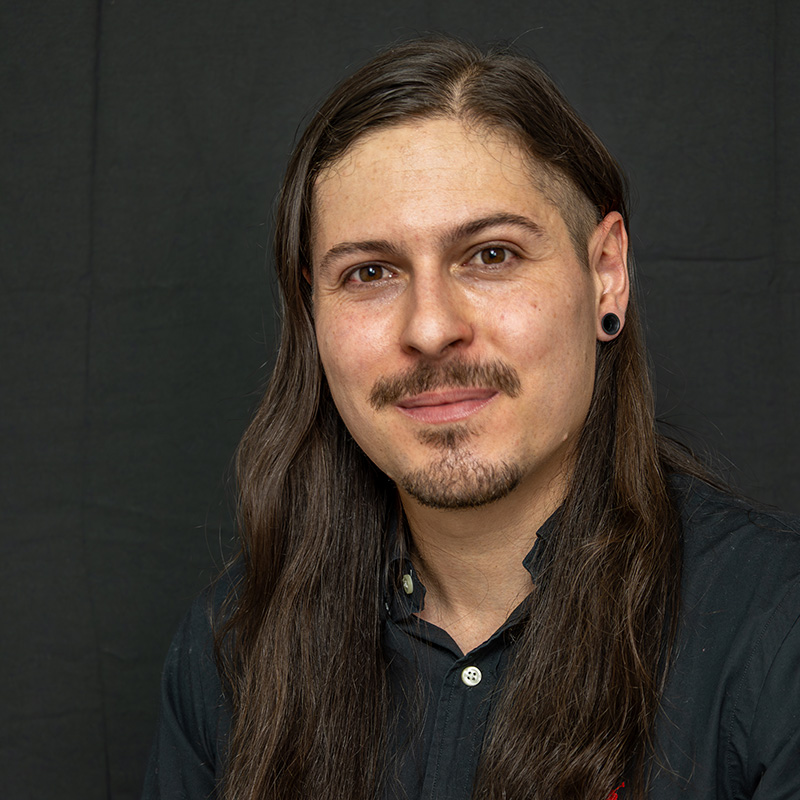
Jonathan Gonzalez Jaramillo
Jonathan is a Vice-Chancellor’s PhD Scholar in Environmental Engineering at RMIT University. His research focuses on the characterization of submicron and ultrafine particles within urban transport corridors. By investigating non-exhaust emissions from the Melbourne tram network, such as brake wear and pantograph arcing, he seeks to improve the sustainability and material efficiency of public transit infrastructure. Jonathan holds a Master’s degree from Virginia Tech and a Bachelor's from Universidad Nacional de Colombia, and specializes in environmental microscopy and monitoring. He utilizes high-resolution scientific visualization to communicate complex air quality data and particle behavior to both academic and public audiences.

Ismat Jahan
Ismat Jahan is a PhD candidate in Environmental Engineering at RMIT University, focusing on improving air quality in urban environments. Her work uses Computational Fluid Dynamics (CFD), particularly ANSYS Fluent, to study how different urban designs influence pollution levels. She investigates the combined use of green infrastructure and ventilation strategies to reduce air pollution and enhance both indoor and outdoor air quality. She also plans to incorporate machine learning techniques to make her research more practical and applicable to real-world environmental challenges. Through her work, she seeks to bridge the gap between engineering analysis and practical urban planning solutions, ultimately promoting cleaner, more resilient cities.



