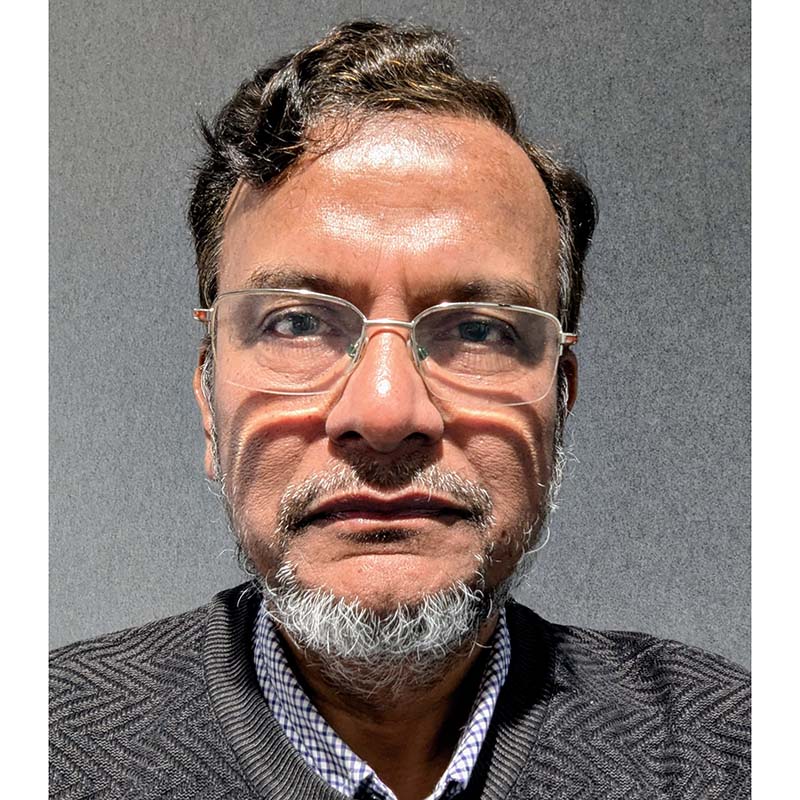
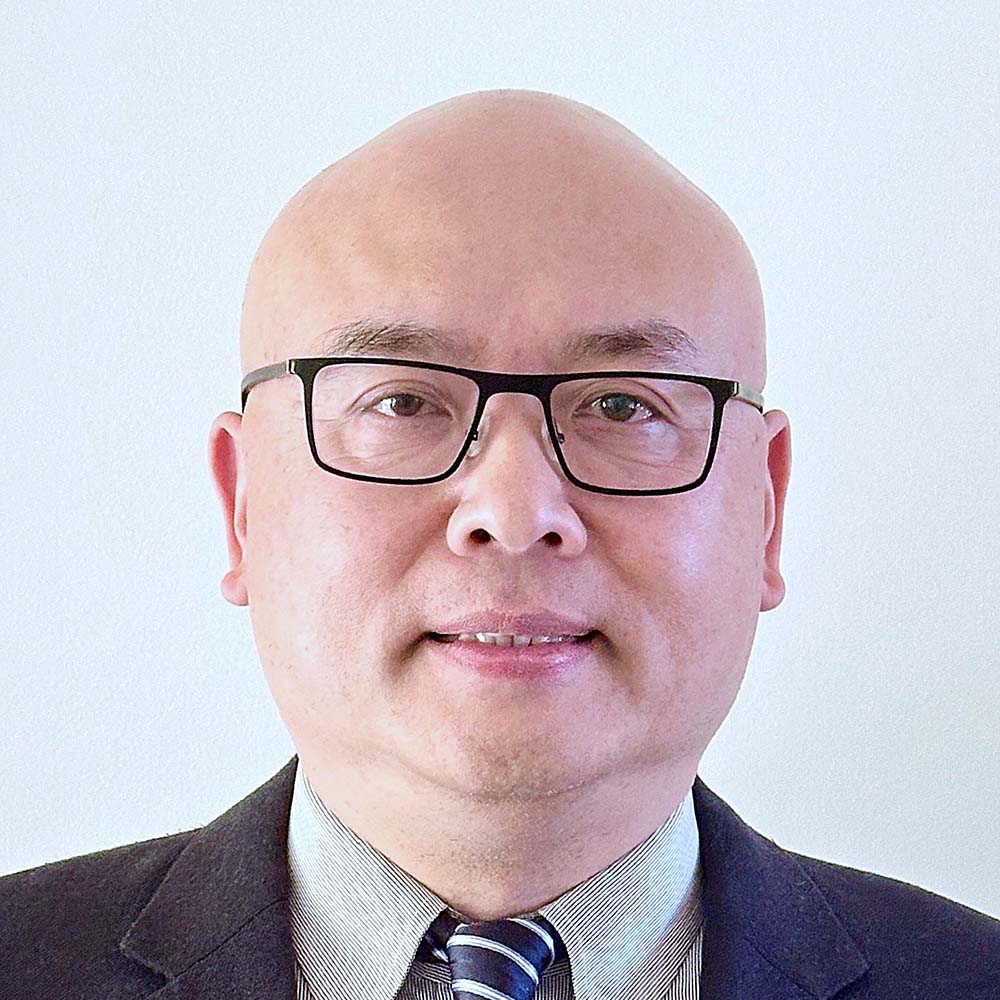
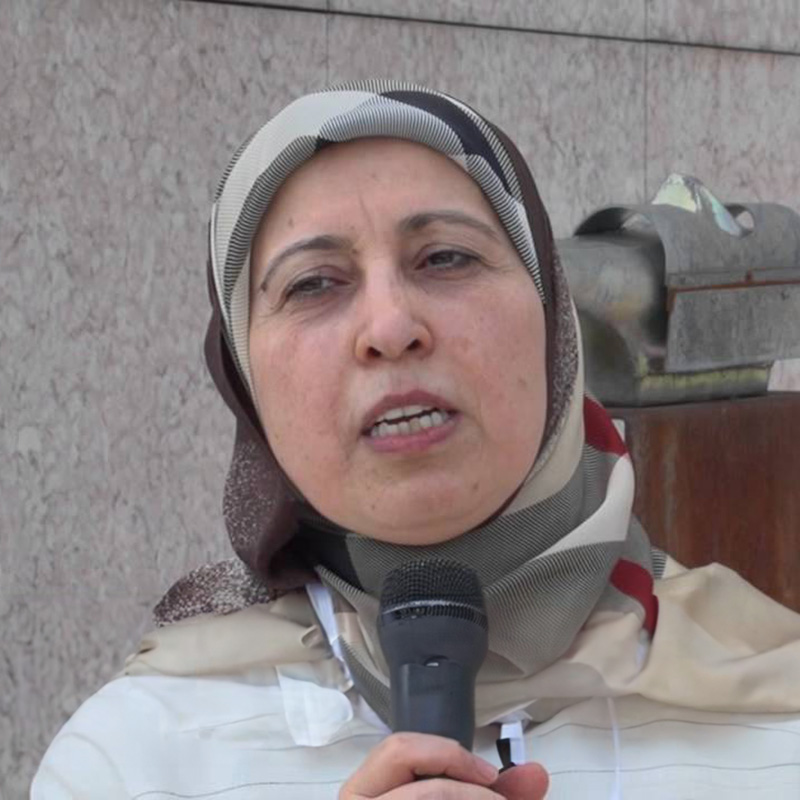
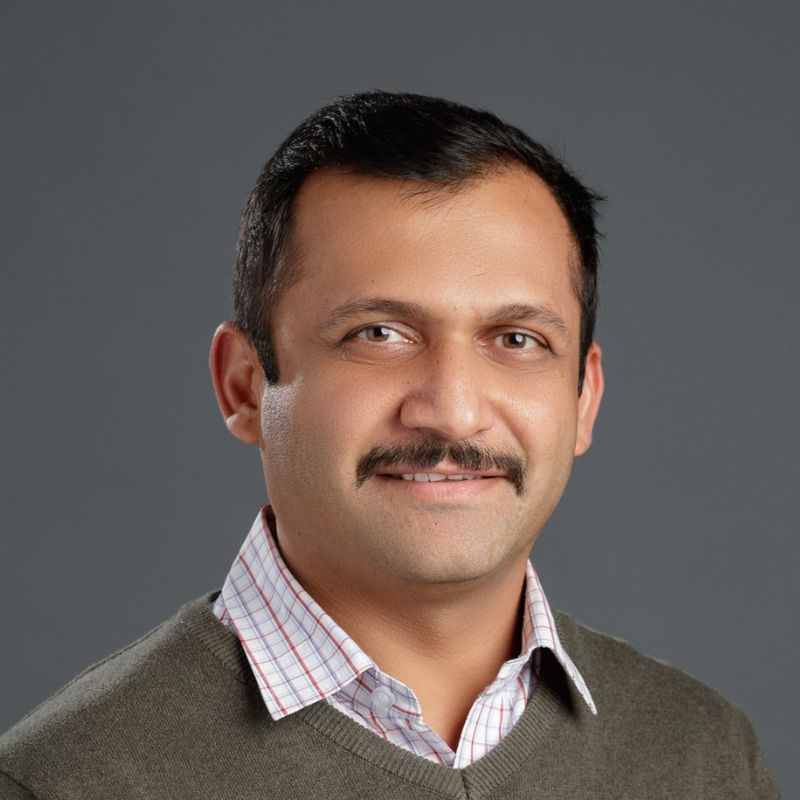
We are a vibrant, multicultural team united by our commitment for advancing Innovative Water Technologies. Together, we leverage our diverse experience and skills to impactful real-world water solutions.
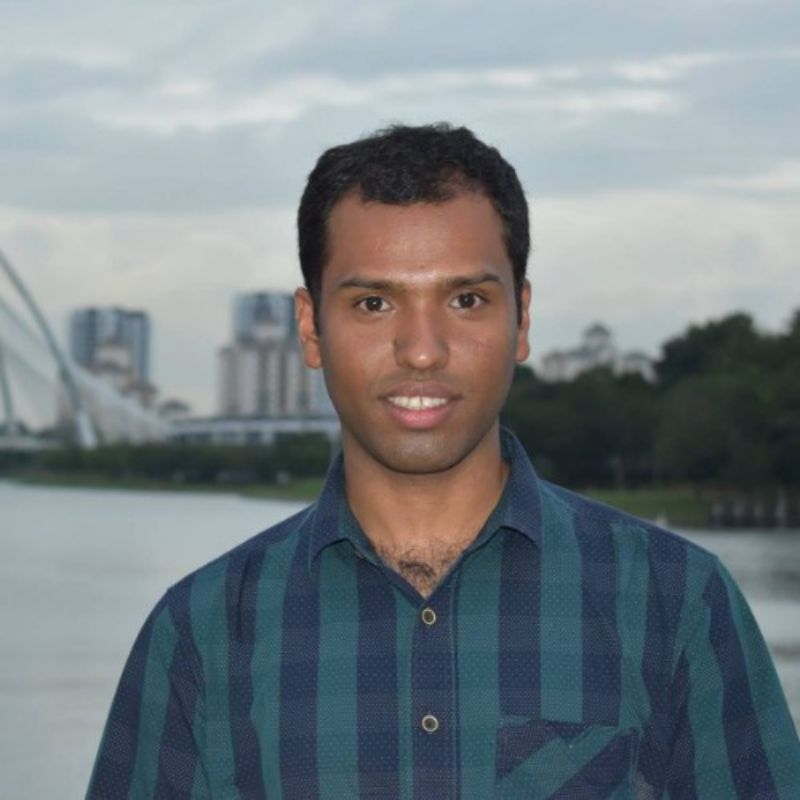
Biplob is a global expert in separation-based water and wastewater treatment, fatberg management, and resource recovery. His fatberg management research spans advanced grease interceptor design for effective fats, oils, and grease (FOG) removal, innovative coating technologies to prevent FOG deposition on sewer surfaces, and predictive modelling to identify high-risk locations. By integrating laboratory-scale testing, pilot demonstrations, and field trials, his work delivers practical solutions that reduce blockages, minimise maintenance costs, and extend the operational life of sewer networks.
Through our research, the WETT Centre is tackling global water challenges to ensure safe water for all by developing resilient water infrastructure, advancing nature-based treatment systems, and delivering sustainable, cost-effective environmental solutions. We invite you to join us in our mission to safeguard water as our most essential resource, advancing sustainable surface water management, reimagining wastewater as a source of valuable materials and energy, and driving innovation to accelerate the transition to a circular economy.
Hydrology, flood risk mitigation, stormwater management, fluid dynamics.
Desalination, membrane filtration, microplastic removal and resource recovery
Water recycling, on-site wastewater treatment, anaerobic digestion, simulation and modelling and evaporation enhancement.
Water desalination, waste heat recovery, and utilization and renewable energy generation technologies.
Laminar transportation, multiphase dynamics, anaerobic digestions, sludge rheology, biomass utilization and techno-economic analysis on hydrogen energy system.
Waste management and recycling, carbon sequestration, soil remediation, organic and inorganic pollutants in soil.
Brian works on heat recovery from wastewater.
Li works on wastewater treatment, resource recovery, material fabrication.
Professor Kalpit Shah works on the areas of, waste, energy, biomass, thermal processing, carbon materials, emissions and catalysts.
Associate Professor Dilan Robert’s research interests cover sewer pipe failure prediction, concrete corrosion and waste recycling.
Dr Rajeev’s works on replacing materials for corrosion and fatberg deposition control in sewer systems, identification and separation of microplastics in road dust and stormwater and application of granular slag waste from water treatment plants in concrete applications.
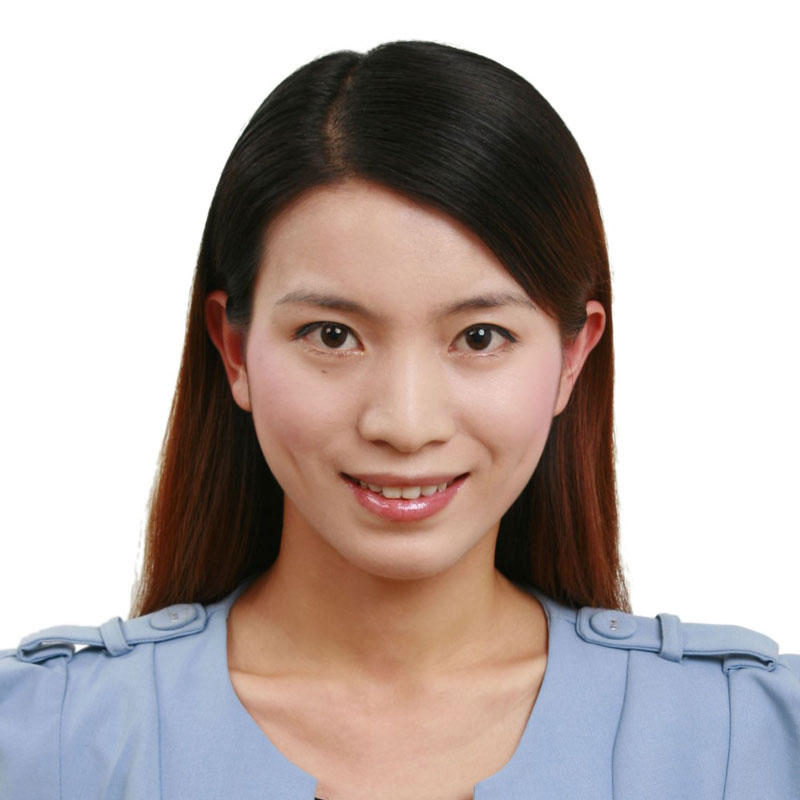
Associate Professor David Law’s research areas include sewer corrosion, porous pavement for stormwater infiltration, and sustainable Water-Sensitive Urban Design.
Dr Tanveer Adyel’s research works on plastic pollution and urban stormwater engineering areas, focusing on the fate of plastics in aquatic and sediment systems, carbon cycling and metabolism in coastal wetlands.
Professor Akram’s research integrates remote sensing, machine learning, signal processing, and hyperspectral imaging to enhance environmental monitoring, water quality assessment, and data-driven water infrastructure management.
Muhammed Bhuiyan's areas of research interest are hydrology, flood risk mitigation, stormwater management and fluid dynamics.
Dr Nick Brown’s research interests include water, sanitation and hygiene, emerging technologies, numerical modelling, environmental engineering, sustainable alternatives and many more.
Associate Professor Stefania Castelletto’s areas of research interest are quantum technologies, nanotechnology, renewable energy systems, nanomaterials.
Associate Professor Ken Chiang’s research focuses on advanced oxidation (water and air purification), hydrogen generation, innovative catalyst technologies, solar-to-chemical/fuel technologies.
Professor Nicky’s areas of research interest are sludge rheology, three phase rheology, sludge treatment, anaerobic digestion, hydrothermal treatment and dewatering.
Associate Professor Linhua Fan’s research area covers water quality and management, drinking water and wastewater treatment, wastewater reclamation, membrane technology, advanced oxidation processes, waste minimisation/resource recovery.
Dr Li works on wastewater treatment, resource recovery, material fabrication.
Dr Kathryn Hassell’s research interests include aquatic organisms, freshwater rivers and wetlands, estuaries and marine ecosystems, fish reproduction, water and sediment monitoring of micropollutants and emerging contaminants associated with stormwater, sewage and recycled water.
Professor Jega’s research area covers urban catchments, resource recovery, membrane technology, water and wastewater treatment.
Professor Oliver’s research focuses on tracking the fate and behaviour of pollutants in the environment and determining their possible effects on biological systems.
Associate Professor Daniel Lester’s expertise covers fluid mechanics and numerical modelling including computational fluid dynamics (CFD).
Professor Darryn McEvoy’s research area covers flood management, climate risk assessment and adaptation, disaster management.
Prof. McNabola's research lies in the application of fluid dynamics modelling and experimentation in the energy and environmental engineering fields.
Professor Vikram’s research interests include asset integrity management of water utilities, safety and reliability of water infrastructures and seawater electrolysis.
Professor Aidyn’s research interests include aquatic plants, algae, conversion of wastewater to clean water and advanced renewable energy.
Professor Dayanthi’s research interest covers effect trace metals, plastic pollutants, persistent organic pollutants (pops), pesticides, microplastics, nanoparticles, pharmaceuticals on aquatic ecosystems.
Professor Mark’s research interest covers drinking water microbiology, antibiotic resistance in aquatic and built environments, and groundwater microbiology.
Dr Maazuza’s areas of research include simulation and modelling, performance evaluation and optimization of wastewater treatment plants, water recycling and on-site wastewater treatment and evaporation enhancement.
Professor Vincent’s research interest covers constructed wetland, emerging contaminants, fate and control of microplastics, and freshwater waterways health assessments.
Dr Biplob’s research areas of interest are fatberg management, material fabrication, water treatment, resource recovery.
Professor Felicity’s research interests cover fat, oil and grease management, emerging contaminants, water and wastewater treatment and membrane filtration.
Professor Jeff’s areas of research include coastal and marine ecology, marine fouling ecology and antifouling technologies.
Associate Professor James’s research interests include arsenic removal from drinking water and wastewater treatment.
Dr Huacheng’s research interests include development of membranes for resource recovery and water treatment, water desalination and wastewater treatment.
Dr Kazi Hasan research work includes maximising renewable energy for Water Corporations and operating cost reduction for water utilities by electricity profiling and demand management.
Professor Gary’s research interest covers on heat pumps and wastewater heat recovery.
Professor Andy's research is focused on the sustainable remediation of contaminated environments, sludge rheology, wastewater treatment, and environmental pollution.
Dr Kim works on membrane development for resource recovery, wastewater treatment, and processes for gas separation, seawater desalination (RO and FO), membrane distillation and nanofiltration.
Dr Yichao Wang works on developing materials for water treatment, functional nanomaterials, nanotechnology and plant nano-bionics.
Dr. Erica’s research interests cover flood, and other hazards, evacuation behaviour during disasters, including flood and tsunami.
Dr Anirban’s research interests cover Surface water modelling, Natural hazards analysis (Flood, Drought and Bushfire), Water quality monitoring and Climate change.
Manager Infrastructure Strategy and Planning, North East Water
CEO, Water Research Australia
Senior Scientist, Environment Protection Authority (EPA) Victoria
Senior Water Grid Oversight Policy Officer, Department of Energy, Environment and Climate Action
RMIT University acknowledges the people of the Woi wurrung and Boon wurrung language groups of the eastern Kulin Nation on whose unceded lands we conduct the business of the University. RMIT University respectfully acknowledges their Ancestors and Elders, past and present. RMIT also acknowledges the Traditional Custodians and their Ancestors of the lands and waters across Australia where we conduct our business - Artwork 'Sentient' by Hollie Johnson, Gunaikurnai and Monero Ngarigo.
More information