Build a career creating compelling visuals, innovative designs, and engaging brand identities.
If you've ever looked at a poster, website, or advertisement and thought, "I'd love to be the one creating this, then a career as a graphic designer might be the job for you. From branding and packaging to digital media and beyond, a graphic designer conceptualises, designs, and delivers the visual elements that make up our world.
Stuart Geddes, Lecturer of Communication Design at RMIT, says, “Graphic design is a meaningful and fun career. It strikes a balance between the creative side that someone who might be interested in a fine art type of course and the pragmatic side of graphic design.”
But what is a graphic designer?
Graphic designers are visual problem solvers with highly specialised technical, creative and conceptual skills and knowledge in visual communication.
As Ziga Testen, Associate Lecturer of Communication Design at RMIT, puts it,“Graphic designers help to find a visual voice and tone for an organisation or a business and ensure that it's applied strategically and consistently. They also make sure accessibility and usability are kept in mind. It’s a mixture of strategic textual and visual work.”
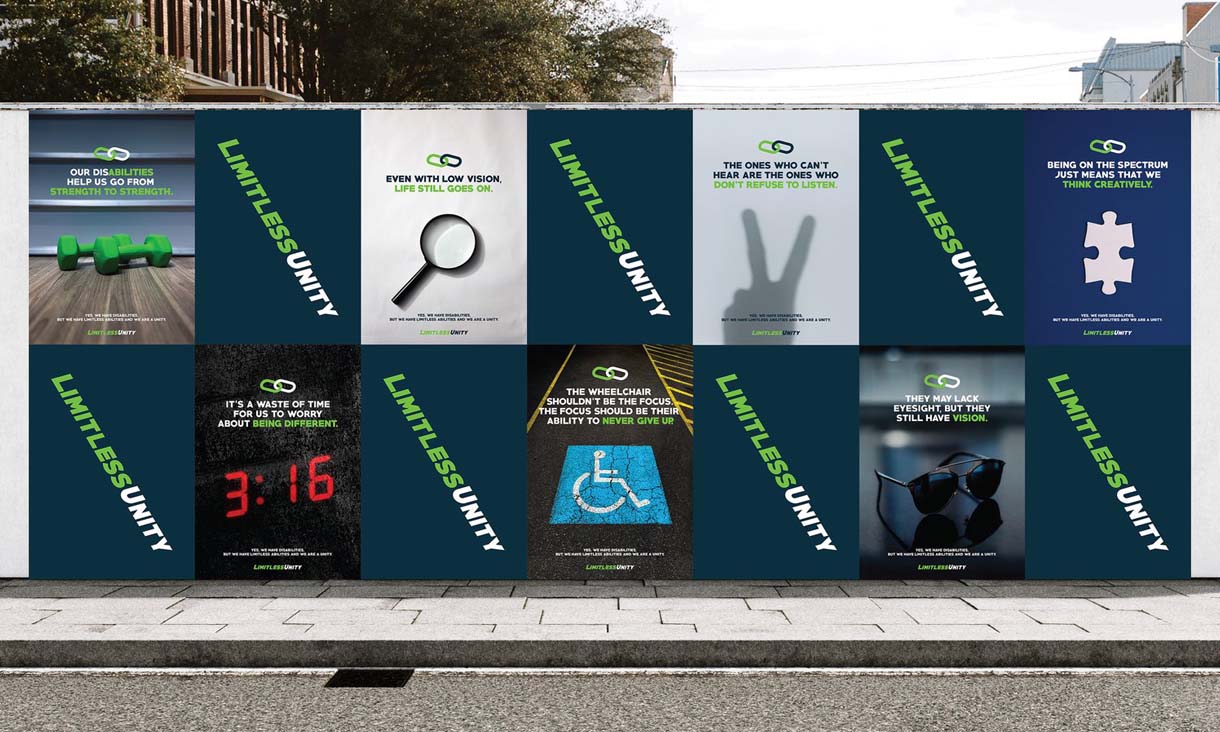
How to become a graphic designer
While no industry accreditation or formal qualification is required to work as a graphic designer, earning a relevant qualification will equip you with the important skills and experience to work in the graphic design industry and beyond.
Ziga Testen explains, “The way we teach graphic design is through situated learning that simulates a studio environment, which is not something you can pick up with a YouTube video of Indesign skills, for example. It's studio-based learning where you synthesise real world scenarios such as briefs with supplemented readings and you develop, critique, and refine your work.”
Apply to a graphic designer course
No courses match your current filters
Try adjusting them or reset all filters to see more options

Bachelor of Graphic Design
 February, July
 On campus
 Melbourne City
 Full-time 3 years

Master of Communication Design
- February, July
- On campus
- Melbourne City
- Full-time 2 years, Part-time 4 years, Reduced duration available
Build a design portfolio
To work in graphic design, you will need an in-depth and varied portfolio of work that highlights your skillset for potential employers and clients. A design portfolio should be regularly updated and can include illustrations, mock-ups or finished designs that feature logos, typography and other digital design elements, depending on what you’ve specialised in.
According to Associate Professor Brad Haylock, Associate Dean of Communication Design at RMIT, “If you're aiming to study graphic design, start a career in the industry, or even land a new job as a professional, it all begins with your portfolio. RMIT students across the course of their studies will develop a portfolio of work that supports them to move into the industry.”
Gain relevant experience
While studying it’s important to gain practical experience and network connections in the design industry. At RMIT you will learn best practice and gain valuable feedback from industry leaders as well as work on projects with industry partners, attend trade events and join our mentor scheme. You will also have the opportunity to network and collaborate with students from other disciplines in our 24-hour access studio space.
Ziga Testen says, “Graduating from RMIT, you will be equipped with a suite of executed projects and a portfolio that demonstrates your potential career path. You'll also have explored diverse career pathways and identified your specialisation. Plus, you'll have made early inroads into networking for your future career.”
What does a graphic designer do?
A/Prof Haylock says, “Graphic designers do two types of work. One is working with people and understanding design problems, clients, audiences, and end users. The second is the work of making graphics and seeing them through to production.”
Graphic designers create visual media such as branding, logo designs, advertisements, web design, product packaging, magazines, TV commercials, and more. They are creatives with a strong understanding of colour, contrast, scale, and visual harmony. An understanding of industry-standard design software such as InDesign, Photoshop and Illustrator is an essential part of the role.
Key skills for graphic designers
According to Stuart Geddes, “Working in design is all about people - whether that's other designers, clients, authors, or stakeholders. It requires a delicate balance of strategic and systematic thinking, along with the technical skills to drive a project forward. The sweet spot is being able to navigate the 'soft skills' of understanding and managing people and projects, while also mastering the 'hard skills' of the software.”
A/Prof Haylock adds, “The first soft skill is an ability to understand systems and unpack problems. Interpersonal communication skills are essential. And then there are the hard skills of creating excellent graphic form that's appropriate for a given design problem for a given audience.”
Tasks and duties
- Working with clients to define the problem or brief
- Conducting research to understand the project's requirements, including the best solution possible within the project's budget and timeline, in collaboration with the client
- Conceptualising the right look and feel for a specific audience
- Taking words, images, and symbols to create visual stories that represent ideas, products, and messages
- Sketching out ideas and creating visual drafts for clients to review and provide feedback on
- Producing versions or iterations of possible solutions
- Conducting user testing throughout the process
- Workshopping solutions with the client and potentially with representative stakeholder groups, tweaking designs to make sure they're just right
- Overseeing the job through to production, which may involve working with suppliers such as printers, poster producers, and developers for websites and apps
- Using a range of software and skills, from page layout and typography to visual arts, to create designs that are both technically sound and visually appealing
Throughout this process, A/Prof Haylock says, “You have to think about the needs of very diverse user groups and consider the principles of inclusive design. This could mean thinking about how they interact with a design, or how we design to be more user-friendly.”
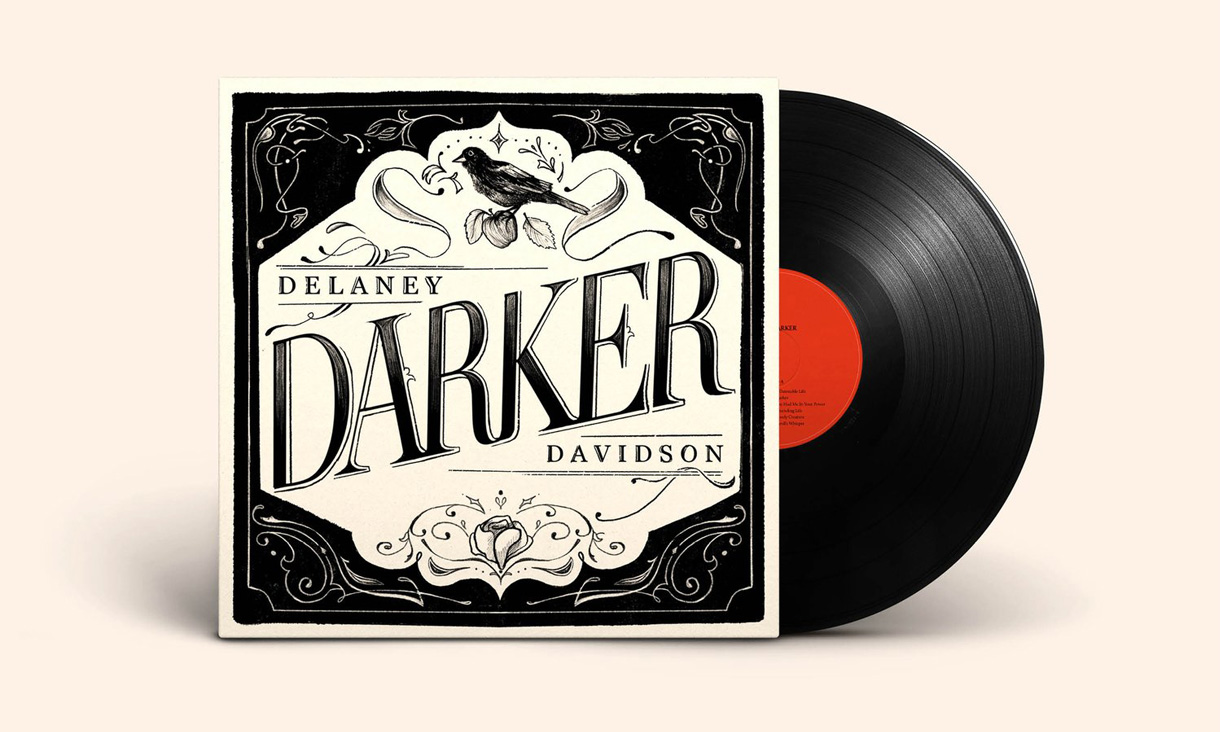
What’s the graphic design industry like?
"Graphic design is a field that's always evolving, especially with the fast pace of technological advancements,” says A/Prof Haylock.
Where do graphic designers work?
Graphic design is a versatile role that can work in a wide variety of fields. For example, you may work in marketing, entertainment, advertising, or an art studio, among many other opportunities. Graphic design is a versatile industry that can allow you to work as a freelancer as well as for specific companies and organisations.
Stuart Geddes notes, “In recent years, there’s been an increase in entrepreneurial activities. People are starting up their own studios or starting up their own design-based businesses in adjacent fields such as type design or even in fashion but with a with a graphic design background.”
How much do graphic designers earn?

The average salary for a graphic designer in Australia is $83,000 per year*.
*Source: Seek.com.au 2026
Learn more about your graphic design study options
Whether you're a Year 12 student weighing up your options, thinking about switching careers or a professional looking to expand your skills, RMIT is ranked as #1 in Australia and #19 in the world for studies in art and design^, so no matter which course you choose, RMIT will equip you with the skills and knowledge for a creative career in the design industry.
^Source: QS World University Rankings by Subject 2026