Research @DSC
DSC research co-creates sustainable and inclusive post-carbon societies. We embrace diversity, transparency and accountability, while addressing inequality and navigating digital disruption in ways that benefit society. Our world-leading research across design and social context positively impacts society, industry, and government and non-government sectors.
Our research is concentrated across three domains:
Across each we lead new research methods, respond to real-world problems, seek new collaborations, and maintain a flexible and interdisciplinary approach.
DSC researchers span our nine schools and connect through membership of RMIT Research Centres and Groups, Research Initiatives, Enabling Impact Platforms and other cross disciplinary networks.





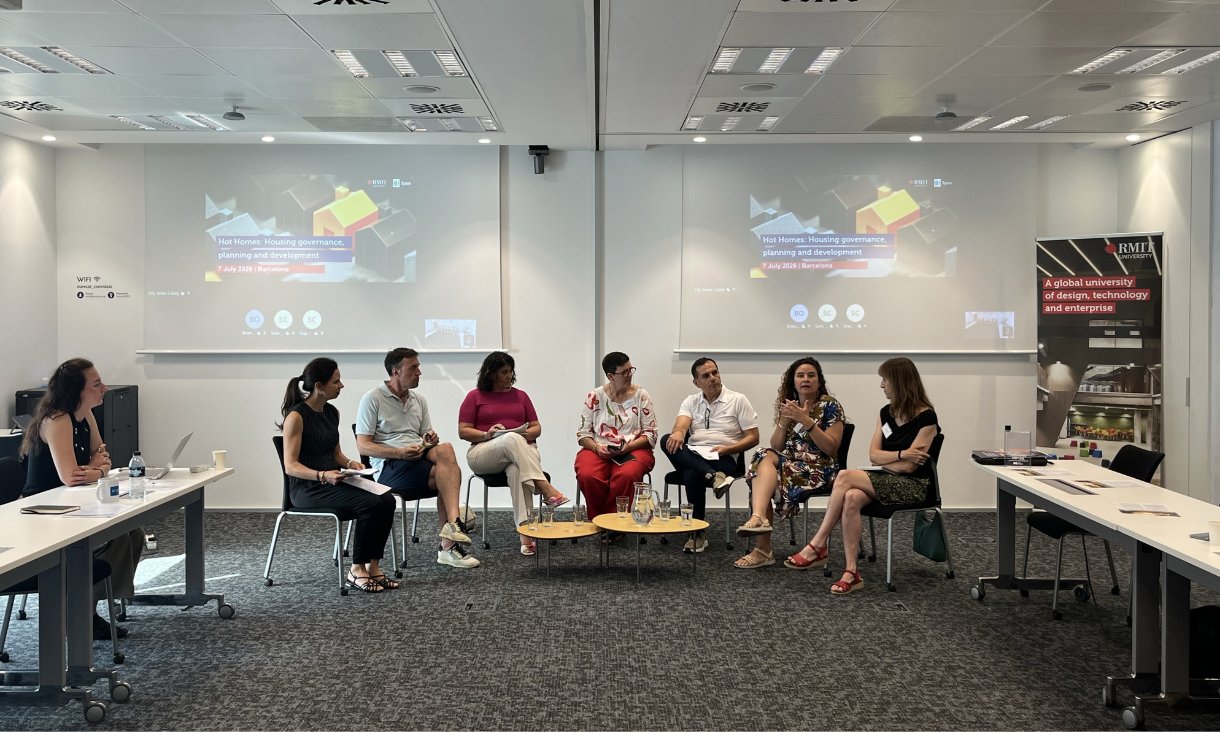
Earlier this year, RMIT Europe and the Urban Land Institute (ULI) Spain invited experts to Barcelona to explore the growing tension between extreme heat and housing.
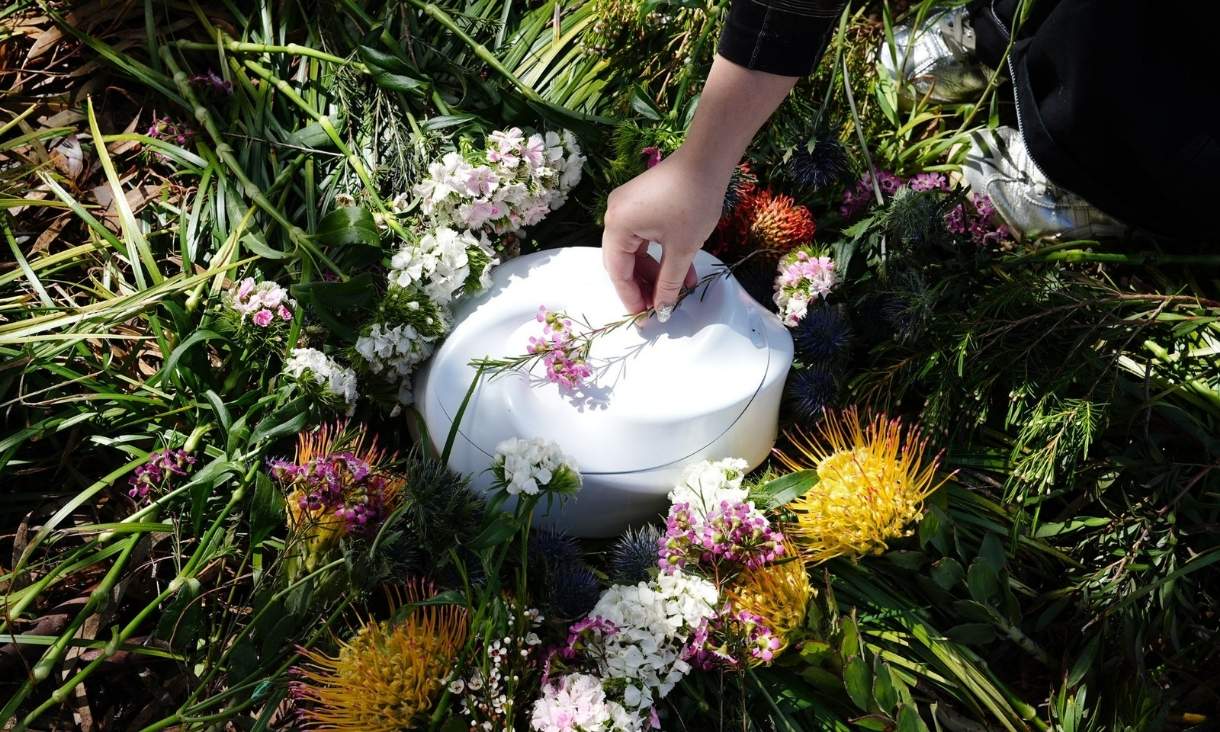
Eight projects featuring RMIT design research, outcomes and collaborations have been honoured at the 2026 Australian Good Design Awards.

The RMIT Pacific Initiative will be expanded across Melanesia through a new $1.6 million partnership with Minderoo Foundation.

New RMIT University research suggests environmental awareness alone may not stop people buying ultra-fast fashion, with price and convenience trumping sustainability concerns for shoppers.

Contact us to discuss research collaborations, studying a research degree, or to find a research expert.
Find out more about studying a research degree at RMIT and our current graduate scholarships
RMIT builds partnerships to have a positive impact in the world. We form multi-disciplinary teams with government, community, industry and researchers to deliver innovative solutions.
Learn more about how the Research Ethics and Integrity team facilitate ethical and excellent research at RMIT
Image credits:


RMIT University acknowledges the people of the Woi wurrung and Boon wurrung language groups of the eastern Kulin Nation on whose unceded lands we conduct the business of the University. RMIT University respectfully acknowledges their Ancestors and Elders, past and present. RMIT also acknowledges the Traditional Custodians and their Ancestors of the lands and waters across Australia where we conduct our business - Artwork 'Sentient' by Hollie Johnson, Gunaikurnai and Monero Ngarigo.
Learn more about our commitment to Aboriginal and Torres Strait Islander peoples