
Design and Creative Industries

Researchers from DSC’s design and creative industries domain work across all sectors in society, transforming the world and co-producing new knowledge in collaboration with our industry partners.

DSC has particular strengths in researching the relationships between culture and technology, the role of design in digital and automation and visa versa, sound design, social innovation and speculative hybrid futures. We also have a world-leading materials lab with garment design led by textiles experts who are researching the unique capabilities of materials innovation and future fashion with a focus on sustainability, safety and innovation. We also have a strong nonfiction lab research group and a sound and screen cultures research group.

Research Centres and Groups

News

New toolkit helps cultural organisations turn audience insights into impact

A new toolkit developed through the Museum Digital Social Futures project is helping museums, galleries and other cultural organisations make better use of the audience insights they already collect every day.

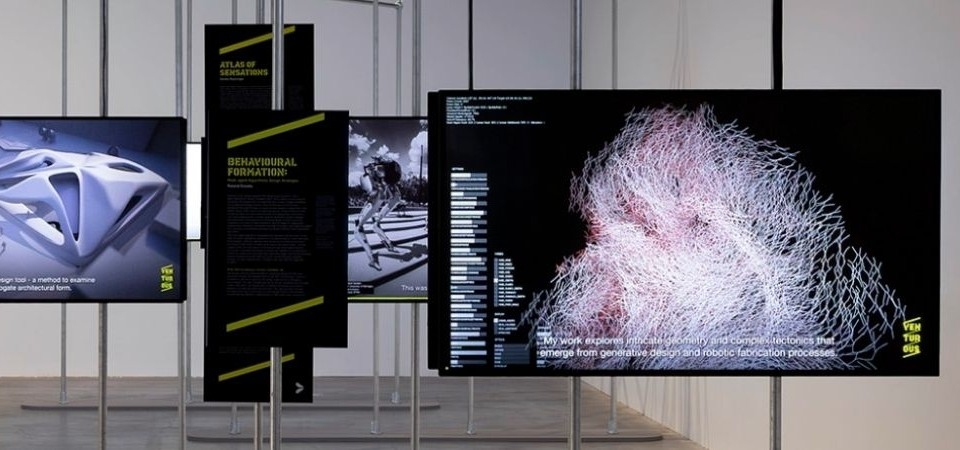
VENTUROUS exhibition charts a decade of innovative design research and practice from RMIT PhD alumni in Architecture & Urban Design

RMIT Galleries’ latest exhibition brings together the work of 23 practitioners, all alumni of RMIT’s School of Architecture & Urban Design’s pioneering design practice PhD program.

From ancient silk to living leather: RMIT's plant-based designs brought to life at NGV

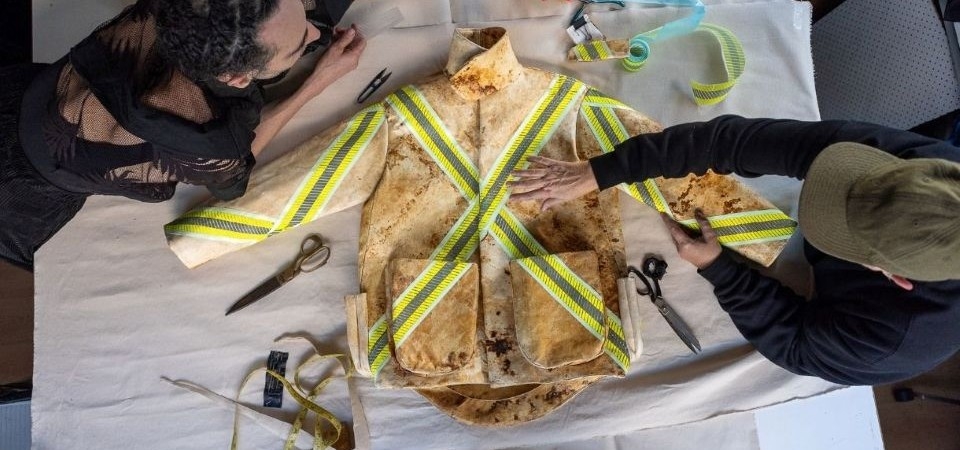
A rare 'blackest black' silk from Vietnam's Mekong Delta and a fire-retardant jacket grown from fungal networks are among the standout commissions RMIT University has contributed to the National Gallery of Victoria's world premiere exhibition, Plant Life: The Nature of Design.

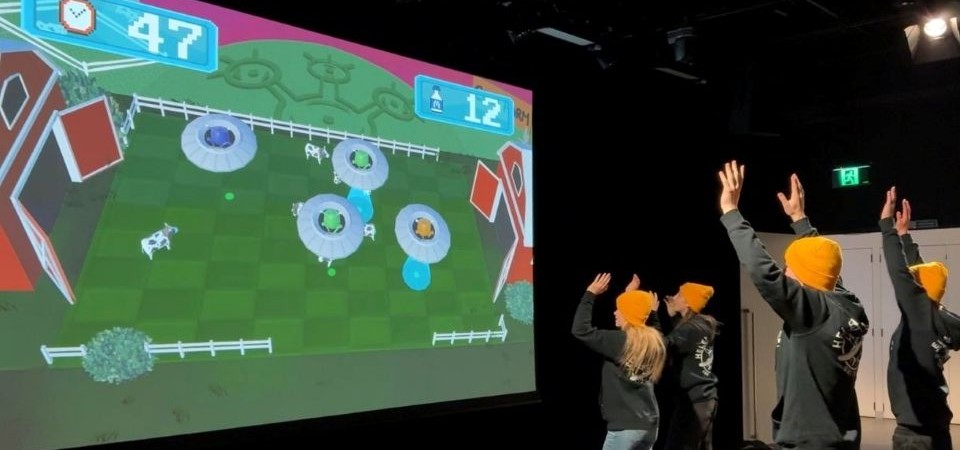
RMIT projects find real-world audience at ACMI + RMIT Audience Lab

Final-year students in RMIT’s Digital Media Major Project course are collaborating with RMIT’s Centre of Digital Ecosystems (CODE) to develop large-scale interactive works using CODE’s spatial interaction framework.

Most Australian women wearing shoes that don’t match their feet, study finds

Most women in a new RMIT University study wore shoe sizes that differed from the size indicated by their foot length, highlighting the limitations of conventional sizing systems in accounting for differences in foot width and shape.
15
Image of three white contact icons. These include a telephone, the at symbol and mail symbol.. The background features a brown wooden texture.

Research @DSC contact list

Contact us to discuss research collaborations, studying a research degree, or to find a research expert.

Connect with us

Icon/Social/Twitter
Icon/Social/Instagram
Icon/Social/LinkedIn

Discover more

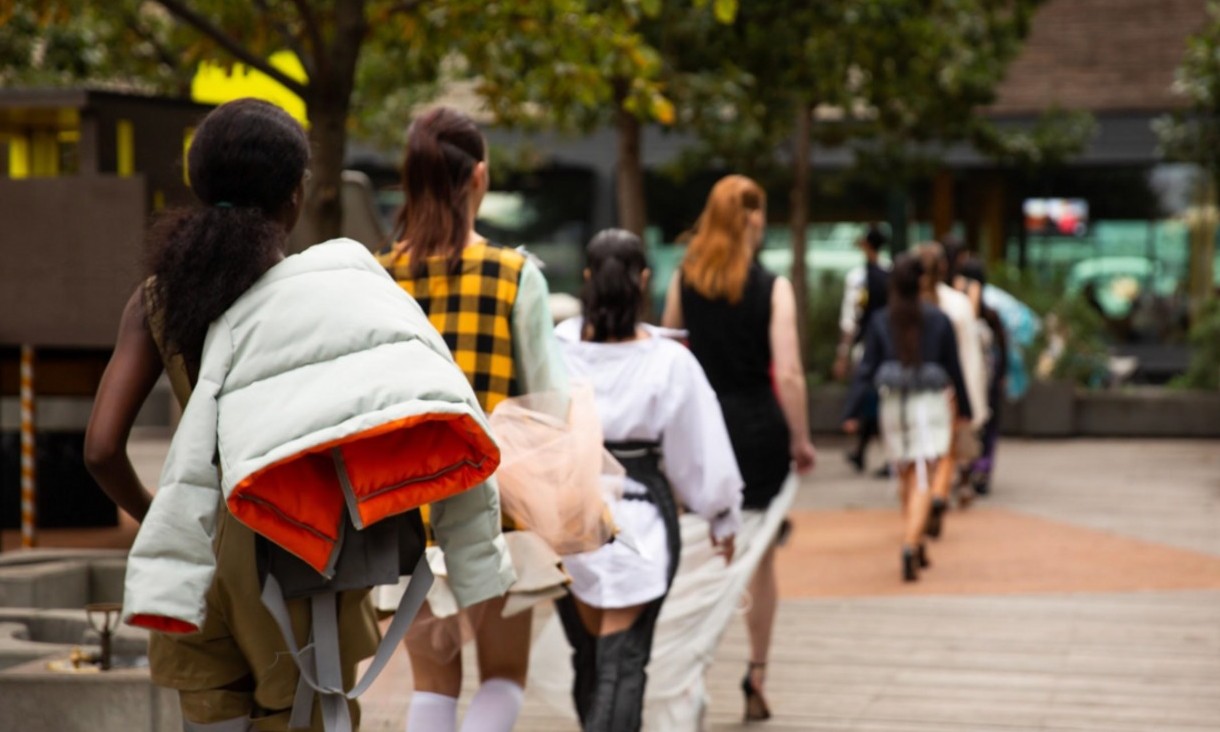
CO:MADE image credit: Dress rehearsal of 'Urban Flâneur: Fashion Reimagines the City', co-produced by Dr Tarryn Handcock and Dr Tassia Joannides.

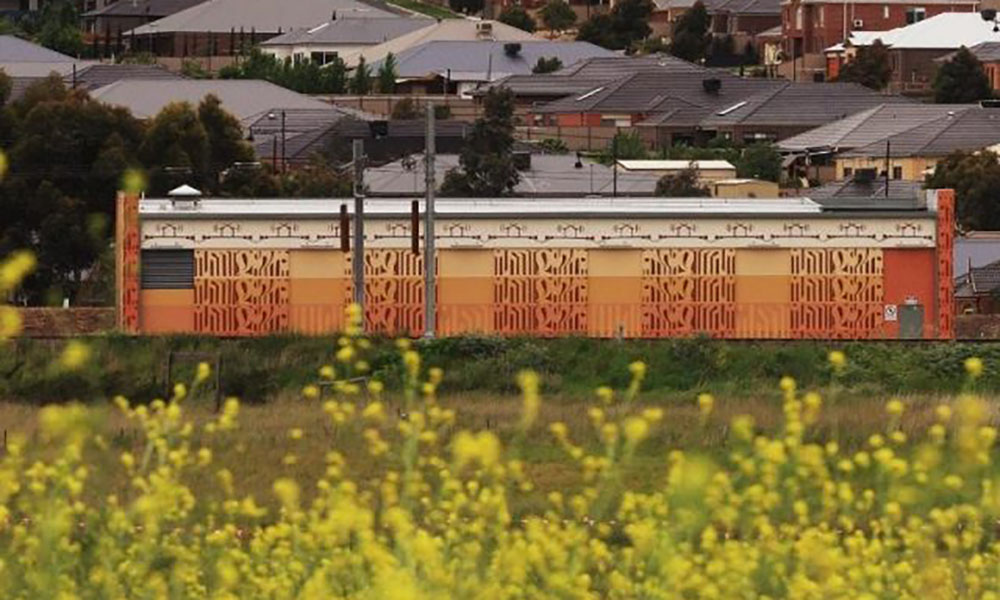
CAST image credit:  Clare McCracken and Aslam Akram, Substation Mural, 2012. Commissioned by Department of Transport and RMIT University. Jackson Hill, Diggers Rest and Holden Road, Melbourne. Photo care of the Sunbury Electrification Project.  

aboriginal flag float-starttorres strait flag float-start

Acknowledgement of Country

RMIT University acknowledges the people of the Woi wurrung and Boon wurrung language groups of the eastern Kulin Nation on whose unceded lands we conduct the business of the University. RMIT University respectfully acknowledges their Ancestors and Elders, past and present. RMIT also acknowledges the Traditional Custodians and their Ancestors of the lands and waters across Australia where we conduct our business - Artwork 'Sentient' by Hollie Johnson, Gunaikurnai and Monero Ngarigo.

Learn more about our commitment to Aboriginal and Torres Strait Islander peoples