
These challenges come from:
The impacts of all these challenges can be addressed through a collective focus on a regenerative approach that prioritises people and place. Our focus will be to design and deliver outcomes that directly benefit local communities.
We intend to work with stakeholders – including national ministries, local governments, as well as civil society, local and regional organisations – helping to inform their policy and practice.
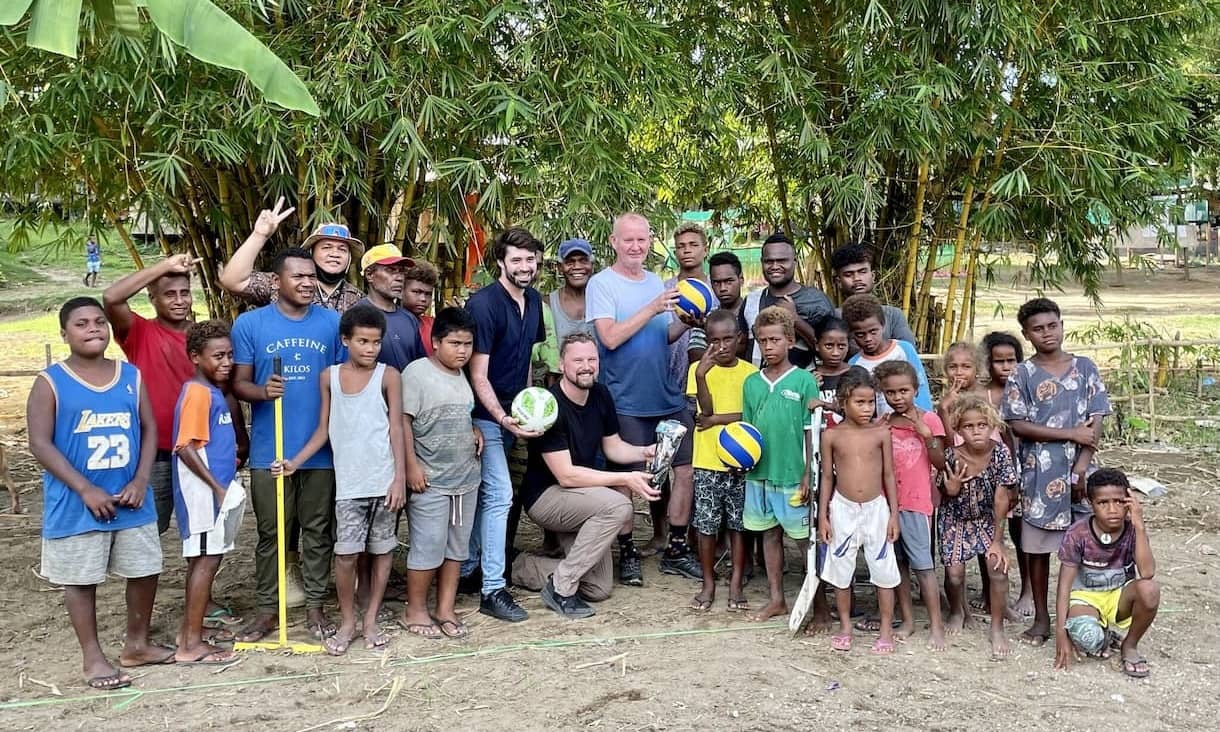
Our ambition is for RMIT to operate in the Pacific as a trusted partner that engages in ethical cross-cultural communication based on mutual respect; acting with humility to co-design projects that privilege local knowledges while strengthening capacity and self-determination.
– Professor Tim Flannery AAS
Interested in receiving updates from us? Register and we’ll keep you informed.


RMIT University acknowledges the people of the Woi wurrung and Boon wurrung language groups of the eastern Kulin Nation on whose unceded lands we conduct the business of the University. RMIT University respectfully acknowledges their Ancestors and Elders, past and present. RMIT also acknowledges the Traditional Custodians and their Ancestors of the lands and waters across Australia where we conduct our business - Artwork 'Sentient' by Hollie Johnson, Gunaikurnai and Monero Ngarigo.
Learn more about our commitment to Aboriginal and Torres Strait Islander peoples

