Please click on the individual image above to view it in full.
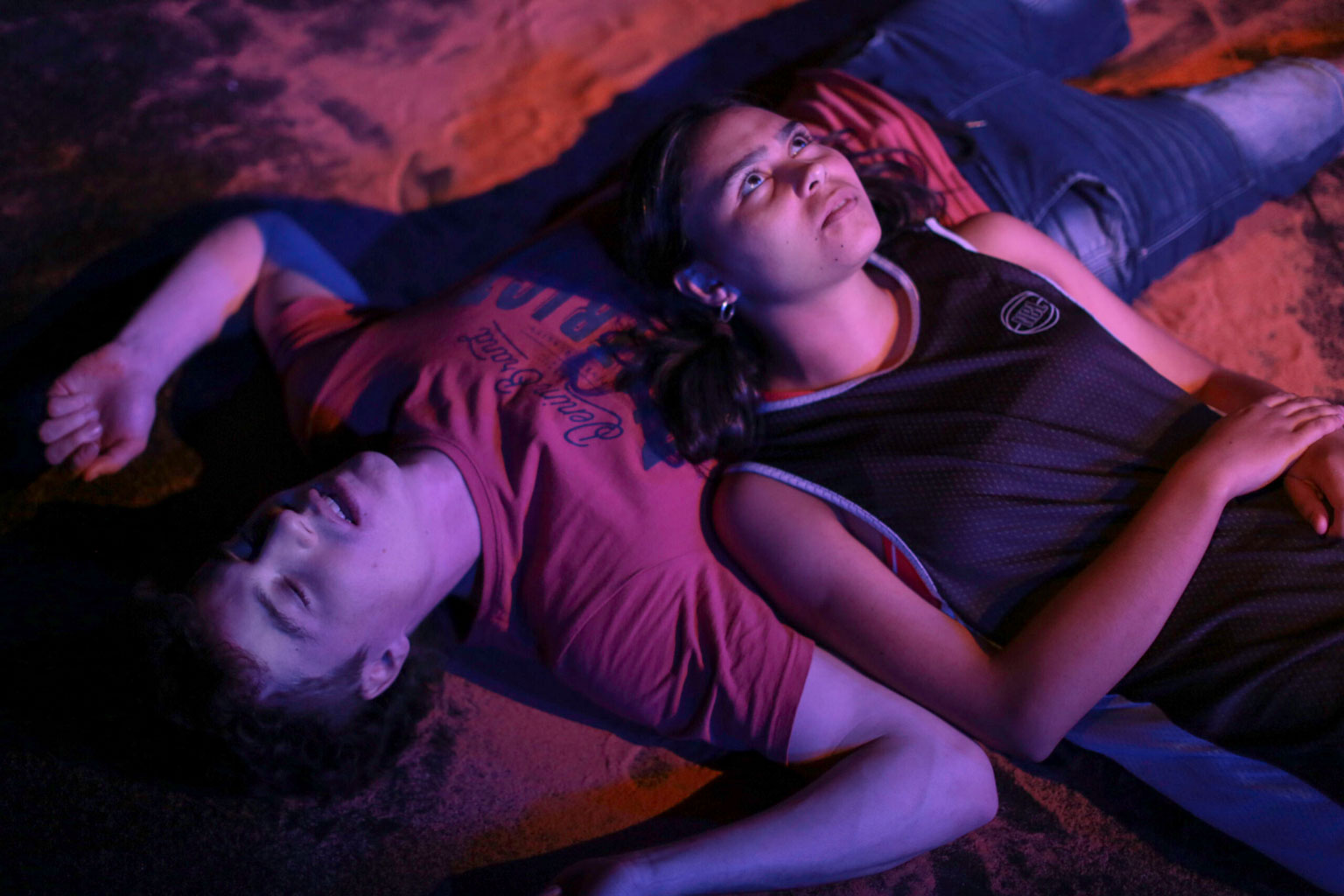
Vital Arts explores the skills and experiences of young people in arts programs, captured and accredited in this collaborative research project funded by the Australian Research Council. This international and cross-sectoral project is led by lab member and node leader Professor Anna Hickey-Moody (Maynooth University/RMIT University). Vital Arts: Skilling young people for the future is a joint project with researchers at RMIT, Deakin University, National University of Singapore, and the Australia Council for the Arts that will engage with a range of partners across the youth arts sector to build micro-credentials that recognise the employable skills developed through youth arts activities, creating new pathways to employment in COVID-19 recession. The project partners include the Australia Council for the Arts, The Push, The Australian Theatre for Young People, the Centre for Multicultural Youth, Future Foundations, Back to Back Theatre, and Work Advance.
This theme explores how young people develop community resilience through creative practice. It acknowledges the diversity of skills and knowledges represented in the youth arts sector. Through arts and creative industries young people are developing diverse skill sets, such as critical thinking, collaboration, curiosity, and social and cultural awareness. These 21st century skills can help to build community resilience into a rapidly changing workforce, providing young people with a foundation to flourish. Our project will work with key partner organisations across the youth arts sector to demonstrate how their programs impart these vital 21st century skills.
This theme explores the uses of digital badges to demonstrate and accredit skills learnt through youth arts.
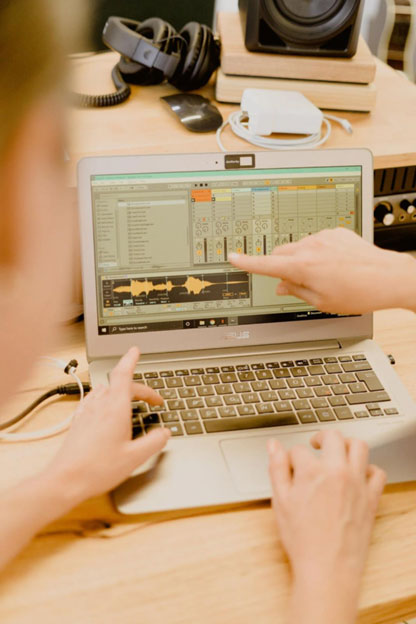
Micro-creds are a fairly recent, digitally enabled approach to the accreditation of skills and training outcomes. They certify that learners have developed specific skills and knowledge through short courses of study or training. Once completed, learners are awarded a digital badge, which certifies the skills learnt. Digital badges can then be shared across a variety of platforms to notify potential employers of their skills and experience. Through our project we will work with industry partners to explore the potential uses of micro-creds to recognise the 21st century skills learnt through their youth arts programs.
Every six months, our Action Research Industry Group (ARIG) will meet to discuss and refine the production of the micro-creds. The micro-creds design will reflect industry and youth needs. Through surveying the needs of our diverse participants and assessing models for micro-cred stack-ability and pathways to work, the task of the ARIG will be to guide the development of three micro-creds in ways that best meet the needs of industry and young people involved in arts.
This theme explores the future of work and the skills young people will need to flourish in uncertain environments.
A generation of young people are about to enter a workforce that has been greatly altered by the COVID-19 pandemic. We are seeing rising youth unemployment and underemployment, and industries undergoing rapid change to adapt to a post-pandemic environment. Young people attempting to enter the workforce are therefore doing so under increased uncertainty and insecurity. There is much we do not know about the future of work, however, what is clear is that young people are going to need skills that are adaptable and transferable across industries and circumstances. These 21st century skills are going to be vital predictors of a young person’s ability to flourish into the future.
Across our project we will focus on four key competencies, and five character qualities that exemplify 21st century skills.
Competencies:
Character Qualities:
These competencies and qualities signal a workforce that values diversity, adaptability and creativity. Supporting the development of these capacities will have value not just for young people themselves, but equally for the resilience of industries and economies into the future.


RMIT University acknowledges the people of the Woi wurrung and Boon wurrung language groups of the eastern Kulin Nation on whose unceded lands we conduct the business of the University. RMIT University respectfully acknowledges their Ancestors and Elders, past and present. RMIT also acknowledges the Traditional Custodians and their Ancestors of the lands and waters across Australia where we conduct our business - Artwork 'Sentient' by Hollie Johnson, Gunaikurnai and Monero Ngarigo.
Learn more about our commitment to Aboriginal and Torres Strait Islander peoples