Exploring Unseen Threats: Contaminant trends and impacts in our bays
Exploring Unseen Threats Workshop 24 Oct 2026 10am at Port Phillip EcoCentre
What is entering our bay? What Unseen Threats are washing down our creeks and estuaries? The EcoCentre and RMIT University are hosting an open, collaborative workshop that will bring together researchers, community members, volunteers and policy makers to learn about the outcomes of RMIT's Unseen Threats Program.
Progress Results are out!
This report includes results from rounds 1 to 3 of sampling (Jan, Jun and Oct 2025) and some preliminary toxicological results.
Results for round one 2025 are out!
Thank you to those who were able to join us on 16 Sept 2025 for our first results webinar, available here for those who missed it or would like to watch it again!
Volunteer Resources
Register as a volunteer
Register via our Registration form
Volunteer portal
Please email your field photos, notes and volunteer attendance documents to aquest@rmit.edu.au or monica.tewman@rmit.edu.au.
Training
The Unseen threats project provides training for our volunteers in two components, which are compulsory for participating in field work:
Online seminar
The focus of this training is project orientation and health and safety. This seminar was delivered on 4 June 2025. Please watch this if you intend to join us in the field or if you’d like project context.
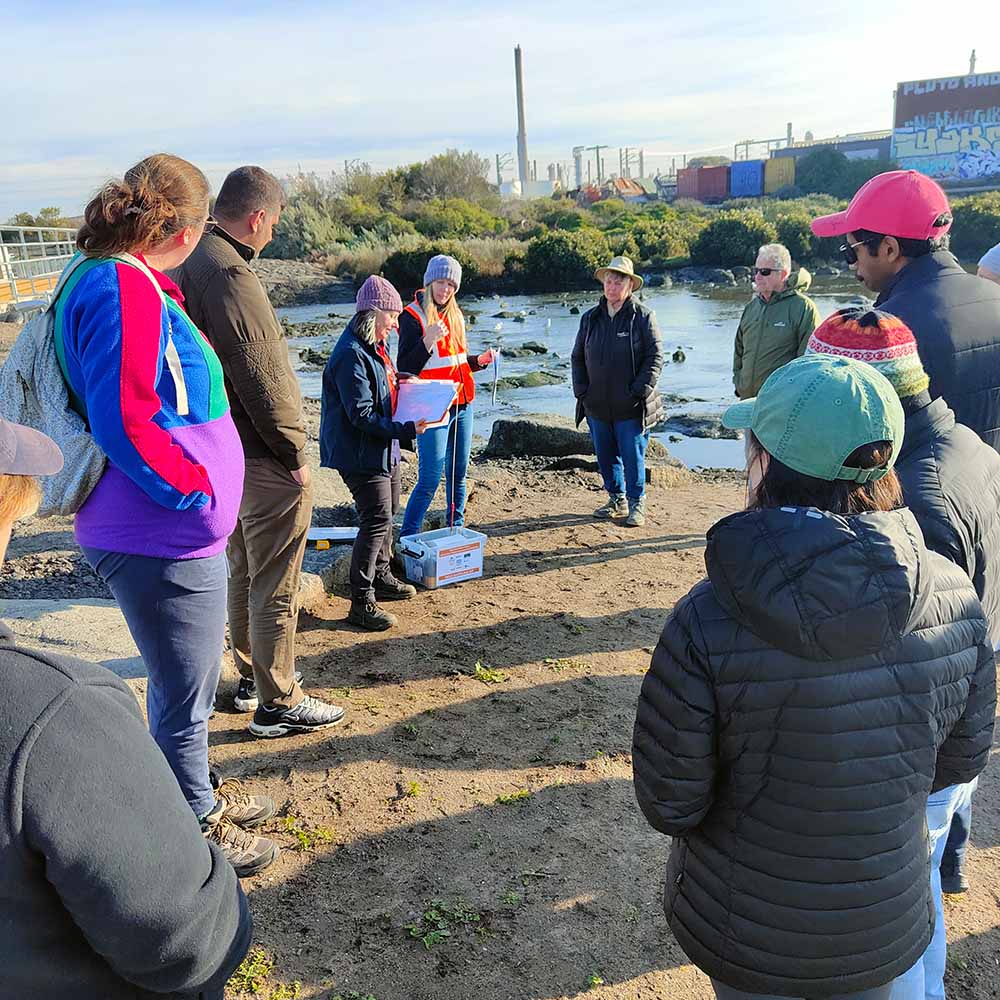
In-person on-site orientation
Three sessions of hands-on training were run in June 2025 and one in October 2025. Further in-person training will be offered as the project progresses. To stay informed please register as a volunteer (via the Registration Form above). There are three rounds of sampling each year.
* We need everyone participating to attend the hands on training. At least one person in each field team needs to attend in-person with the potential for partially trained (viewed the on line training, but not yet attended the in-person training) participants to attend as observers. There is no substitute for hands-on training.
- Volunteer Training Manual
- Volunteer Flyer - interested in encouraging your friends to join you in volunteering? Here’s a flyer you can use.
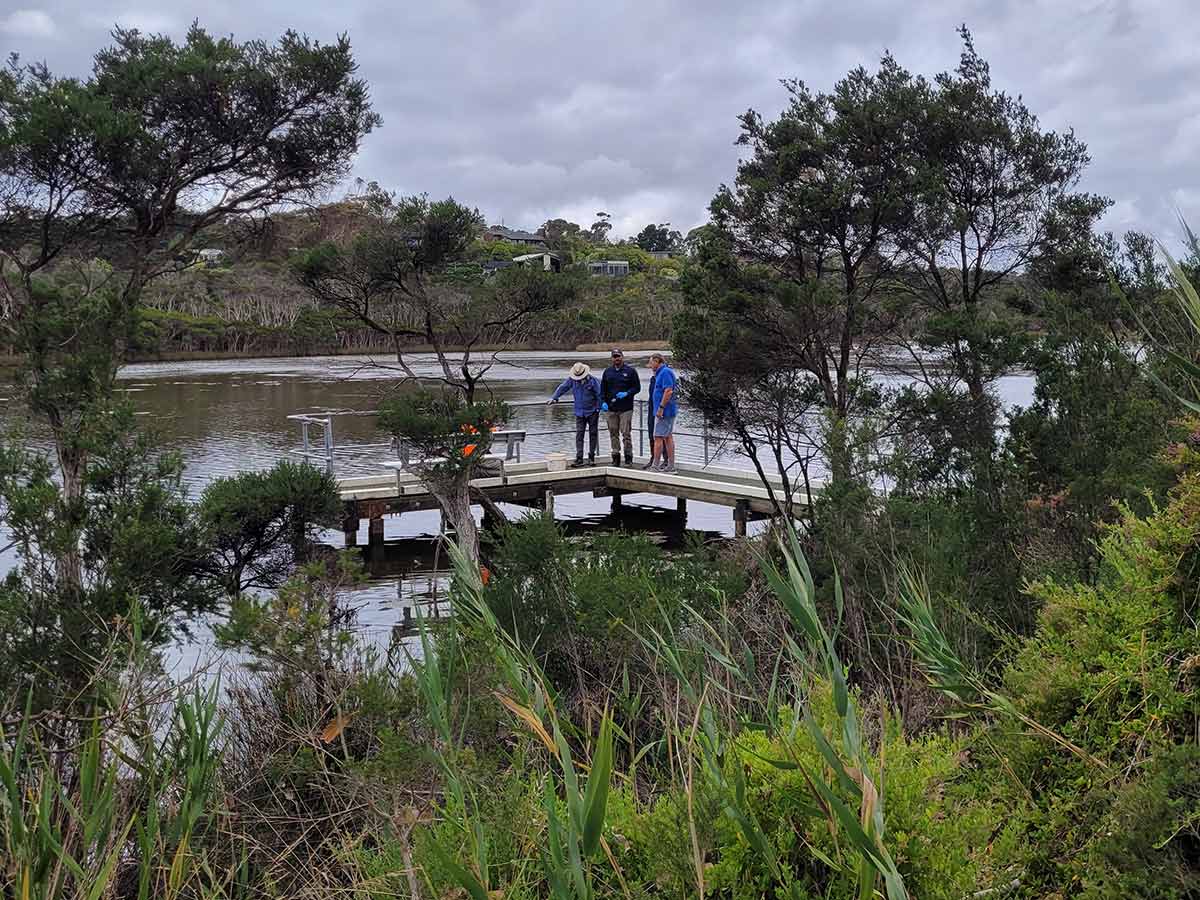
Our project in photos
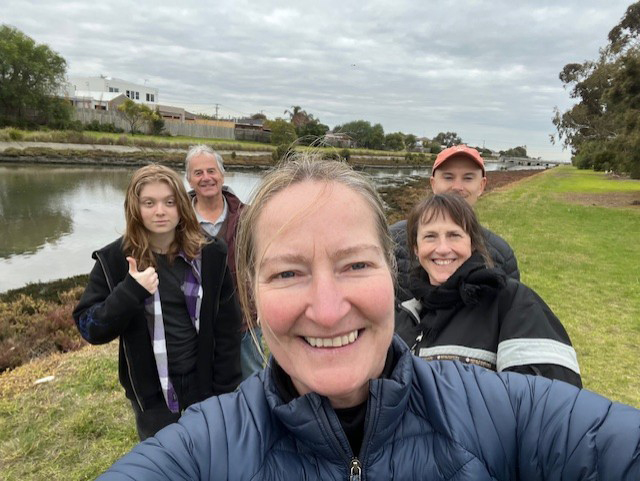
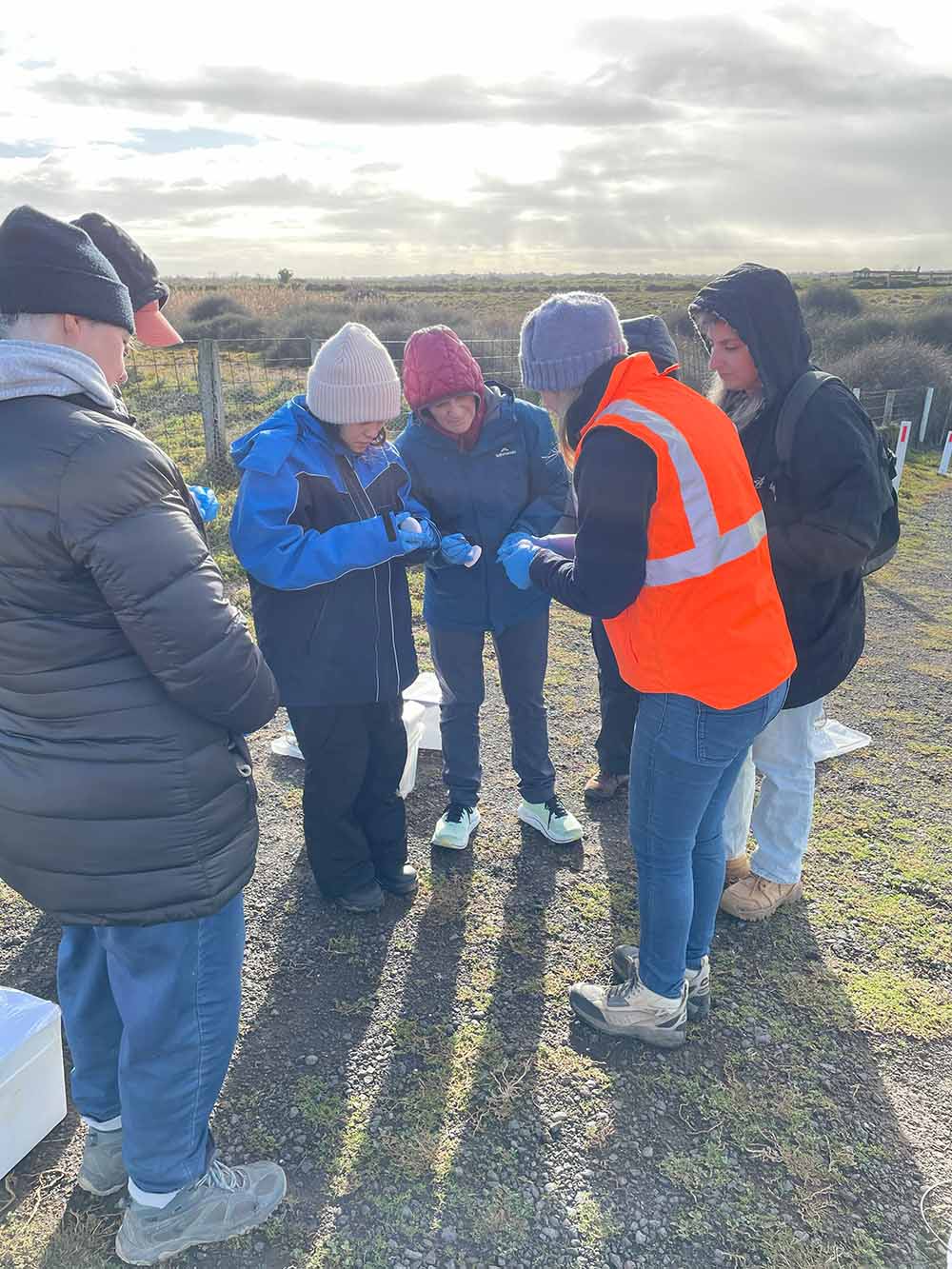
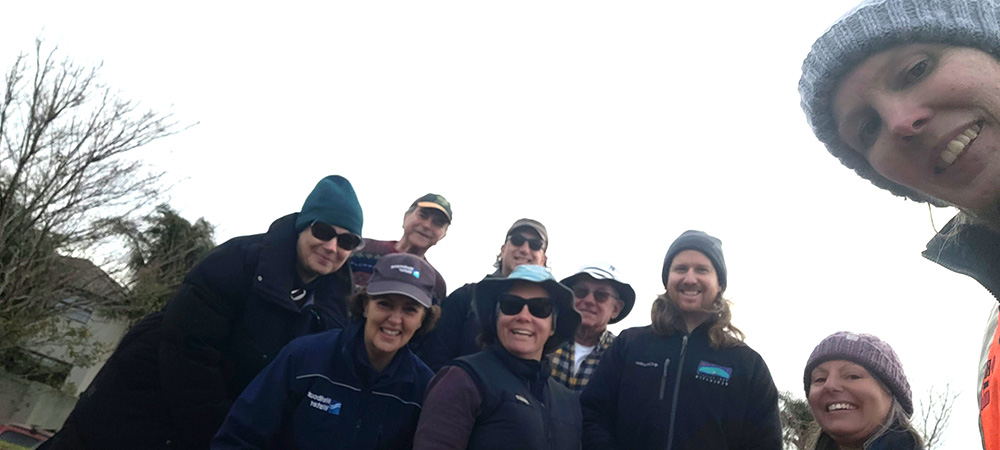
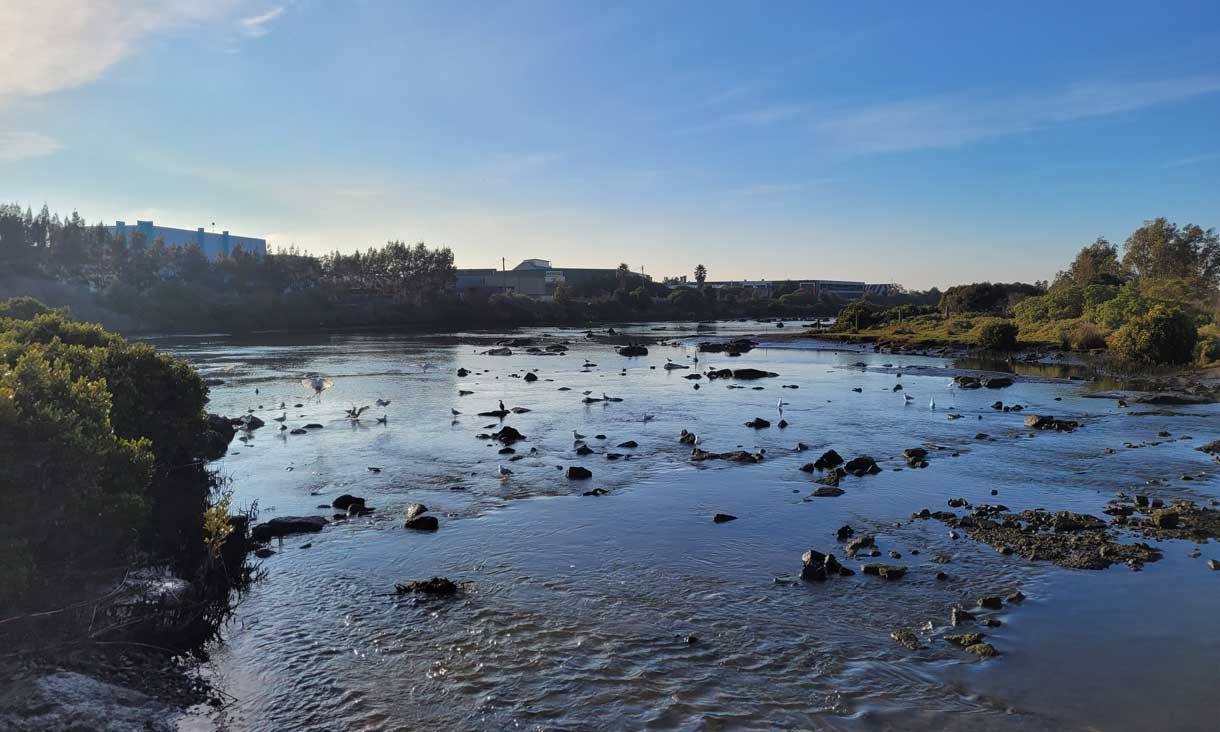
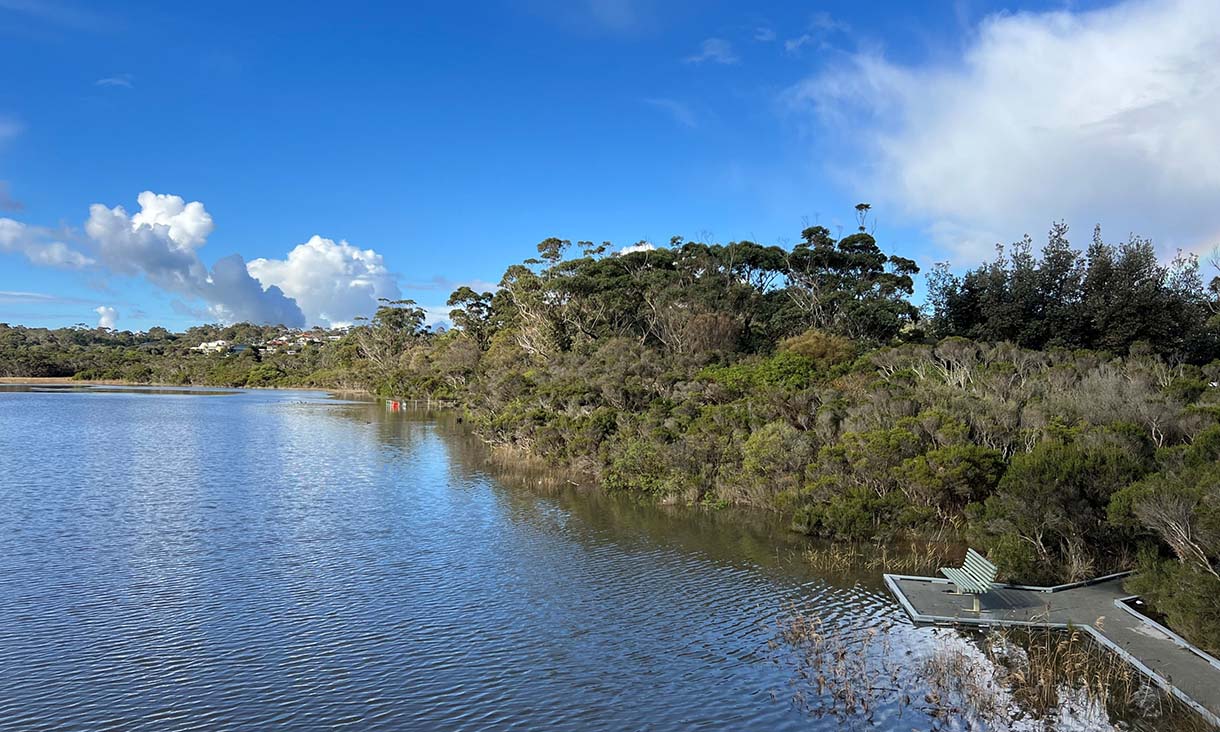
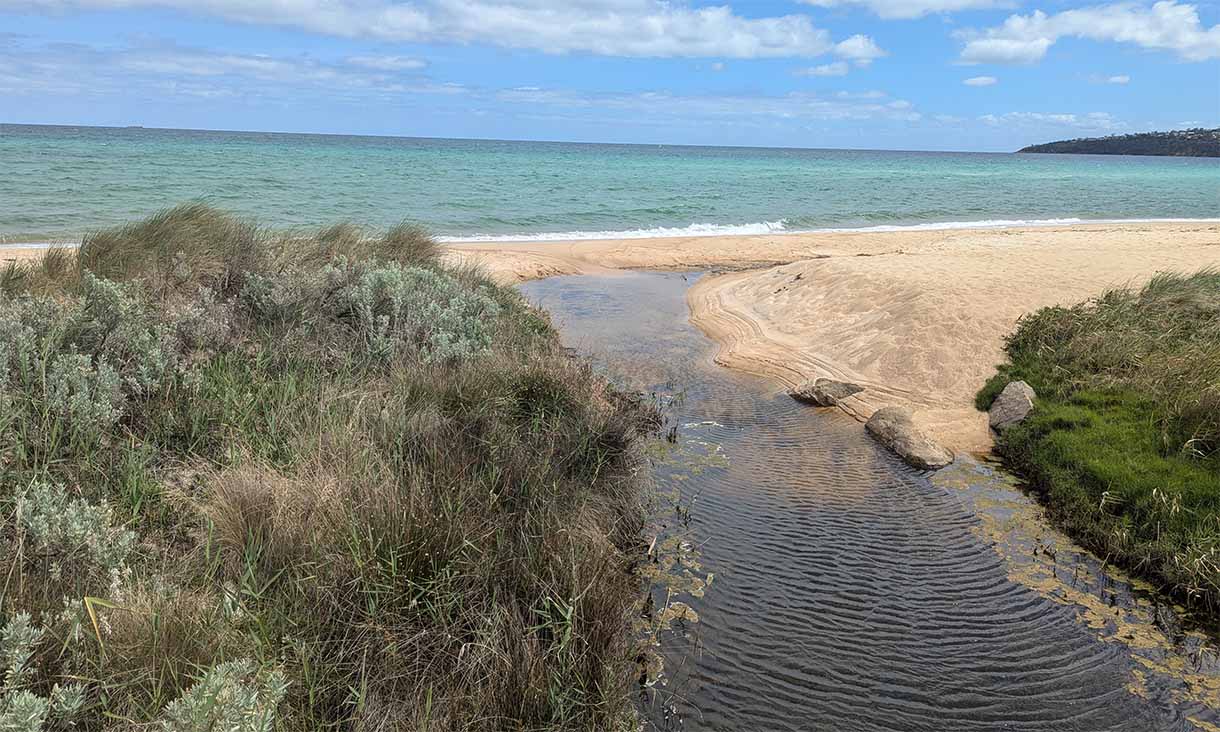
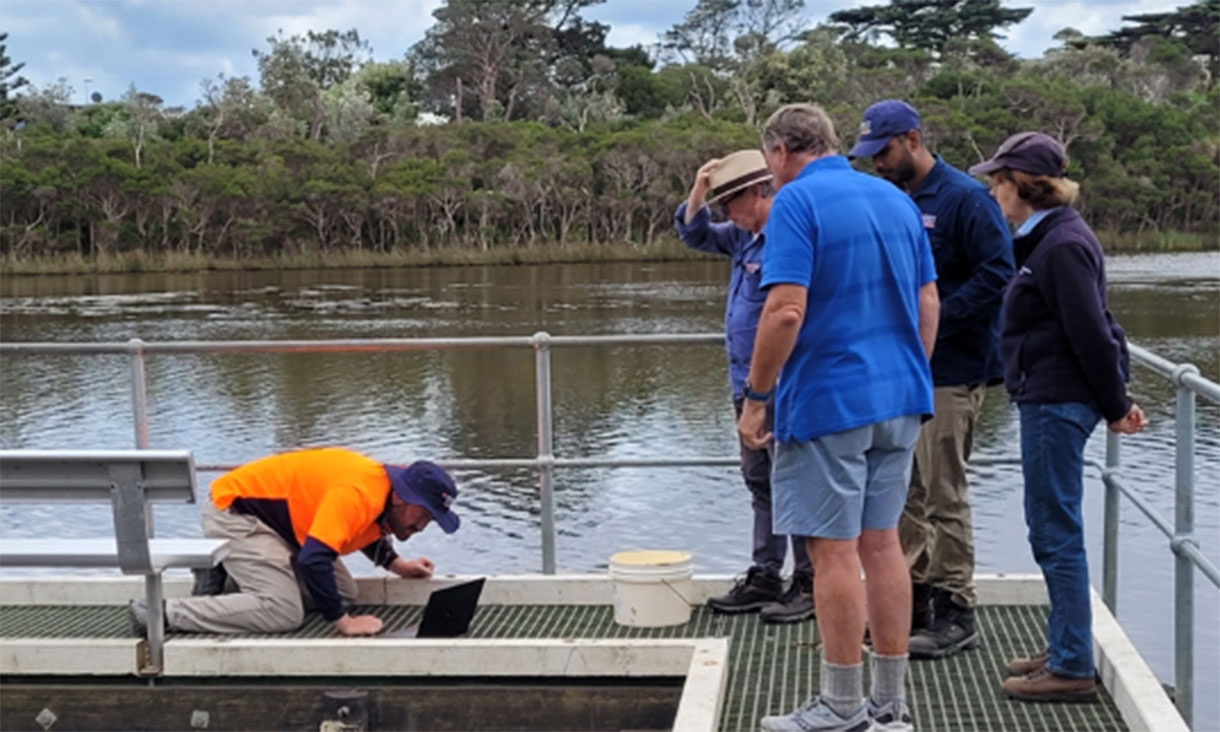
Please click on the individual image above to view it in full.

We are recycling Factsheets on pesticides from our previous project- The Pesticide Detectives. Scroll down past the map and summaries to “Fact sheets on pesticides detected”. Over time we will add more Factsheets to cover what we’re commonly finding in our bays.
Background
With scarce information available on contaminants and their impacts on estuarine and Port Phillip Bay health, this project draws together scientists, industry, and community to address this knowledge gap. By monitoring for 40,000+ contaminants and performing biological impact assessments, data collected will inform evidence-based management actions to address revealed issues.
Key Points
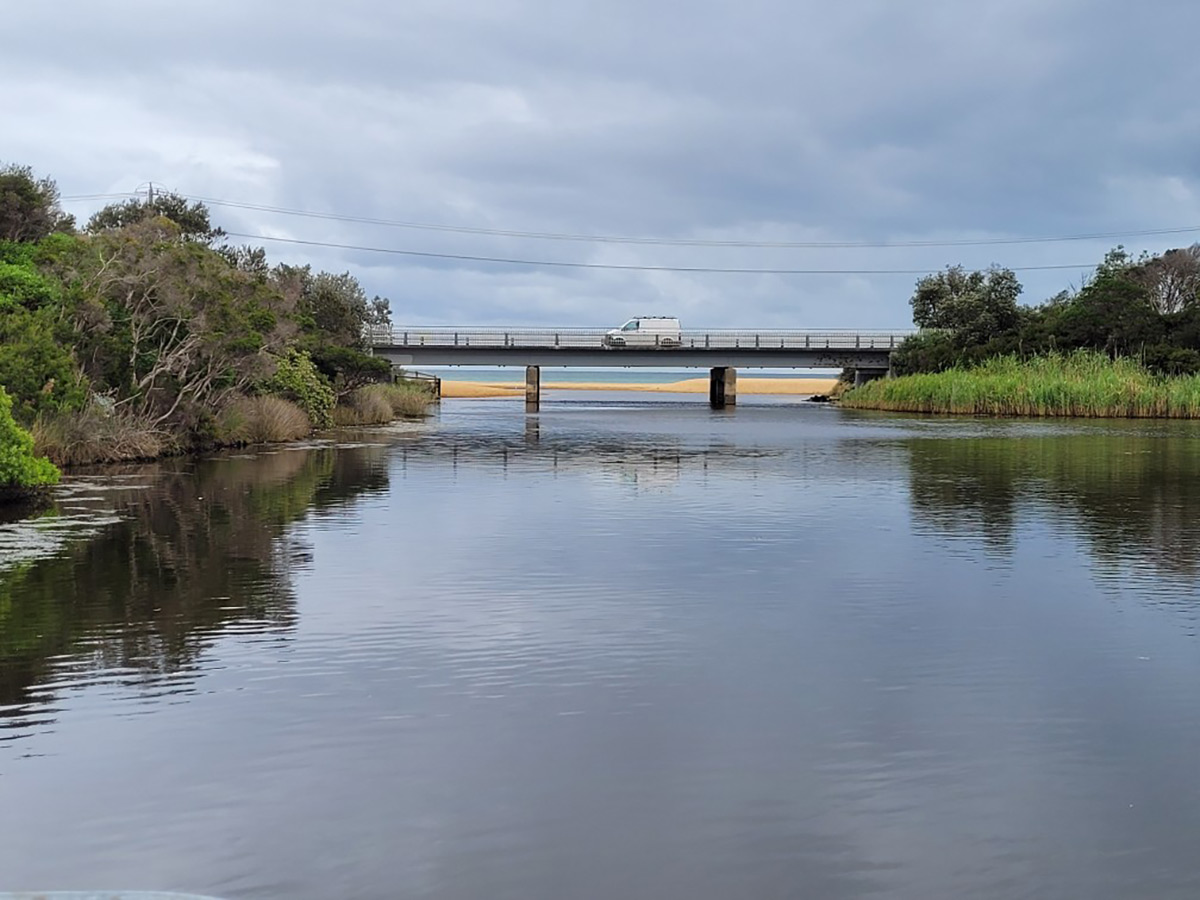
- The program will be conducted across 19 estuaries which enter Port Phillip Bay, and within the nearshore areas of the Bay itself.
- On the traditional lands of the Bunurong, Wadawurrung, and Wurundjeri Woiwurrung Peoples.
- Volunteers will be engaged to support monitoring activities. Register your interest via MS form.
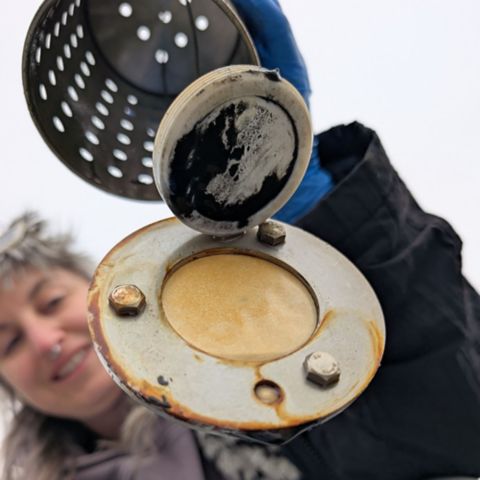
- Passive samplers for contaminant monitoring with be deployed in up to 3 monitoring events and 120 samples per year for 3 years.
- Toxicology assessments (Laboratory based) will be conducted on water samples collected from sites identified as high concern during monitoring.
- Pollution workshops will be held to discuss outcomes of monitoring with stakeholders, project partners, volunteers, industry, government and community.
- A technical working group and steering committee will summarise and interpret results as we go and allow for reassessment of the monitoring design.
- This project builds on:
- Western Port Toxicants Study
- Baseline micro-pollutant study for Port Phillip Bay
- And will contributes significantly to:
Toxicants in Estuaries and Bays
Project Partners



This Exploring Unseen Threats: Contaminant Trends and Impacts in Port Phillip Bay is supported by the Victorian Government’s Port Phillip Bay Fund. https://www.marineandcoasts.vic.gov.au/grants/port-phillip-bay-fund
In the News
Expected completion date
June 2027
For more information
Contact: aquest@rmit.edu.au



