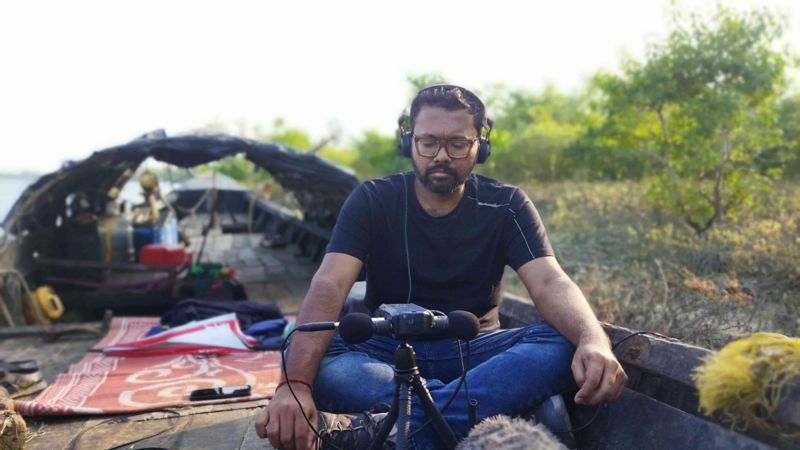
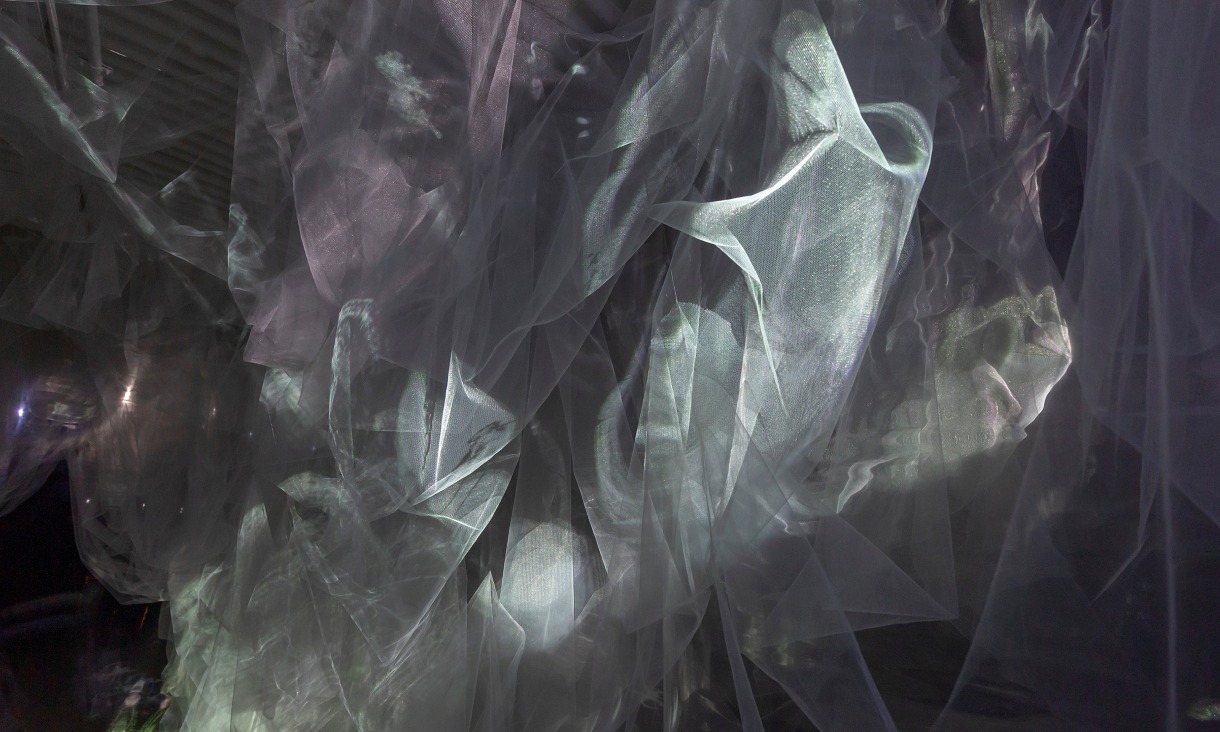
Now accepting 2027 First Site Gallery project proposals
28 Sep 2026 - 01 Nov 2026
Are you an RMIT student with a creative project you’d like to share? We are calling for proposals from RMIT students, who are currently enrolled in the College of Design and Social Context, to exhibit in the 2027 First Site Gallery exhibition program.
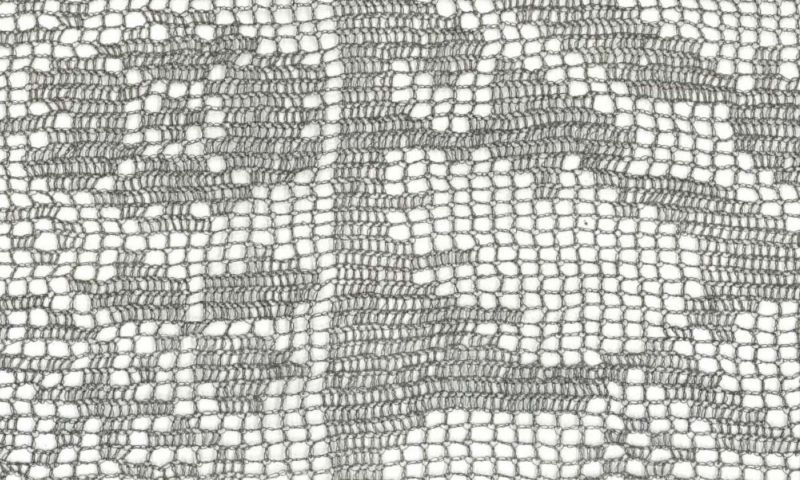
'Docile Anatomy' by Gina Corridore & Zoe Denton
06 Oct 2026 - 30 Oct 2026
Through absurdist video and intricately crocheted metal, 'Docile Anatomy' examines how femininity is shaped and performed, exposing the hidden labour often expected of women and challenging outdated yet enduring societal expectations.
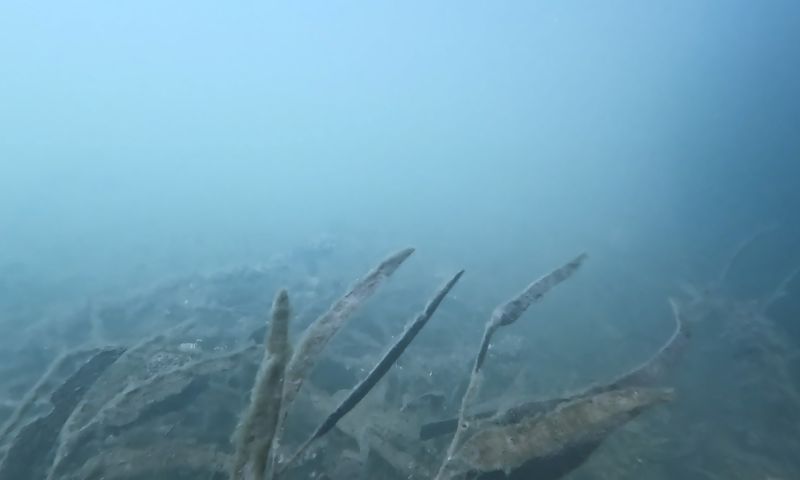
'The Voice of the Maribyrnong' by Elijah Cristiano
06 Oct 2026 - 30 Oct 2026
Elijah Cristiano combines underwater footage, archival images and sound to examine the Maribyrnong River’s colonial and industrial histories – and the ways photography has framed the river.



