Storm

Storm

  • 30 Jan 2027 - 17 Apr 2027
  • Various Times
  • FREE
  • RMIT Gallery | 344 Swanston St, Melbourne
event header image

'Storm' is the theme for the eleventh cycle of the prestigious Prix Pictet. The Prix Pictet is the world’s leading award for photography and sustainability. It was founded in 2008 by the Pictet Group to draw global attention to the critical issue of sustainability.

Storm is both a natural phenomenon and a metaphor for the unseen and relentless forces shaping our world today. As a theme, it speaks to the growing volatility of our age, encompassing environmental collapse, political upheaval, economic instability, and social unrest, where we seem forever poised on the brink of the next crisis. 

The theme challenges photographers to capture the raw energy and profound consequences of these turbulent times. Whether focusing on the devastation of climate disasters, displacement, or the simmering tensions within divided societies, Storm reveals not only disruption but also the generative force within, the possibility of transformation, renewal, and hope that emerges in its wake

The Prix Pictet’s global network of over 350 nominators identified portfolios of work that align with the theme. These portfolios were reviewed by the independent jury chaired by Sir David King. The Storm shortlist was presented at the Rencontres d’Arles in July 2025.

Chilean artist Alfredo Jaar was announced as the winner of  Storm for his 2025 series The End. The award ceremony and shortlist exhibition opening took place at the Victoria and Albert Museum, London on 25 September 2025.

Storm is a Centre for Contemporary Photography exhibition presented in partnership with Prix Pictet and RMIT Gallery.

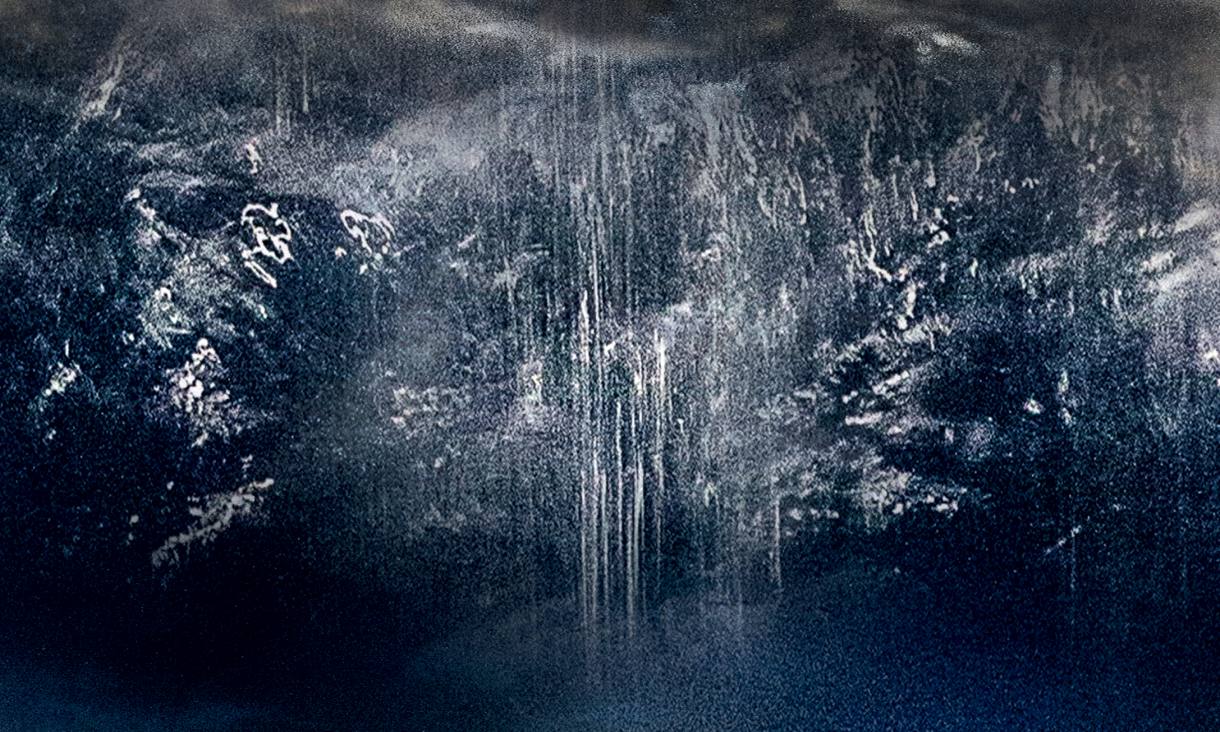
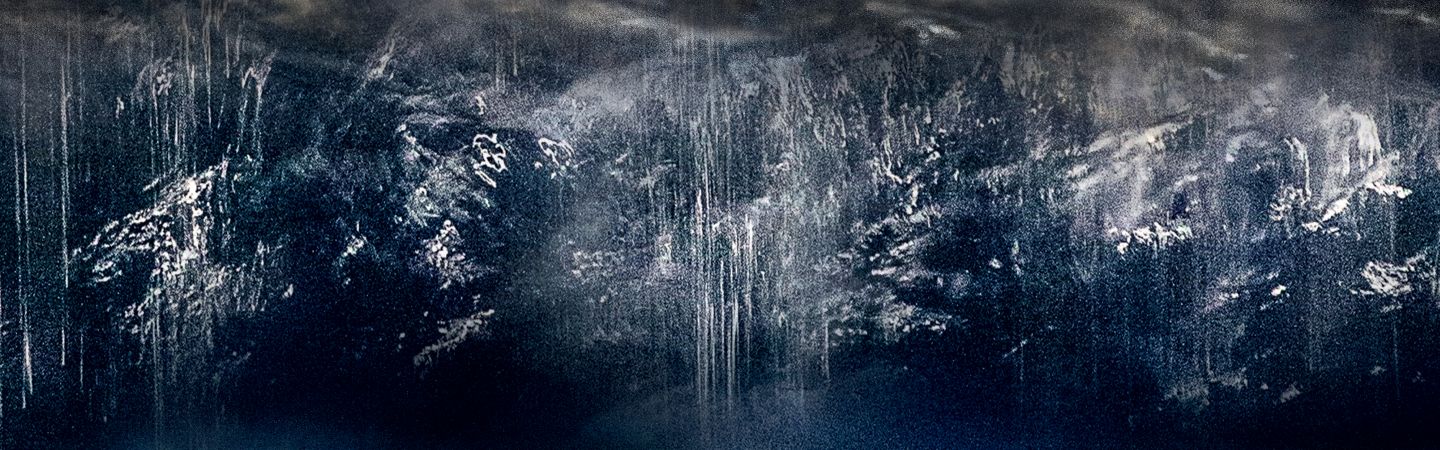
Banner image: Tom Fecht, EVENT HORIZON (Luciferine #2543X) (detail) (2021). From the series Luciferines – entre chien et loup (Luciferines – Between Dog and Wolf) (2015–ongoing). Image courtesy of the artist and Laffanour | Galerie Downtown, Paris

Opening hours

11am - 5pm Tuesday to Friday
12pm - 4pm Saturday
Closed on public holidays

Free entry

Wheelchair & Mobility Access: This facility provides wheelchair access throughout the building via lifts; there are no toilet facilities within the gallery. Accessible toilets are available in proximity to the building.

RMIT Galleries, Prix Pictet, CCP Logos

Share

Artists

Takashi AraiTakashi Arai, photograph by Anton Orlov

Takashi Arai began to take a serious interest in photography during his biology studies at the International Christian University, Tokyo. While exploring the origins of photographs, he encountered and eventually mastered the daguerreotype. He has used this technique, one of the earliest in photography, to create what he calls micro-monuments, image-objects that vividly convey the sensation of engaging with events and subjects in a way that transcends time and space.

In 2010, when Arai was becoming interested in nuclear history, he encountered the hull of the Daigo Fukuryū Maru (Lucky Dragon V), a fishing boat damaged by an American nuclear test in 1954, and its former crew. He has continued to cover nuclear topics since then at locations including Fukushima, Hiroshima, and Nagasaki. In addition to his photography, Arai is a filmmaker, writer, and researcher.

Arai’s work has been exhibited widely in Japan and internationally, including at Yokohama Museum of Art (2006); Timeless Gallery, Beijing (2011 and 2015); Mori Art Museum, Tokyo (2013); Museum of Fine Arts (MFA), Boston (2015); San Francisco Museum of Modern Art (SFMOMA) (2017); and Purdy Hicks Gallery, London (2020).

Arai’s awards have included the Source-Cord Prize, United Kingdom (2014); the 41st Kimura Ihei Photography Award, Japan (2016); and the short film category at the 72nd Salerno Film Festival, Italy (2018).

His work is in the collections of museums including the Smithsonian, Washington, D.C.; MFA Boston; SFMOMA; National Museum of Modern Art (MOMAT), Tokyo; Tokyo Metropolitan Museum of Photography; and Musée Guimet, Paris.

His monographs include Hyaku no Taiyō / Hyaku no Kagami — Syashin to Kioku no Migiwa (One Hundred Suns / One Hundred Mirrors — On the Shore of Photography and Memory), published by Iwanami Shoten (2023) and Monuments, published by PGI (2015).

Learn more about Takashi Arai on the Prix Pictet and CCP websites below.


Marina CaneveMarina Caneve, photograph by Alessandro Dandini de Sylva

Marina Caneve explores the interaction between photography and research. She emphasises the stratification between disciplines and languages, and her projects mainly arise from questioning stereotyped and direct narratives. She is currently researching the idea of ecosystems, both environmental and cultural.

In 2023, Caneve received the Italian Council fellowship for On the Ground among the Animals, promoted by FMAV (Fondazione Modena Arti Visive, Italy) and UGM (Maribor Art Gallery, Slovenia). This project has toured several venues as a solo exhibition, including FMAV, UGM, and CAP Centre d’art de Saint-Fons near Lyon, France. It was also shown at Paris Photo in 2024.

Public and private collections that hold Caneve’s work include CAP Saint-Fons; MAXXI, Rome; MuFoCo, Milan; ICCD, Rome; and Fondazione Ago, Modena.

Are They Rocks or Clouds? has won numerous awards including the Giovane Fotografia Italiana, now the Luigi Ghirri Award, and the Dummy Award at Cortona on the Move, Italy, both in 2018. It was published as a photobook by Fw:Books and won the Bastianelli Award for best Italian photobook in 2019. It was also nominated for the Prix du livre at Les Rencontres d’Arles, France, in 2019.

Her other major publications include On the Ground among the Animals, published by Fw:Books, selected for Best Dutch Book Designs in 2024; and CALAMITA/À, an investigation into the 1963 Vajont dam disaster in Italy. Caneve is co-founder of CALAMITA/À, an interdisciplinary platform focusing on catastrophes, awarded the Strategia Fotografia fellowship in 2023.

Learn more about Marina Caneve on the Prix Pictet and CCP websites below.

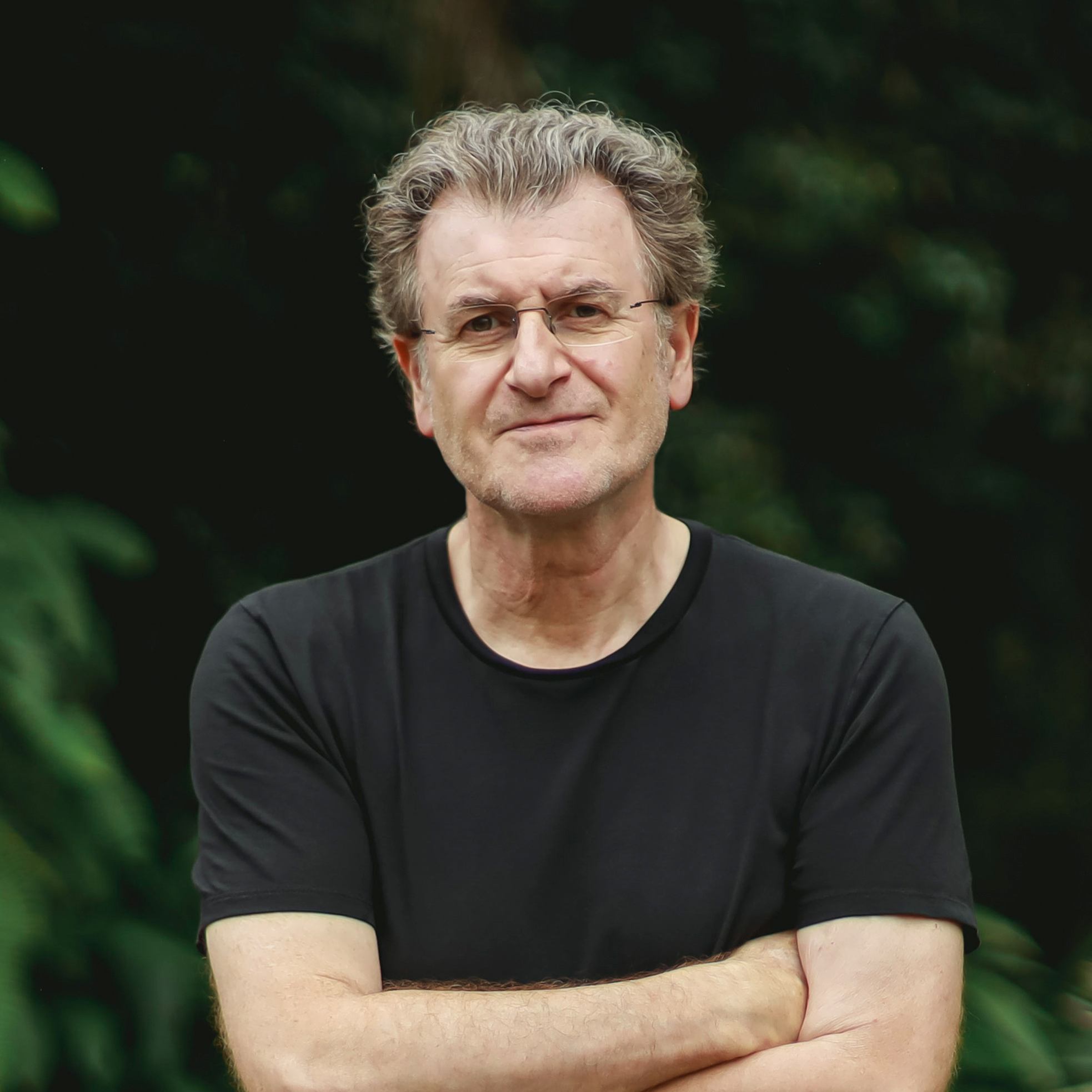
Alt Text is not present for this image, Taking dc:title 'Tom Fecht'Tom Fecht, photographer unknown

Inspired by the Apollo missions and Stanley Kubrick’s 1968 film 2001: A Space Odyssey, Tom Fecht studied physics, thermodynamics, and cybernetics at Columbia University in New York City. As a young engineer, he was involved in the development of fax machines and computer-assisted imaging at Control Data and IBM. Fecht was among the first wave of artists to move into the rough industrial lofts of Lower Manhattan, where he engaged with the vibrant early 1970s art scene, including Agnes Martin, Mark Rothko, Michael Heizer, Christo and Jeanne-Claude, and in particular Robert Smithson. Early installations inspired by Smithson blended Fecht’s interest in Land Art and science.

A working residency in London expanded Fecht’s practice into high-tech and scientific imaging, and he has since developed his own photographic and technical patents. Fecht is known especially for innovative seascape and night photography. His series Dark Matters and most recent Studies of Ancient Light push his experiments towards the edge of quantum physics, visualising environmental phenomena invisible to the naked eye.

Fecht’s work is held and has been exhibited at numerous public, corporate, and private museums and collections internationally, including Documenta IX, Kassel, Germany (1992); Bundeskunsthalle, Bonn (1993); Hamburger Kunsthalle (1994); Nationalgalerie Berlin (1996); Martin-Gropius-Bau, Berlin (2001); MUCEM, Marseille (2003); Royal College of Art, London (2007); Museum Folkwang, Essen, Germany (2010); LAAC Musée des Beaux-Arts de Dunkerque, France (2014); Museum DKM, Duisburg, Germany (2017); New York Public Library (2019); and CERN, Geneva (2023).

Fecht has taught at Cornell University, New York, in London at the Royal College of Art and Imperial College, and at ETH Zurich.

Learn more about Tom Fecht on the Prix Pictet and CCP websites below.

Alt Text is not present for this image, Taking dc:title 'Balazs Gardi'Balazs Gardi, photograph by Joyce Kim

Balazs Gardi began his career as a photojournalist after studying photography in his native Hungary, and at Cardiff University’s School of Journalism in the United Kingdom.

He is known for creating long-form immersive projects that explore the tension between people and their environment. He seeks to highlight the grotesque conflict and surprising beauty that human activity often produces. Gardi devoted more than two decades to capturing the landscape of the war in Afghanistan and has travelled to dozens of countries to survey the far-reaching consequences of the global water crisis.

Solo exhibitions of Gardi’s work have been held at venues including the European Parliament, Brussels (2005); Dokufoto, Prizren, Kosovo (2007 and 2008); The New York Photo Festival (2011); and Roca Gallery, Barcelona (2015). He has also participated in group exhibitions at venues including Museum of Fine Arts, Budapest (2008); Les Invalides, Paris (2009); The Annenberg Space for Photography, Los Angeles (2009); The Museum of Fine Arts, Houston, Texas (2012); and Saatchi Gallery, London (2022).

Gardi has received grants and fellowships from the Alexia Foundation; NIK Global Foundation; Magnum Foundation; Reuters Foundation and Getty Images. He is the recipient of the Bayeux Calvados Award for War Correspondents in 2008; the Global Vision Award at Pictures of the Year International in 2009; and three first prizes at World Press Photo.

Learn more about Balazs Gardi on the Prix Pictet and CCP websites below.

Alt Text is not present for this image, Taking dc:title 'Roberto Huarcaya'Roberto Huarcaya, photograph by Daniela Svagelj

Roberto Huarcaya graduated in psychology at the Universidad Católica del Perú and studied cinema and photography in Lima and Madrid.

In 1997–98, he lived in Paris for a residency at Cité internationale des arts.   

He is known for his exploration of humanity’s relationship with the environment, working primarily with large-scale photographic installations and specialising in the photogram technique.

Huarcaya has participated in numerous solo and group exhibitions, biennials, and fairs including the 6th Havana Biennial (1997); PHotoESPAÑA, Madrid (1999 and 2025); the Venice Biennale (2001 and 2024); Center on Contemporary Art (CoCA), Seattle, Washington (2007); and the Daegu Photo Biennale in South Korea (2014).

More recently, his work has been exhibited at ARCOlisboa in Portugal (2017) and ARCO Madrid (2019 and 2025). Other venues have included Paris Photo (2019, 2023, and 2024); The Armory Show in New York (2022); Les Rencontres d’Arles, France (2023); Art Basel Miami (2024); Donggang International Photo, South Korea (2024); and Photo London (2024 and 2025).

In Lima, Huarcaya taught photography at the Universidad de Lima (1990–93), the Gaudi Institute (1993–97), and the Centro de la Fotografía, now Centro de la Imagen, where he was founder and director from 1999 to July 2022.

Learn more about Roberto Huarcaya on the Prix Pictet and CCP websites below.

Alt Text is not present for this image, Taking dc:title 'Alfredo Jaar'Alfredo Jaar, photograph by Andrea Rego Barros

Alfredo Jaar is an artist, architect, photographer and filmmaker whose work documenting humanity’s impact on the planet has included, in addition to The End, the series Hiroshima, Hiroshima (2023) and The End of the World (2024), which addresses the effects of uncontrolled and unethical global extractivism.

Jaar has participated in the Venice Biennale (1986, 2007, 2009 and 2013) and the Bienal de São Paulo, Brazil (1987, 1989, 2010 and 2021), as well as Documenta in Kassel, Germany (1987 and 2002).

Solo exhibitions of his work have been held at the Musée cantonal des Beaux-Arts, Lausanne (2007); Alte Nationalgalerie, Berlinische Galerie und Neue Gesellschaft für bildende Kunst, all in Berlin (2012); Les Rencontres d’Arles, France (2013); Yorkshire Sculpture Park, United Kingdom (2017); Zeitz MOCAA, Cape Town (2020); SESC Pompeía, São Paulo (2021); and Hiroshima City Museum of Contemporary Art (2023).

Jaar has received numerous awards including the Hiroshima Art Prize in 2018 and the Hasselblad Award in Sweden in 2020. In 2024, he was awarded the IV Mediterranean Albert Camus Prize in Spain and this year he has won the Edward MacDowell Medal in Peterborough, New Hampshire.

His work can be found in dozens of public and private collections, including The Museum of Modern Art and the Guggenheim Museum, New York; Museu de Arte de São Paulo; Tate, London; Centre Georges Pompidou, Paris; M+, Hong Kong; and Tokushima Modern Art Museum, Japan. He became a Guggenheim Fellow in 1985 and a MacArthur Fellow in 2000, both in the United States.

Jaar has executed more than seventy public artworks around the world and over eighty monographs of his work have been published.

Learn more about Alfredo Jaar on the Prix Pictet and CCP websites below.
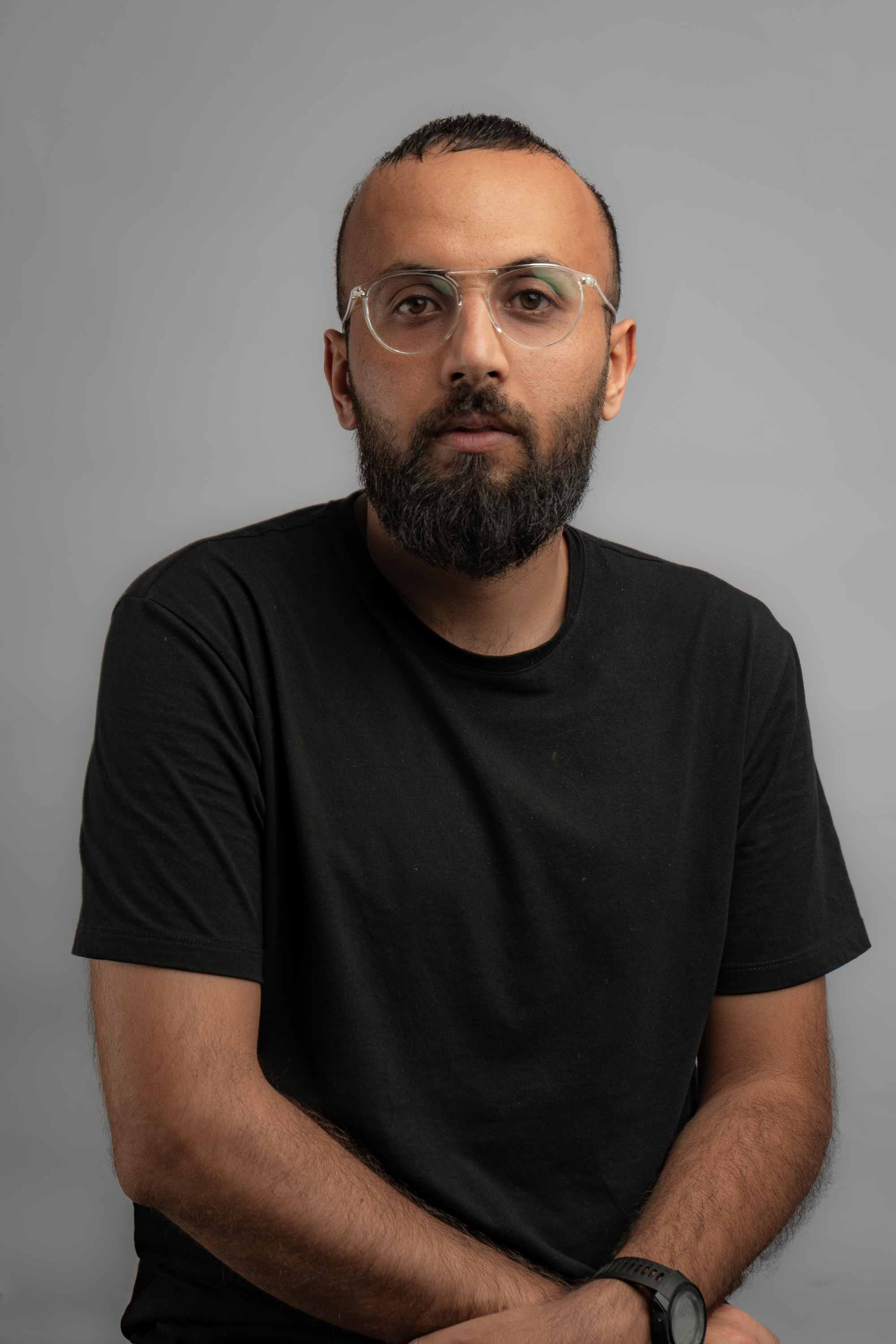
Alt Text is not present for this image, Taking dc:title 'Belal Khaled'Belal Khaled, photographer unknown

Belal Khaled is an artist and war photographer whose work sheds light on human suffering in the face of wars, conflicts and other disasters. He grew up in refugee camps in Gaza, where his creative vision was shaped by the Palestinian cause and the experience of displacement, leading him to dedicate his work to documenting the struggles of refugees around the world and amplifying the voices of the marginalised through his images and art.

He has covered numerous wars and conflicts from Gaza to Syria and Azerbaijan as well as humanitarian crises in Syria and Turkey.

Belal Khaled’s work has been exhibited in more than a dozen countries, including at the Faces of Gaza exhibition, Nancy, France (2014); P21 Gallery, London (2014); the D'reesha Arts Festival, Doha (2022); and Palestine Museum US in Woodbridge, Connecticut (2024). 

UNESCO showcased his art at its Paris headquarters to celebrate World Arabic Language Day in 2021, and Google displayed some of his work at the entrance to its offices in Paris in 2023. He has appeared as a speaker on TED Arabic, and his work has been published internationally, including in Time, The Guardian and The Wall Street Journal and on Al Jazeera.

Learn more about Belal Khaled on the Prix Pictet and CCP websites below.
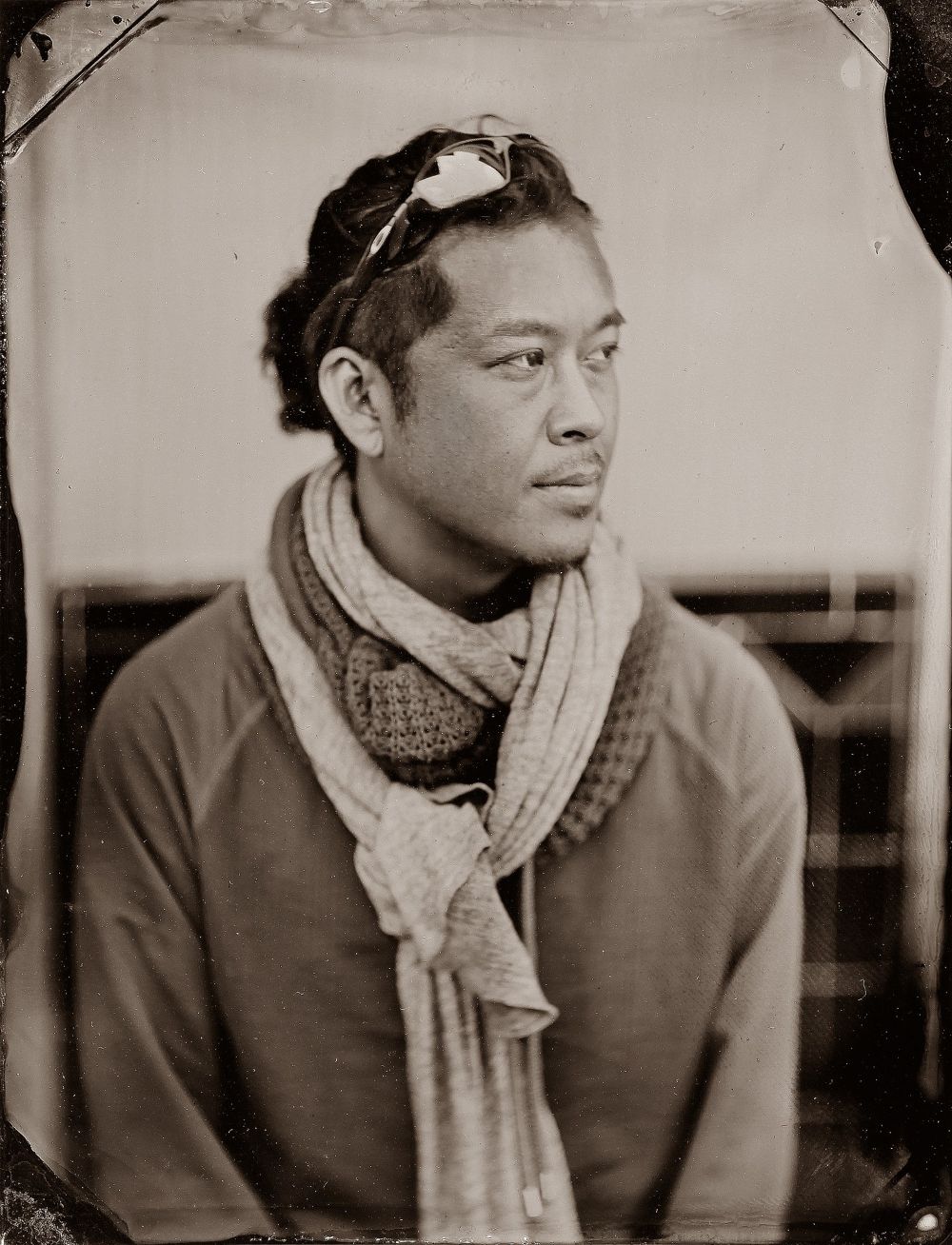
Hannah ModighHannah Modigh, photograph by Henrik Nielsen

Hannah Modigh spent her childhood in India and the Swedish countryside. She was educated at the Nordic School of Photography and the Royal Institute of Art, Stockholm.

Her work sits in a socially engaged and autobiographical documentary tradition, with recurring themes of heritage, memory, and time. She works with analogue film and photographic installations.

Modigh’s work has been shown in numerous exhibitions internationally, including at Deichtorhallen, Hamburg (2012); Landskrona Photo Festival, Sweden (2013); Münchner Stadtmuseum, Munich (2013); Sune Jonsson Centrum för Dokumentärfotografi, Umeå, Sweden (2018); DIPE (Dali International Photography Exhibition), Yunnan, China (2019); Gallery of Photography, Dublin (2020); House of Culture, Stockholm (2022); and Les Rencontres d’Arles, France (2023).

Her long-term project Hillbilly Heroin, Honey was exhibited in several museums in Sweden, Denmark, and Finland, and in 2010 won the Swedish Photo Book Prize. Her series have also been awarded the European Photo Exhibition Award in 2011, the Lars Tunbjörk Prize in Sweden in 2017, and this year’s Lennart af Petersens Prize, also in Sweden. Her work is held in collections including Moderna Museet in Stockholm. The most recent of Modigh’s eight photobooks is Searching for Sivagami, published by Kultbooks in 2024.

Learn more about Hannah Modigh on the Prix Pictet and CCP websites below.
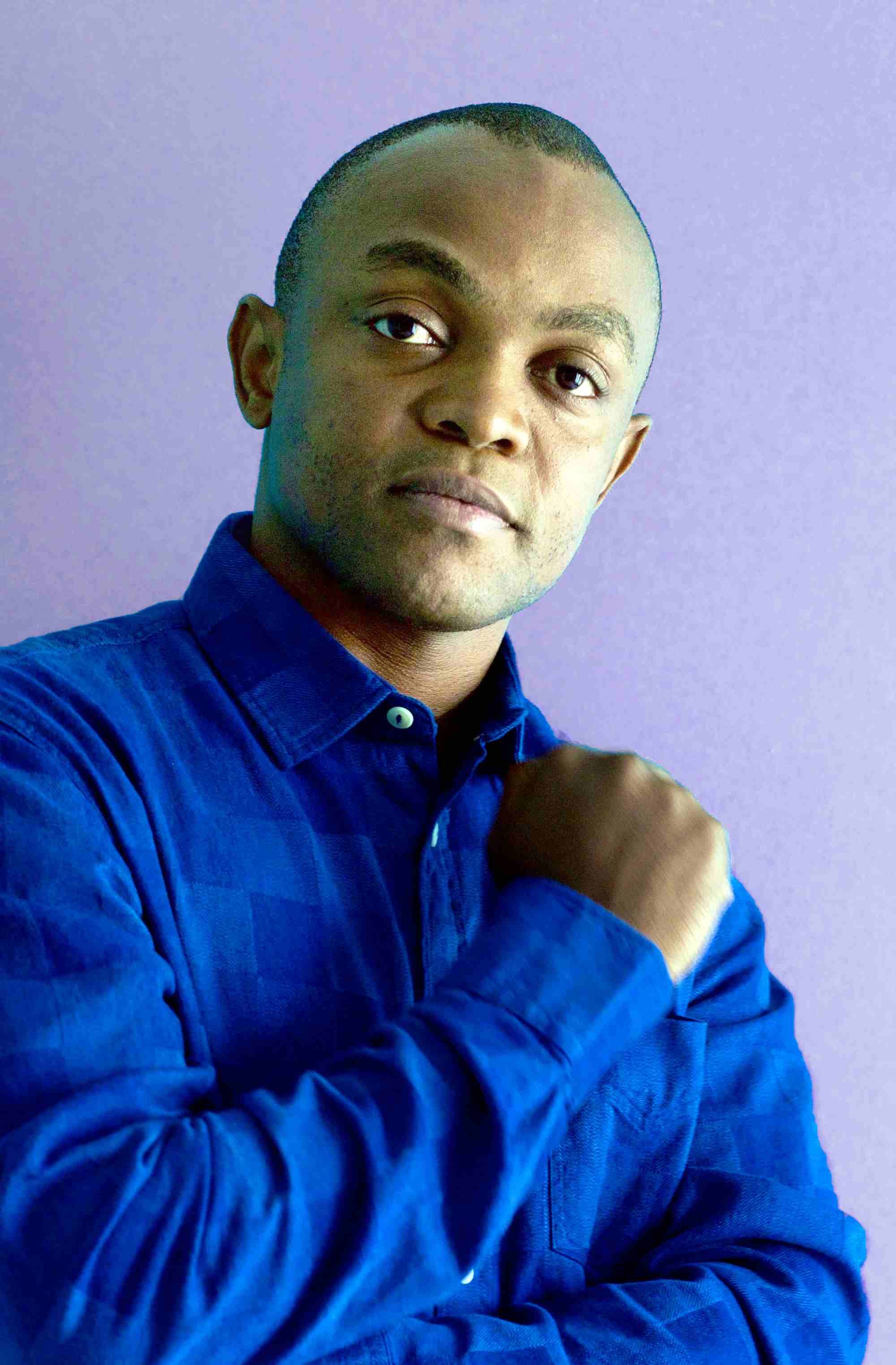
Baudouin MouandaBaudouin Mouanda, photograph by Classpro

Baudouin Mouanda started taking photographs in 1993, using his father’s Zenit camera. He was soon working for local papers, chronicling life in Brazzaville. He turned away from conventional photographer’s work, such as family portraits and souvenir photographs, to focus on the history of his country and the consequences of the repeated wars in both Congo-Brazzaville and the Democratic Republic of the Congo (DRC). He is equally known for photographs of daily life in Congo and wider themes including climate and education.

Mouanda’s series Les séquelles de la guerre (The Legacy of War), mainly shot in Kinshasa, DRC, was exhibited at Rencontres de Bamako, Mali, in 2009, where he won the Young Talent Award. This led to his acceptance to a photojournalism course at the Centre de formation et de perfectionnement des journalistes, Paris. His encounter there with a society of extravagantly dressed Congolese dandies led to his successful series Sapeurs, shot in Brazzaville.

Work by Mouanda has been exhibited at numerous solo and group exhibitions internationally, including at Gasworks, London (2011); MIA Gallery, Seattle, Washington (2013) and the Breda International Photo Festival, Netherlands (2016).

He has won numerous prizes, including the Central Africa category in the 2011 African Beauty in All Its States Award, presented by the African Union and the European Union; and the Prix Roger-Pic, Paris, in 2022.

He works regularly with news publications including Jeune Afrique, Planète jeune, Afrique Magazine, Le Monde, L’Express styles, VSD and L’Humanité. Mouanda is co-founder of the Brazzaville-based community photography collective Génération Elili.

He is also working on a project to build a new photography centre called ClassPro Culture to serve communities in outlying areas that lack cultural facilities. It is due to open at the start of the school year.

Learn more about Baudouin Mouanda on the Prix Pictet and CCP websites below.
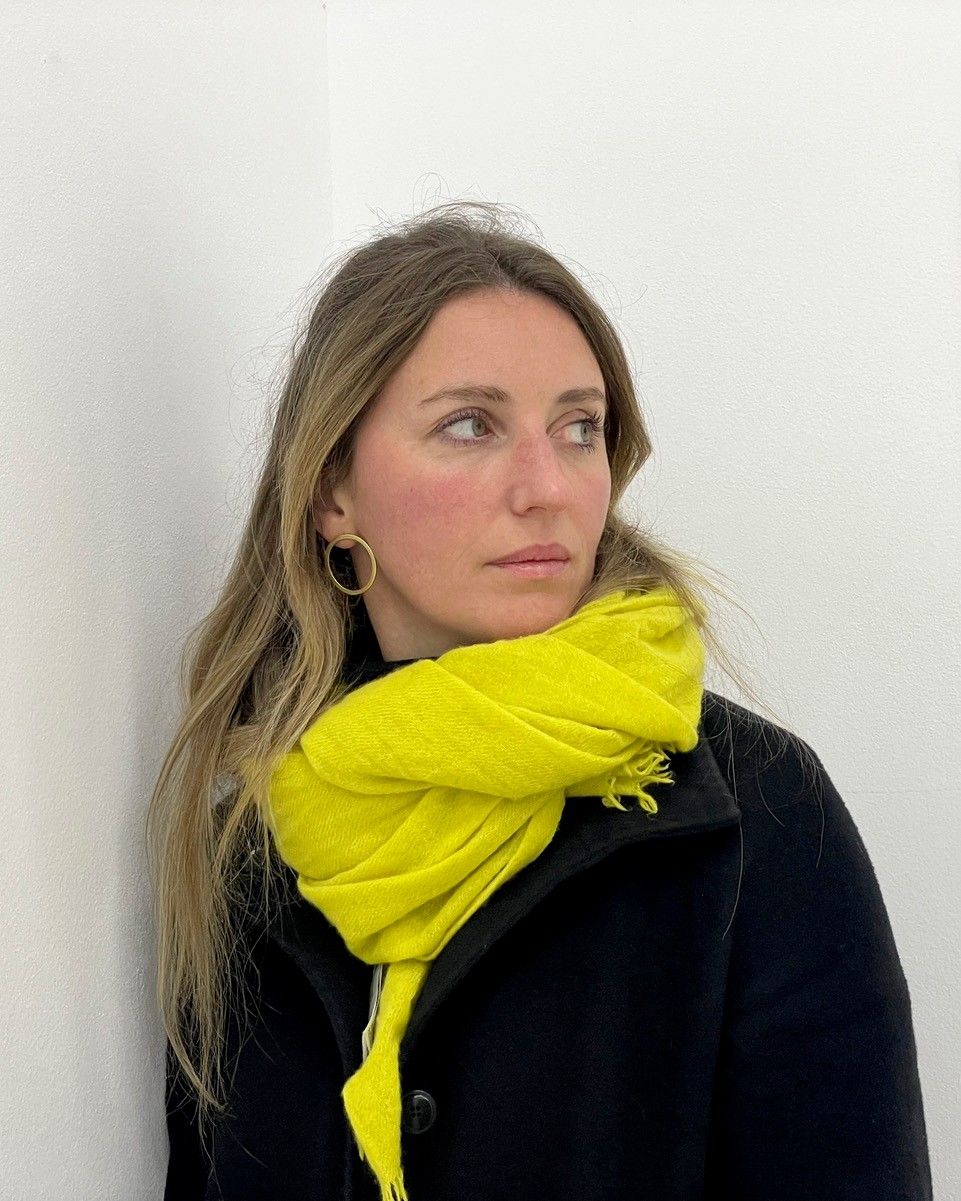
Camille SeamanCamille Seaman, photographer unknown

Camille Seaman graduated from the State University of New York, Purchase, in 1992 after studying photography with Jan Groover and John Cohen.

She gained widespread attention in 2006 with her series The Last Iceberg, which documents Arctic and Antarctic icebergs using a portraiture approach. Seaman continues to work on the effects of climate change and strongly believes in capturing photographs that articulate that humans are not separate from nature.

Seaman has held numerous group and solo exhibitions, and her series The Last Iceberg has been shown extensively in the United States and Europe, including at the National Academy of Sciences, Washington, D.C. (2007 and 2008); the University of Delaware Museum (2008); and Hans Alf Gallery, Copenhagen (2009).

Camille Seaman’s work has received numerous prizes including a National Geographic award in 2006 and a Critical Mass award in Portland, Oregon, for her monograph The Last Iceberg in 2007. She was a TED Senior Fellow (2011–15) and a Stanford Knight Fellow (2014), and was awarded a Fellowship by Cinereach in New York as Filmmaker in Residence (2016).

Seaman’s photographs have been published widely, including in National Geographic, German GEO, Italian GEO, The New York Times Sunday Magazine, Newsweek, Outside Magazine (United States), Zeit Wissen (Germany), and Men’s Journal (United States).

Learn more about Camille Seaman on the Prix Pictet and CCP websites below.
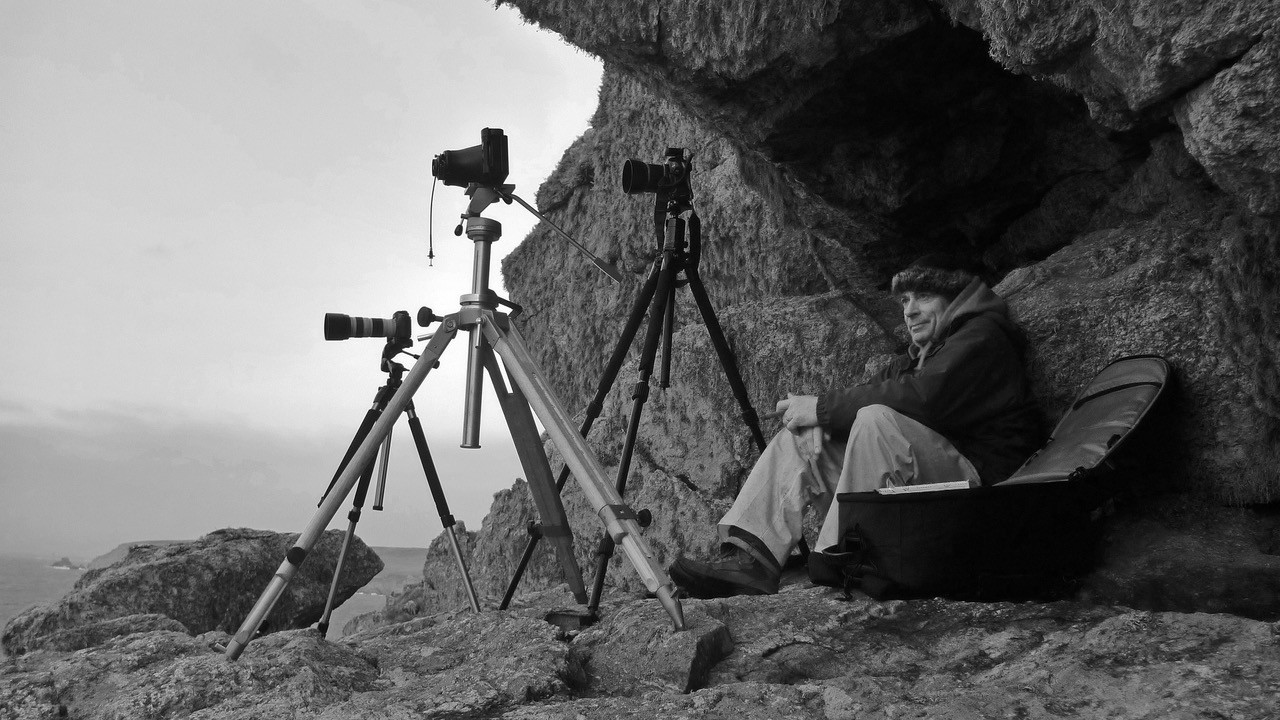
Laetitia VanconLaetitia Vançon, photographer unknown

Laetitia Vançon’s work primarily explores humanitarian issues, with a focus on resilience, identity, and the human condition.

Vançon worked as a chemical engineer in France and South Africa until 2009. From 2010 to 2012, she stepped away from a defined career path, settled in Germany, and started using photography as a form of healing to process personal traumas. This evolved into long-term documentary work.

She completed her studies at the Danish Photojournalism School, Aarhus, in 2014.

Since 2015, Vançon has been a regular contributor to The New York Times. Alongside her reporting, she developed At the End of the Day (2016–18), which documents the lives of young people in the Outer Hebrides, Scotland.

She has exhibited her work internationally, including at Les Rencontres d’Arles, France, with Fisheye Gallery (2018); La Gacilly-Baden Photo Festival, France and Austria (2019); Hunterian Museum, Glasgow (2019); Xposure Festival, Dubai (2023); Leica Gallery, Wetzlar, Germany (2023); and Festival della Fotografia Etica, Lodi, Italy (2024).

Vançon’s work in Odesa, Ukraine, won the Feature Photography prize from the Overseas Press Club of America in 2023. Her work has also been recognised by the Sony World Photography Awards (2019); Pictures of the Year International, United States (2020); Lucie Foundation, Los Angeles (2023); the Leica Oscar Barnack Award, Wetzlar, Germany (2023); Siena International Photo Awards, Italy (2023); and Life Framer, London (2024).

Learn more about Laetitia Vançon on the Prix Pictet and CCP websites below.
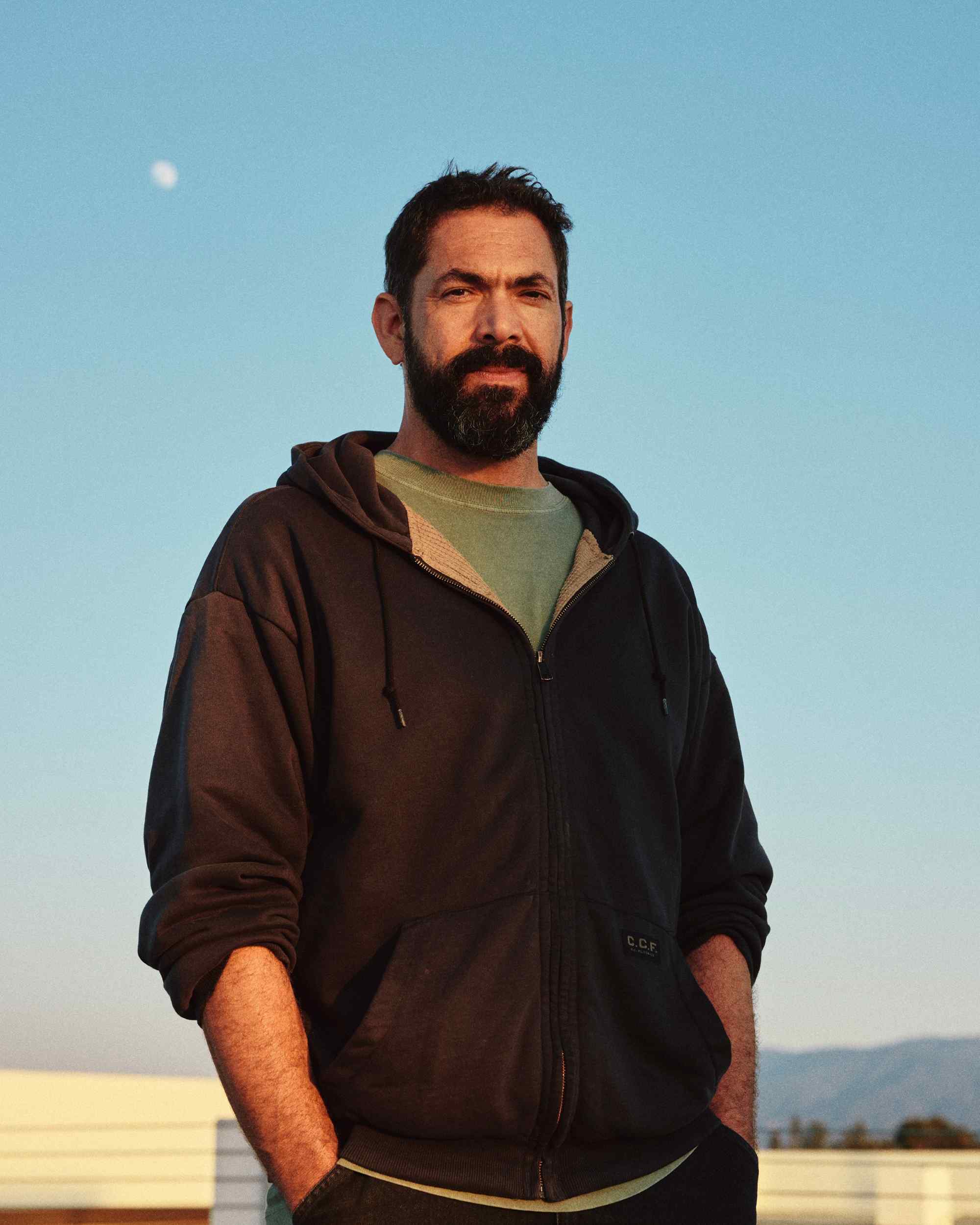
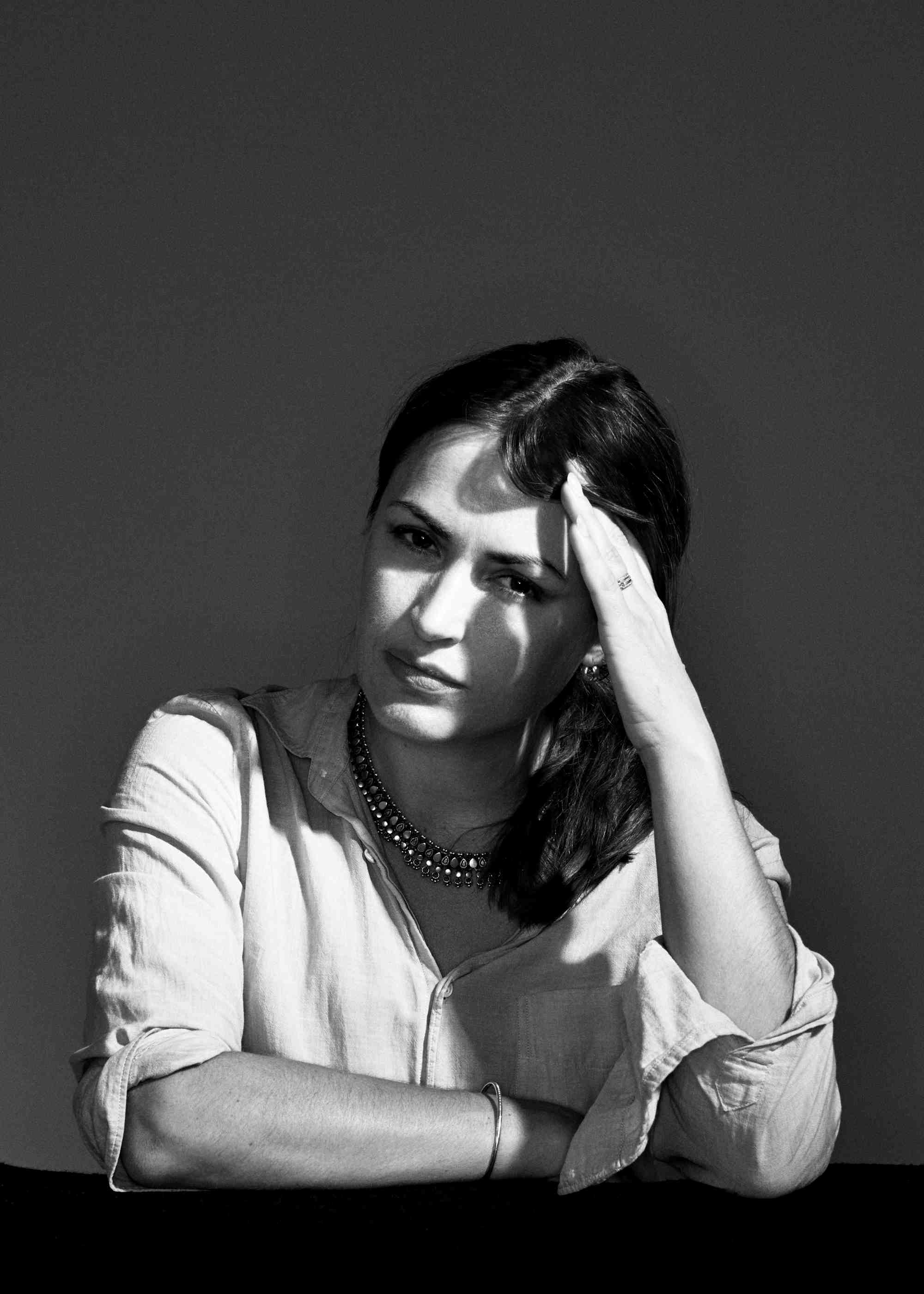
Patrizia ZelanoPatrizia Zelano, photograph by Roberto Baroncini

Patrizia Zelano holds a degree in pre-Columbian ethno-archaeology from the University of Bologna. She was taught by the photographer Guido Guidi at the Accademia di Belle Arti, Ravenna, and he has remained a strong influence on her artistic research and development. She sees her work as a form of self-analysis and a metaphorical way to evoke feelings.

Zelano’s work has been exhibited widely in solo and group exhibitions, including at Galleria dell’Immagine, Rimini (2007); Centro Italiano della Fotografia d’Autore, Bibbiena, Italy (2010); L’Arsenal de Metz, France (2011); Boca Raton Museum of Art, Florida (2012); National Museum of Contemporary Art (EMST), Athens (2013); IPP (International Photo Project), Spazio Soderini, Milan (2015); and CIBUS, Parma, Italy (2022).

Zelano has won numerous awards, including first prizes at SI Fest, Savignano sul Rubicone, Italy (2006 and 2009) and Festival di Fotografia di Napoli, Archivio Fotografico Parisio, Naples (2009). She has also won the Wannabee Prize International Art Contest (2014) and the Fondo Malerba award (2015), both in Milan.

She is the author of Soul Trigger: A Perceptual Oracle with 79 New Arcana — A Journey with Art and Magic, published by Pazzini editore in 2019.

Zelano has previously worked as a researcher at the Dinz Rialto Museum of Extra-European Cultures, Rimini, and in Nazca, Peru.

Learn more about Patrizia Zelano on the Prix Pictet and CCP websites below.
Related events

prix-pictet-ref.jpg

Storm

Icon / Small / CalendarCreated with Sketch. 30 Jan 2027 - 17 Apr 2027

'Storm' is the theme for the eleventh cycle of the prestigious Prix Pictet. The Prix Pictet is the world’s leading award for photography and sustainability. It was founded in 2008 by the Pictet Group to draw global attention to the critical issue of sustainability.

aboriginal flag float-starttorres strait flag float-start

Acknowledgement of Country

RMIT University acknowledges the people of the Woi wurrung and Boon wurrung language groups of the eastern Kulin Nation on whose unceded lands we conduct the business of the University. RMIT University respectfully acknowledges their Ancestors and Elders, past and present. RMIT also acknowledges the Traditional Custodians and their Ancestors of the lands and waters across Australia where we conduct our business - Artwork 'Sentient' by Hollie Johnson, Gunaikurnai and Monero Ngarigo.

Learn more about our commitment to Aboriginal and Torres Strait Islander peoples