Potential applications and scalability
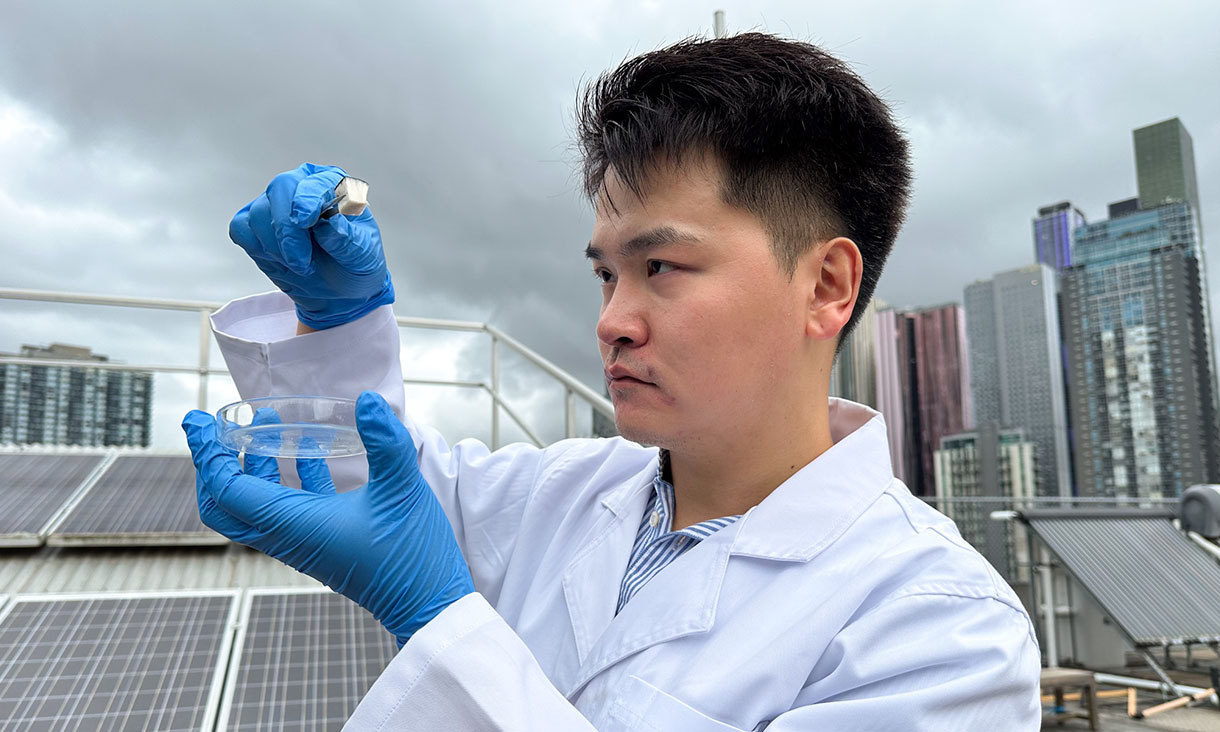
Hao said the device would be suited to emergency scenarios, such as in the wake of natural disasters where water supplies have been compromised, if the team can scale-up and optimise the modular innovation.
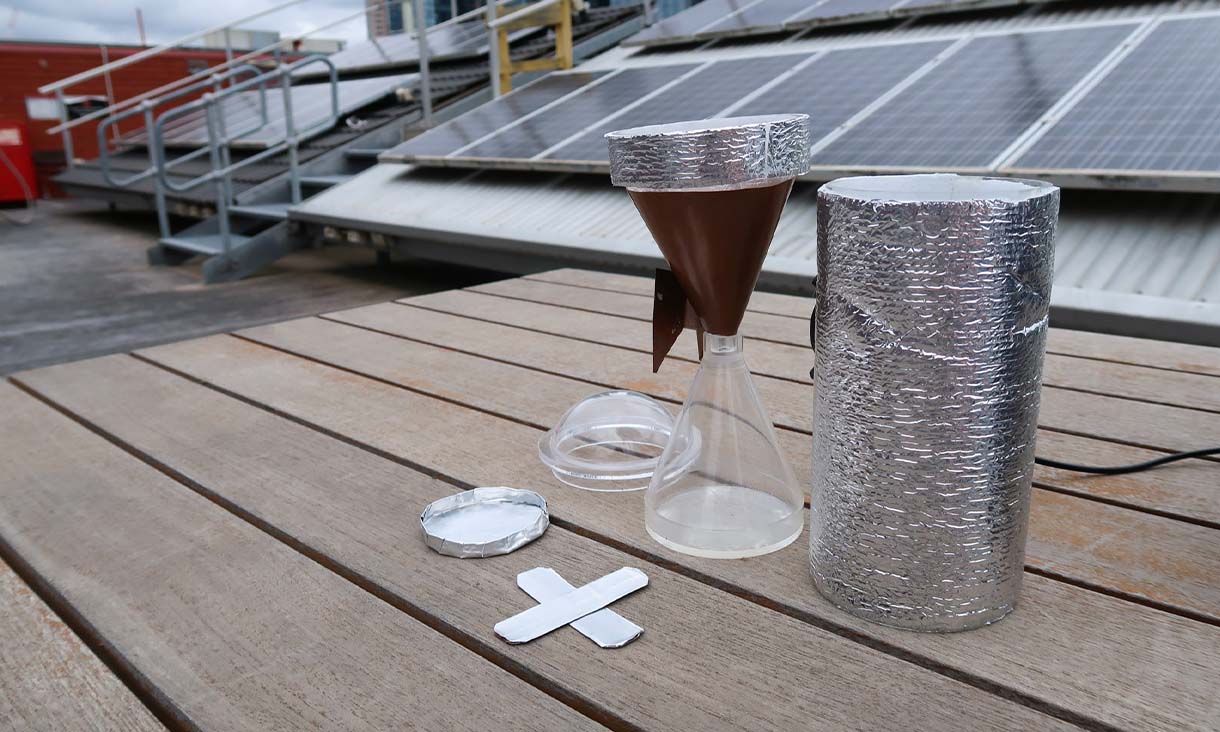
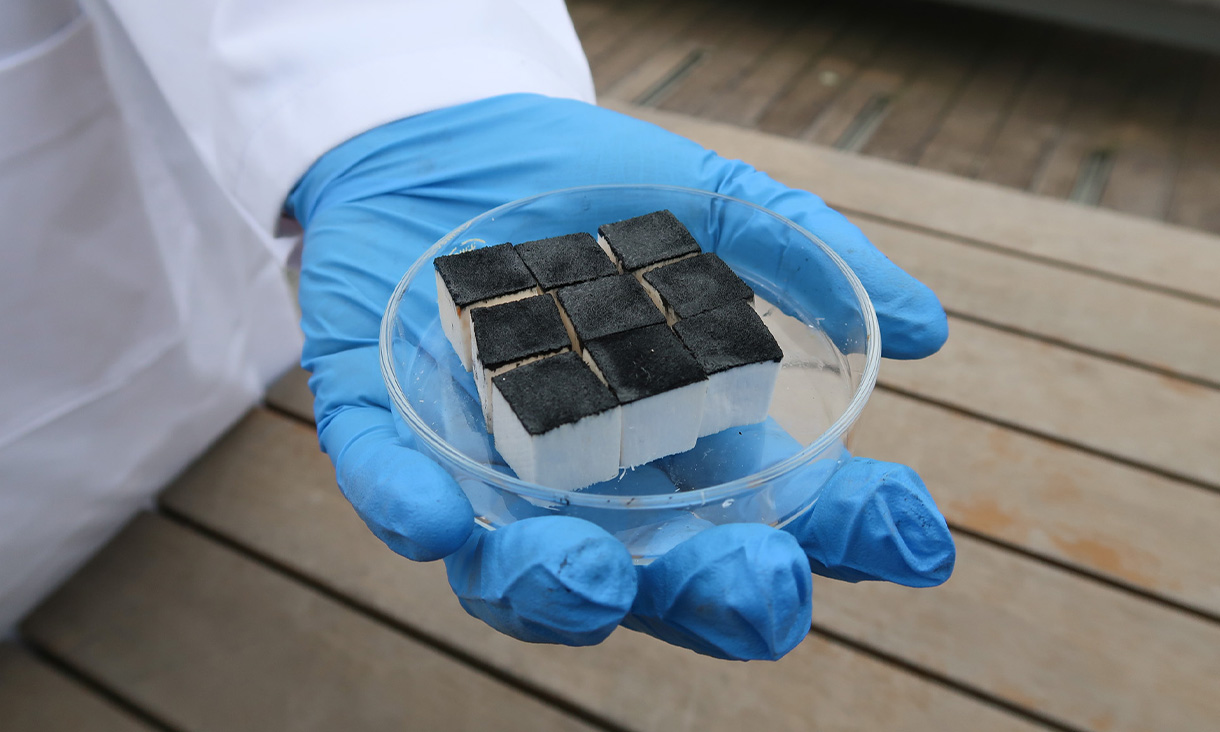
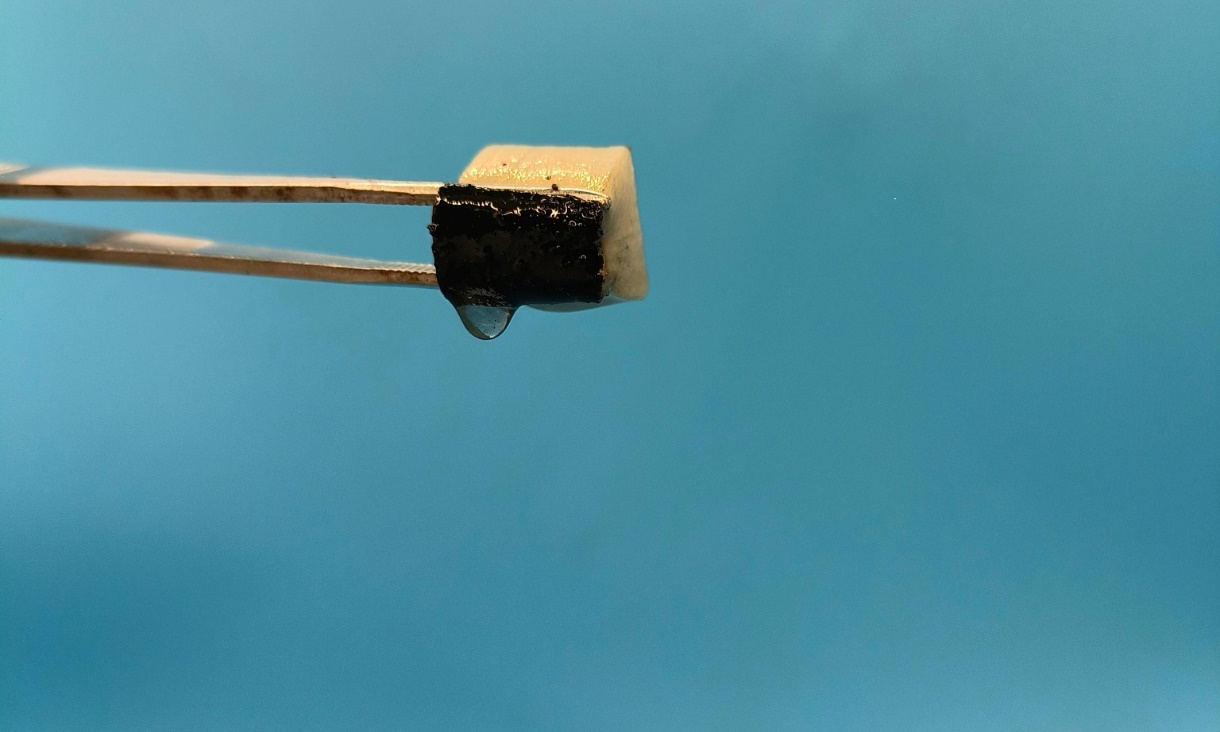
“The current demonstration unit size is 15 cubic millimeters. It would be very easy to prepare a larger unit, or we can use the units to form an array,” Hao said.
“Its ability to harvest potable water from the atmosphere using only sunlight makes it invaluable in disaster-stricken areas where traditional water sources are compromised. The system's portability and reliance on renewable energy further enhance its applicability in such contexts.”
Hao said the material was designed with scalability and affordability in mind.
“The main component, balsa wood, is widely available, biodegradable and cheap, and the manufacturing process is not complex, which could enable mass production.
“The demonstrated stable performance over multiple cycles and in various environmental conditions indicates longevity and cost-effectiveness.”
Hao said the team was in discussion with prospective industry partners on pilot-scale production and field deployment, integrating into modular water-from-air harvesting systems.
“Solar panels combined with thermal energy storage could enable round-the-clock operation, particularly in areas with intermittent sunlight,” he said.
Developing automated control systems using Internet of Things sensors to monitor relative humidity, temperature and solar intensity could further optimise water harvesting cycles, Hao said.
“Building on the artificially intelligent design used in the study, more advanced design platforms could be developed to screen new material combinations and predict long-term water absorption and release performance,” he said.
‘Development and characterisation of novel wood-based composite materials for solar-powered atmospheric water harvesting: a machine intelligence supported approach’ is published in the Journal of Cleaner Production (DOI: 10.1016/j.jclepro.2025.145061).
To discuss collaboration, contact research.partnerships@rmt.edu.au
Story: Will Wright