RMIT's Australian Posthuman Summer Lab weaves Indigenous knowledges and planetary thinking to tackle polycrisis

RMIT's Australian Posthuman Summer Lab weaves Indigenous knowledges and planetary thinking to tackle polycrisis

The interdisciplinary laboratory explored the intersections between posthuman methods and First Peoples’ knowledges to develop creative, place-based responses to climate and planetary crises.

The third Australian Posthuman Summer Lab, an initiative of RMIT’s Planetary Civics Inquiry, was held from 2 – 10 February in Naarm Melbourne. This final Lab in the trilogy will produce an atlas of posthuman methods exploring the nexus between posthuman and First Peoples’ knowledges, focusing on relationality, regeneration, and decentering the human. It was led by ‘Radical Ancestors’, Professor of Practice Rosi Braidotti and Professor N’arweet Carolyn Briggs AM (Monash University), with Associate Professor Troy Innocent (RMIT School of Design) and Dr Fiona Hillary (RMIT School of Art).

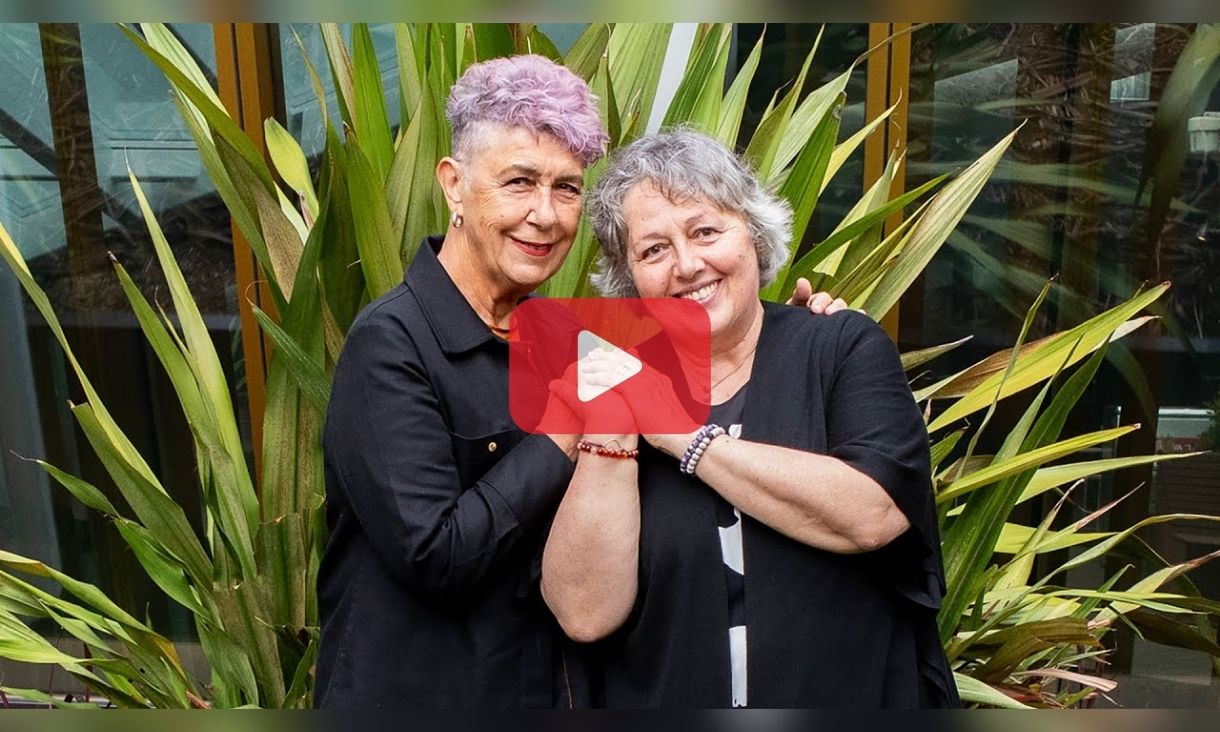
YouTube link - Rosi Braidotti and Professor N’arweet Carolyn Briggs AM (Monash University) 2024 stand hand in hand smiling YouTube - Rosi Braidotti and Professor N’arweet Carolyn Briggs AM (Monash University) in conversation on the yulendj barring (knowledge paths) mapping.

Building on posthuman methods developed in the inaugural Lab in 2024 and inspired by the Utrecht Summer School (where Rosi Braidotti is Distinguished University Professor Emerita), this iteration focused on ways of mapping and being on Land and Sea Country in Naarm Melbourne. It was co-delivered locally with the Boonwurrung Land and Sea Council, Yalukit Willam Nature Reserve, Wandoon Estate Aboriginal Corporation, the Wurundjeri Council and Melbourne Water. 

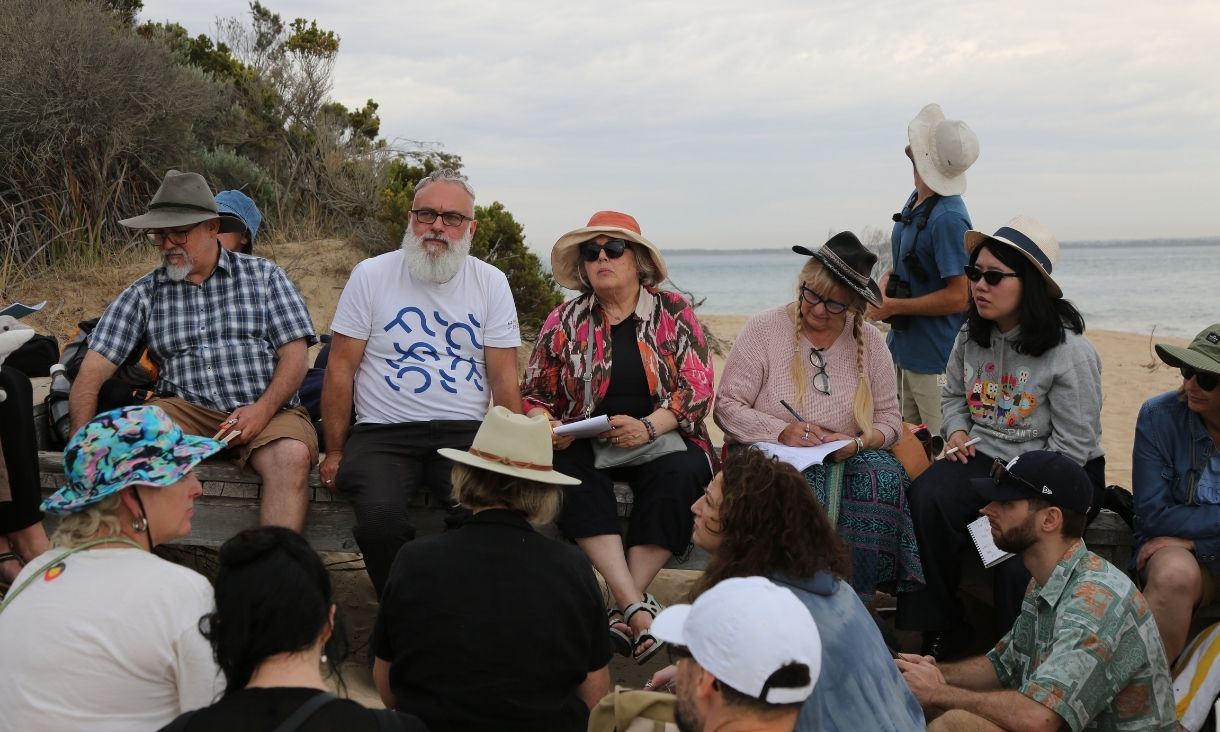
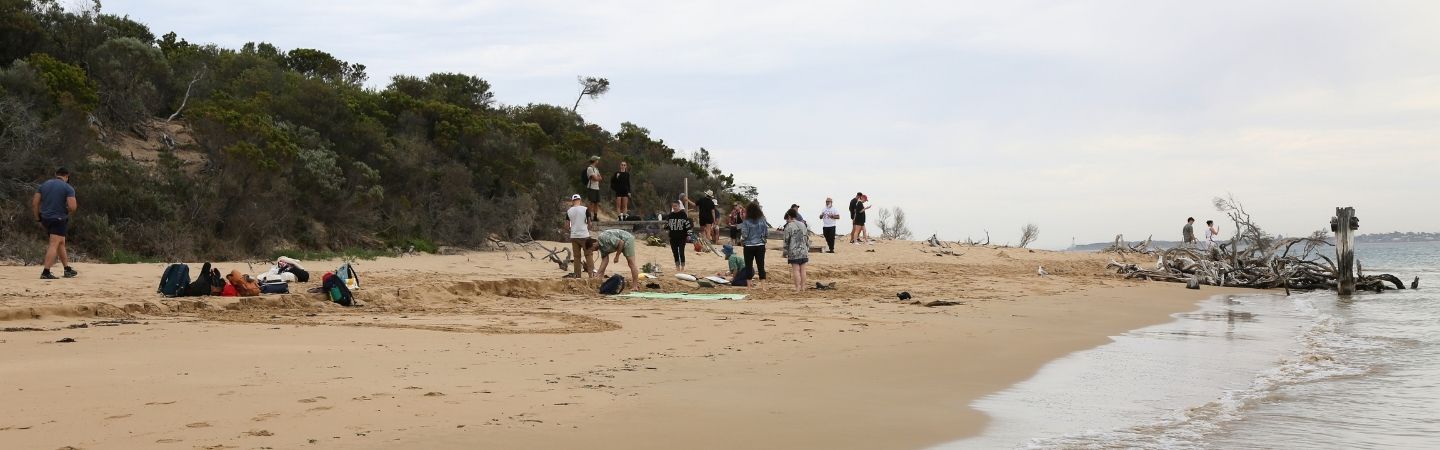
Lab facilitators and participants at Point Nepean Monmar, sitting in the sand on a cloudy day Lab facilitators and participants at Point Nepean Monmar. Photo: Angelina Innocent.

As the most ambitious and nomadic version to date, facilitators, provocateurs and participants from a range of backgrounds and creative disciplines took part in workshops across three sites. They collectively developed and refined posthuman methods to carefully navigate the intersections between feminist new materialisms, eco-feminism, socio-technical theory and Indigenous philosophies.  

The Lab’s core premise, that the climate crisis urgently compels us to address the interdependence of human, non-human, and more-than-human entities, provided a platform to experiment with profound shifts in ethical and technological paradigms, challenging longstanding patterns of anthropocentrism.  

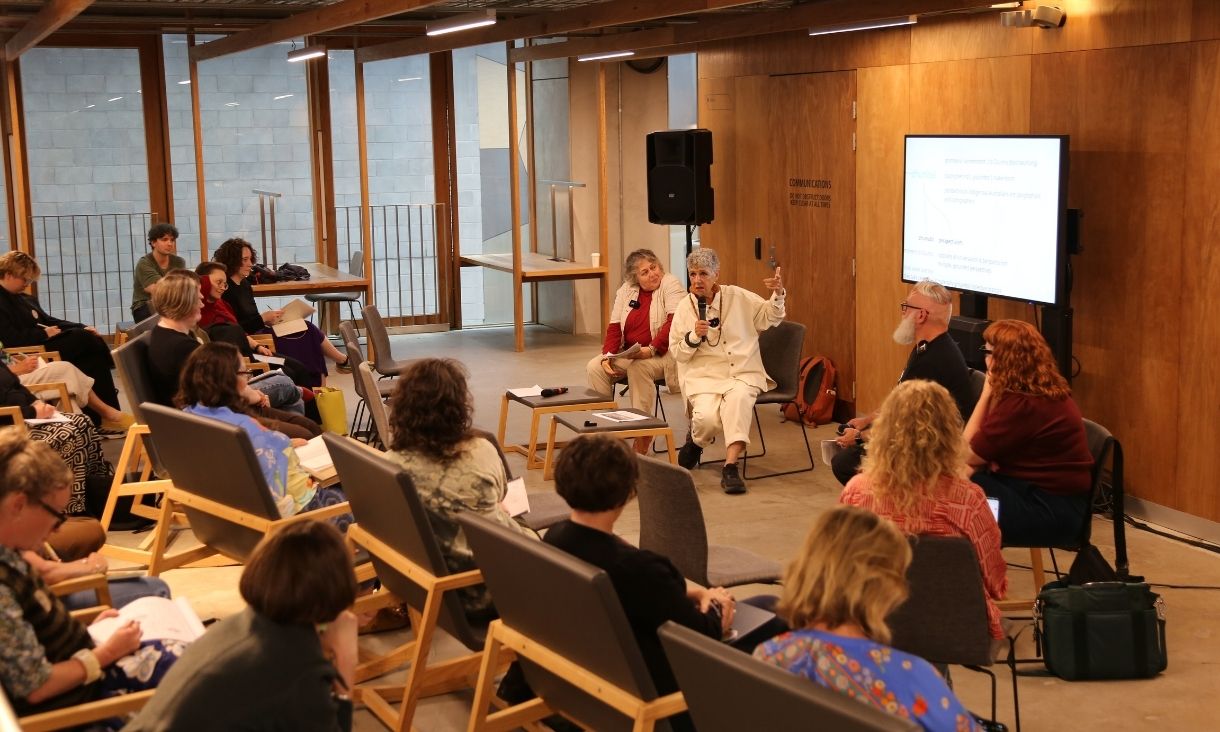
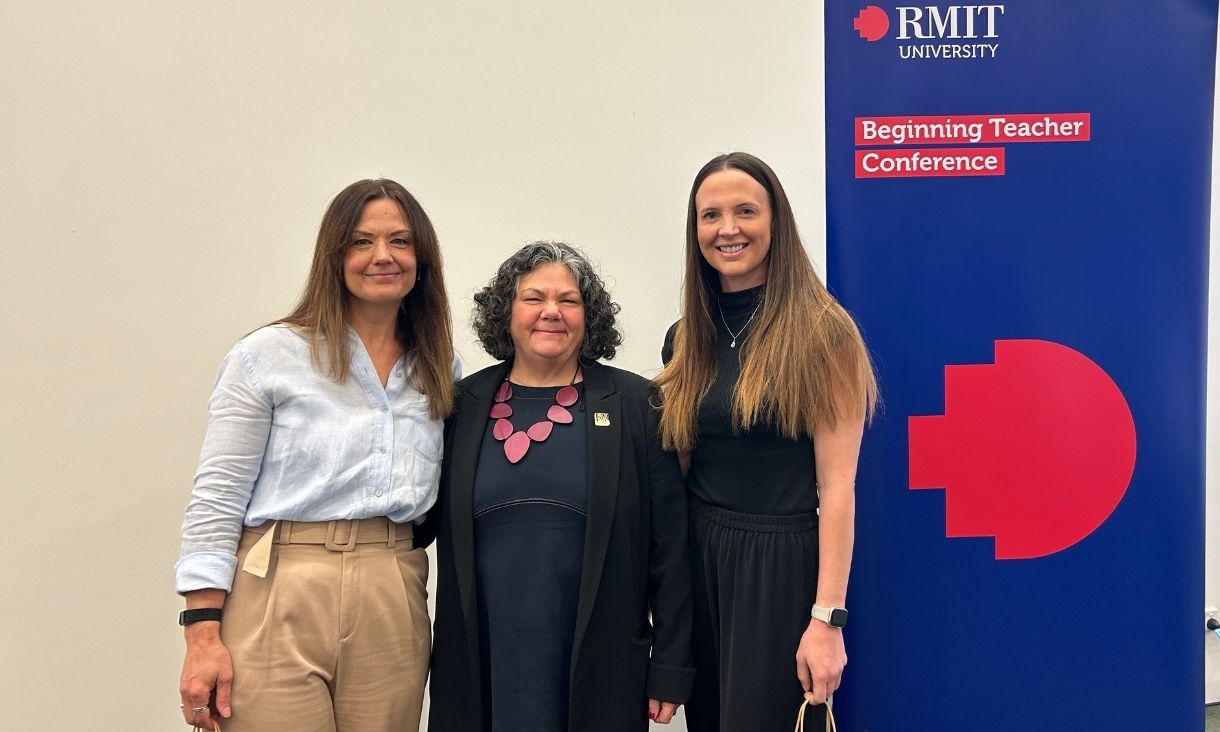
Professor of Practice Rosi Braidotti and Professor N’arweet Carolyn Briggs AM, with Associate Professor Troy Innocent, and Dr Fiona Hillary sit in a warmly lit RMIT buidling in conversation Professor of Practice Rosi Braidotti and Professor N’arweet Carolyn Briggs AM (Monash University), with Associate Professor Troy Innocent (RMIT School of Design) and Dr Fiona Hillary (RMIT School of Art). Photo: Angelina Innocent.

“In this final lab of the inaugural trilogy, we asked: ‘how does place shape language and through this entanglement our collective social imaginary, our reality?’ Regenerative futures demand new ecological literacies and planetary civics that transcend traditional boundaries,” said Associate Professor Troy Innocent. 

The Upper Yarra Reservoir provided a site for engagement with industrial ecologies and river rights through listening, walking, and witnessing methods on Wurundjeri Country, with Dr Emily Jones, a Senior Research Fellow from Newcastle University Law School and Chris Hume, a Wurundjeri Knowledge Holder.  

At Point Nepean Monmar, N’arweet Carolyn Brigg guided participants across Boonwurrung Country, exploring Sea Country’s tidal, material and oral knowledges with Alison Souter and Gio Fitzpatrick from Yalukit Willam Nature Association.  

From the Dandenong Ranges to Coranderrk, participants witnessed climate-damaged forests and multispecies relations through grief, debris ecology and care practices on Wurundjeri Country with Dr Goda Klumbyte from Kassel University and artist Gretel Taylor.  

Together, these site-specific methods explored how posthuman approaches resonate with ancient Indigenous practices, including regenerative and restorative methodologies grounded in place, sovereignty, and resilience. 

“Particularly in cities, our challenge is to reconsider our role in the intricate web of life. Posthumanism is a way into a future where all entities collaborate for planetary resilience and flourishing,” said Dr Fiona Hillary.  

One notable outcome of the Lab trilogy was ‘Hot & Heavy’, a performance by The Ironing Maidens (Melania Jack and Patty Preece) at Midsumma 2026. They drew inspiration from their participation in the Lab in 2025, saying: “We wrote the initial incarnation of our show, Hot & Heavy, coming out of Cairns Summer in 2023. The climate crisis felt particularly acute in our personal lives, having experienced both rainforest fires and floods. We rerouted our practice, stepping outside the domestic sphere to tackle more global concerns." 
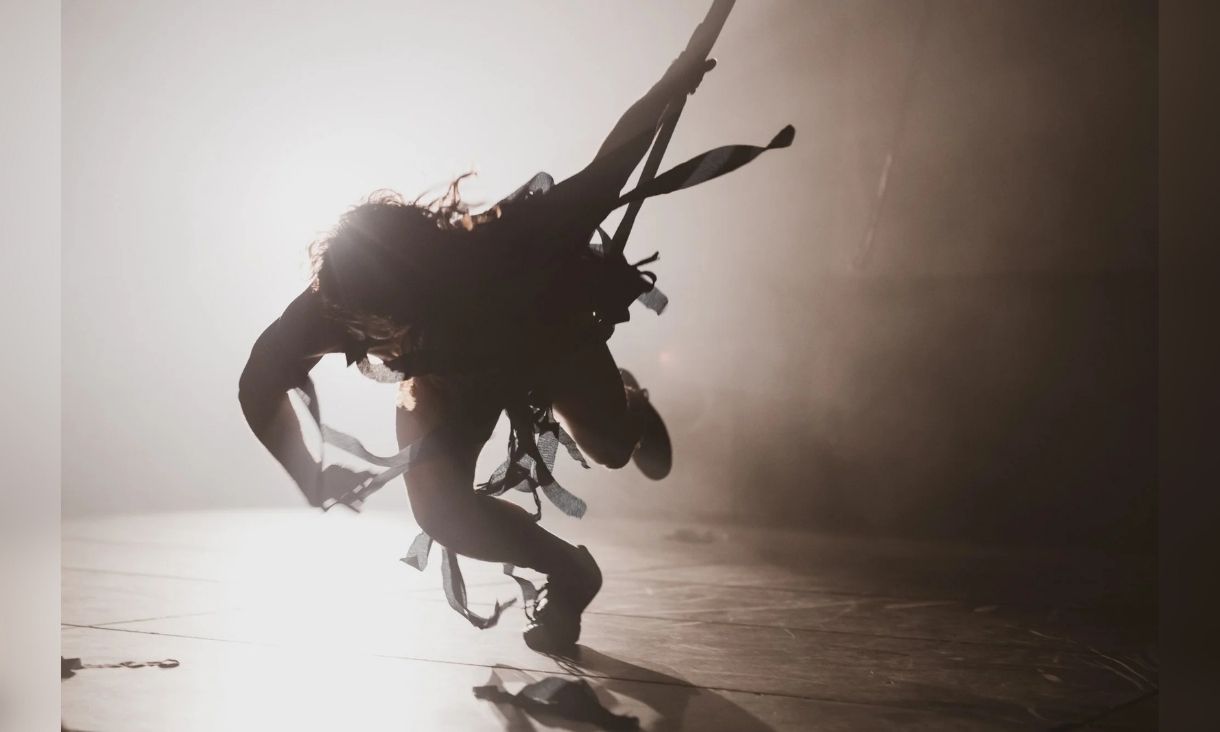
‘Hot & Heavy’ (2025), Ironing Maidens. A contrasting light image of somebody dancing, looks like a shadow with tendrils of fabric hanging off them. ‘Hot & Heavy’ (2025), Ironing Maidens. Photo: Pippa Samaya

"Participating in the Lab blew our minds open and rewired them, helping us see the bigger picture. We reworked the show's content, needing to bring our collaborators and audiences on the journey that we’d undertaken,” they continued.  


Learn more about the Australian Posthuman Summer Lab

Learn more about RMIT’s Planetary Civics Inquiry


RMIT University is a Major Partner of Midsumma Festival. This multiyear partnership (through to 2028) reflects RMIT's longstanding commitment to supporting LGBTIQA+ communities, by increasing visibility, championing change, uplifting LGBTIQA+ voices and celebrating queer creativity.

Share

  • DSC Research
  • Arts and culture
  • Indigenous Australia
  • Society
  • DSC
  • Indigenous
  • Equality, Diversity & Inclusion
  • Environment

Related News

aboriginal flag float-start torres strait flag float-start

Acknowledgement of Country

RMIT University acknowledges the people of the Woi wurrung and Boon wurrung language groups of the eastern Kulin Nation on whose unceded lands we conduct the business of the University. RMIT University respectfully acknowledges their Ancestors and Elders, past and present. RMIT also acknowledges the Traditional Custodians and their Ancestors of the lands and waters across Australia where we conduct our business - Artwork 'Sentient' by Hollie Johnson, Gunaikurnai and Monero Ngarigo.

More information