This project was administered by the Australian Government Department of Education through the International Education Innovation Fund (IEIF), delivered in partnership with the RMIT Asia Hub.

The ASEAN Research Collaboration Project is now closed.
This project aimed to support the careers of Early Career Researchers (ECRs) who had completed their PhD degree or equivalent within eight years of applying to participate. The project delivered ECR placements for ASEAN member states in Australian research institutions in shared priority areas across three rounds. Through this initiative, selected recipients received up to AU$20,000 each to complete a one to three-month research placement at an Australian research institution.
Successful recipients had the opportunity to expand their professional networks and had access to leading academics, facilities, and equipment in Australia to develop their own research interests and competencies. This opportunity supported long term commercially oriented research partnerships between ASEAN members and Australia.
About the program
The IEIF ASEAN Research Collaboration Project supported high-achieving international post-PhD ECRs to participate in commercially focused research in Australia, reflecting areas of mutual interest with the ASEAN region.
The initiative supported the hosting of researchers by an Australian institution for a period of one to three months to build and deepen institutional linkages, create professional networks, support professional development, and exchange expertise with Australian researchers.
One of ASEAN’s key goals is to support economic and technical cooperation to address the many challenges and opportunities that face the region. Enhanced research and education cooperation among ASEAN countries fosters innovative growth as students, researchers and education providers build scientific, technological, and linguistic communities.
Financial benefits
The following benefits were provided to internship recipients under this now-closed program.
Up to AU$20,000 per internship (up to 3-month duration).
Internship recipients
All internship recipients received benefits in Australian Dollars:
- Establishment allowance: $3,500 (paid once to cover for travel, visa and insurance costs)
- Monthly stipend: $4,000 (paid up to the maximum program duration on a pro-rata basis)
- Monthly family allowance: $1,500* (paid up to the maximum program duration on a pro-rata basis)
- *if applicable for recipients who are travelling with a dependent family member/s
- A person is considered dependent if they are wholly or substantially reliant on the recipient for financial, psychological or physical support. Dependants must travel with the internship recipient for the entire duration of their program
Host organisations
Host organisations were eligible for a $1,000 subsidy per intern to cover potential research consumables such as laboratory equipment, subscriptions, service level agreement (SLA) fees for desks/IT access and field works costs for the ECRs interning with the organisations.
Eligibility
Requirements
To be eligible for internship funding, applicants must:
- Be a citizen and/or permanent resident of an ASEAN member state or Timor Leste
- Not be an Australian citizen and/or permanent resident
- Have completed a PhD degree or equivalent within the eight years prior to applying to participate in this project
- Provide a research proposal which falls under one of the eligible research focus areas
- Provide all relevant supporting documentation in English
- Obtain a placement offer from an approved host Australian research organisation (list provided in the IEIF – ASEAN Research Collaboration Project 2025 Guidelines (PDF 913 KB))
- Meet the eligibility requirements to apply for and hold the relevant visa issued by the Department of Home Affairs
Eligible Countries
- Brunei Darussalam
- Cambodia
- Indonesia
- Laos
- Malaysia
- Myanmar
- The Philippines
- Singapore
- Thailand
- Timor Leste
- Viet Nam
Eligible Research Focus Areas
- Agriculture and Food
- Resources and Energy
- Infrastructure
- The Green Economy
- Another priority area that will bolster Australia's competitiveness and drive commercialisation outcomes.
For any questions on eligibility, please contact ieif.asean@rmit.edu.au
Selection criteria
Please review the selection criteria carefully, as only applications that meet the minimum requirements will be considered for the internship.
The following are the selection criteria and their relative weighting:
- A record of high-level academic achievement and research experience in the applicant’s chosen field of study (30%)
- Well-defined research program and statement on how the research internship opportunity will benefit Australia and build the applicant’s potential to foster ongoing collaboration, cooperation and commercialisation opportunities between Australia and the home economy (40%)
- The extent of alignment between the applicant’s chosen field of study/research and priority sectors offering the greatest potential for shared commercial engagement opportunities for both Australia and the ASEAN region (20%)
- Statement on how the research internship opportunity would further the applicant’s academic and/or professional career (10%)
What makes a strong application
The strongest applications are clear, strategically aligned, and demonstrate academic excellence, a realistic research plan, benefits to both the applicant and the host, and potential for broader regional or commercial impact.
1. Clarity of communication
- Provide clear, purposeful, and well-structured responses throughout the application.
- Write for a non-expert audience. Avoid excessive technical jargon or specialist terminology that judges outside your field may not understand.
2. Choice of host institution
- Clearly explain why your chosen Australian host organisation is the best place for your research.
- Highlight the facilities, equipment, or expertise available in Australia that you cannot access in your home country.
- If you have previously studied or worked in Australia, show how this placement will provide new opportunities and connections beyond your existing networks.
3. Research track record
- Judges assess your track record relative to the time since PhD conferral.
- A strong academic record may include publications, grants, awards, patents, and contributions to journals and conferences.
- Demonstrating academic excellence and a strong academic foundation is essential.
4. Research program design
- Present a well-defined research program with clear, realistic goals achievable within the 3-month placement.
- Show strategic alignment with ASEAN-Australia priorities and priority sectors.
- Projects don’t need to be ready for market, but they should describe how they might lead to commercialisation opportunities in the home country and/or Australia.
- Applications are stronger if they show potential for industry engagement or a plan for a commercial pathway.
5. Benefits and impact
- Explain how the placement will benefit you as the applicant, and ideally, how it will also benefit the host researchers.
- Show how the internship contributes to your long-term goals.
- Highlight regional relevance – how the research will contribute to ASEAN and Australia’s shared priorities.
6. Resubmissions and second placements
- For previous successful recipients reapplying:
- Clearly state what was achieved in the first placement.
- Explain how a second placement will extend outcomes further and provide additional benefits not yet realised.
Feedback on individual applications
While we are unable to provide specific feedback on individual applications, it is worth noting that successful applicants in Rounds 1 and 2 clearly demonstrated how their research aligned with the core objective of the Project – to undertake commercially focused research in Australia that reflects areas of mutual interest with the ASEAN region. We encourage future applicants to consider this alignment carefully when preparing their research proposals.
key dates
Dates |
Details |
|
2 June 2025 – 29 August 2025 |
Round 1 of the IEIF Project |
|
6 October 2025 – 19 December 2025 |
Round 2 of the IEIF Project |
|
2 February 2026 – 24 April 2026 |
Round 3 of the IEIF Project |
Previous successful applicants
Get to know successful Early Career Researchers (ECRs)
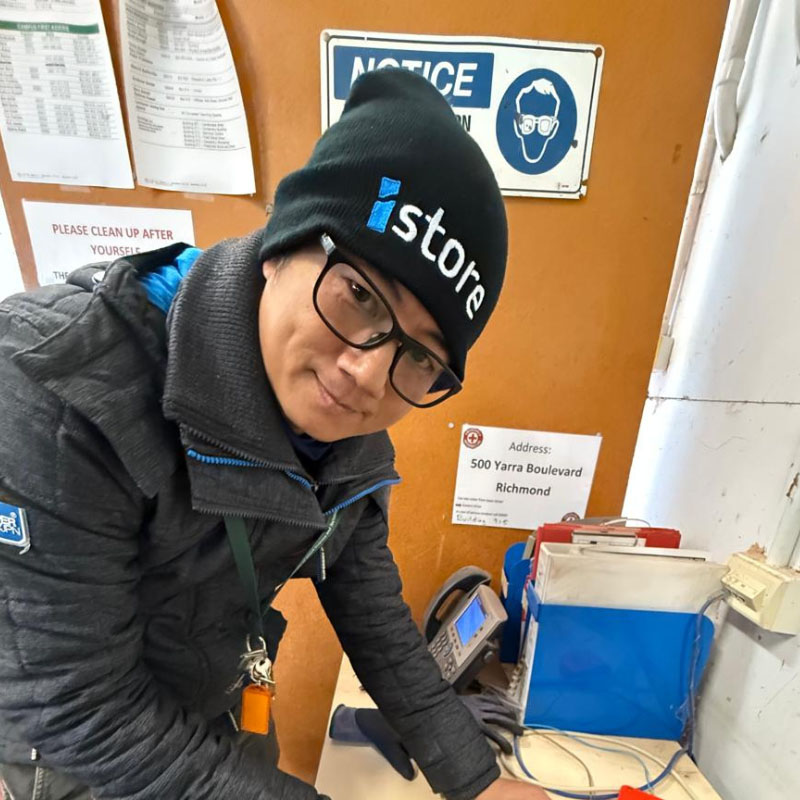
Dr Khamtan Phonetip
Round 1 Early Career Researcher from Laos
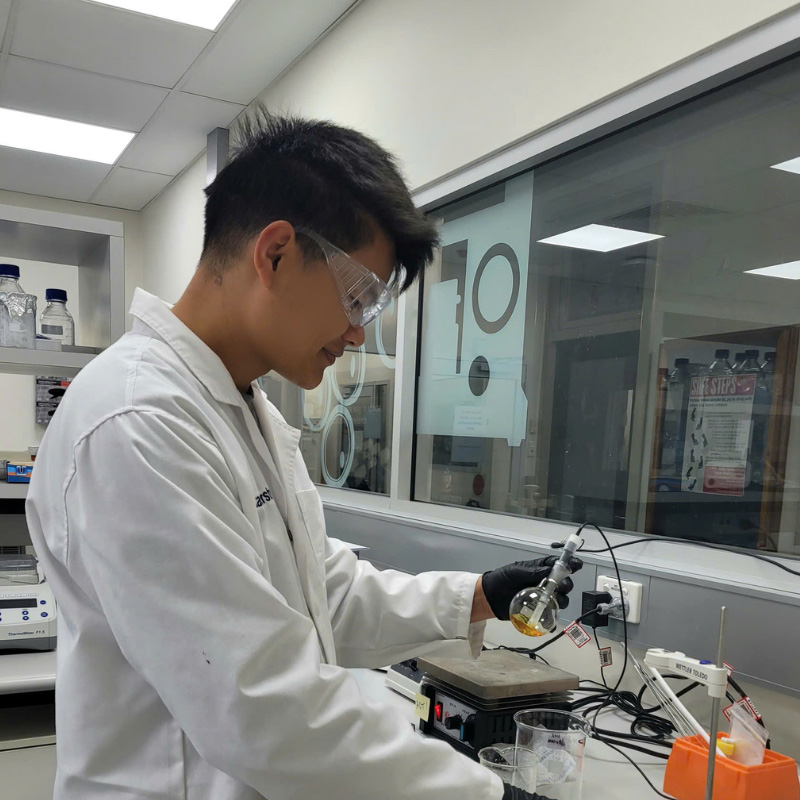
Dr Hao Nguyen
Round 1 and 2 Early Career Researcher from Viet Nam
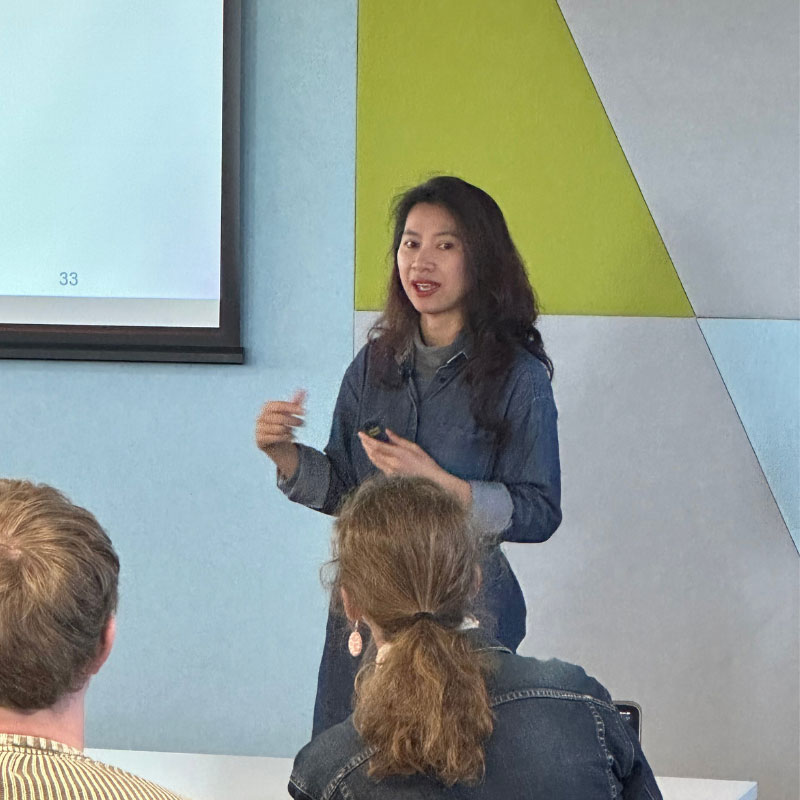
Dr Thi Thuy Hang Nguyen
Round 1 and 2 Early Career Researcher from Viet Nam
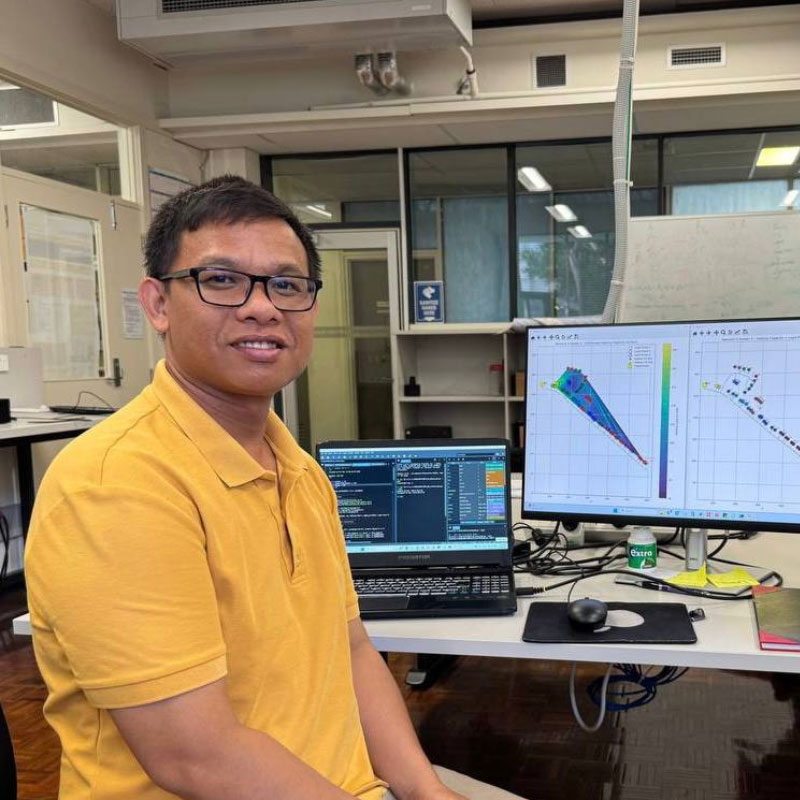
Dr Kimsrornn KHON
Round 3 Early Career Researcher from Cambodia
Contact
Our team is here to help. For enquiries or if you require assistance with your application, please contact us at ieif.asean@rmit.edu.au



