
How to become a visual artist
Develop your ideas, hone your practice and start making wonderful things.
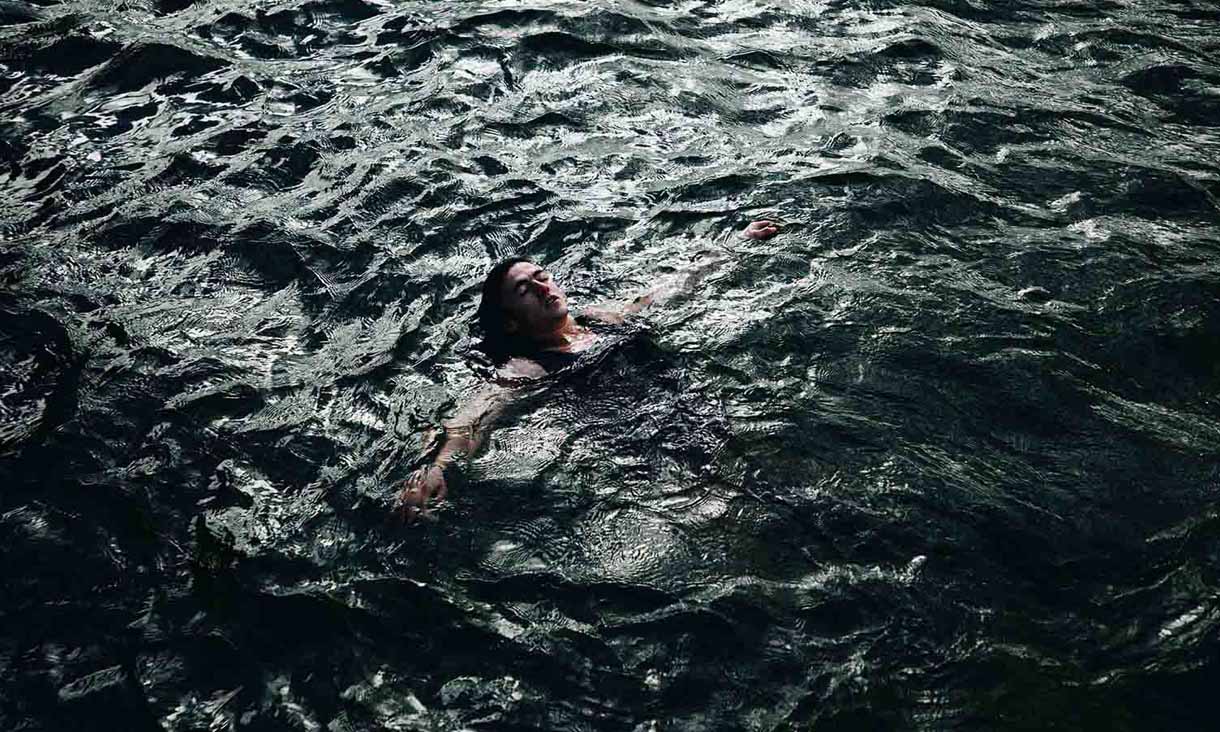
How to become a photographer
There’s more to this career path than Instagram filters.
An Arts degree gives you the chance to explore the world – and your place in it – through subjects such as Cinema Studies, Cultures and Contexts, Music: Global Perspectives and Research in Creative Practice. It’s for the thinkers, communicators, creatives and question-askers. People who aren’t afraid of complexity and who want to explore the stories, images and songs that shape our society.
RMIT’s Arts degrees are designed for creative people with something to say – and a drive to shape the world around them. They’re specialised, career-focused courses in:
All our Arts degrees combine critical thinking with studio-based or industry-relevant learning. You’ll take part in internships, collaborate on projects and have access to exhibition and publishing opportunities both in Australia and globally.
Arts graduates tend to find themselves in places where words, ideas and people are important where insight and communication are valuable currency. Here are just a few directions you can take.

If you love stories – telling them, analysing them, creating them – a Bachelor of Arts can lead to work in:
You don’t have to be a media graduate to work in media – you just need the right mix of voice, vision and versatility.

Your Arts degree might be the foundation for a career in:
You’ll learn how to understand audiences, shape narratives and contribute meaningfully to the cultural landscape. You don’t have to be a novelist. You might be a script editor, content strategist or cultural programmer.

Your Arts background can lead into teaching, educational leadership or creative facilitation roles across:
Pairing your degree with postgrad teaching qualifications can take you straight into the classroom, or you can carve your own path through informal education and community work.

Behind every great artist, venue or program is someone doing the advocacy, grant-writing, policy development or community engagement to make it happen. That could be you. With additional study or experience, Arts graduates often find roles in:

Since we’re talking Arts, we’re going to show off our Shakespeare for a second:
“Yond Cassius has a lean and hungry look; He thinks too much: such men are dangerous.”
Shakespeare framed danger as lean, hungry and male. You don’t have to be lean, hungry or a man to be dangerous in research. If you love to dig deep and think big, consider research roles across:
With postgraduate study, you could be shaping the discourse in fields like:
That depends on your goals. Many Arts graduates go straight into entry-level jobs across media, admin, community engagement and public service. Others go on to specialise with further qualifications – in teaching, law, international development, social work, public policy or research. An Arts degree can be the springboard to many different things, and postgrad study helps you target your landing.
Develop your ideas, hone your practice and start making wonderful things.
There’s more to this career path than Instagram filters.
Try adjusting them or reset all filters to see more options

 February
 On campus
 Melbourne City
 Full-time 1 year
 February On campus Melbourne City Full-time 1 year
 February, July On campus Melbourne City Full-time 3 years, Part-time 6 years
 February, July On campus Melbourne City Full-time 3 years, Part-time 6 years
February, July On campus Melbourne City Full-time 3 years
February, July On campus Melbourne City Full-time 3 years, Part-time 6 years
February, July On campus Melbourne City Full-time 3 yearsTry adjusting them or reset all filters to see more options
 No upcoming intakes On campus Melbourne City Full-time 6 months, Part-time 1 year
February, July On campus Melbourne City Full-time 2 years, Part-time 4 years, Reduced duration available
Continuous (scholarship application closing dates apply) On campus Melbourne City Full-time 2 years, Part-time 4 years
February, July On campus Melbourne City Full-time 2 years, Reduced duration available
February, July On campus Melbourne City Full-time 2 years, Part-time 4 years, Reduced duration available
Continuous (scholarship application closing dates apply) On campus Melbourne City Full-time 3-4 years, Part-time 6-8 years
No upcoming intakes On campus Melbourne City Full-time 6 months, Part-time 1 year
February, July On campus Melbourne City Full-time 2 years, Part-time 4 years, Reduced duration available
Continuous (scholarship application closing dates apply) On campus Melbourne City Full-time 2 years, Part-time 4 years
February, July On campus Melbourne City Full-time 2 years, Reduced duration available
February, July On campus Melbourne City Full-time 2 years, Part-time 4 years, Reduced duration available
Continuous (scholarship application closing dates apply) On campus Melbourne City Full-time 3-4 years, Part-time 6-8 yearsEverywhere.
RMIT graduates are working in:
You’ll also find them exhibiting internationally, producing albums, publishing books, pitching screenplays and running workshops in places you haven’t even heard of yet.
RMIT's art degrees are designed to make you confident, skilled and adaptable in today’s creative industries and provides a comprehensive and industry-focused education that can help you succeed as arts graduate in Australia.


RMIT University acknowledges the people of the Woi wurrung and Boon wurrung language groups of the eastern Kulin Nation on whose unceded lands we conduct the business of the University. RMIT University respectfully acknowledges their Ancestors and Elders, past and present. RMIT also acknowledges the Traditional Custodians and their Ancestors of the lands and waters across Australia where we conduct our business - Artwork 'Sentient' by Hollie Johnson, Gunaikurnai and Monero Ngarigo.
Learn more about our commitment to Aboriginal and Torres Strait Islander peoples