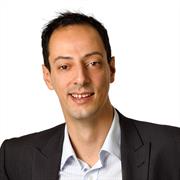
profile card testing

Profile cards intro text

Large cards

Dist. Professor Andrew Ball

Distinguished Professor

  • Location Bundoora West Australia
  • Department School of Science
Andy is the Director of the ARC Training Centre for the Transformation of Australia’s Biosolids Resource at RMIT University. With deep expertise in environmental microbiology and biotechnology, Andy teaches both subjects as part of the School of Science Bachelor and Masters Programs. In January 2012, Andy was appointed Professor in Environmental Microbiology and in 2016 Distinguished Professor by RMIT University. He started his career as a Research Fellow in Liverpool University, UK and more recently held the position of Reader at the University of Essex, UK. In April 2005, Andy was appointed Chair of Environmental Biotechnology at Flinders University. He has held a number of key institutional/organisational roles at each university in which he has been employed over the past 30 years. At the University of Essex UK, Andy was Director of the Centre for Environment and Society. At Flinders University, he was appointed Director and Chairman of Flinders Bioremediation. At RMIT University, Andy established, as Director a new University Research Centre, Environment, Sustainability and Remediation and is currently Director of the ARC Training Centre for the Transformation of Australia's Biosolids Resource. Andy has headed the Environmental Biotechnology Group now at RMIT University (previously based at Essex University and Flinders University) since 1995. Andy has a wealth of research and research and teaching expertise to RMIT University at an International level, particularly in the fields of bioremediation, organic waste treatment, and environmental fate of organic pollutants. Andy has generated internationally acclaimed research outputs since 1985. He has over 300 peer reviewed publications cited 13,000 times in total, with an annual citation average above 1200 over the past 3 years with an h-index of 60 (Google) and 46 (Scopus). In addition, Andy has published 6 books (3 as author and 3 as editor) and written 42 book chapters. He has currently five provisional patents and one full patent. These metrics demonstrate his respected standing in the academic community. Industry experience: Andy has worked closely with various end user entities including government agencies (EPA), the oil and water industry (e.g. Shell, Mobil, South East Water, Melbourne Water) and non-government agencies (e.g. Rockefeller Foundation) raising over $22,000,000 in research grant income to date in the area of Applied and Environmental Microbiology, over $14,000,000 since arriving in Australia in 2007.

Professor Matt Derody

Boss

  • Location City campus
  • Department Web overlords
This was built using manual cards.

Mr. Colm Dunne

Associate Lecturer in Design Studies

  • Location Hanoi Campus Vietnam
  • Department School of Communication & Design
Colm Dunne is a graphic designer whose professional practice includes designing for both print and digital media. Originally from Ireland, he has worked in design higher education in the UK and Singapore. Colm’s research interests are focused on typographic design, the rhetoric of typography, and the role of hands-on tactile creative practices in the typographic design process. In parallel to his academic position, Colm runs a small screen-printing studio. He holds a MA by Research in Creative Arts and a BA in Visual Communication from the Institute of Art, Design, and Technology, Dún Laoghaire (IADT), and a PGDip in Professional Design Practice from the Technological University Dublin (TUD). Colm is a Fellow of the Higher Education Authority UK (FHEA), is a panel member for the International Society of Typographic Designers (ISTD) Student Assessment Scheme for Australasia, and was formerly a co-editor of the Message Research Journal. 

Ms. Jessica Findling

Lecturer

  • Location City Campus Australia
  • Department School of GUSS
Jess is a Lecturer in Criminology and Justice studies at RMIT University. She is a qualified social worker and criminologist, with a particular interest in the connections between theory and practice. She has ten years experience in community based organisations as a counsellor, caseworker and advocate, with a focus on victim-survivors of domestic and family violence and disability.   Jess' areas of research include family violence and trauma informed practice. She currently coordinates Case Management Practice and teaches into the Graduate Certificate in Domestic and Family Violence and the Inside Out program.      

Dr. Olga García-Caro Alcázar

Lecturer, Translating and Interpreting

  • Location City Campus Australia
  • Department School of GUSS
Dr Olga García-Caro Alcázar is a lecturer in the Translating and Interpreting postgraduate program and the recipient of the 2023 RMIT Award for Research Engagement and Impact (Team). In her academic role, Olga collaborates with the translating and interpreting industry and stakeholders. She has worked closely with domestic violence organisations in relation to interpreting practice in these settings and as a consultant for submissions to the Royal Commission into Family Violence from which 6 recommendations pertaining to interpreting were made.   Olga is an active certified Spanish interpreter and translator. She works in community settings and has extensive experience in health and mental health interpreting, as well as in social services including those responding to domestic violence and child protection. Olga is also involved in the delivery of professional development training for translators & interpreters across Australia such as: Family Violence Training, AUSIT Tasmania Branch and sponsored by Communities Tasmania. (https://office.ausit.org/event-4406716)   Olga was awarded the Carolyn Allport Scholarship (2015–2017) by the National Tertiary Education Union (NTEU), supporting women undertaking postgraduate feminist studies. Her research was recognised for its contribution to identifying the need for specialist interpreter training to better support women, service providers, and interpreters in domestic violence settings. 

Professor Cat McMeow

Supurrrrvisor

  • Location Catmandu
  • Department Catatronics
This was built using a manual card.

Dr. David Micallef

Senior Lecturer, Public Relations

  • Location City Campus Australia
  • Department School - Media & Communication
Dr David Micallef is the program manager for public relations at RMIT and joined RMIT after 20 years in industry working across all areas of marketing, communication and public relations. David recently completed a PhD on the intersection of online games and esports with social marketing - aiming to identify new ways to engage young people with health messages. As program manager, David leads a team of academics in our renowned public relations program and maintain links with the public relations sector in Australia. David continues his research on the intersection of online gaming, esports and health communication - with a focus of improving outcomes for young people. Industry experience: David has over 20 years of experience in media, marketing, public relations and communications and has been a trusted advisor to organisations in local, state, and federal government, the not-for-profit and private sectors. He has worked in all aspects of public relations including media, crisis and issues management, internal communications, strategy and campaign development, engagement and consultation and social media. David has worked as a consultant and in-house, and was recently the Director of Strategic Communications and Major Events at Victoria's Department of Education and Training

Dist. Professor Magdalena Plebanski

Director, Enabling Impact Platform (Biomedical & Health Innovation)

  • Location Bundoora West Australia
  • Department Research & Innovation Capability
Distinguished Professor Magdalena Plebanski is an internationally recognised immunologist. In recognition of her contributions, she received the Vice-Chancellor’s Award for Research Excellence 2020. Distinguished Professor Magdalena Plebanski is an internationally- renowned leader in immunology and bioengineering research, Head of the Translational Immunology and Nanotechnology Theme, and Head of the Cancer, Ageing, and Vaccines Laboratory at School of Health and Biomedical Sciences. She is also Director of RMIT’s Biomedical and Health Innovation Enabling Impact Platform. Magdalena forged a stellar career in medical and health research. At Oxford University, she showed new ways in which malaria parasites trick the human immune system and pioneered vaccine modifications now widely used around the world. Magdalena globally changed the design of nanoparticle based vaccines, showing smaller sized particles improve immune responses. This, and her related discoveries, led to 40 patents in 10 patent families supporting her setting up and running two successfully commercialized biotechnology companies in various roles as Director, CSO and CEO. Currently, Magdalena interests lie in changing the extremely low survival outcomes from ovarian cancer, by identifying new diagnostic and prognostic biomarkers in the blood. One of her patented biomarkers currently underlies a large-scale Phase II human clinical trial across 15 hospitals around Australia. Magdalena and her team are also testing innovative gold-based immunotherapies in collaboration with RMIT chemists, as well as collaborating with RMIT nanoengineers to develop practical point-of-care diagnostic devices. As well as cancer, Magdalena’s team of immunologists, bioinformaticians and geneticists study the impact of ageing on the immune system, and how this changes vaccination responses in the elderly. Her team utilize their expertise in epigenetics, bioinformatics, big data and flow cytometry, as well as access to multiple large scale human clinical trials, to understand the influence of age, sex and mood on the immune response. Magdalena has published more than 200 peer-reviewed full-length papers, including in leading journals such as Lancet, Nature, Science, Immunity, Nature Biotechnology, Nature Medicine and Nature Communications among others, and has secured more than $30 million in funding from national and international grant bodies, as well as charitable and commercial funding. As Director of the Biomedical & Health Innovation Enabling Impact Platform (EIP), Magdalena further mentors and supports researchers across the university whose work aligns with the research priorities of this platform: ‘Ageing population’, ‘Population growth and urbanisation’, ‘Regional and global citizenship’ and ‘4.0’ revolution and personalised medicine’. From organising and hosting international symposia, workshops, conferences, funding opportunities, newsletters, establishing and leading Networks, Magdalena brought together hundreds of researchers from multiple Schools and Colleges to form multidisciplinary research groups, that have led to outcomes and impact on real world problems. Examples of impact include a rapid response to staff and students affected by the COVID-19 pandemic in the Indian subcontinent by providing relevant mental health resources and tools. This has since been adapted to create the STEM College Mental Health Resources Kit for staff and students. Another example includes the establishment of the Mental Health Innovation Network, which has published 5 Concept Papers, three webinars for students’ mental wellbeing and a personalised email initiative to support students falling between the cracks during and post- pandemic. Magdalena sees her mentorship role as pivotal to the success of the BHI EIP evidenced by the project, ‘Pathways to Healthy Ageing’ (PHA) it has funded, which started off with a lecturer taking his students to practice ‘hands on learning’ at aged care facilities, to a holistic program that encompasses a multidisciplinary research team at RMIT, hospitals, industry, local councils, the community and receiving small and large external grants. To learn more about the work the the BHI-EIP are doing, visit Biomedical and Health Innovation at RMIT (https://www.rmit.edu.au/research/our-research/enabling-impact-platforms/biomedical-health-innovation). Industry experience: - Plebanski has around 40 patents in 10 patent families. - Two of her patents for malaria treatments accrued related patents in over 10 countries, leading to multiple Phase I and II human trials before being purchased by Oxford Biomedica. - One of her patents led to development of a biotechnology company Panvax Pty Ltd (joint venture with ARI/ Burnet institute), then Plebanski’s own independent company PX Biosolutions Pty Ltd. This patent was then acquired by the international Charity Reliable Cancer Therapies (Belgium). - Another of her nanoparticle patents was licensed to the Cooperative Research Centre for Asthma and Airways in 2008 before also being acquired by DROIA Ventures. - Her current patent for ovarian cancer diagnosis underlies the major human Phase II clinical trial funded by AstraZeneca (SOLACE2). - In 2020, Plebanski led the RMIT and ECHAlliance ‘Australia and Europe – Digital Health Transformation, Agility and Resilience’ international webinar. - Plebanski is the National Spokesperson for the ‘State of the Nation Report on Ovarian Cancer’ (2020). - Plebanski sits on the SAB of diverse large scale charitable institutions. Awards: 2021 Distinguished Professor, RMIT University 2020 Vice-Chancellor’s Award for Research Excellence, RMIT University RMIT SEH Media Star, RMIT University, 2020 2019 NHMRC Senior Research Fellow LvlB including Translational Award 2018 Adjunct Professor, Monash University 2017 Adjunct Professor, University of Tasmania 2014 NHMRC Senior Research Fellow LvlA 2000 Howard Hughes International Scholar, Howard Hughes Medical Institute (USA) 1998 Honorary MA and Fellowship of Linacre College, University of Oxford (UK) Honorary Professor, Centre for Research and Advanced Studies (CINVESTAV, Mexico) 1995 Honorary MA and Fellowship of Keble College, University of Oxford (UK) 1988 Overseas PhD Scholarship (dGAPA), University of Mexico 1987 Medal Gabino Barreda, University of Mexico Centres and Collaborations: - Director of Biomedical & Health Innovation EIP - Lead of the ECP Post COVID-19 ReStart Initiative, ‘ A Healthier Start’ - Co-Lead of the ECP Post COVID- ReStart Initiative, ‘A Digital Start’ - Advanced Materials, Advanced Manufacturing & Fabrication EIP - STEM College Cluster Research Committee (Science & Health Cluster) - STEM College Cluster Research Committee (Research & Innovation) - STEM College Research Strategy Committee - Scientific Advisory Board of the RMIT AcSIR program - Founder and Lead, Mental Health Innovation Network - Founder, Mind the Gap Network - Founder, Mental Health Indian Subcontinent Initiative - Founder, Eat, Move, Heal Network

Boyes Mark Ross

Adjunct Professor

  • Location Saigon South Campus Vietnam
  • Department The Business School

Medium cards

Dist. Professor Andrew Ball

Distinguished Professor

  • Location Bundoora West Australia
  • Department School of Science
Andy is the Director of the ARC Training Centre for the Transformation of Australia’s Biosolids Resource at RMIT University. With deep expertise in environmental microbiology and biotechnology, Andy teaches both subjects as part of the School of Science Bachelor and Masters Programs. In January 2012, Andy was appointed Professor in Environmental Microbiology and in 2016 Distinguished Professor by RMIT University. He started his career as a Research Fellow in Liverpool University, UK and more recently held the position of Reader at the University of Essex, UK. In April 2005, Andy was appointed Chair of Environmental Biotechnology at Flinders University. He has held a number of key institutional/organisational roles at each university in which he has been employed over the past 30 years. At the University of Essex UK, Andy was Director of the Centre for Environment and Society. At Flinders University, he was appointed Director and Chairman of Flinders Bioremediation. At RMIT University, Andy established, as Director a new University Research Centre, Environment, Sustainability and Remediation and is currently Director of the ARC Training Centre for the Transformation of Australia's Biosolids Resource. Andy has headed the Environmental Biotechnology Group now at RMIT University (previously based at Essex University and Flinders University) since 1995. Andy has a wealth of research and research and teaching expertise to RMIT University at an International level, particularly in the fields of bioremediation, organic waste treatment, and environmental fate of organic pollutants. Andy has generated internationally acclaimed research outputs since 1985. He has over 300 peer reviewed publications cited 13,000 times in total, with an annual citation average above 1200 over the past 3 years with an h-index of 60 (Google) and 46 (Scopus). In addition, Andy has published 6 books (3 as author and 3 as editor) and written 42 book chapters. He has currently five provisional patents and one full patent. These metrics demonstrate his respected standing in the academic community. Industry experience: Andy has worked closely with various end user entities including government agencies (EPA), the oil and water industry (e.g. Shell, Mobil, South East Water, Melbourne Water) and non-government agencies (e.g. Rockefeller Foundation) raising over $22,000,000 in research grant income to date in the area of Applied and Environmental Microbiology, over $14,000,000 since arriving in Australia in 2007.

Professor Matt Derody

Boss

  • Location City campus
  • Department Web overlords
This was built using manual cards.

Mr. Colm Dunne

Associate Lecturer in Design Studies

  • Location Hanoi Campus Vietnam
  • Department School of Communication & Design
Colm Dunne is a graphic designer whose professional practice includes designing for both print and digital media. Originally from Ireland, he has worked in design higher education in the UK and Singapore. Colm’s research interests are focused on typographic design, the rhetoric of typography, and the role of hands-on tactile creative practices in the typographic design process. In parallel to his academic position, Colm runs a small screen-printing studio. He holds a MA by Research in Creative Arts and a BA in Visual Communication from the Institute of Art, Design, and Technology, Dún Laoghaire (IADT), and a PGDip in Professional Design Practice from the Technological University Dublin (TUD). Colm is a Fellow of the Higher Education Authority UK (FHEA), is a panel member for the International Society of Typographic Designers (ISTD) Student Assessment Scheme for Australasia, and was formerly a co-editor of the Message Research Journal. 

Dr. Olga García-Caro Alcázar

Lecturer, Translating and Interpreting

  • Location City Campus Australia
  • Department School of GUSS
Dr Olga García-Caro Alcázar is a lecturer in the Translating and Interpreting postgraduate program and the recipient of the 2023 RMIT Award for Research Engagement and Impact (Team). In her academic role, Olga collaborates with the translating and interpreting industry and stakeholders. She has worked closely with domestic violence organisations in relation to interpreting practice in these settings and as a consultant for submissions to the Royal Commission into Family Violence from which 6 recommendations pertaining to interpreting were made.   Olga is an active certified Spanish interpreter and translator. She works in community settings and has extensive experience in health and mental health interpreting, as well as in social services including those responding to domestic violence and child protection. Olga is also involved in the delivery of professional development training for translators & interpreters across Australia such as: Family Violence Training, AUSIT Tasmania Branch and sponsored by Communities Tasmania. (https://office.ausit.org/event-4406716)   Olga was awarded the Carolyn Allport Scholarship (2015–2017) by the National Tertiary Education Union (NTEU), supporting women undertaking postgraduate feminist studies. Her research was recognised for its contribution to identifying the need for specialist interpreter training to better support women, service providers, and interpreters in domestic violence settings. 

Professor Cat McMeow

Supurrrrvisor

  • Location Catmandu
  • Department Catatronics
This was built using a manual card.

Dr. David Micallef

Senior Lecturer, Public Relations

  • Location City Campus Australia
  • Department School - Media & Communication
Dr David Micallef is the program manager for public relations at RMIT and joined RMIT after 20 years in industry working across all areas of marketing, communication and public relations. David recently completed a PhD on the intersection of online games and esports with social marketing - aiming to identify new ways to engage young people with health messages. As program manager, David leads a team of academics in our renowned public relations program and maintain links with the public relations sector in Australia. David continues his research on the intersection of online gaming, esports and health communication - with a focus of improving outcomes for young people. Industry experience: David has over 20 years of experience in media, marketing, public relations and communications and has been a trusted advisor to organisations in local, state, and federal government, the not-for-profit and private sectors. He has worked in all aspects of public relations including media, crisis and issues management, internal communications, strategy and campaign development, engagement and consultation and social media. David has worked as a consultant and in-house, and was recently the Director of Strategic Communications and Major Events at Victoria's Department of Education and Training

Dist. Professor Magdalena Plebanski

Director, Enabling Impact Platform (Biomedical & Health Innovation)

  • Location Bundoora West Australia
  • Department Research & Innovation Capability
Distinguished Professor Magdalena Plebanski is an internationally recognised immunologist. In recognition of her contributions, she received the Vice-Chancellor’s Award for Research Excellence 2020. Distinguished Professor Magdalena Plebanski is an internationally- renowned leader in immunology and bioengineering research, Head of the Translational Immunology and Nanotechnology Theme, and Head of the Cancer, Ageing, and Vaccines Laboratory at School of Health and Biomedical Sciences. She is also Director of RMIT’s Biomedical and Health Innovation Enabling Impact Platform. Magdalena forged a stellar career in medical and health research. At Oxford University, she showed new ways in which malaria parasites trick the human immune system and pioneered vaccine modifications now widely used around the world. Magdalena globally changed the design of nanoparticle based vaccines, showing smaller sized particles improve immune responses. This, and her related discoveries, led to 40 patents in 10 patent families supporting her setting up and running two successfully commercialized biotechnology companies in various roles as Director, CSO and CEO. Currently, Magdalena interests lie in changing the extremely low survival outcomes from ovarian cancer, by identifying new diagnostic and prognostic biomarkers in the blood. One of her patented biomarkers currently underlies a large-scale Phase II human clinical trial across 15 hospitals around Australia. Magdalena and her team are also testing innovative gold-based immunotherapies in collaboration with RMIT chemists, as well as collaborating with RMIT nanoengineers to develop practical point-of-care diagnostic devices. As well as cancer, Magdalena’s team of immunologists, bioinformaticians and geneticists study the impact of ageing on the immune system, and how this changes vaccination responses in the elderly. Her team utilize their expertise in epigenetics, bioinformatics, big data and flow cytometry, as well as access to multiple large scale human clinical trials, to understand the influence of age, sex and mood on the immune response. Magdalena has published more than 200 peer-reviewed full-length papers, including in leading journals such as Lancet, Nature, Science, Immunity, Nature Biotechnology, Nature Medicine and Nature Communications among others, and has secured more than $30 million in funding from national and international grant bodies, as well as charitable and commercial funding. As Director of the Biomedical & Health Innovation Enabling Impact Platform (EIP), Magdalena further mentors and supports researchers across the university whose work aligns with the research priorities of this platform: ‘Ageing population’, ‘Population growth and urbanisation’, ‘Regional and global citizenship’ and ‘4.0’ revolution and personalised medicine’. From organising and hosting international symposia, workshops, conferences, funding opportunities, newsletters, establishing and leading Networks, Magdalena brought together hundreds of researchers from multiple Schools and Colleges to form multidisciplinary research groups, that have led to outcomes and impact on real world problems. Examples of impact include a rapid response to staff and students affected by the COVID-19 pandemic in the Indian subcontinent by providing relevant mental health resources and tools. This has since been adapted to create the STEM College Mental Health Resources Kit for staff and students. Another example includes the establishment of the Mental Health Innovation Network, which has published 5 Concept Papers, three webinars for students’ mental wellbeing and a personalised email initiative to support students falling between the cracks during and post- pandemic. Magdalena sees her mentorship role as pivotal to the success of the BHI EIP evidenced by the project, ‘Pathways to Healthy Ageing’ (PHA) it has funded, which started off with a lecturer taking his students to practice ‘hands on learning’ at aged care facilities, to a holistic program that encompasses a multidisciplinary research team at RMIT, hospitals, industry, local councils, the community and receiving small and large external grants. To learn more about the work the the BHI-EIP are doing, visit Biomedical and Health Innovation at RMIT (https://www.rmit.edu.au/research/our-research/enabling-impact-platforms/biomedical-health-innovation). Industry experience: - Plebanski has around 40 patents in 10 patent families. - Two of her patents for malaria treatments accrued related patents in over 10 countries, leading to multiple Phase I and II human trials before being purchased by Oxford Biomedica. - One of her patents led to development of a biotechnology company Panvax Pty Ltd (joint venture with ARI/ Burnet institute), then Plebanski’s own independent company PX Biosolutions Pty Ltd. This patent was then acquired by the international Charity Reliable Cancer Therapies (Belgium). - Another of her nanoparticle patents was licensed to the Cooperative Research Centre for Asthma and Airways in 2008 before also being acquired by DROIA Ventures. - Her current patent for ovarian cancer diagnosis underlies the major human Phase II clinical trial funded by AstraZeneca (SOLACE2). - In 2020, Plebanski led the RMIT and ECHAlliance ‘Australia and Europe – Digital Health Transformation, Agility and Resilience’ international webinar. - Plebanski is the National Spokesperson for the ‘State of the Nation Report on Ovarian Cancer’ (2020). - Plebanski sits on the SAB of diverse large scale charitable institutions. Awards: 2021 Distinguished Professor, RMIT University 2020 Vice-Chancellor’s Award for Research Excellence, RMIT University RMIT SEH Media Star, RMIT University, 2020 2019 NHMRC Senior Research Fellow LvlB including Translational Award 2018 Adjunct Professor, Monash University 2017 Adjunct Professor, University of Tasmania 2014 NHMRC Senior Research Fellow LvlA 2000 Howard Hughes International Scholar, Howard Hughes Medical Institute (USA) 1998 Honorary MA and Fellowship of Linacre College, University of Oxford (UK) Honorary Professor, Centre for Research and Advanced Studies (CINVESTAV, Mexico) 1995 Honorary MA and Fellowship of Keble College, University of Oxford (UK) 1988 Overseas PhD Scholarship (dGAPA), University of Mexico 1987 Medal Gabino Barreda, University of Mexico Centres and Collaborations: - Director of Biomedical & Health Innovation EIP - Lead of the ECP Post COVID-19 ReStart Initiative, ‘ A Healthier Start’ - Co-Lead of the ECP Post COVID- ReStart Initiative, ‘A Digital Start’ - Advanced Materials, Advanced Manufacturing & Fabrication EIP - STEM College Cluster Research Committee (Science & Health Cluster) - STEM College Cluster Research Committee (Research & Innovation) - STEM College Research Strategy Committee - Scientific Advisory Board of the RMIT AcSIR program - Founder and Lead, Mental Health Innovation Network - Founder, Mind the Gap Network - Founder, Mental Health Indian Subcontinent Initiative - Founder, Eat, Move, Heal Network

Boyes Mark Ross

Adjunct Professor

  • Location Saigon South Campus Vietnam
  • Department The Business School

Small cards

Dist. Professor Andrew Ball

Distinguished Professor

Mr. Colm Dunne

Associate Lecturer in Design Studies

Dr. Olga García-Caro Alcázar

Lecturer, Translating and Interpreting

Dr. David Micallef

Senior Lecturer, Public Relations

Dist. Professor Magdalena Plebanski

Director, Enabling Impact Platform (Biomedical & Health Innovation)

Boyes Mark Ross

Adjunct Professor

Profile cards in grey Section Area

Large cards

Dist. Professor Andrew Ball

Distinguished Professor

  • Location Bundoora West Australia
  • Department School of Science
Andy is the Director of the ARC Training Centre for the Transformation of Australia’s Biosolids Resource at RMIT University. With deep expertise in environmental microbiology and biotechnology, Andy teaches both subjects as part of the School of Science Bachelor and Masters Programs. In January 2012, Andy was appointed Professor in Environmental Microbiology and in 2016 Distinguished Professor by RMIT University. He started his career as a Research Fellow in Liverpool University, UK and more recently held the position of Reader at the University of Essex, UK. In April 2005, Andy was appointed Chair of Environmental Biotechnology at Flinders University. He has held a number of key institutional/organisational roles at each university in which he has been employed over the past 30 years. At the University of Essex UK, Andy was Director of the Centre for Environment and Society. At Flinders University, he was appointed Director and Chairman of Flinders Bioremediation. At RMIT University, Andy established, as Director a new University Research Centre, Environment, Sustainability and Remediation and is currently Director of the ARC Training Centre for the Transformation of Australia's Biosolids Resource. Andy has headed the Environmental Biotechnology Group now at RMIT University (previously based at Essex University and Flinders University) since 1995. Andy has a wealth of research and research and teaching expertise to RMIT University at an International level, particularly in the fields of bioremediation, organic waste treatment, and environmental fate of organic pollutants. Andy has generated internationally acclaimed research outputs since 1985. He has over 300 peer reviewed publications cited 13,000 times in total, with an annual citation average above 1200 over the past 3 years with an h-index of 60 (Google) and 46 (Scopus). In addition, Andy has published 6 books (3 as author and 3 as editor) and written 42 book chapters. He has currently five provisional patents and one full patent. These metrics demonstrate his respected standing in the academic community. Industry experience: Andy has worked closely with various end user entities including government agencies (EPA), the oil and water industry (e.g. Shell, Mobil, South East Water, Melbourne Water) and non-government agencies (e.g. Rockefeller Foundation) raising over $22,000,000 in research grant income to date in the area of Applied and Environmental Microbiology, over $14,000,000 since arriving in Australia in 2007.

Professor Matt Derody

Boss

  • Location City campus
  • Department Web overlords
This was built using manual cards.

Mr. Colm Dunne

Associate Lecturer in Design Studies

  • Location Hanoi Campus Vietnam
  • Department School of Communication & Design
Colm Dunne is a graphic designer whose professional practice includes designing for both print and digital media. Originally from Ireland, he has worked in design higher education in the UK and Singapore. Colm’s research interests are focused on typographic design, the rhetoric of typography, and the role of hands-on tactile creative practices in the typographic design process. In parallel to his academic position, Colm runs a small screen-printing studio. He holds a MA by Research in Creative Arts and a BA in Visual Communication from the Institute of Art, Design, and Technology, Dún Laoghaire (IADT), and a PGDip in Professional Design Practice from the Technological University Dublin (TUD). Colm is a Fellow of the Higher Education Authority UK (FHEA), is a panel member for the International Society of Typographic Designers (ISTD) Student Assessment Scheme for Australasia, and was formerly a co-editor of the Message Research Journal. 

Dr. Olga García-Caro Alcázar

Lecturer, Translating and Interpreting

  • Location City Campus Australia
  • Department School of GUSS
Dr Olga García-Caro Alcázar is a lecturer in the Translating and Interpreting postgraduate program and the recipient of the 2023 RMIT Award for Research Engagement and Impact (Team). In her academic role, Olga collaborates with the translating and interpreting industry and stakeholders. She has worked closely with domestic violence organisations in relation to interpreting practice in these settings and as a consultant for submissions to the Royal Commission into Family Violence from which 6 recommendations pertaining to interpreting were made.   Olga is an active certified Spanish interpreter and translator. She works in community settings and has extensive experience in health and mental health interpreting, as well as in social services including those responding to domestic violence and child protection. Olga is also involved in the delivery of professional development training for translators & interpreters across Australia such as: Family Violence Training, AUSIT Tasmania Branch and sponsored by Communities Tasmania. (https://office.ausit.org/event-4406716)   Olga was awarded the Carolyn Allport Scholarship (2015–2017) by the National Tertiary Education Union (NTEU), supporting women undertaking postgraduate feminist studies. Her research was recognised for its contribution to identifying the need for specialist interpreter training to better support women, service providers, and interpreters in domestic violence settings. 

Professor Cat McMeow

Supurrrrvisor

  • Location Catmandu
  • Department Catatronics
This was built using a manual card.

Dr. David Micallef

Senior Lecturer, Public Relations

  • Location City Campus Australia
  • Department School - Media & Communication
Dr David Micallef is the program manager for public relations at RMIT and joined RMIT after 20 years in industry working across all areas of marketing, communication and public relations. David recently completed a PhD on the intersection of online games and esports with social marketing - aiming to identify new ways to engage young people with health messages. As program manager, David leads a team of academics in our renowned public relations program and maintain links with the public relations sector in Australia. David continues his research on the intersection of online gaming, esports and health communication - with a focus of improving outcomes for young people. Industry experience: David has over 20 years of experience in media, marketing, public relations and communications and has been a trusted advisor to organisations in local, state, and federal government, the not-for-profit and private sectors. He has worked in all aspects of public relations including media, crisis and issues management, internal communications, strategy and campaign development, engagement and consultation and social media. David has worked as a consultant and in-house, and was recently the Director of Strategic Communications and Major Events at Victoria's Department of Education and Training

Dist. Professor Magdalena Plebanski

Director, Enabling Impact Platform (Biomedical & Health Innovation)

  • Location Bundoora West Australia
  • Department Research & Innovation Capability
Distinguished Professor Magdalena Plebanski is an internationally recognised immunologist. In recognition of her contributions, she received the Vice-Chancellor’s Award for Research Excellence 2020. Distinguished Professor Magdalena Plebanski is an internationally- renowned leader in immunology and bioengineering research, Head of the Translational Immunology and Nanotechnology Theme, and Head of the Cancer, Ageing, and Vaccines Laboratory at School of Health and Biomedical Sciences. She is also Director of RMIT’s Biomedical and Health Innovation Enabling Impact Platform. Magdalena forged a stellar career in medical and health research. At Oxford University, she showed new ways in which malaria parasites trick the human immune system and pioneered vaccine modifications now widely used around the world. Magdalena globally changed the design of nanoparticle based vaccines, showing smaller sized particles improve immune responses. This, and her related discoveries, led to 40 patents in 10 patent families supporting her setting up and running two successfully commercialized biotechnology companies in various roles as Director, CSO and CEO. Currently, Magdalena interests lie in changing the extremely low survival outcomes from ovarian cancer, by identifying new diagnostic and prognostic biomarkers in the blood. One of her patented biomarkers currently underlies a large-scale Phase II human clinical trial across 15 hospitals around Australia. Magdalena and her team are also testing innovative gold-based immunotherapies in collaboration with RMIT chemists, as well as collaborating with RMIT nanoengineers to develop practical point-of-care diagnostic devices. As well as cancer, Magdalena’s team of immunologists, bioinformaticians and geneticists study the impact of ageing on the immune system, and how this changes vaccination responses in the elderly. Her team utilize their expertise in epigenetics, bioinformatics, big data and flow cytometry, as well as access to multiple large scale human clinical trials, to understand the influence of age, sex and mood on the immune response. Magdalena has published more than 200 peer-reviewed full-length papers, including in leading journals such as Lancet, Nature, Science, Immunity, Nature Biotechnology, Nature Medicine and Nature Communications among others, and has secured more than $30 million in funding from national and international grant bodies, as well as charitable and commercial funding. As Director of the Biomedical & Health Innovation Enabling Impact Platform (EIP), Magdalena further mentors and supports researchers across the university whose work aligns with the research priorities of this platform: ‘Ageing population’, ‘Population growth and urbanisation’, ‘Regional and global citizenship’ and ‘4.0’ revolution and personalised medicine’. From organising and hosting international symposia, workshops, conferences, funding opportunities, newsletters, establishing and leading Networks, Magdalena brought together hundreds of researchers from multiple Schools and Colleges to form multidisciplinary research groups, that have led to outcomes and impact on real world problems. Examples of impact include a rapid response to staff and students affected by the COVID-19 pandemic in the Indian subcontinent by providing relevant mental health resources and tools. This has since been adapted to create the STEM College Mental Health Resources Kit for staff and students. Another example includes the establishment of the Mental Health Innovation Network, which has published 5 Concept Papers, three webinars for students’ mental wellbeing and a personalised email initiative to support students falling between the cracks during and post- pandemic. Magdalena sees her mentorship role as pivotal to the success of the BHI EIP evidenced by the project, ‘Pathways to Healthy Ageing’ (PHA) it has funded, which started off with a lecturer taking his students to practice ‘hands on learning’ at aged care facilities, to a holistic program that encompasses a multidisciplinary research team at RMIT, hospitals, industry, local councils, the community and receiving small and large external grants. To learn more about the work the the BHI-EIP are doing, visit Biomedical and Health Innovation at RMIT (https://www.rmit.edu.au/research/our-research/enabling-impact-platforms/biomedical-health-innovation). Industry experience: - Plebanski has around 40 patents in 10 patent families. - Two of her patents for malaria treatments accrued related patents in over 10 countries, leading to multiple Phase I and II human trials before being purchased by Oxford Biomedica. - One of her patents led to development of a biotechnology company Panvax Pty Ltd (joint venture with ARI/ Burnet institute), then Plebanski’s own independent company PX Biosolutions Pty Ltd. This patent was then acquired by the international Charity Reliable Cancer Therapies (Belgium). - Another of her nanoparticle patents was licensed to the Cooperative Research Centre for Asthma and Airways in 2008 before also being acquired by DROIA Ventures. - Her current patent for ovarian cancer diagnosis underlies the major human Phase II clinical trial funded by AstraZeneca (SOLACE2). - In 2020, Plebanski led the RMIT and ECHAlliance ‘Australia and Europe – Digital Health Transformation, Agility and Resilience’ international webinar. - Plebanski is the National Spokesperson for the ‘State of the Nation Report on Ovarian Cancer’ (2020). - Plebanski sits on the SAB of diverse large scale charitable institutions. Awards: 2021 Distinguished Professor, RMIT University 2020 Vice-Chancellor’s Award for Research Excellence, RMIT University RMIT SEH Media Star, RMIT University, 2020 2019 NHMRC Senior Research Fellow LvlB including Translational Award 2018 Adjunct Professor, Monash University 2017 Adjunct Professor, University of Tasmania 2014 NHMRC Senior Research Fellow LvlA 2000 Howard Hughes International Scholar, Howard Hughes Medical Institute (USA) 1998 Honorary MA and Fellowship of Linacre College, University of Oxford (UK) Honorary Professor, Centre for Research and Advanced Studies (CINVESTAV, Mexico) 1995 Honorary MA and Fellowship of Keble College, University of Oxford (UK) 1988 Overseas PhD Scholarship (dGAPA), University of Mexico 1987 Medal Gabino Barreda, University of Mexico Centres and Collaborations: - Director of Biomedical & Health Innovation EIP - Lead of the ECP Post COVID-19 ReStart Initiative, ‘ A Healthier Start’ - Co-Lead of the ECP Post COVID- ReStart Initiative, ‘A Digital Start’ - Advanced Materials, Advanced Manufacturing & Fabrication EIP - STEM College Cluster Research Committee (Science & Health Cluster) - STEM College Cluster Research Committee (Research & Innovation) - STEM College Research Strategy Committee - Scientific Advisory Board of the RMIT AcSIR program - Founder and Lead, Mental Health Innovation Network - Founder, Mind the Gap Network - Founder, Mental Health Indian Subcontinent Initiative - Founder, Eat, Move, Heal Network

Boyes Mark Ross

Adjunct Professor

  • Location Saigon South Campus Vietnam
  • Department The Business School

Medium cards

Dist. Professor Andrew Ball

Distinguished Professor

  • Location Bundoora West Australia
  • Department School of Science
Andy is the Director of the ARC Training Centre for the Transformation of Australia’s Biosolids Resource at RMIT University. With deep expertise in environmental microbiology and biotechnology, Andy teaches both subjects as part of the School of Science Bachelor and Masters Programs. In January 2012, Andy was appointed Professor in Environmental Microbiology and in 2016 Distinguished Professor by RMIT University. He started his career as a Research Fellow in Liverpool University, UK and more recently held the position of Reader at the University of Essex, UK. In April 2005, Andy was appointed Chair of Environmental Biotechnology at Flinders University. He has held a number of key institutional/organisational roles at each university in which he has been employed over the past 30 years. At the University of Essex UK, Andy was Director of the Centre for Environment and Society. At Flinders University, he was appointed Director and Chairman of Flinders Bioremediation. At RMIT University, Andy established, as Director a new University Research Centre, Environment, Sustainability and Remediation and is currently Director of the ARC Training Centre for the Transformation of Australia's Biosolids Resource. Andy has headed the Environmental Biotechnology Group now at RMIT University (previously based at Essex University and Flinders University) since 1995. Andy has a wealth of research and research and teaching expertise to RMIT University at an International level, particularly in the fields of bioremediation, organic waste treatment, and environmental fate of organic pollutants. Andy has generated internationally acclaimed research outputs since 1985. He has over 300 peer reviewed publications cited 13,000 times in total, with an annual citation average above 1200 over the past 3 years with an h-index of 60 (Google) and 46 (Scopus). In addition, Andy has published 6 books (3 as author and 3 as editor) and written 42 book chapters. He has currently five provisional patents and one full patent. These metrics demonstrate his respected standing in the academic community. Industry experience: Andy has worked closely with various end user entities including government agencies (EPA), the oil and water industry (e.g. Shell, Mobil, South East Water, Melbourne Water) and non-government agencies (e.g. Rockefeller Foundation) raising over $22,000,000 in research grant income to date in the area of Applied and Environmental Microbiology, over $14,000,000 since arriving in Australia in 2007.

Professor Matt Derody

Boss

  • Location City campus
  • Department Web overlords
This was built using manual cards.

Mr. Colm Dunne

Associate Lecturer in Design Studies

  • Location Hanoi Campus Vietnam
  • Department School of Communication & Design
Colm Dunne is a graphic designer whose professional practice includes designing for both print and digital media. Originally from Ireland, he has worked in design higher education in the UK and Singapore. Colm’s research interests are focused on typographic design, the rhetoric of typography, and the role of hands-on tactile creative practices in the typographic design process. In parallel to his academic position, Colm runs a small screen-printing studio. He holds a MA by Research in Creative Arts and a BA in Visual Communication from the Institute of Art, Design, and Technology, Dún Laoghaire (IADT), and a PGDip in Professional Design Practice from the Technological University Dublin (TUD). Colm is a Fellow of the Higher Education Authority UK (FHEA), is a panel member for the International Society of Typographic Designers (ISTD) Student Assessment Scheme for Australasia, and was formerly a co-editor of the Message Research Journal. 

Dr. Olga García-Caro Alcázar

Lecturer, Translating and Interpreting

  • Location City Campus Australia
  • Department School of GUSS
Dr Olga García-Caro Alcázar is a lecturer in the Translating and Interpreting postgraduate program and the recipient of the 2023 RMIT Award for Research Engagement and Impact (Team). In her academic role, Olga collaborates with the translating and interpreting industry and stakeholders. She has worked closely with domestic violence organisations in relation to interpreting practice in these settings and as a consultant for submissions to the Royal Commission into Family Violence from which 6 recommendations pertaining to interpreting were made.   Olga is an active certified Spanish interpreter and translator. She works in community settings and has extensive experience in health and mental health interpreting, as well as in social services including those responding to domestic violence and child protection. Olga is also involved in the delivery of professional development training for translators & interpreters across Australia such as: Family Violence Training, AUSIT Tasmania Branch and sponsored by Communities Tasmania. (https://office.ausit.org/event-4406716)   Olga was awarded the Carolyn Allport Scholarship (2015–2017) by the National Tertiary Education Union (NTEU), supporting women undertaking postgraduate feminist studies. Her research was recognised for its contribution to identifying the need for specialist interpreter training to better support women, service providers, and interpreters in domestic violence settings. 

Professor Cat McMeow

Supurrrrvisor

  • Location Catmandu
  • Department Catatronics
This was built using a manual card.

Dr. David Micallef

Senior Lecturer, Public Relations

  • Location City Campus Australia
  • Department School - Media & Communication
Dr David Micallef is the program manager for public relations at RMIT and joined RMIT after 20 years in industry working across all areas of marketing, communication and public relations. David recently completed a PhD on the intersection of online games and esports with social marketing - aiming to identify new ways to engage young people with health messages. As program manager, David leads a team of academics in our renowned public relations program and maintain links with the public relations sector in Australia. David continues his research on the intersection of online gaming, esports and health communication - with a focus of improving outcomes for young people. Industry experience: David has over 20 years of experience in media, marketing, public relations and communications and has been a trusted advisor to organisations in local, state, and federal government, the not-for-profit and private sectors. He has worked in all aspects of public relations including media, crisis and issues management, internal communications, strategy and campaign development, engagement and consultation and social media. David has worked as a consultant and in-house, and was recently the Director of Strategic Communications and Major Events at Victoria's Department of Education and Training

Dist. Professor Magdalena Plebanski

Director, Enabling Impact Platform (Biomedical & Health Innovation)

  • Location Bundoora West Australia
  • Department Research & Innovation Capability
Distinguished Professor Magdalena Plebanski is an internationally recognised immunologist. In recognition of her contributions, she received the Vice-Chancellor’s Award for Research Excellence 2020. Distinguished Professor Magdalena Plebanski is an internationally- renowned leader in immunology and bioengineering research, Head of the Translational Immunology and Nanotechnology Theme, and Head of the Cancer, Ageing, and Vaccines Laboratory at School of Health and Biomedical Sciences. She is also Director of RMIT’s Biomedical and Health Innovation Enabling Impact Platform. Magdalena forged a stellar career in medical and health research. At Oxford University, she showed new ways in which malaria parasites trick the human immune system and pioneered vaccine modifications now widely used around the world. Magdalena globally changed the design of nanoparticle based vaccines, showing smaller sized particles improve immune responses. This, and her related discoveries, led to 40 patents in 10 patent families supporting her setting up and running two successfully commercialized biotechnology companies in various roles as Director, CSO and CEO. Currently, Magdalena interests lie in changing the extremely low survival outcomes from ovarian cancer, by identifying new diagnostic and prognostic biomarkers in the blood. One of her patented biomarkers currently underlies a large-scale Phase II human clinical trial across 15 hospitals around Australia. Magdalena and her team are also testing innovative gold-based immunotherapies in collaboration with RMIT chemists, as well as collaborating with RMIT nanoengineers to develop practical point-of-care diagnostic devices. As well as cancer, Magdalena’s team of immunologists, bioinformaticians and geneticists study the impact of ageing on the immune system, and how this changes vaccination responses in the elderly. Her team utilize their expertise in epigenetics, bioinformatics, big data and flow cytometry, as well as access to multiple large scale human clinical trials, to understand the influence of age, sex and mood on the immune response. Magdalena has published more than 200 peer-reviewed full-length papers, including in leading journals such as Lancet, Nature, Science, Immunity, Nature Biotechnology, Nature Medicine and Nature Communications among others, and has secured more than $30 million in funding from national and international grant bodies, as well as charitable and commercial funding. As Director of the Biomedical & Health Innovation Enabling Impact Platform (EIP), Magdalena further mentors and supports researchers across the university whose work aligns with the research priorities of this platform: ‘Ageing population’, ‘Population growth and urbanisation’, ‘Regional and global citizenship’ and ‘4.0’ revolution and personalised medicine’. From organising and hosting international symposia, workshops, conferences, funding opportunities, newsletters, establishing and leading Networks, Magdalena brought together hundreds of researchers from multiple Schools and Colleges to form multidisciplinary research groups, that have led to outcomes and impact on real world problems. Examples of impact include a rapid response to staff and students affected by the COVID-19 pandemic in the Indian subcontinent by providing relevant mental health resources and tools. This has since been adapted to create the STEM College Mental Health Resources Kit for staff and students. Another example includes the establishment of the Mental Health Innovation Network, which has published 5 Concept Papers, three webinars for students’ mental wellbeing and a personalised email initiative to support students falling between the cracks during and post- pandemic. Magdalena sees her mentorship role as pivotal to the success of the BHI EIP evidenced by the project, ‘Pathways to Healthy Ageing’ (PHA) it has funded, which started off with a lecturer taking his students to practice ‘hands on learning’ at aged care facilities, to a holistic program that encompasses a multidisciplinary research team at RMIT, hospitals, industry, local councils, the community and receiving small and large external grants. To learn more about the work the the BHI-EIP are doing, visit Biomedical and Health Innovation at RMIT (https://www.rmit.edu.au/research/our-research/enabling-impact-platforms/biomedical-health-innovation). Industry experience: - Plebanski has around 40 patents in 10 patent families. - Two of her patents for malaria treatments accrued related patents in over 10 countries, leading to multiple Phase I and II human trials before being purchased by Oxford Biomedica. - One of her patents led to development of a biotechnology company Panvax Pty Ltd (joint venture with ARI/ Burnet institute), then Plebanski’s own independent company PX Biosolutions Pty Ltd. This patent was then acquired by the international Charity Reliable Cancer Therapies (Belgium). - Another of her nanoparticle patents was licensed to the Cooperative Research Centre for Asthma and Airways in 2008 before also being acquired by DROIA Ventures. - Her current patent for ovarian cancer diagnosis underlies the major human Phase II clinical trial funded by AstraZeneca (SOLACE2). - In 2020, Plebanski led the RMIT and ECHAlliance ‘Australia and Europe – Digital Health Transformation, Agility and Resilience’ international webinar. - Plebanski is the National Spokesperson for the ‘State of the Nation Report on Ovarian Cancer’ (2020). - Plebanski sits on the SAB of diverse large scale charitable institutions. Awards: 2021 Distinguished Professor, RMIT University 2020 Vice-Chancellor’s Award for Research Excellence, RMIT University RMIT SEH Media Star, RMIT University, 2020 2019 NHMRC Senior Research Fellow LvlB including Translational Award 2018 Adjunct Professor, Monash University 2017 Adjunct Professor, University of Tasmania 2014 NHMRC Senior Research Fellow LvlA 2000 Howard Hughes International Scholar, Howard Hughes Medical Institute (USA) 1998 Honorary MA and Fellowship of Linacre College, University of Oxford (UK) Honorary Professor, Centre for Research and Advanced Studies (CINVESTAV, Mexico) 1995 Honorary MA and Fellowship of Keble College, University of Oxford (UK) 1988 Overseas PhD Scholarship (dGAPA), University of Mexico 1987 Medal Gabino Barreda, University of Mexico Centres and Collaborations: - Director of Biomedical & Health Innovation EIP - Lead of the ECP Post COVID-19 ReStart Initiative, ‘ A Healthier Start’ - Co-Lead of the ECP Post COVID- ReStart Initiative, ‘A Digital Start’ - Advanced Materials, Advanced Manufacturing & Fabrication EIP - STEM College Cluster Research Committee (Science & Health Cluster) - STEM College Cluster Research Committee (Research & Innovation) - STEM College Research Strategy Committee - Scientific Advisory Board of the RMIT AcSIR program - Founder and Lead, Mental Health Innovation Network - Founder, Mind the Gap Network - Founder, Mental Health Indian Subcontinent Initiative - Founder, Eat, Move, Heal Network

Boyes Mark Ross

Adjunct Professor

  • Location Saigon South Campus Vietnam
  • Department The Business School

Small cards

Dist. Professor Andrew Ball

Distinguished Professor

Mr. Colm Dunne

Associate Lecturer in Design Studies

Dr. Olga García-Caro Alcázar

Lecturer, Translating and Interpreting

Dr. David Micallef

Senior Lecturer, Public Relations

Dist. Professor Magdalena Plebanski

Director, Enabling Impact Platform (Biomedical & Health Innovation)

Boyes Mark Ross

Adjunct Professor

Profile cards in Tabs Component

Large cards

Dist. Professor Andrew Ball

Distinguished Professor

  • Location Bundoora West Australia
  • Department School of Science
Andy is the Director of the ARC Training Centre for the Transformation of Australia’s Biosolids Resource at RMIT University. With deep expertise in environmental microbiology and biotechnology, Andy teaches both subjects as part of the School of Science Bachelor and Masters Programs. In January 2012, Andy was appointed Professor in Environmental Microbiology and in 2016 Distinguished Professor by RMIT University. He started his career as a Research Fellow in Liverpool University, UK and more recently held the position of Reader at the University of Essex, UK. In April 2005, Andy was appointed Chair of Environmental Biotechnology at Flinders University. He has held a number of key institutional/organisational roles at each university in which he has been employed over the past 30 years. At the University of Essex UK, Andy was Director of the Centre for Environment and Society. At Flinders University, he was appointed Director and Chairman of Flinders Bioremediation. At RMIT University, Andy established, as Director a new University Research Centre, Environment, Sustainability and Remediation and is currently Director of the ARC Training Centre for the Transformation of Australia's Biosolids Resource. Andy has headed the Environmental Biotechnology Group now at RMIT University (previously based at Essex University and Flinders University) since 1995. Andy has a wealth of research and research and teaching expertise to RMIT University at an International level, particularly in the fields of bioremediation, organic waste treatment, and environmental fate of organic pollutants. Andy has generated internationally acclaimed research outputs since 1985. He has over 300 peer reviewed publications cited 13,000 times in total, with an annual citation average above 1200 over the past 3 years with an h-index of 60 (Google) and 46 (Scopus). In addition, Andy has published 6 books (3 as author and 3 as editor) and written 42 book chapters. He has currently five provisional patents and one full patent. These metrics demonstrate his respected standing in the academic community. Industry experience: Andy has worked closely with various end user entities including government agencies (EPA), the oil and water industry (e.g. Shell, Mobil, South East Water, Melbourne Water) and non-government agencies (e.g. Rockefeller Foundation) raising over $22,000,000 in research grant income to date in the area of Applied and Environmental Microbiology, over $14,000,000 since arriving in Australia in 2007.

Professor Matt Derody

Boss

  • Location City campus
  • Department Web overlords
This was built using manual cards.

Mr. Colm Dunne

Associate Lecturer in Design Studies

  • Location Hanoi Campus Vietnam
  • Department School of Communication & Design
Colm Dunne is a graphic designer whose professional practice includes designing for both print and digital media. Originally from Ireland, he has worked in design higher education in the UK and Singapore. Colm’s research interests are focused on typographic design, the rhetoric of typography, and the role of hands-on tactile creative practices in the typographic design process. In parallel to his academic position, Colm runs a small screen-printing studio. He holds a MA by Research in Creative Arts and a BA in Visual Communication from the Institute of Art, Design, and Technology, Dún Laoghaire (IADT), and a PGDip in Professional Design Practice from the Technological University Dublin (TUD). Colm is a Fellow of the Higher Education Authority UK (FHEA), is a panel member for the International Society of Typographic Designers (ISTD) Student Assessment Scheme for Australasia, and was formerly a co-editor of the Message Research Journal. 

Dr. Olga García-Caro Alcázar

Lecturer, Translating and Interpreting

  • Location City Campus Australia
  • Department School of GUSS
Dr Olga García-Caro Alcázar is a lecturer in the Translating and Interpreting postgraduate program and the recipient of the 2023 RMIT Award for Research Engagement and Impact (Team). In her academic role, Olga collaborates with the translating and interpreting industry and stakeholders. She has worked closely with domestic violence organisations in relation to interpreting practice in these settings and as a consultant for submissions to the Royal Commission into Family Violence from which 6 recommendations pertaining to interpreting were made.   Olga is an active certified Spanish interpreter and translator. She works in community settings and has extensive experience in health and mental health interpreting, as well as in social services including those responding to domestic violence and child protection. Olga is also involved in the delivery of professional development training for translators & interpreters across Australia such as: Family Violence Training, AUSIT Tasmania Branch and sponsored by Communities Tasmania. (https://office.ausit.org/event-4406716)   Olga was awarded the Carolyn Allport Scholarship (2015–2017) by the National Tertiary Education Union (NTEU), supporting women undertaking postgraduate feminist studies. Her research was recognised for its contribution to identifying the need for specialist interpreter training to better support women, service providers, and interpreters in domestic violence settings. 

Professor Cat McMeow

Supurrrrvisor

  • Location Catmandu
  • Department Catatronics
This was built using a manual card.

Dr. David Micallef

Senior Lecturer, Public Relations

  • Location City Campus Australia
  • Department School - Media & Communication
Dr David Micallef is the program manager for public relations at RMIT and joined RMIT after 20 years in industry working across all areas of marketing, communication and public relations. David recently completed a PhD on the intersection of online games and esports with social marketing - aiming to identify new ways to engage young people with health messages. As program manager, David leads a team of academics in our renowned public relations program and maintain links with the public relations sector in Australia. David continues his research on the intersection of online gaming, esports and health communication - with a focus of improving outcomes for young people. Industry experience: David has over 20 years of experience in media, marketing, public relations and communications and has been a trusted advisor to organisations in local, state, and federal government, the not-for-profit and private sectors. He has worked in all aspects of public relations including media, crisis and issues management, internal communications, strategy and campaign development, engagement and consultation and social media. David has worked as a consultant and in-house, and was recently the Director of Strategic Communications and Major Events at Victoria's Department of Education and Training

Dist. Professor Magdalena Plebanski

Director, Enabling Impact Platform (Biomedical & Health Innovation)

  • Location Bundoora West Australia
  • Department Research & Innovation Capability
Distinguished Professor Magdalena Plebanski is an internationally recognised immunologist. In recognition of her contributions, she received the Vice-Chancellor’s Award for Research Excellence 2020. Distinguished Professor Magdalena Plebanski is an internationally- renowned leader in immunology and bioengineering research, Head of the Translational Immunology and Nanotechnology Theme, and Head of the Cancer, Ageing, and Vaccines Laboratory at School of Health and Biomedical Sciences. She is also Director of RMIT’s Biomedical and Health Innovation Enabling Impact Platform. Magdalena forged a stellar career in medical and health research. At Oxford University, she showed new ways in which malaria parasites trick the human immune system and pioneered vaccine modifications now widely used around the world. Magdalena globally changed the design of nanoparticle based vaccines, showing smaller sized particles improve immune responses. This, and her related discoveries, led to 40 patents in 10 patent families supporting her setting up and running two successfully commercialized biotechnology companies in various roles as Director, CSO and CEO. Currently, Magdalena interests lie in changing the extremely low survival outcomes from ovarian cancer, by identifying new diagnostic and prognostic biomarkers in the blood. One of her patented biomarkers currently underlies a large-scale Phase II human clinical trial across 15 hospitals around Australia. Magdalena and her team are also testing innovative gold-based immunotherapies in collaboration with RMIT chemists, as well as collaborating with RMIT nanoengineers to develop practical point-of-care diagnostic devices. As well as cancer, Magdalena’s team of immunologists, bioinformaticians and geneticists study the impact of ageing on the immune system, and how this changes vaccination responses in the elderly. Her team utilize their expertise in epigenetics, bioinformatics, big data and flow cytometry, as well as access to multiple large scale human clinical trials, to understand the influence of age, sex and mood on the immune response. Magdalena has published more than 200 peer-reviewed full-length papers, including in leading journals such as Lancet, Nature, Science, Immunity, Nature Biotechnology, Nature Medicine and Nature Communications among others, and has secured more than $30 million in funding from national and international grant bodies, as well as charitable and commercial funding. As Director of the Biomedical & Health Innovation Enabling Impact Platform (EIP), Magdalena further mentors and supports researchers across the university whose work aligns with the research priorities of this platform: ‘Ageing population’, ‘Population growth and urbanisation’, ‘Regional and global citizenship’ and ‘4.0’ revolution and personalised medicine’. From organising and hosting international symposia, workshops, conferences, funding opportunities, newsletters, establishing and leading Networks, Magdalena brought together hundreds of researchers from multiple Schools and Colleges to form multidisciplinary research groups, that have led to outcomes and impact on real world problems. Examples of impact include a rapid response to staff and students affected by the COVID-19 pandemic in the Indian subcontinent by providing relevant mental health resources and tools. This has since been adapted to create the STEM College Mental Health Resources Kit for staff and students. Another example includes the establishment of the Mental Health Innovation Network, which has published 5 Concept Papers, three webinars for students’ mental wellbeing and a personalised email initiative to support students falling between the cracks during and post- pandemic. Magdalena sees her mentorship role as pivotal to the success of the BHI EIP evidenced by the project, ‘Pathways to Healthy Ageing’ (PHA) it has funded, which started off with a lecturer taking his students to practice ‘hands on learning’ at aged care facilities, to a holistic program that encompasses a multidisciplinary research team at RMIT, hospitals, industry, local councils, the community and receiving small and large external grants. To learn more about the work the the BHI-EIP are doing, visit Biomedical and Health Innovation at RMIT (https://www.rmit.edu.au/research/our-research/enabling-impact-platforms/biomedical-health-innovation). Industry experience: - Plebanski has around 40 patents in 10 patent families. - Two of her patents for malaria treatments accrued related patents in over 10 countries, leading to multiple Phase I and II human trials before being purchased by Oxford Biomedica. - One of her patents led to development of a biotechnology company Panvax Pty Ltd (joint venture with ARI/ Burnet institute), then Plebanski’s own independent company PX Biosolutions Pty Ltd. This patent was then acquired by the international Charity Reliable Cancer Therapies (Belgium). - Another of her nanoparticle patents was licensed to the Cooperative Research Centre for Asthma and Airways in 2008 before also being acquired by DROIA Ventures. - Her current patent for ovarian cancer diagnosis underlies the major human Phase II clinical trial funded by AstraZeneca (SOLACE2). - In 2020, Plebanski led the RMIT and ECHAlliance ‘Australia and Europe – Digital Health Transformation, Agility and Resilience’ international webinar. - Plebanski is the National Spokesperson for the ‘State of the Nation Report on Ovarian Cancer’ (2020). - Plebanski sits on the SAB of diverse large scale charitable institutions. Awards: 2021 Distinguished Professor, RMIT University 2020 Vice-Chancellor’s Award for Research Excellence, RMIT University RMIT SEH Media Star, RMIT University, 2020 2019 NHMRC Senior Research Fellow LvlB including Translational Award 2018 Adjunct Professor, Monash University 2017 Adjunct Professor, University of Tasmania 2014 NHMRC Senior Research Fellow LvlA 2000 Howard Hughes International Scholar, Howard Hughes Medical Institute (USA) 1998 Honorary MA and Fellowship of Linacre College, University of Oxford (UK) Honorary Professor, Centre for Research and Advanced Studies (CINVESTAV, Mexico) 1995 Honorary MA and Fellowship of Keble College, University of Oxford (UK) 1988 Overseas PhD Scholarship (dGAPA), University of Mexico 1987 Medal Gabino Barreda, University of Mexico Centres and Collaborations: - Director of Biomedical & Health Innovation EIP - Lead of the ECP Post COVID-19 ReStart Initiative, ‘ A Healthier Start’ - Co-Lead of the ECP Post COVID- ReStart Initiative, ‘A Digital Start’ - Advanced Materials, Advanced Manufacturing & Fabrication EIP - STEM College Cluster Research Committee (Science & Health Cluster) - STEM College Cluster Research Committee (Research & Innovation) - STEM College Research Strategy Committee - Scientific Advisory Board of the RMIT AcSIR program - Founder and Lead, Mental Health Innovation Network - Founder, Mind the Gap Network - Founder, Mental Health Indian Subcontinent Initiative - Founder, Eat, Move, Heal Network

Boyes Mark Ross

Adjunct Professor

  • Location Saigon South Campus Vietnam
  • Department The Business School

Medium cards

Dist. Professor Andrew Ball

Distinguished Professor

  • Location Bundoora West Australia
  • Department School of Science
Andy is the Director of the ARC Training Centre for the Transformation of Australia’s Biosolids Resource at RMIT University. With deep expertise in environmental microbiology and biotechnology, Andy teaches both subjects as part of the School of Science Bachelor and Masters Programs. In January 2012, Andy was appointed Professor in Environmental Microbiology and in 2016 Distinguished Professor by RMIT University. He started his career as a Research Fellow in Liverpool University, UK and more recently held the position of Reader at the University of Essex, UK. In April 2005, Andy was appointed Chair of Environmental Biotechnology at Flinders University. He has held a number of key institutional/organisational roles at each university in which he has been employed over the past 30 years. At the University of Essex UK, Andy was Director of the Centre for Environment and Society. At Flinders University, he was appointed Director and Chairman of Flinders Bioremediation. At RMIT University, Andy established, as Director a new University Research Centre, Environment, Sustainability and Remediation and is currently Director of the ARC Training Centre for the Transformation of Australia's Biosolids Resource. Andy has headed the Environmental Biotechnology Group now at RMIT University (previously based at Essex University and Flinders University) since 1995. Andy has a wealth of research and research and teaching expertise to RMIT University at an International level, particularly in the fields of bioremediation, organic waste treatment, and environmental fate of organic pollutants. Andy has generated internationally acclaimed research outputs since 1985. He has over 300 peer reviewed publications cited 13,000 times in total, with an annual citation average above 1200 over the past 3 years with an h-index of 60 (Google) and 46 (Scopus). In addition, Andy has published 6 books (3 as author and 3 as editor) and written 42 book chapters. He has currently five provisional patents and one full patent. These metrics demonstrate his respected standing in the academic community. Industry experience: Andy has worked closely with various end user entities including government agencies (EPA), the oil and water industry (e.g. Shell, Mobil, South East Water, Melbourne Water) and non-government agencies (e.g. Rockefeller Foundation) raising over $22,000,000 in research grant income to date in the area of Applied and Environmental Microbiology, over $14,000,000 since arriving in Australia in 2007.

Professor Matt Derody

Boss

  • Location City campus
  • Department Web overlords
This was built using manual cards.

Mr. Colm Dunne

Associate Lecturer in Design Studies

  • Location Hanoi Campus Vietnam
  • Department School of Communication & Design
Colm Dunne is a graphic designer whose professional practice includes designing for both print and digital media. Originally from Ireland, he has worked in design higher education in the UK and Singapore. Colm’s research interests are focused on typographic design, the rhetoric of typography, and the role of hands-on tactile creative practices in the typographic design process. In parallel to his academic position, Colm runs a small screen-printing studio. He holds a MA by Research in Creative Arts and a BA in Visual Communication from the Institute of Art, Design, and Technology, Dún Laoghaire (IADT), and a PGDip in Professional Design Practice from the Technological University Dublin (TUD). Colm is a Fellow of the Higher Education Authority UK (FHEA), is a panel member for the International Society of Typographic Designers (ISTD) Student Assessment Scheme for Australasia, and was formerly a co-editor of the Message Research Journal. 

Dr. Olga García-Caro Alcázar

Lecturer, Translating and Interpreting

  • Location City Campus Australia
  • Department School of GUSS
Dr Olga García-Caro Alcázar is a lecturer in the Translating and Interpreting postgraduate program and the recipient of the 2023 RMIT Award for Research Engagement and Impact (Team). In her academic role, Olga collaborates with the translating and interpreting industry and stakeholders. She has worked closely with domestic violence organisations in relation to interpreting practice in these settings and as a consultant for submissions to the Royal Commission into Family Violence from which 6 recommendations pertaining to interpreting were made.   Olga is an active certified Spanish interpreter and translator. She works in community settings and has extensive experience in health and mental health interpreting, as well as in social services including those responding to domestic violence and child protection. Olga is also involved in the delivery of professional development training for translators & interpreters across Australia such as: Family Violence Training, AUSIT Tasmania Branch and sponsored by Communities Tasmania. (https://office.ausit.org/event-4406716)   Olga was awarded the Carolyn Allport Scholarship (2015–2017) by the National Tertiary Education Union (NTEU), supporting women undertaking postgraduate feminist studies. Her research was recognised for its contribution to identifying the need for specialist interpreter training to better support women, service providers, and interpreters in domestic violence settings. 

Professor Cat McMeow

Supurrrrvisor

  • Location Catmandu
  • Department Catatronics
This was built using a manual card.

Dr. David Micallef

Senior Lecturer, Public Relations

  • Location City Campus Australia
  • Department School - Media & Communication
Dr David Micallef is the program manager for public relations at RMIT and joined RMIT after 20 years in industry working across all areas of marketing, communication and public relations. David recently completed a PhD on the intersection of online games and esports with social marketing - aiming to identify new ways to engage young people with health messages. As program manager, David leads a team of academics in our renowned public relations program and maintain links with the public relations sector in Australia. David continues his research on the intersection of online gaming, esports and health communication - with a focus of improving outcomes for young people. Industry experience: David has over 20 years of experience in media, marketing, public relations and communications and has been a trusted advisor to organisations in local, state, and federal government, the not-for-profit and private sectors. He has worked in all aspects of public relations including media, crisis and issues management, internal communications, strategy and campaign development, engagement and consultation and social media. David has worked as a consultant and in-house, and was recently the Director of Strategic Communications and Major Events at Victoria's Department of Education and Training

Dist. Professor Magdalena Plebanski

Director, Enabling Impact Platform (Biomedical & Health Innovation)

  • Location Bundoora West Australia
  • Department Research & Innovation Capability
Distinguished Professor Magdalena Plebanski is an internationally recognised immunologist. In recognition of her contributions, she received the Vice-Chancellor’s Award for Research Excellence 2020. Distinguished Professor Magdalena Plebanski is an internationally- renowned leader in immunology and bioengineering research, Head of the Translational Immunology and Nanotechnology Theme, and Head of the Cancer, Ageing, and Vaccines Laboratory at School of Health and Biomedical Sciences. She is also Director of RMIT’s Biomedical and Health Innovation Enabling Impact Platform. Magdalena forged a stellar career in medical and health research. At Oxford University, she showed new ways in which malaria parasites trick the human immune system and pioneered vaccine modifications now widely used around the world. Magdalena globally changed the design of nanoparticle based vaccines, showing smaller sized particles improve immune responses. This, and her related discoveries, led to 40 patents in 10 patent families supporting her setting up and running two successfully commercialized biotechnology companies in various roles as Director, CSO and CEO. Currently, Magdalena interests lie in changing the extremely low survival outcomes from ovarian cancer, by identifying new diagnostic and prognostic biomarkers in the blood. One of her patented biomarkers currently underlies a large-scale Phase II human clinical trial across 15 hospitals around Australia. Magdalena and her team are also testing innovative gold-based immunotherapies in collaboration with RMIT chemists, as well as collaborating with RMIT nanoengineers to develop practical point-of-care diagnostic devices. As well as cancer, Magdalena’s team of immunologists, bioinformaticians and geneticists study the impact of ageing on the immune system, and how this changes vaccination responses in the elderly. Her team utilize their expertise in epigenetics, bioinformatics, big data and flow cytometry, as well as access to multiple large scale human clinical trials, to understand the influence of age, sex and mood on the immune response. Magdalena has published more than 200 peer-reviewed full-length papers, including in leading journals such as Lancet, Nature, Science, Immunity, Nature Biotechnology, Nature Medicine and Nature Communications among others, and has secured more than $30 million in funding from national and international grant bodies, as well as charitable and commercial funding. As Director of the Biomedical & Health Innovation Enabling Impact Platform (EIP), Magdalena further mentors and supports researchers across the university whose work aligns with the research priorities of this platform: ‘Ageing population’, ‘Population growth and urbanisation’, ‘Regional and global citizenship’ and ‘4.0’ revolution and personalised medicine’. From organising and hosting international symposia, workshops, conferences, funding opportunities, newsletters, establishing and leading Networks, Magdalena brought together hundreds of researchers from multiple Schools and Colleges to form multidisciplinary research groups, that have led to outcomes and impact on real world problems. Examples of impact include a rapid response to staff and students affected by the COVID-19 pandemic in the Indian subcontinent by providing relevant mental health resources and tools. This has since been adapted to create the STEM College Mental Health Resources Kit for staff and students. Another example includes the establishment of the Mental Health Innovation Network, which has published 5 Concept Papers, three webinars for students’ mental wellbeing and a personalised email initiative to support students falling between the cracks during and post- pandemic. Magdalena sees her mentorship role as pivotal to the success of the BHI EIP evidenced by the project, ‘Pathways to Healthy Ageing’ (PHA) it has funded, which started off with a lecturer taking his students to practice ‘hands on learning’ at aged care facilities, to a holistic program that encompasses a multidisciplinary research team at RMIT, hospitals, industry, local councils, the community and receiving small and large external grants. To learn more about the work the the BHI-EIP are doing, visit Biomedical and Health Innovation at RMIT (https://www.rmit.edu.au/research/our-research/enabling-impact-platforms/biomedical-health-innovation). Industry experience: - Plebanski has around 40 patents in 10 patent families. - Two of her patents for malaria treatments accrued related patents in over 10 countries, leading to multiple Phase I and II human trials before being purchased by Oxford Biomedica. - One of her patents led to development of a biotechnology company Panvax Pty Ltd (joint venture with ARI/ Burnet institute), then Plebanski’s own independent company PX Biosolutions Pty Ltd. This patent was then acquired by the international Charity Reliable Cancer Therapies (Belgium). - Another of her nanoparticle patents was licensed to the Cooperative Research Centre for Asthma and Airways in 2008 before also being acquired by DROIA Ventures. - Her current patent for ovarian cancer diagnosis underlies the major human Phase II clinical trial funded by AstraZeneca (SOLACE2). - In 2020, Plebanski led the RMIT and ECHAlliance ‘Australia and Europe – Digital Health Transformation, Agility and Resilience’ international webinar. - Plebanski is the National Spokesperson for the ‘State of the Nation Report on Ovarian Cancer’ (2020). - Plebanski sits on the SAB of diverse large scale charitable institutions. Awards: 2021 Distinguished Professor, RMIT University 2020 Vice-Chancellor’s Award for Research Excellence, RMIT University RMIT SEH Media Star, RMIT University, 2020 2019 NHMRC Senior Research Fellow LvlB including Translational Award 2018 Adjunct Professor, Monash University 2017 Adjunct Professor, University of Tasmania 2014 NHMRC Senior Research Fellow LvlA 2000 Howard Hughes International Scholar, Howard Hughes Medical Institute (USA) 1998 Honorary MA and Fellowship of Linacre College, University of Oxford (UK) Honorary Professor, Centre for Research and Advanced Studies (CINVESTAV, Mexico) 1995 Honorary MA and Fellowship of Keble College, University of Oxford (UK) 1988 Overseas PhD Scholarship (dGAPA), University of Mexico 1987 Medal Gabino Barreda, University of Mexico Centres and Collaborations: - Director of Biomedical & Health Innovation EIP - Lead of the ECP Post COVID-19 ReStart Initiative, ‘ A Healthier Start’ - Co-Lead of the ECP Post COVID- ReStart Initiative, ‘A Digital Start’ - Advanced Materials, Advanced Manufacturing & Fabrication EIP - STEM College Cluster Research Committee (Science & Health Cluster) - STEM College Cluster Research Committee (Research & Innovation) - STEM College Research Strategy Committee - Scientific Advisory Board of the RMIT AcSIR program - Founder and Lead, Mental Health Innovation Network - Founder, Mind the Gap Network - Founder, Mental Health Indian Subcontinent Initiative - Founder, Eat, Move, Heal Network

Boyes Mark Ross

Adjunct Professor

  • Location Saigon South Campus Vietnam
  • Department The Business School

Small cards

Dist. Professor Andrew Ball

Distinguished Professor

Mr. Colm Dunne

Associate Lecturer in Design Studies

Dr. Olga García-Caro Alcázar

Lecturer, Translating and Interpreting

Dr. David Micallef

Senior Lecturer, Public Relations

Dist. Professor Magdalena Plebanski

Director, Enabling Impact Platform (Biomedical & Health Innovation)

Boyes Mark Ross

Adjunct Professor

Profile cards in Accordion

Large cards

Dist. Professor Andrew Ball

Distinguished Professor

  • Location Bundoora West Australia
  • Department School of Science
Andy is the Director of the ARC Training Centre for the Transformation of Australia’s Biosolids Resource at RMIT University. With deep expertise in environmental microbiology and biotechnology, Andy teaches both subjects as part of the School of Science Bachelor and Masters Programs. In January 2012, Andy was appointed Professor in Environmental Microbiology and in 2016 Distinguished Professor by RMIT University. He started his career as a Research Fellow in Liverpool University, UK and more recently held the position of Reader at the University of Essex, UK. In April 2005, Andy was appointed Chair of Environmental Biotechnology at Flinders University. He has held a number of key institutional/organisational roles at each university in which he has been employed over the past 30 years. At the University of Essex UK, Andy was Director of the Centre for Environment and Society. At Flinders University, he was appointed Director and Chairman of Flinders Bioremediation. At RMIT University, Andy established, as Director a new University Research Centre, Environment, Sustainability and Remediation and is currently Director of the ARC Training Centre for the Transformation of Australia's Biosolids Resource. Andy has headed the Environmental Biotechnology Group now at RMIT University (previously based at Essex University and Flinders University) since 1995. Andy has a wealth of research and research and teaching expertise to RMIT University at an International level, particularly in the fields of bioremediation, organic waste treatment, and environmental fate of organic pollutants. Andy has generated internationally acclaimed research outputs since 1985. He has over 300 peer reviewed publications cited 13,000 times in total, with an annual citation average above 1200 over the past 3 years with an h-index of 60 (Google) and 46 (Scopus). In addition, Andy has published 6 books (3 as author and 3 as editor) and written 42 book chapters. He has currently five provisional patents and one full patent. These metrics demonstrate his respected standing in the academic community. Industry experience: Andy has worked closely with various end user entities including government agencies (EPA), the oil and water industry (e.g. Shell, Mobil, South East Water, Melbourne Water) and non-government agencies (e.g. Rockefeller Foundation) raising over $22,000,000 in research grant income to date in the area of Applied and Environmental Microbiology, over $14,000,000 since arriving in Australia in 2007.

Professor Matt Derody

Boss

  • Location City campus
  • Department Web overlords
This was built using manual cards.

Mr. Colm Dunne

Associate Lecturer in Design Studies

  • Location Hanoi Campus Vietnam
  • Department School of Communication & Design
Colm Dunne is a graphic designer whose professional practice includes designing for both print and digital media. Originally from Ireland, he has worked in design higher education in the UK and Singapore. Colm’s research interests are focused on typographic design, the rhetoric of typography, and the role of hands-on tactile creative practices in the typographic design process. In parallel to his academic position, Colm runs a small screen-printing studio. He holds a MA by Research in Creative Arts and a BA in Visual Communication from the Institute of Art, Design, and Technology, Dún Laoghaire (IADT), and a PGDip in Professional Design Practice from the Technological University Dublin (TUD). Colm is a Fellow of the Higher Education Authority UK (FHEA), is a panel member for the International Society of Typographic Designers (ISTD) Student Assessment Scheme for Australasia, and was formerly a co-editor of the Message Research Journal. 

Dr. Olga García-Caro Alcázar

Lecturer, Translating and Interpreting

  • Location City Campus Australia
  • Department School of GUSS
Dr Olga García-Caro Alcázar is a lecturer in the Translating and Interpreting postgraduate program and the recipient of the 2023 RMIT Award for Research Engagement and Impact (Team). In her academic role, Olga collaborates with the translating and interpreting industry and stakeholders. She has worked closely with domestic violence organisations in relation to interpreting practice in these settings and as a consultant for submissions to the Royal Commission into Family Violence from which 6 recommendations pertaining to interpreting were made.   Olga is an active certified Spanish interpreter and translator. She works in community settings and has extensive experience in health and mental health interpreting, as well as in social services including those responding to domestic violence and child protection. Olga is also involved in the delivery of professional development training for translators & interpreters across Australia such as: Family Violence Training, AUSIT Tasmania Branch and sponsored by Communities Tasmania. (https://office.ausit.org/event-4406716)   Olga was awarded the Carolyn Allport Scholarship (2015–2017) by the National Tertiary Education Union (NTEU), supporting women undertaking postgraduate feminist studies. Her research was recognised for its contribution to identifying the need for specialist interpreter training to better support women, service providers, and interpreters in domestic violence settings. 

Professor Cat McMeow

Supurrrrvisor

  • Location Catmandu
  • Department Catatronics
This was built using a manual card.

Dr. David Micallef

Senior Lecturer, Public Relations

  • Location City Campus Australia
  • Department School - Media & Communication
Dr David Micallef is the program manager for public relations at RMIT and joined RMIT after 20 years in industry working across all areas of marketing, communication and public relations. David recently completed a PhD on the intersection of online games and esports with social marketing - aiming to identify new ways to engage young people with health messages. As program manager, David leads a team of academics in our renowned public relations program and maintain links with the public relations sector in Australia. David continues his research on the intersection of online gaming, esports and health communication - with a focus of improving outcomes for young people. Industry experience: David has over 20 years of experience in media, marketing, public relations and communications and has been a trusted advisor to organisations in local, state, and federal government, the not-for-profit and private sectors. He has worked in all aspects of public relations including media, crisis and issues management, internal communications, strategy and campaign development, engagement and consultation and social media. David has worked as a consultant and in-house, and was recently the Director of Strategic Communications and Major Events at Victoria's Department of Education and Training

Dist. Professor Magdalena Plebanski

Director, Enabling Impact Platform (Biomedical & Health Innovation)

  • Location Bundoora West Australia
  • Department Research & Innovation Capability
Distinguished Professor Magdalena Plebanski is an internationally recognised immunologist. In recognition of her contributions, she received the Vice-Chancellor’s Award for Research Excellence 2020. Distinguished Professor Magdalena Plebanski is an internationally- renowned leader in immunology and bioengineering research, Head of the Translational Immunology and Nanotechnology Theme, and Head of the Cancer, Ageing, and Vaccines Laboratory at School of Health and Biomedical Sciences. She is also Director of RMIT’s Biomedical and Health Innovation Enabling Impact Platform. Magdalena forged a stellar career in medical and health research. At Oxford University, she showed new ways in which malaria parasites trick the human immune system and pioneered vaccine modifications now widely used around the world. Magdalena globally changed the design of nanoparticle based vaccines, showing smaller sized particles improve immune responses. This, and her related discoveries, led to 40 patents in 10 patent families supporting her setting up and running two successfully commercialized biotechnology companies in various roles as Director, CSO and CEO. Currently, Magdalena interests lie in changing the extremely low survival outcomes from ovarian cancer, by identifying new diagnostic and prognostic biomarkers in the blood. One of her patented biomarkers currently underlies a large-scale Phase II human clinical trial across 15 hospitals around Australia. Magdalena and her team are also testing innovative gold-based immunotherapies in collaboration with RMIT chemists, as well as collaborating with RMIT nanoengineers to develop practical point-of-care diagnostic devices. As well as cancer, Magdalena’s team of immunologists, bioinformaticians and geneticists study the impact of ageing on the immune system, and how this changes vaccination responses in the elderly. Her team utilize their expertise in epigenetics, bioinformatics, big data and flow cytometry, as well as access to multiple large scale human clinical trials, to understand the influence of age, sex and mood on the immune response. Magdalena has published more than 200 peer-reviewed full-length papers, including in leading journals such as Lancet, Nature, Science, Immunity, Nature Biotechnology, Nature Medicine and Nature Communications among others, and has secured more than $30 million in funding from national and international grant bodies, as well as charitable and commercial funding. As Director of the Biomedical & Health Innovation Enabling Impact Platform (EIP), Magdalena further mentors and supports researchers across the university whose work aligns with the research priorities of this platform: ‘Ageing population’, ‘Population growth and urbanisation’, ‘Regional and global citizenship’ and ‘4.0’ revolution and personalised medicine’. From organising and hosting international symposia, workshops, conferences, funding opportunities, newsletters, establishing and leading Networks, Magdalena brought together hundreds of researchers from multiple Schools and Colleges to form multidisciplinary research groups, that have led to outcomes and impact on real world problems. Examples of impact include a rapid response to staff and students affected by the COVID-19 pandemic in the Indian subcontinent by providing relevant mental health resources and tools. This has since been adapted to create the STEM College Mental Health Resources Kit for staff and students. Another example includes the establishment of the Mental Health Innovation Network, which has published 5 Concept Papers, three webinars for students’ mental wellbeing and a personalised email initiative to support students falling between the cracks during and post- pandemic. Magdalena sees her mentorship role as pivotal to the success of the BHI EIP evidenced by the project, ‘Pathways to Healthy Ageing’ (PHA) it has funded, which started off with a lecturer taking his students to practice ‘hands on learning’ at aged care facilities, to a holistic program that encompasses a multidisciplinary research team at RMIT, hospitals, industry, local councils, the community and receiving small and large external grants. To learn more about the work the the BHI-EIP are doing, visit Biomedical and Health Innovation at RMIT (https://www.rmit.edu.au/research/our-research/enabling-impact-platforms/biomedical-health-innovation). Industry experience: - Plebanski has around 40 patents in 10 patent families. - Two of her patents for malaria treatments accrued related patents in over 10 countries, leading to multiple Phase I and II human trials before being purchased by Oxford Biomedica. - One of her patents led to development of a biotechnology company Panvax Pty Ltd (joint venture with ARI/ Burnet institute), then Plebanski’s own independent company PX Biosolutions Pty Ltd. This patent was then acquired by the international Charity Reliable Cancer Therapies (Belgium). - Another of her nanoparticle patents was licensed to the Cooperative Research Centre for Asthma and Airways in 2008 before also being acquired by DROIA Ventures. - Her current patent for ovarian cancer diagnosis underlies the major human Phase II clinical trial funded by AstraZeneca (SOLACE2). - In 2020, Plebanski led the RMIT and ECHAlliance ‘Australia and Europe – Digital Health Transformation, Agility and Resilience’ international webinar. - Plebanski is the National Spokesperson for the ‘State of the Nation Report on Ovarian Cancer’ (2020). - Plebanski sits on the SAB of diverse large scale charitable institutions. Awards: 2021 Distinguished Professor, RMIT University 2020 Vice-Chancellor’s Award for Research Excellence, RMIT University RMIT SEH Media Star, RMIT University, 2020 2019 NHMRC Senior Research Fellow LvlB including Translational Award 2018 Adjunct Professor, Monash University 2017 Adjunct Professor, University of Tasmania 2014 NHMRC Senior Research Fellow LvlA 2000 Howard Hughes International Scholar, Howard Hughes Medical Institute (USA) 1998 Honorary MA and Fellowship of Linacre College, University of Oxford (UK) Honorary Professor, Centre for Research and Advanced Studies (CINVESTAV, Mexico) 1995 Honorary MA and Fellowship of Keble College, University of Oxford (UK) 1988 Overseas PhD Scholarship (dGAPA), University of Mexico 1987 Medal Gabino Barreda, University of Mexico Centres and Collaborations: - Director of Biomedical & Health Innovation EIP - Lead of the ECP Post COVID-19 ReStart Initiative, ‘ A Healthier Start’ - Co-Lead of the ECP Post COVID- ReStart Initiative, ‘A Digital Start’ - Advanced Materials, Advanced Manufacturing & Fabrication EIP - STEM College Cluster Research Committee (Science & Health Cluster) - STEM College Cluster Research Committee (Research & Innovation) - STEM College Research Strategy Committee - Scientific Advisory Board of the RMIT AcSIR program - Founder and Lead, Mental Health Innovation Network - Founder, Mind the Gap Network - Founder, Mental Health Indian Subcontinent Initiative - Founder, Eat, Move, Heal Network

Boyes Mark Ross

Adjunct Professor

  • Location Saigon South Campus Vietnam
  • Department The Business School

Medium cards

Dist. Professor Andrew Ball

Distinguished Professor

  • Location Bundoora West Australia
  • Department School of Science
Andy is the Director of the ARC Training Centre for the Transformation of Australia’s Biosolids Resource at RMIT University. With deep expertise in environmental microbiology and biotechnology, Andy teaches both subjects as part of the School of Science Bachelor and Masters Programs. In January 2012, Andy was appointed Professor in Environmental Microbiology and in 2016 Distinguished Professor by RMIT University. He started his career as a Research Fellow in Liverpool University, UK and more recently held the position of Reader at the University of Essex, UK. In April 2005, Andy was appointed Chair of Environmental Biotechnology at Flinders University. He has held a number of key institutional/organisational roles at each university in which he has been employed over the past 30 years. At the University of Essex UK, Andy was Director of the Centre for Environment and Society. At Flinders University, he was appointed Director and Chairman of Flinders Bioremediation. At RMIT University, Andy established, as Director a new University Research Centre, Environment, Sustainability and Remediation and is currently Director of the ARC Training Centre for the Transformation of Australia's Biosolids Resource. Andy has headed the Environmental Biotechnology Group now at RMIT University (previously based at Essex University and Flinders University) since 1995. Andy has a wealth of research and research and teaching expertise to RMIT University at an International level, particularly in the fields of bioremediation, organic waste treatment, and environmental fate of organic pollutants. Andy has generated internationally acclaimed research outputs since 1985. He has over 300 peer reviewed publications cited 13,000 times in total, with an annual citation average above 1200 over the past 3 years with an h-index of 60 (Google) and 46 (Scopus). In addition, Andy has published 6 books (3 as author and 3 as editor) and written 42 book chapters. He has currently five provisional patents and one full patent. These metrics demonstrate his respected standing in the academic community. Industry experience: Andy has worked closely with various end user entities including government agencies (EPA), the oil and water industry (e.g. Shell, Mobil, South East Water, Melbourne Water) and non-government agencies (e.g. Rockefeller Foundation) raising over $22,000,000 in research grant income to date in the area of Applied and Environmental Microbiology, over $14,000,000 since arriving in Australia in 2007.

Professor Matt Derody

Boss

  • Location City campus
  • Department Web overlords
This was built using manual cards.

Mr. Colm Dunne

Associate Lecturer in Design Studies

  • Location Hanoi Campus Vietnam
  • Department School of Communication & Design
Colm Dunne is a graphic designer whose professional practice includes designing for both print and digital media. Originally from Ireland, he has worked in design higher education in the UK and Singapore. Colm’s research interests are focused on typographic design, the rhetoric of typography, and the role of hands-on tactile creative practices in the typographic design process. In parallel to his academic position, Colm runs a small screen-printing studio. He holds a MA by Research in Creative Arts and a BA in Visual Communication from the Institute of Art, Design, and Technology, Dún Laoghaire (IADT), and a PGDip in Professional Design Practice from the Technological University Dublin (TUD). Colm is a Fellow of the Higher Education Authority UK (FHEA), is a panel member for the International Society of Typographic Designers (ISTD) Student Assessment Scheme for Australasia, and was formerly a co-editor of the Message Research Journal. 

Dr. Olga García-Caro Alcázar

Lecturer, Translating and Interpreting

  • Location City Campus Australia
  • Department School of GUSS
Dr Olga García-Caro Alcázar is a lecturer in the Translating and Interpreting postgraduate program and the recipient of the 2023 RMIT Award for Research Engagement and Impact (Team). In her academic role, Olga collaborates with the translating and interpreting industry and stakeholders. She has worked closely with domestic violence organisations in relation to interpreting practice in these settings and as a consultant for submissions to the Royal Commission into Family Violence from which 6 recommendations pertaining to interpreting were made.   Olga is an active certified Spanish interpreter and translator. She works in community settings and has extensive experience in health and mental health interpreting, as well as in social services including those responding to domestic violence and child protection. Olga is also involved in the delivery of professional development training for translators & interpreters across Australia such as: Family Violence Training, AUSIT Tasmania Branch and sponsored by Communities Tasmania. (https://office.ausit.org/event-4406716)   Olga was awarded the Carolyn Allport Scholarship (2015–2017) by the National Tertiary Education Union (NTEU), supporting women undertaking postgraduate feminist studies. Her research was recognised for its contribution to identifying the need for specialist interpreter training to better support women, service providers, and interpreters in domestic violence settings. 

Professor Cat McMeow

Supurrrrvisor

  • Location Catmandu
  • Department Catatronics
This was built using a manual card.

Dr. David Micallef

Senior Lecturer, Public Relations

  • Location City Campus Australia
  • Department School - Media & Communication
Dr David Micallef is the program manager for public relations at RMIT and joined RMIT after 20 years in industry working across all areas of marketing, communication and public relations. David recently completed a PhD on the intersection of online games and esports with social marketing - aiming to identify new ways to engage young people with health messages. As program manager, David leads a team of academics in our renowned public relations program and maintain links with the public relations sector in Australia. David continues his research on the intersection of online gaming, esports and health communication - with a focus of improving outcomes for young people. Industry experience: David has over 20 years of experience in media, marketing, public relations and communications and has been a trusted advisor to organisations in local, state, and federal government, the not-for-profit and private sectors. He has worked in all aspects of public relations including media, crisis and issues management, internal communications, strategy and campaign development, engagement and consultation and social media. David has worked as a consultant and in-house, and was recently the Director of Strategic Communications and Major Events at Victoria's Department of Education and Training

Dist. Professor Magdalena Plebanski

Director, Enabling Impact Platform (Biomedical & Health Innovation)

  • Location Bundoora West Australia
  • Department Research & Innovation Capability
Distinguished Professor Magdalena Plebanski is an internationally recognised immunologist. In recognition of her contributions, she received the Vice-Chancellor’s Award for Research Excellence 2020. Distinguished Professor Magdalena Plebanski is an internationally- renowned leader in immunology and bioengineering research, Head of the Translational Immunology and Nanotechnology Theme, and Head of the Cancer, Ageing, and Vaccines Laboratory at School of Health and Biomedical Sciences. She is also Director of RMIT’s Biomedical and Health Innovation Enabling Impact Platform. Magdalena forged a stellar career in medical and health research. At Oxford University, she showed new ways in which malaria parasites trick the human immune system and pioneered vaccine modifications now widely used around the world. Magdalena globally changed the design of nanoparticle based vaccines, showing smaller sized particles improve immune responses. This, and her related discoveries, led to 40 patents in 10 patent families supporting her setting up and running two successfully commercialized biotechnology companies in various roles as Director, CSO and CEO. Currently, Magdalena interests lie in changing the extremely low survival outcomes from ovarian cancer, by identifying new diagnostic and prognostic biomarkers in the blood. One of her patented biomarkers currently underlies a large-scale Phase II human clinical trial across 15 hospitals around Australia. Magdalena and her team are also testing innovative gold-based immunotherapies in collaboration with RMIT chemists, as well as collaborating with RMIT nanoengineers to develop practical point-of-care diagnostic devices. As well as cancer, Magdalena’s team of immunologists, bioinformaticians and geneticists study the impact of ageing on the immune system, and how this changes vaccination responses in the elderly. Her team utilize their expertise in epigenetics, bioinformatics, big data and flow cytometry, as well as access to multiple large scale human clinical trials, to understand the influence of age, sex and mood on the immune response. Magdalena has published more than 200 peer-reviewed full-length papers, including in leading journals such as Lancet, Nature, Science, Immunity, Nature Biotechnology, Nature Medicine and Nature Communications among others, and has secured more than $30 million in funding from national and international grant bodies, as well as charitable and commercial funding. As Director of the Biomedical & Health Innovation Enabling Impact Platform (EIP), Magdalena further mentors and supports researchers across the university whose work aligns with the research priorities of this platform: ‘Ageing population’, ‘Population growth and urbanisation’, ‘Regional and global citizenship’ and ‘4.0’ revolution and personalised medicine’. From organising and hosting international symposia, workshops, conferences, funding opportunities, newsletters, establishing and leading Networks, Magdalena brought together hundreds of researchers from multiple Schools and Colleges to form multidisciplinary research groups, that have led to outcomes and impact on real world problems. Examples of impact include a rapid response to staff and students affected by the COVID-19 pandemic in the Indian subcontinent by providing relevant mental health resources and tools. This has since been adapted to create the STEM College Mental Health Resources Kit for staff and students. Another example includes the establishment of the Mental Health Innovation Network, which has published 5 Concept Papers, three webinars for students’ mental wellbeing and a personalised email initiative to support students falling between the cracks during and post- pandemic. Magdalena sees her mentorship role as pivotal to the success of the BHI EIP evidenced by the project, ‘Pathways to Healthy Ageing’ (PHA) it has funded, which started off with a lecturer taking his students to practice ‘hands on learning’ at aged care facilities, to a holistic program that encompasses a multidisciplinary research team at RMIT, hospitals, industry, local councils, the community and receiving small and large external grants. To learn more about the work the the BHI-EIP are doing, visit Biomedical and Health Innovation at RMIT (https://www.rmit.edu.au/research/our-research/enabling-impact-platforms/biomedical-health-innovation). Industry experience: - Plebanski has around 40 patents in 10 patent families. - Two of her patents for malaria treatments accrued related patents in over 10 countries, leading to multiple Phase I and II human trials before being purchased by Oxford Biomedica. - One of her patents led to development of a biotechnology company Panvax Pty Ltd (joint venture with ARI/ Burnet institute), then Plebanski’s own independent company PX Biosolutions Pty Ltd. This patent was then acquired by the international Charity Reliable Cancer Therapies (Belgium). - Another of her nanoparticle patents was licensed to the Cooperative Research Centre for Asthma and Airways in 2008 before also being acquired by DROIA Ventures. - Her current patent for ovarian cancer diagnosis underlies the major human Phase II clinical trial funded by AstraZeneca (SOLACE2). - In 2020, Plebanski led the RMIT and ECHAlliance ‘Australia and Europe – Digital Health Transformation, Agility and Resilience’ international webinar. - Plebanski is the National Spokesperson for the ‘State of the Nation Report on Ovarian Cancer’ (2020). - Plebanski sits on the SAB of diverse large scale charitable institutions. Awards: 2021 Distinguished Professor, RMIT University 2020 Vice-Chancellor’s Award for Research Excellence, RMIT University RMIT SEH Media Star, RMIT University, 2020 2019 NHMRC Senior Research Fellow LvlB including Translational Award 2018 Adjunct Professor, Monash University 2017 Adjunct Professor, University of Tasmania 2014 NHMRC Senior Research Fellow LvlA 2000 Howard Hughes International Scholar, Howard Hughes Medical Institute (USA) 1998 Honorary MA and Fellowship of Linacre College, University of Oxford (UK) Honorary Professor, Centre for Research and Advanced Studies (CINVESTAV, Mexico) 1995 Honorary MA and Fellowship of Keble College, University of Oxford (UK) 1988 Overseas PhD Scholarship (dGAPA), University of Mexico 1987 Medal Gabino Barreda, University of Mexico Centres and Collaborations: - Director of Biomedical & Health Innovation EIP - Lead of the ECP Post COVID-19 ReStart Initiative, ‘ A Healthier Start’ - Co-Lead of the ECP Post COVID- ReStart Initiative, ‘A Digital Start’ - Advanced Materials, Advanced Manufacturing & Fabrication EIP - STEM College Cluster Research Committee (Science & Health Cluster) - STEM College Cluster Research Committee (Research & Innovation) - STEM College Research Strategy Committee - Scientific Advisory Board of the RMIT AcSIR program - Founder and Lead, Mental Health Innovation Network - Founder, Mind the Gap Network - Founder, Mental Health Indian Subcontinent Initiative - Founder, Eat, Move, Heal Network

Boyes Mark Ross

Adjunct Professor

  • Location Saigon South Campus Vietnam
  • Department The Business School

Small cards

Dist. Professor Andrew Ball

Distinguished Professor

Mr. Colm Dunne

Associate Lecturer in Design Studies

Dr. Olga García-Caro Alcázar

Lecturer, Translating and Interpreting

Dr. David Micallef

Senior Lecturer, Public Relations

Dist. Professor Magdalena Plebanski

Director, Enabling Impact Platform (Biomedical & Health Innovation)

Boyes Mark Ross

Adjunct Professor

Cards in an experience fragment

Large cards

Dist. Professor Andrew Ball

Distinguished Professor

  • Location Bundoora West Australia
  • Department School of Science
Andy is the Director of the ARC Training Centre for the Transformation of Australia’s Biosolids Resource at RMIT University. With deep expertise in environmental microbiology and biotechnology, Andy teaches both subjects as part of the School of Science Bachelor and Masters Programs. In January 2012, Andy was appointed Professor in Environmental Microbiology and in 2016 Distinguished Professor by RMIT University. He started his career as a Research Fellow in Liverpool University, UK and more recently held the position of Reader at the University of Essex, UK. In April 2005, Andy was appointed Chair of Environmental Biotechnology at Flinders University. He has held a number of key institutional/organisational roles at each university in which he has been employed over the past 30 years. At the University of Essex UK, Andy was Director of the Centre for Environment and Society. At Flinders University, he was appointed Director and Chairman of Flinders Bioremediation. At RMIT University, Andy established, as Director a new University Research Centre, Environment, Sustainability and Remediation and is currently Director of the ARC Training Centre for the Transformation of Australia's Biosolids Resource. Andy has headed the Environmental Biotechnology Group now at RMIT University (previously based at Essex University and Flinders University) since 1995. Andy has a wealth of research and research and teaching expertise to RMIT University at an International level, particularly in the fields of bioremediation, organic waste treatment, and environmental fate of organic pollutants. Andy has generated internationally acclaimed research outputs since 1985. He has over 300 peer reviewed publications cited 13,000 times in total, with an annual citation average above 1200 over the past 3 years with an h-index of 60 (Google) and 46 (Scopus). In addition, Andy has published 6 books (3 as author and 3 as editor) and written 42 book chapters. He has currently five provisional patents and one full patent. These metrics demonstrate his respected standing in the academic community. Industry experience: Andy has worked closely with various end user entities including government agencies (EPA), the oil and water industry (e.g. Shell, Mobil, South East Water, Melbourne Water) and non-government agencies (e.g. Rockefeller Foundation) raising over $22,000,000 in research grant income to date in the area of Applied and Environmental Microbiology, over $14,000,000 since arriving in Australia in 2007.

Professor Matt Derody

Boss

  • Location City campus
  • Department Web overlords
This was built using manual cards.

Mr. Colm Dunne

Associate Lecturer in Design Studies

  • Location Hanoi Campus Vietnam
  • Department School of Communication & Design
Colm Dunne is a graphic designer whose professional practice includes designing for both print and digital media. Originally from Ireland, he has worked in design higher education in the UK and Singapore. Colm’s research interests are focused on typographic design, the rhetoric of typography, and the role of hands-on tactile creative practices in the typographic design process. In parallel to his academic position, Colm runs a small screen-printing studio. He holds a MA by Research in Creative Arts and a BA in Visual Communication from the Institute of Art, Design, and Technology, Dún Laoghaire (IADT), and a PGDip in Professional Design Practice from the Technological University Dublin (TUD). Colm is a Fellow of the Higher Education Authority UK (FHEA), is a panel member for the International Society of Typographic Designers (ISTD) Student Assessment Scheme for Australasia, and was formerly a co-editor of the Message Research Journal. 

Dr. Olga García-Caro Alcázar

Lecturer, Translating and Interpreting

  • Location City Campus Australia
  • Department School of GUSS
Dr Olga García-Caro Alcázar is a lecturer in the Translating and Interpreting postgraduate program and the recipient of the 2023 RMIT Award for Research Engagement and Impact (Team). In her academic role, Olga collaborates with the translating and interpreting industry and stakeholders. She has worked closely with domestic violence organisations in relation to interpreting practice in these settings and as a consultant for submissions to the Royal Commission into Family Violence from which 6 recommendations pertaining to interpreting were made.   Olga is an active certified Spanish interpreter and translator. She works in community settings and has extensive experience in health and mental health interpreting, as well as in social services including those responding to domestic violence and child protection. Olga is also involved in the delivery of professional development training for translators & interpreters across Australia such as: Family Violence Training, AUSIT Tasmania Branch and sponsored by Communities Tasmania. (https://office.ausit.org/event-4406716)   Olga was awarded the Carolyn Allport Scholarship (2015–2017) by the National Tertiary Education Union (NTEU), supporting women undertaking postgraduate feminist studies. Her research was recognised for its contribution to identifying the need for specialist interpreter training to better support women, service providers, and interpreters in domestic violence settings. 

Professor Cat McMeow

Supurrrrvisor

  • Location Catmandu
  • Department Catatronics
This was built using a manual card.

Dr. David Micallef

Senior Lecturer, Public Relations

  • Location City Campus Australia
  • Department School - Media & Communication
Dr David Micallef is the program manager for public relations at RMIT and joined RMIT after 20 years in industry working across all areas of marketing, communication and public relations. David recently completed a PhD on the intersection of online games and esports with social marketing - aiming to identify new ways to engage young people with health messages. As program manager, David leads a team of academics in our renowned public relations program and maintain links with the public relations sector in Australia. David continues his research on the intersection of online gaming, esports and health communication - with a focus of improving outcomes for young people. Industry experience: David has over 20 years of experience in media, marketing, public relations and communications and has been a trusted advisor to organisations in local, state, and federal government, the not-for-profit and private sectors. He has worked in all aspects of public relations including media, crisis and issues management, internal communications, strategy and campaign development, engagement and consultation and social media. David has worked as a consultant and in-house, and was recently the Director of Strategic Communications and Major Events at Victoria's Department of Education and Training

Dist. Professor Magdalena Plebanski

Director, Enabling Impact Platform (Biomedical & Health Innovation)

  • Location Bundoora West Australia
  • Department Research & Innovation Capability
Distinguished Professor Magdalena Plebanski is an internationally recognised immunologist. In recognition of her contributions, she received the Vice-Chancellor’s Award for Research Excellence 2020. Distinguished Professor Magdalena Plebanski is an internationally- renowned leader in immunology and bioengineering research, Head of the Translational Immunology and Nanotechnology Theme, and Head of the Cancer, Ageing, and Vaccines Laboratory at School of Health and Biomedical Sciences. She is also Director of RMIT’s Biomedical and Health Innovation Enabling Impact Platform. Magdalena forged a stellar career in medical and health research. At Oxford University, she showed new ways in which malaria parasites trick the human immune system and pioneered vaccine modifications now widely used around the world. Magdalena globally changed the design of nanoparticle based vaccines, showing smaller sized particles improve immune responses. This, and her related discoveries, led to 40 patents in 10 patent families supporting her setting up and running two successfully commercialized biotechnology companies in various roles as Director, CSO and CEO. Currently, Magdalena interests lie in changing the extremely low survival outcomes from ovarian cancer, by identifying new diagnostic and prognostic biomarkers in the blood. One of her patented biomarkers currently underlies a large-scale Phase II human clinical trial across 15 hospitals around Australia. Magdalena and her team are also testing innovative gold-based immunotherapies in collaboration with RMIT chemists, as well as collaborating with RMIT nanoengineers to develop practical point-of-care diagnostic devices. As well as cancer, Magdalena’s team of immunologists, bioinformaticians and geneticists study the impact of ageing on the immune system, and how this changes vaccination responses in the elderly. Her team utilize their expertise in epigenetics, bioinformatics, big data and flow cytometry, as well as access to multiple large scale human clinical trials, to understand the influence of age, sex and mood on the immune response. Magdalena has published more than 200 peer-reviewed full-length papers, including in leading journals such as Lancet, Nature, Science, Immunity, Nature Biotechnology, Nature Medicine and Nature Communications among others, and has secured more than $30 million in funding from national and international grant bodies, as well as charitable and commercial funding. As Director of the Biomedical & Health Innovation Enabling Impact Platform (EIP), Magdalena further mentors and supports researchers across the university whose work aligns with the research priorities of this platform: ‘Ageing population’, ‘Population growth and urbanisation’, ‘Regional and global citizenship’ and ‘4.0’ revolution and personalised medicine’. From organising and hosting international symposia, workshops, conferences, funding opportunities, newsletters, establishing and leading Networks, Magdalena brought together hundreds of researchers from multiple Schools and Colleges to form multidisciplinary research groups, that have led to outcomes and impact on real world problems. Examples of impact include a rapid response to staff and students affected by the COVID-19 pandemic in the Indian subcontinent by providing relevant mental health resources and tools. This has since been adapted to create the STEM College Mental Health Resources Kit for staff and students. Another example includes the establishment of the Mental Health Innovation Network, which has published 5 Concept Papers, three webinars for students’ mental wellbeing and a personalised email initiative to support students falling between the cracks during and post- pandemic. Magdalena sees her mentorship role as pivotal to the success of the BHI EIP evidenced by the project, ‘Pathways to Healthy Ageing’ (PHA) it has funded, which started off with a lecturer taking his students to practice ‘hands on learning’ at aged care facilities, to a holistic program that encompasses a multidisciplinary research team at RMIT, hospitals, industry, local councils, the community and receiving small and large external grants. To learn more about the work the the BHI-EIP are doing, visit Biomedical and Health Innovation at RMIT (https://www.rmit.edu.au/research/our-research/enabling-impact-platforms/biomedical-health-innovation). Industry experience: - Plebanski has around 40 patents in 10 patent families. - Two of her patents for malaria treatments accrued related patents in over 10 countries, leading to multiple Phase I and II human trials before being purchased by Oxford Biomedica. - One of her patents led to development of a biotechnology company Panvax Pty Ltd (joint venture with ARI/ Burnet institute), then Plebanski’s own independent company PX Biosolutions Pty Ltd. This patent was then acquired by the international Charity Reliable Cancer Therapies (Belgium). - Another of her nanoparticle patents was licensed to the Cooperative Research Centre for Asthma and Airways in 2008 before also being acquired by DROIA Ventures. - Her current patent for ovarian cancer diagnosis underlies the major human Phase II clinical trial funded by AstraZeneca (SOLACE2). - In 2020, Plebanski led the RMIT and ECHAlliance ‘Australia and Europe – Digital Health Transformation, Agility and Resilience’ international webinar. - Plebanski is the National Spokesperson for the ‘State of the Nation Report on Ovarian Cancer’ (2020). - Plebanski sits on the SAB of diverse large scale charitable institutions. Awards: 2021 Distinguished Professor, RMIT University 2020 Vice-Chancellor’s Award for Research Excellence, RMIT University RMIT SEH Media Star, RMIT University, 2020 2019 NHMRC Senior Research Fellow LvlB including Translational Award 2018 Adjunct Professor, Monash University 2017 Adjunct Professor, University of Tasmania 2014 NHMRC Senior Research Fellow LvlA 2000 Howard Hughes International Scholar, Howard Hughes Medical Institute (USA) 1998 Honorary MA and Fellowship of Linacre College, University of Oxford (UK) Honorary Professor, Centre for Research and Advanced Studies (CINVESTAV, Mexico) 1995 Honorary MA and Fellowship of Keble College, University of Oxford (UK) 1988 Overseas PhD Scholarship (dGAPA), University of Mexico 1987 Medal Gabino Barreda, University of Mexico Centres and Collaborations: - Director of Biomedical & Health Innovation EIP - Lead of the ECP Post COVID-19 ReStart Initiative, ‘ A Healthier Start’ - Co-Lead of the ECP Post COVID- ReStart Initiative, ‘A Digital Start’ - Advanced Materials, Advanced Manufacturing & Fabrication EIP - STEM College Cluster Research Committee (Science & Health Cluster) - STEM College Cluster Research Committee (Research & Innovation) - STEM College Research Strategy Committee - Scientific Advisory Board of the RMIT AcSIR program - Founder and Lead, Mental Health Innovation Network - Founder, Mind the Gap Network - Founder, Mental Health Indian Subcontinent Initiative - Founder, Eat, Move, Heal Network

Boyes Mark Ross

Adjunct Professor

  • Location Saigon South Campus Vietnam
  • Department The Business School

Medium cards

Dist. Professor Andrew Ball

Distinguished Professor

  • Location Bundoora West Australia
  • Department School of Science
Andy is the Director of the ARC Training Centre for the Transformation of Australia’s Biosolids Resource at RMIT University. With deep expertise in environmental microbiology and biotechnology, Andy teaches both subjects as part of the School of Science Bachelor and Masters Programs. In January 2012, Andy was appointed Professor in Environmental Microbiology and in 2016 Distinguished Professor by RMIT University. He started his career as a Research Fellow in Liverpool University, UK and more recently held the position of Reader at the University of Essex, UK. In April 2005, Andy was appointed Chair of Environmental Biotechnology at Flinders University. He has held a number of key institutional/organisational roles at each university in which he has been employed over the past 30 years. At the University of Essex UK, Andy was Director of the Centre for Environment and Society. At Flinders University, he was appointed Director and Chairman of Flinders Bioremediation. At RMIT University, Andy established, as Director a new University Research Centre, Environment, Sustainability and Remediation and is currently Director of the ARC Training Centre for the Transformation of Australia's Biosolids Resource. Andy has headed the Environmental Biotechnology Group now at RMIT University (previously based at Essex University and Flinders University) since 1995. Andy has a wealth of research and research and teaching expertise to RMIT University at an International level, particularly in the fields of bioremediation, organic waste treatment, and environmental fate of organic pollutants. Andy has generated internationally acclaimed research outputs since 1985. He has over 300 peer reviewed publications cited 13,000 times in total, with an annual citation average above 1200 over the past 3 years with an h-index of 60 (Google) and 46 (Scopus). In addition, Andy has published 6 books (3 as author and 3 as editor) and written 42 book chapters. He has currently five provisional patents and one full patent. These metrics demonstrate his respected standing in the academic community. Industry experience: Andy has worked closely with various end user entities including government agencies (EPA), the oil and water industry (e.g. Shell, Mobil, South East Water, Melbourne Water) and non-government agencies (e.g. Rockefeller Foundation) raising over $22,000,000 in research grant income to date in the area of Applied and Environmental Microbiology, over $14,000,000 since arriving in Australia in 2007.

Professor Matt Derody

Boss

  • Location City campus
  • Department Web overlords
This was built using manual cards.

Mr. Colm Dunne

Associate Lecturer in Design Studies

  • Location Hanoi Campus Vietnam
  • Department School of Communication & Design
Colm Dunne is a graphic designer whose professional practice includes designing for both print and digital media. Originally from Ireland, he has worked in design higher education in the UK and Singapore. Colm’s research interests are focused on typographic design, the rhetoric of typography, and the role of hands-on tactile creative practices in the typographic design process. In parallel to his academic position, Colm runs a small screen-printing studio. He holds a MA by Research in Creative Arts and a BA in Visual Communication from the Institute of Art, Design, and Technology, Dún Laoghaire (IADT), and a PGDip in Professional Design Practice from the Technological University Dublin (TUD). Colm is a Fellow of the Higher Education Authority UK (FHEA), is a panel member for the International Society of Typographic Designers (ISTD) Student Assessment Scheme for Australasia, and was formerly a co-editor of the Message Research Journal. 

Dr. Olga García-Caro Alcázar

Lecturer, Translating and Interpreting

  • Location City Campus Australia
  • Department School of GUSS
Dr Olga García-Caro Alcázar is a lecturer in the Translating and Interpreting postgraduate program and the recipient of the 2023 RMIT Award for Research Engagement and Impact (Team). In her academic role, Olga collaborates with the translating and interpreting industry and stakeholders. She has worked closely with domestic violence organisations in relation to interpreting practice in these settings and as a consultant for submissions to the Royal Commission into Family Violence from which 6 recommendations pertaining to interpreting were made.   Olga is an active certified Spanish interpreter and translator. She works in community settings and has extensive experience in health and mental health interpreting, as well as in social services including those responding to domestic violence and child protection. Olga is also involved in the delivery of professional development training for translators & interpreters across Australia such as: Family Violence Training, AUSIT Tasmania Branch and sponsored by Communities Tasmania. (https://office.ausit.org/event-4406716)   Olga was awarded the Carolyn Allport Scholarship (2015–2017) by the National Tertiary Education Union (NTEU), supporting women undertaking postgraduate feminist studies. Her research was recognised for its contribution to identifying the need for specialist interpreter training to better support women, service providers, and interpreters in domestic violence settings. 

Professor Cat McMeow

Supurrrrvisor

  • Location Catmandu
  • Department Catatronics
This was built using a manual card.

Dr. David Micallef

Senior Lecturer, Public Relations

  • Location City Campus Australia
  • Department School - Media & Communication
Dr David Micallef is the program manager for public relations at RMIT and joined RMIT after 20 years in industry working across all areas of marketing, communication and public relations. David recently completed a PhD on the intersection of online games and esports with social marketing - aiming to identify new ways to engage young people with health messages. As program manager, David leads a team of academics in our renowned public relations program and maintain links with the public relations sector in Australia. David continues his research on the intersection of online gaming, esports and health communication - with a focus of improving outcomes for young people. Industry experience: David has over 20 years of experience in media, marketing, public relations and communications and has been a trusted advisor to organisations in local, state, and federal government, the not-for-profit and private sectors. He has worked in all aspects of public relations including media, crisis and issues management, internal communications, strategy and campaign development, engagement and consultation and social media. David has worked as a consultant and in-house, and was recently the Director of Strategic Communications and Major Events at Victoria's Department of Education and Training

Dist. Professor Magdalena Plebanski

Director, Enabling Impact Platform (Biomedical & Health Innovation)

  • Location Bundoora West Australia
  • Department Research & Innovation Capability
Distinguished Professor Magdalena Plebanski is an internationally recognised immunologist. In recognition of her contributions, she received the Vice-Chancellor’s Award for Research Excellence 2020. Distinguished Professor Magdalena Plebanski is an internationally- renowned leader in immunology and bioengineering research, Head of the Translational Immunology and Nanotechnology Theme, and Head of the Cancer, Ageing, and Vaccines Laboratory at School of Health and Biomedical Sciences. She is also Director of RMIT’s Biomedical and Health Innovation Enabling Impact Platform. Magdalena forged a stellar career in medical and health research. At Oxford University, she showed new ways in which malaria parasites trick the human immune system and pioneered vaccine modifications now widely used around the world. Magdalena globally changed the design of nanoparticle based vaccines, showing smaller sized particles improve immune responses. This, and her related discoveries, led to 40 patents in 10 patent families supporting her setting up and running two successfully commercialized biotechnology companies in various roles as Director, CSO and CEO. Currently, Magdalena interests lie in changing the extremely low survival outcomes from ovarian cancer, by identifying new diagnostic and prognostic biomarkers in the blood. One of her patented biomarkers currently underlies a large-scale Phase II human clinical trial across 15 hospitals around Australia. Magdalena and her team are also testing innovative gold-based immunotherapies in collaboration with RMIT chemists, as well as collaborating with RMIT nanoengineers to develop practical point-of-care diagnostic devices. As well as cancer, Magdalena’s team of immunologists, bioinformaticians and geneticists study the impact of ageing on the immune system, and how this changes vaccination responses in the elderly. Her team utilize their expertise in epigenetics, bioinformatics, big data and flow cytometry, as well as access to multiple large scale human clinical trials, to understand the influence of age, sex and mood on the immune response. Magdalena has published more than 200 peer-reviewed full-length papers, including in leading journals such as Lancet, Nature, Science, Immunity, Nature Biotechnology, Nature Medicine and Nature Communications among others, and has secured more than $30 million in funding from national and international grant bodies, as well as charitable and commercial funding. As Director of the Biomedical & Health Innovation Enabling Impact Platform (EIP), Magdalena further mentors and supports researchers across the university whose work aligns with the research priorities of this platform: ‘Ageing population’, ‘Population growth and urbanisation’, ‘Regional and global citizenship’ and ‘4.0’ revolution and personalised medicine’. From organising and hosting international symposia, workshops, conferences, funding opportunities, newsletters, establishing and leading Networks, Magdalena brought together hundreds of researchers from multiple Schools and Colleges to form multidisciplinary research groups, that have led to outcomes and impact on real world problems. Examples of impact include a rapid response to staff and students affected by the COVID-19 pandemic in the Indian subcontinent by providing relevant mental health resources and tools. This has since been adapted to create the STEM College Mental Health Resources Kit for staff and students. Another example includes the establishment of the Mental Health Innovation Network, which has published 5 Concept Papers, three webinars for students’ mental wellbeing and a personalised email initiative to support students falling between the cracks during and post- pandemic. Magdalena sees her mentorship role as pivotal to the success of the BHI EIP evidenced by the project, ‘Pathways to Healthy Ageing’ (PHA) it has funded, which started off with a lecturer taking his students to practice ‘hands on learning’ at aged care facilities, to a holistic program that encompasses a multidisciplinary research team at RMIT, hospitals, industry, local councils, the community and receiving small and large external grants. To learn more about the work the the BHI-EIP are doing, visit Biomedical and Health Innovation at RMIT (https://www.rmit.edu.au/research/our-research/enabling-impact-platforms/biomedical-health-innovation). Industry experience: - Plebanski has around 40 patents in 10 patent families. - Two of her patents for malaria treatments accrued related patents in over 10 countries, leading to multiple Phase I and II human trials before being purchased by Oxford Biomedica. - One of her patents led to development of a biotechnology company Panvax Pty Ltd (joint venture with ARI/ Burnet institute), then Plebanski’s own independent company PX Biosolutions Pty Ltd. This patent was then acquired by the international Charity Reliable Cancer Therapies (Belgium). - Another of her nanoparticle patents was licensed to the Cooperative Research Centre for Asthma and Airways in 2008 before also being acquired by DROIA Ventures. - Her current patent for ovarian cancer diagnosis underlies the major human Phase II clinical trial funded by AstraZeneca (SOLACE2). - In 2020, Plebanski led the RMIT and ECHAlliance ‘Australia and Europe – Digital Health Transformation, Agility and Resilience’ international webinar. - Plebanski is the National Spokesperson for the ‘State of the Nation Report on Ovarian Cancer’ (2020). - Plebanski sits on the SAB of diverse large scale charitable institutions. Awards: 2021 Distinguished Professor, RMIT University 2020 Vice-Chancellor’s Award for Research Excellence, RMIT University RMIT SEH Media Star, RMIT University, 2020 2019 NHMRC Senior Research Fellow LvlB including Translational Award 2018 Adjunct Professor, Monash University 2017 Adjunct Professor, University of Tasmania 2014 NHMRC Senior Research Fellow LvlA 2000 Howard Hughes International Scholar, Howard Hughes Medical Institute (USA) 1998 Honorary MA and Fellowship of Linacre College, University of Oxford (UK) Honorary Professor, Centre for Research and Advanced Studies (CINVESTAV, Mexico) 1995 Honorary MA and Fellowship of Keble College, University of Oxford (UK) 1988 Overseas PhD Scholarship (dGAPA), University of Mexico 1987 Medal Gabino Barreda, University of Mexico Centres and Collaborations: - Director of Biomedical & Health Innovation EIP - Lead of the ECP Post COVID-19 ReStart Initiative, ‘ A Healthier Start’ - Co-Lead of the ECP Post COVID- ReStart Initiative, ‘A Digital Start’ - Advanced Materials, Advanced Manufacturing & Fabrication EIP - STEM College Cluster Research Committee (Science & Health Cluster) - STEM College Cluster Research Committee (Research & Innovation) - STEM College Research Strategy Committee - Scientific Advisory Board of the RMIT AcSIR program - Founder and Lead, Mental Health Innovation Network - Founder, Mind the Gap Network - Founder, Mental Health Indian Subcontinent Initiative - Founder, Eat, Move, Heal Network

Boyes Mark Ross

Adjunct Professor

  • Location Saigon South Campus Vietnam
  • Department The Business School

Small cards

Dist. Professor Andrew Ball

Distinguished Professor

Mr. Colm Dunne

Associate Lecturer in Design Studies

Dr. Olga García-Caro Alcázar

Lecturer, Translating and Interpreting

Dr. David Micallef

Senior Lecturer, Public Relations

Dist. Professor Magdalena Plebanski

Director, Enabling Impact Platform (Biomedical & Health Innovation)

Boyes Mark Ross

Adjunct Professor

aboriginal flag float-start torres strait flag float-start

Acknowledgement of Country

RMIT University acknowledges the people of the Woi wurrung and Boon wurrung language groups of the eastern Kulin Nation on whose unceded lands we conduct the business of the University. RMIT University respectfully acknowledges their Ancestors and Elders, past and present. RMIT also acknowledges the Traditional Custodians and their Ancestors of the lands and waters across Australia where we conduct our business - Artwork 'Sentient' by Hollie Johnson, Gunaikurnai and Monero Ngarigo.

Learn more about our commitment to Indigenous cultures