One lab, multiple environments
The Marketing Technology Lab is more than just a physical room. The MTLs brings the physical, digital, and even virtual sides of marketing technology together, because that's how customer experience works: A shopper walks past a screen, picks up a product, abandons a cart, opens an email.
Our Lab is uniquely designed to make these connections, and the data and tracking that power them, visible and tangible for students through a combination of hardware and software solutions.
Physical environment
The MTL’s physical environment features a configurable pop-up ‘store space’ powered by a connected point-of-sale, digital signage, and AI vision cameras. It also features a configurable teaching and workshop space to support group collaboration and applied activities.
A configurable shop space
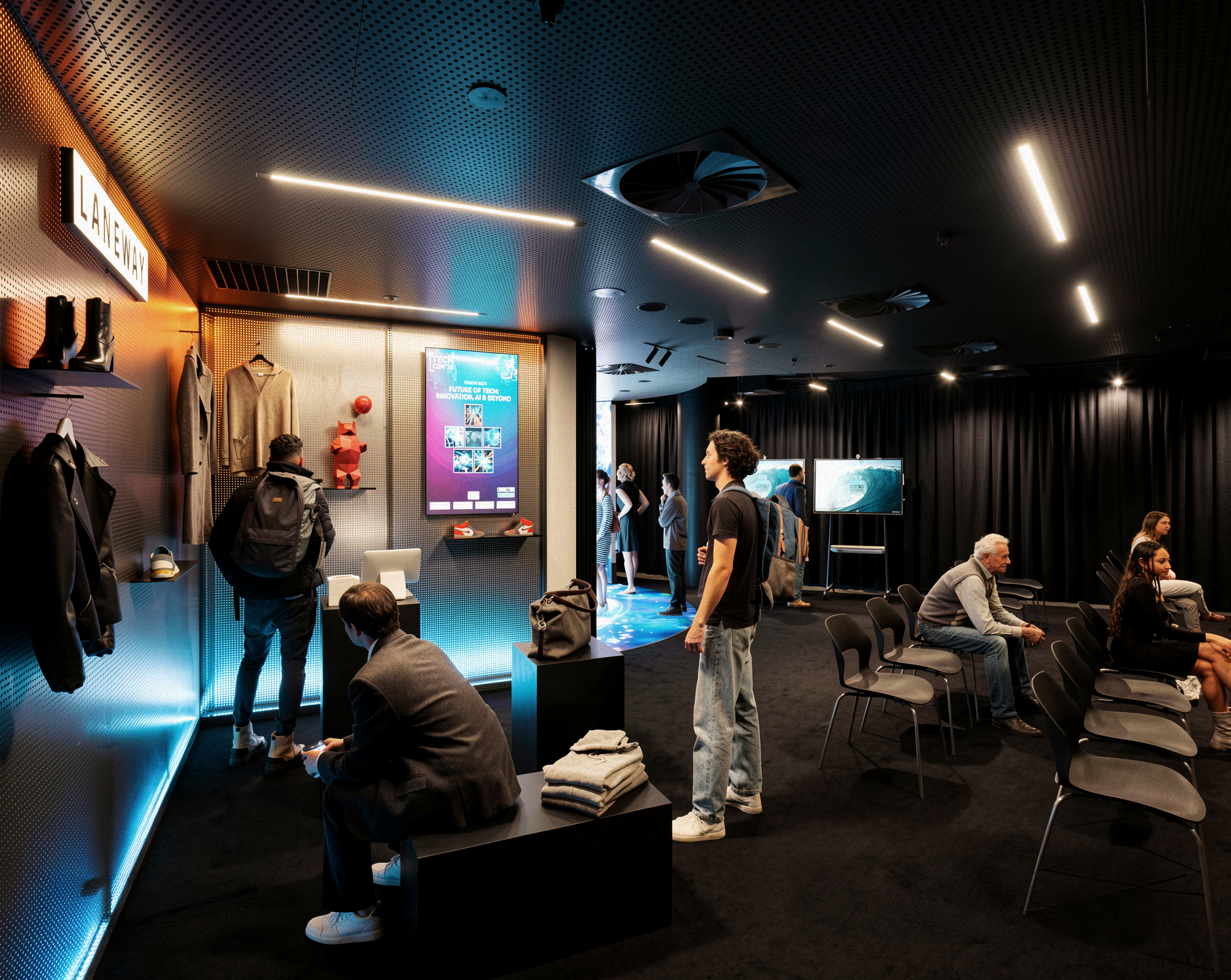
The MTL features a working shopfront that is built to be rearranged: shelving, fixtures, product placement and flow all move, so a layout is something you test rather than assume. Reset it and the same space becomes a café, a service counter or a showroom. In the space, we can:
- rearrange merchandising, fixtures and flow, and measure what each layout does to how people move and buy
- test the same products or experiences in a store, a café or a service setting, and see what changes
- run a real retail environment end to end, from the shelf to the sale
Checkout that shares a brain with the website
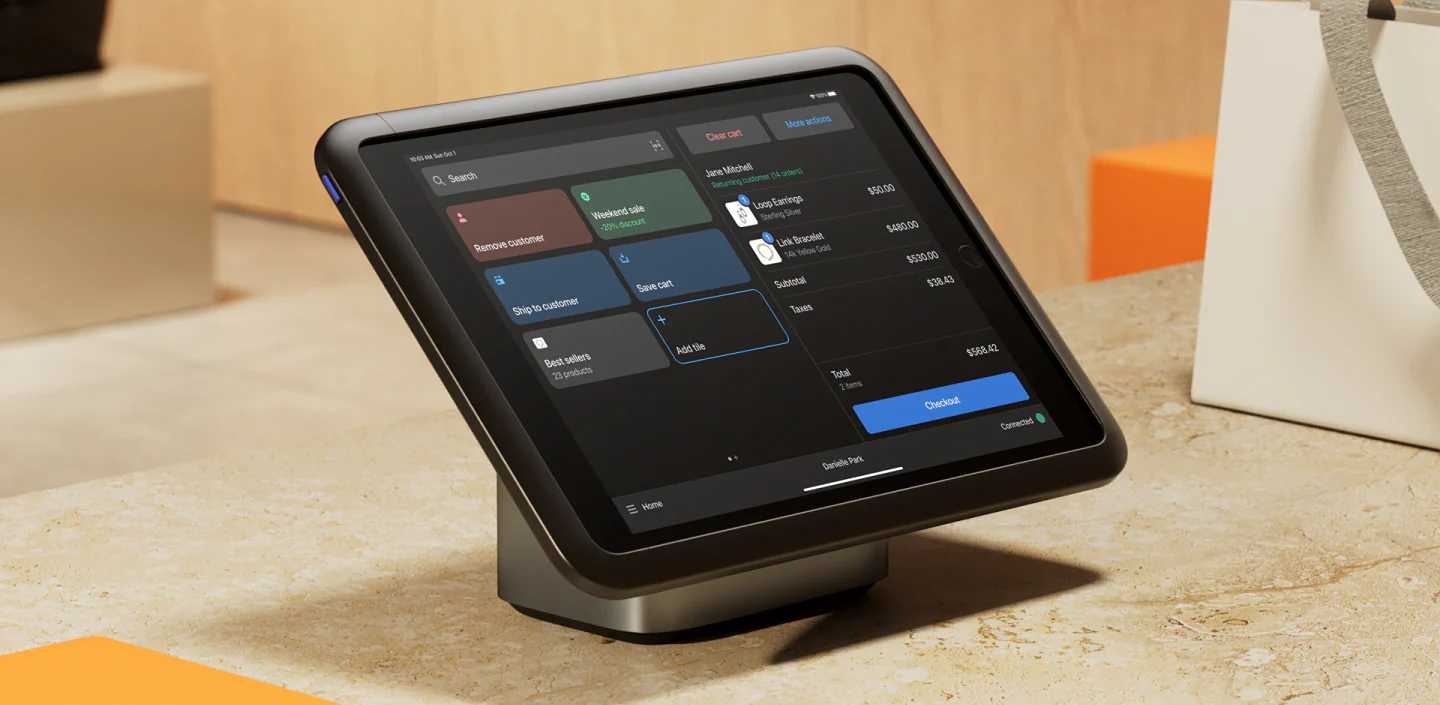
The pop-up shopfront runs on an iPad configured as a Shopify POS kiosk, on the same back end as the Laneway online store. A customer who buys in person and a customer who buys online land in the same customer record, providing opportunities for omnichannel marketing. Most businesses spend years and considerable money trying to join those two up. Because our two environments share a back end, students can:
- ring up a in-store sale and watch it land in the same data as an online order
- compare how the same customer behaves in person and online
- test click-and-collect, returns and a single view of the customer across both channels
Digital signage to test in-person dynamic advertising
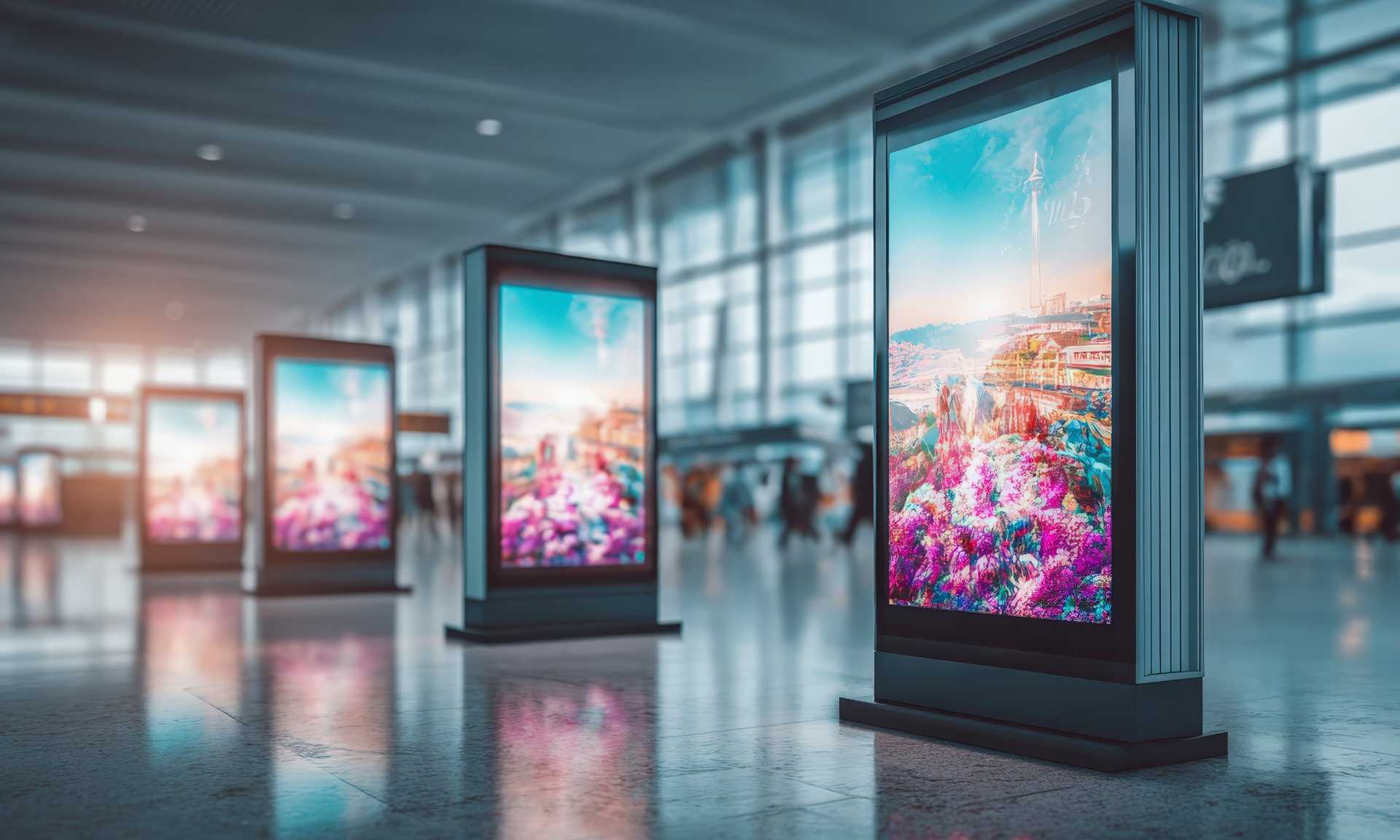
The MTL features two connected advertising screens serving dynamic, targeted content, updated remotely and triggered by students. In the retail space, we can:
- serve different content to different audiences and measure what each one does
- test whether a physical campaign actually changes behaviour at the shelf
- let students experiment with different digital design strategies and measure their impact in real-time
AI-vision cameras measuring movement around the Lab
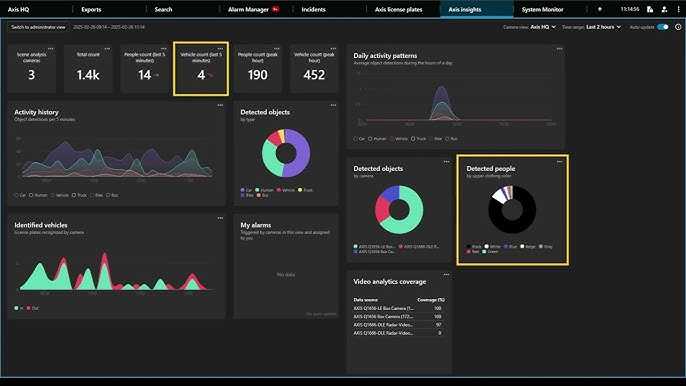
Computer vision cameras that detect movement, dwell and attention patterns in the physical space. Retail vision technology is where the promise of marketing technology meets its clearest ethical limits, and the Lab is one of the few places we can examine how it works, what it can and can't infer, and where the boundaries should sit. Used as a teaching instrument, the cameras let students:
- see what computer vision can and can't actually infer from a scene
- measure movement and dwell in aggregate, without identifying anyone
- examine where the line sits between useful measurement and surveillance
- experience a consent model from the customer's side, and judge whether it holds up
Digital environment
Most teaching spaces run on a demo tool or an isolated sandbox. The Lab runs a real, integrated marketing technology stack, built the way a business builds one: from composable, best-of-breed tools that don't share a vendor, including platforms that compete with each other. Some the Lab runs itself. Others it reaches at enterprise scale through partnership. Learning where these systems connect, and where they don't, is one of the most useful things the Lab teaches, because integration is where real stacks tend to break.
Our own Ecommerce store
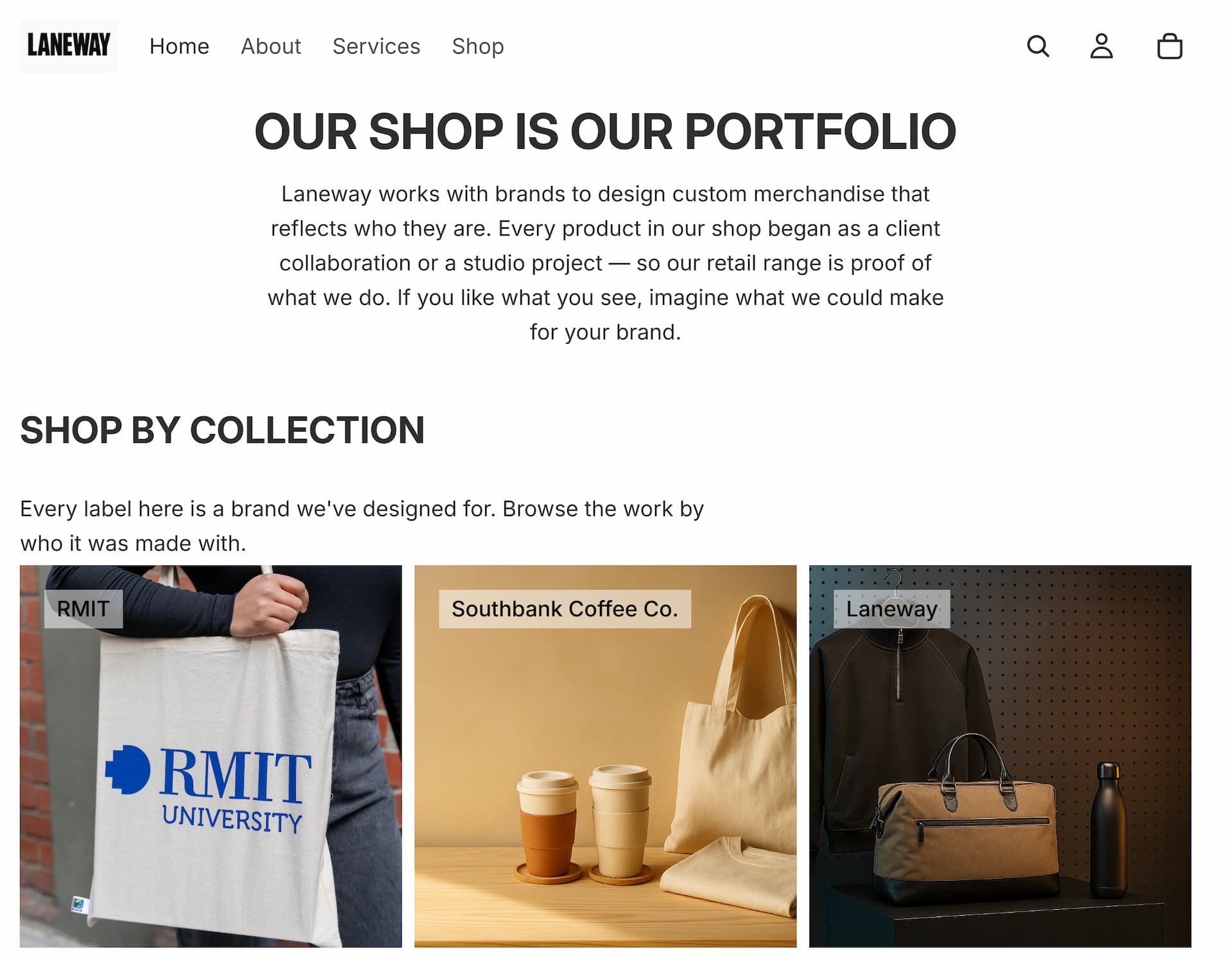
Laneway’s online store is a working ecommerce shopfront running on Shopify with the ability to simulate live purchases. Students and partners design, run and measure real digital commerce in it, from merchandising through to checkout, and it generates the live customer activity the rest of the stack reads and responds to. This means we can:
- experiment with store design, product imagery and checkout flow, and measure what each change does to behaviour
- see how digital tracking and cookie consent actually work, from the banner to the data they govern
- run real transactions and test pricing, bundling and discount strategies
Digital analytics beyond the basics
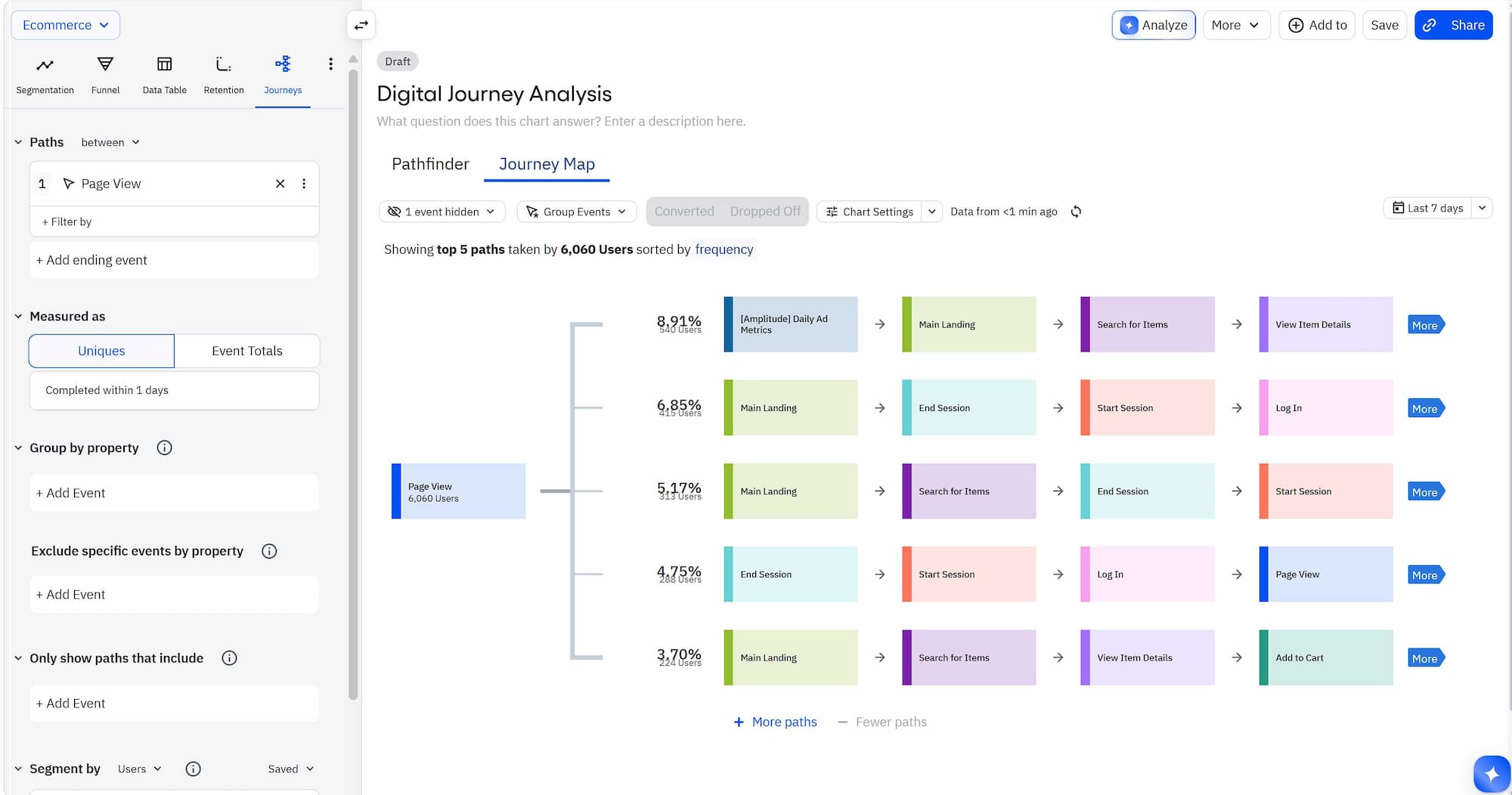
Every interaction on Laneway’s site can be tracked and analysed: what people click, where they drop off, what makes them convert. The Lab deliberately runs more than one analytics platform over the same behaviour, because comparing how two tools describe the same customer is the fastest way to learn that the numbers are never as settled as they look. This supports work like:
- watching real customer journeys unfold, and finding where people hesitate, backtrack or leave
- comparing how different analytics platforms describe the same behaviour, and working out why they disagree
- building dashboards that answer a business question rather than just display numbers
- connecting what the analytics say back to what the store did, closing the loop between insight and change
The ability to experiment in real-time
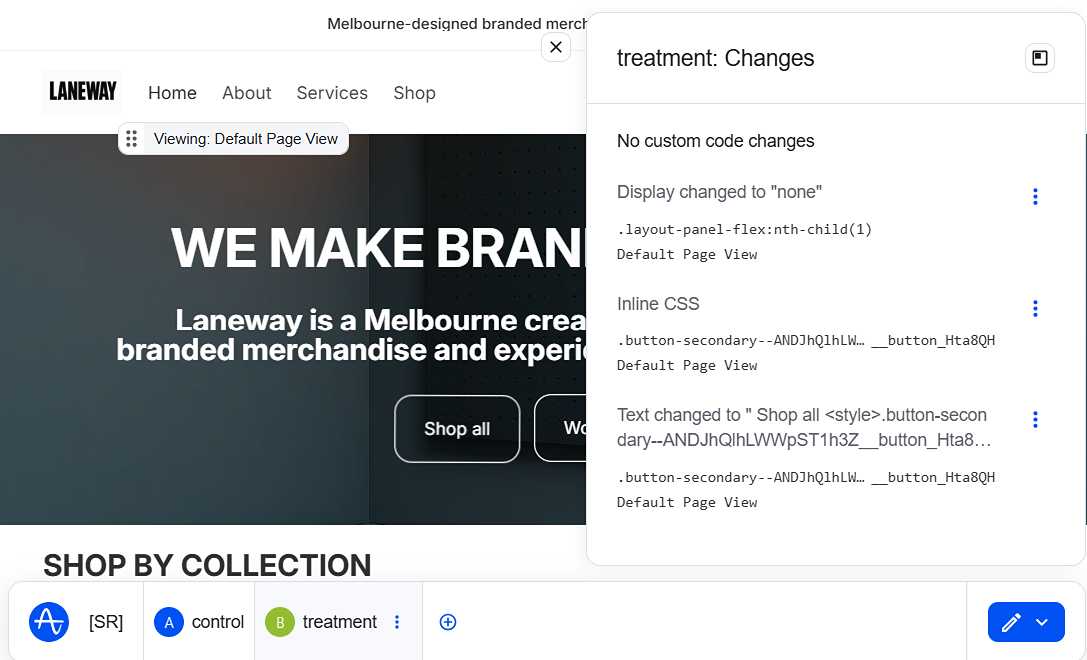
Laneway’s website and MarTech stack allow students and partners to run life experiments directly on the site, meaning the environment is built for testing. We can use these capabilities to:
- learn how to develop a sound hypothesis and test it in practice
- design A/B test on any aspect of the store or customer experience
- take a winning variant and watch it flow through to the live customer experience
An integrated analytics wall displaying live data
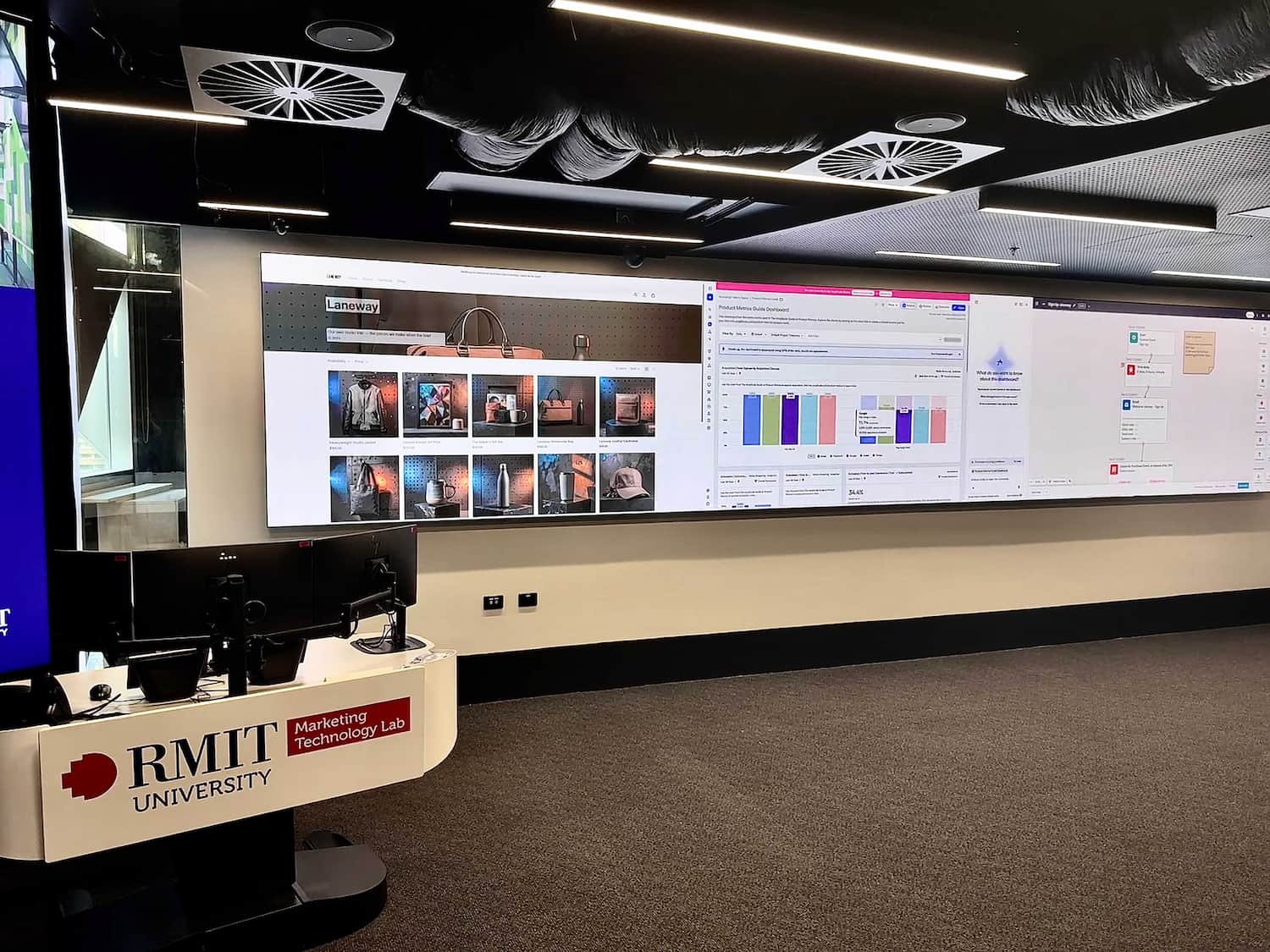
Our digital environment and software platforms become visible through a 7.5m large-format integrated display running the storefront, the dashboards and the customer journeys side by side, at scale. Almost all of the activity above is invisible to the customer, and to most of the people who deploy it. This is where it becomes visible. Because it's shared and at scale, the wall lets a group:
- read the same live data together, rather than crowding around a laptop
- watch the store, the analytics and the customer journeys move at once
- present real results to partners and decision makers in the room
Igloo Immersive Projector for shared VR
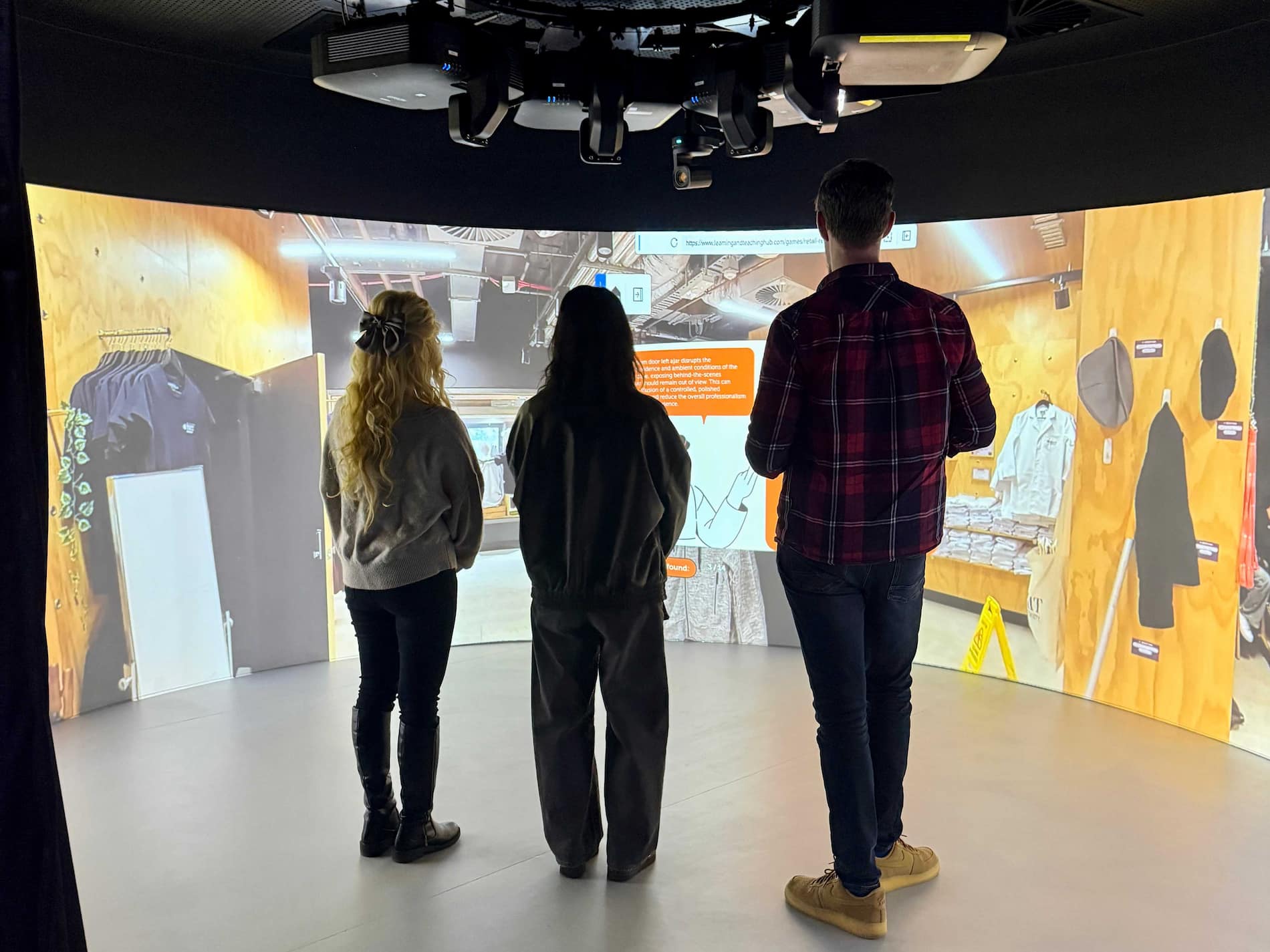
The MTL expands beyond the physical room and it’s digital platforms, providing shared immersive experiences through our 5m, 220degree immersive Igloo, A 360 degree projection system that surrounds an audience in a fully rendered environment. In the space we can immerse groups in a shopping centre, street or store, that hasn't been built yet, a dataset at room scale, or any other 360 degree visualisation. Through this immersion visitors can:
- virtually walk through spaces that exist as render, pre-recorded videos, or interactive VR tours
- test a layout, a fixture or a wayfinding idea before committing to a build
- explore a dataset at room scale, standing inside the numbers
- run an immersive consumer experience and watch how people react



