People

dan-harris-1220x732.jpg

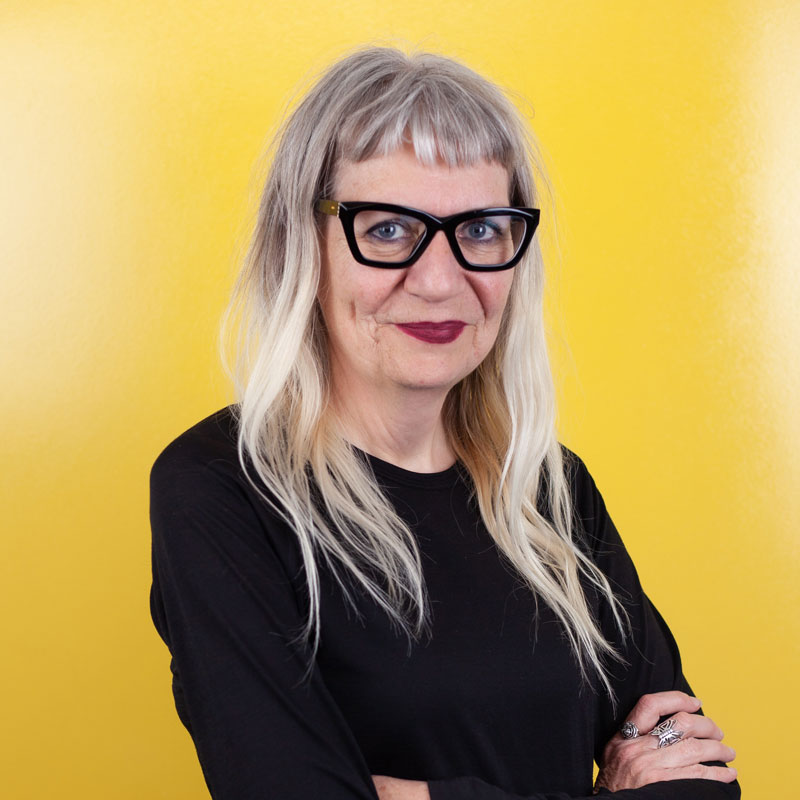
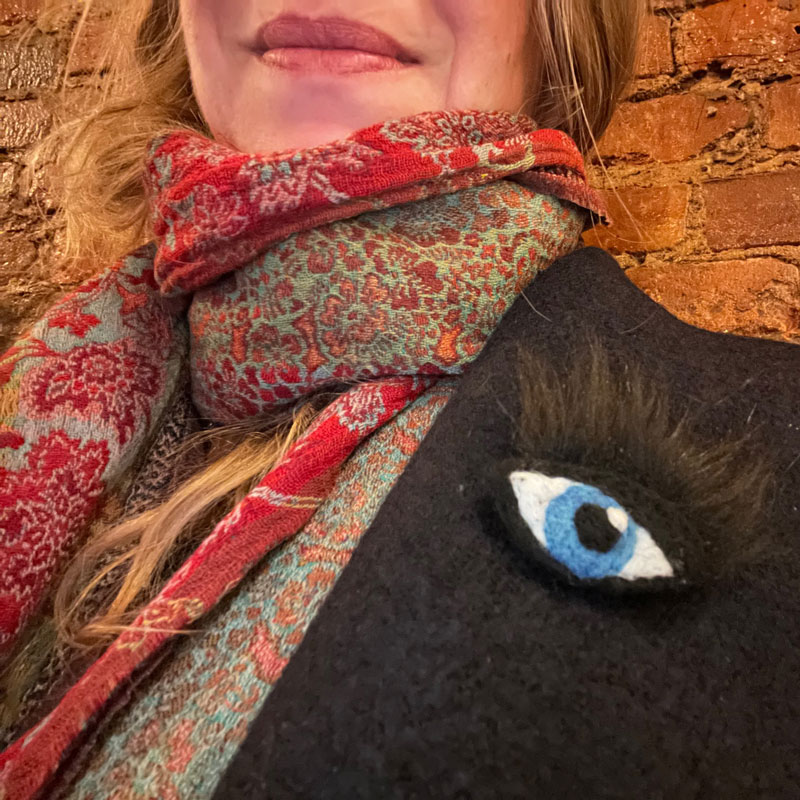
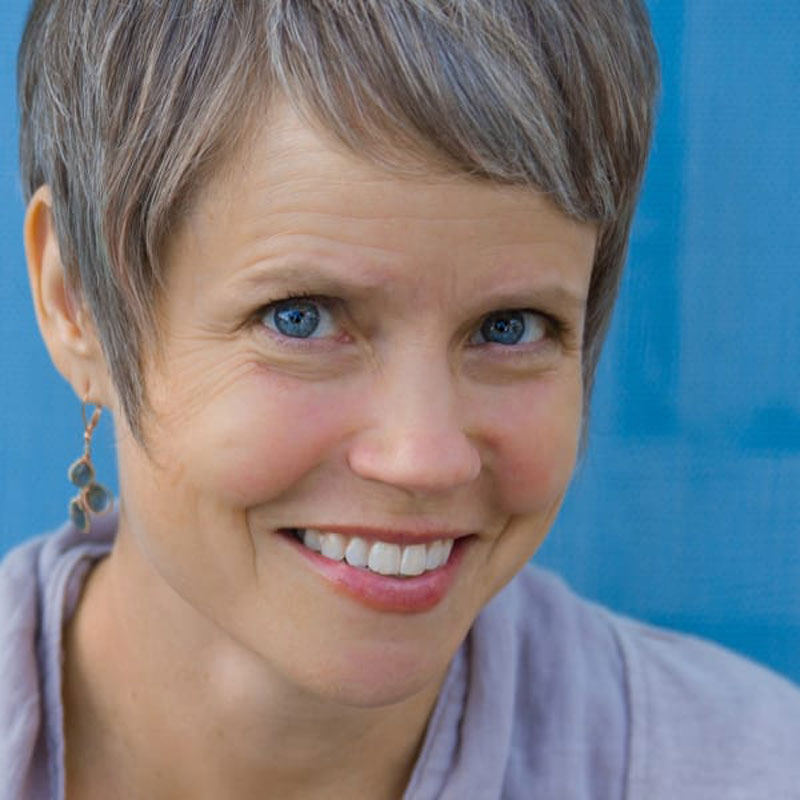
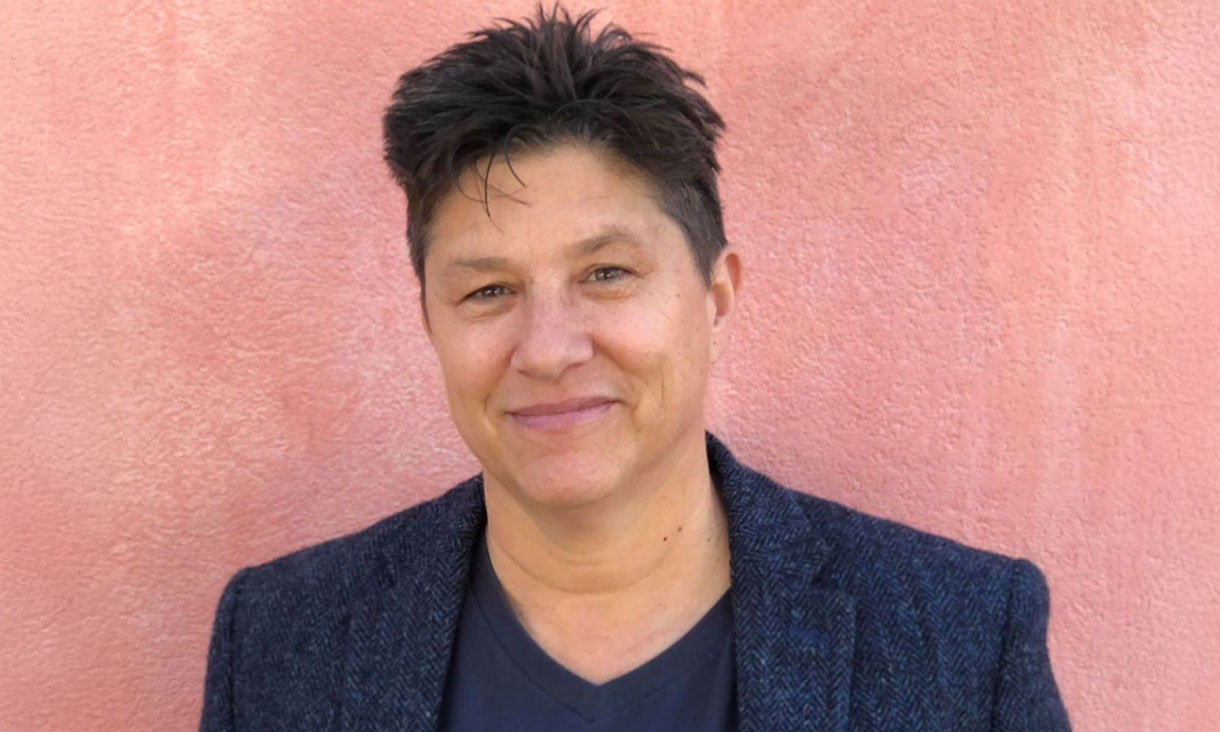
Director Professor Daniel X. Harris

They are an award-winning researcher and writer, previously holding ARC DECRA and Future Fellowship grants, as well as leading other government and industry-funded projects investigating creativity, diversity and education. Harris is editor of the book series Creativity, Education and the Arts (Palgrave), and has authored, co-authored or edited 22 books and over 150 articles and book chapters, as well as plays, films and spoken word performances. They are an international expert in creativity studies, creative methods, affect theory and autoethnography. They are committed to the power of collaborative creative practice and social justice research to inform social change. Their latest book is Creative Agency (2021, Palgrave).  

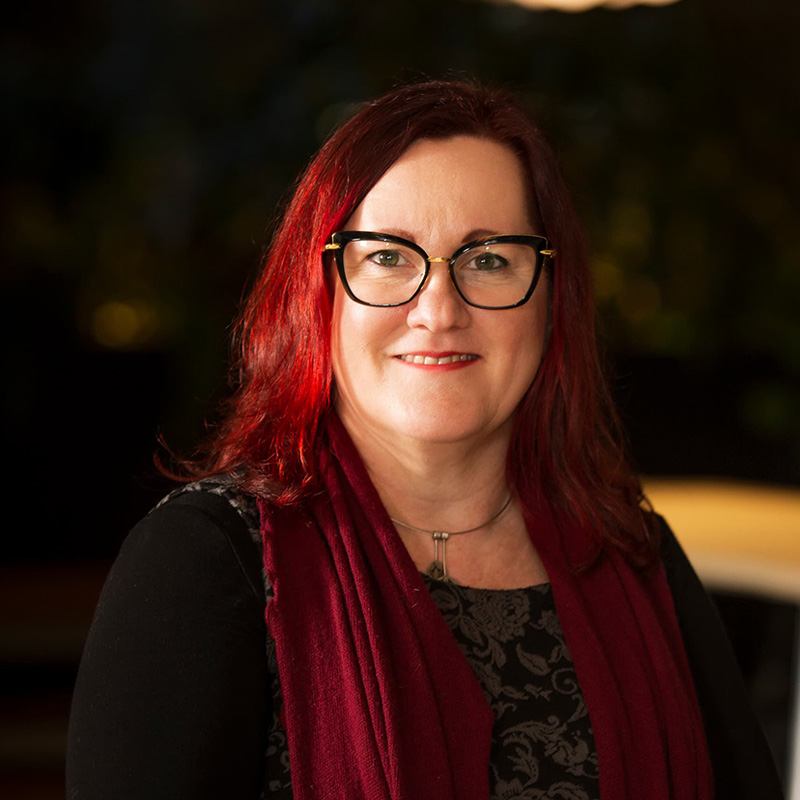
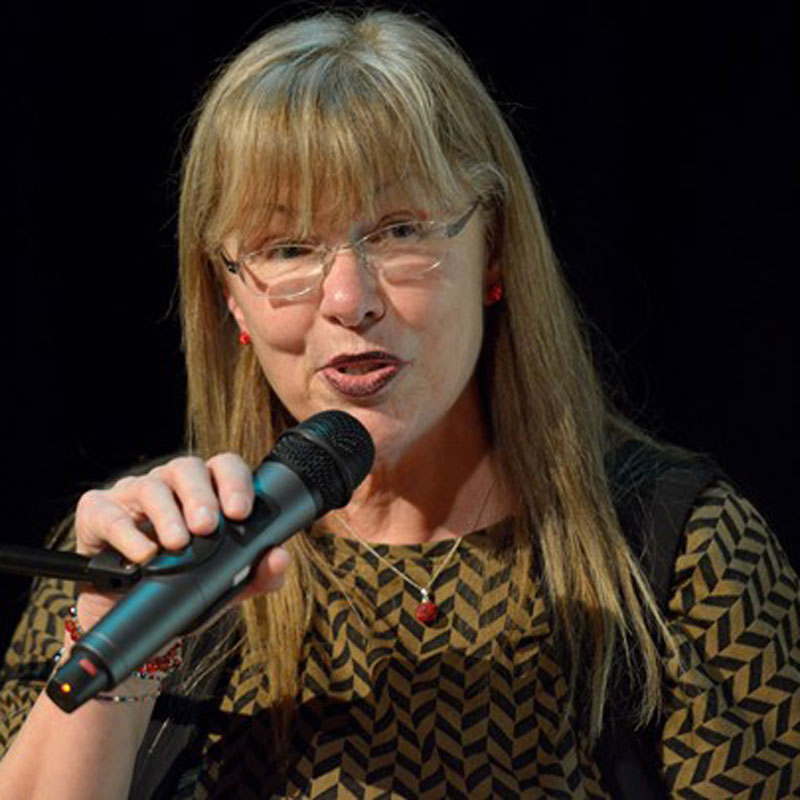
Professor Amanda Berry

Node Leader, Creative Education, STEM and the Learning Sciences

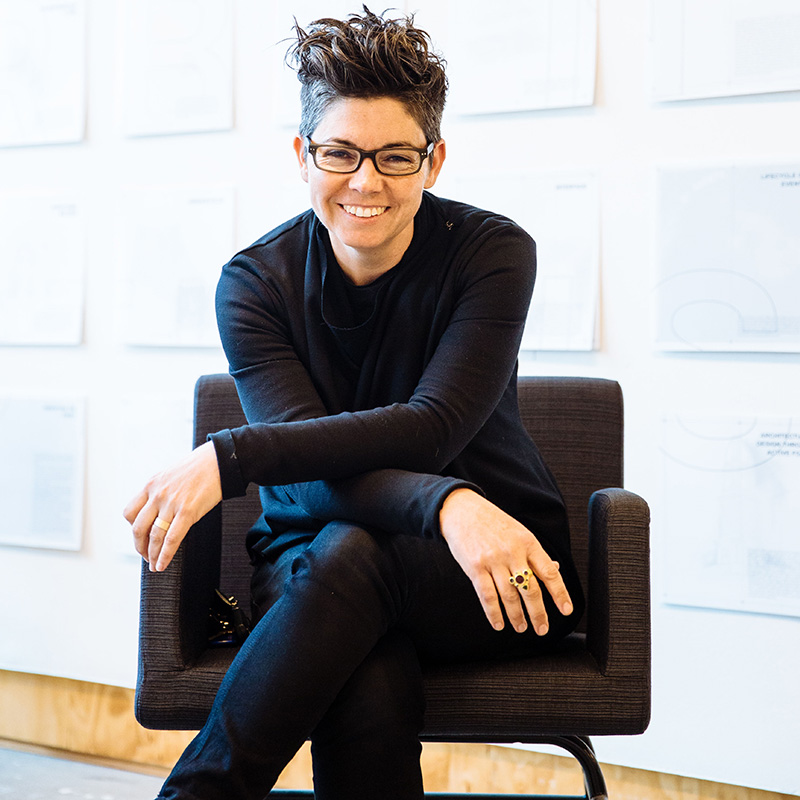
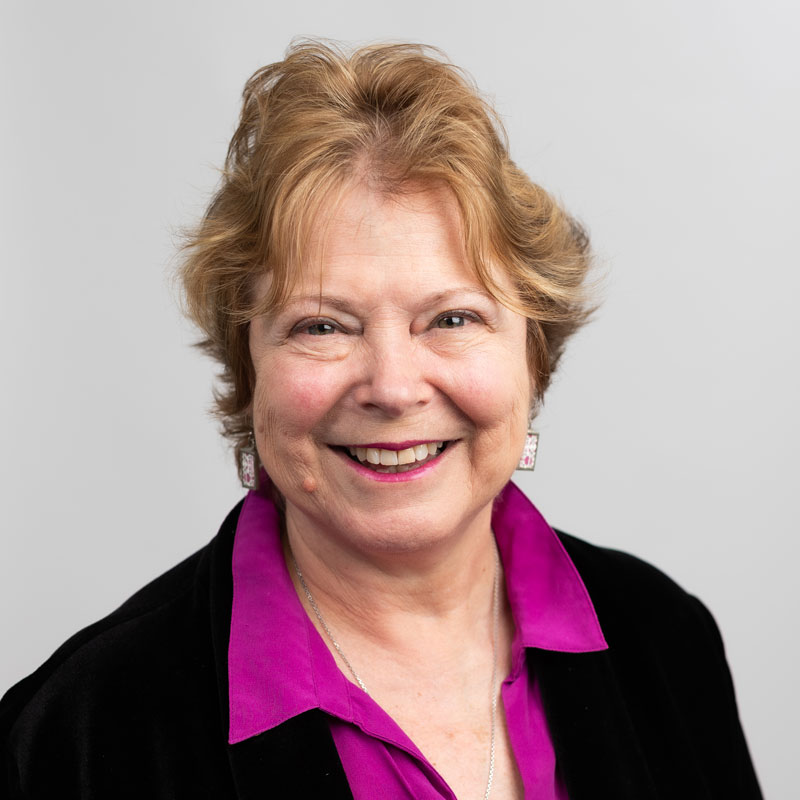
Professor Anna Hickey-Moody

Node Leader, Creative Resilience and Wellbeing

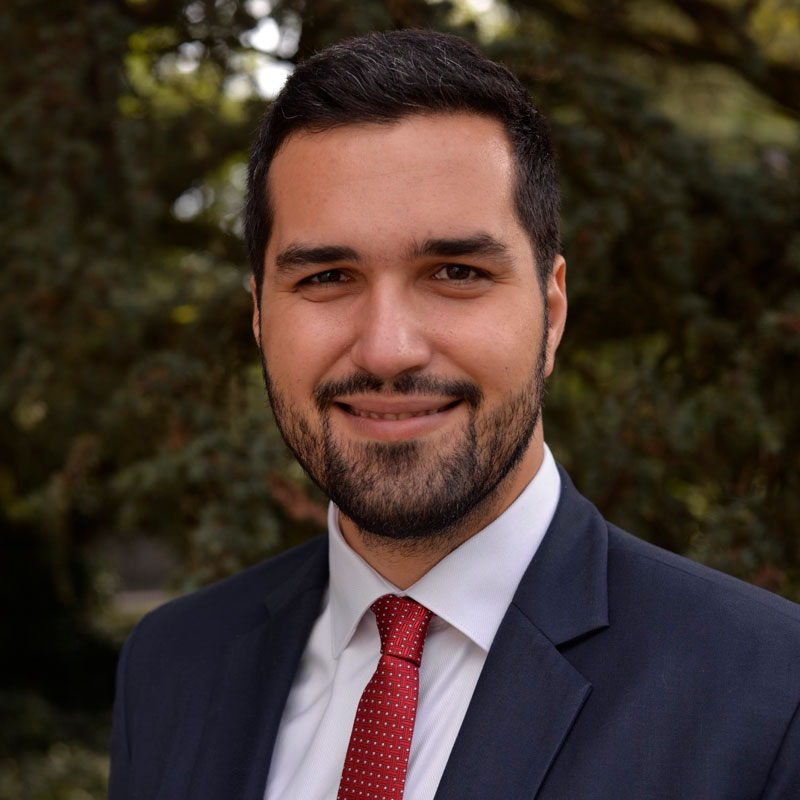
Professor Kit Wise

Dean, School of Art

Dr Sweta Patel

Lecturer, Early Childhood Education

Associate Professor Linda Knight

A/Prof Early Childhood Education

Professor Lisa M. Given, FASSA

Enabling Impact Platform Director, Social Change

Professor Naomi Stead

Associate Deputy Vice Chancellor (ADVC), Engagement

Professor Sarah Teasley

Associate Dean, Research & Innovation

Professor Wendy Steele

Professor, School of Global, Urban and Social Studies

Professor Cameron Duff

Deputy Dean, Research & Innovation

Professor David Forrest

Professor, HRD Coordinator

Jordan Lacey

Senior Lecturer, MDIT

Dr. Kelly Hussey-Smith

Senior Lecturer

Associate Professor Marsha Berry

Associate Professor, School of Media & Communication

Dr. Peta Murray

Senior Lecturer, School of Media & Communication

Peter Murphy

Associate Lecturer, School of Education

Associate Professor Tricia McLaughlin

Associate Professor, School of Education

Associate Professor Danah Henriksen

Node Leader, Creativity and Generative Technologies

Professor Sandra Gattenhof

Node Leader, Creative Engagement and Social Impact

David R. Cole

The founder of the Institute of Interdisciplinary Research into the Anthropocene. David is a philosopher of education and author, having produced more than one hundred significant publications and fifteen books.

Elizabeth de Freitas

An interdisciplinary scholar and writer whose research includes anthropological and philosophical investigations of mathematics, science, computing, and digital life.

Pamela Burnard

Professor of Arts, Creativities and Educations at the Faculty of Education, University of Cambridge. She has published widely with 20 books and over 100 articles which advance the theory of multiple creativities across education sectors.

Robyn Ewing AM

Professor Emerita and Co-Director of the CREATE (Creativity in Research, Engaging the Arts, Transforming Education, Health and Wellbeing) Centre at the University of Sydney.

Vlad Glăveanu

Full Professor of psychology in the School of Psychology, Dublin City University, and Professor II at the Centre for the Science of Learning and Technology, University of Bergen. He is the founder and president of the Possibility Studies Network (PSN).

Stacy Holman Jones

Professor of Theatre and Performance in the School of Languages, Literatures, Cultures and Linguistics, Monash University. Her research focuses broadly on performance as socially, culturally, and politically resistive and transformative activity.

Professor Craig Batty

Dean of Research (Creative) at the University of South Australia. He is the author, co-author and editor of 15 books.

Alyson Campbell

Professor in Theatre at the Victorian College of the Arts, Melbourne. Her research focuses on directing and dramaturgy, particularly questions of queer dramaturgies and HIV and AIDS in performance.

Tatiana Chemi

Associate Professor at Aalborg University, Chair of Educational Innovation, where she works in the field of artistic learning and creative processes.

Kathryn Coleman

Feminist, artist, researcher and teacher who lives and works in Kulin Nation. Her work focuses on the integration of digital pedagogies and digital portfolios for sustained creative practice and assessment.

Associate Professor Peter J. Cook

Head of School and Dean (Education) at University of Southern Queensland. Peter is an international expert in dance education developed through his 20-year Dance and Drama school teaching career in secondary and primary schools.

Kristof Fenyvesi

Senior Research at University of Jyväskylä, Finnish Institute for Educational Research. He is a world-leading expert on STEAM learning and Mathematics.

Dr Abbey MacDonald

Arts-based researcher, teacher and Senior Lecturer in Arts Education at the University of Tasmania. Living, learning and working in lutruwita / Tasmania, she brings to all aspects of her work a strong personal focus upon art making,

  • Matthew Cunnane’s PhD project Exploring Creativity and Creative Practices from the perspective of Steiner school teachers in Australia aims to improve the understanding of how teachers construct and implement the teaching and learning of creative thinking and creative practice in the classroom.  
  • Ashley Hall’s practice-led doctoral study consists of a written thesis and a documentary film. Through practice-led research, participatory action research and autoethnographic theory, a feature length documentary film about youth suicide is being co-created with the youth participants as co-researchers.  
  • Anna Liebzeit’s doctoral project Reclaiming Identity: A Kyriarchal Lens on Institutionalisation and Pedagogical Development within the Context of Stolen Generation Narratives uses creative and post-structuralist methodologies to give voice to the development of pedagogy within institutional contexts.  
  • Peter Murphy’s doctoral study Understanding the Impact of Speculative Design on Creative Thinking in Design Education establishes new pathways for addressing the urgent need for teachers to co-design the creation of new speculative approaches in Design Education. 
  • Nick Waxman is an award-winning teacher, director and digital content producer whose research focuses on using embodied drama to encourage the democratization of online schools. Nick applies the philosophies of Augusto Boal in a digital setting to promote and support student voice and provide opportunities for authentic student agency. 
  • Rose Agnew’s PhD project Sweet Enough is an ephemeral sculptural installation of blown sugar forms, and historically informed utensils associated with sugar consumption. The project examines food culture and food as spectacle, teasing out the nexus between social values, body image, and women’s sexuality.  
  • Vanessa Chapple is a performing artist-researcher, filmmaker, feminist, children’s play specialist, cultural consultant, educator, and body-philosopher. Her transversal PhD project Storying ‘expanded conversations’ from the cellular to the social: a research-creation project speculates upon the use of embodied, somatic attunement practices within creativities work within an extended history of facilitation in participatory arts and public pedagogy. 
  • Jessica Tran’s PhD study takes up ecological and posthuman perspectives of creativity in education to (re)imagine what collective, relational orientations to creativity – and the manifestation of this in places called Story Hubs - make possible for young people’s becoming and learning in school spaces, and the potential for justices to arise.  
  • Yufei Wu is a classical pianist turned educator and researcher. Her research project looks into how online music education activities could be done with creativity when people are freer to take education at their own pace within a more-than-human environment, from a posthumanist approach.  

  • Jelena Aleksic is an artist/researcher in the fields of education and socially engaged arts practices. Her PhD research explored relational creative practices between humans and seaweed in Melbourne. 
  • Jack Tan is a teacher, writer and musician. His PhD project storied his lived experience as a transcultural teacher in Singapore, Shanghai and Melbourne using autoethnography as method. Jack writes poetry to activate creative and unexpected connections between the human and more-than-human at his educational research sites. 
  • Juliette Wu was a designer and software engineer before her PhD study at RMIT. Her doctoral project employed a design-based research methodology to understand Melbourne teachers’ collaborative perceptions, subsequently developing a digital solution to cultivate teachers' creativity and enhance their cross-disciplinary collaboration.  
  • Yanina Carrizo’s research challenges anthropocentric educational approaches and proposes eco-centred frameworks to better address and manage environmental issues such as climate change and pollution. Through the protocol of ‘inefficient mapping’ (Knight 2021) and microscopic encounters, she focuses on the relations with dust and the other-than-human to reimagine more just futures.  
  • Julia Vagg is a classical violinist, researcher and educator. Her PhD was attached to Professor Daniel Harris’ Future Fellowship Transforming 21st Century Creativity Education in Australia and Asia Pacific and employed arts-based methods and diffractive analysis to explore the emergence and manifestation of empathies in collaboration and their relationship to creativity. 
  • Kelly Ka-Lai Chan is a visual ethnographer who completed a transdisciplinary PhD study on art and activism. Kelly’s visual ethnography titled Artist-Activists in Protest Hong Kong: Trans/formation of Subjectivity explored creative and collective responses to the erosion of freedoms and other fundamental civil liberties through the perspectives of six Hong Kong artists.  

Higher Degree by Research

The Creative Agency research lab provides a dynamic hub for Higher Degree by Research (HDR) candidates looking to pursue innovative, transdisciplinary research in creativity studies, creative education, and related fields. Our HDR program specialises in nurturing creative methodologies that are engaged with the latest developments in critical social theory and philosophy, speculative and ecological thinking, and more-than-human approaches to creative practice and thought. Our HDR candidates are supported through regular reading and writing groups, creative seminar events, and methodology workshops that offer wide-ranging opportunities to connect and collaborate with other researchers from across the humanities, arts, and social sciences (HASS) disciplines.  

Study with us

For information on postgraduate degrees (Masters, traditional or practice-led PhD) in the Creative Agency lab, please contact Daniel Harris or visit the School of Education research page for further details and key contacts.

For information on the RMIT admissions process, please contact the School of Graduate Research.

aboriginal flag float-start torres strait flag float-start

Acknowledgement of Country

RMIT University acknowledges the people of the Woi wurrung and Boon wurrung language groups of the eastern Kulin Nation on whose unceded lands we conduct the business of the University. RMIT University respectfully acknowledges their Ancestors and Elders, past and present. RMIT also acknowledges the Traditional Custodians and their Ancestors of the lands and waters across Australia where we conduct our business - Artwork 'Sentient' by Hollie Johnson, Gunaikurnai and Monero Ngarigo.

More information