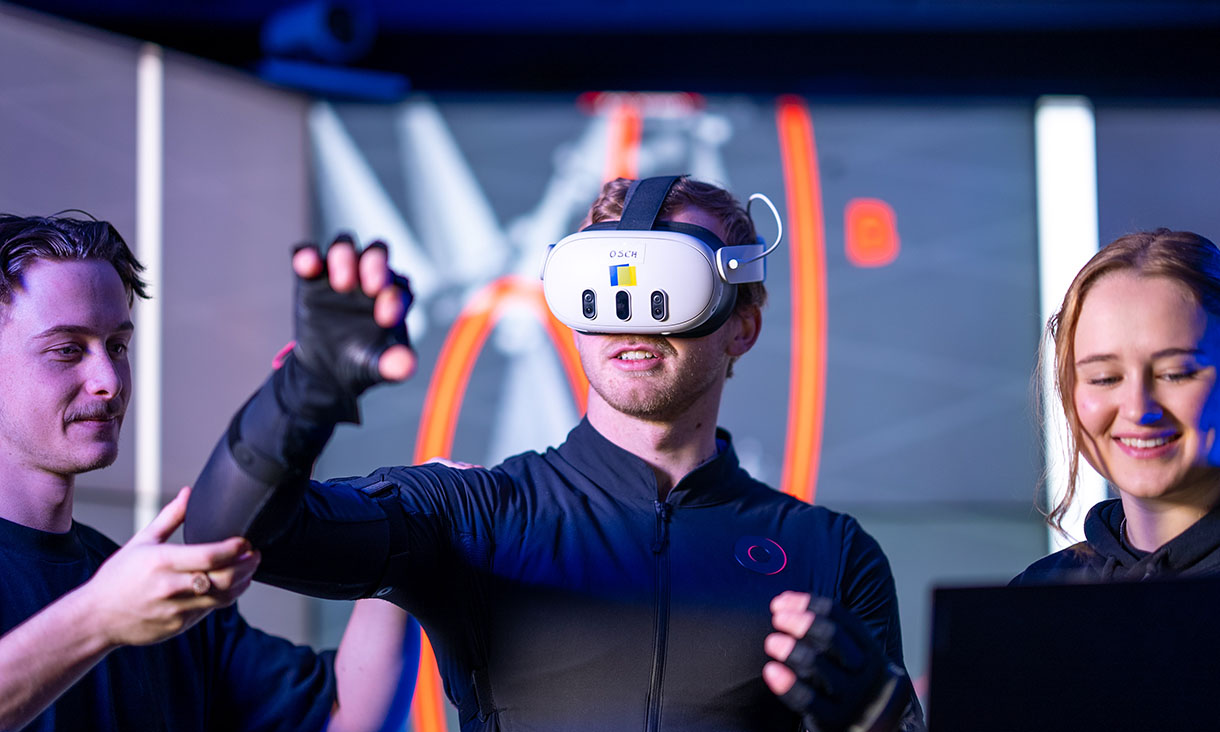
Our work encompasses innovative materials, devices and systems designed to address critical challenges in the field. Our research in biomaterials and tissue engineering is driving the creation of transformative technologies, including neural interface systems, cortical implants and organ-on-a-chip models. These innovations are paving the way for advancements in tissue regeneration and personalised medicine.
In addition, we are making breakthroughs in wearables and point-of-care diagnostics, enhancing the speed and efficiency of medical testing to improve patient care. Our efforts also extend to adopting advanced manufacturing techniques, such as 3D printings, to address key challenges in the field. This and biomechanical modelling and digital twins support advanced simulations and testing, integrating expertise in multiple disciplines to develop comprehensive biomedical solutions. Computational methods and AI are woven throughout these themes, enabling personalized solutions, analysing data from wearable sensors and improving diagnostic tools, connecting engineering with personalised and effective healthcare.
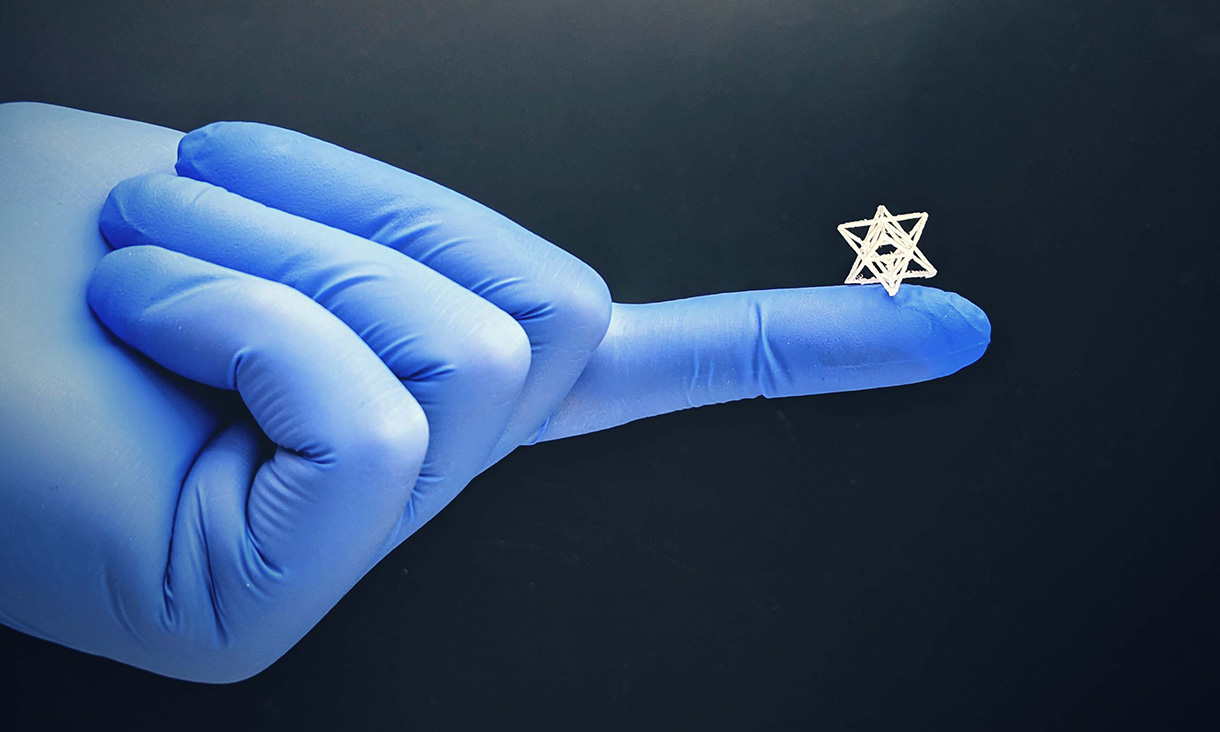
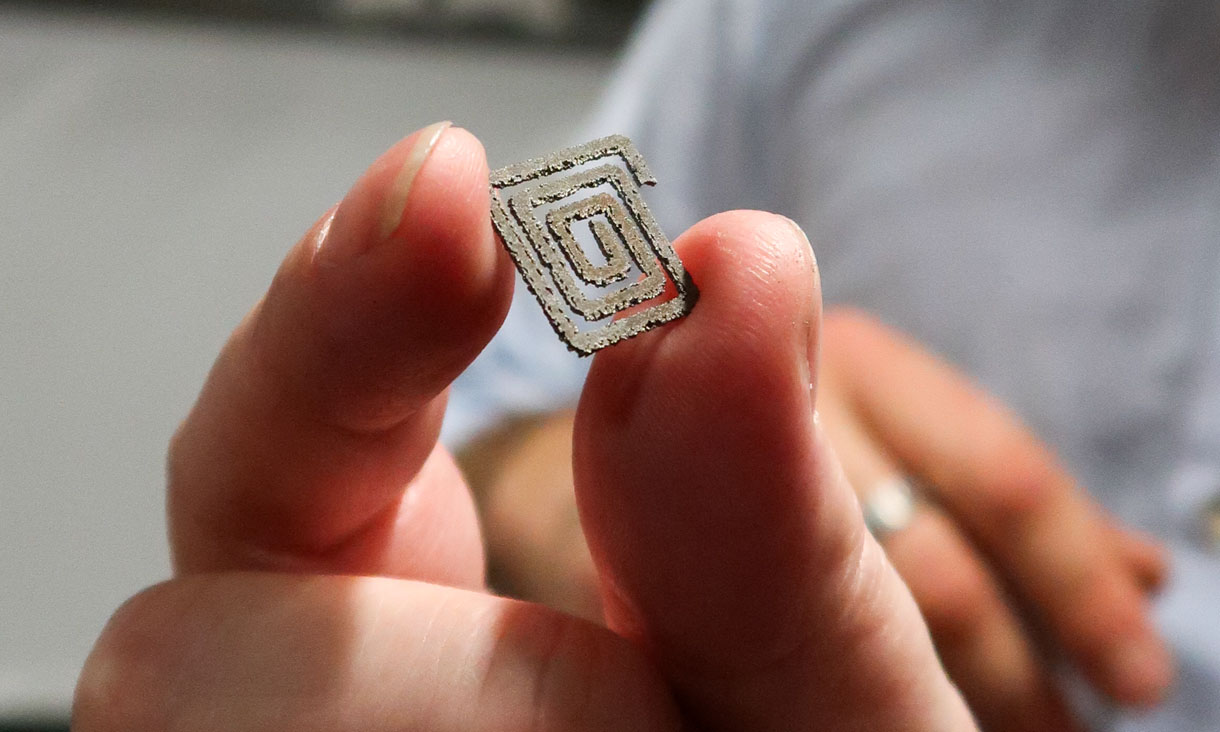
Biomedical Engineering demonstrates significant research strengths in the interconnected fields of biofabrication, biomaterials and advanced manufacturing for creating complex tissue structures, implants and devices. The central focus is biomedical engineering, which effectively integrates biomaterials and tissue engineering to develop advanced bioengineered models and personalised devices. This work is enhanced by leveraging 3D printing and additive manufacturing techniques, as well as exploring innovative materials such as titanium-diamond. These efforts emphasise a commitment to pioneering material development aimed at improving implant performance and biocompatibility. Our researchers also focus on scaffold design, hydrogels and bioinks to support tissue regeneration. This comprehensive and integrated strategy positions the department at the forefront of advancing implant and device technology through personalised and efficient healthcare solutions.
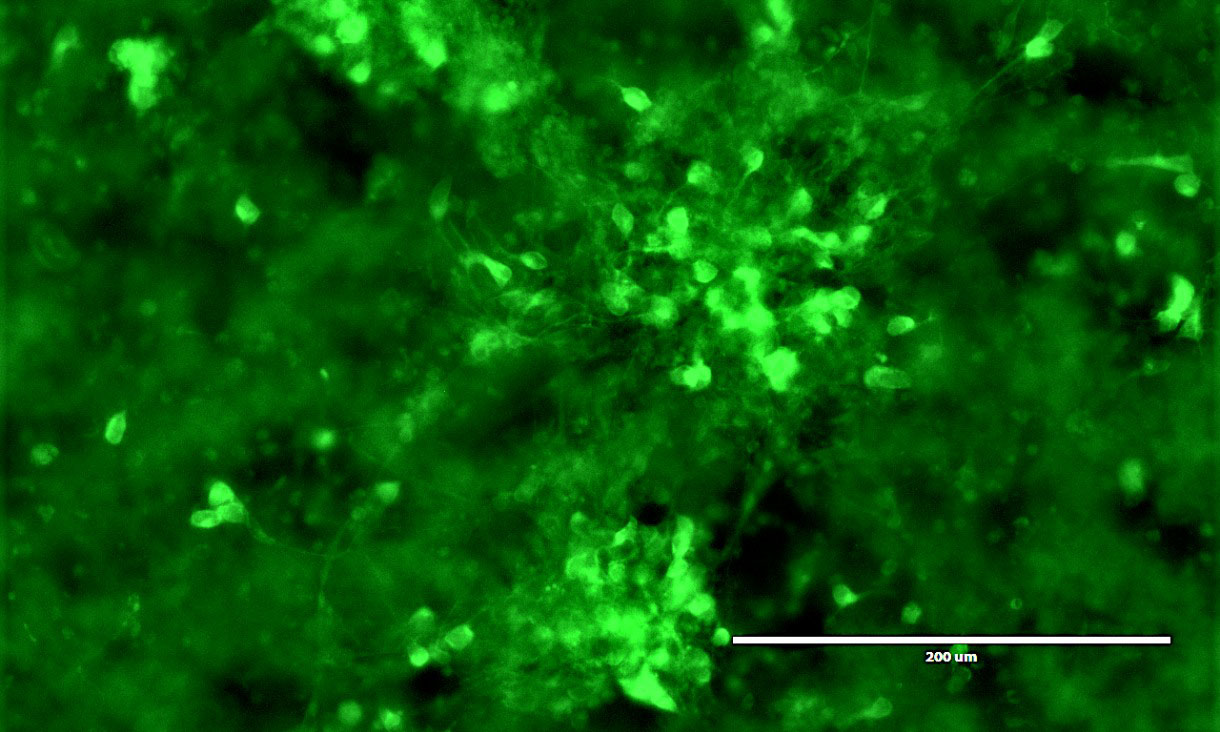
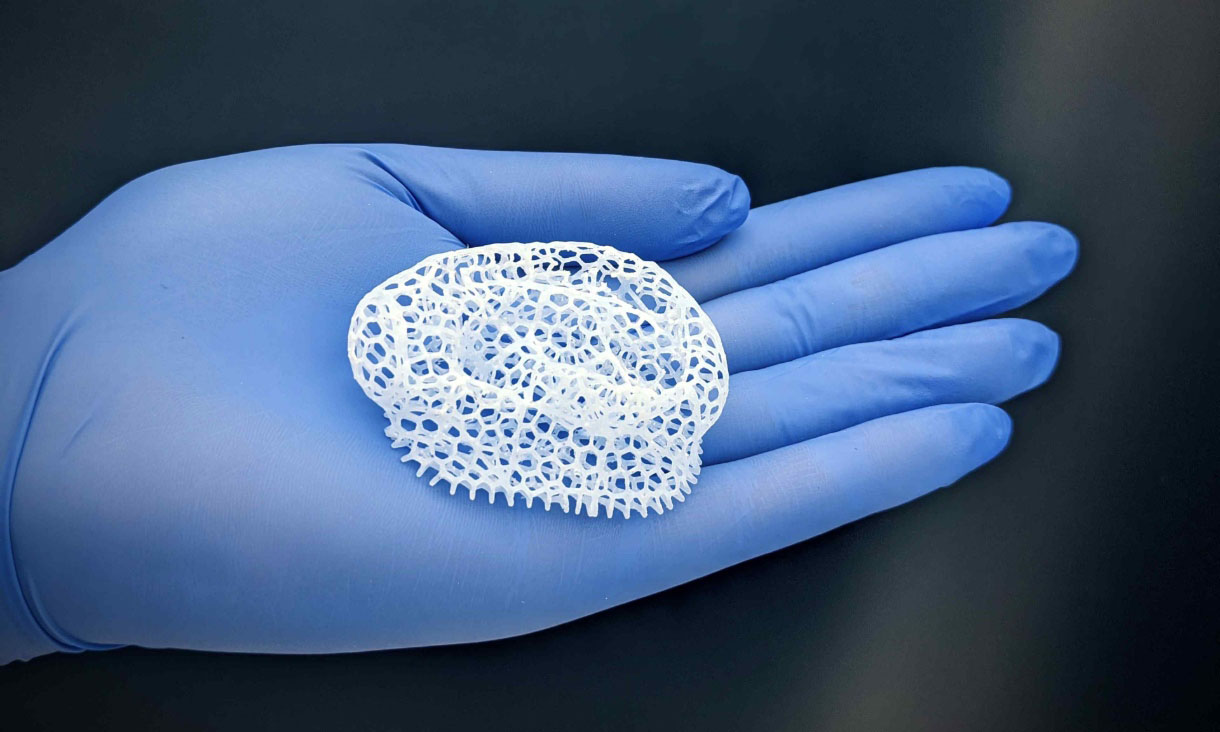
Biomedical Engineering has significant expertise in organ-on-a-chip technology, particularly for modelling diseases related to the spinal disc, brain, skin and muscle. Our researchers have pioneered the development of the intervertebral disc-on-a-chip model, transforming research on low back pain. Our researchers also work on Microfluidic "skin-on-a-chip" models, used to create biomimetic artificial skin. The Biomedical Engineering Department also focuses on engineering interface tissues, such as the myotendinous junction, and utilises hydrogels and 3D printing techniques to create perfusable, capillary-scale channels in cell-laden hydrogels, enabling advanced tissue engineering and disease modelling. These efforts support advanced manufacturing and biomaterials to drive personalised and effective healthcare solutions.
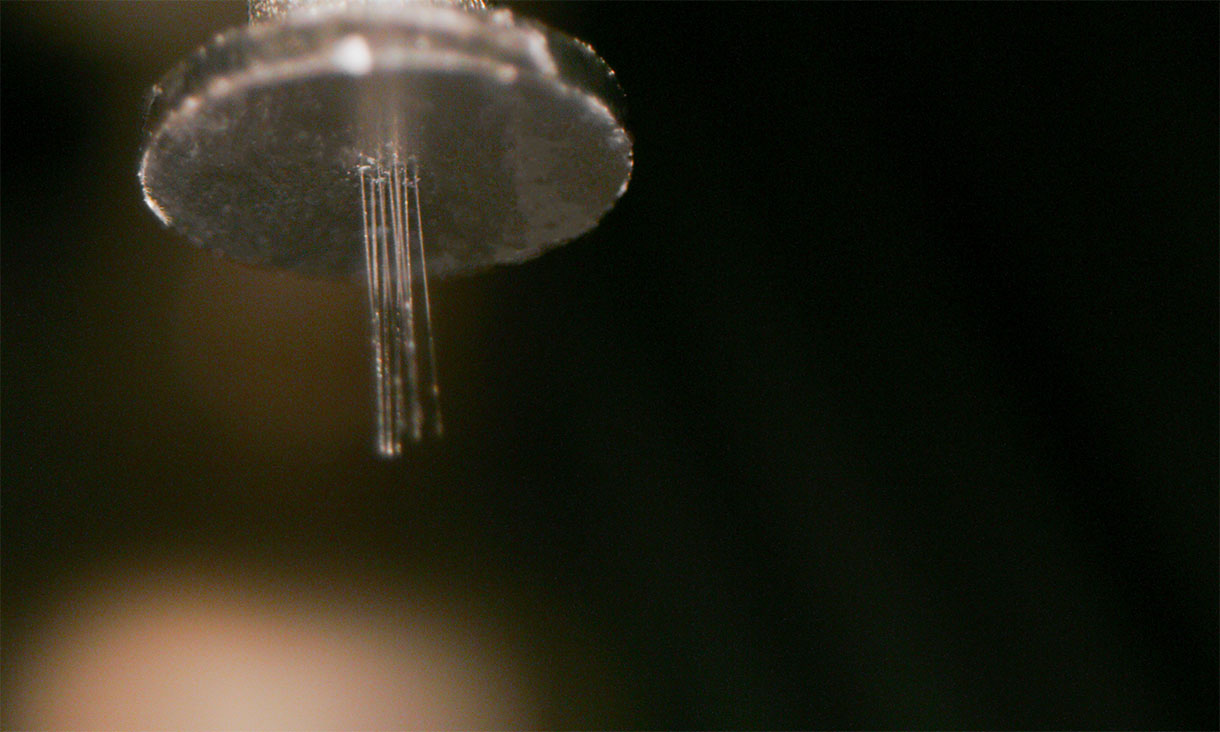
Our Research activity in biomedical devices spans implants, surgical tools and point-of-care technologies. Researchers are focused on applying innovations in electronics and optoelectronics for better health outcomes. This includes developing next-generation neural interface technologies and cortical implants for conditions such as epilepsy. The development of bionic microdevices and point-of-care devices is also a key area of interest. Other research efforts are directed toward creating rapid point-of-care electrochemical sensors for detecting biomarkers in unprocessed blood. These activities reflect a commitment to creating advanced tools and technologies for improving diagnostics, monitoring and treatment in healthcare.
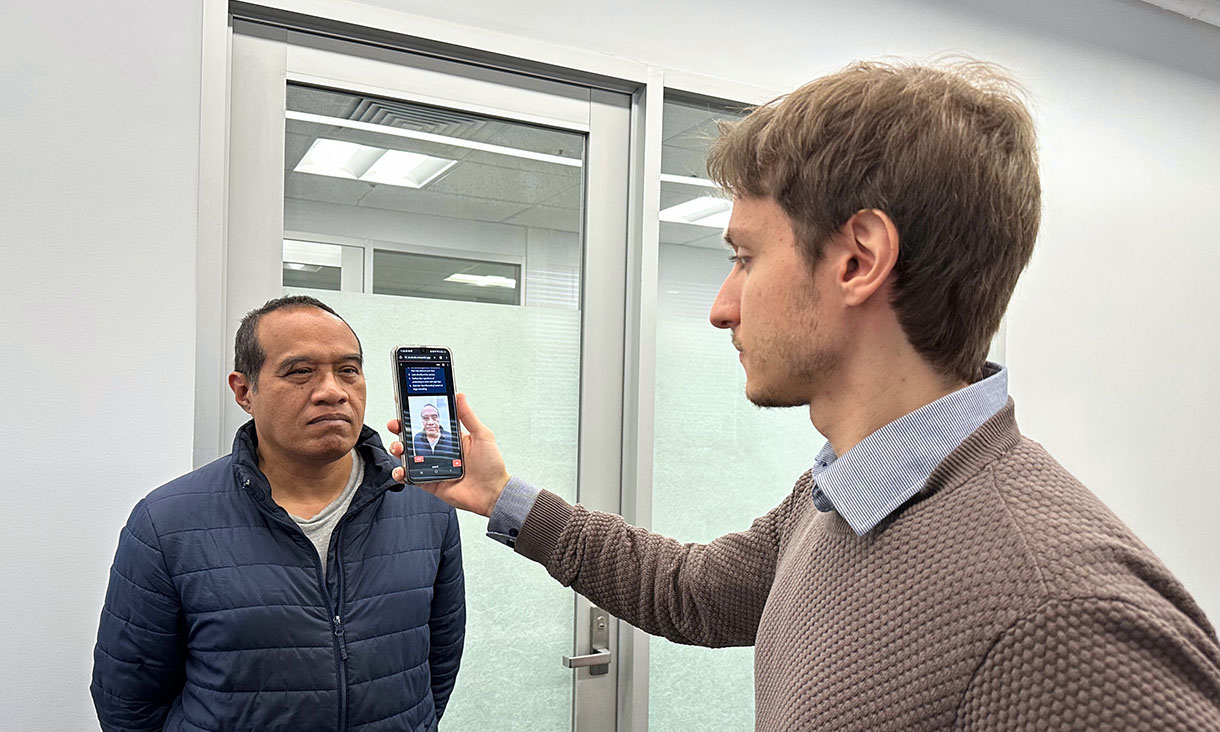
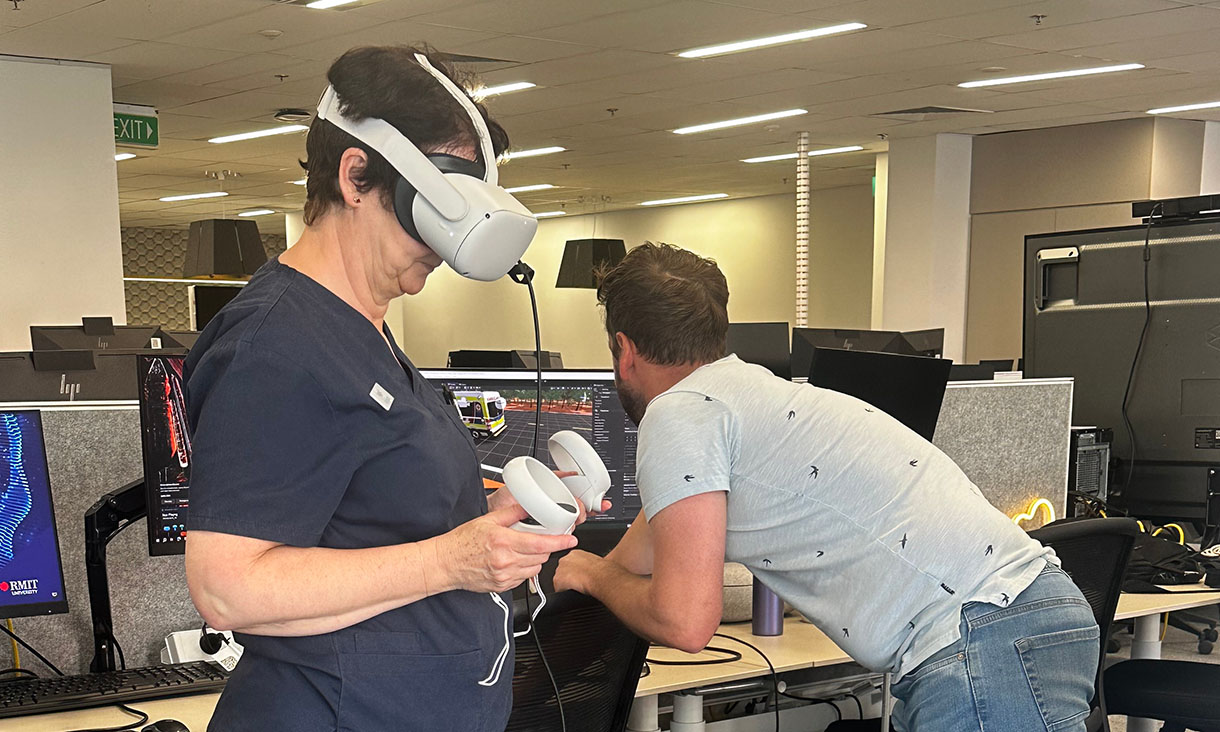
Researchers at the Biomedical Engineering Department utilise computational methods to analyse neural data, model brain function and develop new diagnostic tools. One area of focus is the development of software, such as NeuroDiag, that uses AI to automate the diagnosis of Parkinson's Disease, using handwriting analysis. The integration of AI with mobile diagnostic technologies and virtual reality enhances the accessibility and equity of neurological healthcare. This multidisciplinary approach ulitises computational power to improve understanding, diagnosis and treatment of neurological disorders. The department has Digital Twins initiatives, demonstrating innovation in digital modelling and simulation. This multidisciplinary approach uses computational power to improve the understanding, diagnosis and treatment of disorders.
The Department of Biomedical Engineering is aligned with many RMIT's key facilities such as the Advanced Manufacturing Precinct, the MNRF, RMMF, D2D and the Aikenhead Centre for Medical Discovery. Through these facilities you will have access to world leading laboratories in bioprinting, advanced manufacturing, surface science and microscopy, lab-on-a-chip, chemistry, biomedical electronics and signal processing and MedTech scale up.
The Master of Engineering (Biomedical Engineering) at RMIT is a research-intensive program designed for graduates aiming to build a career in:
The School of Engineering offers a PhD program in Biomedical Engineering involving four graduate courses and an original project.


RMIT University acknowledges the people of the Woi wurrung and Boon wurrung language groups of the eastern Kulin Nation on whose unceded lands we conduct the business of the University. RMIT University respectfully acknowledges their Ancestors and Elders, past and present. RMIT also acknowledges the Traditional Custodians and their Ancestors of the lands and waters across Australia where we conduct our business - Artwork 'Sentient' by Hollie Johnson, Gunaikurnai and Monero Ngarigo.
Learn more about our commitment to Aboriginal and Torres Strait Islander peoples