Sustainability Week | Keynote: Associate Professor Yoko Akama - Wisdoms underneath
Sustainability Week | Coming Back to Life: rediscover the spark in your heart that supports action
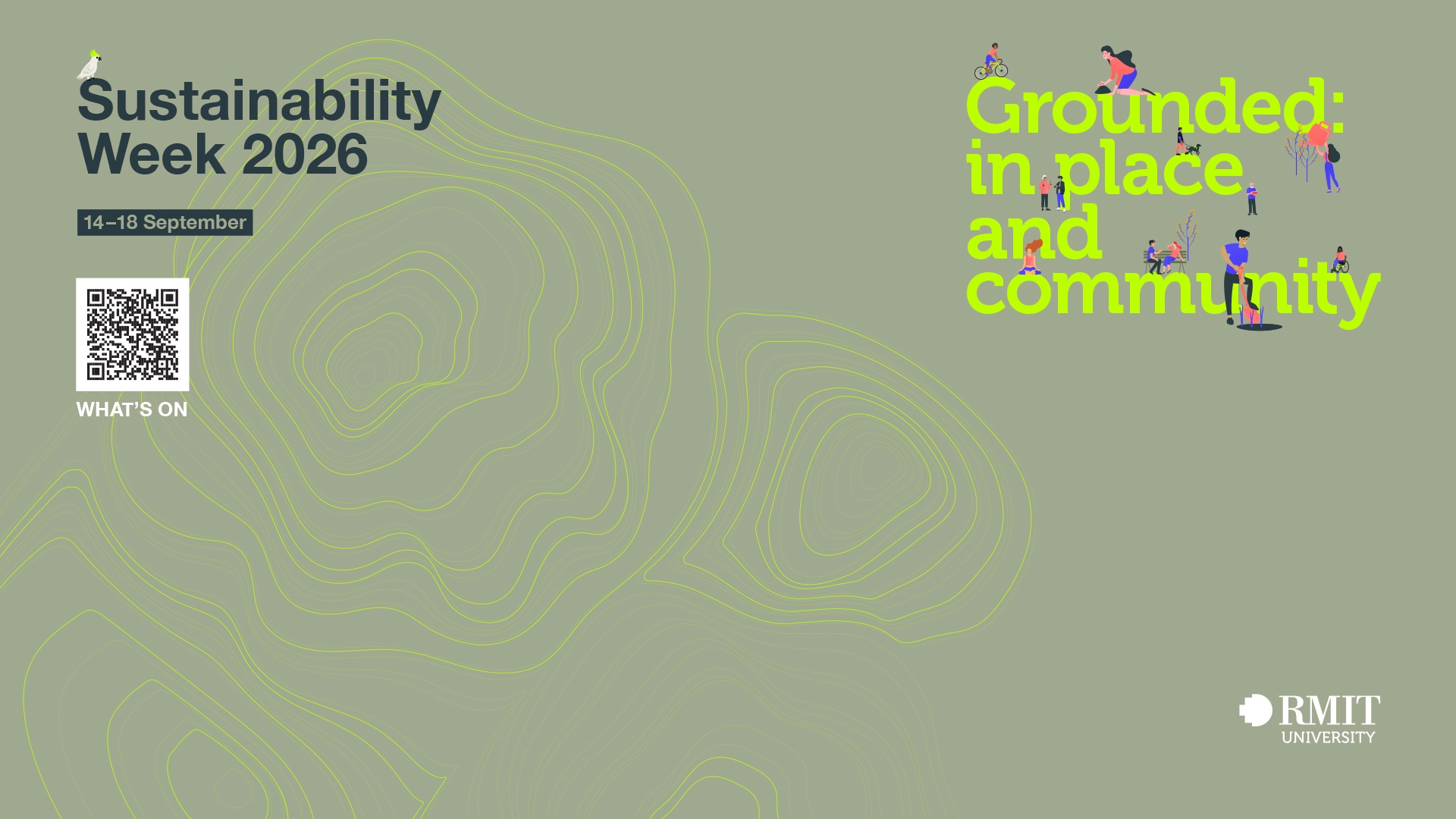
Theme: Grounded: in place and community
Our 2026 theme explores what it means to be grounded in Country, community and the world around us — as we work together toward a healthy, connected and sustainable future for all. This theme draws on the Living Places Plan and reinforces our commitment to Responsible Practice. We acknowledge the Traditional Owners of the lands and waters on which our campuses stand and recognise that even in urban environments we remain deeply connected to Country. Beneath the built structures lies the living earth that sustains us.
What helps you feel connected to the earth and the people around you? How do you care for Country and contribute to a sense of community in your work and everyday life?
Check out the range of activities to get involved below.
Events to be announced soon.
Take a look at some of the innovative ways RMIT is incorporating sustainability practices into our learning and teaching, research and operational activities.
Gathering accurate information on staff commuting helps us make better decisions around sustainable transport improvements, how we lobby government partners and reduce our carbon footprint.
If you haven’t already, please log into Workday and click on the ‘Staff Commuter Profile’ announcement to answer five short questions and share a snapshot of how you commute to work.
A $100 JB Hi-Fi gift voucher will be awarded each quarter.
Our Sustainability Report is a moment for us to recognise and reflect on the great progress we have made in sustainability.
RMIT recognises the important role the education sector can play in promoting, supporting and contributing to the SDG agenda.
Spread the word and use our Sustainability Week 2026 Teams background. Download here (360KB).
To celebrate RMIT Sustainability Week 2026, the Library has curated some resources to help you connect with the theme.
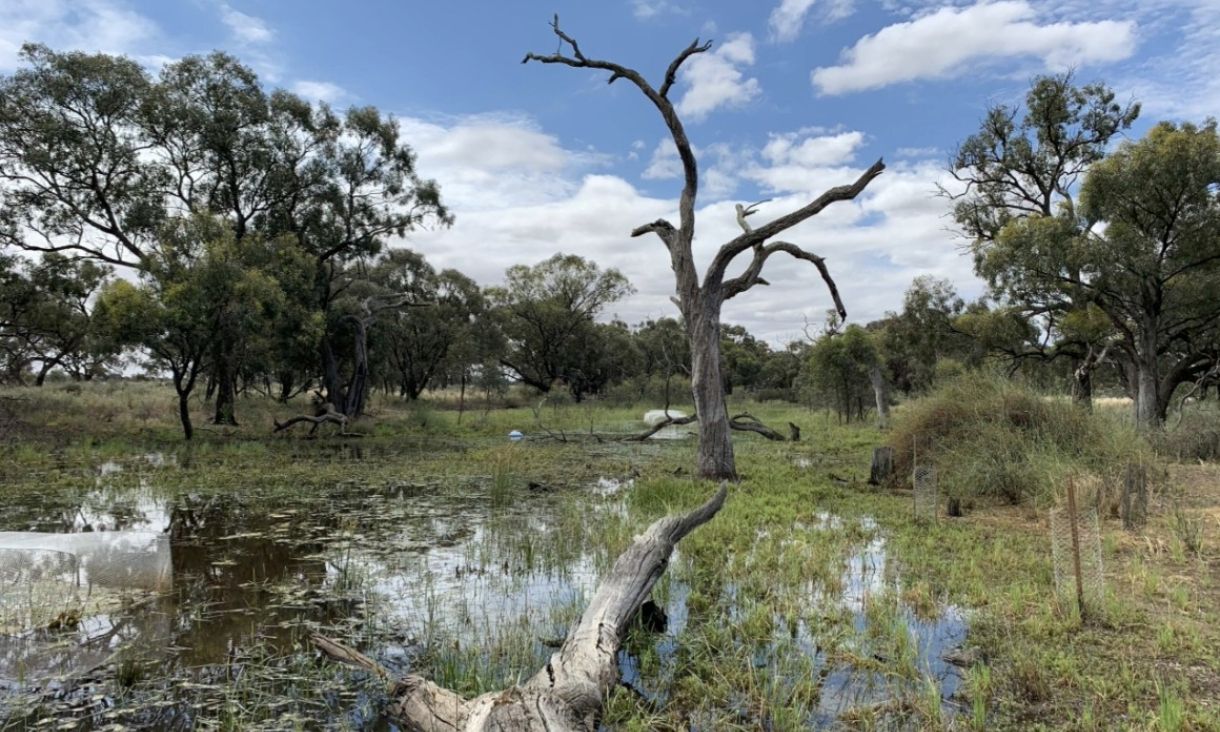
Reviving floodplain wetlands slashes carbon emissions by 39% and restores critical ecosystem functions in one year – without the methane spike typically seen in restored peatlands, a new study has found.
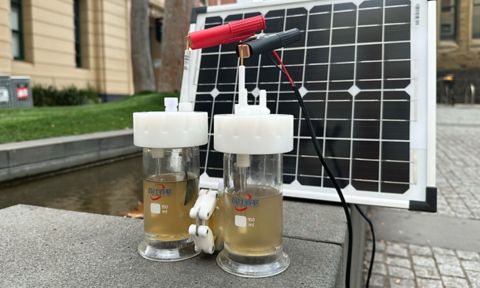
Research led by RMIT University has developed an experimental invention to turn wastewater’s high contaminant load into an advantage for making green hydrogen that could reduce reliance on fresh water – a scarce resource in many parts of the world.
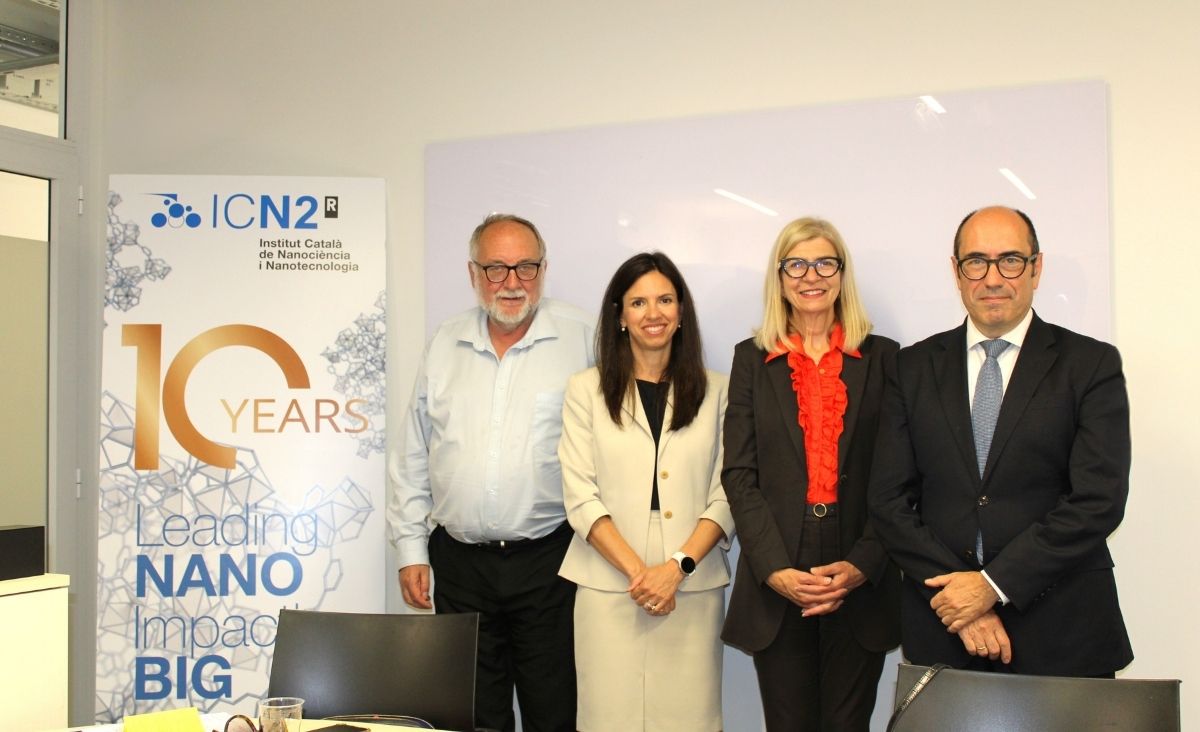
RMIT University and the Catalan Institute of Nanoscience and Nanotechnology (ICN2) have signed an extension of their partnership, strengthening international academic cooperation in nanoscience and nanotechnology.
New research from RMIT University and End Food Waste Australia reveals confusing food labels are driving Australians to throw away perfectly edible food, costing households money and contributing to the nation’s food waste problem.
Visit Sustainability at RMIT to learn more.
Contact the Sustainability Team directly via sustainability@rmit.edu.au, or follow us on:

RMIT University acknowledges the people of the Woi wurrung and Boon wurrung language groups of the eastern Kulin Nation on whose unceded lands we conduct the business of the University. RMIT University respectfully acknowledges their Ancestors and Elders, past and present. RMIT also acknowledges the Traditional Custodians and their Ancestors of the lands and waters across Australia where we conduct our business - Artwork 'Sentient' by Hollie Johnson, Gunaikurnai and Monero Ngarigo.
Learn more about our commitment to Indigenous cultures