




Four tips for returning to study as a mature-aged student

Thousands of mature-aged students return to study each year – proving it’s never too late to transform your life.

Whether it’s been a few years or a few decades since you were last in a classroom, the idea of enrolling again can be overwhelming. Many start out with the same doubts and worries, but soon discover that their life experience, motivation and resilience give them an incredible advantage. 

Returning to study opens doors to career growth and new opportunities within their field. For some, it’s the chance to change industries entirely, gaining the qualifications and confidence to start fresh in a new direction. And for many, it’s about finally pursuing a long-held passion or personal goal.  

Whatever your reason, study at any age can be genuinely life changing. In 2024 alone, more than 21,700 mature-aged students enrolled at RMIT – proof that it’s never too late to take that step. We’ve seen students of all ages achieve their goals through flexible, practical approaches to study.  

If you are ready to explore what’s possible, here are some tips to help you feel confident about your next move. 

Tip #1: Plan your study around life, not the other way around

If returning to study has been on your mind, you might be wondering how you’ll juggle work, family and study. You’re not alone - this is one of the biggest worries mature-aged students face. The good news is, at RMIT you don’t have to turn everything upside down. With flexible options you can design your learning to fit around your life, not the other way around.  

Will I be able to handle the study load alongside my other commitments?

Consider starting with a weekly planner, mark out your commitments and block out areas you can dedicate to study, and set your non-negotiables before you commit to a course load. Having open conversations with your family or employer can also make a huge difference in building the support you need.

This kind of planning will help you to identify the best study option for you, including flexible approaches like part-time and online study, depending on what works for your lifestyle. 

You aren’t the only one looking to build a study load that works either - read real work-life-study balance tips from RMIT alumni who’ve been there before.

Tip # 2: Start with a short course or vocational option

If returning to study feels overwhelming, take it one step at a time. Short courses, graduate certificates, TAFE courses and micro-credentials are a great way to test the waters without committing to a full degree straight away. 

These options don’t just give you a taste of study - they help you build practical skills you can apply immediately in your career, while also building your confidence in the classroom. You’ll prove to yourself that you can manage and succeed academically, all of which makes the transition into further study far less daunting. 

Many of these pathways also give you credit towards future qualifications. For example, if you’re considering a Master of Cyber Security but aren’t ready to commit to a two-year program, you could begin with a Certificate IV in Cyber Security or a Graduate Certificate in Information Technology. These options give you valuable skills now, and if you choose to continue later, your progress is formally recognised and rewarded. 

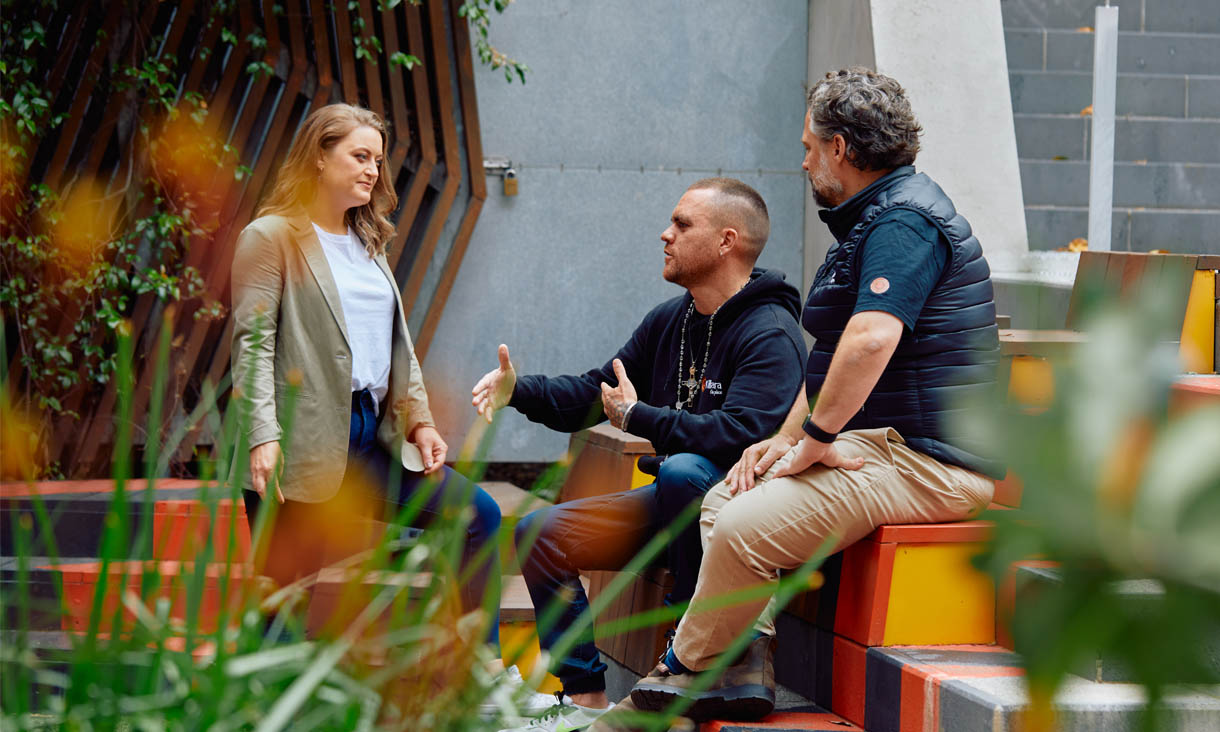
Three RMIT social work students sitting and discussing on a set of colourful steps

Tip # 3: Choose a university that aligns with your wants and needs 

Your career and life experience are powerful assets in the classroom - you bring perspectives, problem-solving skills and maturity that enrich your own learning and add value for your peers and teachers. 

It's been a while since I last studied, will I be able to keep up?

If you are feeling a bit out of your depth, rest assured knowing that RMIT students have access to resources and support to help them find their feet. These supports can build confidence, refresh study techniques, and open doors to opportunities that align with your stage of life and goals.

That’s why it’s important to choose a university that recognises those strengths and supports you in the ways that matter most. If you only think support services are just for those starting their career, you risk missing out on the resources designed to help mature-aged students thrive. Beyond networking, look for practical services such as academic skills workshops, referencing guides, online learning tools and one-on-one career advice. 

With the right support system, returning to study doesn’t just become manageable - it becomes genuinely rewarding. 

Three RMIT IT students in a computer and robotics lab working on a project together

Tip # 4: Discover a community that helps you grow  

Returning to study can feel daunting when many of your classmates are younger, but your mindset makes all the difference. 

You may not be interested in the same social clubs or activities as early-career students, and that’s okay. Instead, focus on the connections that will support your goals, join study groups to share knowledge, attend industry events where your experience adds weight to conversations and seek out teachers or mentors who can help you navigate your next steps. Younger peers can look to you for guidance, and in turn, you’ll benefit from their fresh perspectives and energy. 

This kind of community isn’t about fitting in - it’s about creating the networks that matter for where you are in life. For many mature-aged students at RMIT, these connections have led to career promotions, industry collaborations and even the chance to design entirely new study journeys. 

A pair of RMIT engineering students working on a project together
Starting or returning to study as a mature-aged student is absolutely achievable.  

It’s never too late to take bold steps toward the future you’ve always wanted. With the right connections, support and an open mind, you might be surprised by just how much you gain along the way.  

We’re here to walk beside you as you take that next step with confidence. From short courses and TAFE courses to full postgraduate study, there are options designed to fit your life and your goals. 

Explore what’s available today and take the first step towards transforming your future. 


Story: Angela Brayton 

You might also be interested in...

aboriginal flag float-start torres strait flag float-start

Acknowledgement of Country

RMIT University acknowledges the people of the Woi wurrung and Boon wurrung language groups of the eastern Kulin Nation on whose unceded lands we conduct the business of the University. RMIT University respectfully acknowledges their Ancestors and Elders, past and present. RMIT also acknowledges the Traditional Custodians and their Ancestors of the lands and waters across Australia where we conduct our business - Artwork 'Sentient' by Hollie Johnson, Gunaikurnai and Monero Ngarigo.

More information