

Four reasons teaching is a great career move for international students

Learn where a Master of Teaching Practice can take you, and why now is the best time to become a teacher while it is in high demand globally.

Teaching is a rewarding and satisfying career, and now it's one of the best future proof career path1. In a global report by UNESCO in 2024, it is estimated that by 2030 the world will need 44 million primary and secondary school teachers. 

With the global demand for teachers, there is proven job security and an increased number of reasons to become a teacher. RMIT understands the growing need for educators and prepares its students for a real-world classroom with courses like the Master of Teaching Practice (Primary School) and a Master of Teaching Practice (Secondary School)  

Here are four reasons why you should consider teaching as the next step in your career with the Master of Teaching Practice. 

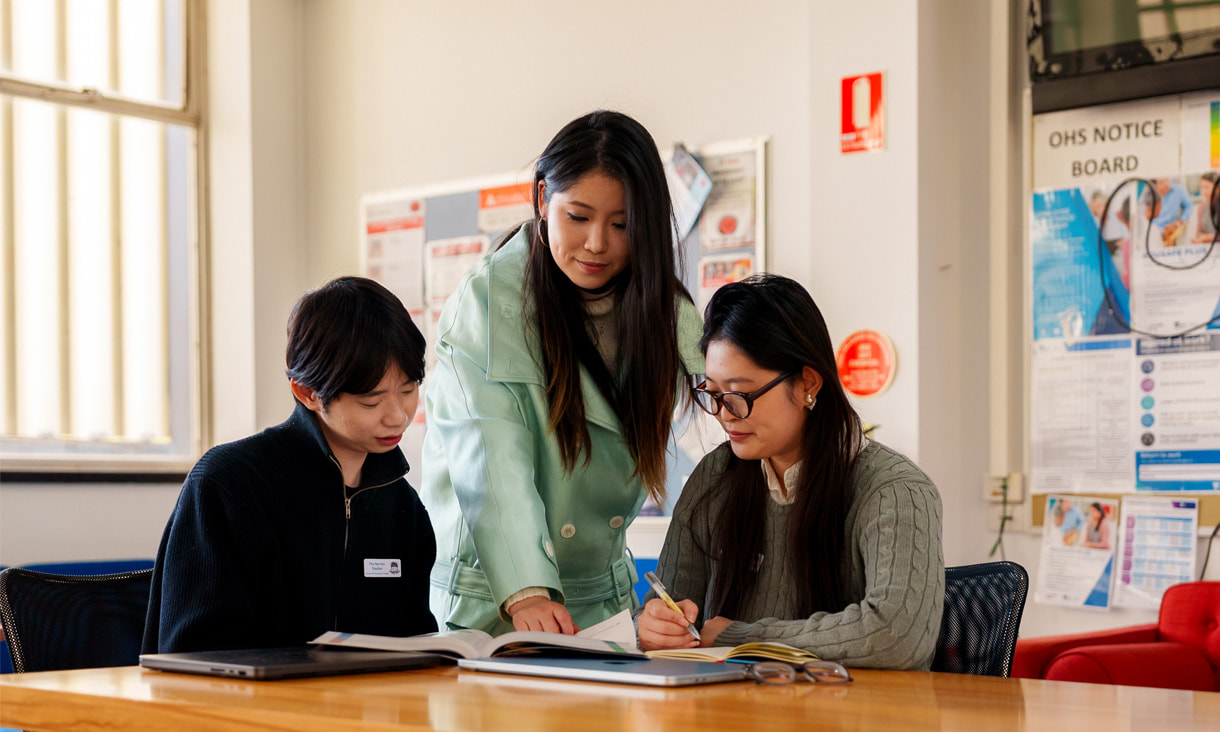
An RMIT Education student and teacher helping a high school student

#1 - Learning in Australia is a huge advantage back home and globally 

With a teaching degree you can take your career anywhere in the world. Bilingual teachers are in even higher demand across the world, especially in China.  

Not only is English part of the national Curriculum in China, but there has also been a boom in new international schools that teach in English. Teachers that can speak and understand English and Chinese have a huge advantage in these new schools. Australian teaching degrees are highly recognised overseas.  

Both of RMIT’s Master of Teaching Practice courses equip international students with globally transferable skills and qualifications that enable them to teach anywhere in the world. Australian teaching degrees are also highly regarded in the United Kingdom, New Zealand and the United States of America.

#2 - Teaching will help you secure a visa 

International students who graduate from RMIT’s Master of Teaching Practice programs are eligible to receive professional accreditation from the Victorian Institute of Teachers (VIT) allowing you to teach anywhere in Australia.  

The programs take students into real primary and secondary schools, giving them Australian teaching experience that can help them secure a job after graduation. The Master of Teaching Practice also helps integrate you into Melbourne with excursions to cultural sites, such as the National Gallery of Victoria and the Koorie Heritage trust, deepening your understanding of Australia. 

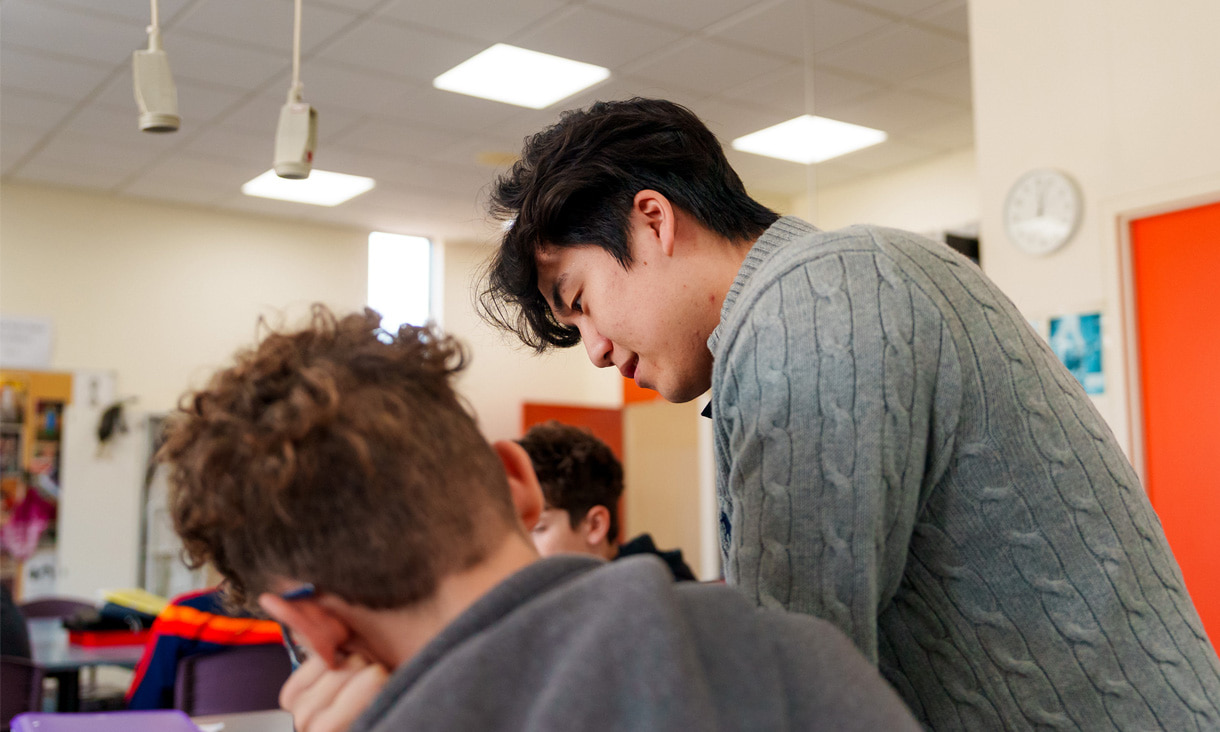
An RMIT Education helping a primary school student

#3 - There are many scholarships available for teaching students 

RMIT has a scholarship for Chinese students – the School of Education Academic Merit Scholarship for China. The scholarship offers students a bursary fee reduction of 20% of the overall course fees. 

The Master of Teaching Practice (Secondary Education) also offers an accelerated scholarship program called Teach Today Teach Tomorrow that compacts the degree into an 18-month program focused on employment-based learning.  

RMIT alumni, Arya Li, completed an accelerated program in 2025 after a classmate told her about the scholarship in her first year.  

“I looked into it and decided to transfer because I felt it would be a great opportunity. As a result, I was able to complete my degree in just 1.5 years.” 

“I learned a lot from my placement and working with experienced teachers. My performance during this time also led the school to offer me the opportunity to stay after I graduated, which was a really valuable experience for me.” 

An RMIT Education student sitting amongst primary school students

#4 - Gain real experience before finishing the degree 

Teaching is a practice that has many opportunities to work in school while you are still studying. Dr Gideon Boadu, Senior lecturer at the School of Education, said that RMIT has partnerships with primary and secondary schools all over Melbourne that allow students to work in real classrooms before they graduate.  

“Our programs have a strong focus on contemporary teaching and learning approaches including topics on how students learn, how the brain processes information and how learning can be facilitated through the gradual release of responsibility approach.” 

Dr Boadu said that the partnerships are important way of connecting the program with current trends in education. 

“Students in the program have worked with staff to leverage multiple AI platforms to co-create innovative solutions to contemporary education challenges. This project was made possible through an internal RMIT grant and provided opportunities for students to build much needed skills in responsible AI use to advance their understanding and skills for their future careers.” 


Take advantage of the great career opportunities studying teaching can offer you, by exploring both the Master of Teaching Practice (Primary Education) and the Master of Teaching Practice (Secondary Education) and start your teaching journey.


Story: Phoebe Piddocke

You might also be interested in...

aboriginal flag float-starttorres strait flag float-start

Acknowledgement of Country

RMIT University acknowledges the people of the Woi wurrung and Boon wurrung language groups of the eastern Kulin Nation on whose unceded lands we conduct the business of the University. RMIT University respectfully acknowledges their Ancestors and Elders, past and present. RMIT also acknowledges the Traditional Custodians and their Ancestors of the lands and waters across Australia where we conduct our business - Artwork 'Sentient' by Hollie Johnson, Gunaikurnai and Monero Ngarigo.

Learn more about our commitment to Aboriginal and Torres Strait Islander peoples