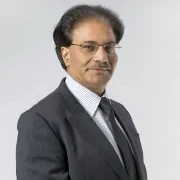
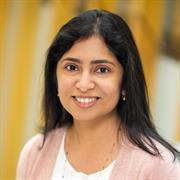
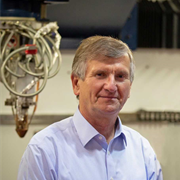
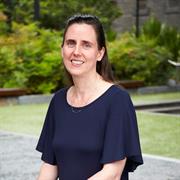
Academy Fellows

Meet the Fellows of the RMIT Professorial Academy – distinguished professors recognised for their outstanding contributions to research, education and engagement.

 Vasso Apostolopoulos

Vasso Apostolopoulos

Professor, Immunology

  • Location Bundoora West Australia
  • Department Health and Biomedical Sciences
Vasso is the Head of the Healthy Lifespan and Chronic Diseases Program within the School of Health and Biomedical Sciences at RMIT University, Australia. She is a Distinguished Professor and is a Professor of Immunology. Her expertise spans multiple disciplines, with extensive experience in immunology, x-ray crystallography, medicinal chemistry, cellular biology, and clinical & translational research. She has contributed significantly to the development of drugs and vaccines, with a focus on improving human health and longevity.   Before joining RMIT University, Vasso worked and/or visited several universities and medical research institutes worldwide, including University of Melbourne (Australia), Oxford University (UK), the Scripps Research Institute (USA), Mater Research Institute (Qld), John Curtin School or Medical Research ANU (Canberra) and Victoria University (Australia). She led the Immunology and Vaccine Unit at the Austin Research Institute, the Immunology and Vaccine Group at the Burnet Institute and was the Immunology Program Leader at the Centre for Chronic Disease VU. Additionally, she was the Program Leader for the Mechanisms and Interventions in Health and Disease Program at Victoria University. From 2018 to 2022, she was part of the senior executive team at Victoria University, serving as the Deputy Vice-Chancellor Research, Associate Provost, and Pro Vice-Chancellor Research Partnerships. Vasso also led the Immunology and Translational Research Group at Victoria University and is currently the Program Director for Immunology at the Australian Institute for Musculoskeletal Science. She has also held the role of Chief Scientific Officer at 4Gvaccines and serves on multiple boards, including the Committee for Wyndham, the Greek Australian Society, and several journal editorial boards. Additionally, she is the Director of VAConsulting Services.   A world-renowned researcher, Vasso has been recognized with over 100 awards, including, Commander of the Phoenix Battalian, the Premier’s Award for Medical Research, Young Australian of the Year (Victoria), Greek Australian of the Year, and Woman of the Year. She was named one of the most successful Greeks abroad by the prestigious Times magazine. Vasso is also credited with developing the first immunotherapy method to stimulate the immune system in the early 1990s, a technique that is now utilized by hundreds of laboratories worldwide. This groundbreaking work led to over 25 Phase I, II, and III human trials of vaccine formulations for breast and ovarian cancer, attracting significant investment from pharmaceutical companies.   Vasso is deeply committed to the advancement of immunotherapy and has applied her research to various diseases, including diabetes, drug addiction, and Alzheimer’s disease. Her research is dedicated to understanding disease mechanisms and developing novel interventions for cancer, mental health disorders, diabetes, chronic diseases, infectious diseases, and autoimmunity, using vaccines, drugs, and natural bioactive compounds. She is particularly focused on improving healthy aging and strives to advance her research programs to improve the quality of life for aging populations.   In response to the global COVID-19 pandemic, Vasso co-developed the global ELPanvir consortium (pan anti-virals) of researchers from Europe, the USA, Canada, and Australia to investigate the development of pan-anti-virals and improve pandemic preparedness.   With over 500 research papers published and 20 patents to her name, Vasso has supervised more than 70 Honours, MSc, and PhD students. A sought-after speaker at international conferences, she is ranked in the top 0.13% of researchers globally. Her remarkable career continues to shape the fields of immunology, translational medicine, and public health.
Dist. Professor Sefa Awaworyi Churchill

Dist. Professor Sefa Awaworyi Churchill

Distinguished Professor

  • Location City Campus Australia
  • Department Economics Finance & Marketing
Sefa Awaworyi Churchill holds the RMIT Distinguished Professor tile. He is Co-Director for the RMIT Centre for African Engagement and Director for the RMIT Centre for International Development. He is an internationally recognised applied economist whose research and leadership advance the sustainable development goals in various ways. His scholarship is inter-disciplinary and focuses on development economics, energy and environmental economics, health economics and behavioural economics. He is a Stanford/Elsevier top-cited researcher, ranked in the top 2% of researchers worldwide for five consecutive years (2021 to 2025), and has published over 160 academic works in prominent journals including Journal of Business Venturing, Research Policy, Journal of Economics Behavior & Organization, Energy Economics, Social Science & Medicine, and World Development, among others. In 2020 and 2021, he was named by The Australian among Australia’s top 40 young researchers and top 5 in the broad field of social science. RePEc also ranks him among the top 5 economists in Australia over the last decade.   Sefa has been the recipient of a number of prestigious academic research awards including the Australian Research Council (ARC) DECRA and an Endeavour Fellowship Award, a government scheme which allows Australia’s highest performing researchers to conduct research in alignment with the government’s strategic priorities. His research has garnered over $5.6 million in competitive funding, including grants from the ARC, the Australian Department of Foreign Affairs and Trade (DFAT), Victorian Responsible Gambling Foundation, and Plan International. His work has shaped international policy conversations and guided actionable change for marginalised communities, and he remains committed to addressing pressing social and economic challenges. He actively collaborates with academic, government, and international organisations including the United Nations, the Australian Government, Indian Government and Asian Development Bank. He is committed to promoting evidence-based policy and building lasting partnerships for sustainable and equitable development.   Sefa regularly contributes as a visiting scholar both within Australia and internationally, most recently as a Resident Fellow/Scholar at the United Nations University World Institute for Development Economics Research. He previously worked with Princeton University as a Fung Global Fellow, contributing to policy-relevant research on sustainable futures. As an award-winning educator, Sefa brings a capacity-building ethos to his teaching and mentoring, supporting the next generation of researchers and thought leaders across diverse backgrounds.   Sefa received his doctorate in economics from Monash University. He holds masters degrees in educational leadership (Melbourne), public health (UNSW), construction management (Melbourne), health leadership and management (UNSW), business and financial economics (Greenwich, UK) and a BSc (Hons) in mathematics (KNUST, Ghana) and BPsych (Hons) (JCU). He serves as an Associate Editor for Energy Economics (ABDC A*/Q1) and Energy Research and Social Science (Q1), which are two leading field journals.
Dist. Professor Andy Ball

Dist. Professor Andy Ball

Distinguished Professor

  • Location Bundoora West Australia
  • Department School of Science
Andy is the Director of the ARC Training Centre for the Transformation of Australia’s Biosolids Resource at RMIT University. With deep expertise in environmental microbiology and biotechnology, Andy teaches both subjects as part of the School of Science Bachelor and Masters Programs. In January 2012, Andy was appointed Professor in Environmental Microbiology and in 2016 Distinguished Professor by RMIT University. He started his career as a Research Fellow in Liverpool University, UK and more recently held the position of Reader at the University of Essex, UK. In April 2005, Andy was appointed Chair of Environmental Biotechnology at Flinders University. He has held a number of key institutional/organisational roles at each university in which he has been employed over the past 30 years. At the University of Essex UK, Andy was Director of the Centre for Environment and Society. At Flinders University, he was appointed Director and Chairman of Flinders Bioremediation. At RMIT University, Andy established, as Director a new University Research Centre, Environment, Sustainability and Remediation and is currently Director of the ARC Training Centre for the Transformation of Australia's Biosolids Resource. Andy has headed the Environmental Biotechnology Group now at RMIT University (previously based at Essex University and Flinders University) since 1995. Andy has a wealth of research and research and teaching expertise to RMIT University at an International level, particularly in the fields of bioremediation, organic waste treatment, and environmental fate of organic pollutants. Andy has generated internationally acclaimed research outputs since 1985. He has over 300 peer reviewed publications cited 13,000 times in total, with an annual citation average above 1200 over the past 3 years with an h-index of 60 (Google) and 46 (Scopus). In addition, Andy has published 6 books (3 as author and 3 as editor) and written 42 book chapters. He has currently five provisional patents and one full patent. These metrics demonstrate his respected standing in the academic community. Industry experience: Andy has worked closely with various end user entities including government agencies (EPA), the oil and water industry (e.g. Shell, Mobil, South East Water, Melbourne Water) and non-government agencies (e.g. Rockefeller Foundation) raising over $22,000,000 in research grant income to date in the area of Applied and Environmental Microbiology, over $14,000,000 since arriving in Australia in 2007.
Professor Vipul Bansal

Professor Vipul Bansal

Professor

  • Location City Campus Australia
  • Department School of Science
Core interests Lead, develop and support a multidisciplinary research team that collaboratively works across the interface of chemistry, biology, physics and engineering to provide nanotechnology solutions for health, environment and energy problems Provide teaching & learning leadership in interdisciplinary areas of nanoscience and nanobiotechnology Achieve real-world translation of nanotechnologies for societal, biomedical and industrial impact Professional affiliations Group Leader, RMIT NanoBiotechnology Research Laboratory (NBRL) (https://www.facebook.com/NanoBioResLab) Director, Ian Potter NanoBioSensing Facility (http://www.ianpotter.org.au/news/blog/nanobiosensing-facility/) Professor, Materials Chemistry and Nanobiotechnology at the , RMIT University, Australia Core member, RMIT (PTRI) Core member, RMIT (HIRI) Steering Committee Member, Nanotechnology Research Advisory Group of the Australian Technology Network (ATN) / International Strategic Technology Alliance (ISTA) i.e. ATN NanoNetwork Honours and awards RMIT Media Star of the Year Research Award, 2014 Australian Academy of Sciences “Science Star of Tomorrow” Public Speaker, 2014 Japan Society for the Promotion of Science (JSPS) HOPE Fellow, 2013 Australian Academy of Sciences (AAS) Travel Award, 2013 International Association for Colloid and Interface Science (IACIS) Young Investigator Award, 2012 Scopus Young Researcher of the Year Physical Sciences Finalist, 2011 John A Brodie Medal for Best Paper Award in Chemeca, 2010 Patents S. K. Bhargava, V. Bansal, A. E. Kandjani, Y. M. Sabri. System for detection and removal of mercury. Australian Provisional Patent No. AU2013903747 (Priority Date – 27/09/2013) V. Bansal, A. E. Kandjani, M. Griffin, R. Ramanathan. A background correction method for a spectrum of a target sample. Australia Patent No. AU2012905622, International Patent No. WO2014094039 A1 (Priority Date – 19/12/2012). V. Bansal, F. Caruso, Y. Wang, A. N. Zelikin. Porous silica shell-mediated assembly of macromolecular capsules for drug delivery. PCT International Patent No. WO2009079688 A1 (Priority Date – 21/12/2007). Media contributions Professor Bansal has contributed to over 100 media interviews to radio, newspapers and other professional bodies nationally and internationally. He has provided expert commentary on role of nanotechnology (http://www.news.com.au/breaking-news/national/australian-nanotechnology-is-revolutionary/story-e6frfku9-1226547735141?from=public_rss) in developing new strategic international partnerships for Australia, and the importance of sustained research funding by the Australian Government to harvest the full potential of nanotechnology. He also regularly comments on upcoming applications (http://rrrfm.libsyn.com/einstein-a-go-go-8-may-2011) of nanotechnology, such as those in smart electronics, (https://theconversation.com/peptide-power-the-science-behind-the-30-second-phone-charger-25491) flexible semiconducting devices, (https://www.youtube.com/watch?v=ldOpP1NPzMI) malaria detection in resource-poor settings,(http://newsstore.fairfax.com.au/apps/viewDocument.ac;jsessionid=9621D8BC84EFB639A17DE8501DC433B9?sy=afr&pb=all_ffx&dt=selectRange&dr=1month&so=relevance&sf=text&sf=headline&rc=10&rm=200&sp=brs&cls=2214&clsPage=1&docID=AGE110208INCTR36F4OV) and nano-textiles for infection control and fast healing of chronic wounds (https://www.youtube.com/watch?v=Jyg4piwBqek). He is providing leadership in developing a nano-diagnostic hub in Australia that will play a critical role in early diagnosis of a variety of diseases including cancer, cardio-vascular disorders (https://soundcloud.com/rmit-university/associate-professor-vipul-bansal-rapid-detection-nano-devices) and nasty infectious agents. (https://www.youtube.com/watch?v=PR4eBfRqEjs)
Professor Judith Bessant

Professor Judith Bessant

Distinguished Professor

  • Location City Campus Australia
  • Department School of GUSS
Judith Bessant is a Professor at RMIT University. Her fields of research include youth studies, sociology anthropology, politics, history, technology-media studies, planetary and public health and youth participation.   Distinctions and awards. In 2017 I received an Order of Australia (AM) (Dept Prime Minister and Cabinet & Governor General) In 2024 I was elected a Fellow of the Academy of the Social Science in Australia In 2024 my colleagues and I won the Australian Political Science Association’s (APSA) 2024 ‘Mayer Journal Prize for Best Article’ in the journal Australian Journal of Political Science. It was Bessant, J., Collin, P., & Watts, R., 2023, ‘Blah, blah, blah …[not] business as usual’: politics through the lens of young female climate leaders’. 58.4 :477–493 https://www.tandfonline.com/doi/full/10.1080/10361146.2023.2224239   My career included a post-doctoral research fellowship and being a secondary school teacher. Since then, I’ve held various academic, research, teaching and governance positions in Australian universities. This included being appointed the founding Professor of Sociology and Youth Studies at RMIT University Melbourne Australia.   I have worked as a policy development advisor for the UN and as advisor for UNESCO. I have also worked as an advisor for various governments, NGOs and community organizations.     For a number of years I served as a commissioner for The Lancet Commission on Adolescent Health and Wellbeing working on a report titled A Wakeup call: the second Lancet Commission on adolescent health and wellbeing  (2025) https://www.thelancet.com/commissions-do/adolescent-health-wellbeing   I have authored and co-authored 15 books and edited and co-edited another 15 books, as well as many journal articles (ORCID  https://orcid.org/0000-0001-7385-5358 I  have also received a number of Australian Research Council grants.   Please direct all mail to her RMIT address. Professor Bessant's CV is available from her on request.
Dist. Professor Suresh Bhargava

Dist. Professor Suresh Bhargava

AcSIR Director

  • Location City Campus Australia
  • Department Research & Innovation
Distinguished Professor Suresh Bhargava AM is an internationally recognised scientist, innovator and global research leader whose career spans academia, industry and international engagement. He is recognised as one of RMIT’s globally influential leaders in translational research and international engagement, with contributions spanning advanced materials, industrial chemistry, critical minerals, sustainability, clean-energy technologies and Australia–India scientific collaboration. Over more than 35 years, Professor Bhargava has played a leading role in strengthening Australia–India scientific, technological and industrial partnerships through collaboration with governments, industry and research organisations. His broader contributions to multiculturalism, social cohesion and Australia–India relations were formally recognised through his appointment as a Member of the Order of Australia (AM). His Australia–India engagement has focused strongly on connecting RMIT University, and more broadly Australia and India, through science, technology, innovation and research collaboration. Over several decades, he has contributed significantly to advancing people-to-people engagement between the two nations, supporting the integration of multicultural communities within the framework of Australian values, education and civic participation. His work has established him as an influential bridge between Australia and India across science, education, industry and community engagement. Professor Bhargava is the Founder and Director of the Centre for Advanced Materials and Industrial Chemistry (CAMIC) at RMIT University, a globally connected research centre recognised for innovation-driven and translational research. Under his leadership, CAMIC has evolved into a multidisciplinary platform that bridges fundamental science, industrial innovation and societal impact across critical minerals, catalysis, advanced materials, sustainability, additive manufacturing and molecular metal-based systems. Beyond research excellence, CAMIC has established a unique intellectual infrastructure that nurtures the next generation of scientific leaders, innovators and globally responsible citizens. Through strong integration of academia, industry and international collaboration, the Centre continues to drive technological advancement, research translation and global capacity building. He is the architect of the landmark RMIT–AcSIR Research Partnership, internationally recognised as the “SB Model” of global research collaboration. The initiative established a strategic connection between RMIT University and India’s premier national research ecosystem, including the Council of Scientific and Industrial Research (CSIR), the Indian Council of Medical Research (ICMR), and major industrial research laboratories. The partnership has created large-scale opportunities for international research collaboration, advanced research training and global talent development, supporting more than 7,000 PhD researchers across over 70 Indian national and industrial laboratories. Recognised as an award-winning framework for transnational engagement and university–industry–government collaboration, the SB Model has influenced partnership approaches adopted by several Australian and international universities.  Professor Bhargava has also made substantial contributions to the Australian resources, minerals and energy sectors over more than 35 years as a researcher, innovator and technology leader. His work has strengthened academia–industry engagement and contributed to technology development, sustainable processing, industrial innovation and fundamental scientific advances across the resources sector. Throughout his career, he has collaborated with and advised major multinational organisations including Alcoa, BHP, Rio Tinto, ExxonMobil, Clean TeQ, Aditya Birla Group and QPM Energy. His contributions have led to process innovation, technology improvement and scientific advances in mineral processing, critical minerals, advanced materials and clean-energy technologies. Professor Bhargava currently holds the title of QPM Professor of Critical Metals for Clean Energy, reflecting his leadership in critical minerals, sustainable technologies and the global clean-energy transition. He has also played an important role in strengthening Australia–India collaboration in clean energy and sustainability, including leading an Australian mission on green hydrogen technologies to India, which contributed to advancing strategic partnerships and research engagement between the two nations in the emerging clean-energy sector. He is also recognised for pioneering research at the intersection of additive manufacturing and critical minerals, contributing to next-generation manufacturing technologies and sustainable industrial systems. His recent book on additive manufacturing for critical minerals is being translated into German, with growing international interest in additional language editions. Professor Bhargava is the author of more than 900 highly cited scientific publications, with an h-index exceeding 96 and an i10-index of 533. While citation metrics often reflect influence within specific areas, his exceptionally high i10-index is particularly significant as it demonstrates the sustained global relevance, breadth and multidisciplinary recognition of a large body of scientific work spanning chemistry, materials science, engineering, critical minerals, sustainability and translational medical research. His sustained research impact and exceptionally high i10-index place him within the elite class of globally influential multidisciplinary scientists whose work continues to shape multiple fields of science and engineering. Professor Bhargava’s research spans the complete metals value chain - from ore characterisation and mineral extraction to advanced alloys, nanomaterials and molecular metal chemistry for drug development. The breadth of this research trajectory, spanning resources, materials science and translational molecular chemistry, is rarely seen within a single scientific career and reflects his unique capacity and capability to adopt multidisciplinary approach to discovery and innovation. His pioneering work on the molecular engineering of metals, including the discovery and stabilisation of unconventional oxidation states, has opened new directions in understanding their unique and previously unexplored physicochemical and functional properties. These discoveries are contributing to advances across catalysis, advanced materials, sustainability, clean-energy technologies and next-generation metallodrug development, helping shape new frontiers in modern metal chemistry that bridge fundamental science with industrial and biomedical applications. Selected Awards and Recognition Royal Australian Chemical Institute (RACI) Lifetime Distinguished Fellowship in Chemistry, 2025 Cooperative Research Australia Excellence in Innovation Award – Lifetime Achievement for Industry–Research Collaboration, 2024 RMIT Vice-Chancellor’s Research Excellence Award, 2024 (also awarded in 2014 and 2006) SASTRA–C.N.R. Rao Award, 2023 RMIT Vice-Chancellor’s Award for Best Graduate Supervision, 2023 Member of the Order of Australia (AM), 2022 Fellow of The World Academy of Sciences (TWAS), UNESCO, 2022 CHEMECA Medal, 2015 INSA P.C. Ray Chair Award, 2014 Fellowships, Governance and Professional Recognition Elected Foreign Fellow, European Academy of Sciences (EurASc), 2026 Fellow of the National Academy of Inventors (FNAI), USA, 2025 Fellow of The Australasian Institute of Mining and Metallurgy (AusIMM), 2023 Fellow of The World Academy of Sciences (TWAS), UNESCO, 2022 Foreign Fellow of the American Association for the Advancement of Science (AAAS), 2020 Honorary Member, Materials Research Society of India (MRSI), 2018 Foreign Fellow, National Academy of Sciences India (FNASI), 2014 Foreign Fellow, Indian National Academy of Engineering (INAE), 2013 Fellow of the Australian Academy of Technological Sciences and Engineering (FTSE), 2010 Fellow of the Royal Society of Chemistry (FRSC), 2009 Fellow of the Royal Australian Chemical Institute (FRACI), 1992
Dist. Professor Milan Brandt

Dist. Professor Milan Brandt

Distinguished Professor

  • Location City Campus Australia
  • Department Research & Innovation
Distinguished Professor Milan Brandt is the Director of RMIT Advanced Manufacturing Precinct and the founding Director Centre for Additive Manufacturing, RMIT University which he established in 2013. Prof. Brandt is the lead Australian researcher in the area of macro machining and additive manufacturing with lasers and has conducted work in laser cladding, cutting, drilling, welding and the last 14 years additive manufacturing. The results of his research have resulted in technological achievements, patents, research papers and commercial products, which have been recognized internationally and nationally in both scientific and industrial circles. Prof. Brandt is a fellow of the Laser Institute of America, honorary fellow of Weld Australia, Professorial Fellow department of Medicine, Melbourne University and Adjunct Prof. University of Waterloo, Canada. In 2018 he was the president of the Laser Institute of America, the largest international association of researchers and industry involved with lasers and laser additive technology and in 2018 he was named the Engineers Australia Centenary Hero for his research which led to Australia’s first locally-manufactured 3D printed spinal implant that was implanted into a patient in 2016. In 2020 Prof. Brandt was the recipient of the Laser Institute of America’s highest award, Arthur. L. Schawlow (Nobel Laureate in Physics) award for his contributions to lasers and laser applications.  Accomplishments and achievements: • CAST commercialisation award for LMCut, 2011 • CAST commercialisation award for Laser-assisted joining, 2011 • WTIA – Sir William Hudson Memorial Award – Best published (Australian) research paper in 2011 by N. Alam, A. Bishop and M. Brandt • Certificate of Merit Award in World Congress on Engineering (WCE-09), London, UK for the paper on the 'Microstructural Investigation of Direct Metal Deposition of H13 Steel on High Strength Copper Substrate' (Imran, Masood and Brandt). • WTIA – Sir William Hudson Memorial Award – Best published (Australian) research paper in 2002. R.T. Deam, M. Brandt and J. Harris, 'The measurement of capillary waves on a weldpool formed by a Nd:YAG laser', Australasian Welding Journal, Vol 47, 2002, p39–47. Prize $200. • TMS magnesium technology best student paper award – M. Mandagie, M. Brandt, Y. Durandet, and M. Jahedi, 'Laser cladding AS21 magnesium alloy with AlSi and WC powders'. Prize US $500. • First Prize, TRU Energy Bright Ideas – Laser Repair of Low Pressure Turbine Rotor Blades (In-situ Repair) – 2005.
Dist. Professor Rachel Caruso

Dist. Professor Rachel Caruso

Professor

  • Location City Campus Australia
  • Department School of Science
Professor Barbora de Courten

Professor Barbora de Courten

Professor

  • Location City Campus Australia
  • Department Health and Biomedical Sciences
Dr. Barbora de Courten OAM, MD PhD FRACP MPH GAICD ExecMBA is Distinguished Professor at the School of Health & Biomedicine at RMIT University, Professor of Medicine at Monash University and University of Queensland and a Specialist Physician at the Department of Diabetes & Vascular Medicine and at General Medicine at Monash Health in Melbourne, Victoria. She has a PhD in Epidemiology, a Master of Public Health, and extensive training in clinical trials from the National Institutes of Health in the USA. She has expertise across the translational research continuum from basic science to human mechanistic studies to clinical trials through to public health interventions and clinical practice. She is also a business-focused Executive MBA delivering practical processes through translational strategy, commercialization, value proposition, and leadership. Barbora's contribution to medical research and healthcare has been recognised by the Order of Australia Medal in 2024.  Barbora is passionate about research into holistic approaches to the prevention and treatment of chronic diseases by promoting health through safe, low-cost and easily scalable interventions with the potential to have an immediate public health impact to prevent and treat chronic diseases. She believes this will impact not only the health of individuals but also be beneficial to our society and the environment we live in. In recognition of her standing in the field of Lifestyle Medicine, she was also awarded an Honorary Fellowship from the Australasian Society of Lifestyle Medicine in 2024. Barbora's vision is to establish new strategies for the prevention and management of chronic diseases, specifically obesity, diabetes and cardiovascular disease. Her goal is that her research findings will ultimately translate into treatment guidelines, reduced diabetes and cardiovascular morbidity and mortality and reduced healthcare costs. She has worked in a variety of international settings, as reflected by her appointments at prestigious institutions in the USA (NIH), Australia (Baker IDI, Monash University), and Europe (University of Copenhagen and Steno Diabetes Centre). She enjoys an active national and international research network. She is an author of > 249 publications (H-index 76), >500 presentations at national and international meetings and has been awarded $11M in research funding. She is on the Australian National Health and Medical Research Council and Diabetes Australia Research Trust grant review panels, the Lead Fellow for Continuing Professional Development on the Adult Medicine Division Council for the Royal Australasian College of Physicians, a council member of Australian and New Zealand Obesity Society and a member of several conference organizing committees including Australian Diabetes Society, American Diabetes Society (Clinical Nutrition sub-committee) and the Australian and New Zealand Obesity Society. She has supervised over 100 PhD students and junior researchers. She was awarded 20 research awards. Her work has been cited in 7 international policy documents incl. World Health Organization, World Bank, and National Institutes of Health. Key activities: Distinguished Professor de Courten promotes the breakdown of information silos in research and supports collaboration across disciplines to achieve major advances in health in shorter timeframes. Awards - Order of Australia Medal (OAM) in the General Division for Service to Medical Research and Healthcare, Issued by Governor General of Australia, 2024 - Honorary Fellowship from the Australasian Society of Lifestyle Medicine in 2024 - Royal Australasian College of Physicians, Fellows Career Development Fellowship, 2021 - Monash University Global Executive MBA Women in Leadership Scholarship, 2020 - Monash Strategic Fellowship, 2020. - Ranji and Amara Wikramanayake Clinical Diabetes Research Award, 2018 - Royal Australasian College of Physicians Research Establishment Fellowship, 2018 - first reserve - Barry Young Diabetes Research Award, Australian Diabetes Society, 2017 - Royal Australasian College of Physicians Foundation for High Blood Pressure Research Establishment Fellowship Award, 2017 - 2017 Albert Nelson Marquis Lifetime Achievement Award, Who is who, 2017 - National Heart Foundation Future Leader Fellowship (level 2), 2016-2019 - Royal Australasian College of Physicians Foundation for High Blood Pressure Research Establishment Fellowship Award, 2016 - Royal Australasian College of Physicians Diabetes Australia Research Establishment Fellowship Award, 2015 - NHMRC Career Development Fellowship, 2006-2013 - Millennium Award, Diabetes Australia, Australia, 2006 - Slovak Diabetes Association Research Award, Slovak Republic, 2004 - Fellowship Award for Research Excellence (FARE), National Institutes of Health, USA, 2002 - Fogarty Fellowship, National Institutes of Health, USA, 1999 - PhD scholarships, Faculty of Medicine and Surgery, Comenius University in Slovakia, 1998 Travel awards - Carnosine and Anserine conference 2015, Travel Grant, Monash University, (2014) - Inflammation and Obesity Stock Conference, Travel award, Cairns, 2009 - Inflammation and Obesity Stock Conference Travel Award, Istanbul, Turkey, 2005 - EASD Scientists Training Course Travel and Registration Fee Award, Vienna, Austria, 2004 - EASD Travel Grant, Budapest, Hungary, 2002 - EASD Travel Grant, Glasgow, Great Britain, 2001 - Young Scientists Training Course, EASD Travel Grant, Uppsala, Sweden, 1999 - Soros travel awards in 1995, 1996, 1997 (Nepal, India, Thailand) Professional interests: - Advisory Board Member, Lancet Healthy Longevity Journal 2022 – current - RMIT representative to ECHAlliance Melbourne Digital Health Ecosystem-current - Member Monash Health Digital Health Management Committee 2020 – 2022 - Member, Women in Science Discovery Medicine, Monash University 2018 – 2023 - Elected Councillor Australia & New Zealand Obesity Society 2018 – current - Elected Lead Fellow Council Royal Australasian College of Physicians 2018-24 - Advisory Board Member Australian National Diabetes Audit Benchmarking Program 2015 –2024 - Member, Pfizer Advisory Group – 2020 - Member, Nutritional Science and Metabolism Working Group, American Diabetes Association – 2018 – current - Member, Eli Lilly Innovation Advisory Group - 2014-2015 - Medical Advisor, Nutromics (MedTech Start-up) - 2021-2022 - Member, Diabetes Australia Research Trust Research Advisory Panel - 2015-2019 - Advisory Board member, Biogrid - 2018-2019
Professor Calum Drummond

Professor Calum Drummond

Deputy Vice-Chancellor R & I & Vice-Pres

  • Location City Campus Australia
  • Department RMIT University
Distinguished Professor Calum Drummond AO, Deputy Vice-Chancellor Research and Innovation and Vice-President The primary goal of the role is to nurture and grow the research and innovation ecosystem to provide an environment that supports a highly productive research workforce and orchestrates well-articulated research translation pathways to better deliver impact outside the academic community. The Deputy Vice-Chancellor Research and Innovation is responsible for the following areas: 1. Research Strategy and Services 2. School of Graduate Research 3. Research Partnerships and Translation 4. Research Capability, including the eight Enabling Impact Platforms (EIPs). (https://www.rmit.edu.au/research/our-research/enabling-impact-platforms) 5. Research Infrastructure 6. Gender Equity 7. Global Resilience Areas of support include research partnerships and translation, grants and research contracts, funding opportunities, researcher capability development, research training, research ethics and integrity, intellectual property and commercialisation, gender equity in research, research infrastructure, research security. Professor Drummond has a strong interest and passion for the commercialisation of research outcomes. He joined RMIT University in 2014 from CSIRO where he was Group Executive for Manufacturing, Materials and Minerals comprising 1300 researchers and research support staff and an annual budget of $250 million. Immediately prior to this CSIRO Group Executive appointment, he was Chief of CSIRO Materials Science and Engineering (CMSE), CSIRO’s largest division. Prior to becoming a Chief, Calum was seconded from CSIRO to be the inaugural Vice President Research at CAP-XX, an Intel portfolio company. CAP-XX develops supercapacitors for consumer electronic products. In 2006, CAP-XX listed on the London AIM. Calum is an Adjunct Professor in Chemical Engineering at The University of Queensland. He has previously held an Adjunct Professorial Fellowship in Chemistry at The University of Melbourne and an Adjunct Professorship in Chemistry at The University of Sydney. He is a Fellow of the Vincent Fairfax Ethics in Leadership Program run by St James Ethics Centre and a Fellow of the Williamson Community Leadership Program run by Leadership Victoria. Awards The outstanding calibre of Calum's research has been recognised through the following awards: AE Alexander Lectureship from the Australasian Colloid and Interface Society (2024) Honorary Lifetime Alumni Membership of Cooperative Research Australia, issued by Cooperative Research Australia (2022) Lifetime Achievement Award for Contribution to Industry–Research Collaboration, issued by Cooperative Research Australia (2022) Officer of the Order of Australia (AO) in recognition of his contributions to chemistry and materials science research, commercialisation initiatives, and mentoring, issued by Commonwealth of Australia (2019) Australian Academy of Science (AAS) Ian Wark Medal for making outstanding contributions to Australia’s economic advancement through the application of science (2018) Fullbright Senior Scholarship (2016) The Victoria Prize for Science and Innovation (2015) The Royal Australian Chemical Institute (RACI) H.G. Smith Memorial Medal (2015) CSIRO Fellow designation (CSIRO’s highest award for exceptional scientists) (2013) CSIRO Medal for Business Excellence (2011) Distinguished Lecturer Award from The Colloid and Surface Chemistry Division of the Japanese Chemical Society (2011) The Royal Australian Chemical Institute (RACI) Physical Chemistry Division Medal (2006) Frost and Sullivan (USA) Excellence in Communication and Information Technologies Award (2006; awarded to CAP-XX) World Economic Forum Global Technology Pioneer (2005; awarded to CAP-XX) The Royal Australian Chemical Institute (RACI) Green Chemistry Challenge Award (2005) The Royal Australian Chemical Institute (RACI) Industrial Chemistry Division RK Murphy Medal (2004) CSIRO Medal for Outstanding Research Achievement (2004) Australian Research Council (ARC) Federation Fellowship (2003–2010) The University of Melbourne David Syme Research Prize (2002) The Royal Australian Chemical Institute (RACI) Applied Research Award (2002) Distinguished Paper Award of The Soap and Detergent Association (USA) and The American Oil Chemists Society (2001) The University of Melbourne Grimwade Prize in Industrial Chemistry (1995) ARC Queen Elizabeth II Fellowship (1990–1993) The University of Melbourne Rothmans Foundation Fellowship (1990; declined) The inaugural R.J.W. Le Févre Memorial Prize from the Australian Academy of Science (1989) The Royal Australian Chemical Institute (RACI) Rennie Memorial Medal (1989)
Professor Mikala Dwyer

Professor Mikala Dwyer

Professor Art (Industry Fellow)

  • Location City Campus Australia
  • Department School of Art
In works that explore how we relate to the object-world, Mikala Dwyer has pushed the limits of sculpture, painting and performance, establishing herself as one of Australia's most important contemporary artists. She has been honoured with solo survey exhibitions at Sydney's two major art museums, the Art Gallery of New South Wales and the Museum of Contemporary Art, as well as at the Museum of New Zealand Te Papa Tongarewa, the Australian Centre for Contemporary Art, Melbourne, and the Institute of Modern Art in Brisbane. Her many exhibitions internationally include 'The Recent', Talbot Rice Gallery, Edinburgh, Scotland (2023–2024); Ichiahara Art + Mix Triennale, Japan (2020); 'Blessed Be', MOCA, Tucson, USA (2018); 'The End of the 20th Century, The Best is Yet to Come—A Dialogue with the Marx Collection', Hamburger Bahnhof, Berlin (2013); 'Face Up: Contemporary Art from Australia', Hamburger Bahnhof, Berlin (2003); 'Verso Süd', Palazzo Doria Pamphilj, Rome, curated by Franz West (2000); and shows at The Graz Museum, Austria; Zachęta National Gallery of Art, Warsaw; and Chapter Arts Centre, Cardiff, UK. Her work has been selected for the Istanbul Biennale (1995), the Biennale of Sydney (2010 and 2014) and the Adelaide Biennial of Contemporary Australian Art (2010 and 2020). Industry experience: - Over 40 years as a practising artist and 30 years teaching at art schools around the country and in Europe. - Represented by Roslyn Oxley9 Gallery, Sydney; 1301SW, Melbourne; and Hamish McKay Gallery, Wellington, New Zealand. - Board of Directors, Artspace Sydney - Public art commissions in Sydney and Melbourne
Dist. Professor Lisa M. Given, FASSA, FASIS&T

Dist. Professor Lisa M. Given, FASSA, FASIS&T

Enabling Impact Platform Director, Social Change

  • Location City Campus Australia
  • Department Research & Innovation Capability
Distinguished Professor Lisa Given is Director & Co-Founder, Centre for Human-AI Information Environments; Director, Social Change Enabling Impact Platform and Professor of Information Sciences in the School of Global, Urban and Social Studies and the School of Computing Technologies. Dist/Prof Given is an interdisciplinary researcher in human information behaviour whose work brings a critical, social research lens to studies of technology use and user-focused design. A Fellow of the Academy of the Social Sciences in Australia, and of the international Association for Information Science and Technology (ASIS&T), her studies embed social change, focusing on diverse settings and populations, and methodological innovations across disciplines. A former President of ASIS&T, Dist/Prof Given has served on the Australian Research Council’s (ARC’s) College of Experts. She holds numerous grants funded by ARC, Canadian Institutes for Health Research, and Canada’s Social Sciences and Humanities Research Council, working with university and community partners across disciplines.   Dist/Prof Given is Editor-in-Chief of the Journal of the Association for Information Science and Technology, and former Editor-in-Chief of the Annual Review of Information Science and Technology. She is lead author of the 5th edition of Looking for Information: Examining Research on How People Engage with Information (2023) author of 100 Questions (and Answers) about Qualitative Research (2016), and editor of The Sage Encyclopedia of Qualitative Research Methods (2008).   Selected current grants:   2025-2030 Australian Research Council, Industrial Transformation Research Hub. $4,750,000 (AUD). Co-Investigator (Lead, Program 1: Socially Responsive, Ethical Design to Support User Adoption of Innovations). “ARC Research Hub for Intelligent Contaminant Sensing in Complex Environments (IC-SensE Hub).” Lead Investigator (ITRH Director): Prof Sumeet Walia, RMIT University. Co-Investigators (Program 1): Prof Rachel Ankeny, University of Adelaide; and, Prof Priya Rajagopalan & Dr Saffron Bryant, RMIT University.   2025 eSafety Commission, Preventing Tech-based Abuse of Women, Grants Program, round 2. $371,000 (AUD). Co-Investigator. “Gendered Norms and Gaming Influencers: Promoting Positive and Respectful Gaming for Tween Boys.” Lead Investigator: Assoc/Prof Lauren Gurrieri (RMIT University); Co-Investigators: Dr Melissa Wheeler, Dr Lukas Parker, Dr Dave Micallef, Prof Emma Sherry (RMIT University). Selected awards:   2021-2025 Stanford University/Elsevier’s Top 2% Most Cited Researchers Globally 2025 Vice-Chancellor’s Award, RMIT University – Excellence in Graduate Research Supervision 2025 RMIT University, Media & Communications – Media Hall of Fame Award 2024 Australian Higher Education/Future Campus – Best University Communications Campaign, RMIT’s Taylor Swift Fanposium 2024 Canadian Association for Information Science – Career Achievement Award 2021 Vice-Chancellor’s Engagement Award, Swinburne University of Technology – Community Engagement Team Award (with Dr Wade Kelly) 2021 Association for Information Science and Technology, SIG-USE – Outstanding Contributions to Information Behavior Research Award 2015 Charles Sturt University, Vice-Chancellor’s Award for Research Supervision Excellence   Selected scholarly appointments: - Editor-in-Chief, Annual Review of Information Science and Technology - Member, Science and Methodology Committee, International Panel on the Information Environment (IPIE) - Distinguished Member, Association for Information Science and Technology - College of Experts, Social, Behavioural and Economics Panel, Australian Research Council (2011-2014) - President (elected), Association for Information Science & Technology (2016-2019) - Panel Member, Canada’s Interagency (SSHRC, CIHR, NSERC) Advisory Panel on Research Ethics (2010-2012) - Panel Member, Council of Canadian Academies, Expert Panel on Research Integrity (2009-2010) - President (elected), Canadian Association for Information Science (2005-2008)  
Dist. Professor Larissa Hjorth

Dist. Professor Larissa Hjorth

Professor

  • Location City Campus Australia
  • Department School - Media & Communication
Distinguished Professor Larissa Hjorth is a digital ethnographer, socially-engaged artist and Australian Research Council (ARC) Future Fellow in the School of Media & Communication at RMIT University. Hjorth has two decades experience leading mobile media projects to explore innovative methods around intergenerational connection, intimacy, games, play, ageing, loss and death in the Asia-Pacific region (Japan, South Korea, China and Australia). Hjorth’s Future Fellowship explores mobile media mourning rituals. She is an advisory board member for the international death online research network, DORS, and CI on the SSHRC (Social Science and Humanities Research Council, Canada) international network, Aging in Data (hosted by Concordia).   Hjorth has a strong track record in research leadership and has received over $8 million in grants in Australia and internationally. She has worked with many industry partners including Intel and Australian Centre for Moving Image (ACMI), and has successfully been CI on seven Australian Research Council (ARC) grants (3DPs, 1FT and 3LP), Young and Well CRC, CoE Cultural and Creative Industries (CCI), as well as numerous arts funding and fellowships including Australian Council for the Arts New Media fellowship, Japan Foundation, Brain Korea fellowship, Asialink arts residency and Australia Council Tokyo studio.   Hjorth has extensive experience in research leadership positions. From 2017-2022, Hjorth was the director of the university-wide Design & Creative Practice ECP Platform. From 2013-2015 she was Deputy Dean of Research & Innovation in the School of Media & Communication, RMIT University. With Prof Heather Horst she established the Digital Ethnography Research Centre (DERC) in 2011.  
Professor Martyn Hook

Professor Martyn Hook

Pro Vice-Chancellor, Campus Design & University Architect

  • Location City Campus Australia
  • Department Operations Portfolio
Professor Martyn Hook is Associate Deputy Vice-Chancellor Engagement (DSC) and Associate Deputy Vice-Chancellor Precincts and Partnerships. Professor Martyn Hook leads College activity in government and industry partnerships as they relate to Learning and Teaching, including Partnered Projects, WIL, Internships and their interface with Research. DSC is one of three academic colleges at RMIT consisting of seven schools and 25,000 students across a broad range of disciplines and with presence in Vietnam, Barcelona, Singapore and China. Martyn has also led University-wide projects in relation to campus development (particularly new types of learning space), digital strategy and student experience. Martyn was previously Dean of the RMIT School of Architecture and Design. He was the founding Director of the Postgraduate Program in Europe, Practice Research Symposium PRS_EU, which gathers a collection of European-based practitioners to engage in research through design practice. This program was the recipient of a major $4M EU Grant under the Marie Curie Actions. Martyn also contributed significantly to the development of the PRSAsia, which commenced at RMIT Vietnam in 2012. Within his industry focus, Martyn also maintains his role as Director of multi-award winning iredale pedersen hook architects, a studio practice based in Melbourne and Perth, dedicated to appropriate design of effective sustainable buildings with a responsible environmental and social agenda. As an architect and critic, Martyn has lectured internationally on his own practice and more broadly on Australian architecture in London, Auckland, Bern, Vienna, Ghent, Aarhus, Rome, Kuala Lumpur, Barcelona, the Bauhaus (Dessau) and recently in Chennai and Bangalore. He has been Guest Professor at TU Wien, University of Innsbruck and Hochschule Wismar; and Visiting Critic at the Bartlett School of Architecture UCL; the Mackintosh School of Architecture, Glasgow; Sheffield University; the University of Brighton; Westminster University, London; KU Leuven's Sint Lucas School of Architecture, Ghent; London Metropolitan University; and Auckland University of Technology.
Professor Ralph Horne

Professor Ralph Horne

Professor

  • Location City Campus Australia
  • Department School of PCPM
Ralph Horne is Professor of Geography and Deputy Pro-Vice Chancellor, Research and Innovation for the College of Design and Social Context at RMIT University. He is interested in social and policy change to support sustainable urban development, and has a specific research interest in low carbon urban transitions, housing and households. He combines research leadership and participation in research projects concerning the environmental, social and policy context of production and consumption in the urban environment. Ralph Horne has research expertise in urban social and policy change for sustainable design and development. He has extensive experience in environmental techniques and sustainability appraisal and has a specific research interest in low carbon urban transitions. He combines research leadership and participation in projects concerning the environmental, social and policy context of production and consumption in the urban environment. Research projects A selection of recent Category 1 grants includes: 2014–2018 Project HOME – Housing Outcomes Metrics and Evaluation. ARC LP150100089 with partners State Government; City of Melbourne, MIRVAC, SJB Urban. With Dr A. Martel, Professor G. London, Professor M. Carmona and Professor C. Fudge. 2013–2016 Decision-making for lifetime affordable and tenable city housing. ARC LP130100008 with partners; SJB Urban, VicUrban. With Professor L. Padgham and PIs P. Byrne and S. McPherson. 2013–2014 Living Change: Adaptive housing responses to climate change in the town camps of Alice Springs, National Climate Change Adaptation Research Fund. 2010–2013 Understanding the patterns, characteristics and trends in the housing sector labour force in Australia. Australian Housing & Urban Research Institute Project 30634. With Professor T. Dalton and Professor P. Chettri. 2010–2013 Current labour processes and management of subcontractors: impacts on productivity in the housing construction industry. Australian Housing and Urban Research Institute Project 30643. With Professor T. Dalton and Professor R. Wakefield. 2009–2012 More than a Roof Overhead: Meeting the Need for a Sustainable Housing System in Remote Indigenous Communities. ARC Linkage, LP0883615 with partners; Department of Housing and Works WA, Indigenous Business Australia, Bawinanga Aboriginal Corporation, Northern Territory of Australia, Centre for Appropriate Technology. With Professors R. Wakefield, J. Fien, M. Christie, J. Altman and Dr E. Charlesworth. 2007–2011 Lifetime Affordable Housing in Australia: Integrating environmental performance and affordability. ARC LP0776834 with partners; Land Management Corporation (SA), VicUrban (VIC), Building Commission (VIC). With Professors M. Berry, S. Hamnett and Associate Professor J. Kellett. 2007–2010 Carbon neutral communities: making the transition. ARC LP0775120 with partners; State of Victoria – Department of Justice, Moreland Energy Foundation, Northern Alliance for Greenhouse Action, Manningham City Council, International Council for Local Environmental Initiatives, City of Darebin, City of Playford (SA). With Professors J. Fien, S. Hamnett and Associate Professor J. Kellett. Research supervision Ralph is a registered research supervisor in the following areas: Low carbon urban transitions, retrofitting and compact cities. Housing and households, zero emission affordable and quality housing design and production, and the lived experience of households, including in indigenous Australia and Latin America. Resilient urban futures, including socio-technical change, climate action planning and sustainability appraisal, in Australia, UK and South East Asian contexts.
Dist. Professor Elena Ivanova

Dist. Professor Elena Ivanova

Professor

  • Location City Campus Australia
  • Department School of Science
Elena P. Ivanova is Distinguished Professor at Royal Melbourne Institute of Technology University (Melbourne). Elena received her Doctor of Philosophy from the Institute of Microbiology and Virology, Ukraine, Doctor of Science from the Pacific Institute of Bio-organic Chemistry, Russian Federation, Juris Doctorate from the University of Melbourne and Graduate Diploma from the Law Institute, Victoria. She has worked as a Postdoctoral Fellow at the New Energy and Industrial Technology Development Organization (Japan), Visiting Researcher at the Center of Marine Biotechnology at, the University of Maryland (USA), Visiting Professor at Hokkaido University (Japan), Cambridge University (UK) and the Institut Charles, Sadron, CNRS (France). She joined Swinburne University of Technology in 2001, and moved RMIT University in 2018. 
Professor Mahdi Jalili

Professor Mahdi Jalili

Professor

  • Location City Campus Australia
  • Department School of Engineering
Dist. Professor Baohua Jia

Dist. Professor Baohua Jia

Distinguished Professor

  • Location City Campus Australia
  • Department School of Science
Distinguished Professor Baohua Jia is recognised globally as a photonics technology leader and innovator, a passionate advocate for translating technologies to enable a more sustainable life. Baohua Jia joined RMIT in 2022 as a full professor and Australian Research Council Future Fellow (Level 3) in School of Science. She is the inaugural Director of Centre for Atomaterials and Nanomanufacturing (ACAN). Before joining RMIT Baohua Jia was a full Professor, Founding Director of Centre for Translational Atomaterials and Research Leader at Swinburne University of Technology. She received her BSc and MSc degrees from Nankai University, China. She was awarded a PhD from Swinburne University of Technology, Australia. Dist. Prof. Jia is an elected Fellow of Australian Academy of Technological Sciences and Engineering (ATSE), Fellow of Optica (previously known as Optical Society of America (OSA)) and an elected Fellow of Institute of Materials, Minerals and Mining (IoM3). Since 2019, Professor Jia has been serving as the Australian Research Council College of Expert.  Dist. Prof. Jia's research focuses on the fundamental light and nanomaterial interaction. In particular her work on laser manipulation of two-dimensional materials has led to the design and fabrication of functional nanostructures and nanomaterials for effective harnessing and storage of clean energy from sunlight, purifying water and air for clean environment and imaging and spectroscopy and nanofabrication using ultrafast laser towards fast-speed all-optical communications and intelligent manufacturing.  In the past 10 years, Prof. Jia has secured more than $90m research grants as a key CI and an additional $10m as a key facilitator from Australian federal and Victoria governments as well as the industry. She has developed 15 patents and patent applications, which has seen a return of investment of more than $20m directly from industry. In particular, her research has led to the establishment of the pilot production and demonstration facilities for NanoPlas solar cells, graphene supercapacitors, functional graphene thin films and Solar-to-H2 generator. Her nanoprinting technology and graphene thin films have been commercialised. She is now championing the translation of atomic scale materials for nanomanufacturing. She has co-authored more than 350 scientific publications in highly ranked journals including 1 Chemical Reviews (IF: 60.622), 2 Nature Photonics (IF: 38.771), 15 Advanced Materials (IF: 32.086), 2 Advanced Energy Materials (IF: 26.52), 1 Nature Review Chemistry (IF: 34.571), 2 Nature Communications (IF: 14.919), 3 Light and Science Applications (IF: 17.782), 1 Journal of the American Chemical Society (JACS, IF: 15.419) and 5 Nano Letters (IF: 11.189). 50 papers were published in journals with an impact factor >10 and >60 papers were published in journals with an impact factor >6. Her H-index is 83 (Google Scholar) with >25,500 citations. She has delivered >90 Plenary, Keynote and Invited talks at prestigious international conferences and serves multiples professional committees internationally and nationally, including the Joint Standards Australia/Standards New Zealand Committees. She was the Honorary Treasurer of Australian Optical Society (AOS) from 2015-2017. She also has been serving as the Associate Editor for APL Photonics since 2017 and Photonic Insight since 2021.  She has received numerous prizes and awards including the Australian Research Council (ARC) Future Fellowship (2021), Vice-Chancellor's Research Excellence award (2024, 2021), Vice-Chancellor's Industry Engagement Award (2018, 2016, 2011), Finalist for the Prime Minister's Science Awards (2017), Inaugural Research Impact Awards (2017), Young Tall Poppy Science Award (2013), L'Oréal Australia and New Zealand for Women in Science Fellowship (2012), Discovery Early Career Researcher Award (DECRA) from the Australian Research Council (2012), Victoria Fellowship from the Victorian Government (2010), French Fellowship from the Australian French Association for Science and Technology (2010), Australia China Young Scientist Exchange Scheme grant from the Australian Academy of Technological Sciences and Engineering in 2009 and 2010, Australian Postdoctoral Fellowship (APD) from the Australian Research Council (2009), Vice-Chancellor's Research Award (Early Career) for research excellence from Swinburne (2009) and the Biotechnology Entrepreneur Young Achievement Australia Award (2005). Professor Jia's research work has been featured at the Front Covers of journals, and more than 30 of the publications were featured as highlights at scientific magazines and journals. Impact of these publications is also evidenced by more than 1000 media reports on newspapers, online, and radio and enormous investment from industry. These include the highlights from the Australian Research Council. Industry experience: The world's most prosperous and advanced economies are innovation-driven. To generate real life impact, innovative and cutting-edge research need to build close relationships with industry sectors. Baohua's research and innovation career has been closely linked to industry: - Extensive engagement in research commercialization. Developed 15 patents and patent applications, which has seen a return of investment of more than $20m directly from industry. Heavily engaged with industry partners, helping them in solving practical problems and identifying knowledge gaps and converting these into scientific inquiries. - Establishing pilot production and demonstration facilities for NanoPlas solar cells, graphene supercapacitors, functional graphene thin films and Solar-to-H2 generator. - Commercialize nanoprinting technology and graphene thin films. - Champion the translation of atomic scale materials for nanomanufacturing. - Providing expert advice for the Commonwealth Senate Select Committee on Electric Vehicles, Department of the Senate | Parliament House, Canberra, August 2018. Professional interests: Editorial board - Editor in Chief, npj Nanophotonics, Nature Portfolio (2023-) - Associate Editor Photonics Insights (2021-) - Associate Editor APL Photonics, AIP publisher (2017-) - Editorial Board member of Advanced Materials and Devices (AMD), Springer Nature (2021-) - Editorial Board member of Chinese Physics Letters (2020-) - Editorial Board member of Chinese Journal of Lasers (2020-) - Editorial Board member of Materials Report Energy (2019-) - Guest Editor APL Photonics (2016-2017) Conference organisation (from 2019) - General Chair International Conference on Nanomaterials and Atomaterials Sciences and Applications (ICNASA), 2023, Jan 31-Feb 3, 2023, Melbourne, Australia. - Technical Program Committee (TPC) member, Conference on Lasers and Electro-Optics (CLEO): "Photonic Integration" subcommittee, San Jose - - - - McEnery Convention Center, San Jose, California, USA, 07 – 12 May 2023 - TPC co-chair, 27th Optoelectronics and Communications Conference (OECC2023), OECC, Shanghai, China, Jun 2 to 6, 2023 - Scientific Advisory Committee, 2022 Conference on Optoelectronic and Microelectronic Materials and Devices (COMMAD), Adelaide, Australia, 11-16 December 2022 - Technical Program Committee 2022 Australian and New Zealand Conference on Optics and Photonics (ANZCOP), Adelaide, Australia, 11-16 December 2022 - Conference Co-Chair, International Symposium on Advanced Materials and Sustainable Technologies, Carins Australia, Nov 30 to Dec 2, 2022 - Program Committee member of The Australian and New Zealand Conference on Optics and Photonics, 2022, Adelaide, Australia. - General Chair International Conference on Nanomaterials and Atomaterials Sciences and Applications (ICNASA), Feb 2-Feb 4, 2022, Melbourne, Australia. - Organising committee for Nanomaterials & Electronics for Wearable, Implantable Devices & Applications, 6 December 2021, Brisbane, Australia. - General Chair International Conference on Nanomaterials and Atomaterials Sciences and Applications (ICNASA), 2020, Jan 31-Feb 3, 2020, Melbourne, Australia. - General Chair International Conference on Nanomaterials and Atomaterials Sciences and Applications (ICNASA), 2019, 04 - 06 July 2019, Melbourne, Australia. - Conference Chair for 2019 International Conference on Optical Instrument and Technology (OIT'19), November 2-4, Beijing, China. - Organising committee for Asia Communications and Photonics Conference 2019 (ACP 2019) 2-5 November, Chengdu, China 2019. Professional membership and services: - University IP Committee (2017-2020), Institute Executive Committee (2019-) and Faculty Executive Committee (2019-2021) and School Executive Committee (2021-). - Fellow, Optica (previously known as Optical Society of America (OSA)), 2020- - Member of Australian Research Council, College of Experts, 2019- - Fellow of Institute of Materials, Minerals and Mining, 2019- - President Australia-China Advanced Materials and Manufacture Association (ACAMMA) - Treasurer, Australian Optical Society (AOS), 2014-2018 - Committee Member of Academic Senate, Swinburne University of Technology, 2014-2015 - Committee Member of Joint Standards Australia/Standards New Zealand Committees - Life Member of Optical Society of America (OSA) - Life Member of SPIE - the international society for optics and photonics Selected News release (from 2020) - 2021-06-04: The graphene revolution - is it happening? - ABC The Science Show - 2021-04-19: GENERATION OF SUPER-RESOLVED OPTICAL NEEDLE AND MULTIFOCAL ARRAY USING GRAPHENE OXIDE METALENSES - The Graphene Council - 2021-04-16: Generation of super-resolved optical needle and multifocal array using graphene oxide metalenses - EurekAlert - 2021-02-12: Small world: atom-scale materials are the next tech frontier - The Conversation - 2021-01-28: New catalyst produces green hydrogen from seawater - Swinburne University of Technology - 2020-10-30: Microbubbles Made of Graphene Make Lenses More Precise - Intelligent living - 2020-10-26: International recognition for Swinburne’s Professor Baohua Jia - Swinburne University of Technology - 2020-10-07: The Optical Society Announces 2021 Fellows Class - Optical Society - 2020-10-06: Graphene microbubbles make perfect lenses - SPIE news - 2020-08-24: Ultra-thin lens breakthrough that could revolutionise miniature cameras - Manufacturer's monthly - 2020-03-26: Researchers Develop New Graphene Solar Thermal Film to Absorb Sunlight with Over 90% Efficiency - Saur Energy - 2020-02-12: Next Tech Frontier – Can Graphene Change The World? - Tech Financials - 2020-02-12: Small world: atom-scale materials are the next tech frontier - Physics.Org - 2020-01-31: Atomaterials are new nanomaterials and they're going to change our world – Mirage
Dist. Professor Helen Lingard

Dist. Professor Helen Lingard

Professor

  • Location City Campus Australia
  • Department School of PCPM
RMIT Distinguished Professor Helen Lingard started her career working for a contracting organisation in the civil engineering construction sector. Since moving into an academic role, Helen’s research has been funded by private and public sector organisations, industry associations and unions. In 2009 she was an inaugural recipient of an Australian Research Council Future Fellowship and her most recent book, titled ‘Work Health and Wellbeing in the Construction Industry,’ was published by Routledge in 2023. Helen is Director of the Construction Work Health and Safety Research @ RMIT group, which she established in 2014.
Dist. Professor Ma Qian

Dist. Professor Ma Qian

Professor

  • Location City Campus Australia
  • Department School of Engineering
Dr. Ma Qian is a Distinguished Professor of Advanced Manufacturing and Materials at RMIT University's Centre for Additive Manufacturing, which he joined in 2013. Prior to that, he held various academic and research positions at Portsmouth University (UK), Brunel University (UK), The Univeristy of Queensland (Australia), the National University of Singapore (Singapore), Kyushu Institute of Technology (Japan), and Tsinghua University (China). Awards and Honours:   • FAPMI (2025), Fellow of American Powder Metallurgy Institute International (APMI), Metal Powder Industries Federation (MPIF), USA.  This prestigious lifetime achievement award is bestowed upon no more than two individuals annually. First FAPMI for contributions to both PM and AM. • Stanford-Elsevier Career-long Impact Rankings: among the top 0.07% of researchers in the Materials subfield (ranked #216 out of 314,339  researchers). DOI:10.17632/btchxktzyw.8. • Australian Research Council (ARC) College of Experts (2023). Singapore National Research Foundation (NRF) College of Experts (2024)  • Materials Australia's Lifetime Achievement Award (2022) – the Highest Individual Honour from Materials Australia Silver Medal (no Gold) – reflecting the tradition of the 1st Olympic Games (Athens, 1896), where winners received Silver Medals instead of Gold. • FASM (2020), Fellow of American Society for Metals International – ASM International is the World's foremost professional society for materials scientists, engineers and technicians (established in 1913) • RMIT Distinguished Professor Award (2019) • RMIT Engineering 2019 Executive Dean's Research Excellence Award – Level E (professorial level) • American Society for Metals International (ASM) 2006 Henry Howe Marion Medal • TMS Light Metals 2003 – Magnesium Technology Award • The inaugural Australian CAST-CRC Industry Partners Award (2003) • The Australian CAST-CRC Commercialisation Award (2003) • Four best paper awards from major conferences/symposia (2003 - 2013)     Selected 20 Publications (*: Corresponding author)     1: T. Song, Z. Chen, X. Cui, S. Lu, H. Chen, H. Wang, T. Dong, B. Qin, K. C. Chan, M. Brandt, X. Liao, S. P. Ringer*, M. Qian*, "Strong and ductile titanium-oxygen-iron alloys by additive manufacturing", Nature, 2023, 618, 63–68.   2. Haozhang Zhong, Tingting Song, Hongmei Liu, Chuanwei Li, Chenguang Li, Ming Wen, Zheda Ning, Jianfeng Gu, Ma Qian*, “Skeletal High Strength Nanoporous Copper and Metamaterials: The Hakka Tulou Design Heritage”, Advanced Materials, 2025, e03701. DOI: 10.1002/adma.202503701. 3: J. Noronha, J. Dash, J. Rogers, M. Leary, M. Brandt, M. Qian*, "Titanium multi-topology metamaterials with exceptional strength", Advanced Materials, 2024, 2308715. 4: Haozhang Zhong, Raj Das, Jianfeng Gu*, Ma Qian*, "Low-density, high-strength metal mechanical metamaterials beyond the Gibson-Ashby model", Materials Today, 2023, 68, 96-107. 5: Hongmei Liu, Shenglu Lu, Yingbo Zhang, Hui Chen, Yungui Chen, Ma Qian*, "Migration of solidification grain boundaries and prediction", Nature Communications, 2022, 13, 5910. 6: C. J. Todaro, M. A. Easton, D. Qiu, D. Zhang, M. J. Bermingham, E. W. Lui, M. Brandt, D. H. StJohn, M. Qian*, "Grain structure control during metal 3D printing by high-intensity ultrasound", Nature Communications, 2020, 11, 142. 7. Yahui Yang, Xiuxia Wang, Biao Chen, Shenglu Lu, Kaiyue Liu, Shota Kariya, Xianzhe Shi, Xiaozhou Liao, Katsuyoshi Kondoh, Ma Qian*, Jianghua Shen*, "Oxygen-mediated High Uniform Plasticity in α–β Titanium Alloys", Nature Communications, 2025, 16, 10833. 8: I. Polmear, D. StJohn, J. F. Nie, M. Qian, Light Alloys: Metallurgy of Light Metals (5th edition), 544 pages, Waltham, Massachusetts, Butterworth–Heinemann (Elsevier), 2017. 9: Ma Qian, F. H. Froes (editors), Titanium Powder Metallurgy: Science, Technology and Applications (ISBN: 978-0-12-800054-0), 648 pages, Butterworth-Heinemann, Elsevier, 2015 (contributed 5 chapters).  10. W. Xu*, M. Brandt, S. Sun, J. Elambasseril, Q. Liu, K. Latham, K. Xia, M. Qian*, “Additive manufacturing of strong and ductile Ti-6Al-4V by selective laser melting via in situ martensite decomposition”, Acta Materialia, 2015, 85, 74-84. 11. M. Qian*, P. Cao, M. A. Easton, S. D. McDonald, D. H. StJohn, “An analytical model for constitutional supercooling driven grain formation and grain size prediction”, Acta Materialia, 2010, Vol. 58, 3262-3270.  12. D. H. StJohn, M. Qian, M. A. Easton, P. Cao, “The interdependence theory: the relationship between grain formation and nucleant selection”, Acta Materialia, 2011, 59, 4907– 4921. 13. S. L. Lu, M. Qian*, H. P. Tang, M. Yan, J. Wang, D. H. StJohn, “Massive transformation in Ti-6Al-4V additively manufactured by selective electron beam melting”, Acta Materialia, 2016, 104, 303-311. 14. M. Qian*, “Heterogeneous nucleation on potent spherical substrates during solidification”, Acta Materialia, 2007, Vol. 55, pp. 943-953. 15. T. Song, M. Yan, N.A.S. Webster, M.J. Styles, J.A. Kimpton, M. Qian*, “In-situ and ex-situ synchrotron X-ray diffraction studies of microstructural length scale controlled dealloying”, Acta Materialia, 2019, 168, 376-392. 16. M. Qian, “Creation of Semisolid Slurries Containing Fine and Spherical Particles by Grain Refinement Based on the Mullins-Sekerka Stability Criterion”, Acta Materialia 2006, Vol.54, 2241-2252. 17. Ma Qian, “Non-Linear Capillary Shape Evolution of Rod Morphologies via Interfacial Diffusion” Acta Materialia, 1998, Vol. 46, pp. 1669-1681. 18. Ma Qian, Liu Baicheng, Li Runqi, “Thermodynamic considerations of the instability of rod morphologies,” Acta Metallurgica et Materialia, 1994, Vol. 42, pp. 4087-409. 19. M. Yan, M.S. Dargusch, T. Ebel, M. Qian*, “Transmission electron microscopy and 3D atom probe study of oxygen-induced fine microstructural features in as-sintered Ti-6Al-4V and their impacts on ductility”, Acta Materialia 68 (2014) 196–206. 20. H. Zhong, Y. He, J. Wang, C. Qian, G. E. Schröder‐Turk, R. Das, J. Shi, Q. Tang, Z. Ning, W. Yi, C. Li, J. Chen, Z. Chen, B. Yu, J. Lu, J. Gu, Ma Qian*, "Sub‐Unit‐Cell Logic Governs Transport in TPMS Architectures", Advanced Science, 2026, e23188.    Google Scholar Profile     Major Editorial and Professional Activities   National and International Expert Committees   Australian Research Council (ARC) College of Experts — Member (12 Oct 2023 – 31 Dec 2026) Singapore National Research Foundation (NRF) College of Experts — Member (8 Mar 2024 – present)   Editorial Roels   Academic Editor, Additive Manufacturing Book Series, Elsevier (sole appointment) Associate Editor, Acta Materialia (2017 – present) Associate Editor, Scripta Materialia (2017 – present) Associate Editor, Journal of Materials Informatics Associate Editor, Advanced Powder Materials (Elsevier) Advisory Editor, Advanced Manufacturing and Materials, Elsevier Subject Editor, JOM: The Journal of The Minerals, Metals & Materials Society (TMS) Editorial Board Member, Additive Manufacturing Letters (Elsevier) Editorial Board Member, Journal of Alloys and Metallurgical Systems (Elsevier) Editorial Board Member, Rapid Prototyping Journal Editorial Board Member, Powder Metallurgy (European Powder Metallurgy Association) Editorial Board Member, Acta Metallurgica Sinica (English Letters) Editorial Board Member, Powder Metallurgy Technology (China) Manuscript Editor, Journal of Powder Materials (Official Journal of the Korean Powder Metallurgy & Materials Institute, KPMI) Key Reader, Metallurgical and Materials Transactions A (2011 – 2017) International Liaison Committee Member, International Journal of Powder Metallurgy   Professional Society Leadership   Chair, Publications Committee, Materials Australia National Council Member, Materials Australia Representative, TMS Materials Processing & Manufacturing Division (MPMD) to the TMS Education Committee Representative, TMS Education Committee to the TMS MPMD Council (Feb 2024 – Feb 2027) Member, TMS JOM Strategic Planning Committee ASM Books Panel Member, ASM International
Dist. Professor Tianyi Ma

Dist. Professor Tianyi Ma

Distinguished Professor

  • Location City Campus Australia
  • Department School of Science
SUMMARY   Tianyi Ma is a RMIT University Distinguished Professor, an Australian Research Council Future Fellow, Fellow of Royal Society of Chemistry, and Clarivate’s Global Highly Cited Researcher. He is Director of ARC Industrial Transformation Hub for Intelligent Energy Efficiency in Future Protected Cropping (E2Crop), and Research Director of Centre for Atomaterials and Nanomanufacturing (CAN). His international standing is evidenced by >400 publications in top-tier journals with an H-index of 95 and >40,000 citations. His ground-breaking research has been acknowledged by internationally recognised experts and authorities via 2024 Prime Minister's Prize for Science - the Malcolm McIntosh Prize for Physical Scientist of the Year, Australian Academy of Science's Le Févre Medal, Young Tall Poppy Science Award, ARC Discovery Early Career Researcher Award, and Horizon Prize of Royal Society of Chemistry. His scientific impact and leadership are also evidenced by supervision of over 30 Ph.D. students, secured more than AU$40m in government and industry funding, and heavy engagement in international academic roles, such as Associate Editor, Editorial Board Member and Guest Editor for over 10 international journals. He focuses on developing fundamental scientific breakthroughs and also up-scaling prototypes with far-reaching industry influence and real-life applications. Demonstrations and pilot plants have been established locally in Australia to drive his technologies to practical deployment and commercialisation, for example, the square meter sized solar-to-hydrogen generator, kilowatt level CO2 electrolyser, kilogram-sale formic acid production micro-pilot plant, and high-energy density battery packs, which change the way how society generates and consumes energy and chemicals.   ACHIEVEMENT   Tianyi Ma has multi-national, multi-university experience at several top universities. He obtained his PhD from Nankai University, one of the top universities in China. Then, he worked at the University of Adelaide, University of Newcastle, and Swinburne University of Technology across different states of Australia. He is now a Distinguished Professor in the School of Science at RMIT University. He was awarded an Australian Research Council (ARC) Discovery Early Career Researcher Award (DECRA) in 2014 and an ARC Future Fellow in 2021, both of which are competitive fellowship schemes. He was made a Fellow of the Royal Society of Chemistry (FRSC) in 2021, which is a prestigious honour to those who have made an outstanding contribution to the advancement of chemical sciences.   He is a leading scientist in the renewable energy field, with pioneering work conducted in areas of functional photocatalytic, electrocatalytic, thermocatalytic and piezocatalytic materials for renewable solar, mechanical and thermal energy harvesting and utilisation, as well as carbon capture, utilisation and storage (CCUS). These processes have been further incorporated into his developed next-generation high-performance battery and supercapacitor-based energy storage devices. He has published over 400 peer-reviewed journal papers (312 as the first or corresponding author, 289 with a journal impact factor > 10, 79 with a journal impact factor > 20, 19 with a journal impact factor > 30, and > 40 invited reviews) in top-tier journals such as Nature Communications, Angewandte Chemie International Edition, Journal of the American Chemical Society, and Advanced Materials. In total, his papers have attracted over 40,000 citations with an H-index of 95. The substantial impact is also evidenced by 64 of his papers being ranked as ESI Top 1% or 0.1% Highly Cited Papers, resulting in him being ranked as the Clarivate’s ESI Highly Cited Researcher in both Materials Science and Chemistry fields, standing among Top 1% of the global researchers.   He has supervised 35 PhD students, many of whom have received research awards and scholarships at multiple levels. He is actively engaged in organising international and domestic conferences, and has given more than 30 plenary, keynote and invited talks. His professional leadership is also evidenced by heavy engagement in academic roles including serving as the Associate Editor or Editorial Board Member for many journals such as Small, Science Bulletin, Materials Reports: Energy, Rare Metals, and Journal of Electronic Materials; 10 themed issues were published by him as the leading guest editor.   As chief investigator, he has secured over $40m funding from the Federal Government, the Victorian State Government, and industry partners to conduct innovation work, which is not only fundamentally significant but also shows far-reaching impact for industry. Via ARC Linkage, CSIRO Collaboration, AusIndustry R&D Finding, CRC-P, ARNEA and CCUS-Technology Projects, he has established substantial collaborations with industry partners including South East Water, Viva Energy, Deloitte Emission Solution, Siemens Australia, Loy Yang Electricity, Advanced Carbon Energy, GrapheneX, and EntX. The lab-scale renewable energy devices and systems based on his game-changing functional materials and technologies have since been up-scaled to prototype demonstrations and pilot plants. He plays a key role as the group leader, chief investigator and critical initiator in securing these industry-directed funds.   He is now leading the Carbon Neutrality Group at RMIT, all while collaborating with researchers from the USA, UK, China, Japan, Korea, Canada, India, Saudi Arabia and other regions. He aims to combine aforementioned revolutionary technologies focusing on all sectors of the renewable energy supply chain to eventually achieve global carbon neutrality.   AWARD   2024 Recipient, Prime Minister’s Prize - Malcolm McIntosh Prize for Physical Scientist of the Year, Australia 2024 1st Prize for Water Minister's Climate Innovation Challenge (as the University Lead), Department of Energy, Environment and Climate Action, Australia 2024 Recipient, Australian Financial Review (AFR) Higher Education Awards – Emerging Leader 2024 ESI Highly Cited Researchers - Top 1% in Chemistry, Clarivate 2024 ESI Highly Cited Researchers - Top 1% in Materials Science, Clarivate 2024 Vice-Chancellor’s Award for Research Excellence (Established Researcher Scheme), RMIT University, Australia 2024 Finalist, Falling Walls Science Breakthroughs of the Year (Category: Engineering & Technology), Falling Walls Foundation, Germany 2023 Australian Nominee for the 2023 APEC Science Prize for Innovation, Research and Education (ASPIRE Prize), Department of Industry, Science and Resources, Australia 2023 Fellow of International Association of Advanced Materials (FIAAM), International Association of Advanced Materials (IAAM), Sweden 2023 ESI Highly Cited Researchers - Top 1% in Chemistry, Clarivate 2023 ESI Highly Cited Researchers - Top 1% in Materials Science, Clarivate 2023 Horizon Prize - The John Jeyes Award (awarded as the team leader), Royal Society of Chemistry (RSC) 2023 Le Févre Medal, Australian Academy of Science, Australia 2023 ChemComm Pioneering Investigator, Royal Society of Chemistry (RSC) 2022 ESI Highly Cited Researchers - Top 1% in Chemistry, Clarivate 2022 ESI Highly Cited Researchers - Top 1% in Materials Science, Clarivate 2022 Young Tall Poppy Science Award, Australian Institute of Policy and Science 2021 Future Fellowship, Australian Research Council (ARC), Australia 2021 ESI Highly Cited Researchers - Top 1% in Cross-Field, Clarivate 2021 Fellow of Royal Society of Chemistry (FRSC), Royal Society of Chemistry (RSC) 2021 Emerging Investigator of Materials Horizons, Royal Society of Chemistry (RSC) 2020 ESI Highly Cited Researchers - Top 1% in Cross-Field, Clarivate 2020 Global Peer Review Award - Top 1% of Reviewers, Clarivate 2020 Outstanding Associate Editor Award, Frontiers Publishing Group 2019 Global Peer Review Award - Top 1% of Reviewers, Clarivate 2018 Emerging Investigator of Journal of Materials Chemistry, Royal Society of Chemistry (RSC), UK 2014 Discovery Early Career Researcher Award (DECRA, 15% success rate), Australian Research Council (ARC), Australia
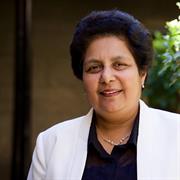
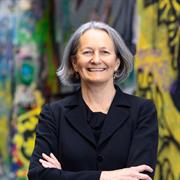
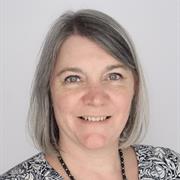
Professor Arnan Mitchell

Professor Arnan Mitchell

Professor

  • Location City Campus Australia
  • Department Research & Innovation
Distinguished Professor Arnan Mitchell is an expert in integrated photonics who works with academics and industry to create technology solutions with real world impact. Professor Arnan Mitchell is Director of RMIT's Micro Nano Research Facility (MNRF) and the Integrated Photonics and Applications Centre (InPAC). Prof Mitchell has built RMIT's capability in photonics (the science of using and manipulating light) over his 20-year career through national and international collaboration. He is Director of the $60M Micro Nano Research Facility (MNRF) including comprehensive infrastructure for photonic chip research and development and has spent much of his career building this capability. He founded and leads the Integrated Photonics and Applications Centre (InPAC) - a team of more than 40 researchers exploring how breakthrough innovations can be translated to real world impact through engagement with industry in Australia and around the world. InPAC includes integrated photonic design, photonic chip fabrication, packaging and interfacing and applications in high-speed internet, photonic sensing systems for defence and photonic biosensors for more rapid disease diagnosis. Prof Mitchell is often the platform technology expert in a highly multi-disciplinary team and has used this approach to achieve major impacts spanning nonlinear physics, precision measurement for navigation and defence applications, record breaking data communications technology and even lab-on-a-chip devices for biomedical research. His publications appear in the highest quality outlets including Nature, Nature Medicine, Nature Communications, PNAS, Optica, Light Science and Applications and Advanced Materials, among many others. Professor Mitchell is a thought leader and photonics pioneer with a mission to building a deep technology manufacturing base in Australia sustaining both academia and industry. Awards: RMIT Vice Chancellors Research Excellence Award (2012) RMIT Research Excellence Team Award (2012) (Microplatforms Group) RMIT Early Career Teaching Award (2005)
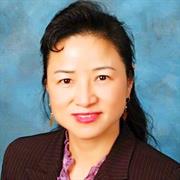
Dist. Professor Magdalena Plebanski

Dist. Professor Magdalena Plebanski

Director, Enabling Impact Platform (Biomedical & Health Innovation)

  • Location Bundoora West Australia
  • Department Research & Innovation Capability
Distinguished Professor Magdalena Plebanski is an internationally recognised immunologist. In recognition of her contributions, she received the Vice-Chancellor’s Award for Research Excellence 2020 and her Cancer Ageing and Vaccines (CAVA) Laboratory the Research Excellence (Team) Award in 2026 as the best research team at RMIT in 2025. Distinguished Professor Magdalena Plebanski is an internationally- renowned leader in immunology and bioengineering research, Head of the Cancer, Ageing, and Vaccines Laboratory at School of Health and Biomedical Sciences. She is also Director of RMIT’s Biomedical and Health Innovation Enabling Impact Platform. In 2025 she launched the Accelerator for Translational Research and Clinical Trials (ATRACT) Centre at RMIT College of STEM, which she leads as Director. Magdalena forged a stellar career in medical and health research. At Oxford University, she showed new ways in which malaria parasites trick the human immune system and pioneered vaccine modifications now widely used around the world. Magdalena globally changed the design of nanoparticle based vaccines, showing smaller sized particles improve immune responses. This, and her related discoveries, led to aropund 60 patents in 12 patent families supporting her setting up and running two successfully commercialized biotechnology companies in various roles as Director, CSO and CEO. Currently, Magdalena interests lie in changing the extremely low survival outcomes from ovarian cancer, by identifying new diagnostic and prognostic biomarkers in the blood. One of her patented biomarkers underpinned a large-scale Phase II human clinical trial across 15 hospitals around Australia. Magdalena and her team are also testing innovative gold-based immunotherapies in collaboration with RMIT chemists, as well as collaborating with RMIT nanoengineers to develop practical point-of-care cancer diagnostic devices. As well as cancer, Magdalena’s team of immunologists, bioinformaticians and geneticists study the impact of ageing on the immune system, and how this changes vaccination responses in the elderly. Her team utilize their expertise in epigenetics, bioinformatics, big data and flow cytometry, as well as access to multiple large scale human clinical trials, to understand the influence of age, sex and mood on the immune response. Magdalena has published more than 260 peer-reviewed full-length papers, including in leading journals such as Lancet, Nature, Science, Immunity, Nature Biotechnology, Nature Medicine and Nature Communications among others, and has secured more than $30 million in funding from national and international grant bodies, as well as charitable and commercial funding. As Director of the Biomedical & Health Innovation Enabling Impact Platform (EIP), Magdalena further mentors and supports researchers across the university whose work aligns with the research priorities of this platform: ‘Ageing population’, ‘Population growth and urbanisation’, ‘Regional and global citizenship’ and ‘4.0’ revolution and personalised medicine’. From organising and hosting international symposia, workshops, conferences, funding opportunities, newsletters, establishing and leading Networks, Magdalena brought together hundreds of researchers from multiple Schools and Colleges to form multidisciplinary research groups, that have led to outcomes and impact on real world problems. Examples of impact include a rapid response to staff and students affected by the COVID-19 pandemic in the Indian subcontinent by providing relevant mental health resources and tools. This has since been adapted to create the STEM College Mental Health Resources Kit for staff and students. Another example includes the establishment of the Mental Health Innovation Network, which has published 5 Concept Papers, three webinars for students’ mental wellbeing and a personalised email initiative to support students falling between the cracks during and post- pandemic. Magdalena sees her mentorship role as pivotal to the success of the BHI EIP evidenced by the project, ‘Pathways to Healthy Ageing’ (PHA) it has funded, which started off with a lecturer taking his students to practice ‘hands on learning’ at aged care facilities, to a holistic program that encompasses a multidisciplinary research team at RMIT, hospitals, industry, local councils, the community and receiving small and large external grants. To learn more about the work the the BHI-EIP are doing, visit Biomedical and Health Innovation at RMIT (https://www.rmit.edu.au/research/our-research/enabling-impact-platforms/biomedical-health-innovation). Industry experience: - Plebanski has around 60 patents in 12 patent families. - Two of her patents for malaria treatments accrued related patents in over 10 countries, leading to multiple Phase I and II human trials before being purchased by Oxford Biomedica. - One of her patents led to development of a biotechnology company Panvax Pty Ltd (joint venture with ARI/ Burnet institute), then Plebanski’s own independent company PX Biosolutions Pty Ltd. This patent was then acquired by the international Charity Reliable Cancer Therapies (Belgium). - Another of her nanoparticle patents was licensed to the Cooperative Research Centre for Asthma and Airways in 2008 before also being acquired by DROIA Ventures. - Her current patent for ovarian cancer prognosis underlies the major human Phase II clinical trial funded by AstraZeneca (SOLACE2). - In 2020, Plebanski led the RMIT and ECHAlliance ‘Australia and Europe – Digital Health Transformation, Agility and Resilience’ international webinar. - Plebanski is the National Spokesperson for the ‘State of the Nation Report on Ovarian Cancer’ (2020). - Plebanski sits on the SAB of diverse large scale charitable institutions. Awards: 2021 and 2026 Distinguished Professor, RMIT University   2022   Distinguished Mexican Award (Global Impact), Mexican Government  2020 Vice-Chancellor’s Award for Research Excellence, RMIT University RMIT SEH Media Star, RMIT University, 2020 2019 NHMRC Senior Research Fellow LvlB including Translational Award 2018 Adjunct Professor, Monash University 2017 Adjunct Professor, University of Tasmania 2014 NHMRC Senior Research Fellow  2000 Howard Hughes International Scholar, Howard Hughes Medical Institute (USA) 1998 Honorary MA and Fellowship of Linacre College, University of Oxford (UK) 1995 Honorary MA and Fellowship of Keble College, University of Oxford (UK) 1988 Overseas PhD Scholarship (dGAPA), University of Mexico 1987 Medal Gabino Barreda, University of Mexico Centres and Collaborations (Internal): - Director of Biomedical & Health Innovation EIP - Director ATRACT Centre, College of STEM - Lead of the ECP Post COVID-19 ReStart Initiative, ‘ A Healthier Start’ - Co-Lead of the ECP Post COVID- ReStart Initiative, ‘A Digital Start’ - SHBS Research Committee - Scientific Advisory Board of the RMIT AcSIR program - Founder and Lead, Mental Health Innovation Network - Champion, Eat, Move, Heal Network - Breakthrough Victoria RMIT Committee
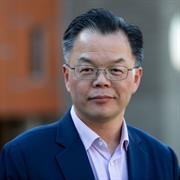
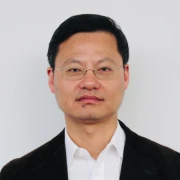
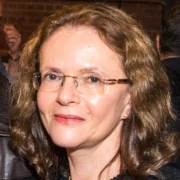
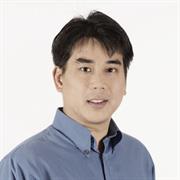
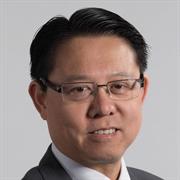


Professor Sujeeva Setunge

Professor Sujeeva Setunge

Associate DVC, R&I

  • Location City Campus Australia
  • Department STEM College
Professor Sujeeva Setunge is a highly productive researcher and a research leader focussed on creating impact through translation of fundamental and applied research. Sujeeva leads the research portfolio of STEM college at RMIT as Associate Deputy Vice Chancellor (ADVC) for Research and Innovation. Prior to this appointment she had been the Deputy Dean (Research) in Engineering (2016-2020), Head of Civil Engineering (2012-2016) and the Head of Environmental Engineering (2009-2011) at RMIT. As the ADVC R&I in STEM college at RMIT Sujeeva has developed a bold research strategy for the college which is the largest in RMIT with around 26,000 students, 1000 academic staff and 18 disciplines across four schools. She is an influential research leader who can engage staff and deliver the outcomes through a collegial and consultative approach. Her strength is in engaging industry in academic research to deliver value and mutual benefits. Research and Innovation and especially developing cross disciplinary research to address large complex problems is one of Sujeeva’s strengths and she has successfully led large multisector, multi-institutional initiatives. A highlight is winning and leading the $21 m ARC Industrial Transformation Research Hub for Transformation of Reclaimed Resources to Engineered Materials and Solutions for a circular Economy (TREMS) awarded in 2020, in partnership with 9 Australian and 4 international academic institutions and 33 industry partners. Industry experience: Sujeeva is a fellow of Engineers Australia and a chartered professional engineer (CPEng). Whilst she has been employed in academia for the past 30 years, she has led over 20 industry-sponsored projects delivering value to multiple sectors. The asset management platform developed by Sujeeva entitled CAMS is currently implemented by more than 30 infrastructure authorities and local councils. Awards: 2018 Vice chancellor’s award for research impact, RMIT University Recognising research in partnership with local councils, developing and deploying the Council Asset Management System (CAMS). CAMS has informed council asset management across Victoria, enhancing community services, reducing costs and more efficiently allocating limited council resources. 2005 National Award for Innovation in Teaching Applied Mechanics Awarded triennially by the National Committee for Applied Mechanics, Engineers Australia Facilities Management Australia, National Excellence Award - Team award for CAMS software with RMIT property services

Professor Tracy Taylor

Professor Tracy Taylor

Associate Deputy Vice Chancellor R&I

  • Location City Campus Australia
  • Department College of Business and Law
Distinguished Professor Taylor is currently the Associate Deputy Vice-Chancellor Research and Innovation in the College of Business and Law. Tracy has held numerous leadership and executive roles over her 30+ year career in higher education. Tracy is an internationally recognised sport management scholar, with 220+ peer reviewed publications, books, book chapters and research project reports. Tracy has been awarded over $3.8m in research grants, and has led numerous national, and international research projects and consultancies in North America, Asia and Europe. Her research interests are connected with the human resource management and leadership aspects of volunteers in sport, women's professional sport, and diversity, equity and inclusion in sport. Professor Taylor leads capacity building, leadership development and team-building programs across a range of industry sectors both domestically and internationally.  She is currently the Chair of the Australian Business Deans Council's Research Network.  
Professor Julian Thomas

Professor Julian Thomas

Director, ARC Centre of Excellence

  • Location City Campus Australia
  • Department School - Media & Communication
Julian Thomas is Director of the ARC Centre of Excellence for Automated Decision-Making and Society (ADM+S), and a Distinguished Professor in the School of Media and Communication at RMIT University. He is also Program Lead for the ARDC/NCRIS-funded Australian Internet Observatory.   Julian has written widely about digital inclusion, automation and other topics relating to the pasts and futures of new communications and computing technologies. His publications include the Sage Handbook of the Digital Economy (Sage, 2023, edited with Terry Flew and Jennifer Holt), Wi-Fi (Polity 2021; with Ellie Rennie and Rowan Wilken), Measuring the Digital Divide: the Australian Digital Inclusion Index (Telstra, 2016-), Internet on the Outstation: The Digital Divide and Remote Aboriginal Communities (INC, 2016), and The Informal Media Economy (Polity, 2015).   At ADM+S he works on the Mapping the Digital Gap project, the Australian Digital Inclusion Index, and other projects relating to the social aspects of AI, emerging digital services and automated media industries, Julian was elected to the Australian Academy of the Humanities in 2017.
Professor Karin Verspoor

Professor Karin Verspoor

Dean, School of Computing Technologies

  • Location City Campus Australia
  • Department STEM College
Professor Karin Verspoor is Dean of the School of Computing Technologies at RMIT University in Melbourne, Australia. Karin's research primarily focuses on the use of artificial intelligence methods to enable biological discovery and clinical decision support, through extraction of information from clinical texts and the biomedical literature and machine learning-based modelling. Karin held previous posts as Director of Health Technologies and Deputy Head of the School of Computing and Information Systems at the University of Melbourne, as the Scientific Director of Health and Life Sciences at NICTA Victoria Research Laboratory, at the University of Colorado School of Medicine, and at Los Alamos National Laboratory. She is also the Victorian Node lead and co-founder of the Australian Alliance for Artificial Intelligence in Health. Industry experience: - Intelligenesis/Webmind Corporation (New York, NY, USA) - Applied Semantics (Los Angeles, CA, USA) - Los Alamos National Laboratory (Los Alamos, NM, USA) - National ICT Australia (Melbourne, VIC, Australia)
Professor Matthew Warren

Professor Matthew Warren

Director, Centre of Cyber Security

  • Location City Campus Australia
  • Department Research & Innovation
Matthew (Matt) Warren is the Director of the RMIT University Centre for Cyber Security Research and Innovation and a Professor of Cyber Security at RMIT University. He has held roles such as Deputy Director of University Research Centre, Head of School, Deputy Head of School, Program Leader for several programs during his tenure at Deakin University. Matt is a researcher in the areas of Cyber Security and Computer Ethics. He has received numerous grants and awards from national and international funding bodies, such as: Australian Research Council (ARC); Engineering Physical Sciences Research Council (EPSRC) in the United Kingdom; National Research Foundation (NRF) in South Africa. Matt has taught in Australia, Finland, Hong Kong and the United Kingdom.
Professor Cuie Wen

Professor Cuie Wen

Professor

  • Location Bundoora East Australia
  • Department School of Engineering
Cuie is a Distinguished Professor of Biomaterials Engineering in the School of Engineering, RMIT University. Cuie joined RMIT University as a Professor of Biomaterials Engineering in 2014. She was Professor of Surface Engineering at Swinburne University of Technology from 2010 to 2014. She worked at Deakin University from 2003 to 2010 as Research Fellow, Senior Researcher and Associate Professor. Cuie is the Editor-in-Chief for Smart Materials in Manufacturing, and an editorial board member for the journals of Acta Biomaterialia, Bioactive Materials, Scientific Reports, Smart Materials in Medicine, Tissue Engineering and Regenerative Medicine; International Journal of Extreme Manufacturing. Industry experience: Cuie collaborates with Professor Minoo Patel, Shoulder & Elbow Surgeon at The Epworth Centre, Richmond, Melbourne. Awards: 2018: Cuie was awarded RMIT Professorial Academy Fellow 2017: Cuie was awarded the Vice Chancellor’s Award for Research Excellence at RMIT 2016: Cuie was awarded RMIT Distinguished Professor
Dist. Professor Charlie C. Xue

Dist. Professor Charlie C. Xue

Associate DVC, International

  • Location City Campus Australia
  • Department STEM College
Distinguished Professor Xue has worked in the higher education sector and the health industry in many countries since 1987. An experienced executive leader with a demonstrated history of successful working in large and complex organisations such as universities, the World Health Organisation and the Australian Health Practitioner Regulatory Agency. Skilled in higher education management, curriculum design, health regulation, cultural inclusion and diversity, intercultural communication, coaching, research design, program evaluation, clinical research and lecturing. Strong healthcare services professional with a Doctor of Philosophy (PhD) focused on Evidence-Based Medicine (RMIT). In 2019, Professor Xue completed the Advanced Management Leadership Programme at the Said Business School (The University of Oxford). Distinguished Professor Charlie C. Xue commenced his current role as Associate Deputy Vice Chancellor (International) in January 2021. From 2011-2021, he successfully led the transformation of the School of Health Sciences (Head of School, 2011-2015) then RMIT Health and Biomedical Sciences (Founding Executive Dean, 2016-2021). His strategic and executive leadership has resulted in significant growth of RMIT’s reputation in health and biomedical education, biomedical and clinical research and strategic industry partnerships.  Professor Xue contributes to the strategic direction setting of the STEM College as a member of the College Executive. He works collaboratively with other members of the College Executive for the planning and development of academic programs, interdisciplinary research and business development/commercial activities. Prof Xue is also Chair of the University’s Cultural Inclusion Working Group which promotes diversity and inclusion in our academic community. Over the last two decades, Prof Xue has contributed to the RMIT University’s Academic Board, Academic Promotion Review Panels and the Athena SWAN Committee to address the gender equality in the academic workforce.  Professor Xue also holds/held the following appointments: -Member, Ahpra Education Provider Reference Group [2021-] -National Chair, Chinese Medicine Board of Australia, an appointment by the Australian Health Workforce Ministerial Council [from 2011- 2021] -Member, World Health Organization (WHO) Expert Advisory Panel for Traditional Medicine (appointed by Director-General of the WHO, Geneva [from 2007-] -Director, WHO Collaborating Centre for Traditional Medicine, RMIT University [from 2005-2022]  Professor Xue is a member of the Royal Society of Victoria and a member of the Australian Institute of Company Diorectors (AICD).  Industry experience: -Associate Deputy Vice-Chancellor (International - STEM College), Full-time Dates Employed: Jan 2021 – Present Location: Melbourne, Victoria, Australia -RMIT Distinguished Professor, Full-time (2nd term resppointed in 2024 - 2028) Dates Employed: Jan 2019 – Present Location: Melbourne, Australia -Chair, RMIT Cultural Inclusion Working Group Dates Employed: Jan 2019 – Present Location: Melbourne, Victoria, Australia -Fellow, RMIT Professorial Academy Dates Employed: Sep 2018 – Present Location: Melbourne, Australia -Founding Executive Dean and Professor, School of Health and Biomedical Sciences Dates Employed: Jan 2016 – Feb 2021 Employment Duration: 5 yrs 2 mos Location: Melbourne, Australia -Professor and Head of School, School of Health Sciences Dates Employed: Feb 2011 – Dec 2015 Employment Duration: 4 yrs 11 mos Location: RMIT University -Lecturer/Senior Lecturer/Associate Professor/Professor and Head, Discipline of Chinese Medicine Dates Employed: Oct 1995 – Jan 2011 Employment Duration: 15 yrs 4 mos Location: Melbourne, Australia   RMIT Research Award for Research Impact - Industry Engagement in Graduate Research (Team Award) Award Date: 2024 Recipients: Charlie C Xue as Team Leader   Citations for Outstanding Contributions to Student Learning Award date: 2013 Recipients: Charlie Xue Vice Chancellor’s Award for Research Excellence Award date: 2011 Recipients: Charlie Xue Ralph McIntosh Medal Award date: 2010 Recipients: Charlie Xue
Professor Jie Yang

Professor Jie Yang

Professor

  • Location Bundoora East Australia
  • Department School of Engineering
Jie Yang is the Distinguished Professor in Engineering in Mechanical and Automotive Engineering Discipline, School of Engineering, RMIT University. Prof Yang teaches and conducts academic research in mechanical engineering and automotive engineering programs. His main research interests include advanced composite structures, nanocomposites, structural stability and dynamics, smart structures and control, and nano/micro-mechanics. He is an author of over 440 papers including 350 international journal papers and over 90 conferences papers. He is the Highly Cited Researcher (Cross Field) in 2019, 2020, 2021, 2022 and 2023 by Clarivate Analytics and named by Australian Research Magazine as the Global Field Leader in Mechanical Engineering in 2020, Australia’s Research Field Leader in Mechanical Engineering in 2019, 2020, 2021, 2022 and 2023, in Structural Engineering in 2021, and in Acoustics & Sound in 2023. Prof Yang is the Lead Editor-in-Chief of Engineering Structures, and Editorial Board Member of Mechanics of Advanced Materials and Structures, Thin-Walled Structures, International Journal of Structural Stability and Dynamics, Scientific Reports, and Materials. Awards: 2024: Best paper award, The First International Conference on Engineering Structures (ICES2024)   2023: Highly Cited Researcher (Cross Field) Australia's Research Field Leader (Mechanical Engineering) Australia's Research Field Leader (Acoustics & Sound) 2022: Highly Cited Researcher (Cross Field) Australia's Research Field Leader (Mechanical Engineering) 2021: Highly Cited Researcher (Cross Field) Australia's Research Field Leader (Mechanical Engineering) Australia's Research Field Leader (Structural Engineering) 2020: Highly Cited Researcher (Cross Field) Australia's Research Field Leader (Mechanical Engineering) Global Field Leader (Mechanical Engineering) 2019: Highly Cited Researcher (Cross Field) Australia's Research Field Leader (Mechanical Engineering) Shanghai Science and Technology Award, Shanghai Municipal Government, China 2017: Best paper award, Advanced Composites Innovation Conference (ACI2017) 2004: Excellent PhD Dissertation Award, Shanghai Municipal Education Committee, China 2002: JSPS Postdoctoral Fellowship, Japan Society for the Promotion of Science
Dist. Professor Irene Yarovsky

Dist. Professor Irene Yarovsky

Professor

  • Location City Campus Australia
  • Department School of Engineering
Irene Yarovsky is Distinguished Professor and Leader of the Materials Modelling and Simulation research group at RMIT University, Melbourne, Australia. She concurrently has a Visiting Professor position at the Department of Materials, Imperial College London, UK. Prof. Yarovsky completed her PhD in 1995 at Monash University, Australia on the topic of theoretical modelling of protein interactions with functional surfaces. She then joined industry (BHP Billiton) where she developed and applied theoretical simulations to design advanced industrial coatings, minerals processing reagents and novel interfacial materials. Following her industry appointment Irene joined RMIT University where from 2000 she has been leading research in theory and simulation of materials with a strong application focus, ranging from industrial to bio-materials and novel nanomaterials. At present, she is particularly interested in studying the interface between biological systems and nanomaterials as they interact in the living organisms, the environment, and novel nano-bio devices for biomedical applications.    Prof. Yarovsky published over 200 papers in leading journals and attracted over $40M of competitive research funding. Distinguished Professor Yarovsky is a Fellow of the Australian Academy of Science and Technology, a Fellow of the Royal Society UK (Chemistry) and a Fellow of the Royal Australian Chemical Institute.
Dist. Professor Leslie Yeo

Dist. Professor Leslie Yeo

Professor

  • Location City Campus Australia
  • Department School of Engineering
Leslie is a scientist and engineer with a passion for the discovery and elucidation of novel physicochemical phenomena, and their translation into practical technology for real world applications. Leslie received his PhD from Imperial College London in 2002, for which he was awarded the Dudley Newitt prize for a computational/theoretical thesis of outstanding merit. Prior to joining RMIT, he was a Mathematical Modeller at Det Norske Veritas UK and a postdoctoral research associate in the Department of Chemical & Biomolecular Engineering at the University of Notre Dame, USA, after which he commenced a faculty position at Monash University. In addition, he has also held the Australian Research Fellowship and Australian Research Council Future Fellowship from 2009 to 2017. Leslie was the recipient of the 2007 Young Tall Poppy Science Award from the Australian Institute for Policy & Science ‘in recognition of the achievements of outstanding young researchers in the sciences including physical, biomedical, applied sciences, engineering and technology’, both the Dean’s and Vice-Chancellor’s awards for excellence in early career research at Monash University, and the Vice-Chancellor’s award for research excellence as well as the university’s award for research innovation at RMIT. His work on microfluidics has been featured widely in the media, for example, on the Australian Broadcasting Corporation’s science television program Catalyst, 3RRR and SBS radio broadcasts, and in various articles in The Economist, New Scientist and The Washington Times, in addition to being highlighted in Nature and Science. Leslie is co-author of the book Electrokinetically Driven Microfluidics & Nanofluidics (Cambridge University Press), and the author of over 250 research publications and 45 patent applications. He is also the Editor-in-Chief of the American Institute of Physics journal Biomicrofluidics, Associate Editor of Frontiers in Bioengineering & Biotechnology, and an editorial board member of Interfacial Phenomena & Heat Transfer, Frontiers in Bioengineering & Biotechnology, Biosensors and Micro. Industry experience Atmospheric Dispersion Modelling (Det Norske Veritas UK) Awards & Honours: 2023: Fellowship of the Institution of Engineering & Technology (FIET) 2021: RMIT University Science, Technology, Engineering & Medicine College Research Impact Award 2019: RMIT University Distinguished Professorship 2018: RMIT University Vice-Chancellor’s Award for Research Excellence 2016: Johnson & Johnson World Without Disease Quickfire Challenge Award 2015: RMIT University Innovation Excellence Award 2009: Monash University Vice-Chancellor’s Award for Excellence in Research by Early Career Researchers 2009: Monash University Faculty of Engineering Early Career Researcher Award 2008: Eureka Prize People’s Choice Award Finalist 2007: Young Tall Poppy Science Award 2007: Fresh Science Award 2002: Dudley Newitt Prize 2000: Society of Chemical Industry Messel Fund Bursary 1999-2001: University of London Knight Studentship in Science & Engineering 1998-2001: Overseas Research Scholarship
Dist. Professor Xinghuo Yu

Dist. Professor Xinghuo Yu

Vice Chancellors Professorial Fellow

  • Location City Campus Australia
  • Department School of Engineering
Distinguished Professor Xinghuo Yu specialises in electrical and electronic engineering, and he is passionate about making an impact through his fundamental and applied research.   He is a Fellow of the Australian Academy of Science, an Honorary Fellow of Engineers Australia, and a Fellow of the IEEE, International Federation of Automatic Control (IFAC), Australian Computer Society (ACS), and Australian Institute of Company Directors (AICD).  He is an Associate Deputy Vice-Chancellor and the Chair of RMIT Professorial Academy. He is a Vice-Chancellor's Professorial Fellow in the School of Engineering. He was the President of IEEE Industrial Electronics Society for 2018 and 2019. He started his academic career in 1989 as a Postdoctoral Fellow with the University of Adelaide, Adelaide, Australia. In 1991, he joined Central Queensland University, Rockhampton, Australia, where, before he left in 2002, he was Professor of Intelligent Systems and Associate Dean (Research) of Faculty of Informatics & Communication. Since 2002, he has been with RMIT University, where he has occupied various academic and managerial positions such as Full Professor, Associate Dean, Executive Director of Reesarch Institute, and Associate Deputy Vice-Chancellor. He has published extensively in Control Systems, Intelligent and Complex Systems, and Power and Energy Systems. He was named a Highly Cited Researcher in Engineering by Clarivate annually annually from 2015 to 2024.  Awards: 2018: Australasian Artificial Intelligence Distinguished Research Contribution Award, Australian Computer Society 2018: M A Sargent Medal, Engineers Australia 2013: IEEE Industrial Electronics Society Dr.-Ing. Eugene Mittelmann Achievement Award
aboriginal flag float-starttorres strait flag float-start

Acknowledgement of Country

RMIT University acknowledges the people of the Woi wurrung and Boon wurrung language groups of the eastern Kulin Nation on whose unceded lands we conduct the business of the University. RMIT University respectfully acknowledges their Ancestors and Elders, past and present. RMIT also acknowledges the Traditional Custodians and their Ancestors of the lands and waters across Australia where we conduct our business - Artwork 'Sentient' by Hollie Johnson, Gunaikurnai and Monero Ngarigo.

Learn more about our commitment to Aboriginal and Torres Strait Islander peoples