
These materials help mentors build confidence, structure feedback and create supportive learning environments for PSTs. Start with the Withholding Judgement Protocol, a simple yet powerful approach to reflective, non-evaluative classroom observation.
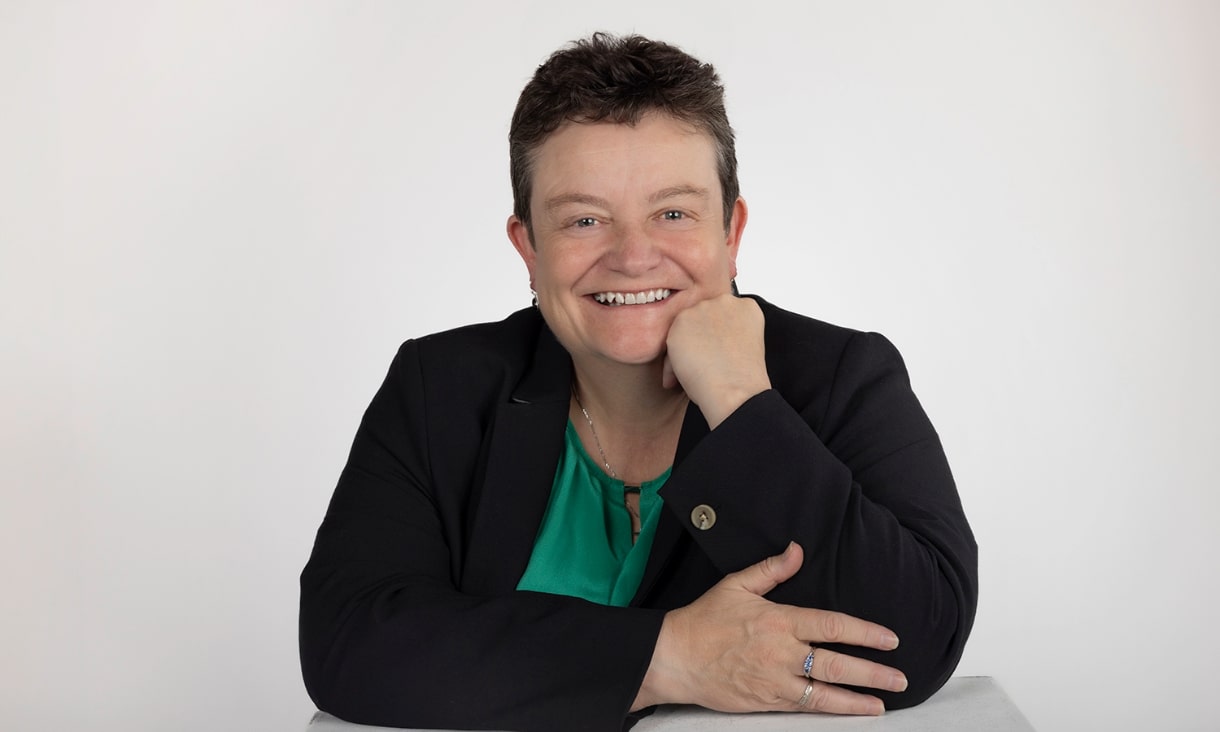
Associate Professor Melanie Nash from RMIT University explains the non-judgmental observation protocol, an approach to classroom observation that removes evaluative language to create a safe, trust-based environment for professional learning.
Traditional classroom talk often includes judgments such as “That was good” or “You should have…”, which can trigger defensiveness, limit reflection, and shut down dialogue. In contrast, non-judgmental observation focuses on learning to see clearly, describing what students and teachers are doing without interpretation or evaluation. This uses precise, low-inference language that simply reports observable actions.
The protocol supports preservice teachers (PSTs) and mentors by encouraging reflection rather than justification. Because the observer shares only what was seen or heard, both parties can explore patterns collaboratively, strengthening relational safety and promoting genuine instructional improvement.
Accompanying the video is a form designed for use during classroom observations. This form provides prompts to help mentors focus on descriptive notes and reflective questions, offering a tangible structure for documenting observations and facilitating conversations after lessons. By using the form, mentor teachers and pre-service teachers can build habits of inquiry-based feedback, making each observation a learning opportunity rather than a high-stakes evaluation.
Together, the video and form provide a clear framework for mentors to encourage growth, confidence, and professional development in pre-service teachers – making the mentoring experience both positive and impactful.
Hear from Seymour College leaders and mentors as they share practical strategies for effective mentoring, supporting preservice teachers, and strengthening placement experiences.
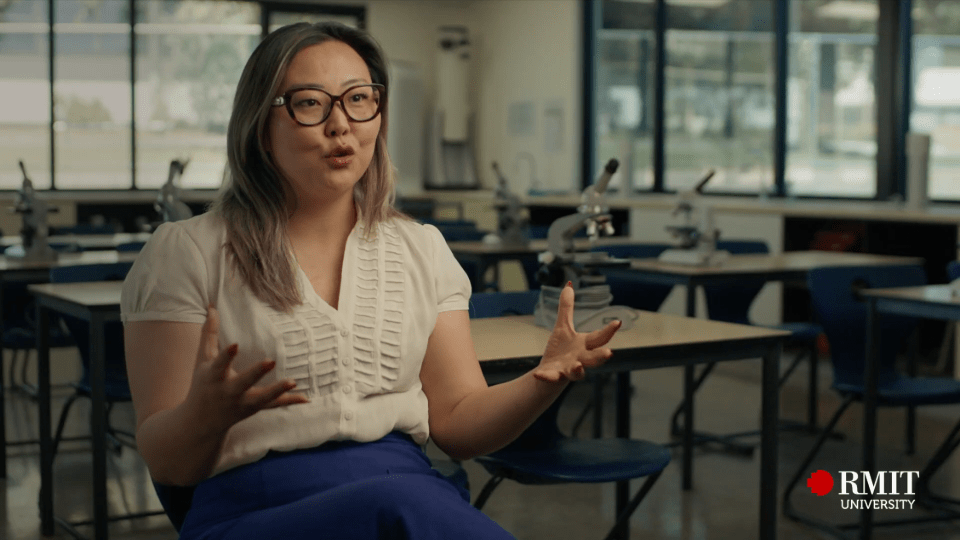
Effective mentoring at Seymour College places the pre-service teacher at the centre, supporting their developing professional identity. Experienced mentors coach, guide and empower PSTs through collaboration, classroom observation and reflective feedback. This approach builds confidence, strengthens skills, and fosters a supportive culture for both mentors and emerging teachers across the school community.
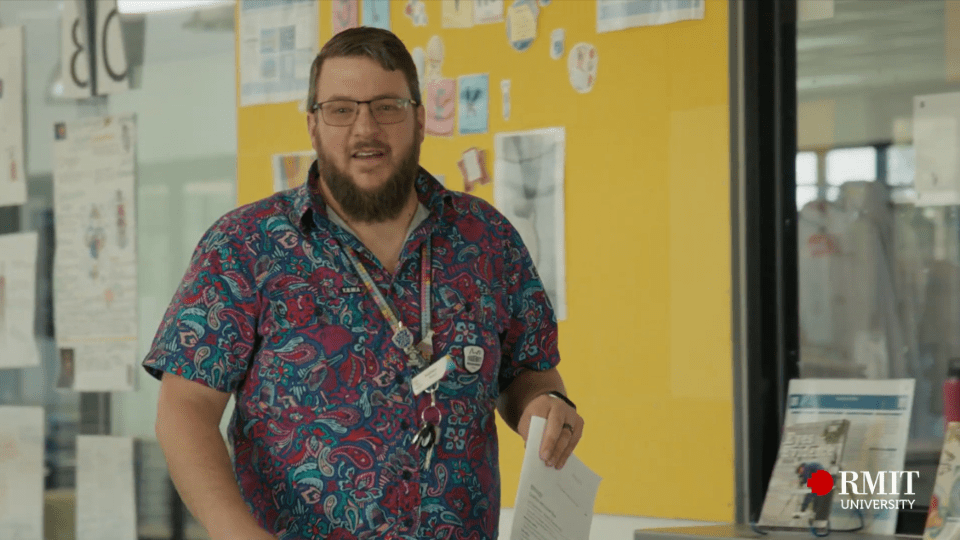
Seymour College leaders outline key strategies for working with mentor teachers, including regular meetings to understand each preservice teacher’s needs and tailor support. When behaviour strategies aren’t working, mentors and staff collaboratively reassess and refine their approach. The school emphasises feedback, continuous improvement and targeted skill development in areas like behaviour management, creating a structured and supportive environment for both mentors and PSTs.
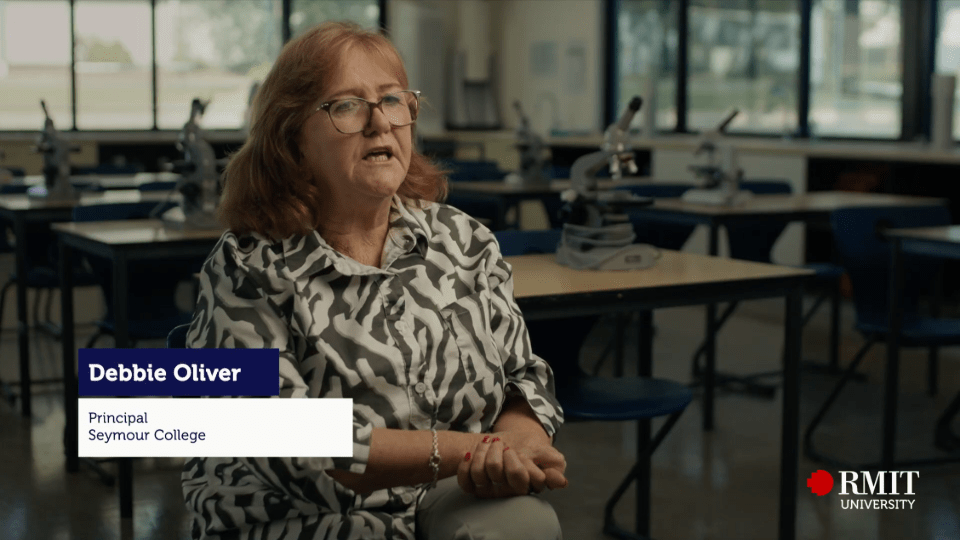
Seymour College takes a proactive, personalised approach to supporting preservice teachers. PSTs are introduced to mentors before placement, provided with resources, and offered opportunities such as cultural tours to deepen understanding of the local context. The school uses the Berry Street trauma-informed model and evidence-based feedback strategies to help PSTs build confidence in areas like behaviour and classroom management. Ongoing surveys at the end of each placement guide improvements in mentoring and school support.


RMIT University acknowledges the people of the Woi wurrung and Boon wurrung language groups of the eastern Kulin Nation on whose unceded lands we conduct the business of the University. RMIT University respectfully acknowledges their Ancestors and Elders, past and present. RMIT also acknowledges the Traditional Custodians and their Ancestors of the lands and waters across Australia where we conduct our business - Artwork 'Sentient' by Hollie Johnson, Gunaikurnai and Monero Ngarigo.
Learn more about our commitment to Aboriginal and Torres Strait Islander peoples
