Social Equity Research Centre
Launched in 2023, the Social Equity Research Centre provides a platform for a multidisciplinary community of practice across a range of thematic areas related to delivering transformational research for social justice and equity. Working in partnership we generate excellent innovative research that drives policy and practice transformation.
To see how these values come to life, explore Stories of Change — our impact booklet highlighting transformative projects that reflect our commitment to equity and inclusion. It showcases how our research translates into action, shaping policy, practice, and more equitable futures.
We are committed to and aligned with six UN Sustainable Development Goals: good health and well-being; quality education; gender equity; reduced inequalities; sustainable cities and communities; and peace, justice and strong institutions.

New analysis of 5.5 million buildings shows 84% fall short of tree canopy levels required for meaningful cooling.
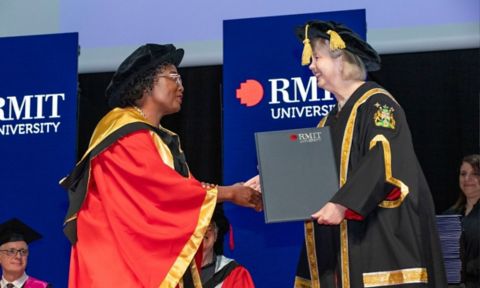
RMIT University has recognised widely respected community leader and mental health clinician Selba-Gondoza Luka OAM with an honorary doctorate.
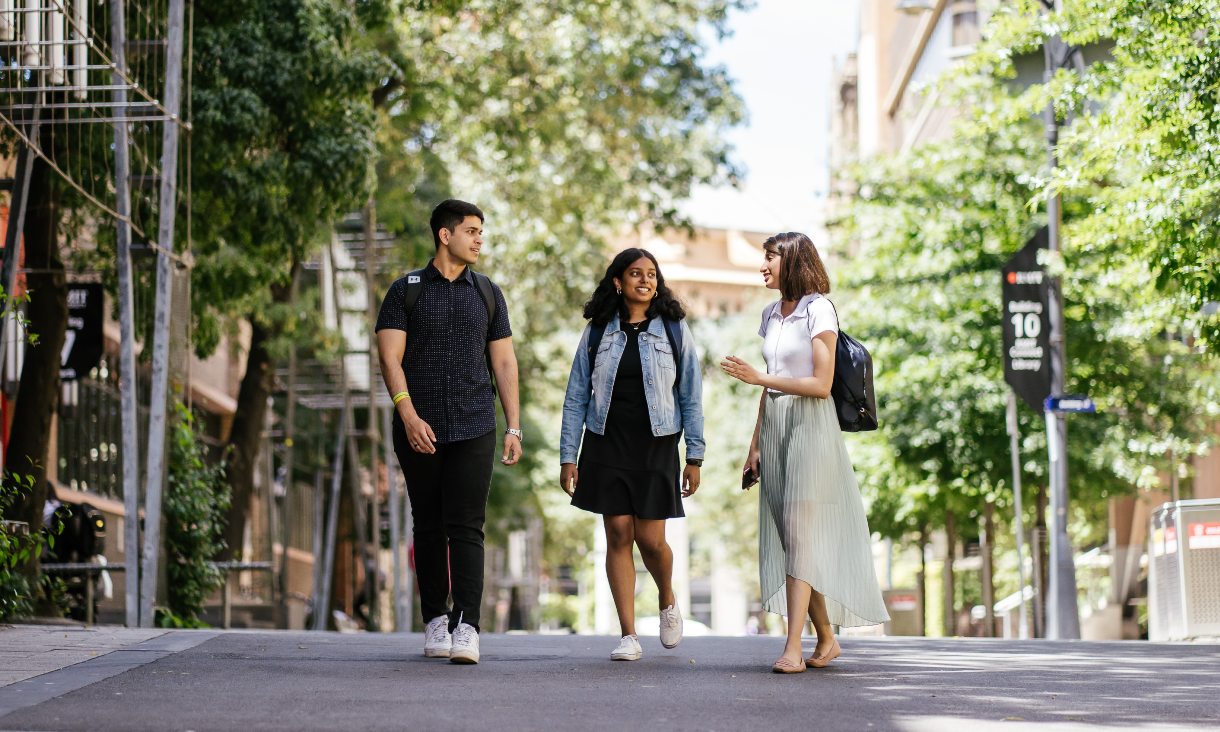
The first stage of Melbourne’s Suburban Rail Loop, SRL East, is expected to get more young and working-age Melburnians out of their cars and walking, according to RMIT University modelling that predicts walking in suburbs around future stations could increase by up to 11%.
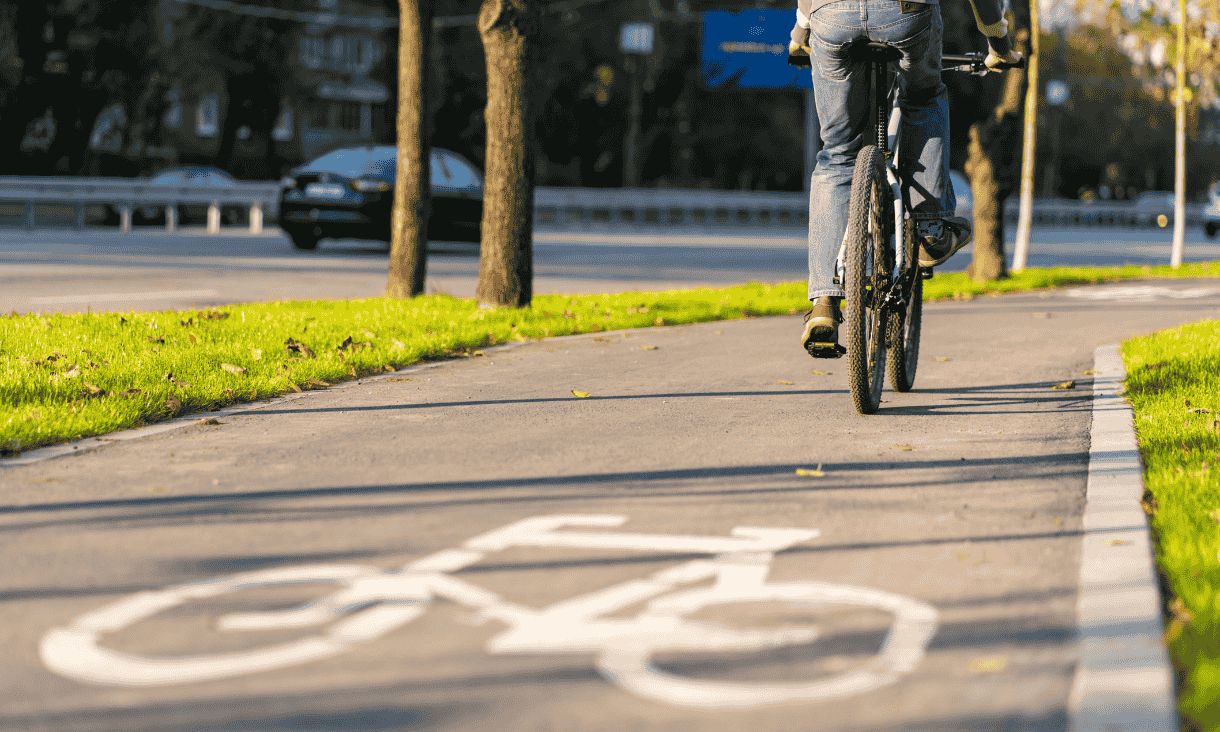
Reducing residential speed limits from 50 kilometres per hour to 30kph would significantly boost bicycle riding safety without majorly affecting car trip times, a study has found.
The Social Equity Research Centre is home to over 80 HDR students bringing fresh approaches and perspectives to resolving today's global challenges.
Conducting their research locally and internationally, PhD candidates at the Centre collaborate with our industry partners to develop research that is informed by real-world knowledge and experience.
SERC is focused on mentoring and building the capacity of HDR students to take the next step their careers and address significant social justice issues.
The Social Equity Research Centre acknowledges the people of the Woi wurrung and Boon wurrung language groups of the Eastern Kulin Nation as the Traditional Owners of the lands on which we conduct our transformative research, teaching and other business. We pay deep respect to Ancestors and Elders, past and present, and honour the enduring connection that Traditional Custodians have to Country, including land, air and waterways. We stand in solidarity with First Nations peoples, whose sovereignty has never been ceded.
The Social Equity Research Centre is committed to upholding the knowledge and perspectives of First Nations people and communities with whom we collaborate. Through our research relationships, we seek to transform our partners and ourselves, guided by principles of reflection, reciprocity, and reconciliation. We aspire to co-create knowledge in ways that honour Indigenous people and Country.
Address: 360 Swanston Street, Melbourne, VIC - 3000
Location: Melbourne City campus
Hours:
Monday to Friday: 9.00am–5.00pm
Social Equity Research Centre
School of Global, Urban and Social Studies
GPO Box 2476
Melbourne, Victoria - 3001
Current Student enquiries: RMIT Connect Portal
Academic Services (academic staff support): serc@rmit.edu.au
Centre: serc@rmit.edu.au
Stay up to date with the Social Equity Research Centre's latest news, events & publications on LinkedIn
or sign up to our newsletter.


RMIT University acknowledges the people of the Woi wurrung and Boon wurrung language groups of the eastern Kulin Nation on whose unceded lands we conduct the business of the University. RMIT University respectfully acknowledges their Ancestors and Elders, past and present. RMIT also acknowledges the Traditional Custodians and their Ancestors of the lands and waters across Australia where we conduct our business - Artwork 'Sentient' by Hollie Johnson, Gunaikurnai and Monero Ngarigo.
Learn more about our commitment to Aboriginal and Torres Strait Islander peoples