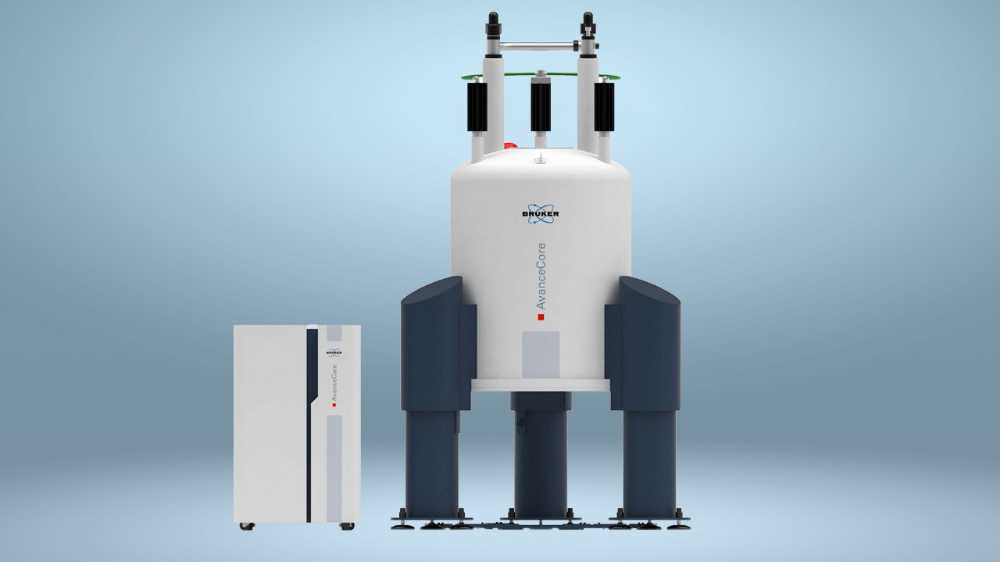
An instrument used to provide information on the structural and dynamic characteristics of materials at a molecular level.
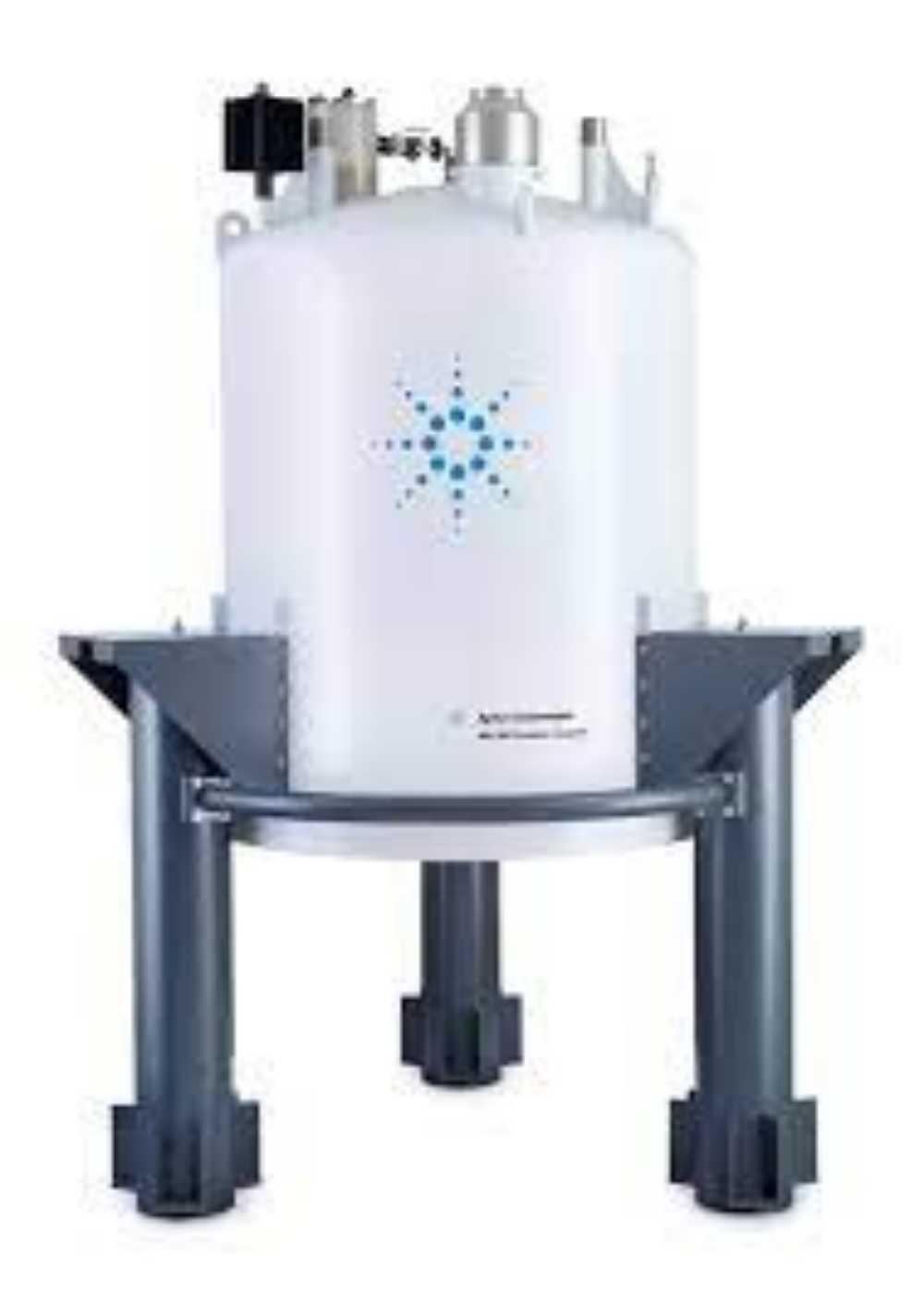
An instrument used to provide information on the structural and dynamic characteristics of materials at a molecular level. This specific instrument runs experiments for samples including natural products, chemical structure determination, polymers and proteins in the solution-state. The instrument also runs experiments for samples in the solid-state, more aligned with environmental science (soil), and chemical engineering disciplines (geopolymers, zeolytes)
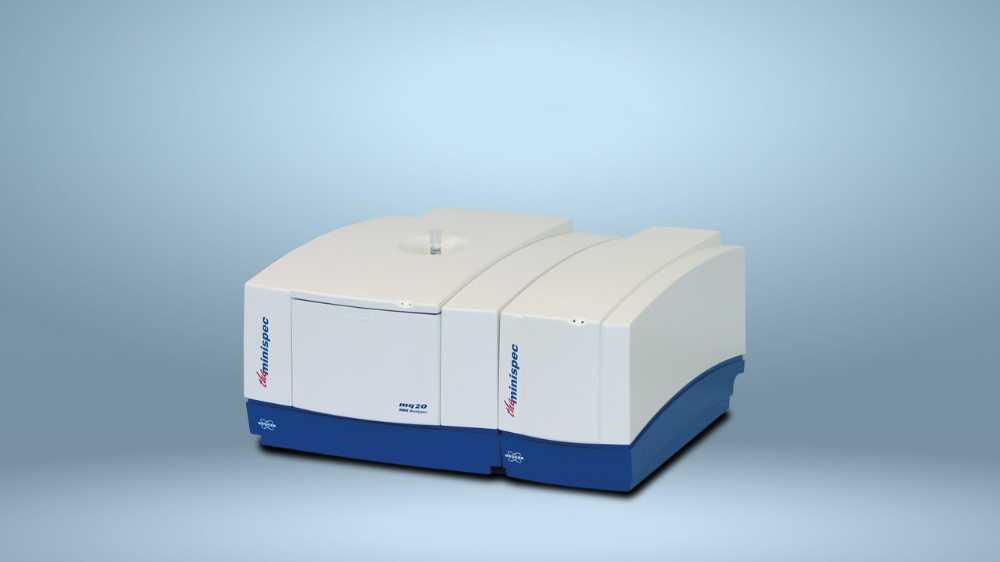
A benchtop NMR spectrometer to provide information on the T1 (longtitudinal) and T2 (transverse) relaxation times of hydrogen nuclei ( in solution, solid and semi-solid samples. Particularly useful in Food Chemistry disciplies where the distribution of water, fats and sugars in food samples can be identified
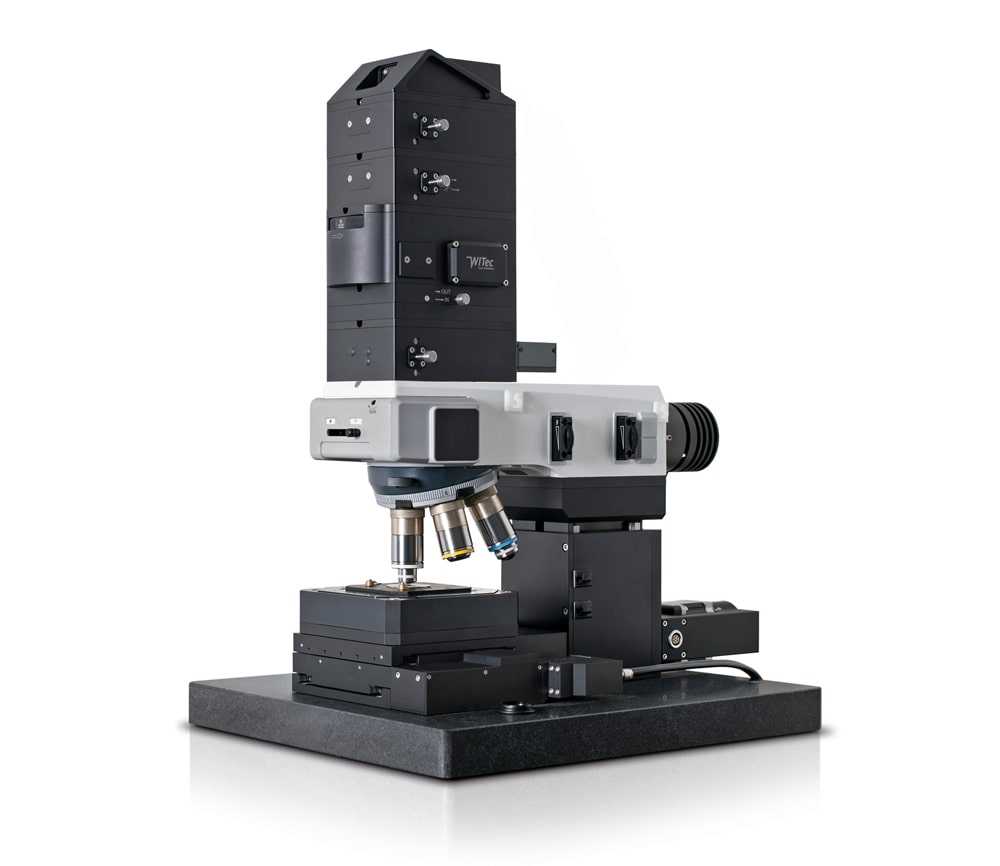
Raman spectroscopy is a spectroscopic technique typically used to determine vibrational modes of molecules, although rotational and other low-frequency modes of systems may also be observed. Raman spectroscopy is commonly used in chemistry to provide a structural fingerprint by which molecules can be identified. Raman Microscope is optimal for high throughput solid sample and for sensitive sample mapping, for both chemical and biological samples. Currently installed with lasers at wavelengths of 532nm and 785nm.
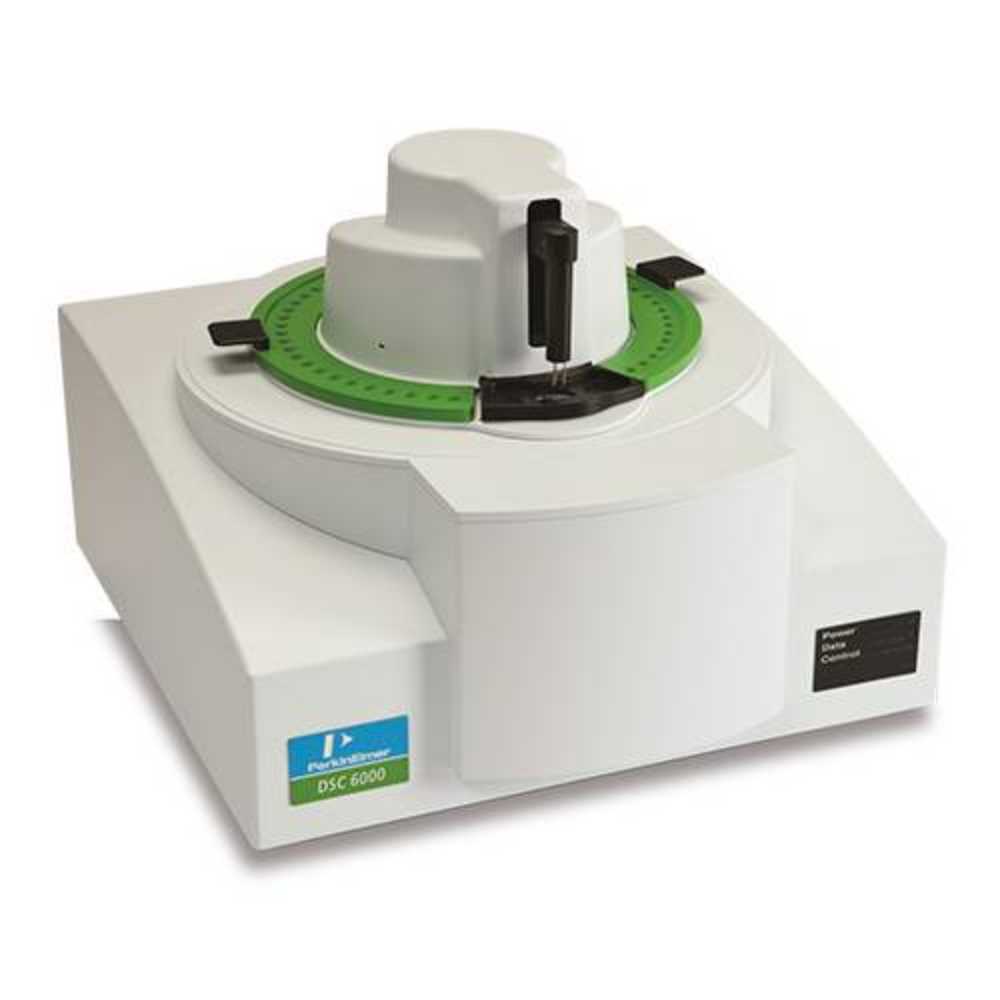
Differential scanning calorimetry is a thermoanalytical technique in which the difference in the amount of heat required to increase the temperature of a sample and reference is measured as a function of temperature.
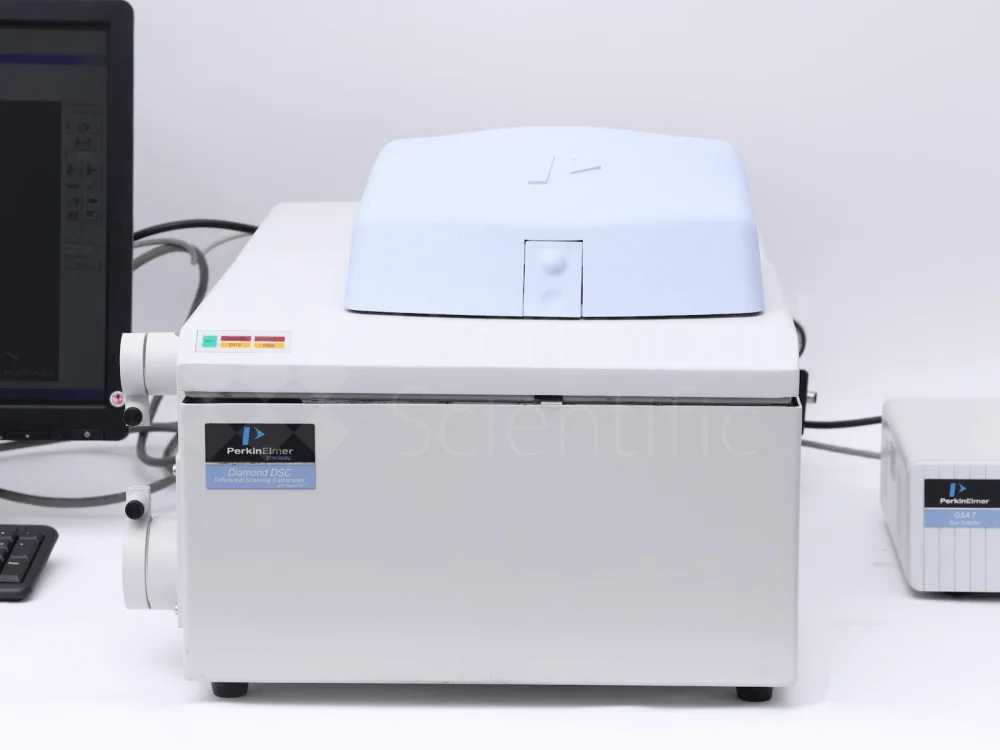
Differential scanning calorimetry is a thermoanalytical technique in which the difference in the amount of heat required to increase the temperature of a sample and reference is measured as a function of temperature.
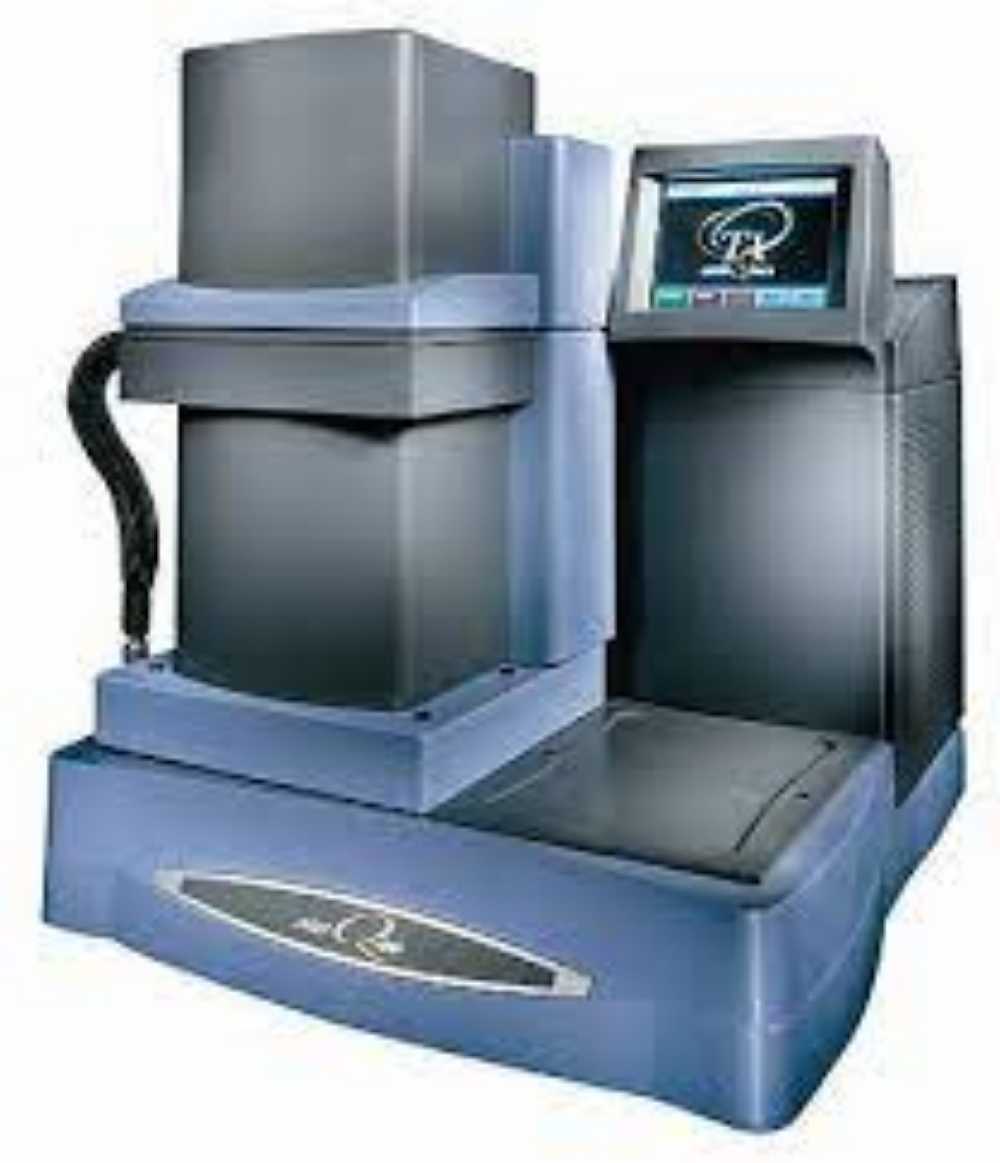
Dynamic Mechanical Analysis (DMA) is a technique that is widely used to characterize a material's properties as a function of temperature, time, frequency, stress, atmosphere or a combination of these parameters.
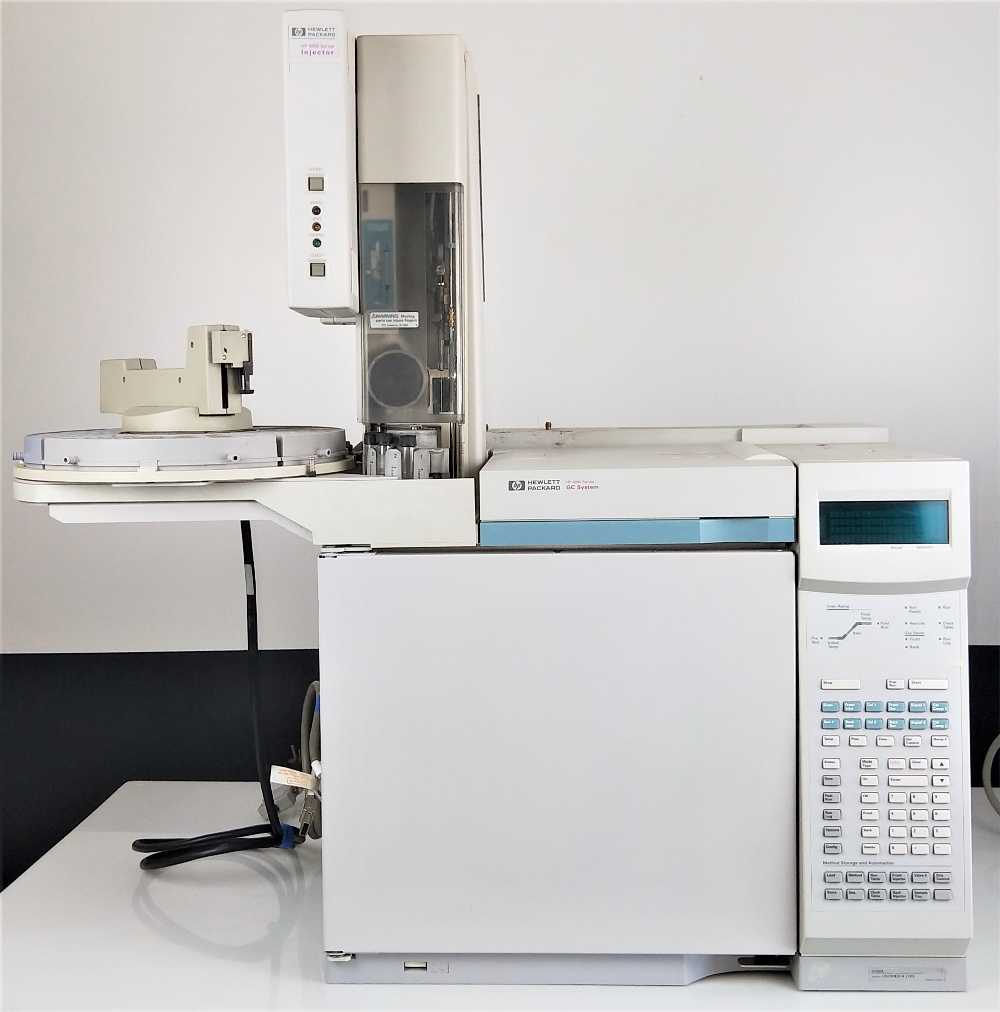
Raman spectroscopy is a spectroscopic technique typically used to determine vibrational modes of molecules, although rotational and other low-frequency modes of systems may also be observed. Raman spectroscopy is commonly used in chemistry to provide a structural fingerprint by which molecules can be identified. Raman Microscope is optimal for high throughput solid sample and for sensitive sample mapping, for both chemical and biological samples. Currently installed with lasers at wavelengths of 532nm and 785nm.
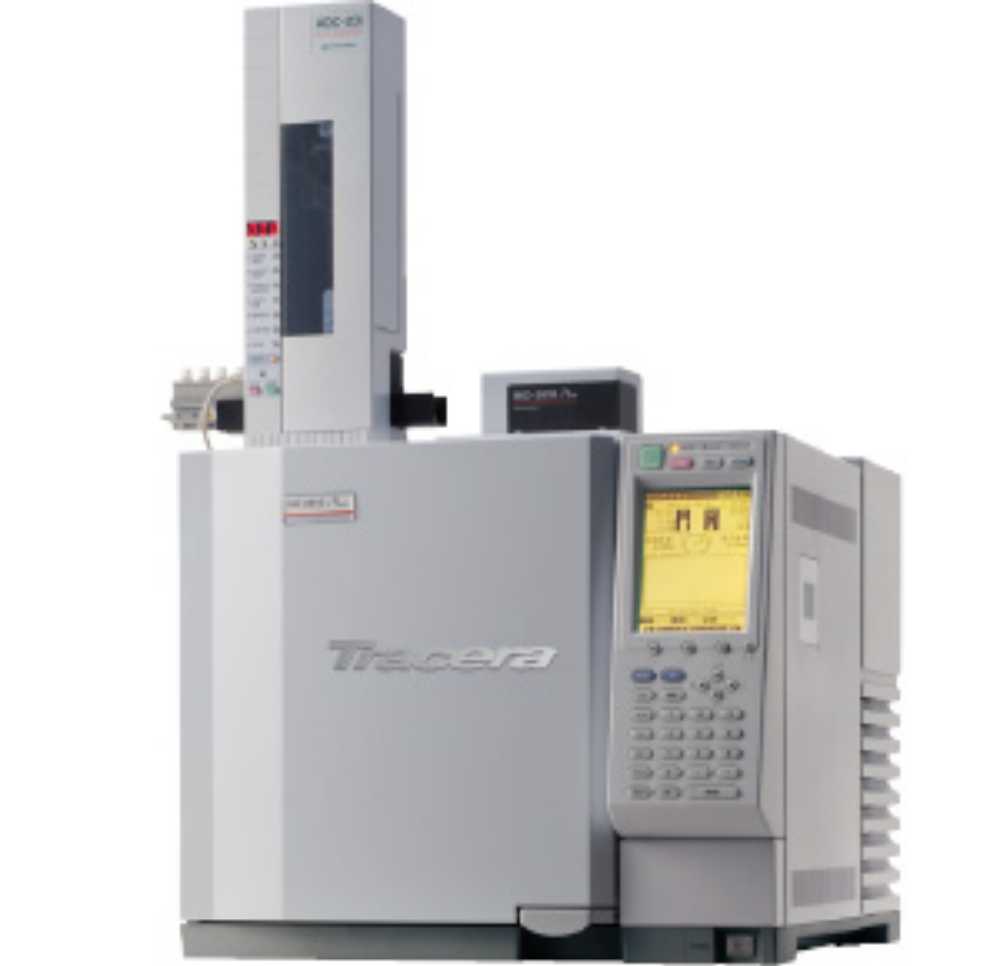
Gas chromatography (GC) is an analytical technique used to separate and detect the chemical components of a sample mixture to determine their presence or absence and/or quantities. GC E is set-up for use predominantly with undergraduate practicals to provide training into basic GC techniques and applications. Outside of undergraduate practicals, instrument is used as a workhorse instrument, catering to a greater number of samples requiring manual injections.
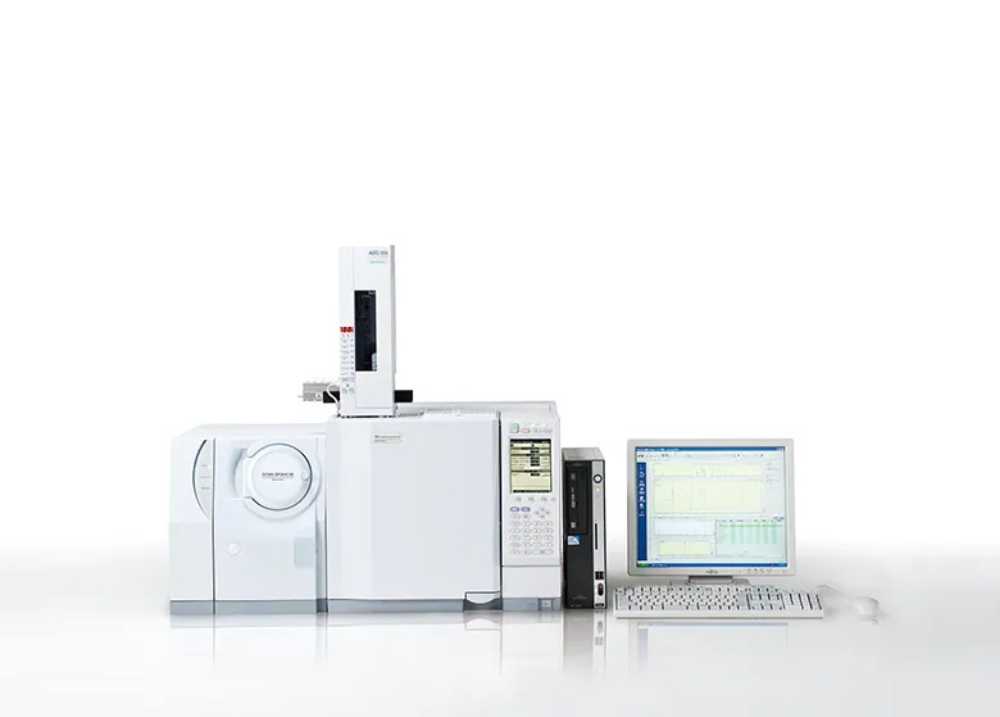
Gas chromatography (GC) is an analytical technique used to separate and detect the chemical components of a sample mixture to determine their presence or absence and/or quantities. Instrument is set-up for undergraduate practicals to provide basic training into basic Mass Spectroscopy techniques and applications. Outside of undergraduate practicals, instrument is used as a workhorse instrument for the analysis of environmental samples and catalysis products.
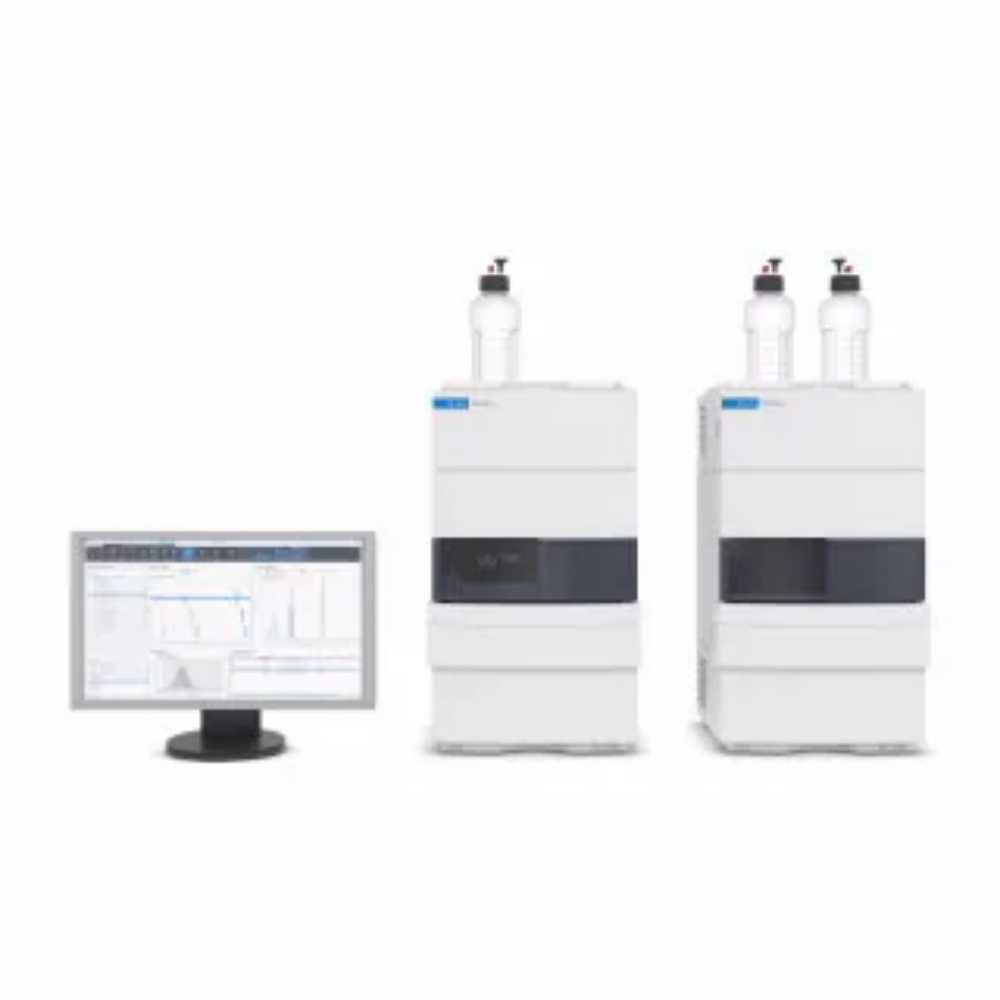
High-performance liquid chromatography (HPLC) is a broad analytical chemistry technique used to separate compounds in a chemical mixture. These separations utilize the pressure-driven flow of a mobile phase through a column packed with a stationary phase.
Raman spectroscopy is a spectroscopic technique typically used to determine vibrational modes of molecules, although rotational and other low-frequency modes of systems may also be observed. Raman spectroscopy is commonly used in chemistry to provide a structural fingerprint by which molecules can be identified. Raman Microscope is optimal for high throughput solid sample and for sensitive sample mapping, for both chemical and biological samples. Currently installed with lasers at wavelengths of 532nm and 785nm.
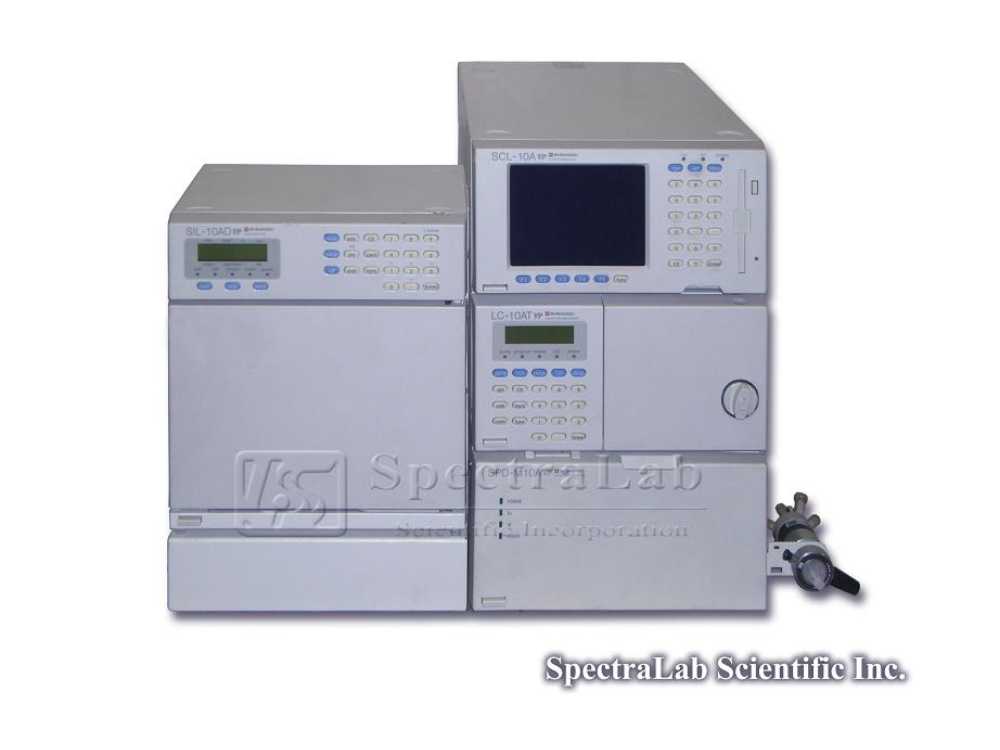
High-performance liquid chromatography (HPLC) is a broad analytical chemistry technique used to separate compounds in a chemical mixture. These separations utilize the pressure-driven flow of a mobile phase through a column packed with a stationary phase. Instrument is set-up for undergraduate practicals, providing training into basic HPLC techniques and applications. As an older instrument, multiple aspects still require manual actions to run, allowing for significant hands on training that cannot be achieved with instruments with autosamplers.
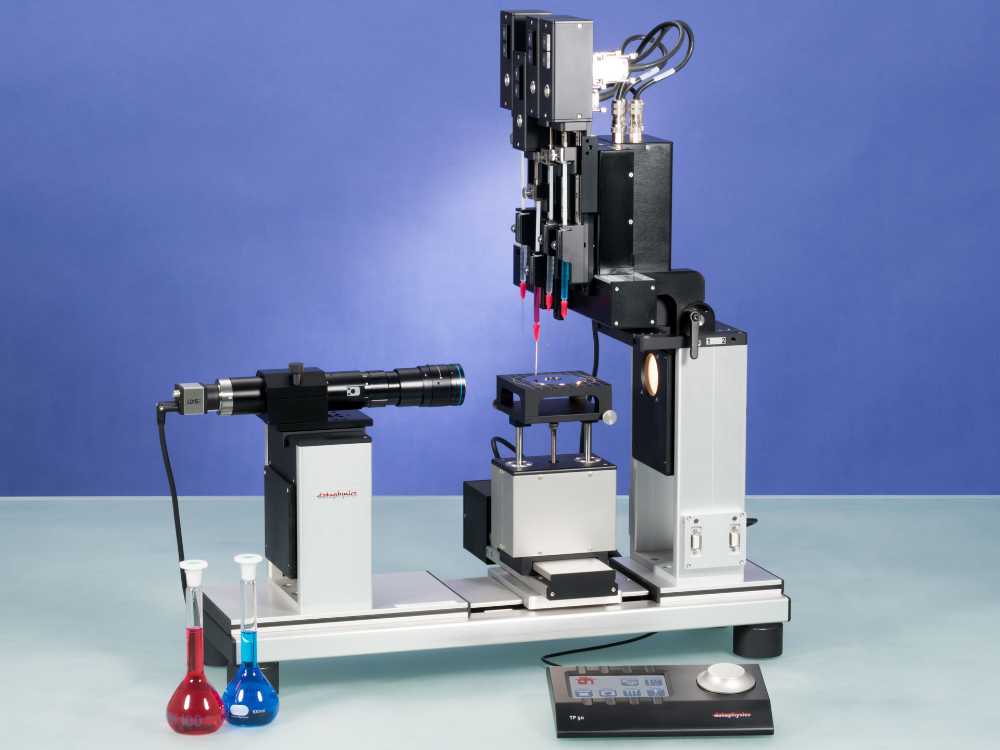
Optical Contact Angle Measuring analysis system allow direct measurements of contact angles and surface energy.
Prepartive HPLC is used to separate and collect high-purity compounds and in some cases, large quantities of compounds required for subsequent evaluation, analysis, and processing in the shortest possible time.
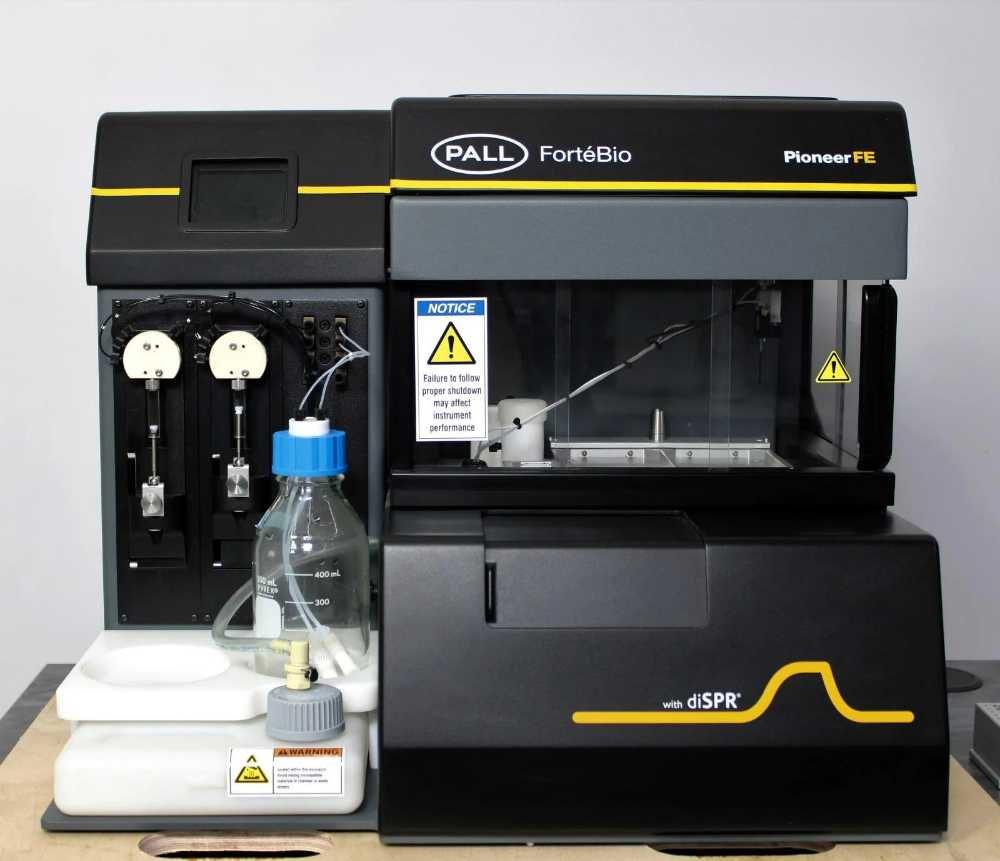
Surface Plasmon Resonance (SPR) is an optical technique used to measure molecular interactions in real time. SPR can occur when plane-polarized light hits a metal film under total internal reflection conditions. SPR signal is directly dependent on the refractive index of the medium on the sensor chip. The binding of biomolecules results in changes in the refractive index on the sensor surface.
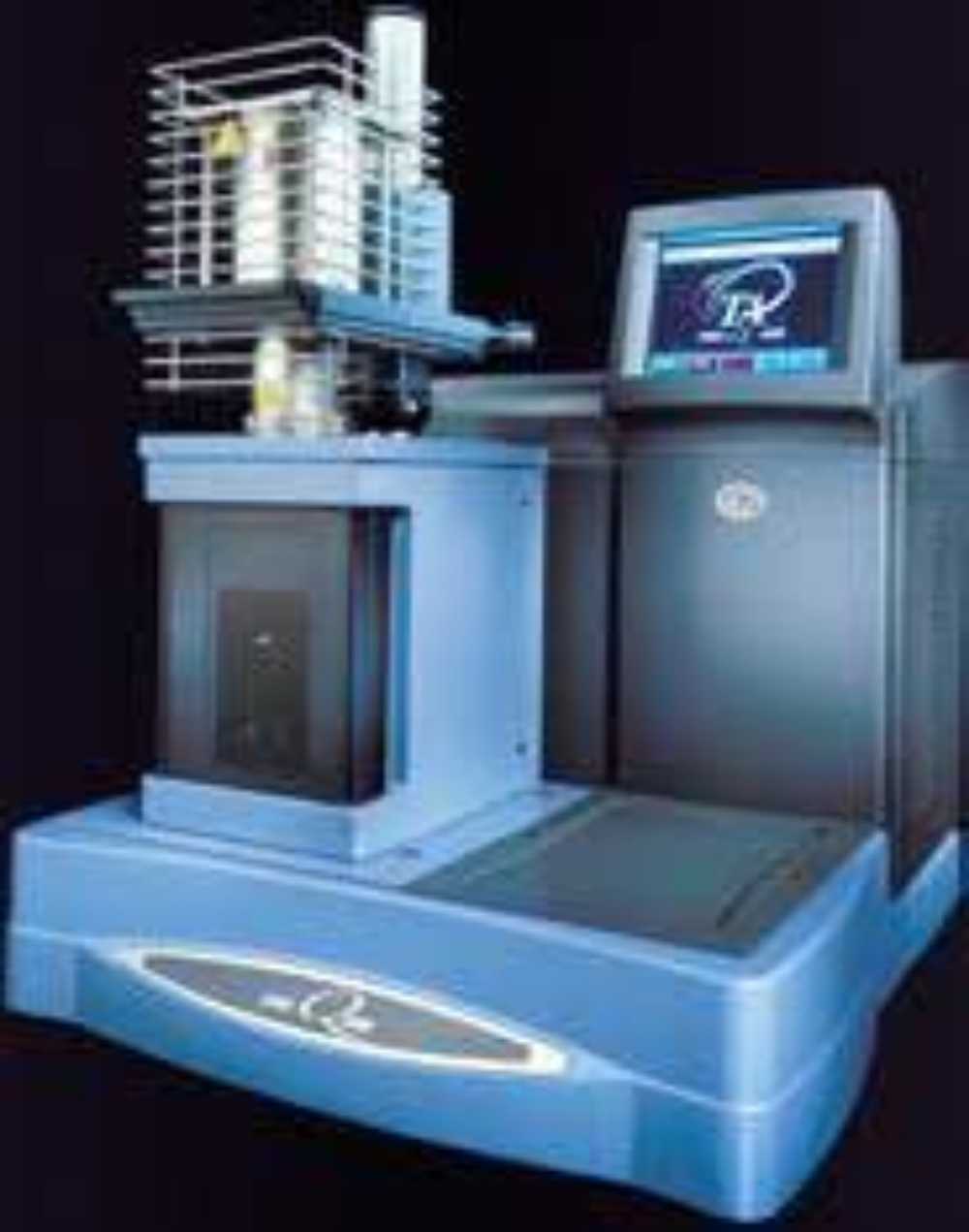
A thermomechanical analyzer measures sample dimensional changes under conditions of controlled temperature, time, force, and atmosphere.
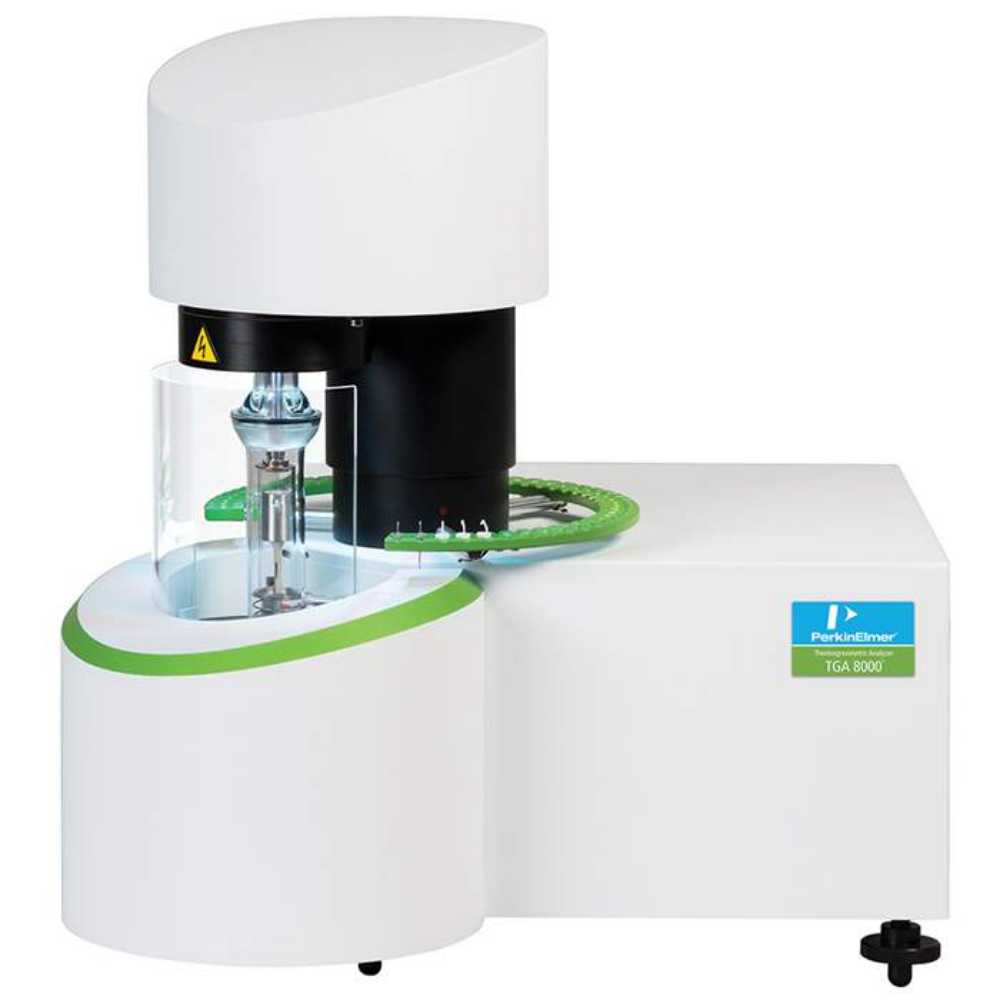
Thermogravimetric Analysis is a technique in which the mass of a substance is monitored as a function of temperature or time as the sample specimen is subjected to a controlled temperature program in a controlled atmosphere.
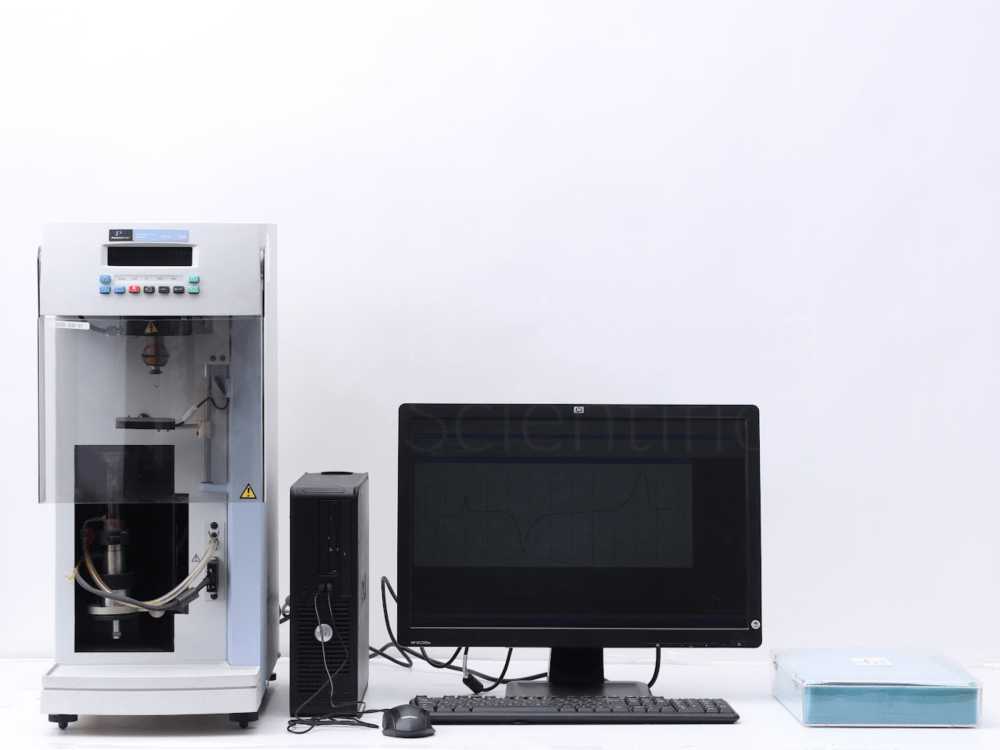
Thermogravimetric Analysis is a technique in which the mass of a substance is monitored as a function of temperature or time as the sample specimen is subjected to a controlled temperature program in a controlled atmosphere
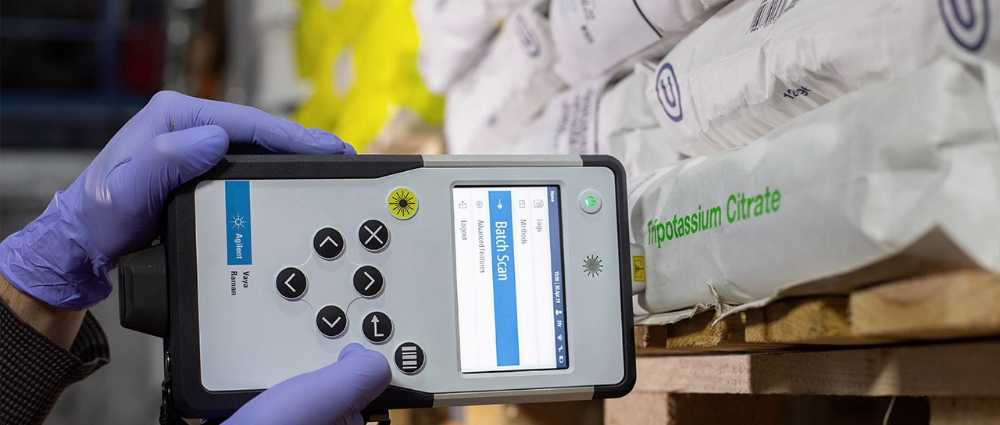
Spatially offset Raman spectroscopy (SORS) is a variant of Raman spectroscopy that allows highly accurate chemical analysis of objects beneath obscuring surfaces, such as tissue, coatings and bottles. Examples of uses include analysis of: bone beneath skin, tablets inside plastic bottles and counterfeit tablets inside blister packs. Instrument has been modified for use at RMIT allowing portable use in field.
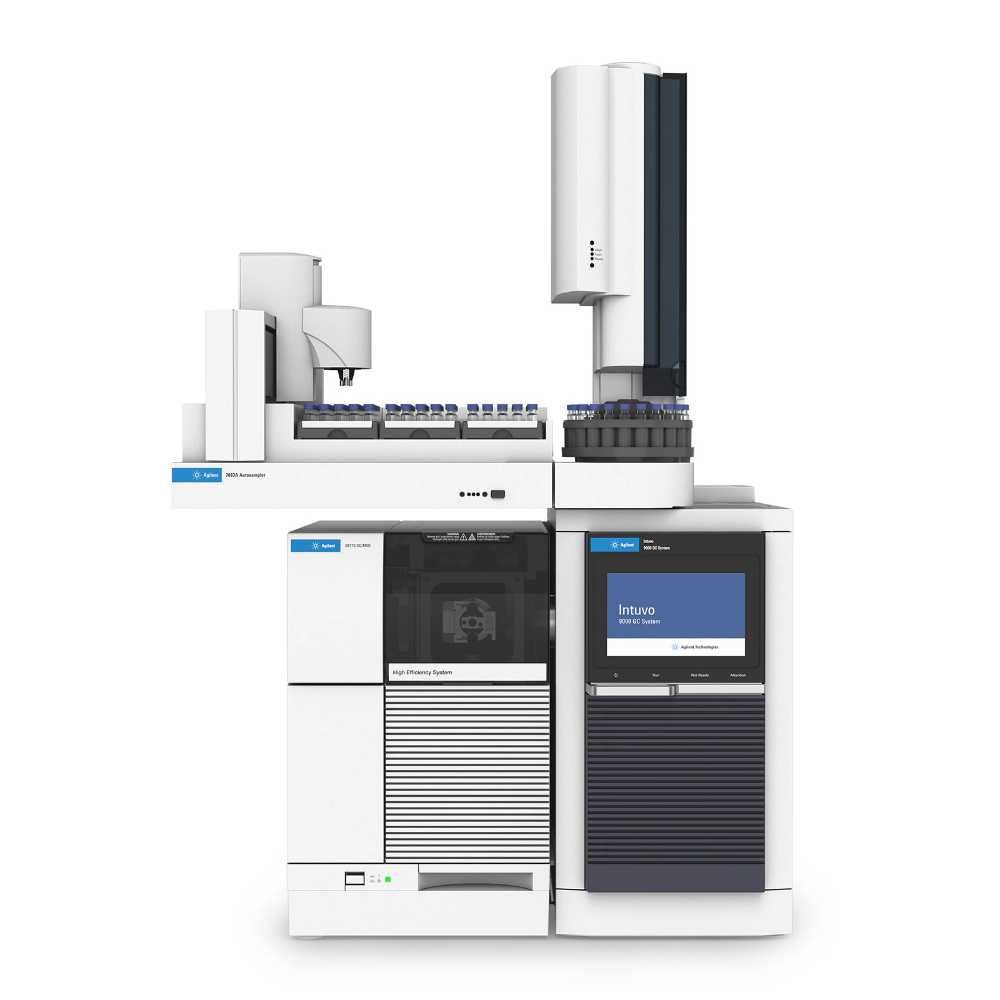
Liquid chromatography–mass spectrometry (LC–MS) is an analytical chemistry technique that combines the physical separation capabilities of liquid chromatography (or HPLC) with the mass analysis capabilities of mass spectrometry (MS). Coupled chromatography - MS systems are popular in chemical analysis because the individual capabilities of each technique are enhanced synergistically. While liquid chromatography separates mixtures with multiple components, mass spectrometry provides spectral information that may help to identify (or confirm the suspected identity of) each separated component. MS is not only sensitive, but provides selective detection, relieving the need for complete chromatographic separation. LC–MS is also appropriate for metabolomics because of its good coverage of a wide range of chemicals. This tandem technique can be used to analyze biochemical, organic, and inorganic compounds commonly found in complex samples of environmental and biological origin.
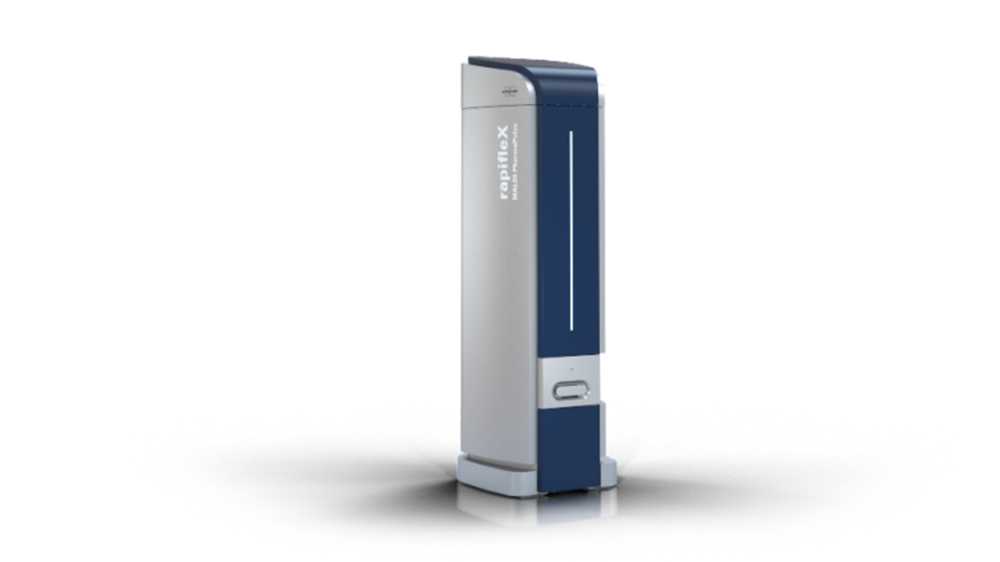
Matrix-assisted laser desorption/ionization (MALDI) is an ionization technique that uses a laser energy-absorbing matrix to create ions from large molecules with minimal fragmentation. It has been applied to the analysis of biomolecules (biopolymers such as DNA, proteins, peptides and carbohydrates) and various organic molecules (such as polymers, dendrimers and other macromolecules), which tend to be fragile and fragment when ionized by more conventional ionization methods. Current samples analysed range from 450-100000 Da. With various target plate types avaialble for differing experiments along with MS imaging.
Hyphenated TG-IR-GC/MS is a powerful approach for analysis of an unknown mixture to determine its primary components and identify additives or contaminants. This technique is evolved gas analysis and with the availability of a wide range of vapour phase IR libraries and the NIST MS libraries is a vital tool for characterisation and analysis of a large variety of sample types. Instruments can be used individually or a sum of all, additionally the IR instrument within this system can be used for NIR analysis by changing attachment.
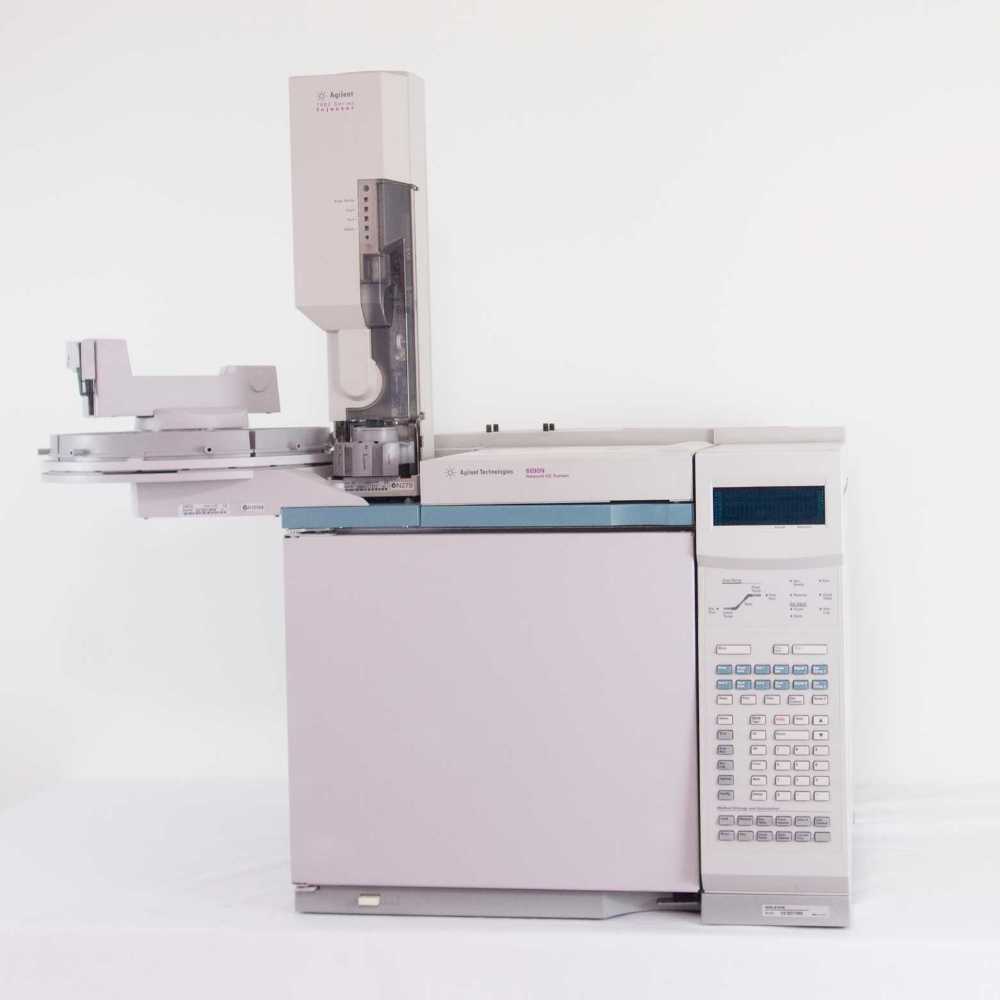
Raman spectroscopy is a spectroscopic technique typically used to determine vibrational modes of molecules, although rotational and other low-frequency modes of systems may also be observed. Raman spectroscopy is commonly used in chemistry to provide a structural fingerprint by which molecules can be identified. Raman Microscope is optimal for high throughput solid sample and for sensitive sample mapping, for both chemical and biological samples. Currently installed with lasers at wavelengths of 532nm and 785nm.
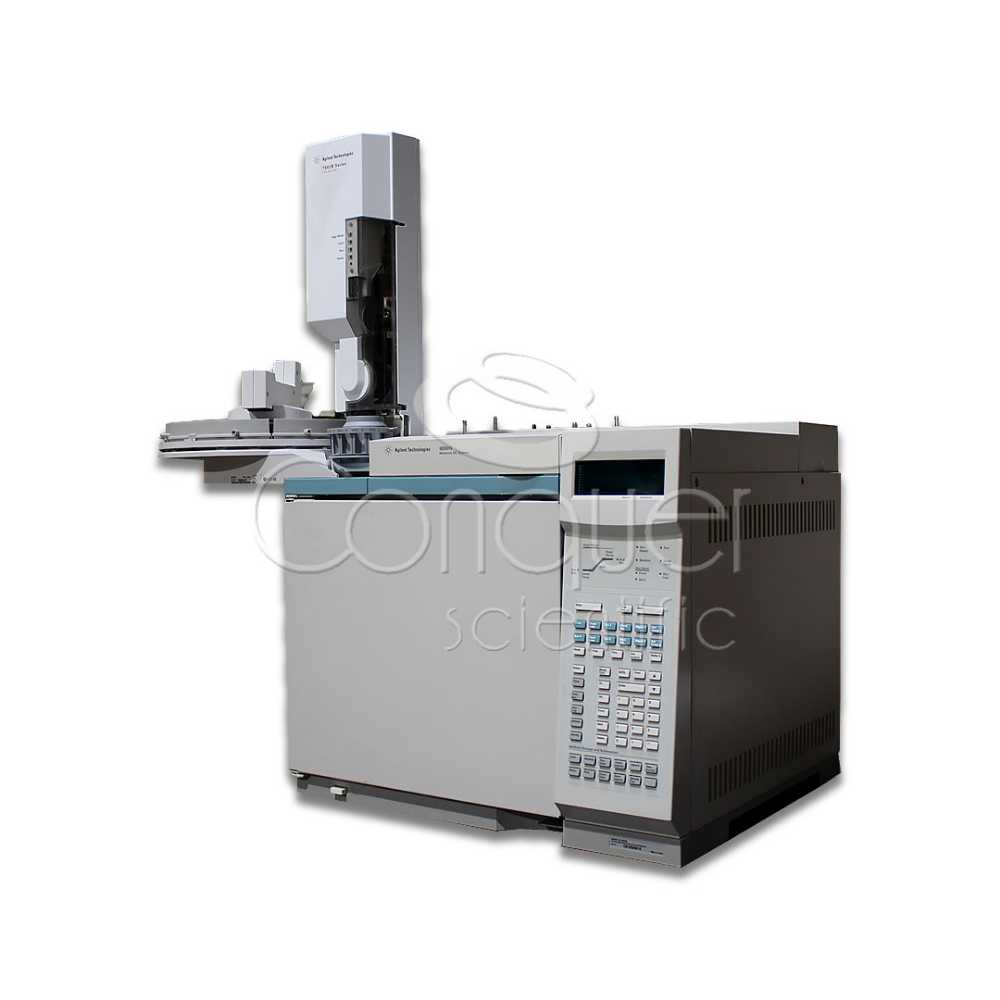
Gas chromatography (GC) is an analytical technique used to separate and detect the chemical components of a sample mixture to determine their presence or absence and/or quantities. GC B is set-up for the analysis of Fatty Acids using special SP-2560 column. Has been used to analyse Fatty Acids in seafood, rats, plants and bio-oils.
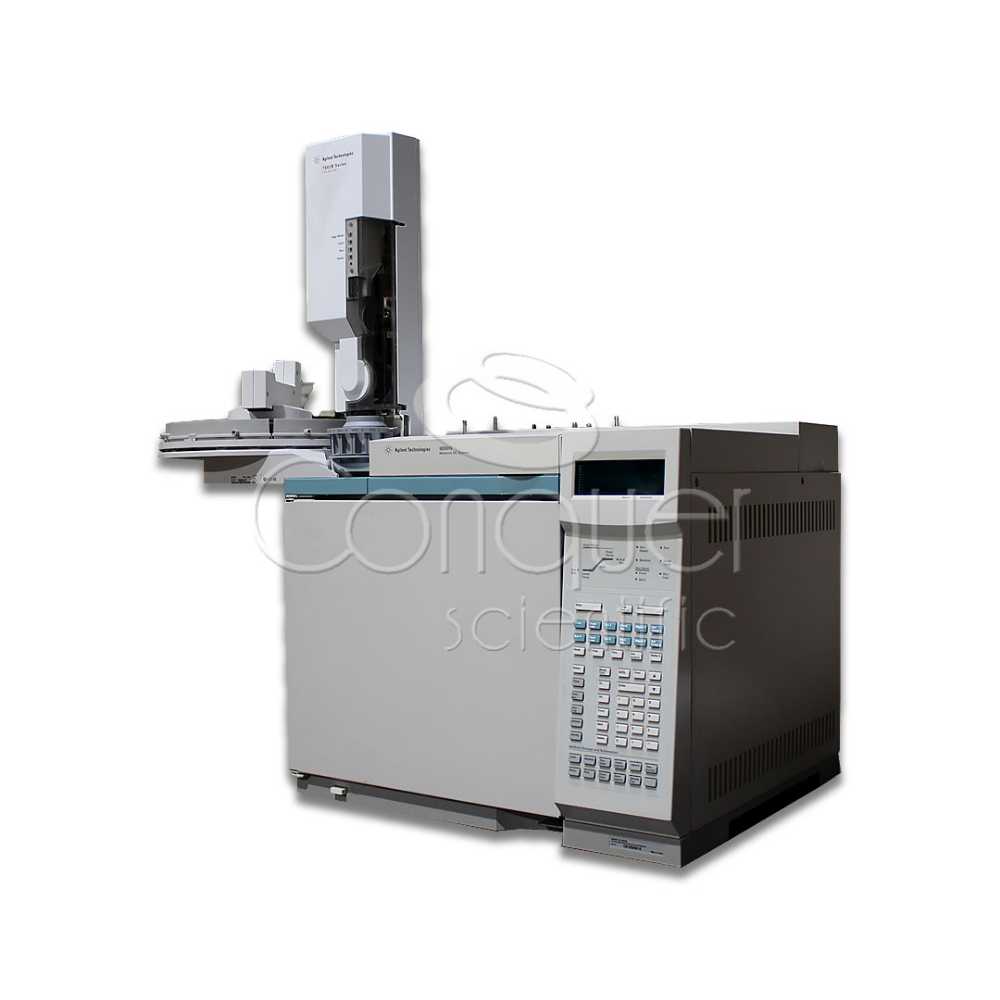
Gas chromatography (GC) is an analytical technique used to separate and detect the chemical components of a sample mixture to determine their presence or absence and/or quantities. Set-up includes FID and u-ECD detectors, for highly sensitive analysis of carbon based compounds (FID) and halogenated compounds (u-ECD) Autosampler has Headspace option which is especially useful for trace organics such as disinfection byproducts in water samples or volatile compounds in liquids and solids.
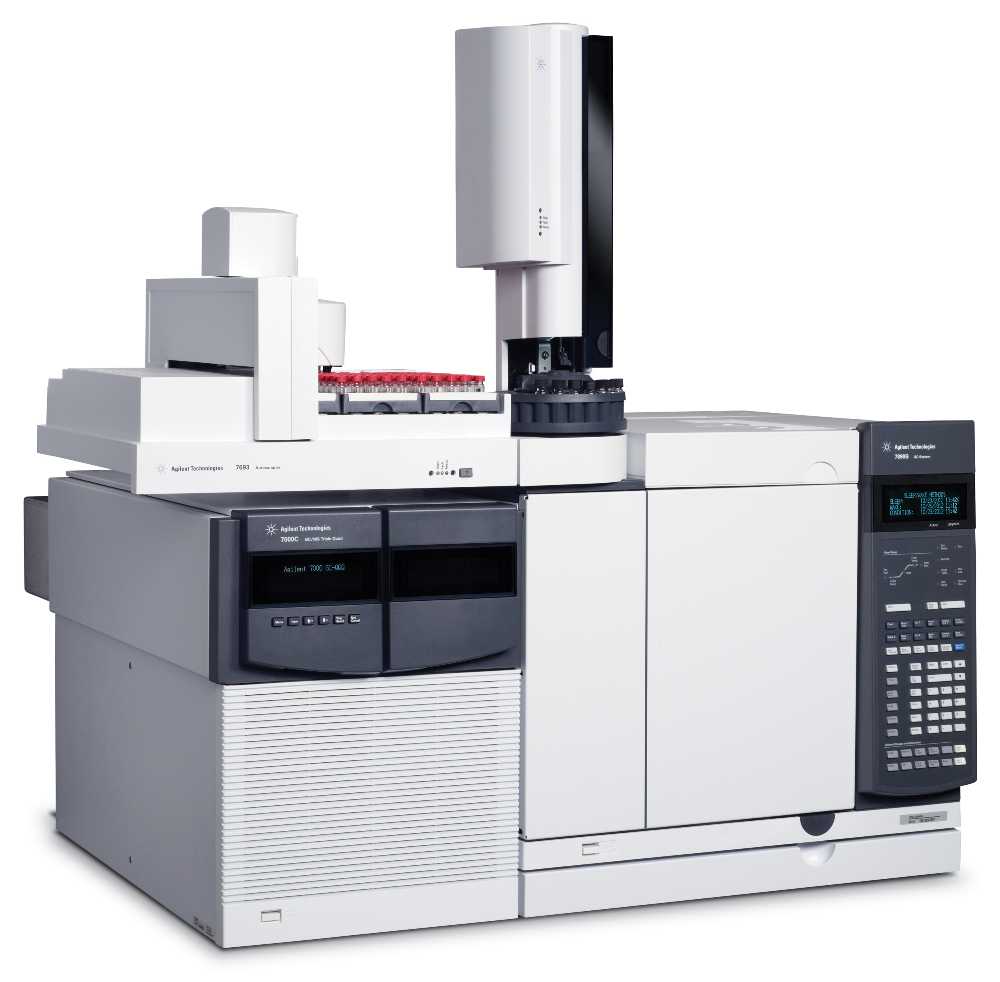
Gas Chromatograph with Double focussing mass spectrometer. Used for trace level environmental analysis such as pesticde residues, brominated flame retardants, detection of volatile chemicals in food, metabolomics and chemometrics. Has the aaility to run liquid samples, headspace and Solid Phase Micro Extraction sampling techniques.
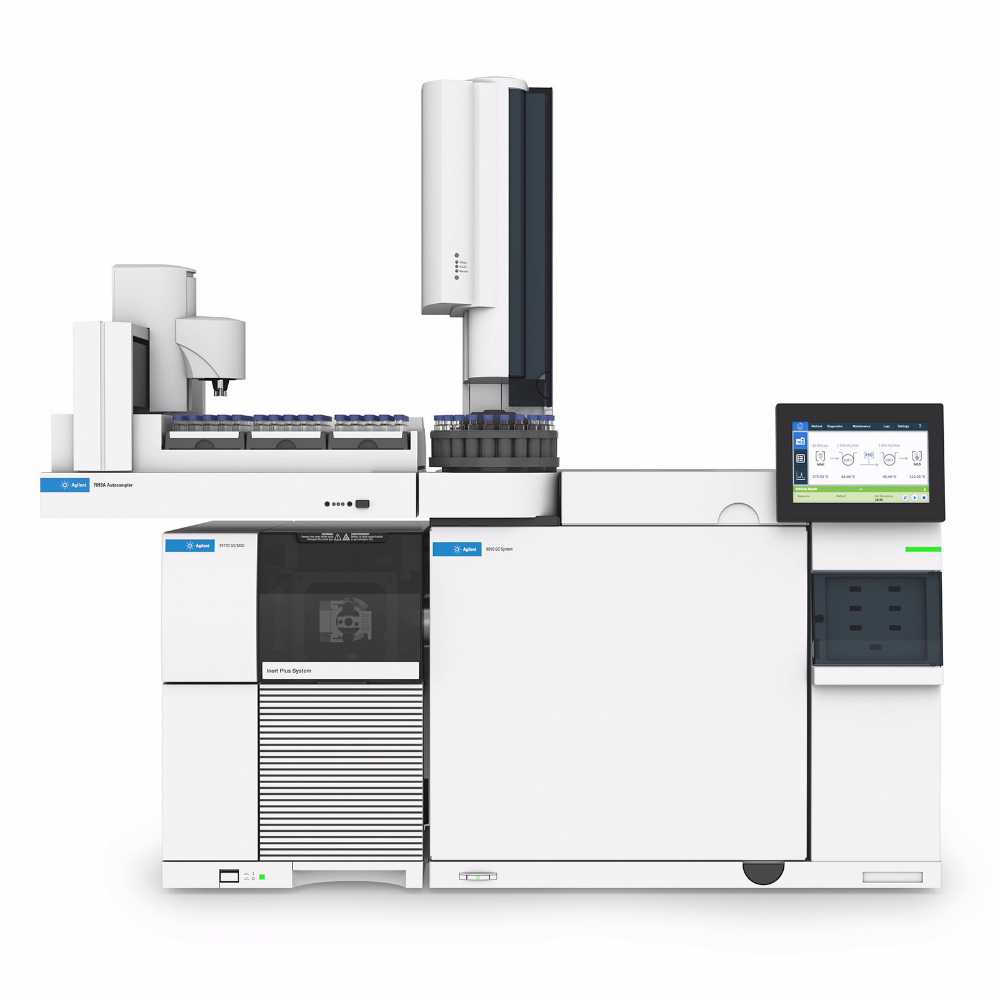
Gas Chromatograph with Single Quadrupole Mass Spectrometer Has the ability to run liquid samples, headspace and Solid Phase Micro Extraction sampling techniques. Used for analysis of environmental pollutants, emissisions from roads and bricks containing recycled plastic, flavour of whicky, odour from sweat, etc.
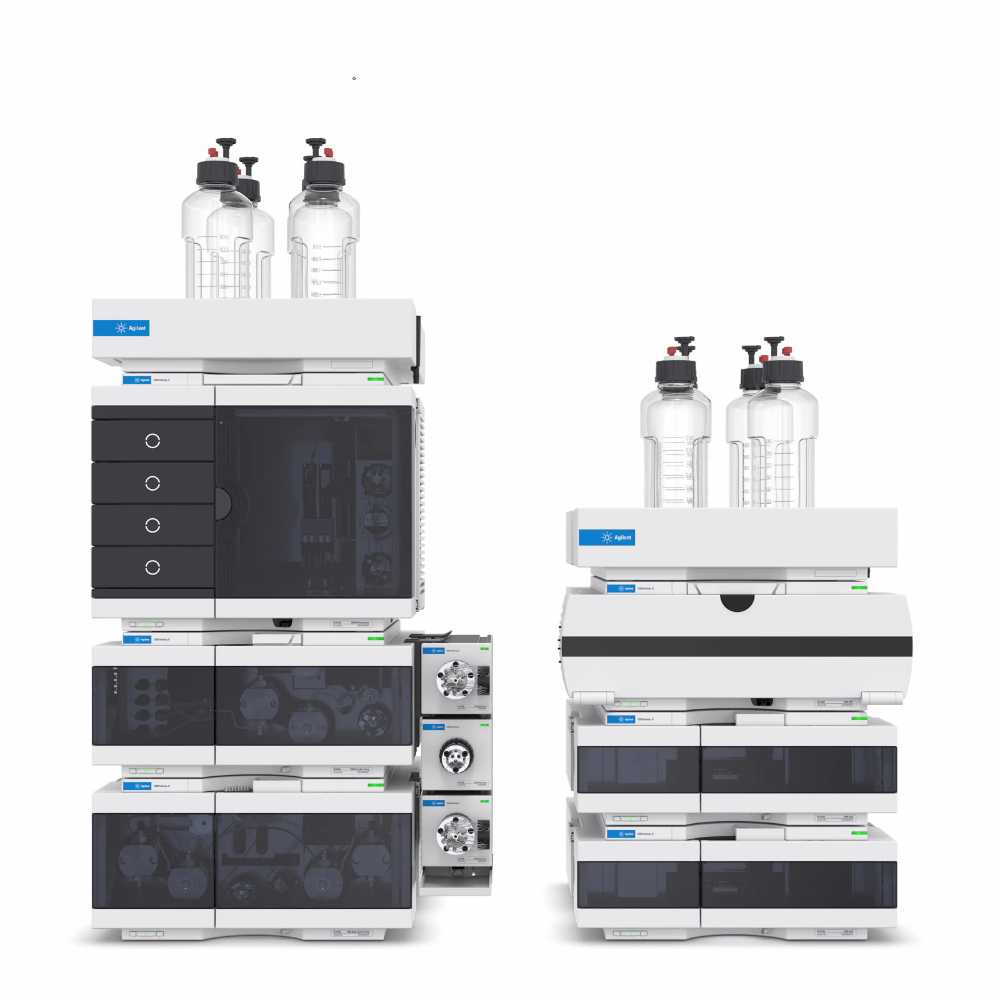
Ultra high performance Liquid Chromatograph that can be configured for either one or two dimensional chromatography. Used for analysis of amino acids, cannabinoids, biochemical clone enzymes.
Used for trace level analysis of elements in environmental , process and research samples. Capable of parts per trillion level analysis.
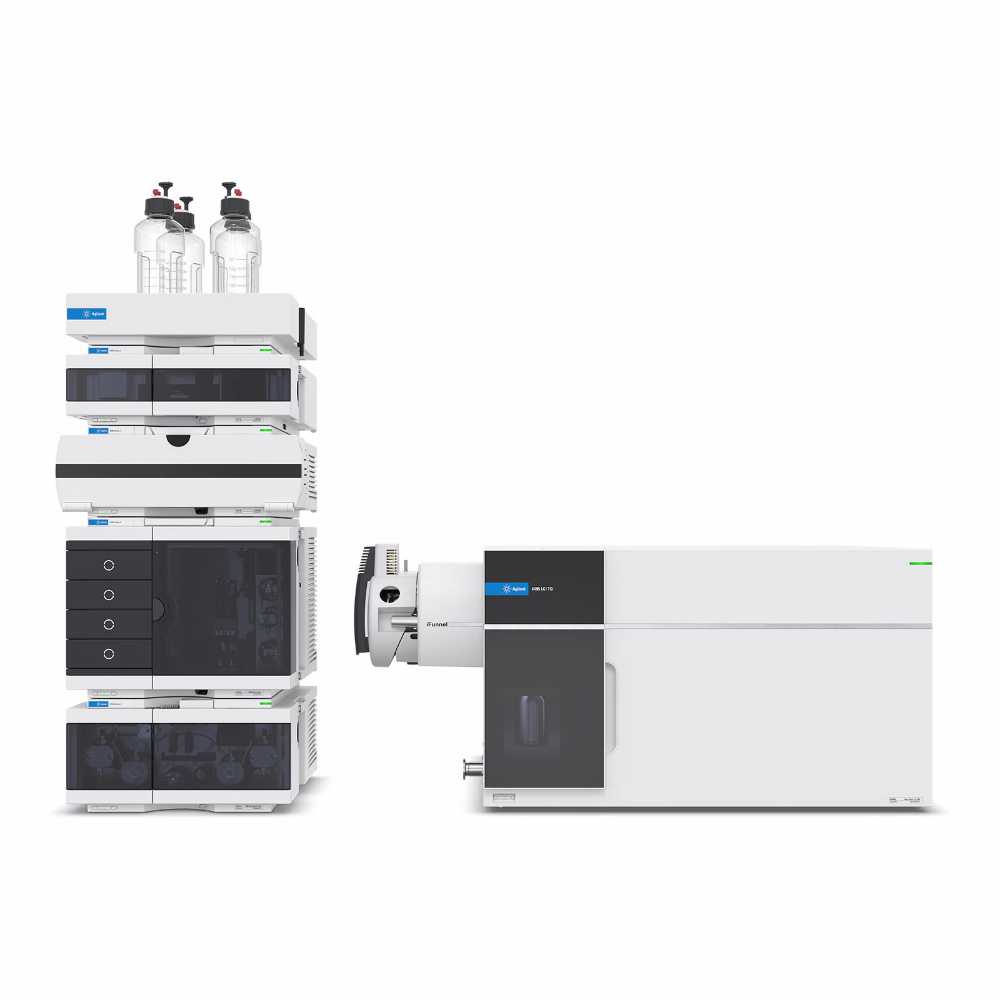
Analytical Liquid Chromatograph with Triple Quadrupole Mass Spectrometer. Used for environmental analysis of pollutants such as PFAS's and other toxic compounds. Also used by oOrganic Chemistry and Catalysis groups to ascertain the structure of their synthesised compounds.
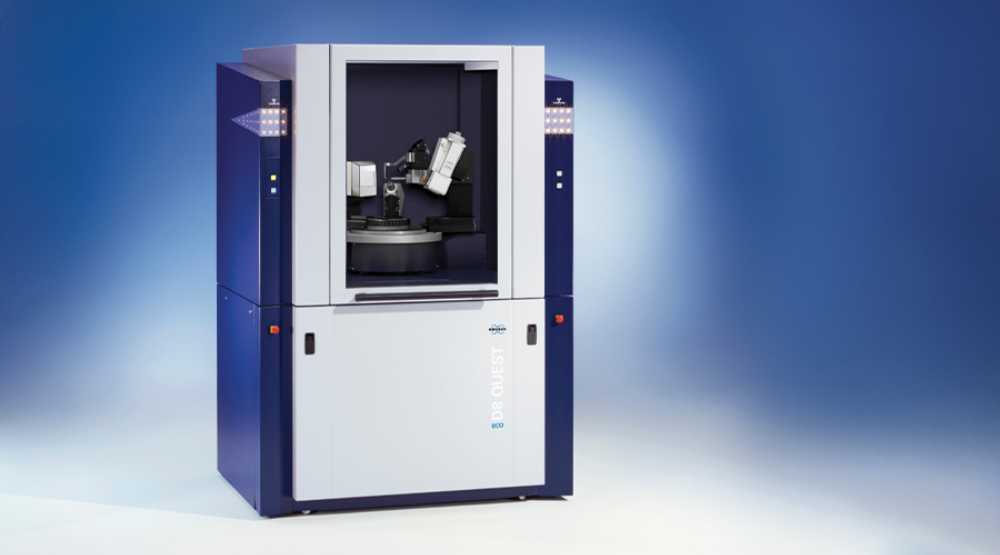
Single crystal XRD is used for the structural determination of small molecules, providing information on bond lengths, bond angles, space group and crystal packing. Equipped with two microfocus X-ray sources, routine structural determinations are performed at low temperatures to minimise thermal motion and employ Mo radiation for high resolution and accuracy or Cu radiation for the determination of absolute structures of chiral compounds. Single crystal XRD is becoming a routine analytical technique (together with NMR) for the characterisation of small molecules.
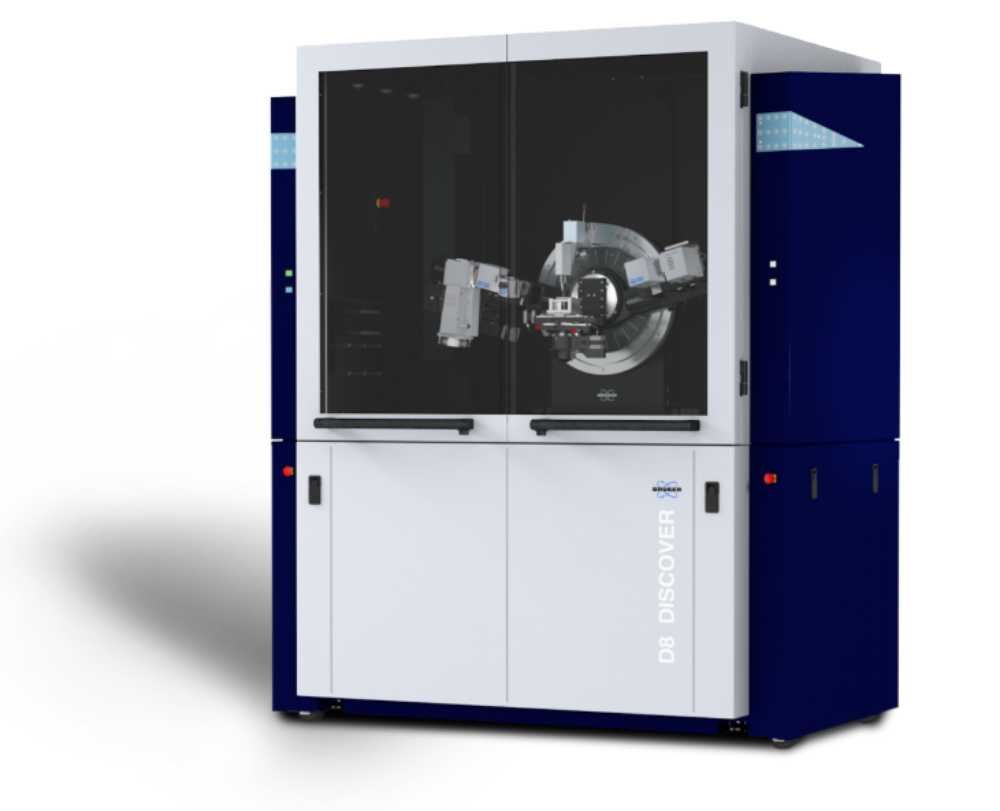
The General Area Detector Diffraction System (GADDS) is a specialised XRD instrument used for the analysis of thin film and bulk solid samples. With exchangeable collimators, small X-ray beam spot sizes as small as 0.1 mm can be achieved, and a focussing laser and camera enable the quick alignment of a small region of interest of a bulk sample. Notably, the two-dimensional area detector, which captures more of the diffracted X-rays, facilitates study of materials that are textured, grainy, or under residual stress
The XRD D4 features a theta-2 theta goniometer with a copper anode x-ray tube, variable divergence slit and a 66 position sample magazine and autosampler that is the main walk-up instrument for collection of X-ray diffraction data of powder and thin film samples. Information obtained include degree of crystallinity, phase identification and quantification and crystallite size determination.
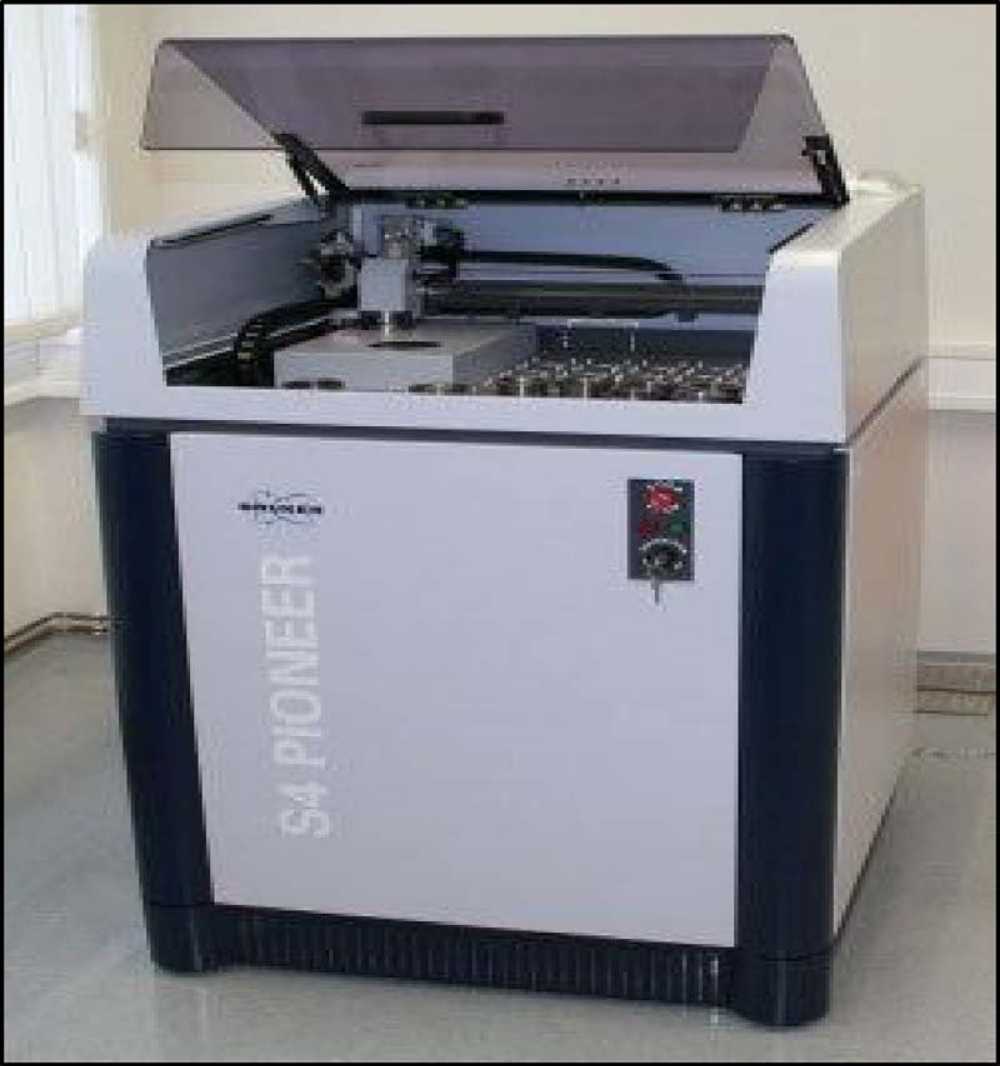
Wavelength dispersive X-ray fluorescence is used to determine the elemental composition of samples without the need for expensive sample preparation or sample destruction. The detection limit for many elements (Na to U) is typically around ppm levels. Equipped with an autosampler, up to 10 samples can be queued for routine analysis.
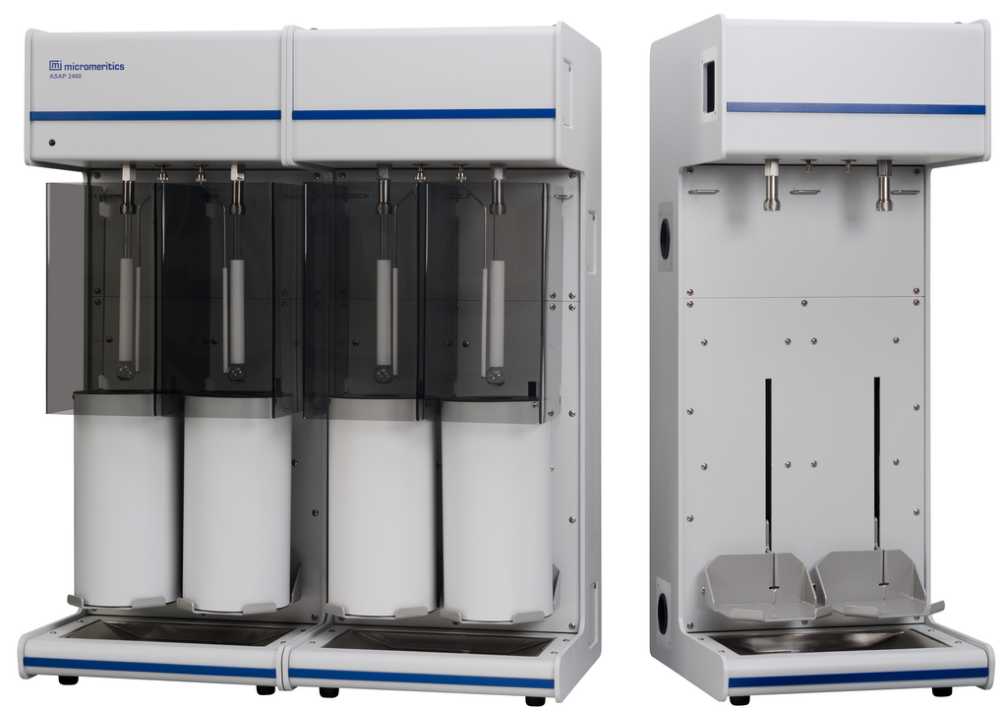
The ASAP 2460 is used to obtain information on the surface area of a sample, as well as pore size, volume and distribution. Up to six samples can be analysed simultaneously.
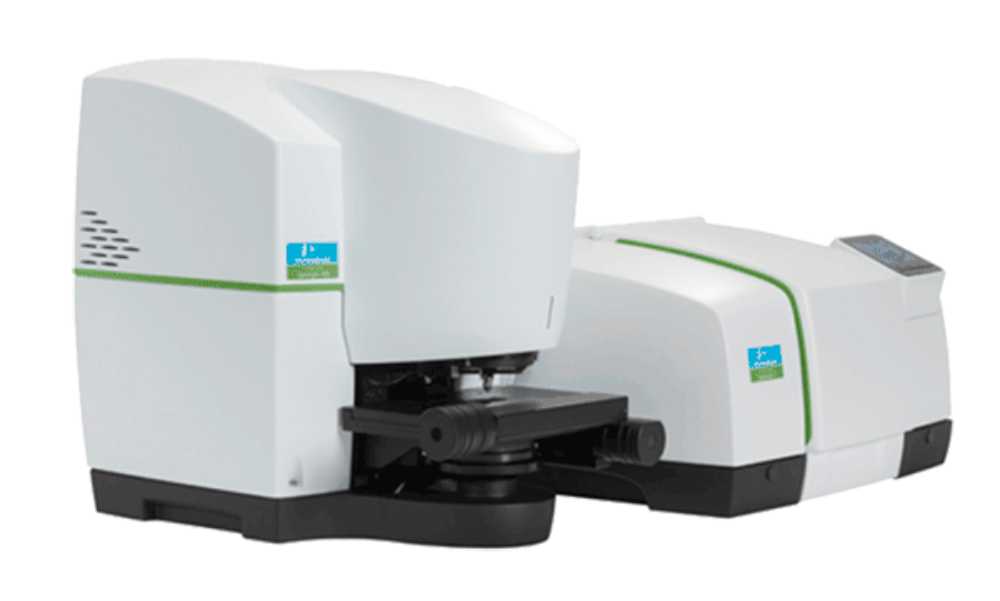
FTIR spectrometers with Microscope incorporates a number of unique productivity tools and features an ATR imaging system that enables the collection of high resolution infrared images of extremely small samples to visualize the composition of materials based on FT-IR spectral data. High quality spectral production and images from sample areas, yielding pixel resolutions of 6.25, 25, or 50 microns. Accessory: Universal ATR, Detectors: MIR and microscope is fitted with an MCT (mercury cadmium telluride) detector, Sample type: solid, liquid, powder or paste, Software: Spectrum and Spectrum Image Viewer
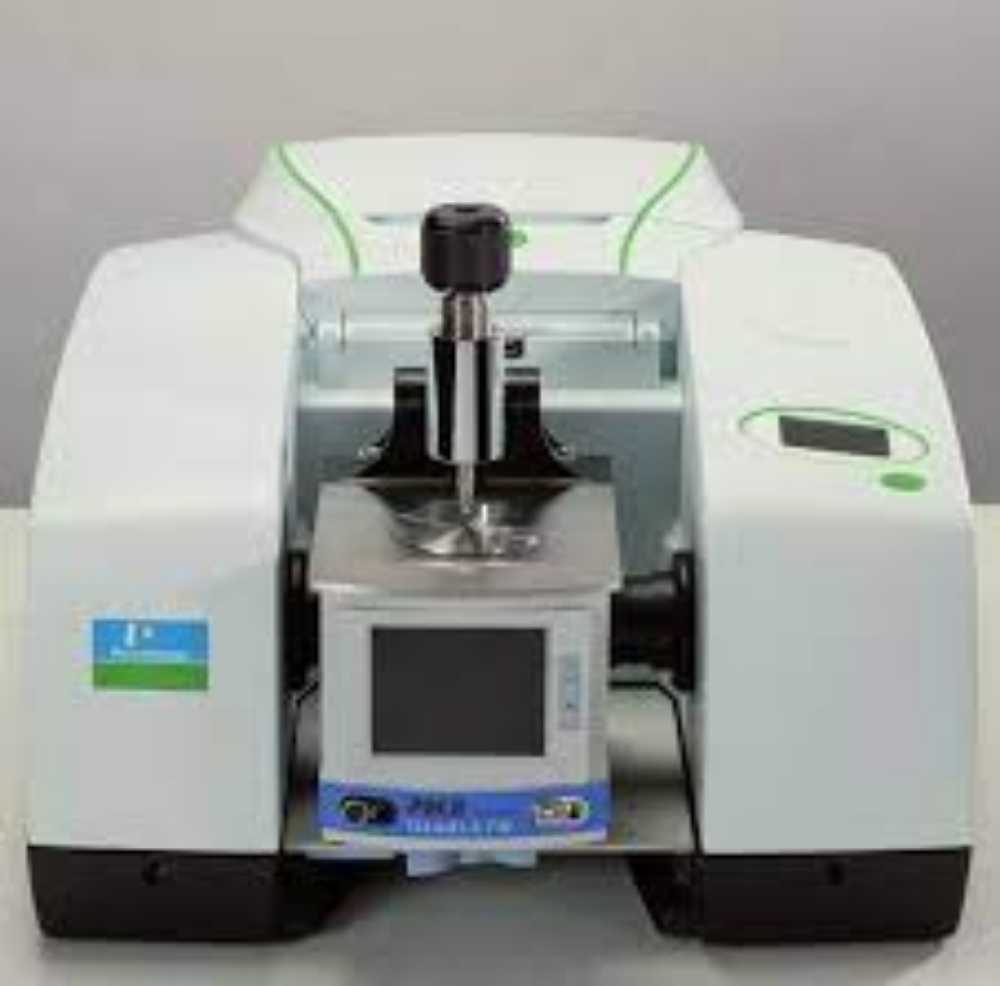
Fourier-transform infrared spectroscopy (FTIR) is a technique used to obtain an infrared spectrum of absorption or emission of a solid, liquid, or gas. An FTIR spectrometer simultaneously collects high-resolution spectral data over a wide spectral range (4000-50cm-1). The GladiATR’s optical design provides the highest energy throughput, highest available pressure. With a monolithic diamond and all-reflective optics the spectral range spans from mid-IR into the far-IR.
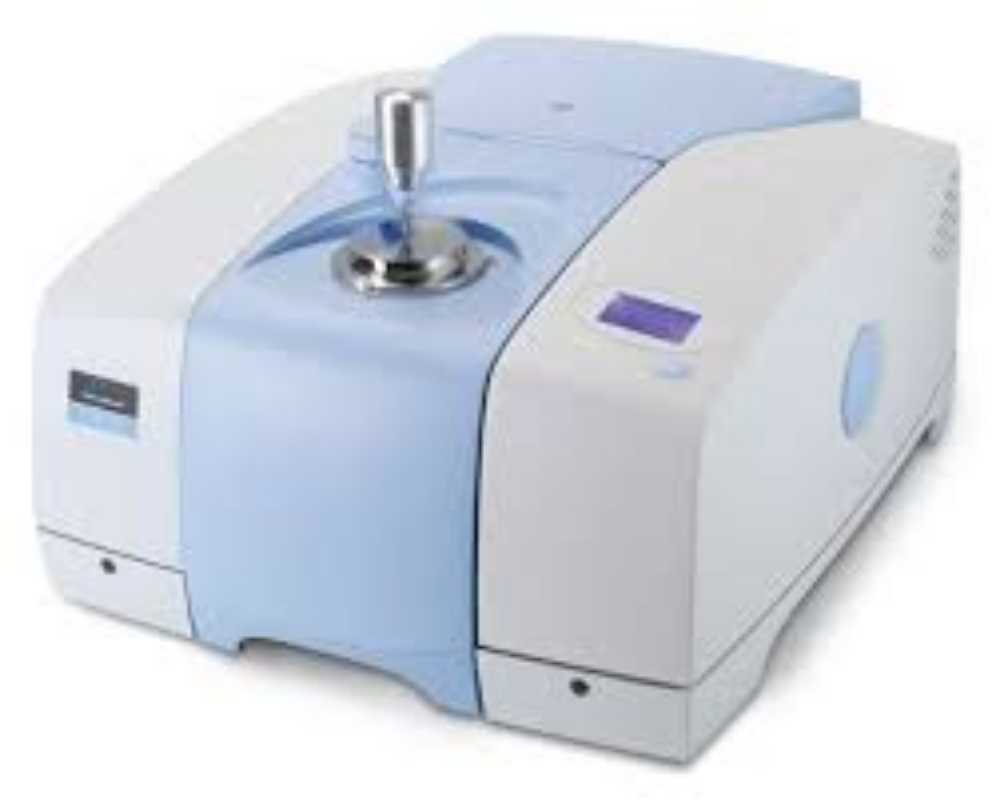
Fourier-transform infrared spectroscopy (FTIR) is a technique used to obtain an infrared spectrum of absorption or emission of a solid, liquid, or gas. An FTIR spectrometer simultaneously collects high-resolution spectral data over a wide spectral range (4000-400cm-1). FT-IR spectrometer with reflectance accesory allows collecting multiple reflectance spectra from sample.
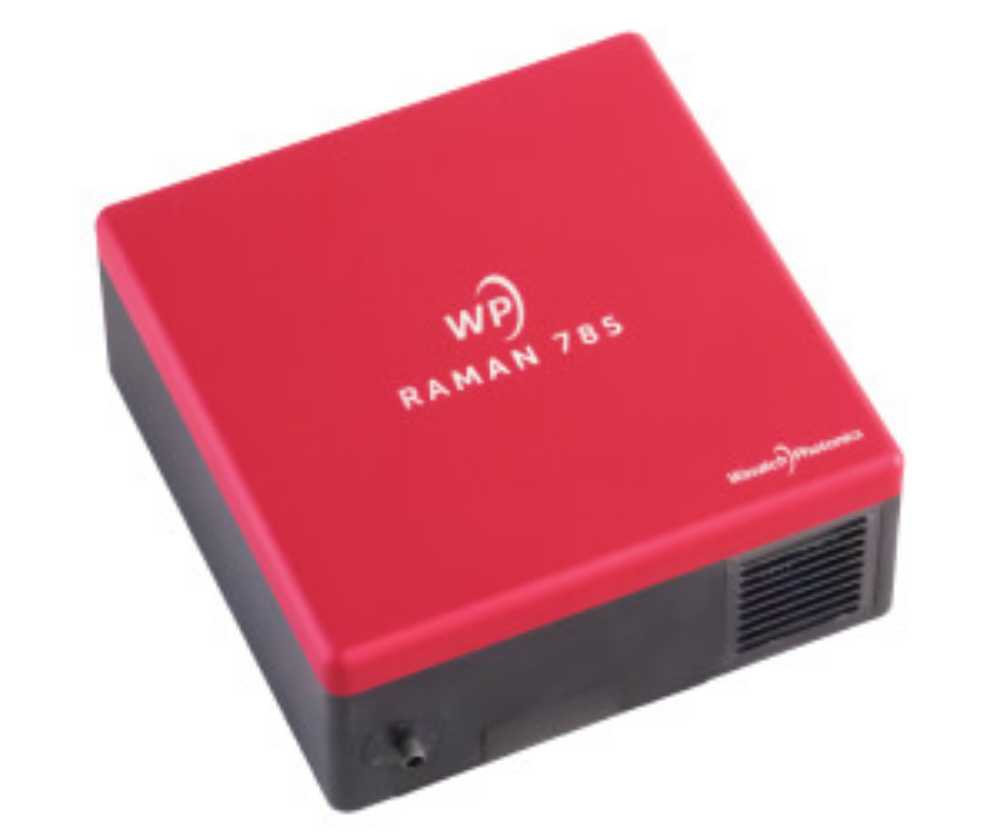
Raman Spectroscopy is a non-destructive chemical analysis technique which provides detailed information about chemical structure, phase and polymorphy, crystallinity and molecular interactions. It is based upon the interaction of light with the chemical bonds within a material.
Microwave synthesizer is uses microwaves to speed up chemical reactions.
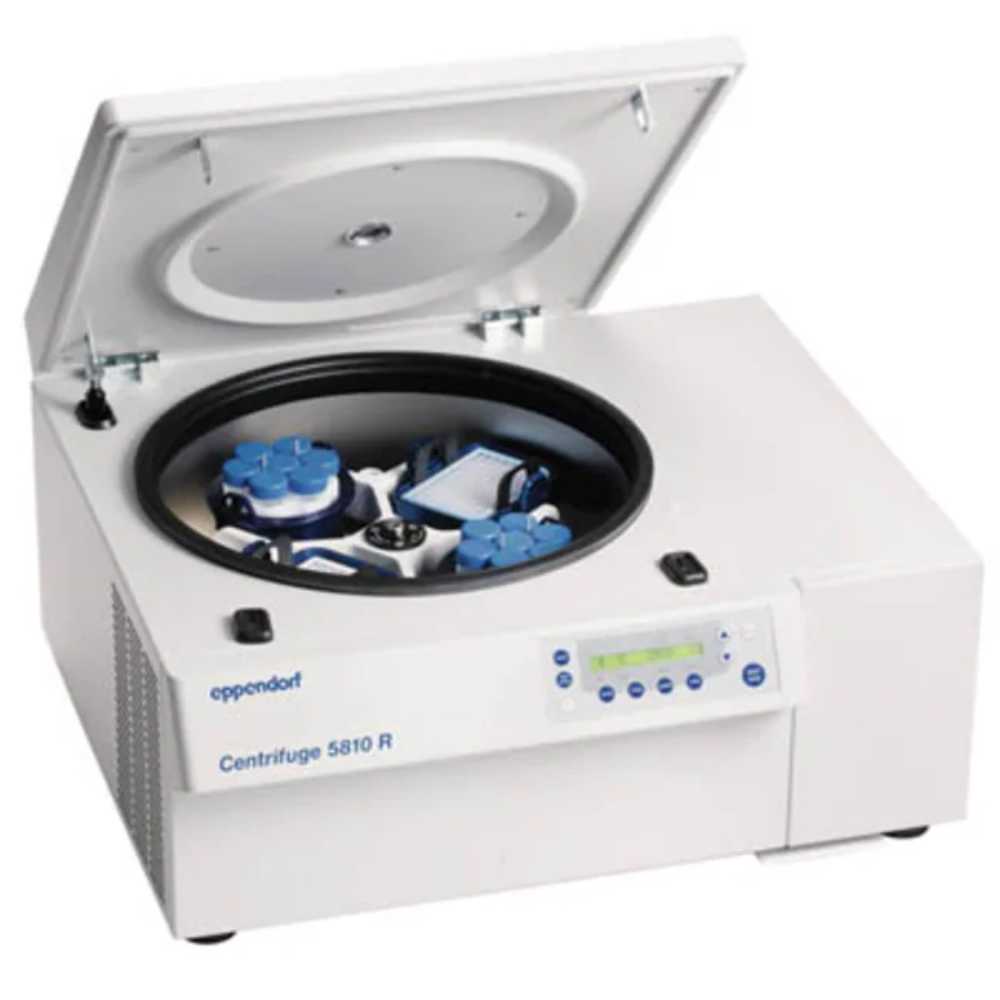
A centrifuge spins mixtures of different substances around very quickly so that they separate by centrifugal force.
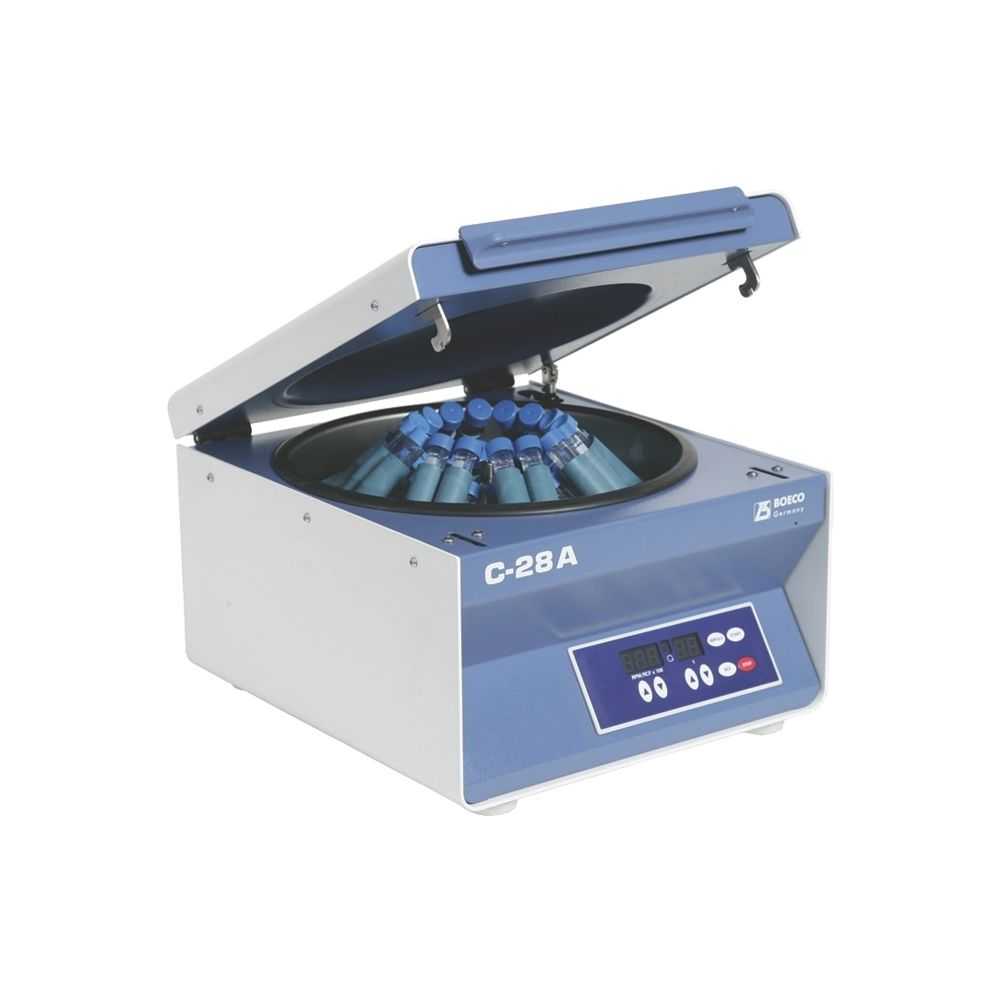
A centrifuge spins mixtures of different substances around very quickly so that they separate by centrifugal force.
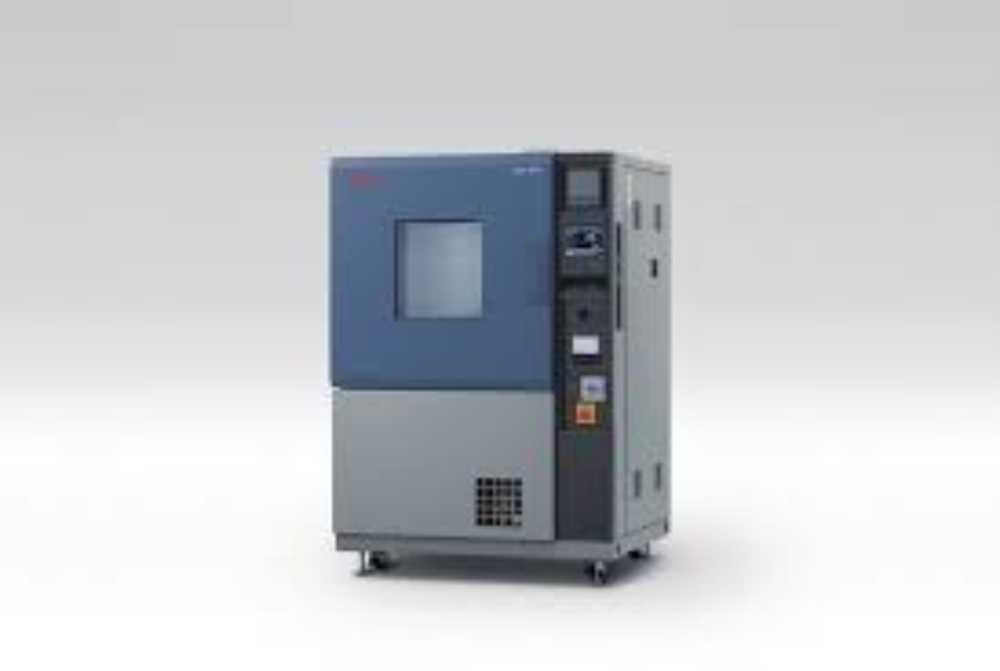
Vacuum oven used to expedite the drying process by employing vacuum and heat.
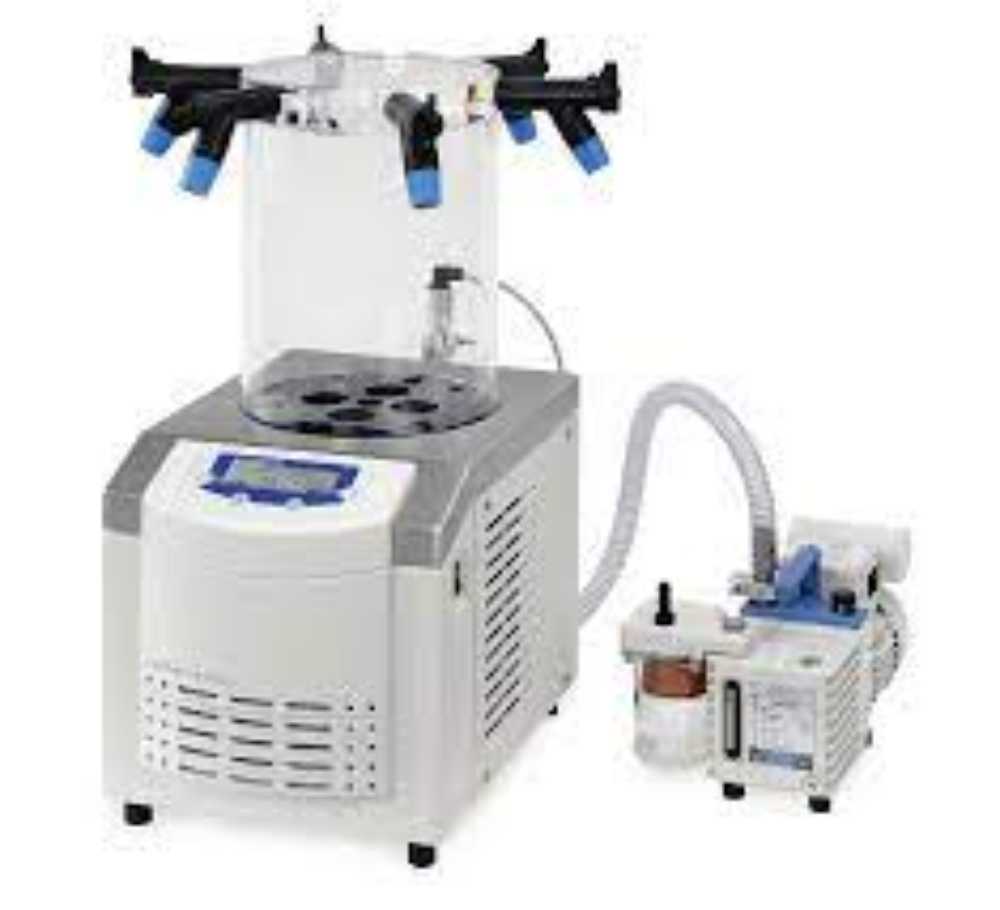
Freeze-drying of solid and liquid samples.
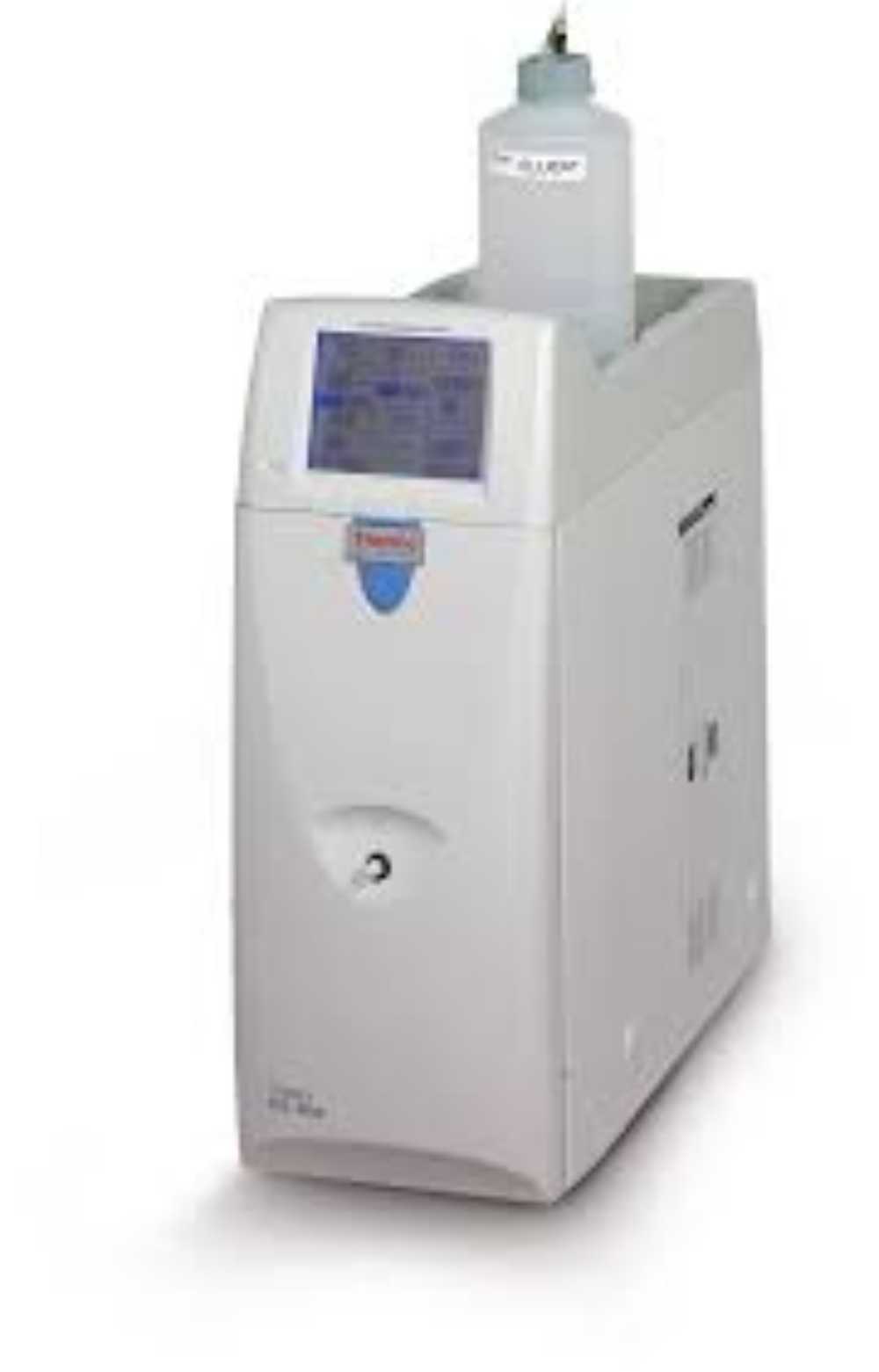
Ion Chromatograph used for the determination of anions such as chlorides, sulphates, nitrates and nitrites in environmental and research samples.
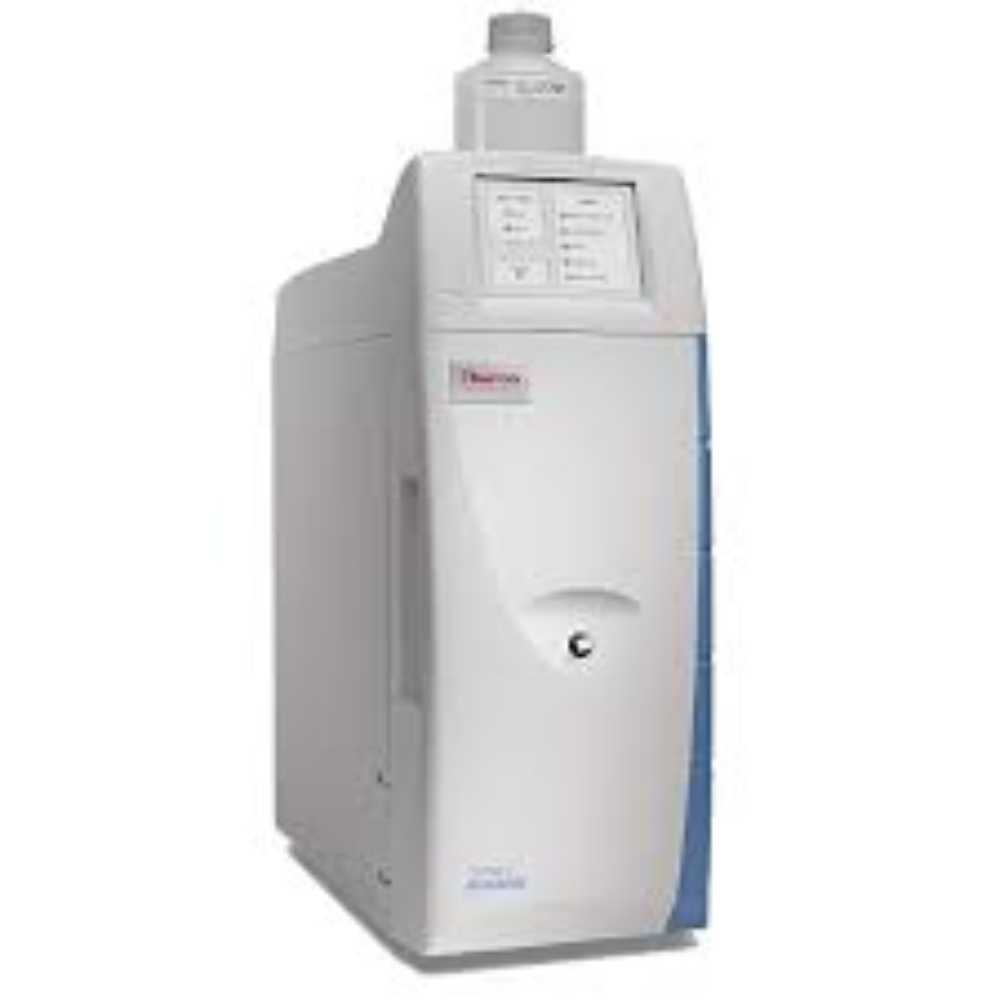
Ion Chromatograph used for the determination of anions such as chlorides, sulphates, nitrates and nitrites in environmental and research samples.
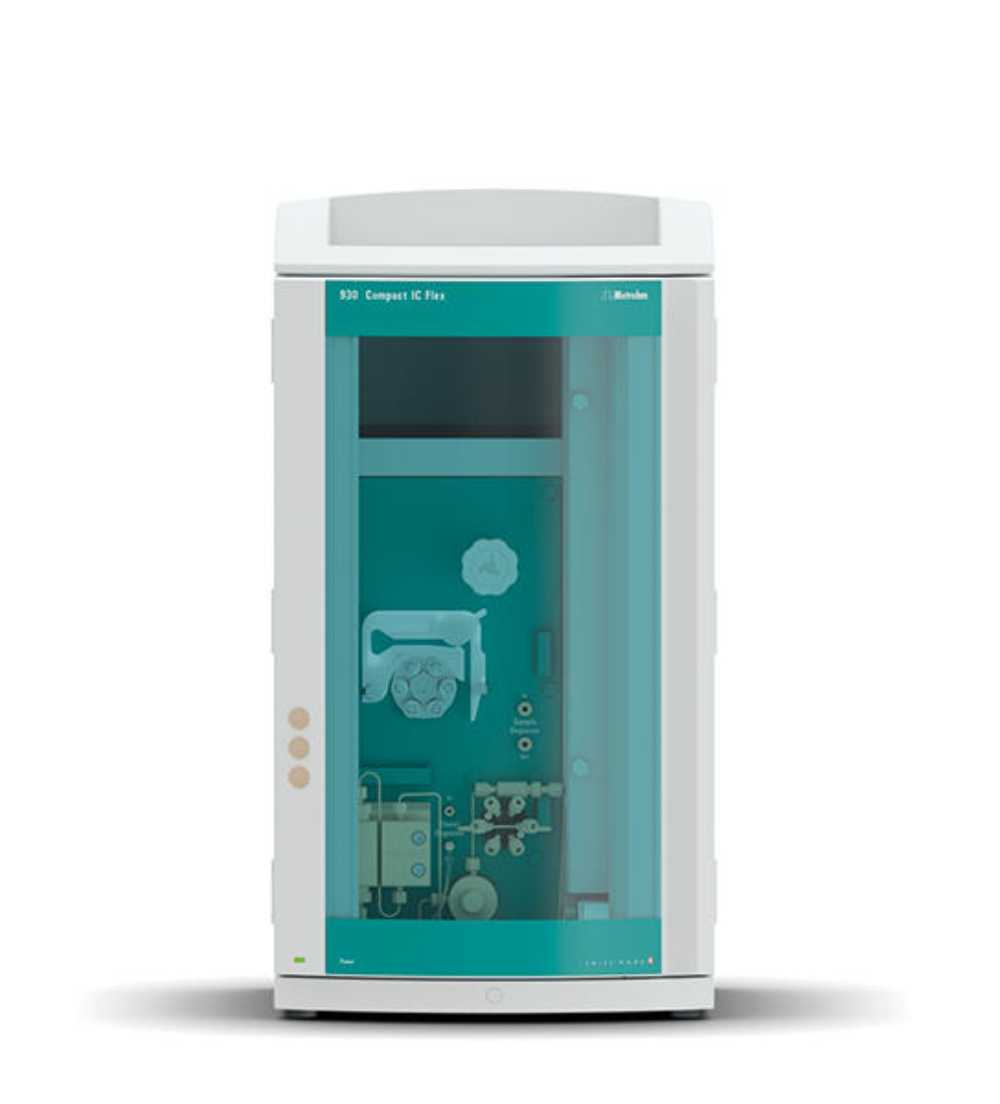
Ion Chromatograph used for the determination of anions such as chlorides, sulphates, nitrates and nitrites in environmental and research samples.
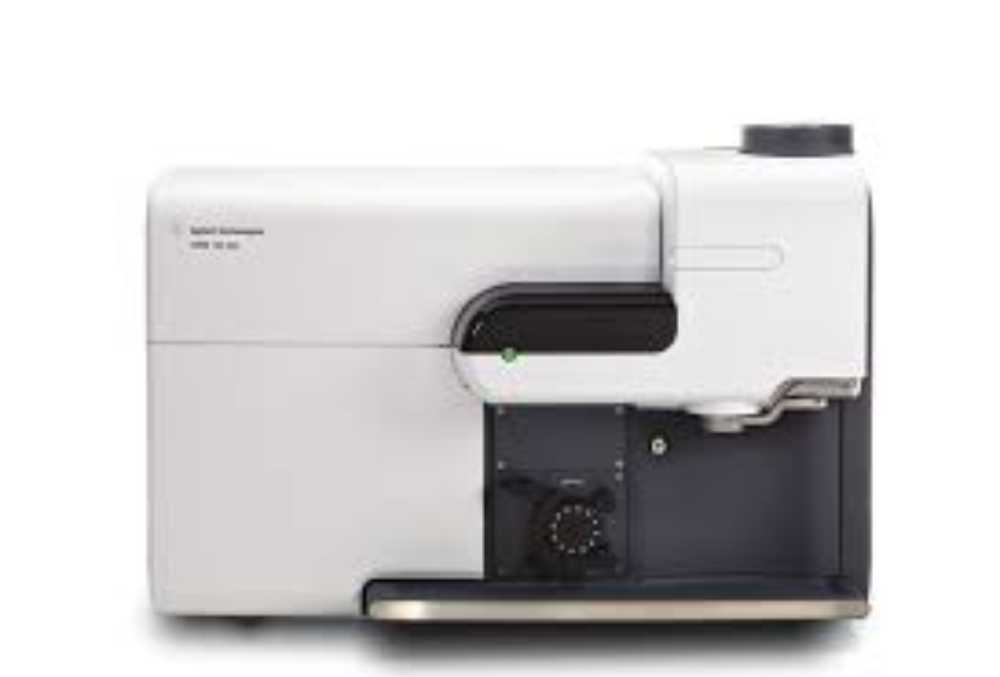
Microwave Plasma Atomic Emission Spectrometer used for the determination of elements in environmental and research samples. Parts per million /high parts per billion range.
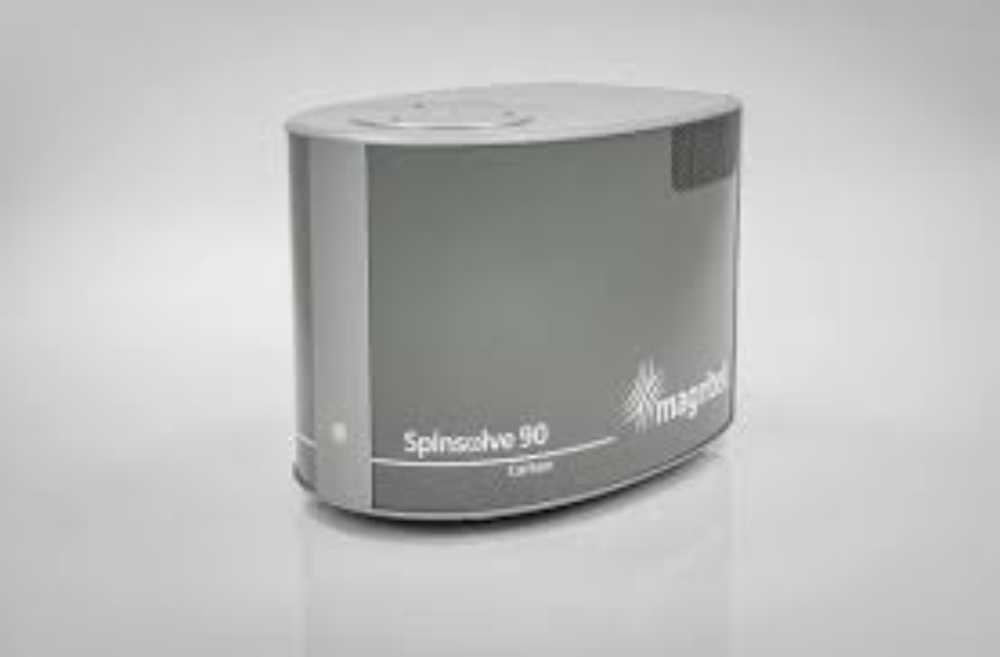
Nuclear Magnetic Resonance (NMR) spectroscopy is used for determining the content and purity of a sample as well as its molecular structure.
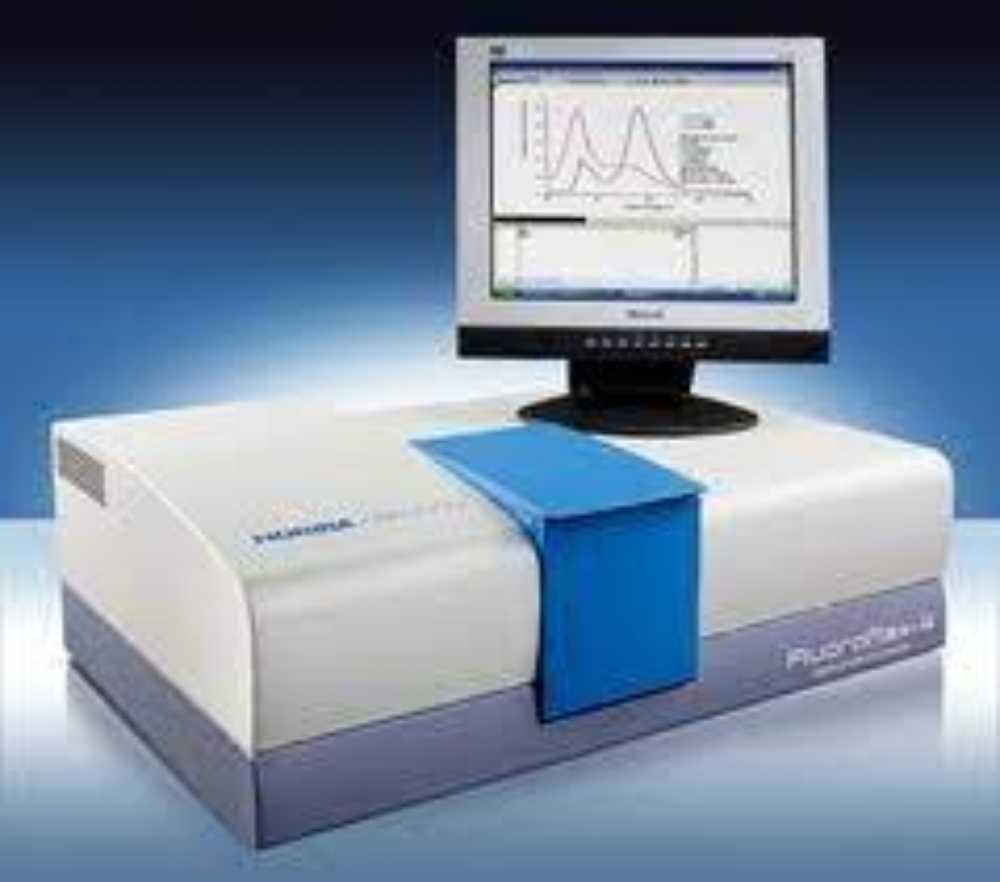
Spectrofluorometer used to measure the fluorescence of a liquid sample.
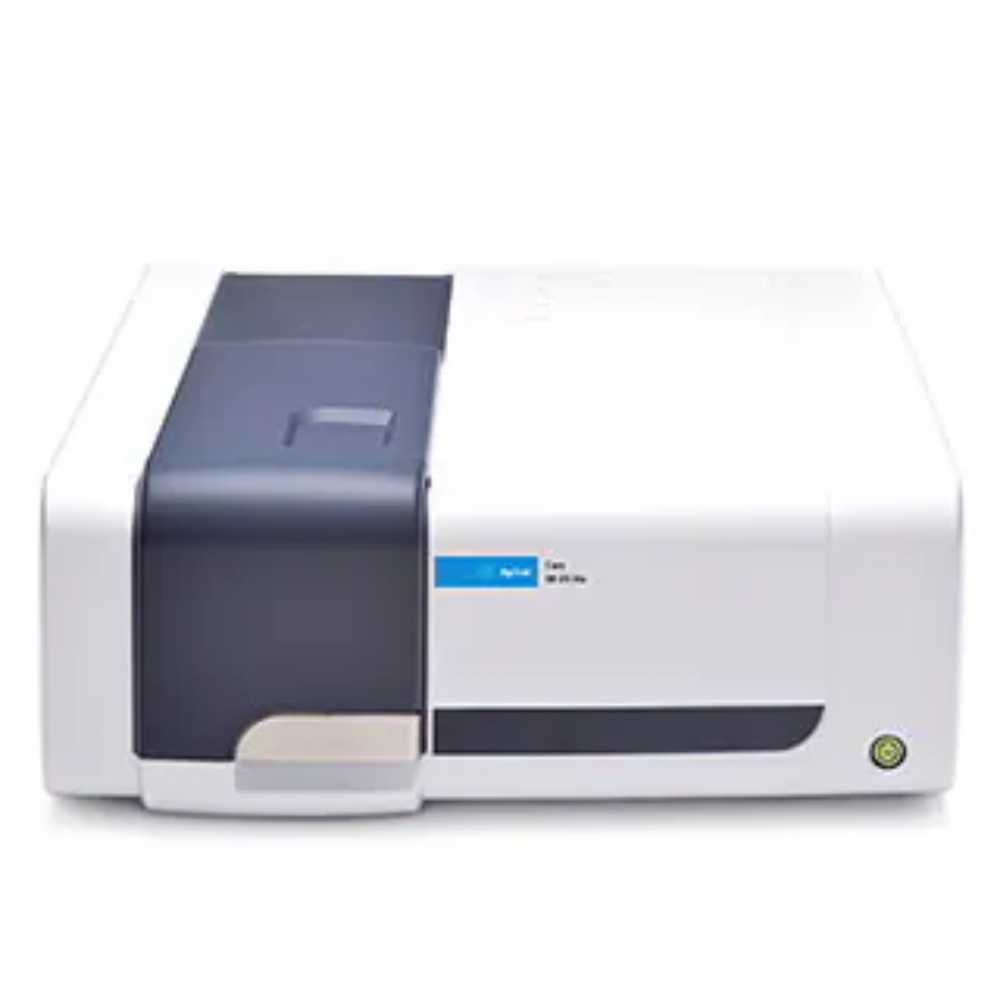
UV-Visible Spectrometer used to obtain a UV-Visible spectrum of absorption of a liquid / also used for the colourimetric determination of the concentration of an analyte in a sample
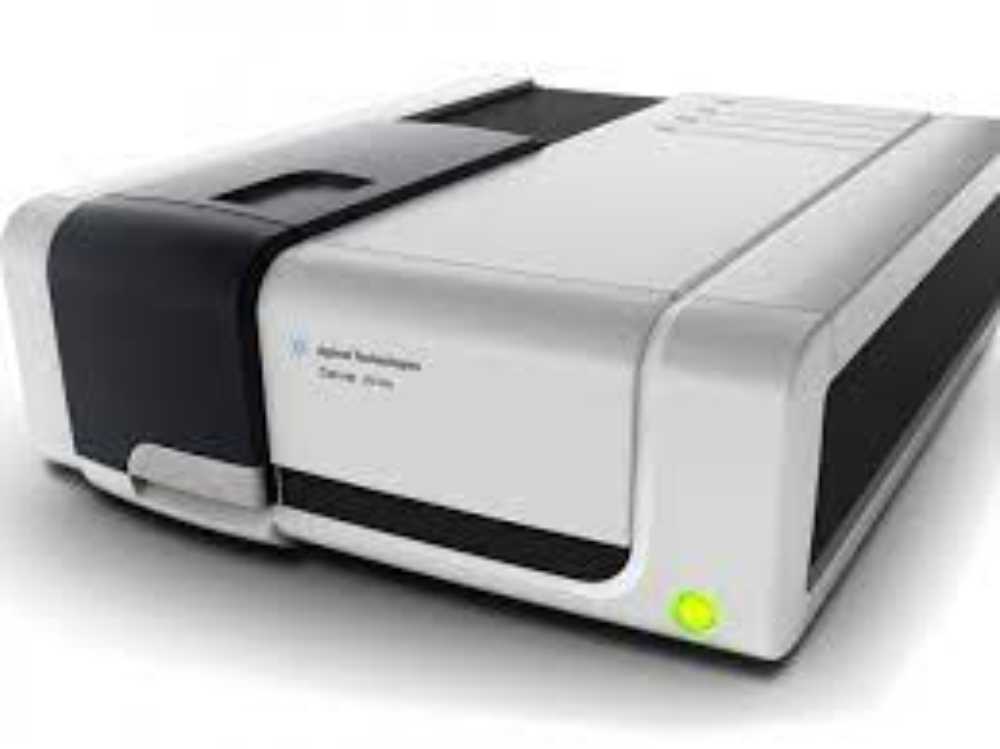
UV-Visible Spectrometer used to obtain a UV-Visible spectrum of absorption of a liquid / also used for the colourimetric determination of the concentration of an analyte in a sample
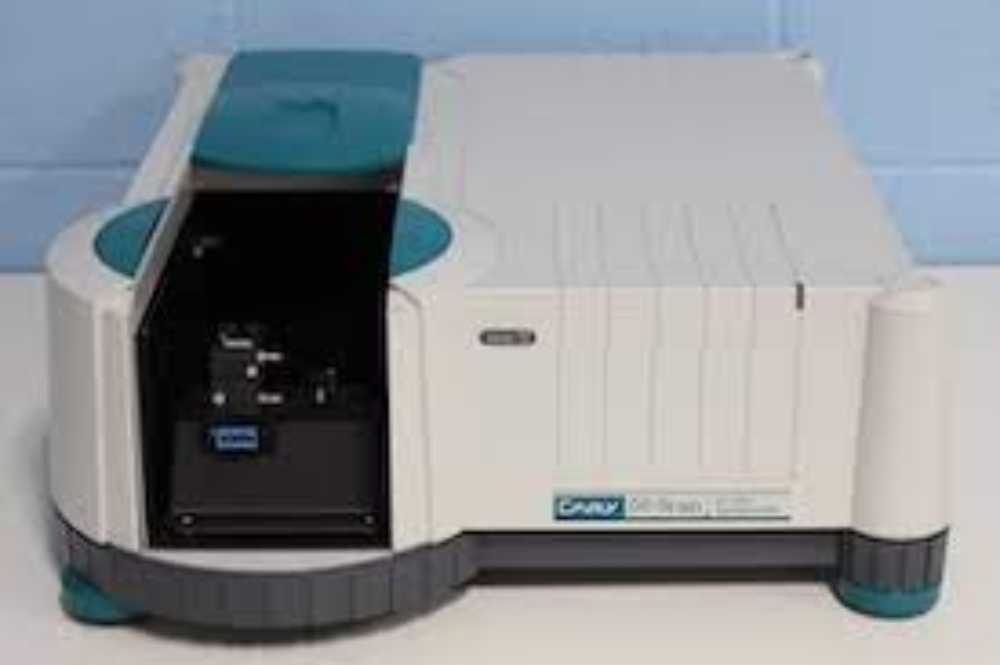
UV-Visible Spectrometer used to obtain a UV-Visible spectrum of absorption of a liquid / also used for the colourimetric determination of the concentration of an analyte in a sample.
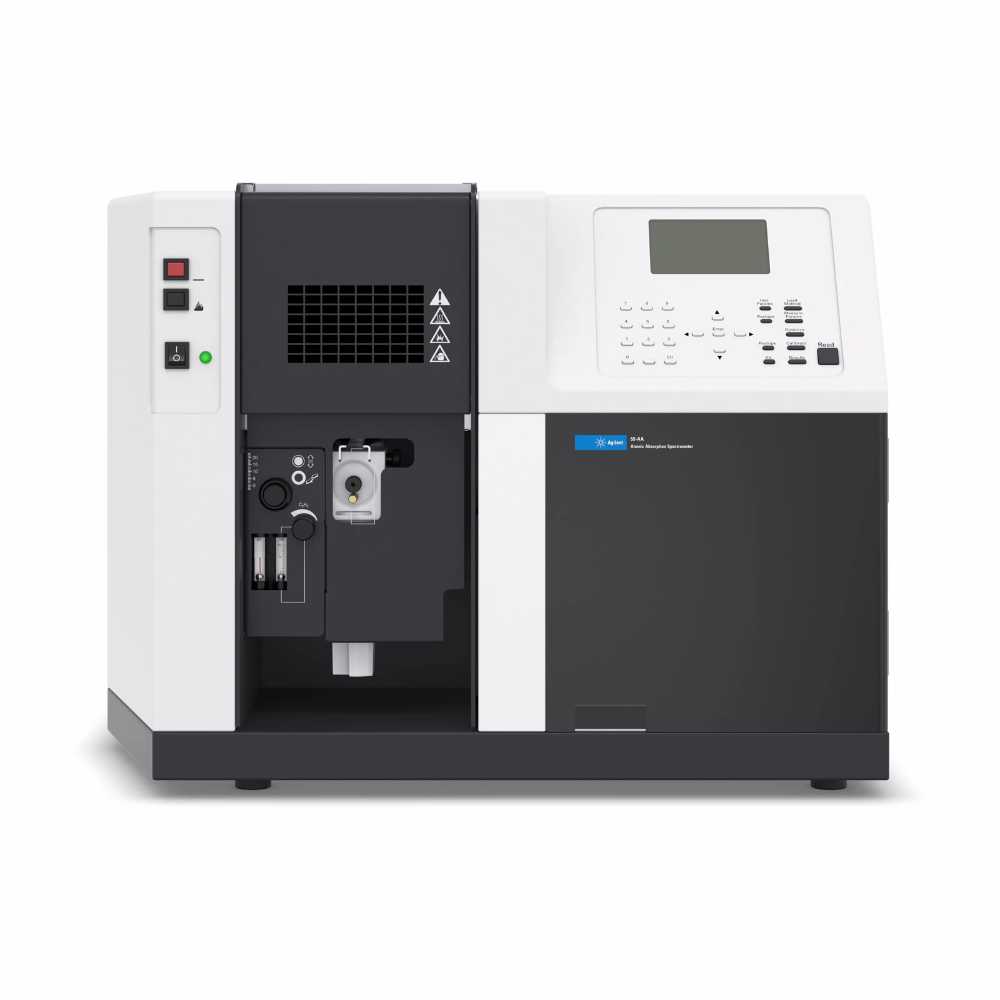
Atomic Absorption Spectrometer used for the determination of elements in samples. Parts per million range.
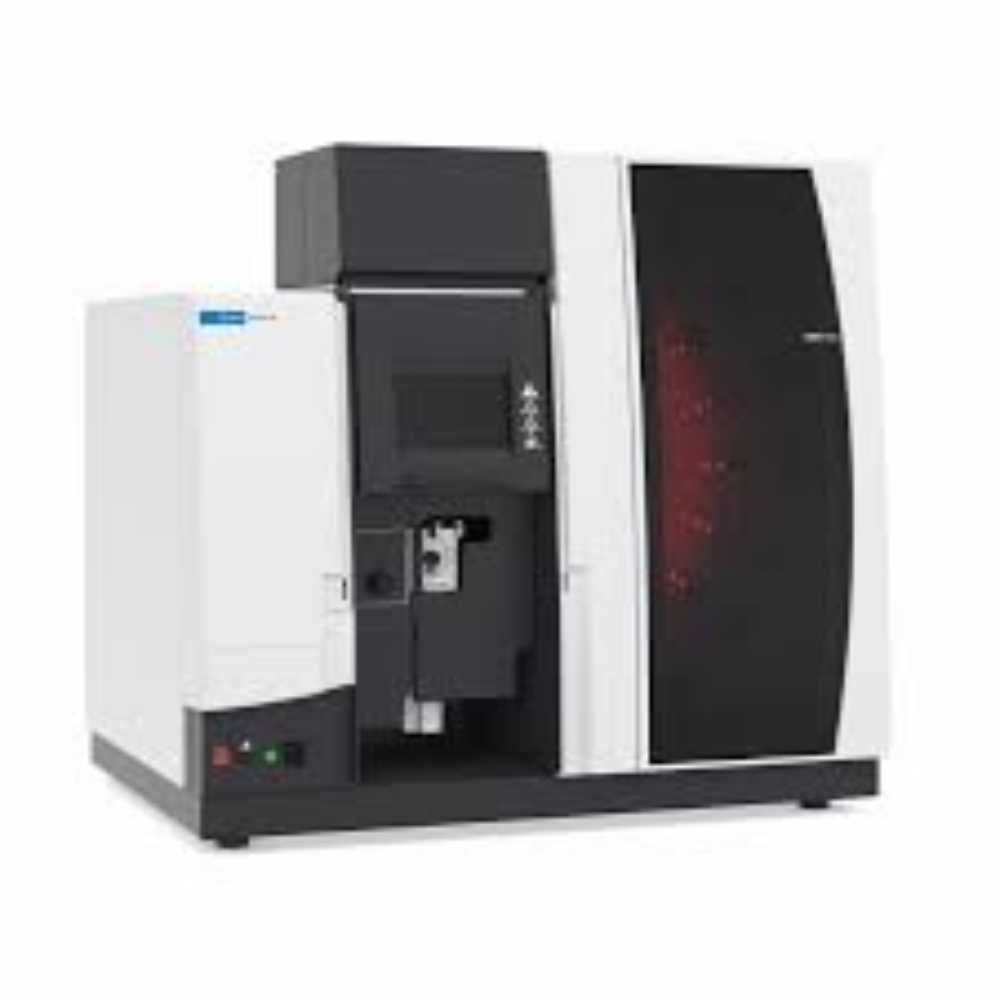
Atomic Absorption Spectrometer used for the determination of elements in samples. Parts per million range.
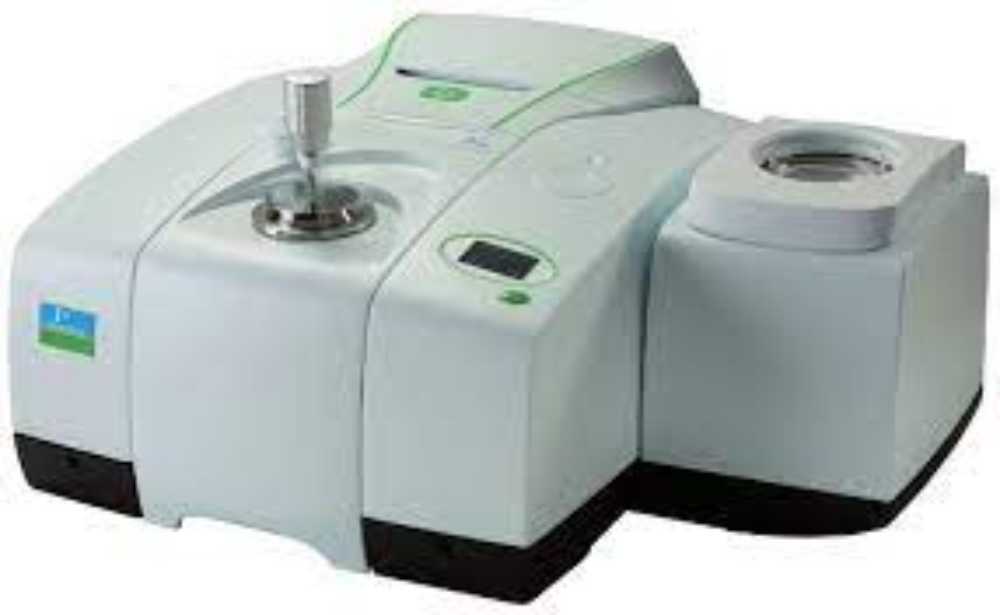
Infra-red spectrometer used to obtain an infrared spectrum of absorption or emission of a solid or liquid to determine chemical properties
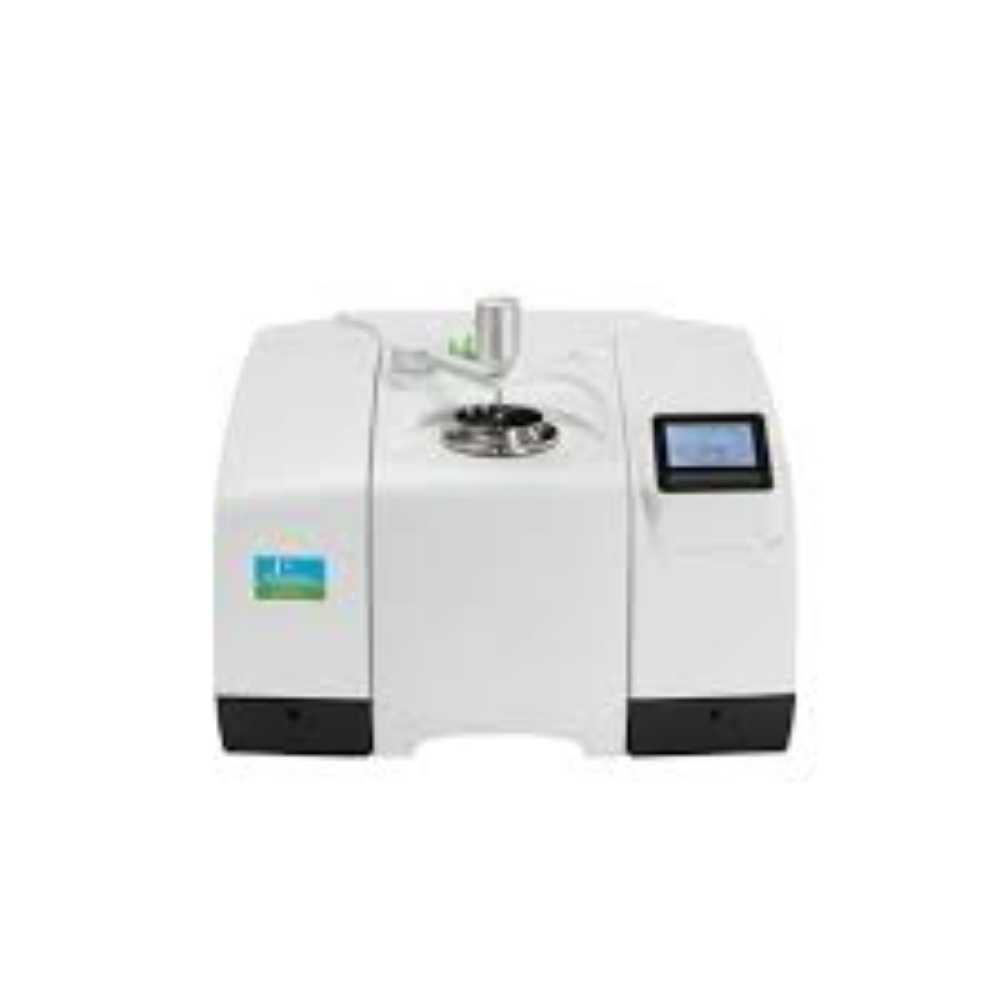
Infra-red spectrometer used to obtain an infrared spectrum of absorption or emission of a solid or liquid to determine chemical propertiesHigh-speed medium-wave infrared (MWIR) camera for controlling & monitoring industrial processes operating at variable temperatures.
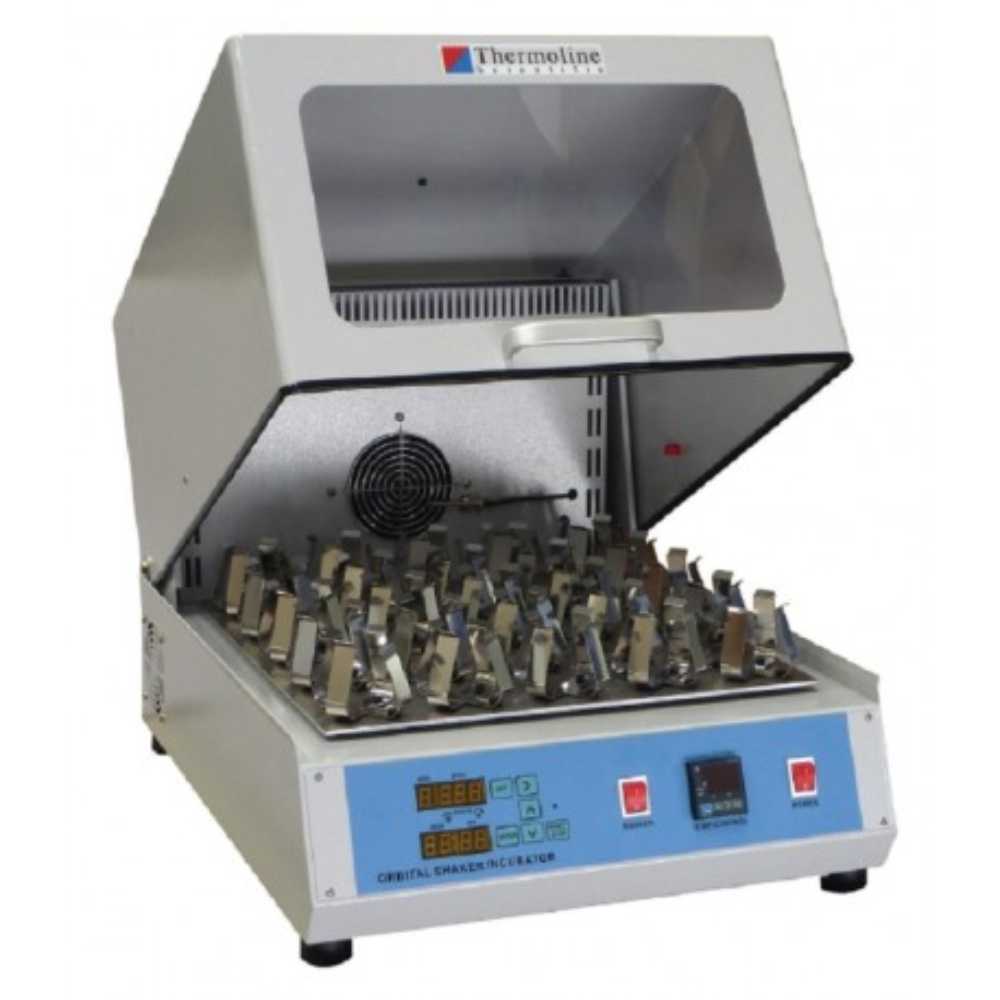
Shaker/Incubator used for environmental samples - absorption studies at controlled temperature and shaking.
CO2 incubators utilize advanced technology for temperature, CO2, and O2 control. They combine specialist sensors, heating and insulation, to create a precise balance within the chamber that meets specific culture requirements.
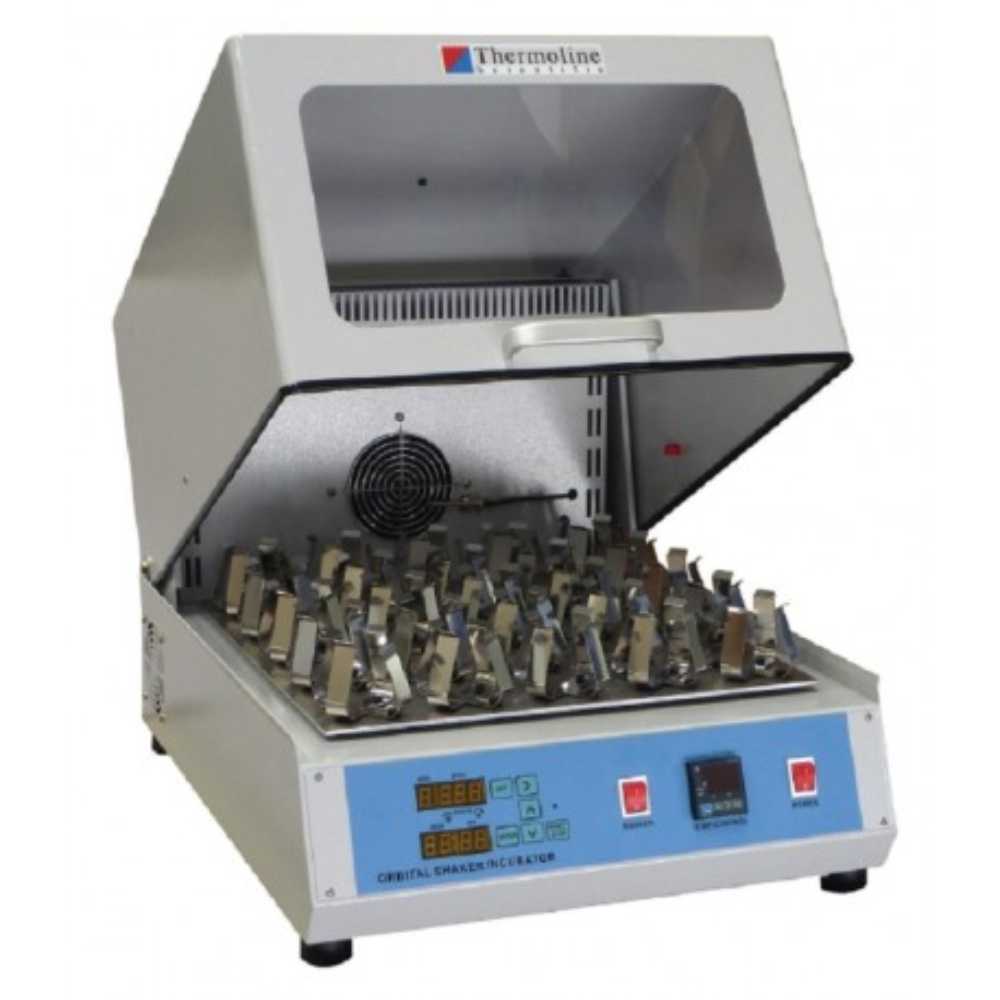
It provides a controlled environment for samples to grow and develop while also providing mechanical agitation to mimic the natural movement of cells in their environment.
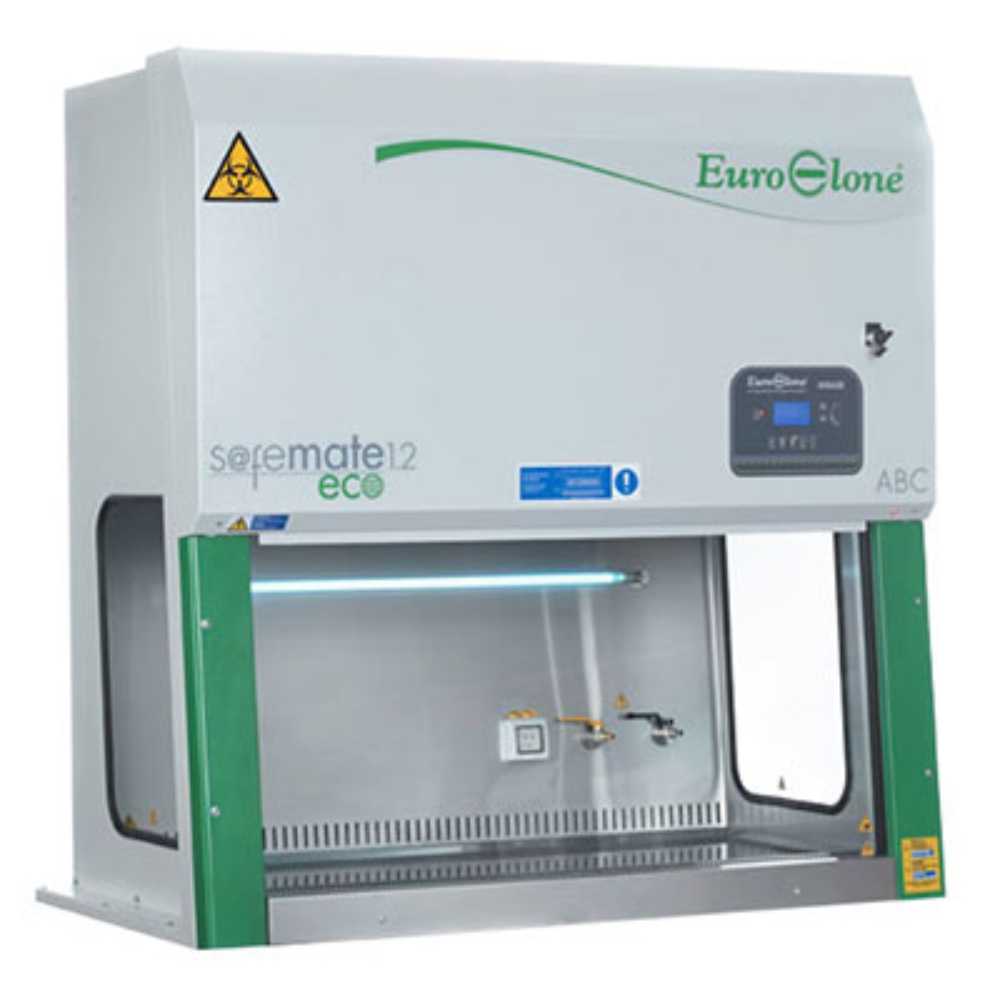
A biological safety cabinet (BSC) is a primary engineering control used to protect personnel against biohazardous or infectious agents and to help maintain quality control of the material being worked with as it filters both the inflow and exhaust air.
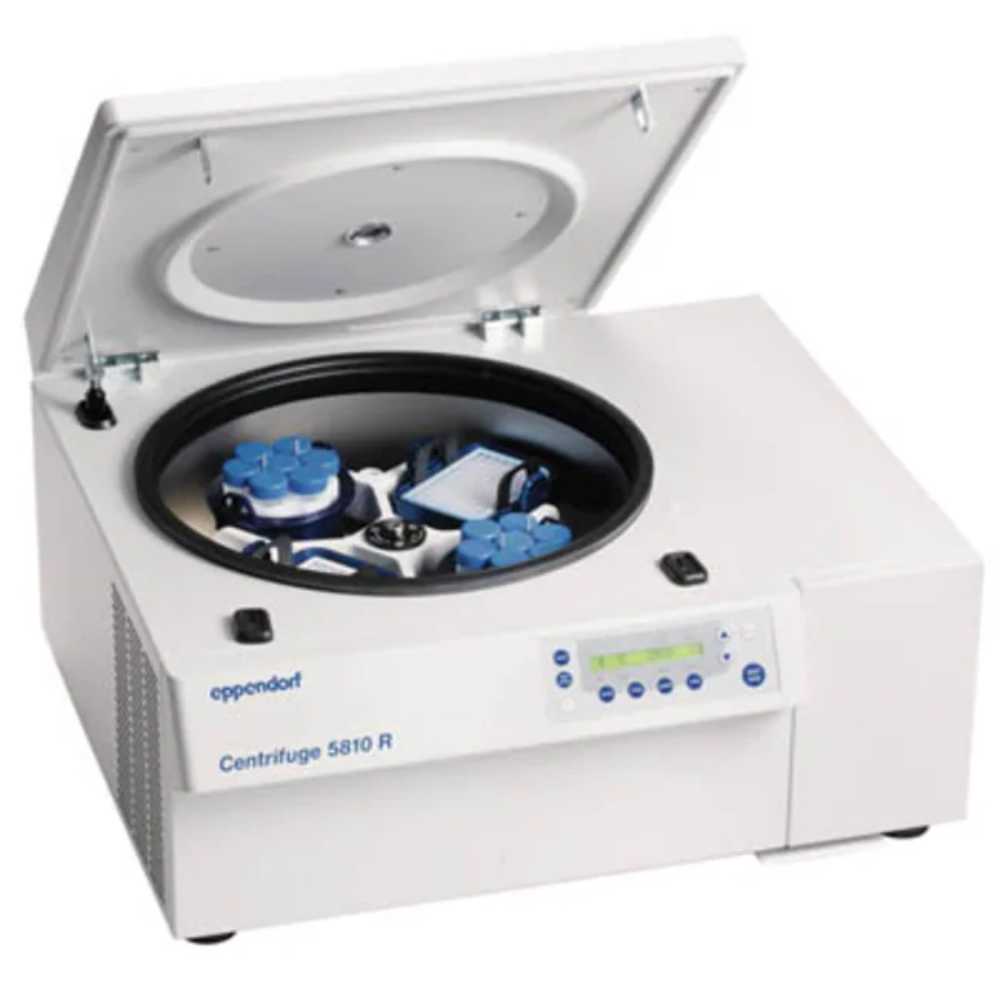
It is the workhorse for medium to high-throughput laboratories and combines versatility and high capacity to allow you to use both tubes and plates.
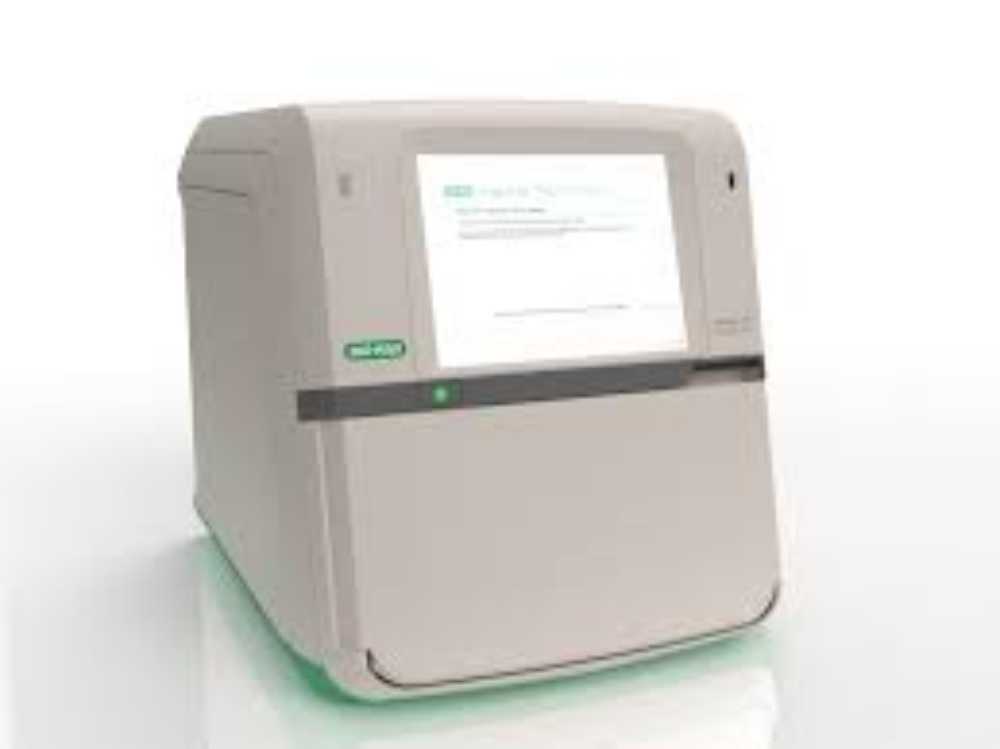
It is designed to address multiplex fluorescent western blotting, chemiluminescence detection, general gel documentation applications, and stain-free technology imaging needs.
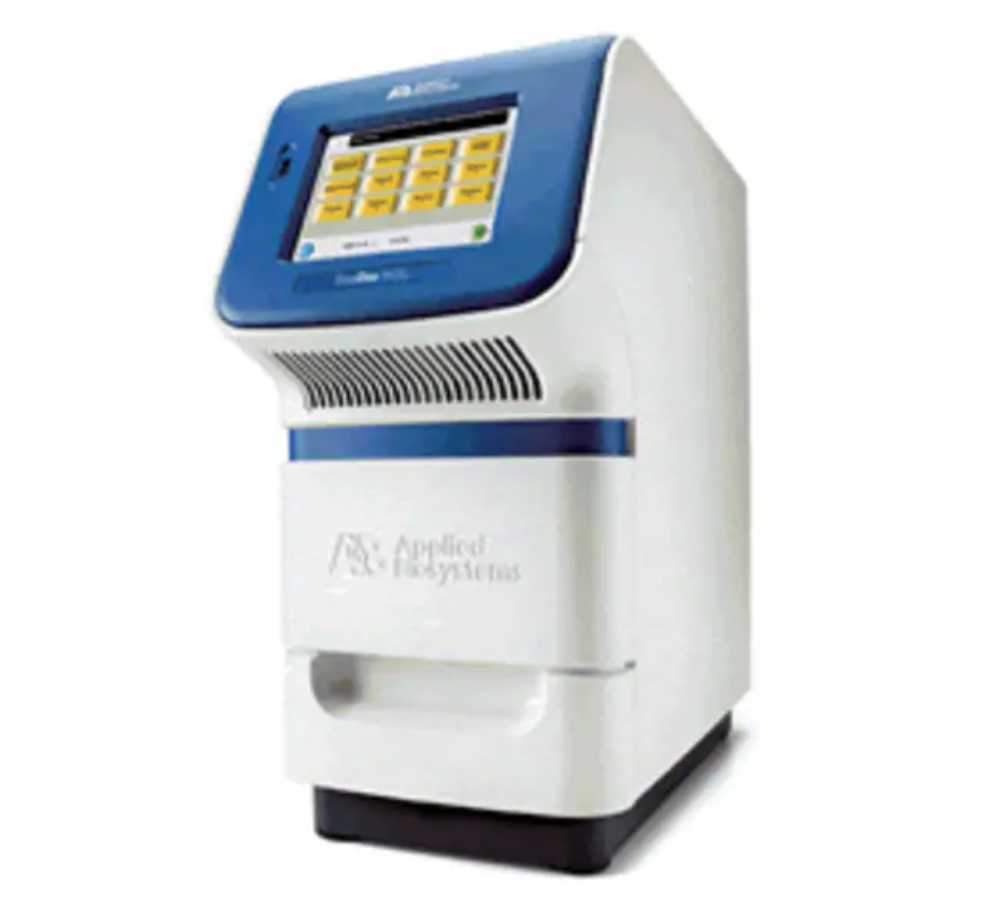
It is designed to deliver precise, quantitative Real-Time PCR results for a variety of genomic research applications.
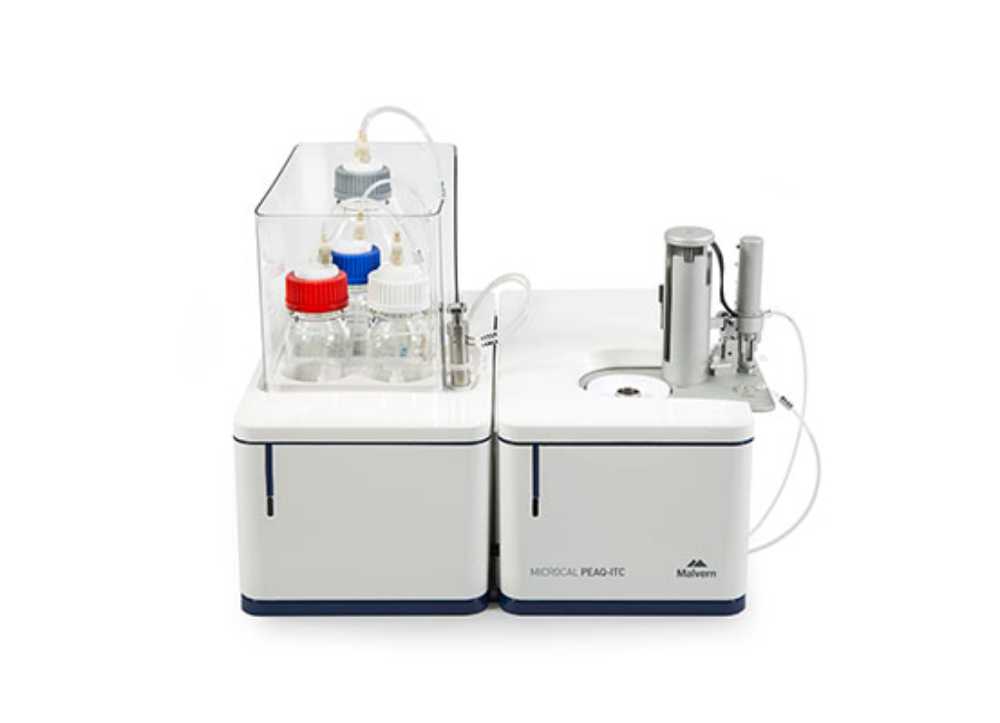
It delivers direct measurement of all binding parameters in a single experiment and can analyze weak to high affinity binders, using as little as 10µg sample.
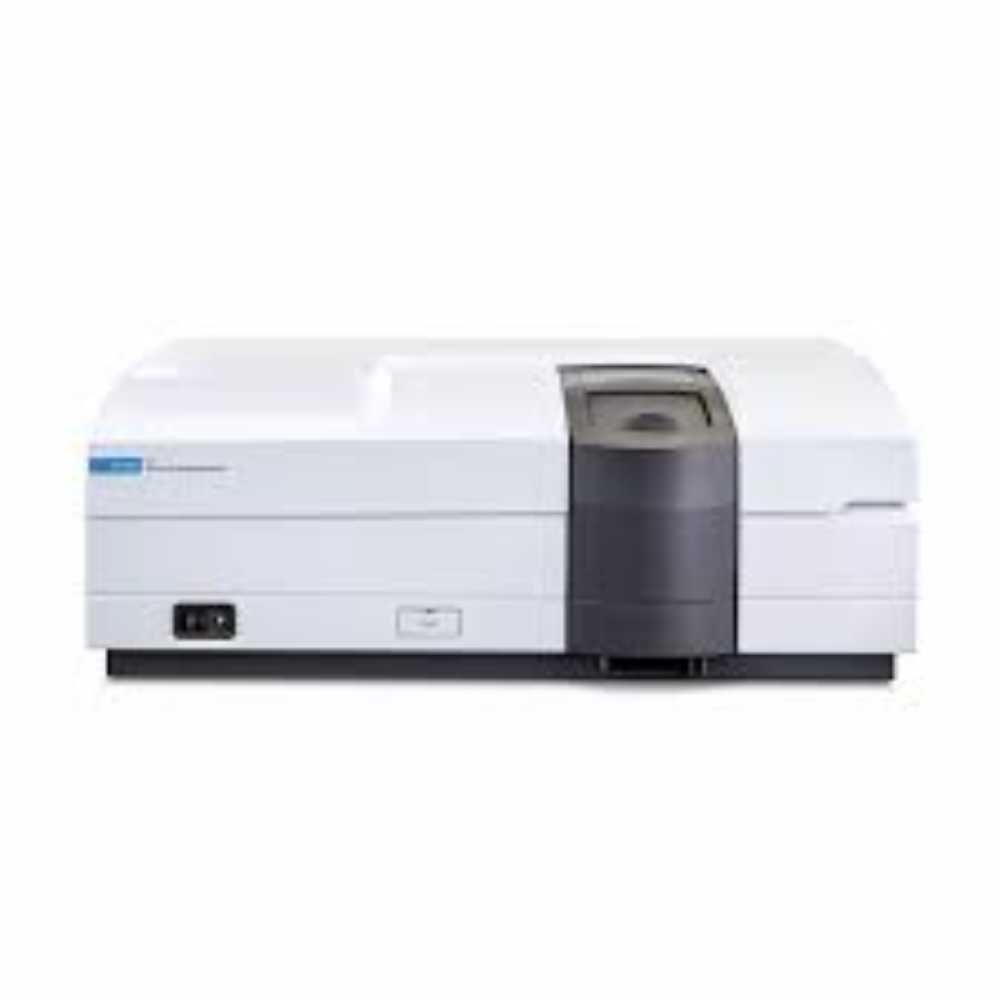
Cary UV-Vis-NIR spectrophotometers provide specific photonics testing and measurement solutions for photonic devices, and components of all sizes and shapes. Reflection and transmission of light can be captured over wide dynamic ranges, optical densities, and spectral resolutions.
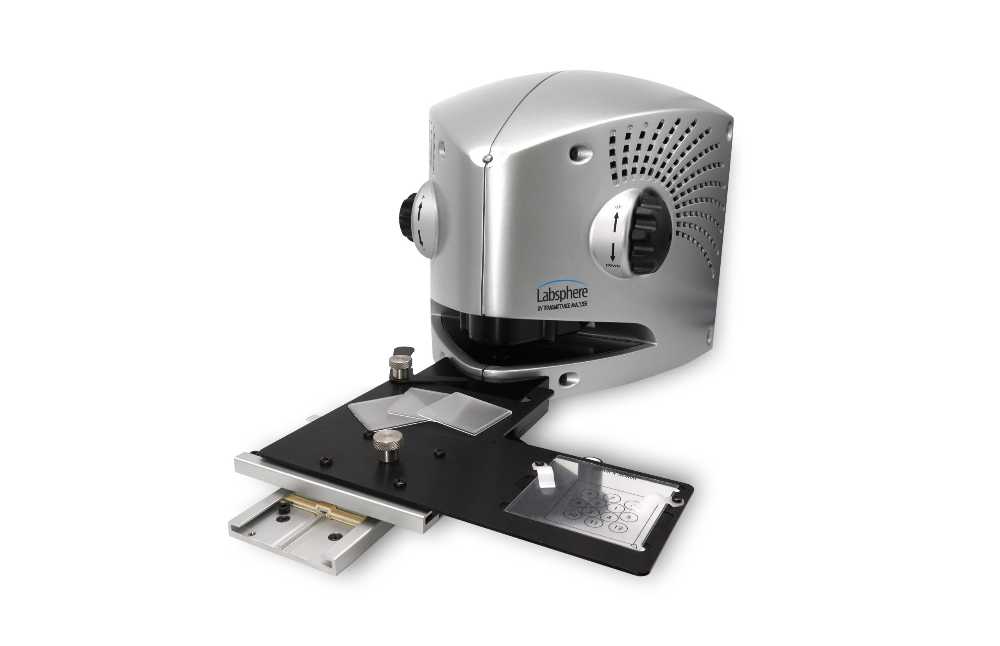
Rapidly measure diffuse transmittance in the ultraviolet wavelength region from 250 – 450 nm and comply with industry standards for in-vitro sunscreen analysis and textile UPF analysis.
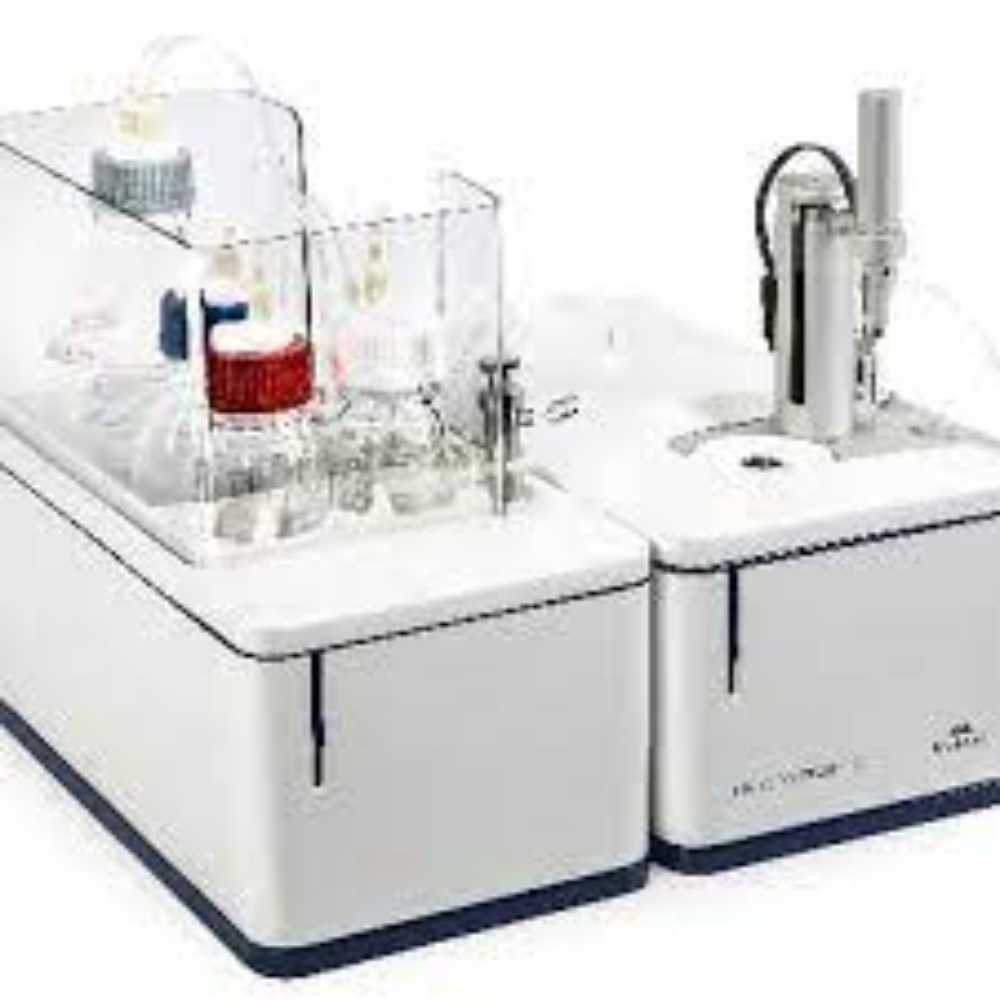
It delivers direct measurement of all binding parameters in a single experiment and can analyze weak to high affinity binders, using as little as 10µg sample.
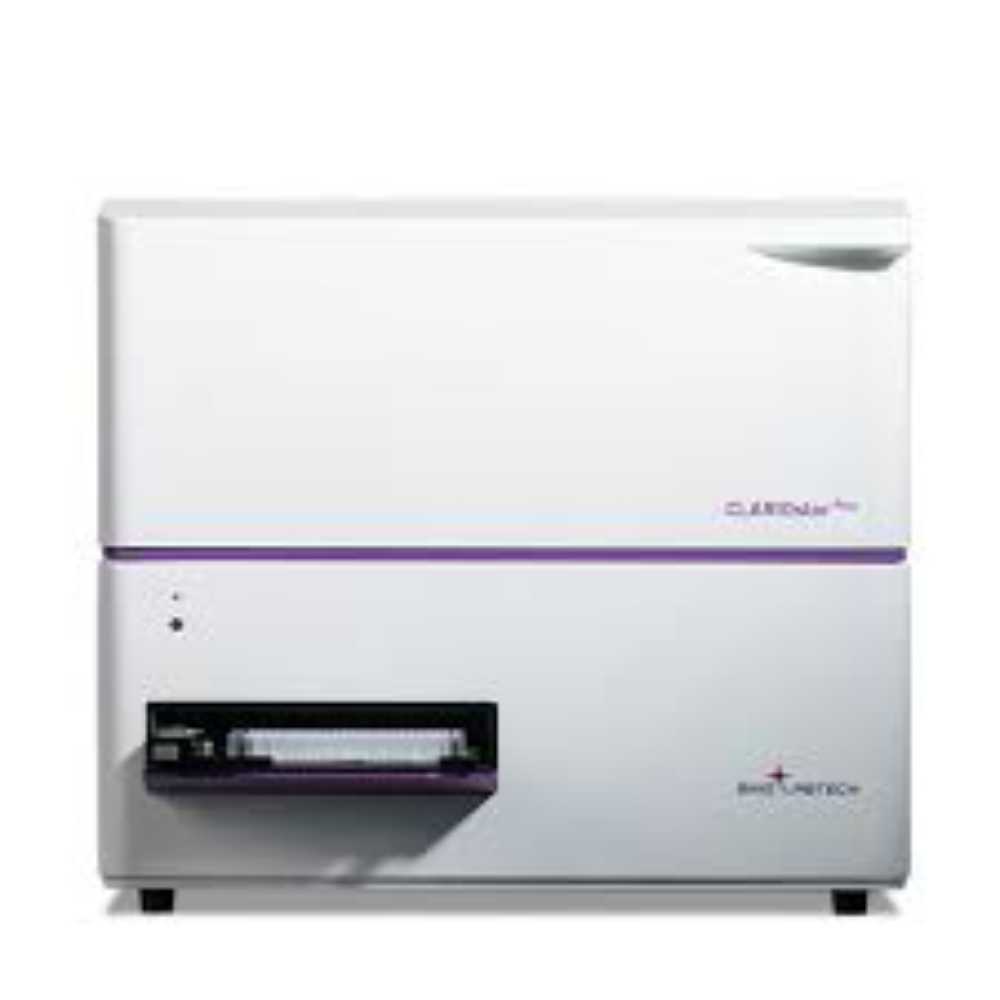
A microplate reader is a laboratory instrument that is used to measure chemical, biological or physical reactions, properties, and analytes within the well of a microplate
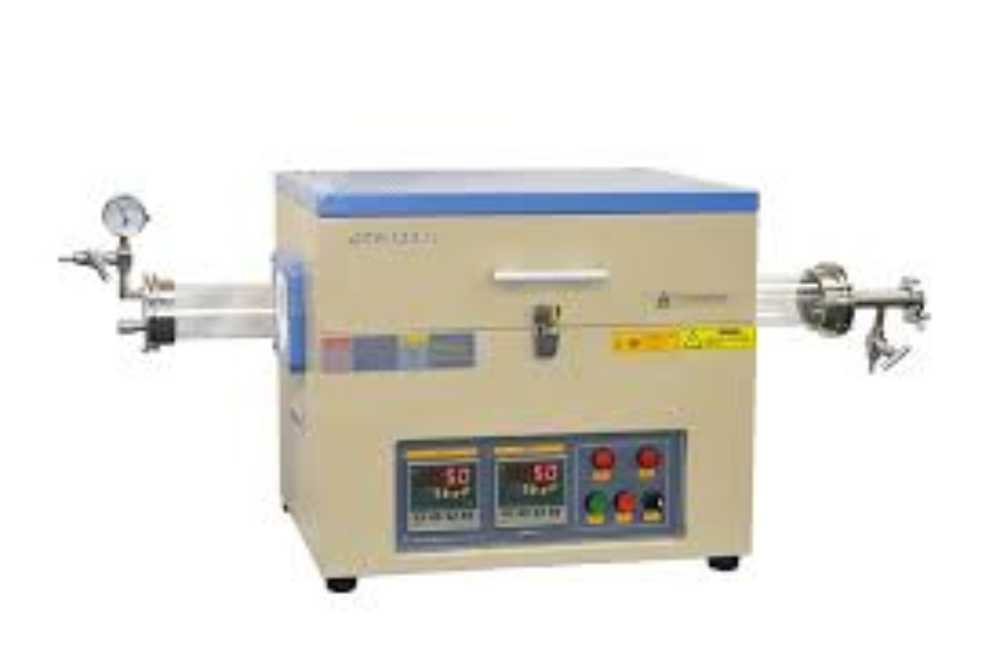
A tube furnace is a heating device that meets precise temperature control and uniformity requirements. Tube furnaces are designed to contain a work tube or vessel, into which samples can be placed and then heated. The heating elements are positioned around the work tube to optimise temperature distribution.



